
I have been alerted to a recent article in the New York Times about the continuing demand for the best quality office space in the City, a piece of apparent boosterism at a time when most of the evidence seems to point in the other direction: a decline in demand, apparent vacancies, offices keen to shrink to save money when so many people are now working only a three-day week in the office post-COVID. But I suppose I hope that the City’s planning committee are right and that all the tower blocks they are allowing to be built will be let.
John Raven
I find it odd that my uncle John Raven who led a richly varied life as a classicist and Senior Tutor of King’s College, Cambridge is now chiefly remembered for a paper he wrote for Trinity College, Cambridge in 1948 demonstrating that plants which had been discovered on Rhum by John Heslop-Harrison, the Professor of Botany at Newcastle University, had been put there fraudulently.
The episode has already been the subject of a book, The Rum Affair, published in 1999, and was this morning the subject of a short programme (see below) on scientific hoaxes:-
https://www.bbc.co.uk/sounds/play/m001ptb5?partner=uk.co.bbc&origin=share-mobile
I hadn’t remembered that he published that they couldn’t be natives in Nature without mentioning how they had got there, although it seems that the people in the local big house had already guessed.

Woman and Fish
I feel badly that I had not registered the local campaign to return the replica of Frank Dobson’ sculpture Woman and Fish (the original was first decapitated in 1979 and later destroyed in 2002) to its original location at the junction between Cambridge Heath Road and Cephas Street where its plinth still survives.
This morning I went to see where it is now at the bottom of Millwall Park – perfectly respectable and no doubt safer from vandalism, but not its intended location at the heart of the Cleveland Estate where it was placed in the high noon of civic idealism in 1963:-
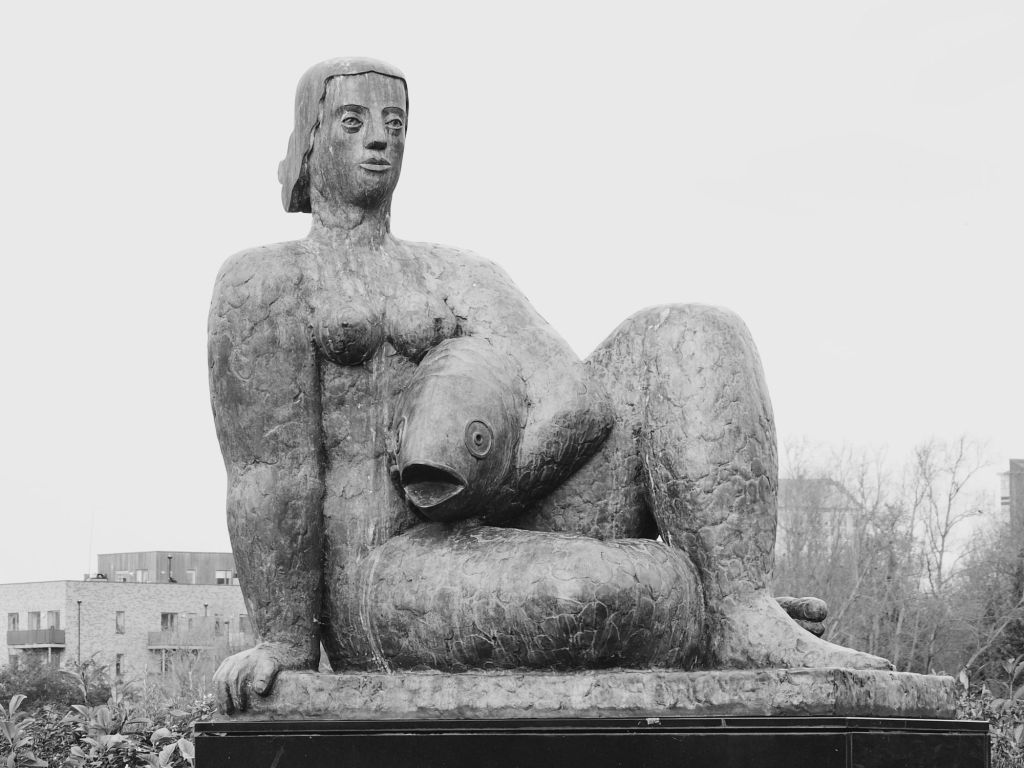
Funds have apparently been allocated in the Tower Hamlets budget for it to be moved, but the Council is now dragging its feet.
Maybe it could be a New Year’s resolution to get it moved.
Jean-Étienne Liotard
We went to the small, but very choice exhibition of work by Liotard in the Sunley Room at the National Gallery.
I found its focus on the two versions of a portrait of the Lavergne Family Breakfast, one in pastels dated 1754 and the other a very exact, but much deader, precise copy in oil dated 1772, less interesting than the other work surrounding it: the amazing self portrait in the Royal Collection, said to have been once owned by Horace Walpole, although the online catalogue of the Royal Collection says that it ‘may’ have been acquired by Augusta, Princess of Wales on 15 August 1753:-
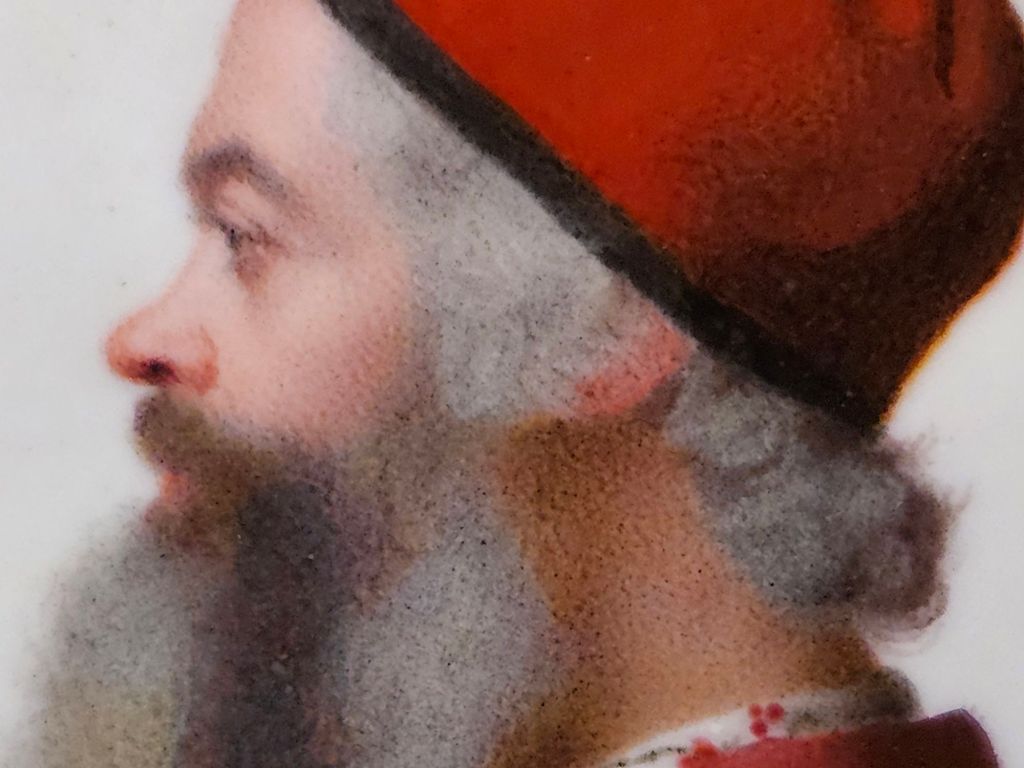
The Rijksmuseum looks as if it has acquired one recently – it’s very beautiful;-
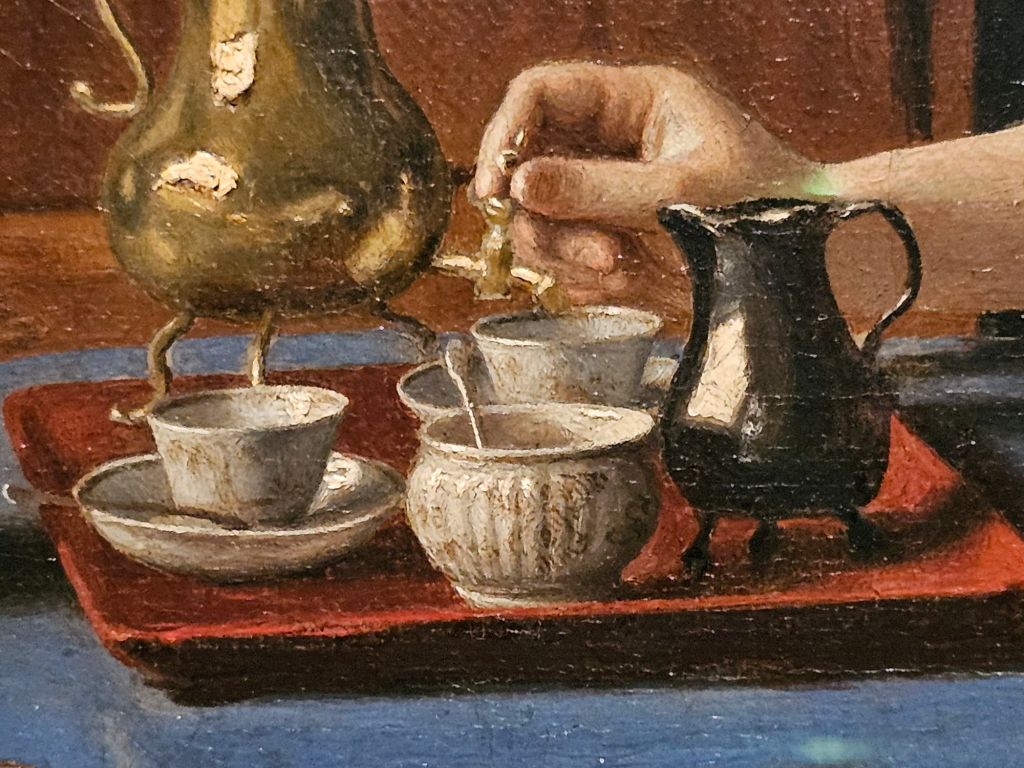
The exhibition is very well worth seeing, although small.
A treat for the New Year !
2024
The obvious corollary of looking back over 2023 is looking forward to 2024.
My biggest hope for 2024 is that Michael Gove will turn down the so-called Slab, a monster building project which is planned for the South Bank nearly next door to the National Theatre and opposite Somerset House. It will dwarf St. Paul’s.
The exhibition of models of the Warburg Institute opens at the Architectural Association on 18 January. The book which accompanies it, already published, is excellent.
Only today, we were speculating whether and when the new Grand Egyptian Museum in Cairo will finally open. The Financial Times says February, but not definitely, an unusual way to open a museum.
Gavin Stamp’s posthumous book Interwar: British Architecture 1919-1939 is being published on 7 March. Definitely something to look forward to.
The last volume in the revised second – sometimes third – editions of Pevsner will be published in June. Staffordshire, as revised by the late Christopher Wakeling. A heroic moment, marking the end of a seventy-three year project since the publication of two thin volumes on Cornwall and Nottinghamshire in July 1951, with their brown-and-white, austerity covers designed by Hans Schmoller. Price 3/6d. ‘Well worth a place in your rucksack’, according to the Daily Mirror.
The new look Warburg Institute, revived and revamped by Haworth Tompkins, who proved their brilliance at the London Library, is due to open in September.
The big expansion and reconfiguring of the Frick Collection by Annabelle Selldorf is due to open in the autumn.
So, is the new LACMA designed by Peter Zumthor. What will the verdict be, nearly twenty years after the project began ?
If readers have suggestions of architectural things I should see or write about in my monthly column in The Critic, do please let me know.
2023
I have been trying to figure out 2023, my 69th. year.
Not very satisfactory politically, I feel: the tail end of a government which has has given up on any prospect of re-election; a resigned sense even amongst ministers that it has run out of steam after too long a run, although I suppose it is always possible that they will be re-energised by electioneering, which I sometimes feel is the only thing they have been really good at, brave at campaigning, but hopeless at government. They have been so totally unwilling to trust anyone to do it on their behalf, as if everyone is the enemy and they have no friends, in spite of their electoral success. Odd that.
There have been too many deaths, starting with my older brother, Richard who tripped on his way to the gym and hit his head on a rock. I missed his burial in Tyre, but went to a commemorative party in the small town in south-west France where he lived when not in Lebanon and so wished I had been there when he was alive.
It was the 300th. anniversary of the death of Wren: much to celebrate. And of the birth of William Chambers, much less well noticed, with only a conference held in Sweden where he was born.
Then, it was the year when the thefts at the British Museum were discovered and we were promised a fully independent report on how and why they had happened by the end of the year, but it still feels deeply mysterious how and why they took place over such a long period of time. Maybe we will find out one day.
I would have liked to have seen Sydney Modern, but did see the new National Museum in Oslo, a deeply impressive building and architectural project, built to last and restoring one’s faith in the symbolic function of the museum.
But the point of this post is really only to wish my friends and readers, some of whom I only discover by accident, a Happy New Year.
Hiroshi Sugimoto
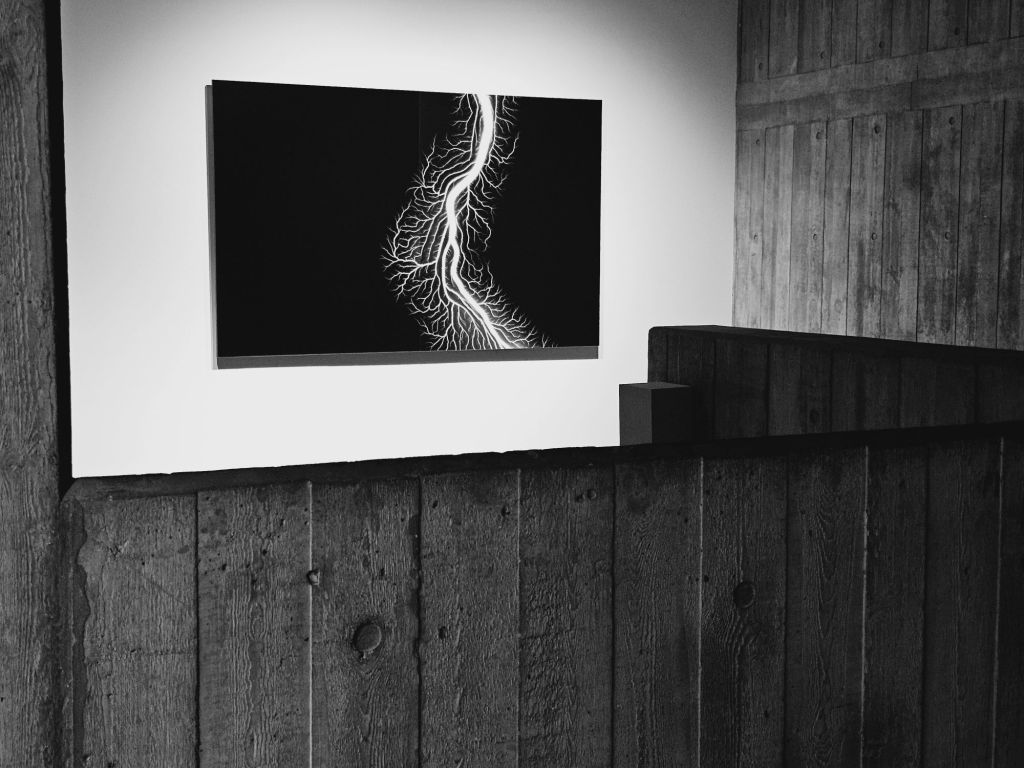
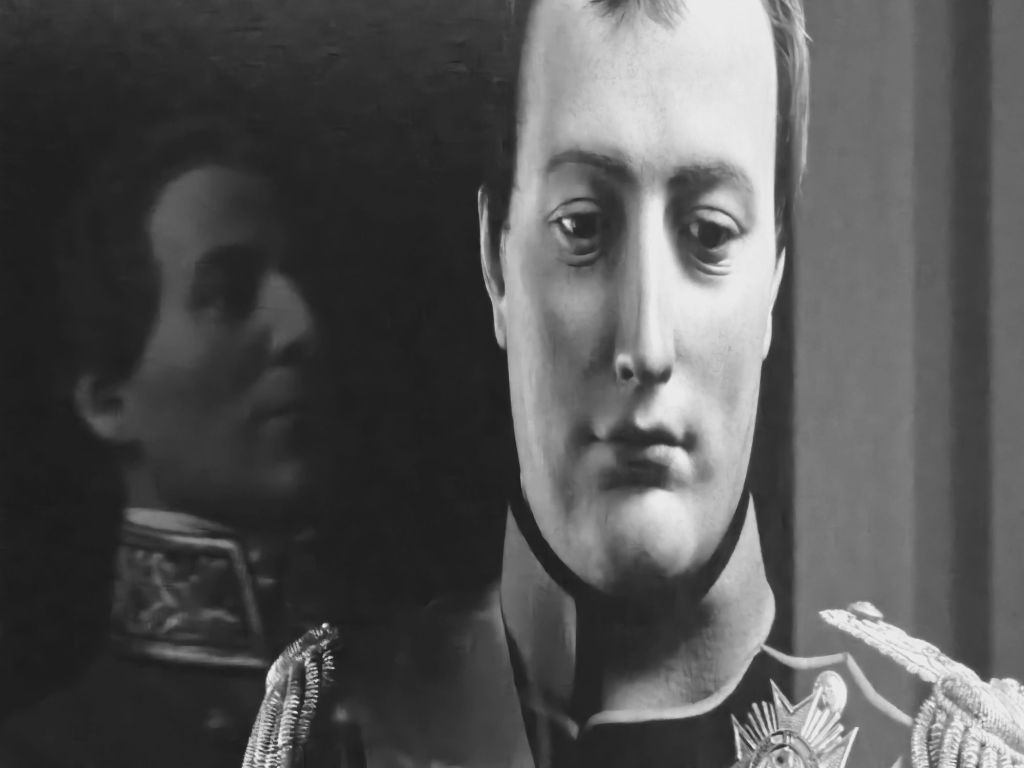
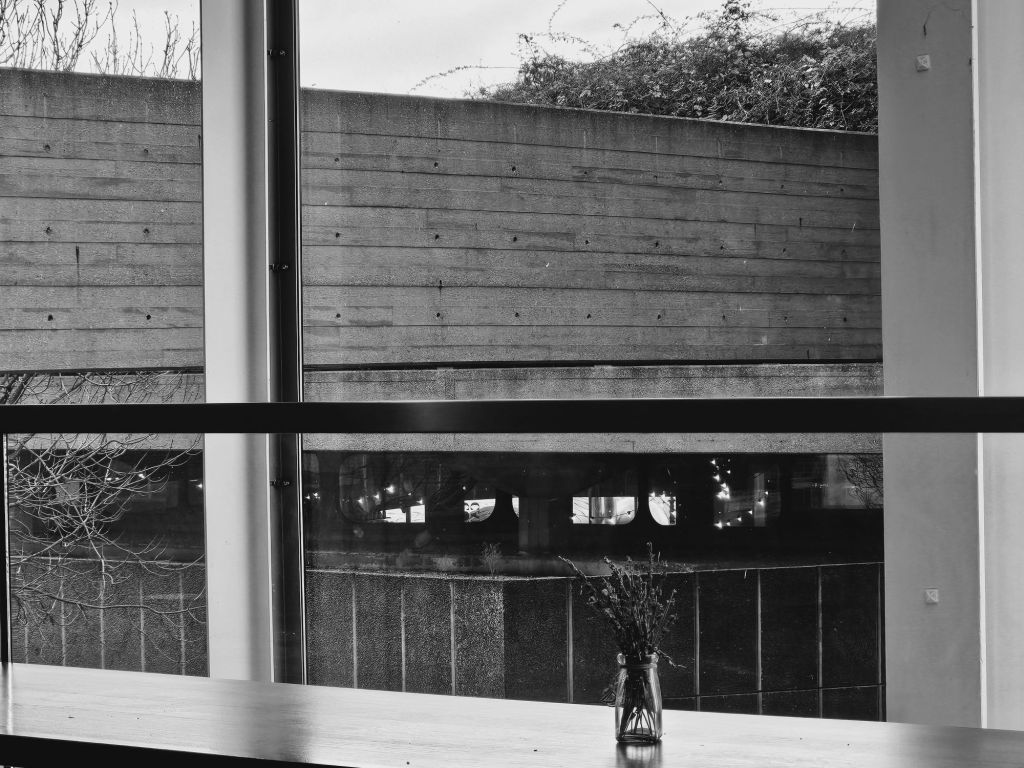
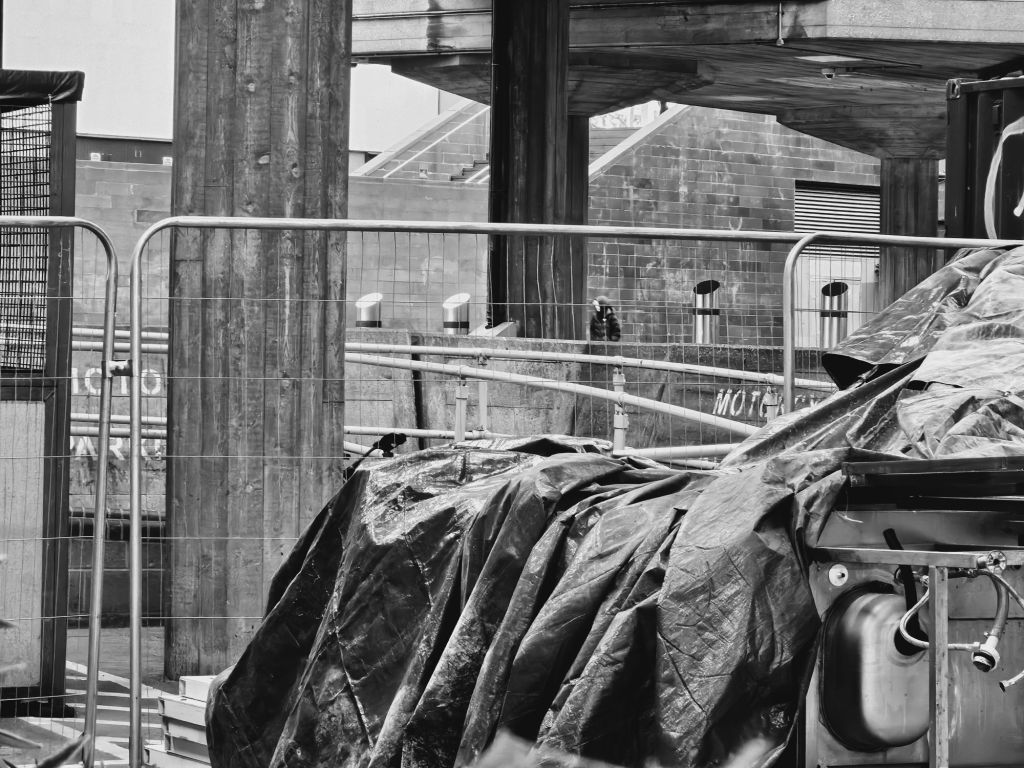
We went to the Sugimoto exhibition at the Hayward Gallery – deeply impressive, especially the early work taken in the late 1970s when he was working as a dealer in New York and started photographing dioramas in the American Museum of Natural History which are spookily hyper-realist; and then his photographs of the inside of cinemas which need to be seen not in reproduction, again because of the extreme precision of images taken on an 8×10 large-plate camera.
The Hayward Gallery provided a good setting for the work:-
Stone Carvers (3)
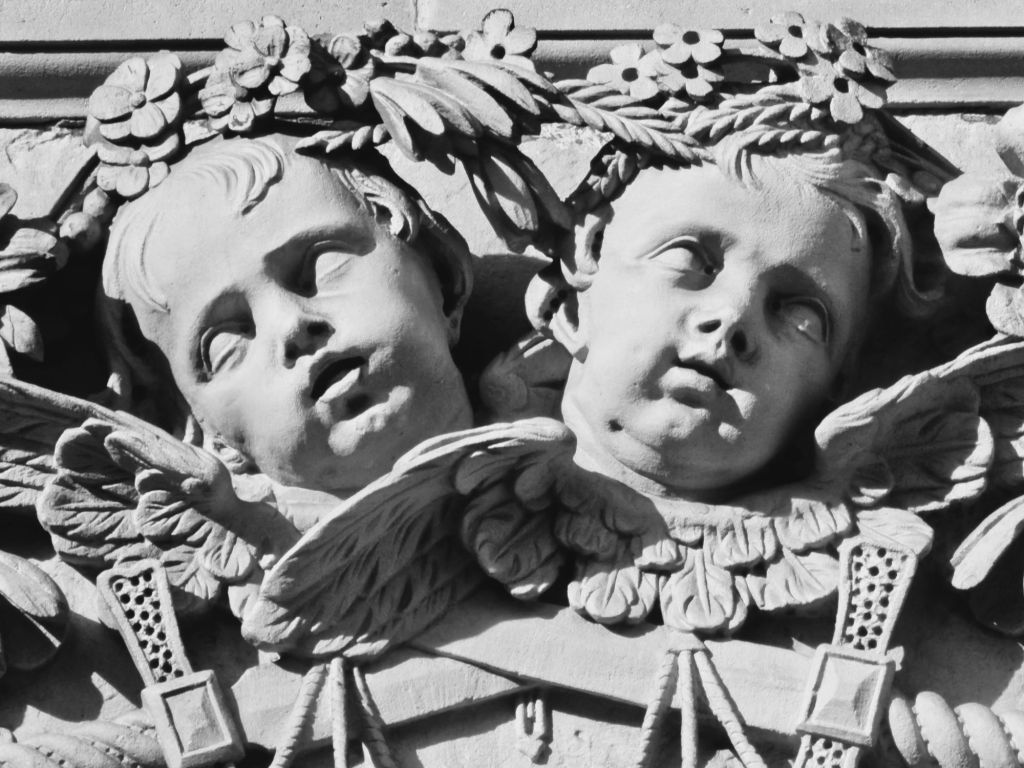
As you will have detected, I have become mildly obsessed by the question of attribution of the stone carving on the exterior of St. Paul’s, so much so that I went this morning to have another look at the carving of the cherubs I used for my Christmas card:-
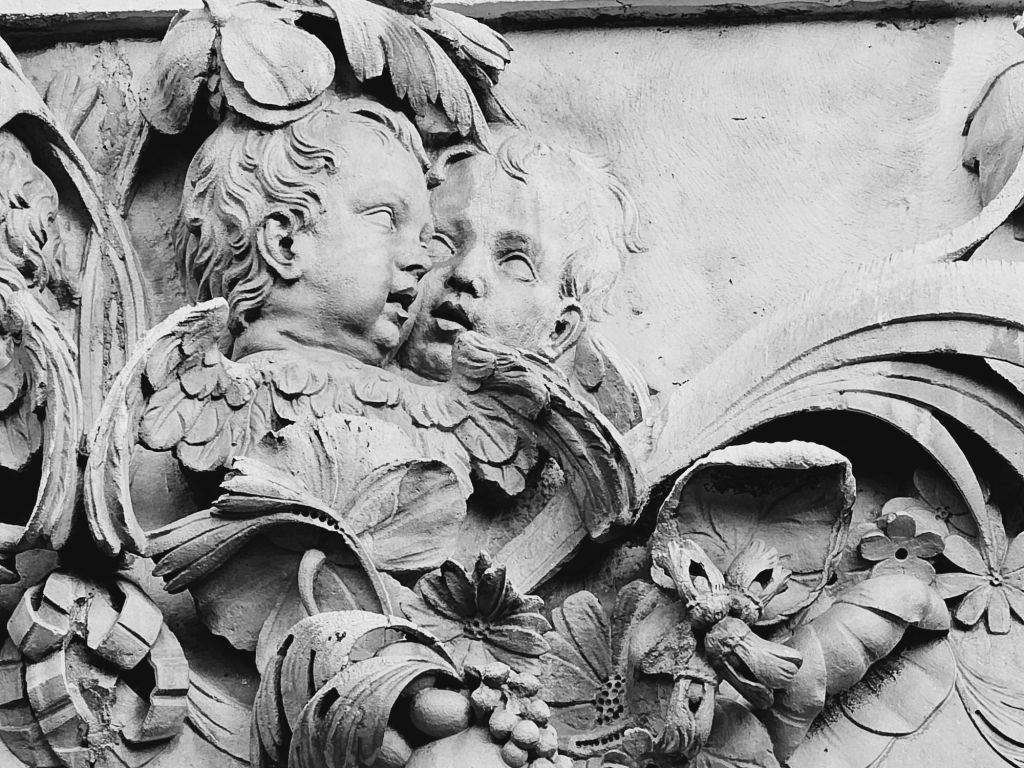
As I thought, they are better – more life-like, with one of them in shallow half relief – than the majority of the other cherubs which are lively and robust, but much cruder:-
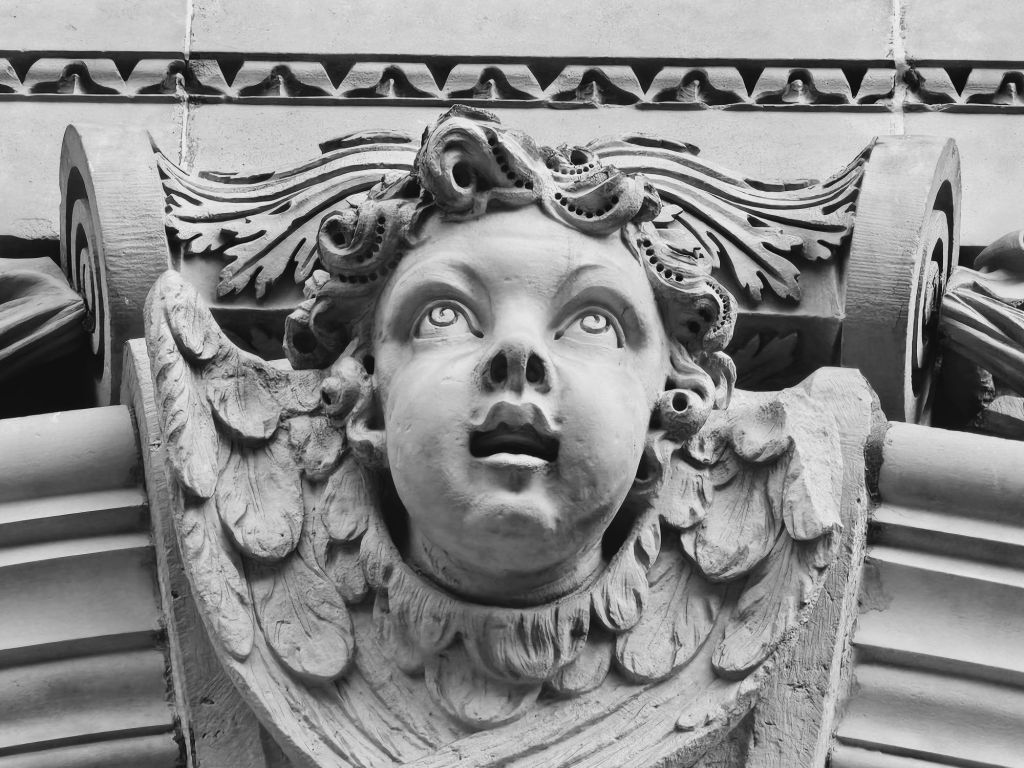
The location of the twin cherubs above is on the external wall of the chancel close to the east end, so in the area which seems to have been overseen by Thomas Strong before his death.
There was probably a difference between the work undertaken by Edward Strong after his father’s death – Edward was really more a building contractor than a mason, responsible for the organisation of labour and big teams of workmen (he was employing sixty five people in the 1690s), whilst Edward Pearce who took on a contract for the remainder of the south chancel was more of an artist, a member of the Painter Stainers Company before labour laws were liberated to allow skilled labour from outside London.
So, I hypothesise, without any evidence, that the putti are by Edward Pearce, a demonstration of his skill in order to win the contract for the next stage of building work. But I hope there is someone who knows better.
Stone Carvers (2)
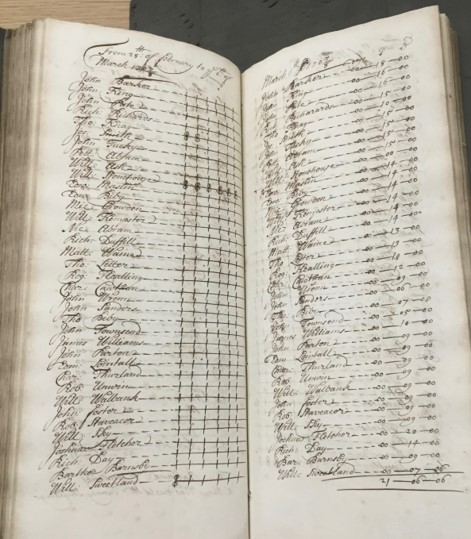
I have realised that my last post grossly oversimplified the number of mason-contractors involved in undertaking work at St. Paul’s. Yes, Thomas Strong and Joshua Marshall signed the initial contract, and Edward Strong took over following Thomas’s premature death in 1681, remaining the only contractor involved from beginning to end. But there were at least four others involved in taking on contracts, as shown in a diagram in James Campbell’s excellent book, Building St. Paul’s, including Edward Pearce, himself a very skilled sculptor, responsible for the bust of Wren in the Ashmolean, who had the contract for the south portico. Pearce was then superseded by Christopher Kempster and Ephraim Beauchamp, who were responsible for the south-west tower. William Kempster’s day books, relating to work at the west end and the dome, demonstrate how complicated it is to work out exactly who did what (see https://manyheadedmonster.com/2019/02/11/a-page-in-the-life-of-william-kempster-master-mason-and-scribbling-accountant/):-
Stone Carvers (1)
Several people have asked me about who was responsible for the stone carving on my Christmas card:-
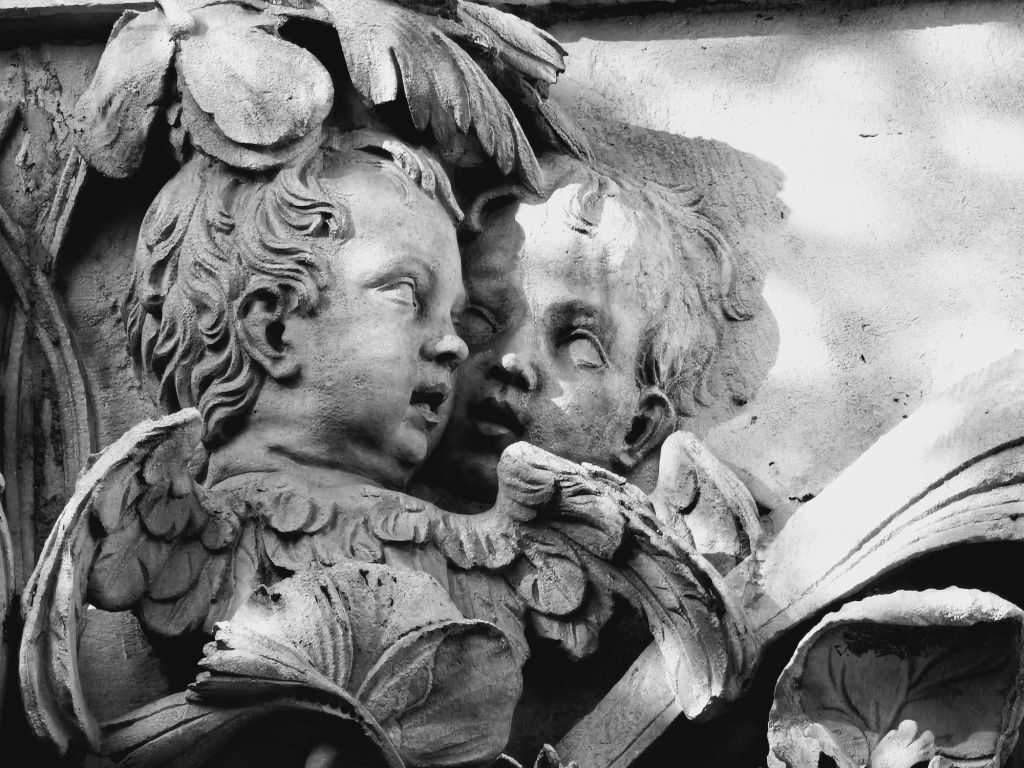
The answer is not straightforward (I have been helped by Sandy Nairne).
Thomas Strong and Joshua Marshall were recruited by Christopher Wren as the mason-contactors for the construction of St. Paul’s. Thomas laid its foundation stone on 21 June 1675. By 1678, there were thirty-five masons at work according to the records of the masons’ company. Thomas Strong is recorded as having made a lot of money ‘in doing work in Rebuilding the City and in selling stone to others’. Thomas Strong died ‘about Midsumer 1681’ at which point his business was taken over by his younger brother Edward.
So, the stone carving is likely to have been undertaken by one of the masons employed by the Strongs – anonymous but highly skilled:-
 | Charles | Saumarez | Smith |
You must be logged in to post a comment.