Jim Ede

It has taken me longer than it should to read Laura Freeman’s totally admirable and beautifully written book about Jim Ede – Ways of Life: Jim Ede and the Kettle’s Yard Artists. She does not pretend that Ede was better than he was: a bit disorganised, but totally passionate about art of his time in contrast to the Tate as it was in the 1920s and 1930s when he tried so hard and totally failed to persuade them to collect the artists he was having to supper in his Hampstead house in Elm Row (it surely ought to have a blue plaque). He was obviously charming, sometimes a bit wilfully naive and absolutely determined as a collector and organiser of his domestic environment. She conveys all this so clearly, no word misplaced.

Oh, and by the way, the book is very beautifully produced, as it should be, but it doesn’t say who designed it.
Standard

Napoleon

I enjoyed the film about Napoleon, but it seems odd that so much of it is shot in the UK. Boughton makes sense because it was designed in the style of a French château in the 1680s; Blenheim which is used for so many of the interiors comes across as much more French than I would have expected – more spacious too; it seems particularly odd that a version of the north façade of Blenheim is used to represent Moscow before it is burnt down. Then I thought there was quite a lot of use of the Painted Hall at Greenwich, as well as a glimpse of the long walkway by the William III Court. So, late seventeenth-century British architecture is used as a simulacrum of post-Revolutionary France.

The one I couldn’t figure out was the Château de Malmaison which had a lovely English landscape garden.

Standard

Jephtha

I have been digesting last night’s wonderful performance of Jephtha, its last night. I hadn’t realised that Handel lost the sight of his left eye, whilst he was composing the opera, writing on the manuscript (in German), ‘Reached here on 13 February 1751, unable to go on owing to weakening of the sight of my left eye’. Maybe this helps to explain the extraordinary intensity of the third act, which doesn’t feel characteristic of Handel, nor of the mid-eighteenth century. By the summer when he completed the opera, he had completely lost the sight of his left eye and two years later he was blind.

Standard

Romilly Saumarez Smith (3)

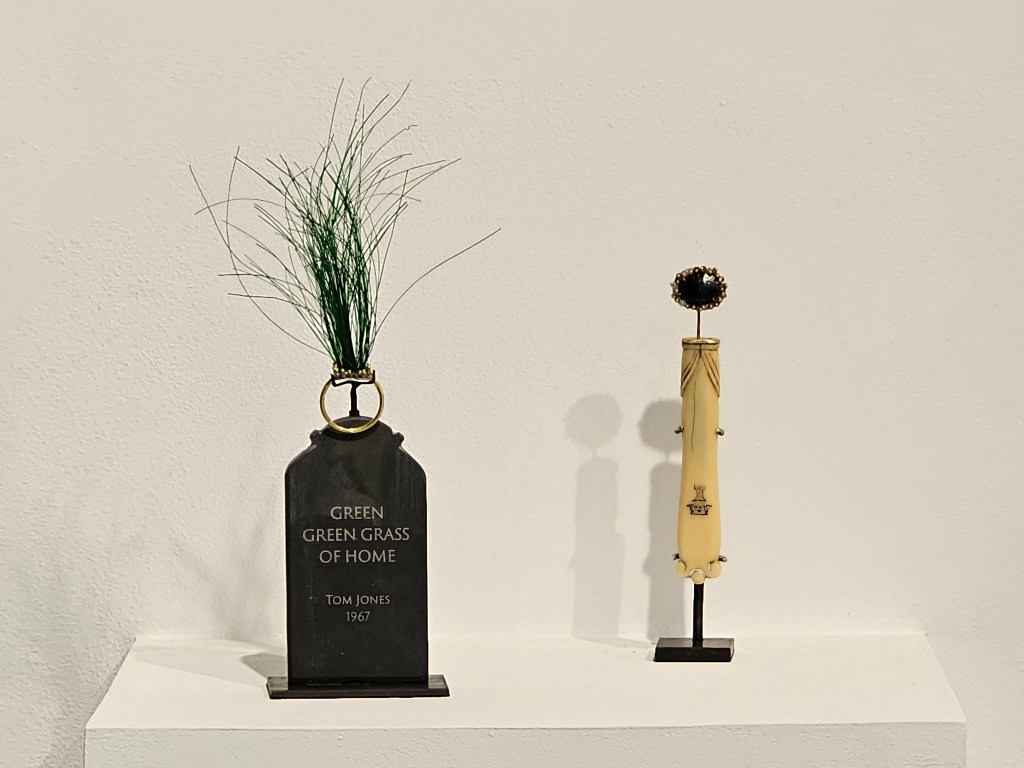
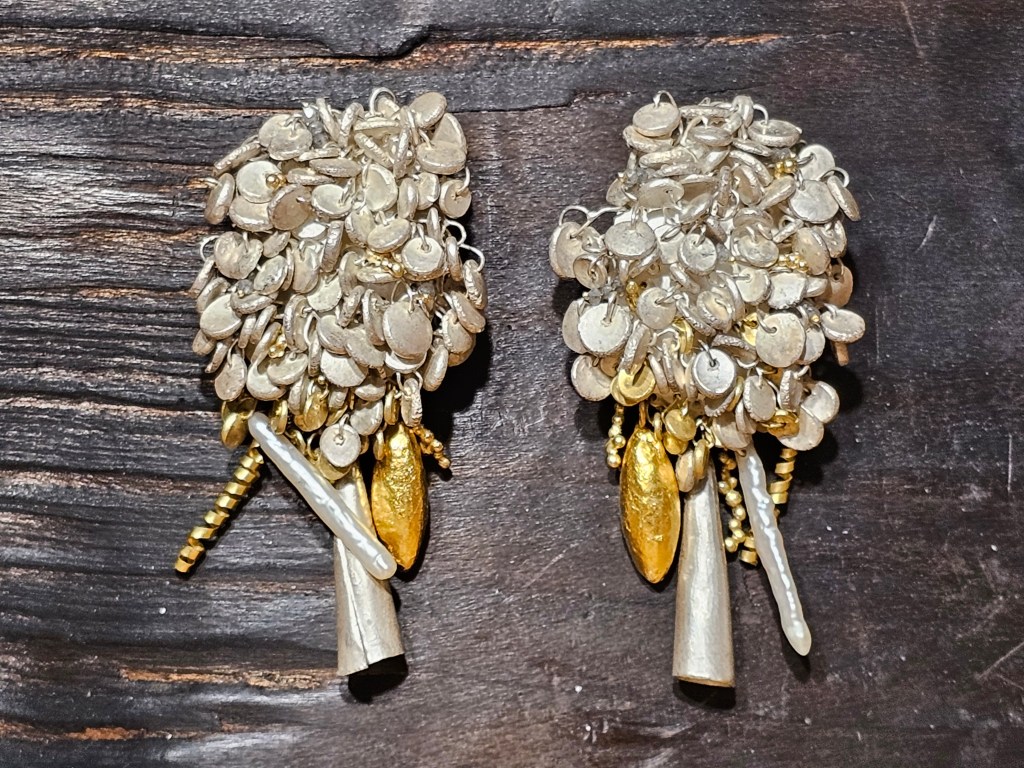
I was able to visit the two exhibitions today in which Romilly has work.

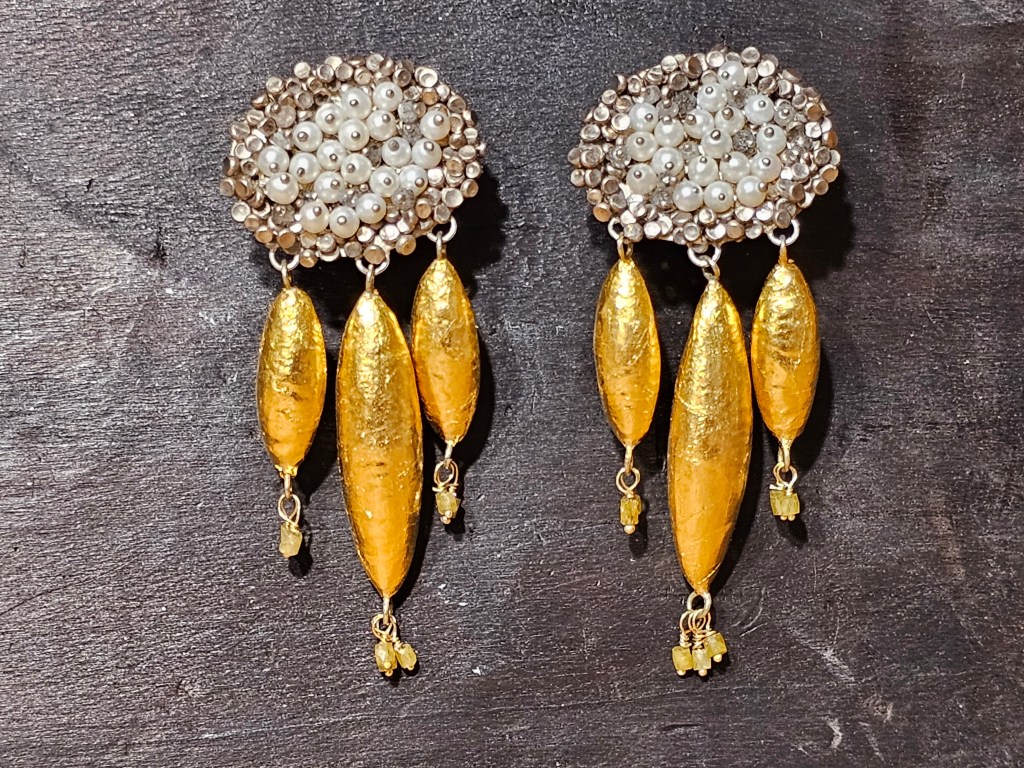
The first is in the Sarah Myerscough Gallery in New Row, where the New Craftsman used to be – walking distance from Marble Arch.  A beautiful space.  The exhibition has been curated by Corinne Julius round the theme of memory.  See The Green Green Grass of Home and Brachiopod Treehandle-

The second is in Flow Gallery in Needham Road just off Westbourne Grove, in display cases together with the jewellers with whom she works:-

Standard

The Faith Museum (2)

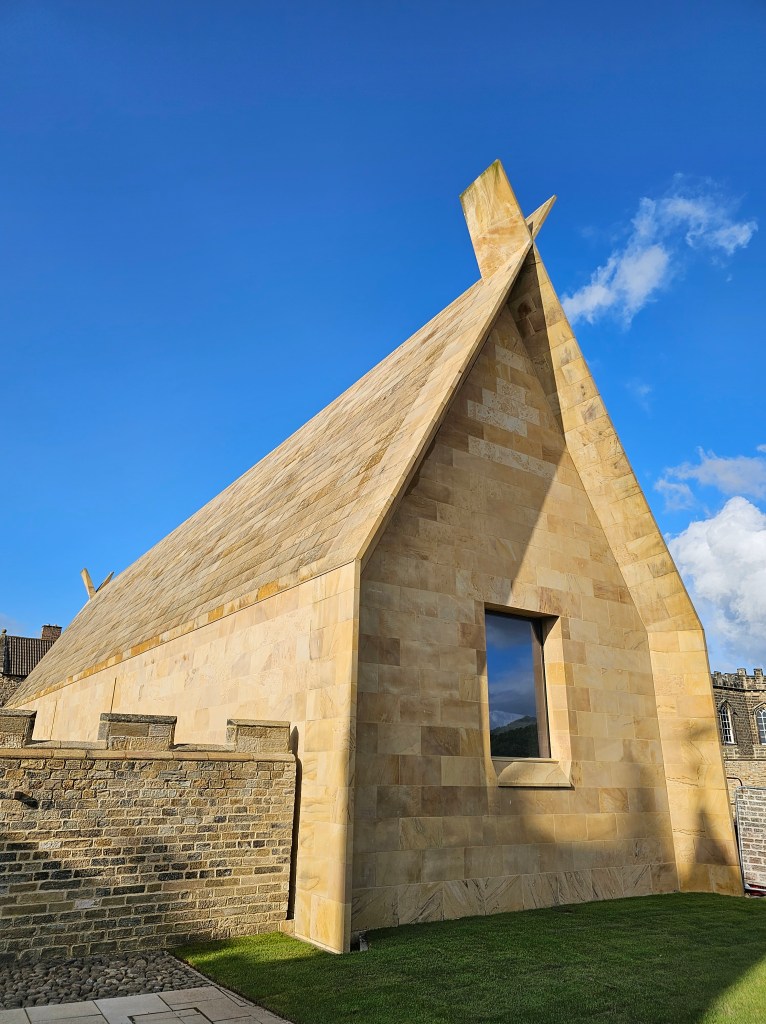
Ages ago, I went to an event to celebrate the opening of the new Faith Museum in Bishop Auckland. By chance, I found myself waiting for the minibus with Niall McLaughlin which helped inform my analysis of it, as below:-

https://thecritic.co.uk/issues/november-2023/keeping-the-faith/

Standard

Portrait of Mai

I wasn’t able to attend the Apollo Awards tonight, but was pleased, for reasons that will be clear below, that Reynolds’s great portrait of Mai was Acquisition of the Year:-

https://www.apollo-magazine.com/acquisition-winner-apollo-awards-2023/?utm_medium=email&utm_campaign=APAW%20%2020231122%20-%20WINNERS%20%20AL&utm_content=APAW%20%2020231122%20-%20WINNERS%20%20AL+CID_0f3029bc84688d8c24be5a3d47b6b062&utm_source=CampaignMonitor_Apollo

Standard

Liverpool Street Station (29)

I thought I had read that the city have given permission to James Sellar to build two office blocks on top of the Great Eastern Hotel, but now realise that they have given permission to a different scheme. 

I fear that the Liverpool Street scheme may indeed be given permission because the City is so heavily invested in the idea of endless growth. It feels as if it has found it difficult, if not impossible, to adapt itself to a new environment post-Covid when fewer people are working in mega-office developments and when the City needs to change its policies to be more environmentally friendly.

The great villains in the proposed Liverpool Street Station development are not so much the City authorities as Herzog and de Meuron who are being used by the developer to give a spurious glamour to a hideous project which they are presumably embarrassed by because it is nowhere advertised on their website and for which there can be no possible architectural justification.

If it is indeed given permission, we will need Michael Gove to call it in for proper and systematic evaluation as to whether it is truly needed.

This is a picture of the station as it used to be:-

This is a picture of the train sheds as they still are – so beautiful, a cathedral of Victorian engineering:-

Standard

V&A Dundee (2)

I have been asked if the reason I said so little about the V&A Dundee was because I didn’t like it.  Actually, I did admire it.  The reason I was reticent was only because I am writing about it for my monthly column for The Critic and I don’t like to spill the beans in advance.

Here it is in the morning light, like the prow of a Viking ship:-

Standard

Tartan

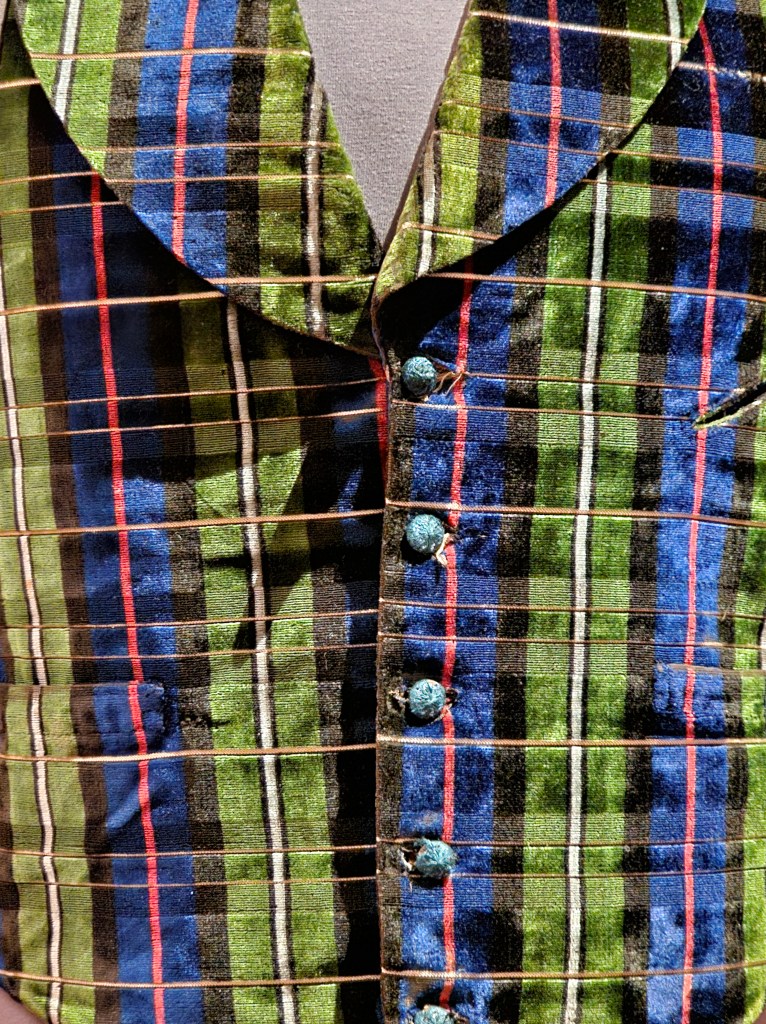
I couldn’t claim to be a great lover of tartan (our family tartan did well in Woolworth), but I loved some of what was on display at V&A Dundee.

An officer’s uniform c.1750:-

A Kingussie kilt and top from c.1820:-

A waistcoat c.1850:-

Standard

British Library (3)

The latest on the cyber attack on the British Library (see below): all very frustrating and quite scary, but no doubt even more so for staff.

It reminded me of Nicholson Baker’s fine book, The Double Fold: Libraries and the Assault on Paper, about the dangers of relying on microfiche for retaining runs of provincial newspapers. Paper is a good and durable medium, whereas, as we’re learning, cyber space is not.

https://www.telegraph.co.uk/news/2023/11/20/cyber-attack-british-library-criminals-ransomware/

Standard