High-rise

I was pleased to read Rowan Moore’s piece in yesterday’s Observer comparing and contrasting the experience – and the economies – of London and Paris.

I notice that whenever an issue of a new high rise comes up, as in the current argument in favour of a skyscraper placed on top of Liverpool Street Station, the City authorities always frame the argument as one between those in favour of economic and financial growth and the stick-in-the-mud conservationists. But I actually spend quite a lot of time bicycling through and round the City and there is an increasing sense of deadness to it: empty on Mondays and Fridays, few decent shops, restaurants closing; and meanwhile, more and more colossal holes in the street fabric, while ever higher buildings damage all sense of residual character and community. The moment you get into Farringdon or Shoreditch or Brick Lane, the atmosphere is completely different.

The hedge funders moved out long ago. They wanted somewhere decent for lunch and the Wolseley is more enjoyable than Sweetings.

So, which of these urban environments will win out in the end ? I would put my money on Paris: more sustainable, more interesting and increasingly attractive to financial institutions and investors post-Brexit. The City is wearing a blind-fold to what it has done, and is doing, to itself.

https://www.theguardian.com/commentisfree/2023/jun/11/what-low-rise-paris-can-teach-london-about-quality-of-life?CMP=Share_AndroidApp_Other

Standard

Ragged School Museum (2)

I was tipped off that the café of the soon-to-reopen Ragged School Museum is already open for business, so had my lunch there: somewhere to sit and eat quiche and vegan cheesecake in the sun next to the canal (the boat is nothing to do with the museum):-

Standard

Malverleys Garden

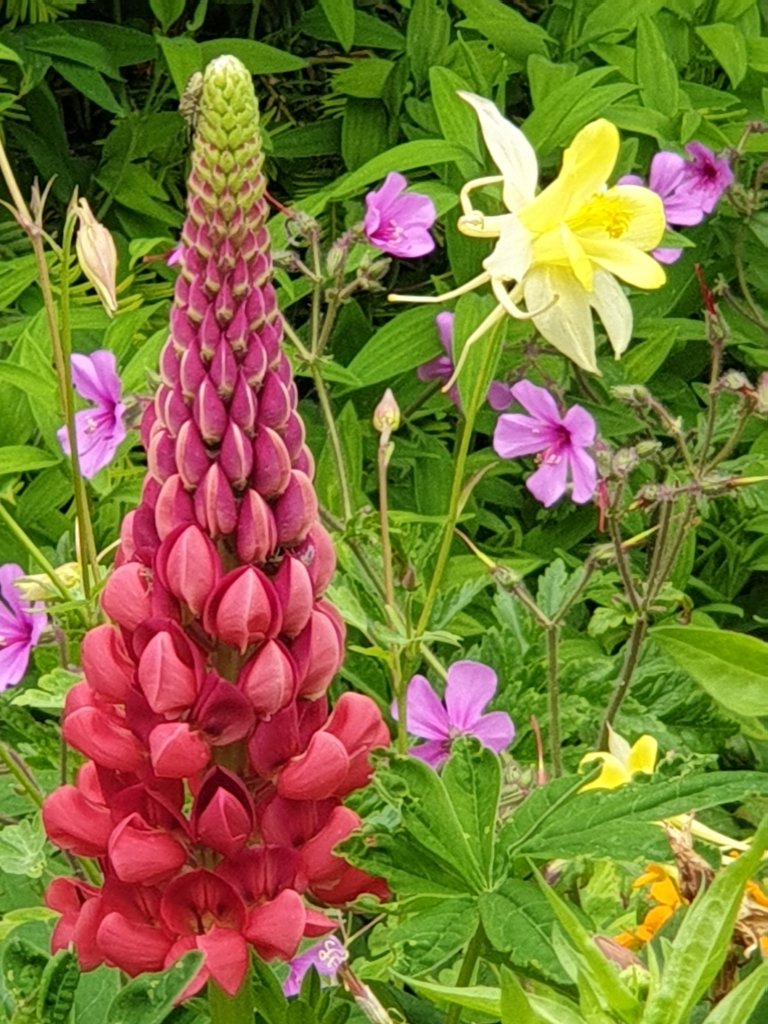
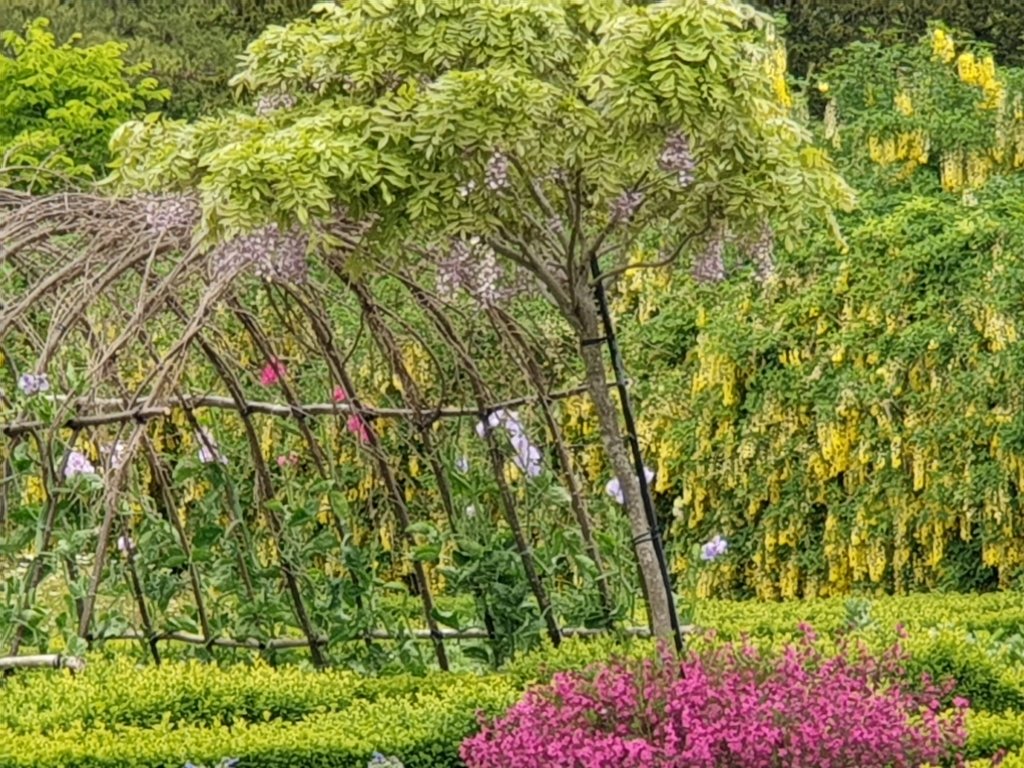
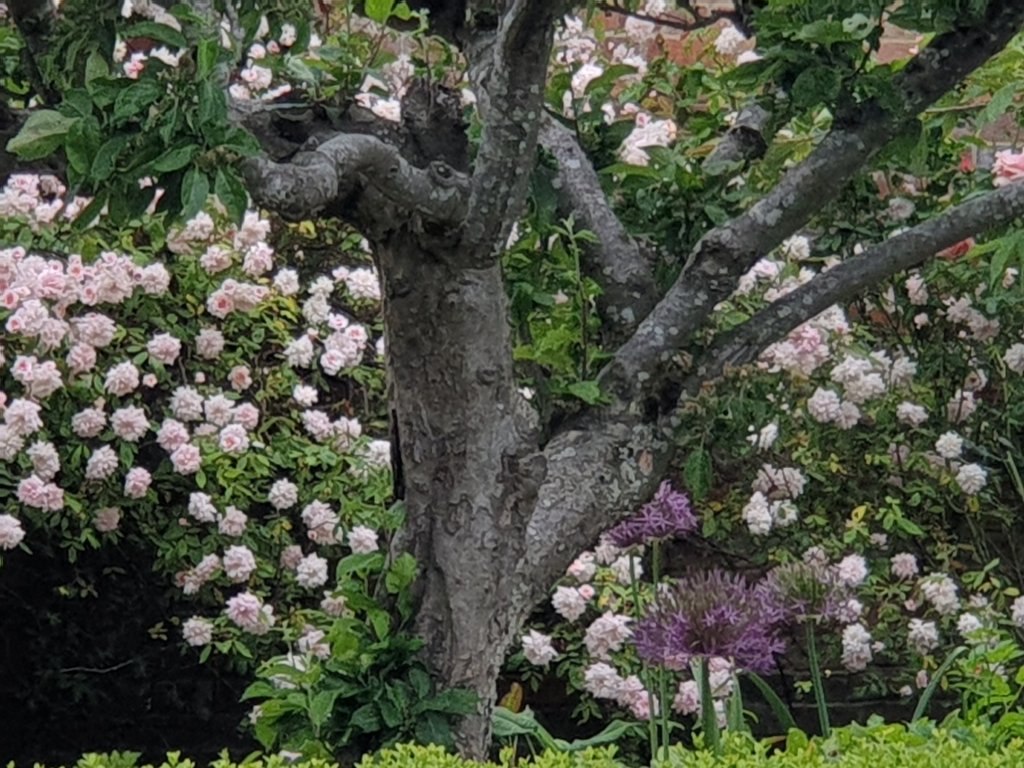
I was invited to see Malverleys Garden, a recently constructed, but apparently mature garden in the countryside south of Newbury. The house is Victorian and the original owners must have had an interest in rare species of trees, which is partly what gives the garden an impression of maturity.

In front of the house is a big herbaceous border:-

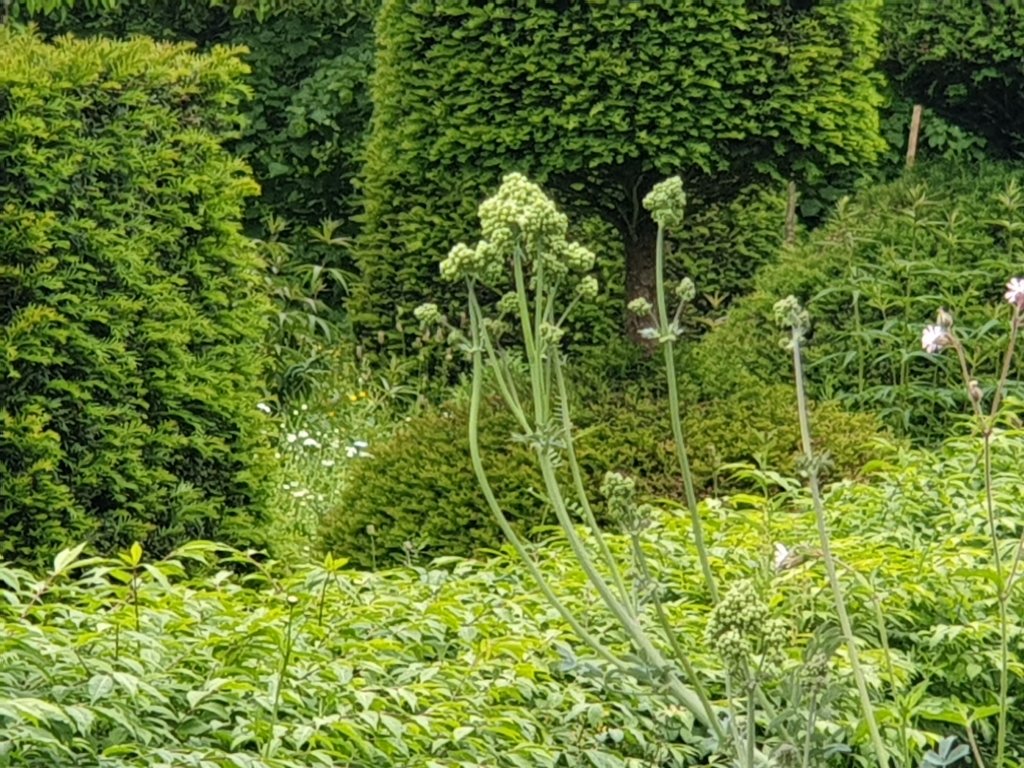
Then the rest of the garden has been laid out as a series of discreet ‘rooms’ by Mat Reese, the head gardener, the planting based on Great Dixter, but it reminded me more of Hidcote.

The east border (I think):-

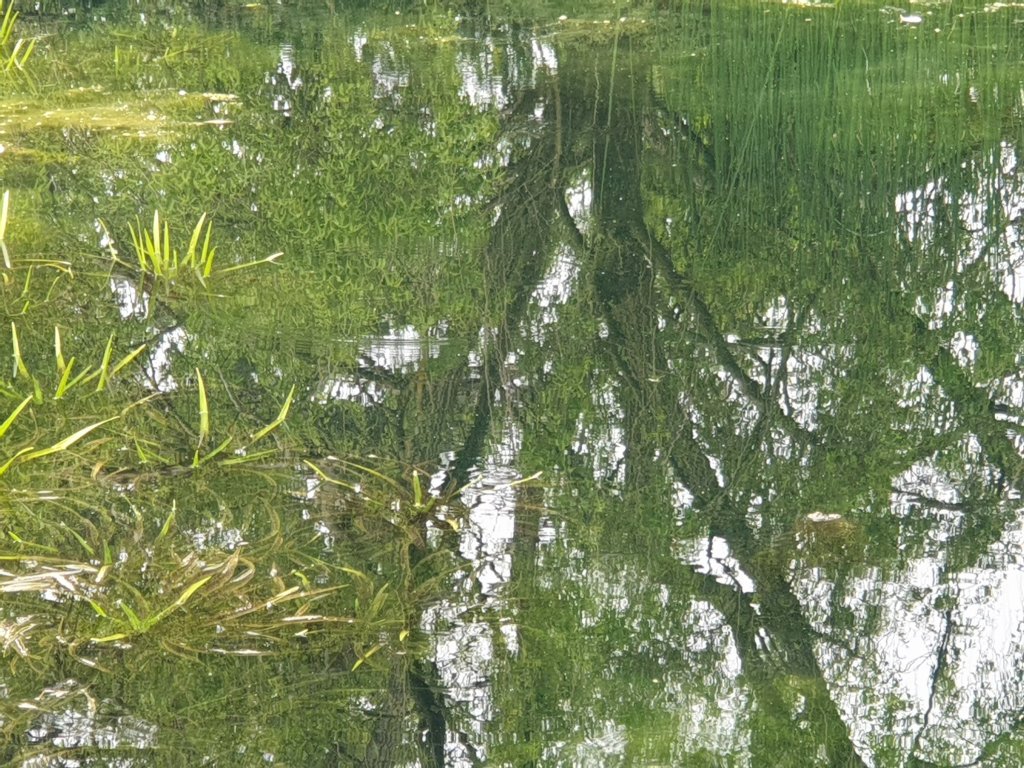
The water garden, called The Cool Garden:-

The Stumpery:-

The Hot Garden:-

The Cloister Garden:-

Then, the Topiary Meadow:-

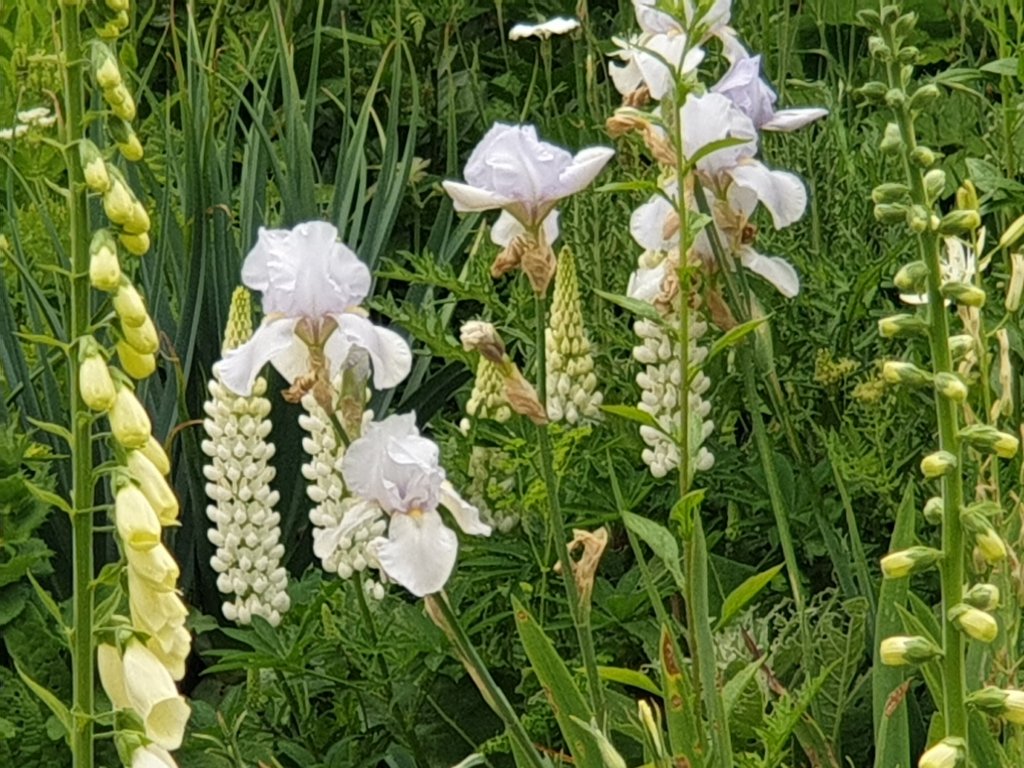
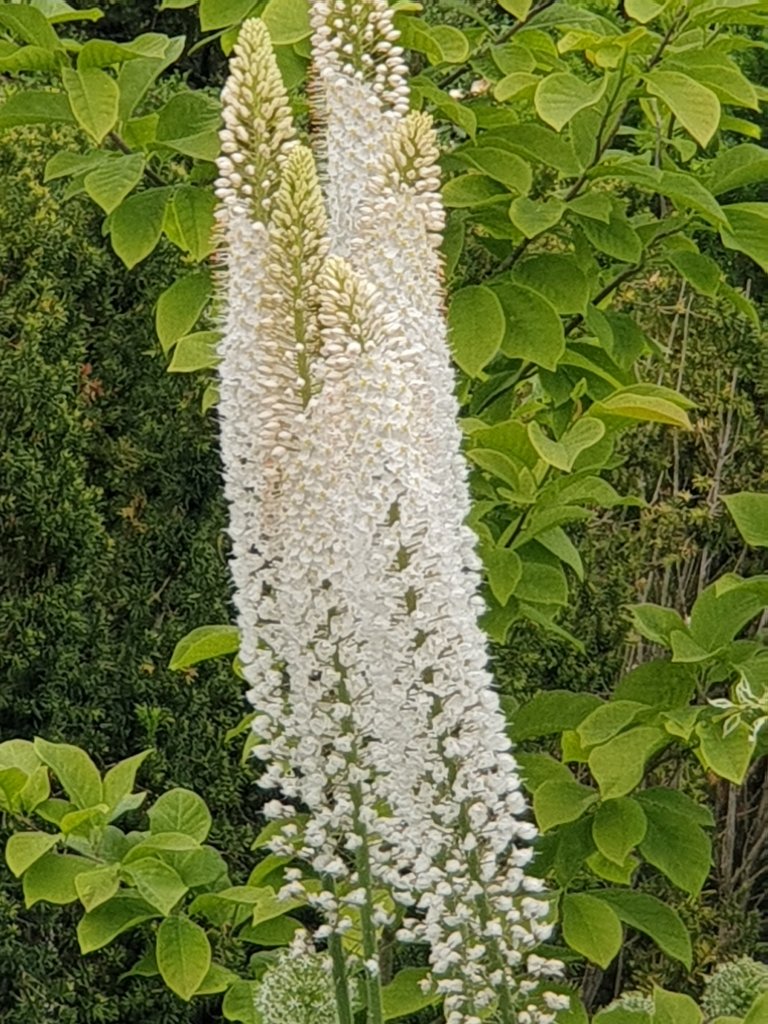
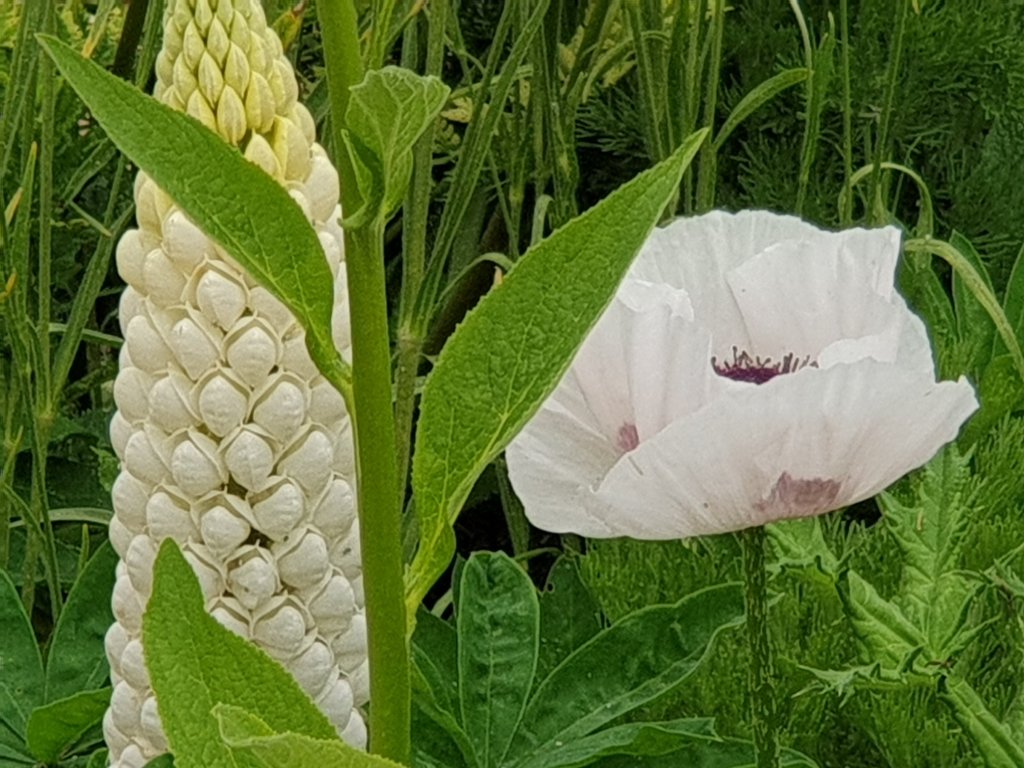
Through to the White Garden (it gets better and better):-

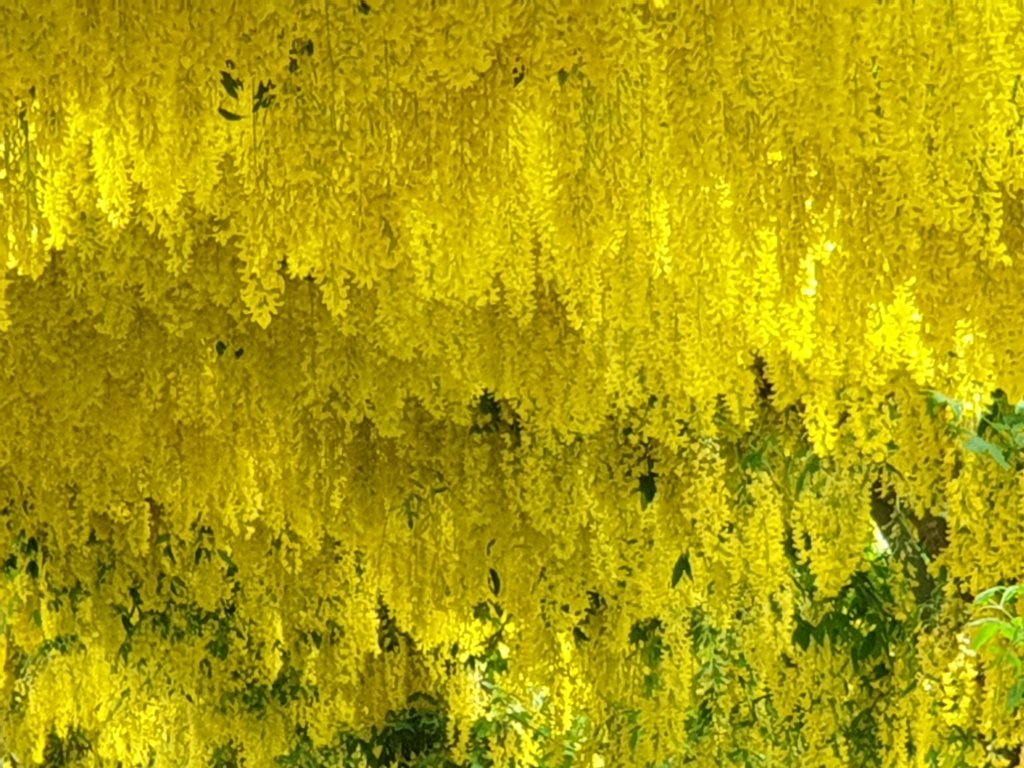
The walled garden is bisected by a laburnum arch:-

Then, it was time for lunch !

Their garden centre opens tomorrow, plus a very luxurious place for lunch, not far from London and the M4, all so beautifully detailed and well cared for. Open sometimes for the National Gardens Scheme.

Standard

V&A East

Attached is the first description of what the V&A’s Storehouse will be like, due to open on the north-west side of Olympic Park, a potentially amazing project giving convenient public access to the great wealth of the V&A’s reserve collection. I used to love taking students to see the V&A’s stores, most especially the amazing wealth of the textile stores, which were so meticulously cared for and documented in a way which was entirely invisible in the public galleries; and I also always remember the carpets rolled up in the stores at Blythe Road. So, it will be wonderful that this sense of discovery will be available to a much wider public.

https://www.theartnewspaper.com/2023/05/31/victoria-and-albert-museums-ambitious-east-london-storehouse-finally-complete

Standard

The Castle Howard Mausoleum (4)

Just in case any of my readers were planning to come to my talk at the Warburg tomorrow, it has now been postponed till next spring: too many people are apparently away because it’s half term. It will still be there next year.

Standard

Elizabeth Mavor

Visiting Plas Newydd in Llangollen has made me want to know more about Elizabeth Mavor, the author of the book about the Ladies of Llangollen, which made their story and issues surrounding their sexuality of much interest in 1971 when it was published.

By chance, I knew her when she was writing the book because she used to drive me and her son Peregrine back to boarding school in a Morris Traveller after days out and we were encouraged to have intense conversations about literature which was never much talked about, at least not so intensely, at home. She was the first writer I met.

I see from her biography in the Dictionary of National Biography that there is some issue as to her sexuality. At the time, those who knew her took it for granted that her interest in the Ladies of Llangollen was not purely academic. At least, that is what I remember from listening in on conversations as a precocious thirteen-year old.

Standard