Elizabeth Mavor

Visiting Plas Newydd in Llangollen has made me want to know more about Elizabeth Mavor, the author of the book about the Ladies of Llangollen, which made their story and issues surrounding their sexuality of much interest in 1971 when it was published.

By chance, I knew her when she was writing the book because she used to drive me and her son Peregrine back to boarding school in a Morris Traveller after days out and we were encouraged to have intense conversations about literature which was never much talked about, at least not so intensely, at home. She was the first writer I met.

I see from her biography in the Dictionary of National Biography that there is some issue as to her sexuality. At the time, those who knew her took it for granted that her interest in the Ladies of Llangollen was not purely academic. At least, that is what I remember from listening in on conversations as a precocious thirteen-year old.
Standard

The Ladies of Llangollen

We’ve driven through Llangollen a hundred times, but for some reason, unlike Shelley, Byron, Wordsworth and the Duke of Wellington, have never thought to make the short detour to see Plas Newydd, the house which Eleanor Butler and Sarah Ponsonby first rented in 1778 and where they lived till their deaths in 1829 and 1831 respectively – they were sixteen years apart in age.

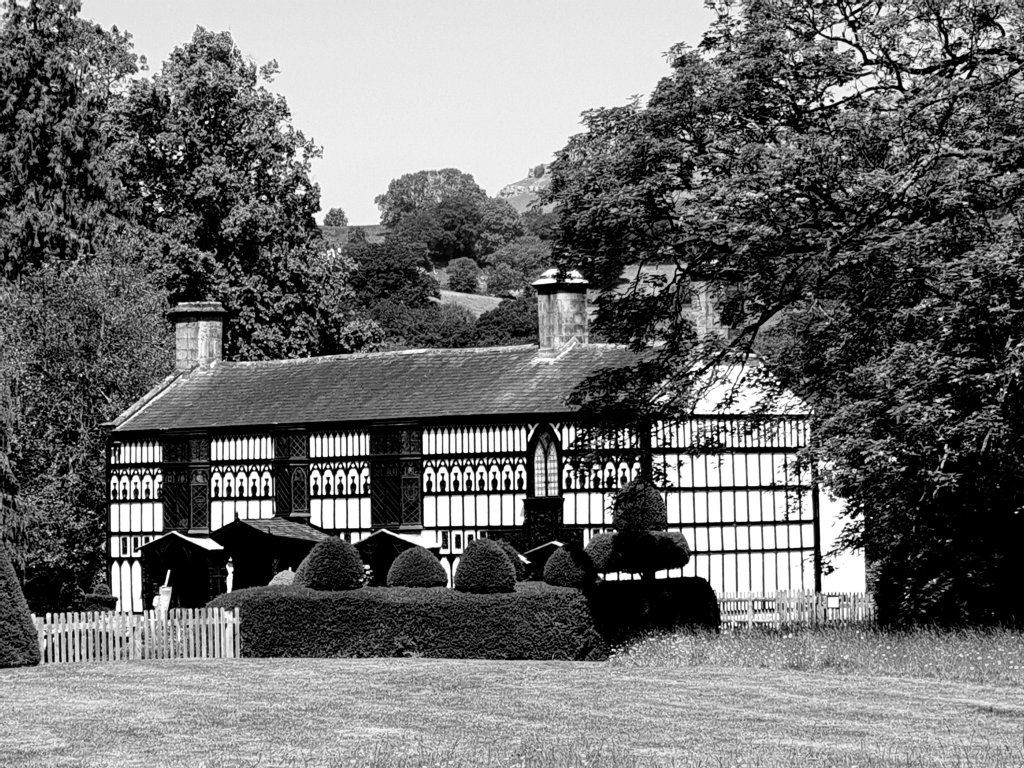
It’s unexpectedly and vividly atmospheric and very well cared for by Denbighshire County Council. The first view from the car park:-

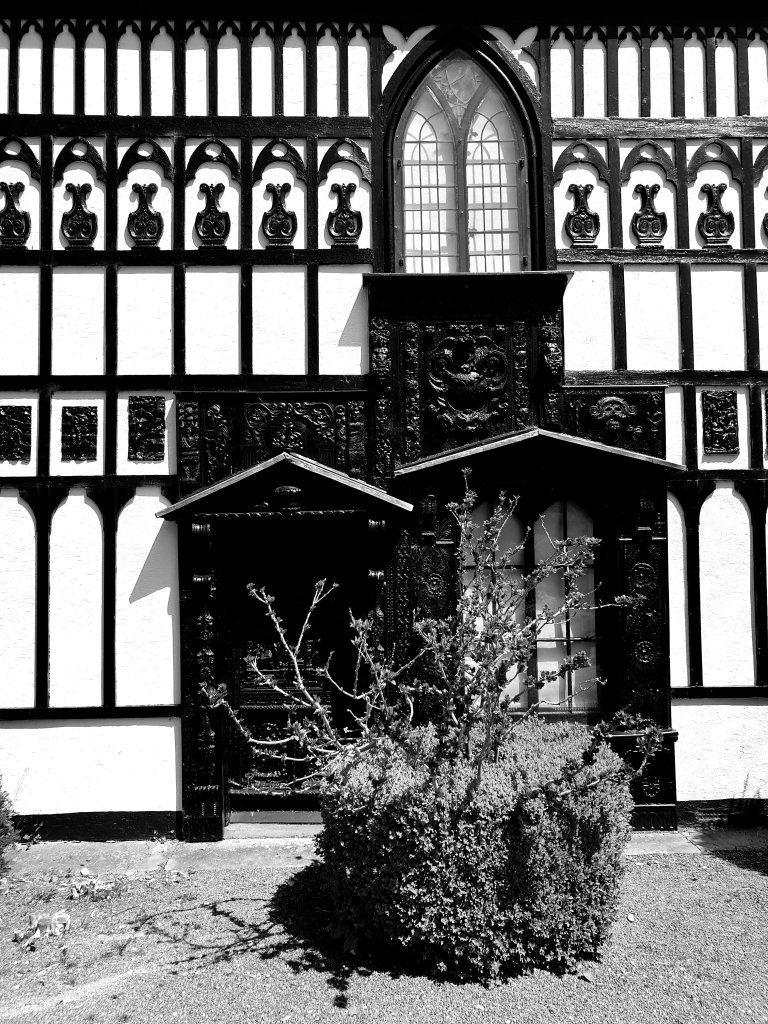
Closer up:-

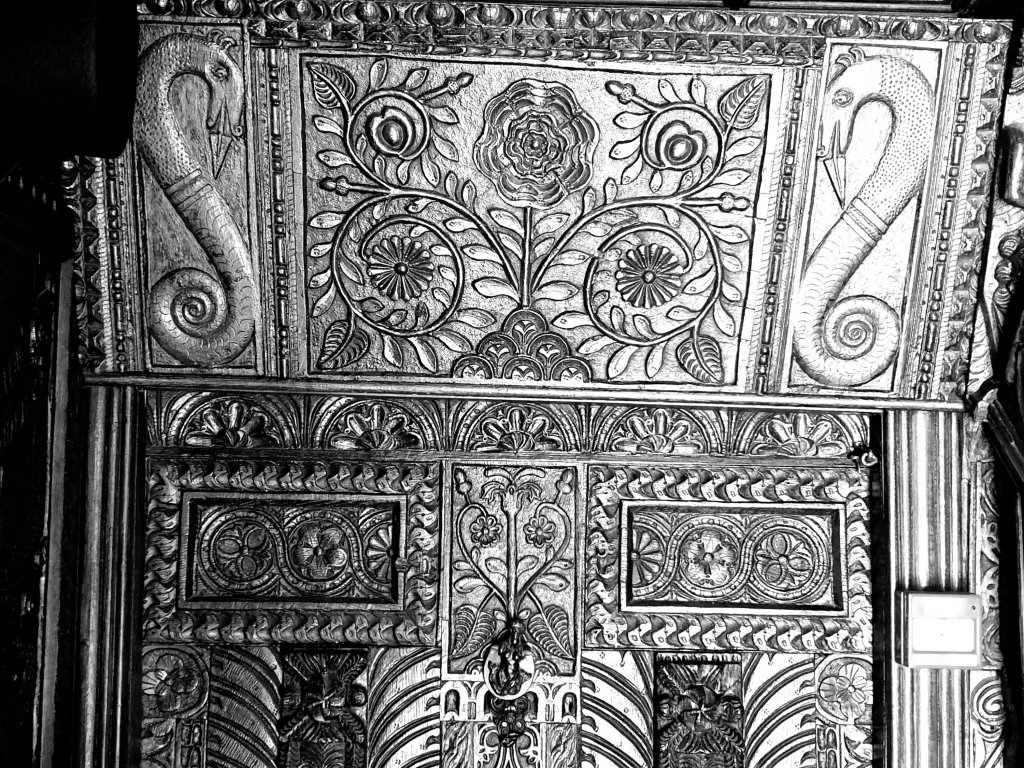
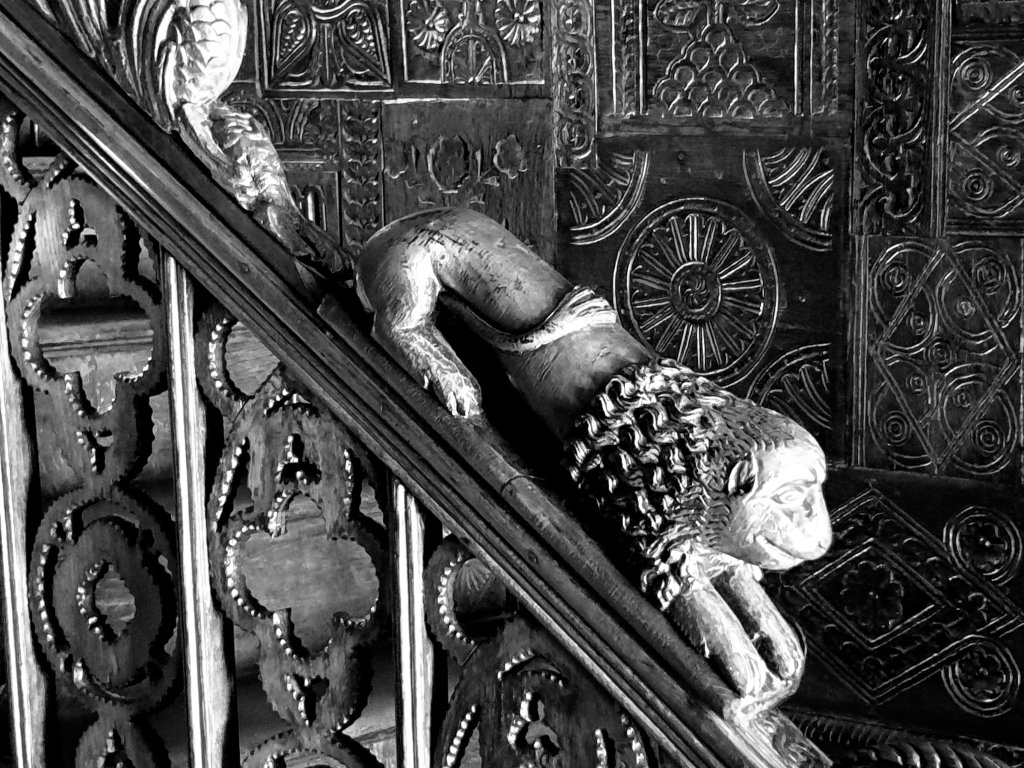
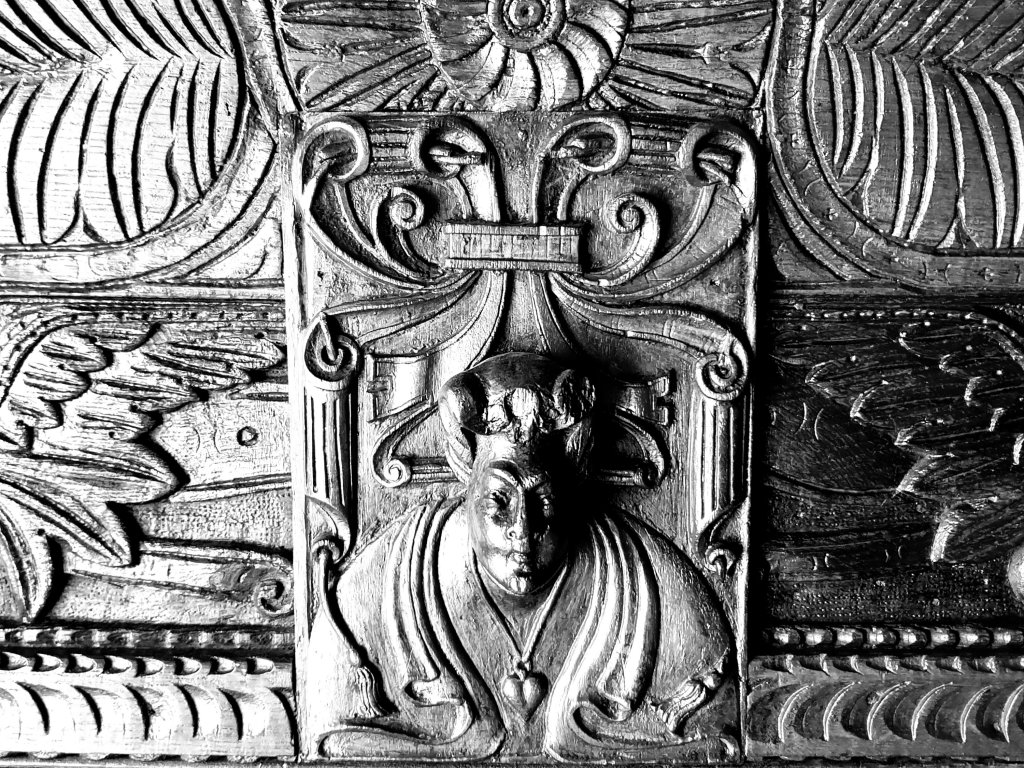
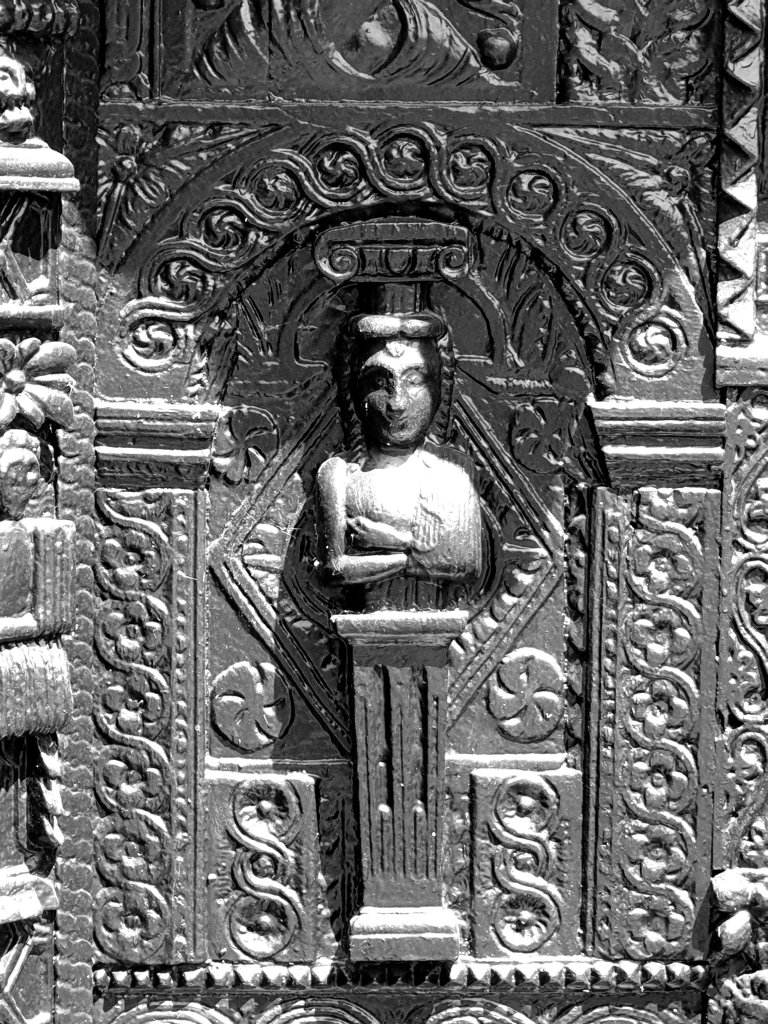
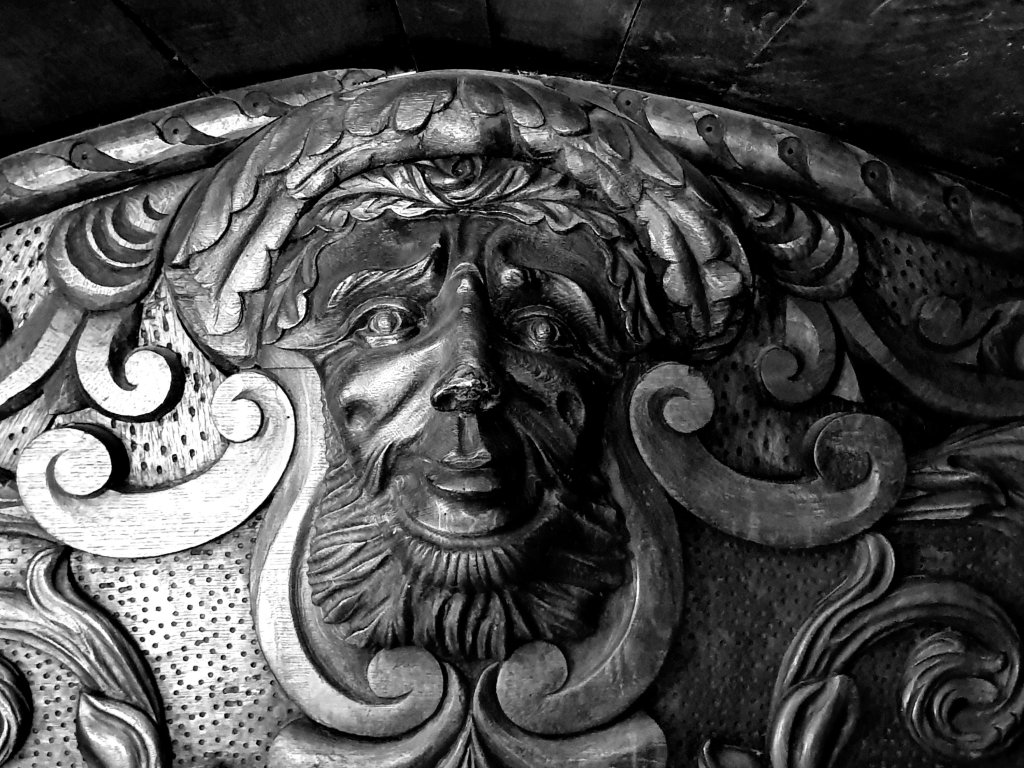
They were mad about Jacobean wood carving and seem to have festooned the house with wood carving, some of which was original, some commissioned by them, and some donated, but curiously apparently not very well documented (although I confess never to have read their biography by Elizabeth Mavor, still in print):-

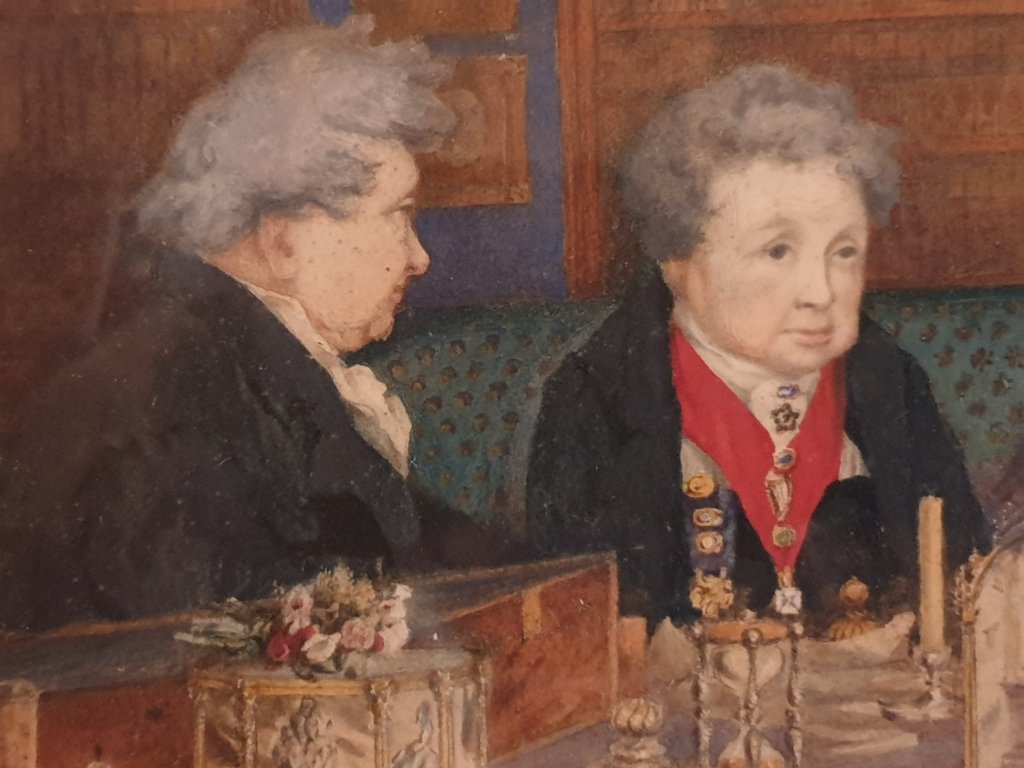
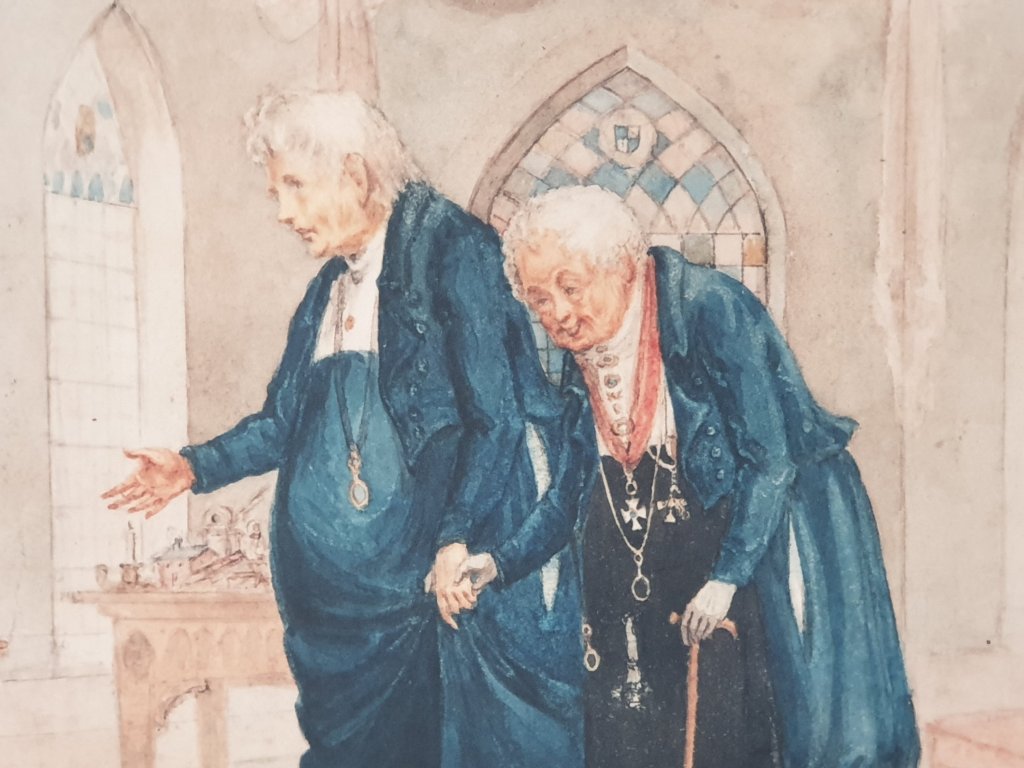
Here they are:-

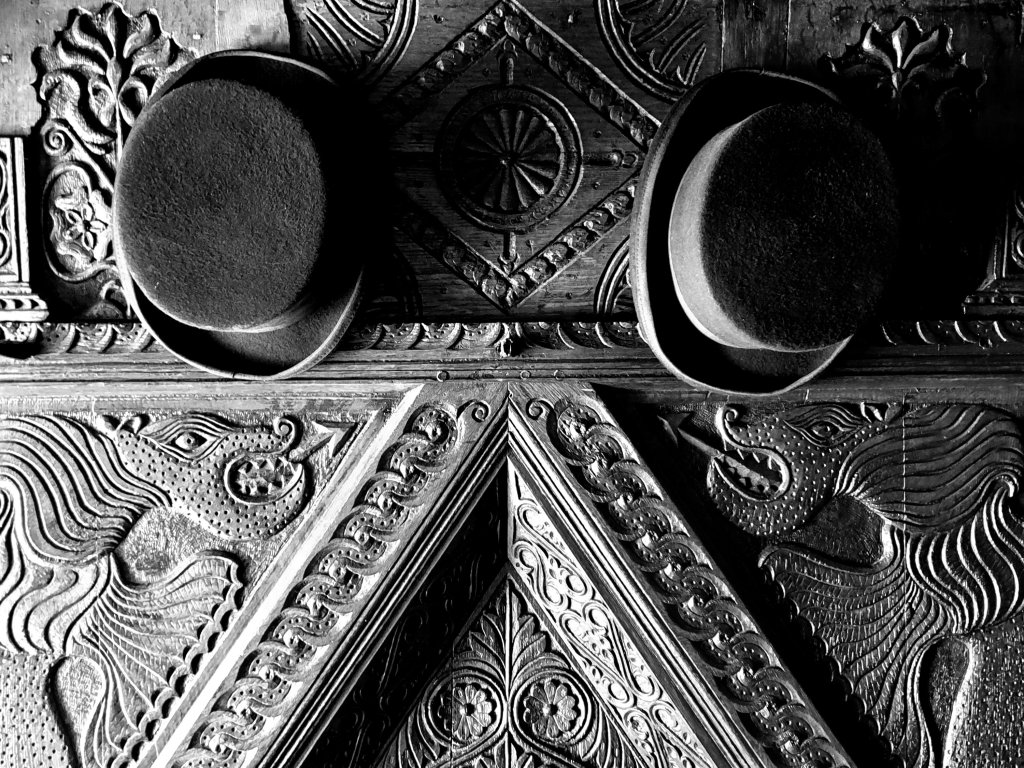
And here are their top hats:-

Standard

Simon Pettet (2)

Another article you may not be able to access, but a reminder that the exhibition about Simon Pettet is only on for another week and is so worth seeing, not least for the chance it gives to explore Dennis Severs’s house.

Glad to see that the exhibition will reappear at Frieze Masters.

https://www-nybooks-com.lonlib.idm.oclc.org/online/2023/05/25/house-of-delft/

Standard

Romilly Saumarez Smith

I have managed to get access to the long and thoughtful article about Romilly and her work in today’s New York Times, but it may only be temporary before the paywall kicks in. It’s an exceptionally nice piece of long form journalism – longer than anything imaginable this side of the Atlantic. Not sure what section it’s in and we’re unlikely to find a hard copy in Bangor.

https://www.nytimes.com/2023/05/26/fashion/jewelry-romilly-saumarez-smith-london.html?smid=nytcore-android-share

Standard

Hylton Nel (4)

At the time that the Hylton Nel exhibition opened at Charleston in late March, I wrote a piece about his work for the FT which has just appeared online. I’m not sure whether or not it has, or will, appear in the print edition, but here is a link for those who have an FT subscription:-

https://on.ft.com/3WtGUUO

Standard

Stowe (2)

After lunch, I wandered the grounds.

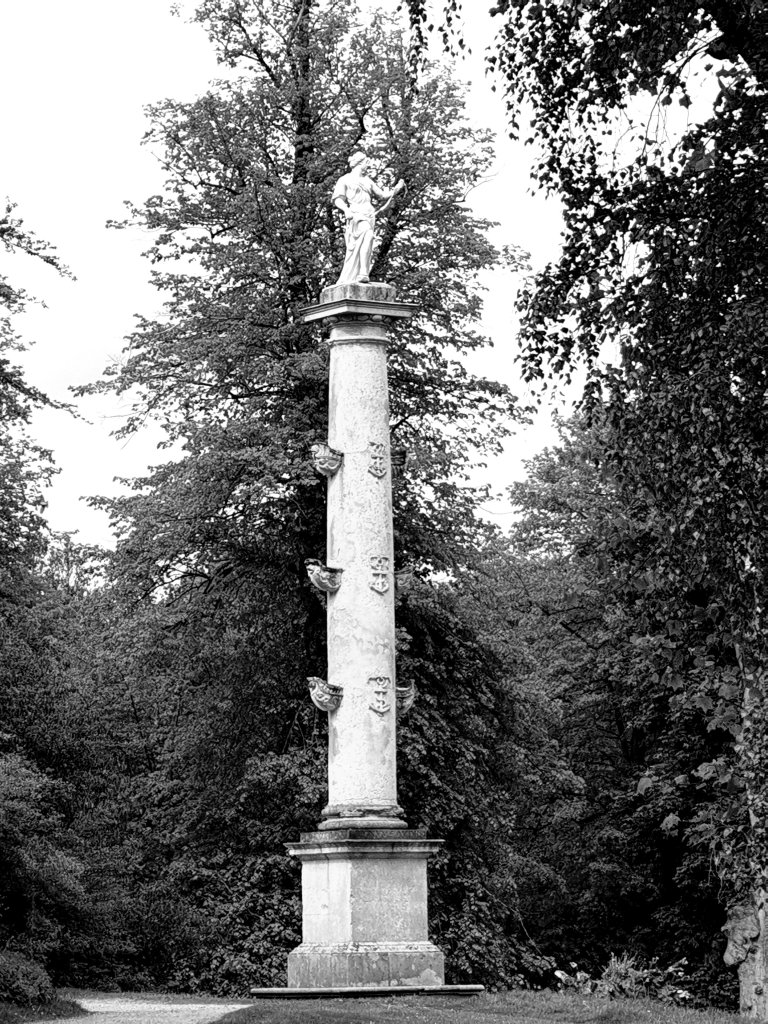
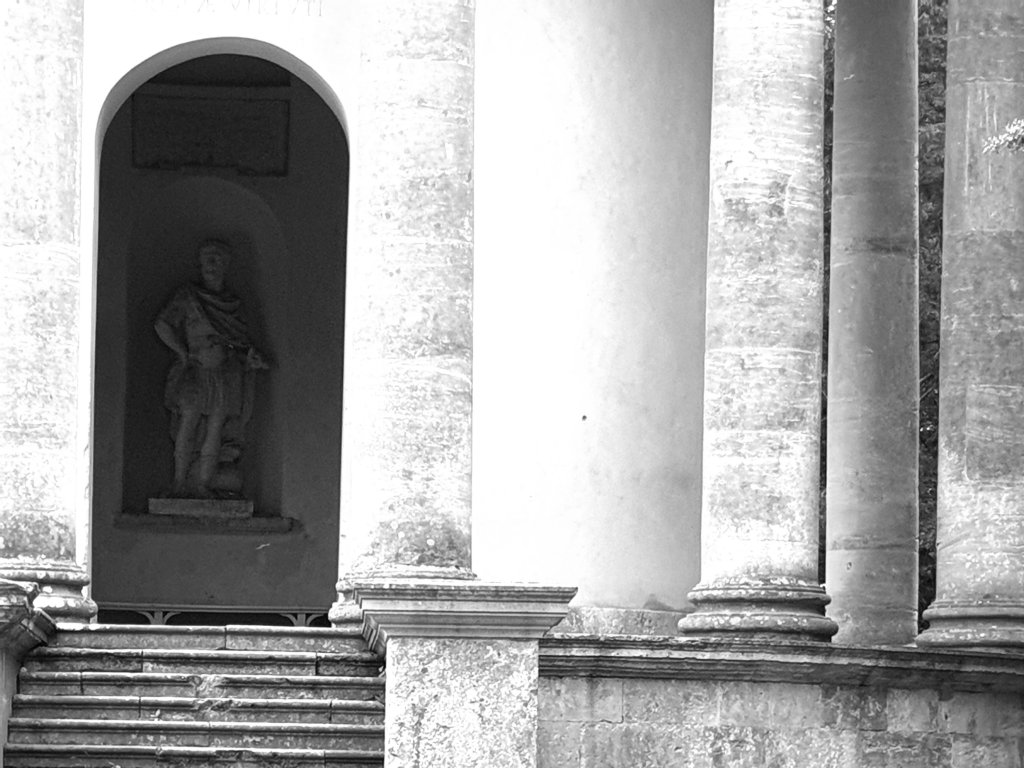
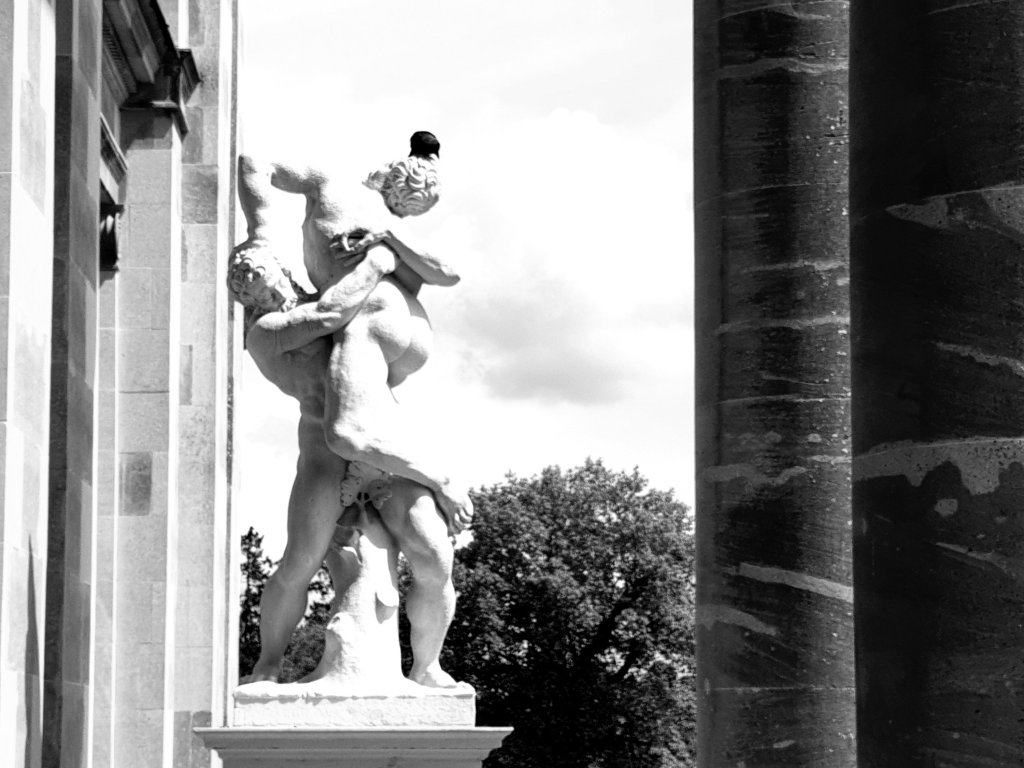
Past the Grenville Column, with a statue of Heroic Poetry:-

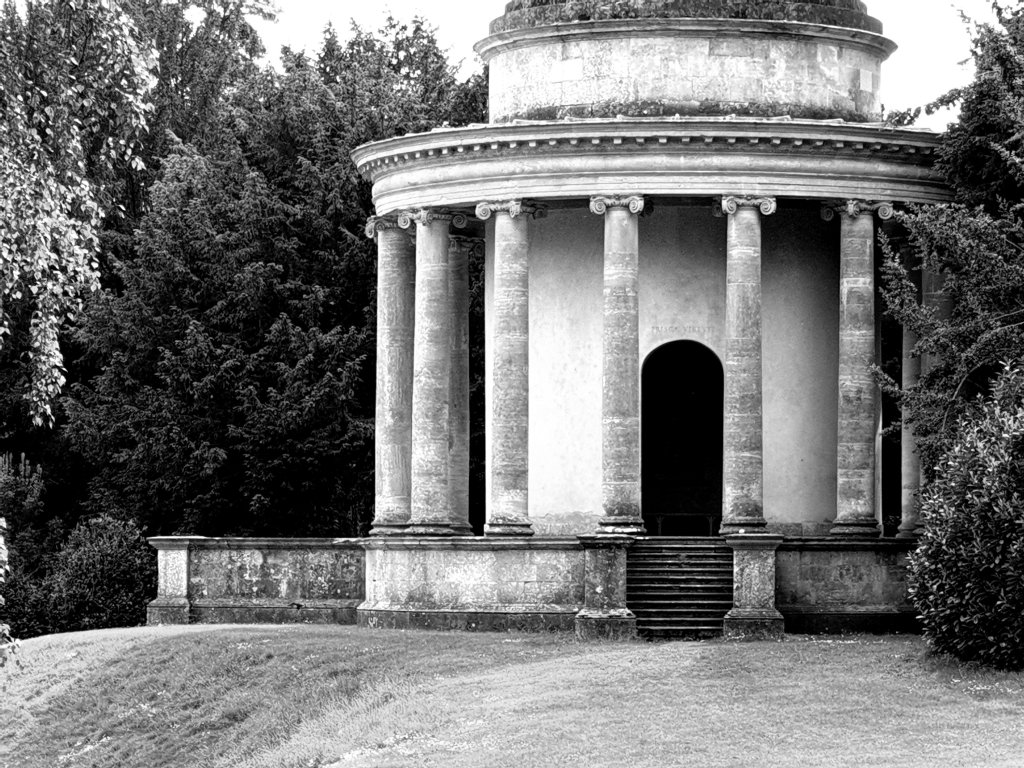
The Temple of Ancient Virtue by Kent (1736):-

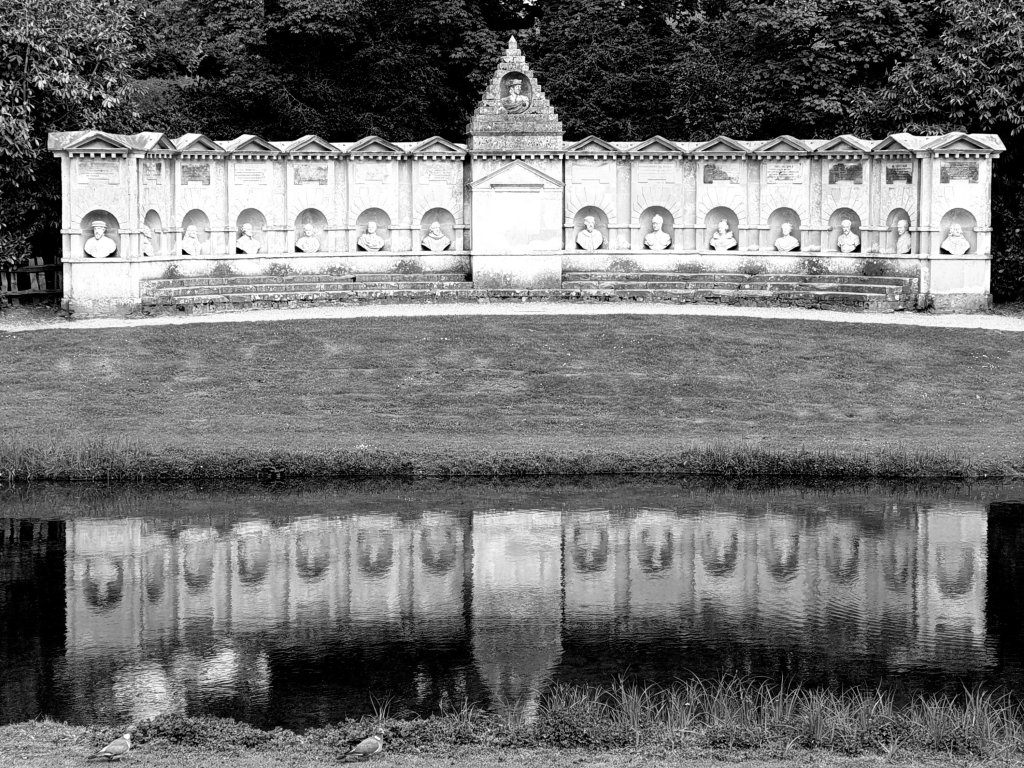
The Temple of British Worthies, also by Kent, with busts of British heroes, including King Alfred, the Black Prince and William III:-

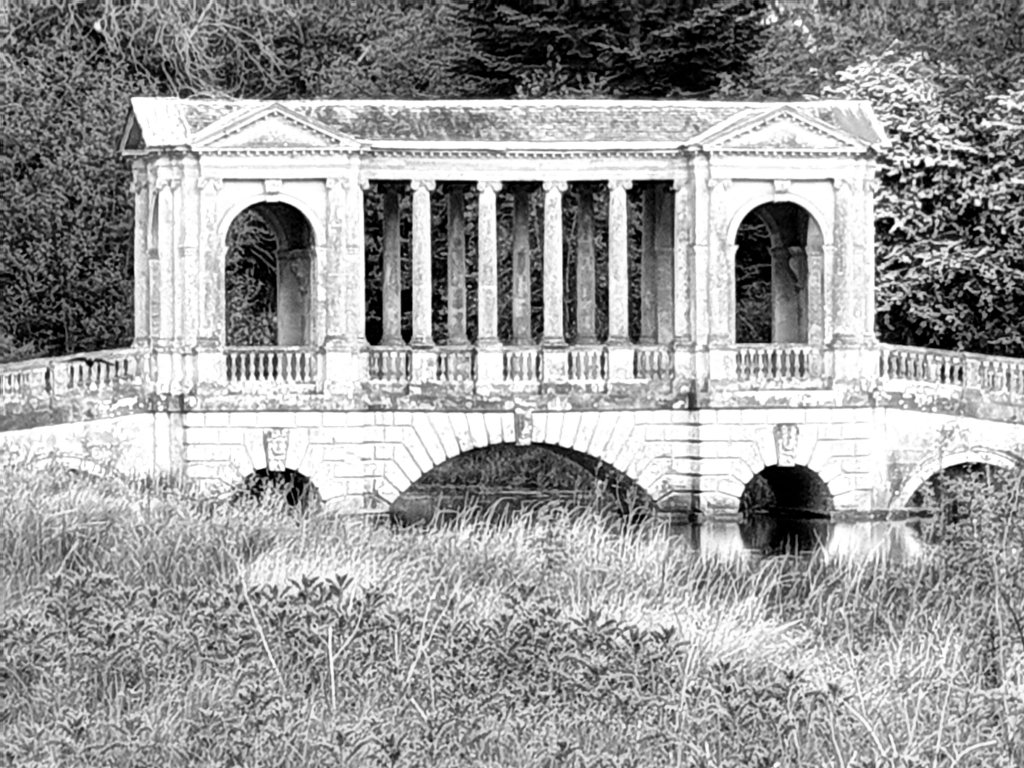
The Palladian Bridge, thought to be by Gibbs:-

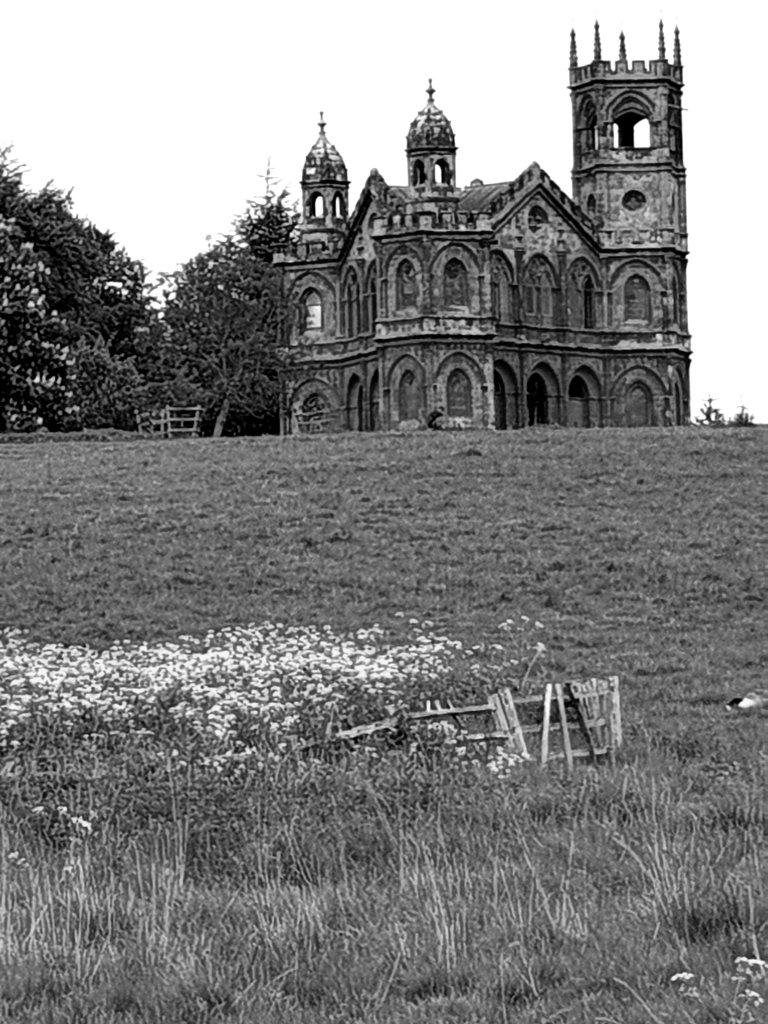
The Gothic Temple, dedicated to ‘the Liberty of our Ancestors:-

It was all part of the culture wars.

Standard

Stowe (1)

I had no idea how grand Stowe School is – an eighteenth-century house of extraordinarily grand scale, looking out over a park and with a huge entrance portico, apparently designed jointly by Robert Adam and Thomas Pitt, Lord Camelford, highly neoclassical in feel:-

The current school dining room is of staggering grandiosity, a room of sensational neoclassical magnificence, classical Roman in style and scale:-

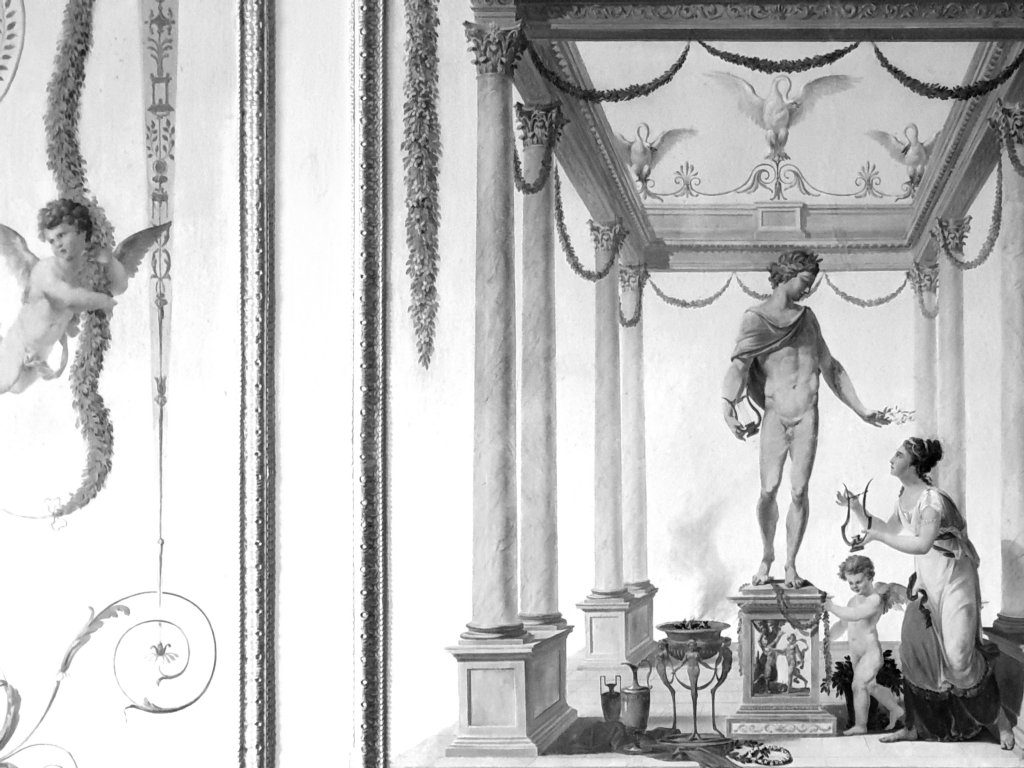
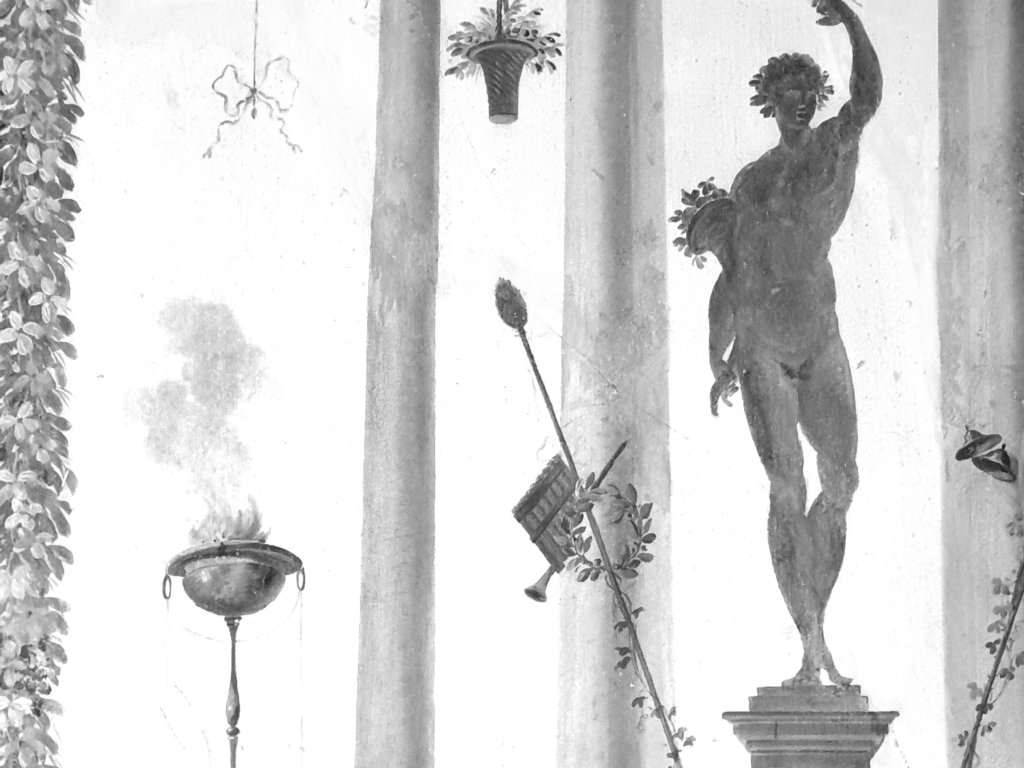
Next door is the State Music Room, also very neoclassical, with Pompeian decoration:-

Quite somewhere to do your prep.

Standard

Anthony Eyton

The painter, Anthony Eyton, was 100 today. We celebrated with a small gathering in the Eyton Gallery at Stowe School where he has been artist-in-semi-residence in recent years, recording the activities of the school and some of the garden buildings. He apparently still paints every day. How admirable to be so vigorous, so energetic and full of life at 100 ! He’s a curiously unsung hero of the contemporary art world.

Standard

Whitechapel Bell Foundry (114)

I started the day being interviewed by Anna O’Neil on Radio London about the sad plight of the Whitechapel Bell Foundry: still apparently on the open market, but not available to the London Bell Foundry who are probably the only people with the skills, experience and capability to take it on and make a success of it. So, the situation is a total impasse, neither Tower Hamlets, nor Historic England apparently willing or able to take action against the developer who bought it with the intention of turning it into a boutique hotel. I just hope that someone listening to the programme might help break the impasse.

This is what it looked like in the early morning sunshine:-

Standard