Pentagram (1)

I have been slow to unwrap and properly appreciate the incredibly impressive two-volume book which Pentagram has produced to celebrate its fifieth birthday – well, strictly speaking, its fifty first as it only arrived last week.

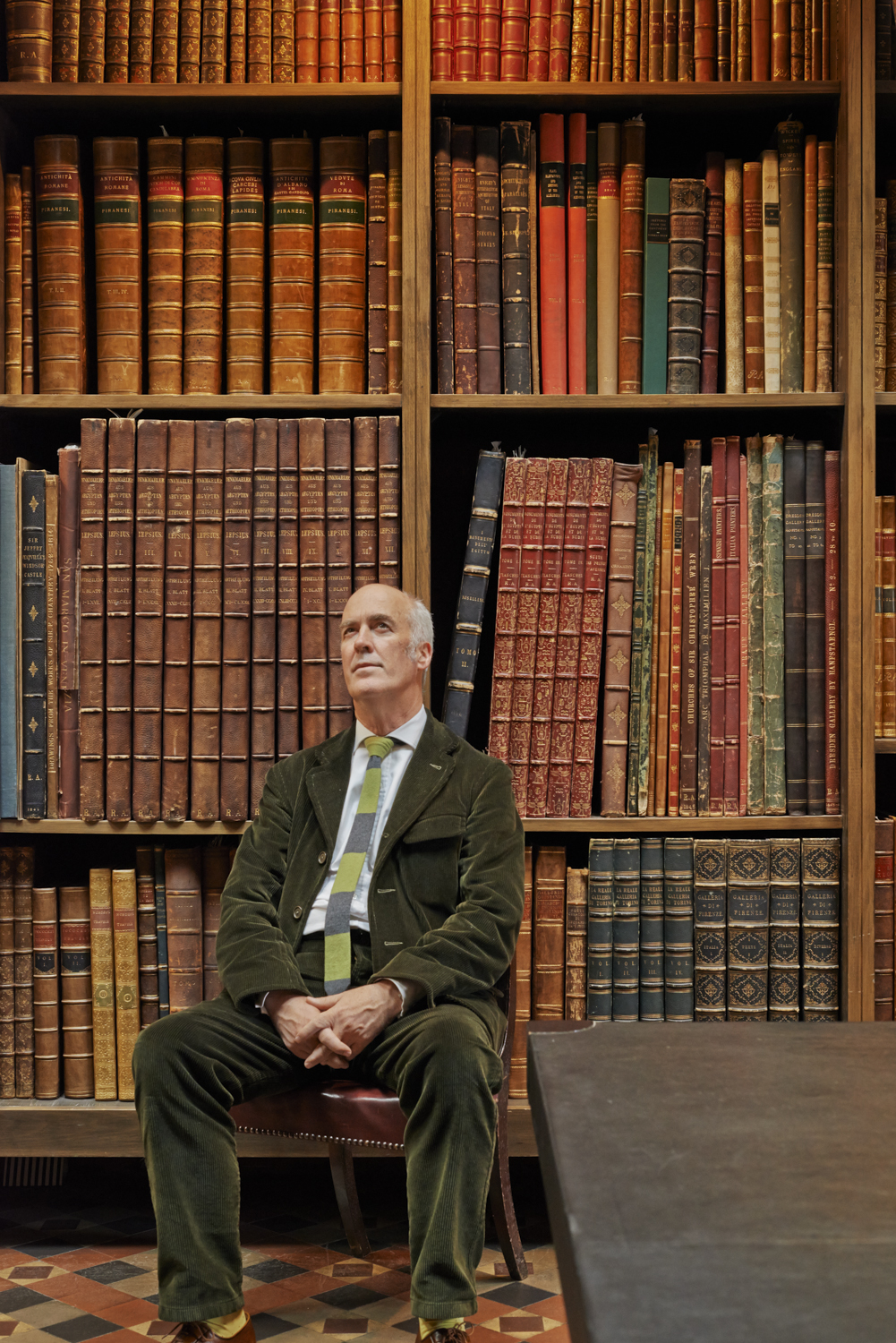
Volume one is all the partners in alphabetical order, including Harry Pearce, with whom I worked closely at the RA. He established its current design identity, which is clever precisely because it is low-key, a background logo based on its graphic design history which turned out to be vastly much more interesting than expected, particularly in the 1950s:-

He also did the design identity for Berry Bros. and Rudd, which is particularly brilliant, again because it is low-key and ostensibly historical, but modern at the same time, a tricky combination:-

More recently, he has refreshed, as they say, the identity of Thames & Hudson:-

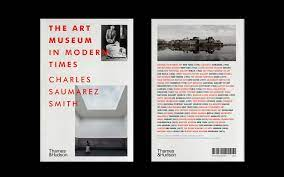
And he designed my book The Art Museum in Modern Times during that long first summer of COVID, so that we never actually met during the long process and the book probably benefitted from his total concentration:-
I regard him as a design genius.

Standard

Imagining the Future Museum

I have written a review of András Szántó’s excellent volume of essays, Imagining the Future of the Museum, in this month’s Burlington Magazine.

Unfortunately, the review is only available to subscribers or to those who have access to a copy in a library. The gist of my view is as follows: ‘There is much to admire in this attitude of energetic experiment and the mood of criticism and questioning, which is evident throughout the volume. It is clear that architects, perfectly understandably, are interested in the creation of museums that are as much about the idea of civic and community space as they are about looking at, and learning from, works of art’.

Standard

Philip Core (1)

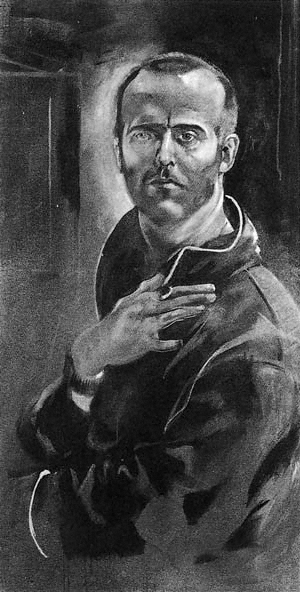
I am currently working with the documentary filmmaker, Adam Low, in trying to track down as many as possible of the paintings and drawings of the artist, Philip Core, who died of AIDS in 1989, in the hope that it might be possible to put together enough material for an exhibition. In particular, we are interested in locating the conversation pieces which were exhibited at Francis Kyle’s Gallery in 1979 in an exhibition ‘Pieces of Conversation’ which included The Chance Meeting on an Operating Table of a Sewing Machine and an Umbrella: Andy Warhol and Marcel Duchamp, now held by the Arts Council (copyright):-

At the time, such literary and photographic work was deeply unfashionable, but we feel that it could be a good moment to reconstruct his career. Not least, we are hoping to identify someone who got in touch with me fifteen or twenty years ago who had a collection of his paintings in store – from memory somewhere in south-east London, in Bexley, Bromley or Beckenham.

Any help with this project, still in its early stages, would be greatly appreciated.

Standard

Museum Visitor Numbers

I was asked by the Art Newspaper to join Ben Luke on their weekly podcast to discuss their annual report on museum visitor numbers which has now appeared online, as attached.

Standard

Omai

Assuming that the news is true that the NPG has now succeeded, as rumoured (see below), in acquiring Omai jointly with the Getty, then it is a remarkably impressive achievement of Nick Cullinan to have negotiated it through the jungle of valuation, Treasury caution, and brokering an unprecedented, but admirable international arrangement across two continents in time for the re-opening of the NPG in June, where it will presumably – and rightly – have pride of place as an emblem of Empire/discovery/multi-culturalism. An amazing acquisition.

https://www.ft.com/content/2ffb1c12-8aee-4dd3-8160-2f1bc7dc2c18?shareType=nongift

Standard

Elm Hill

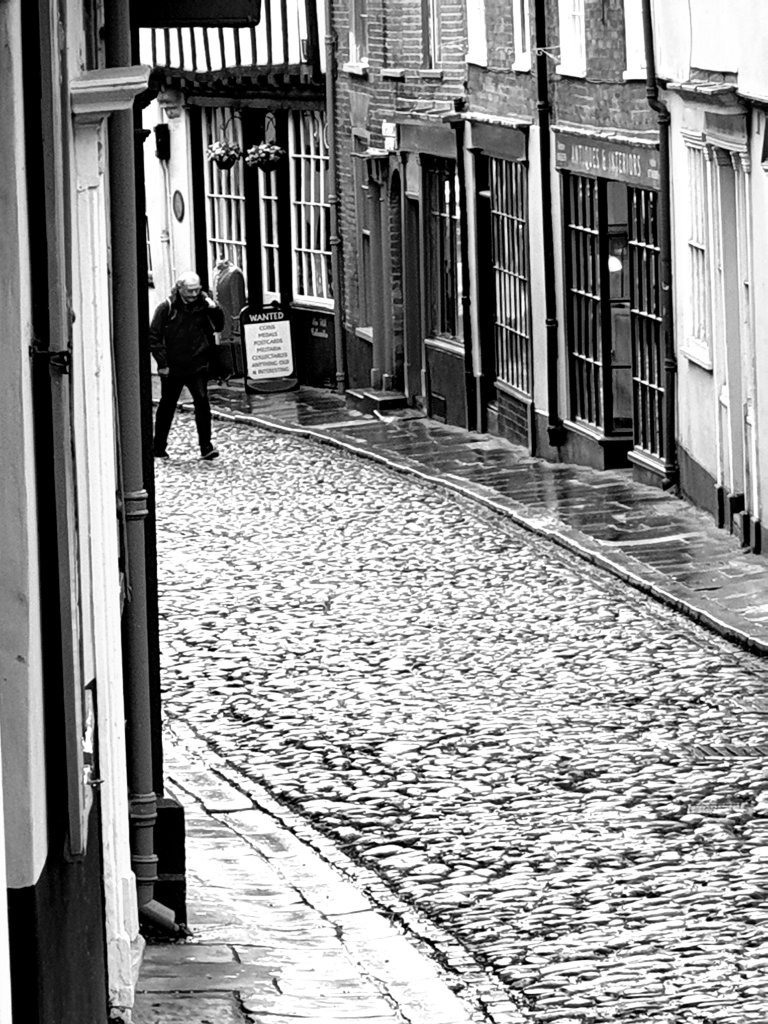
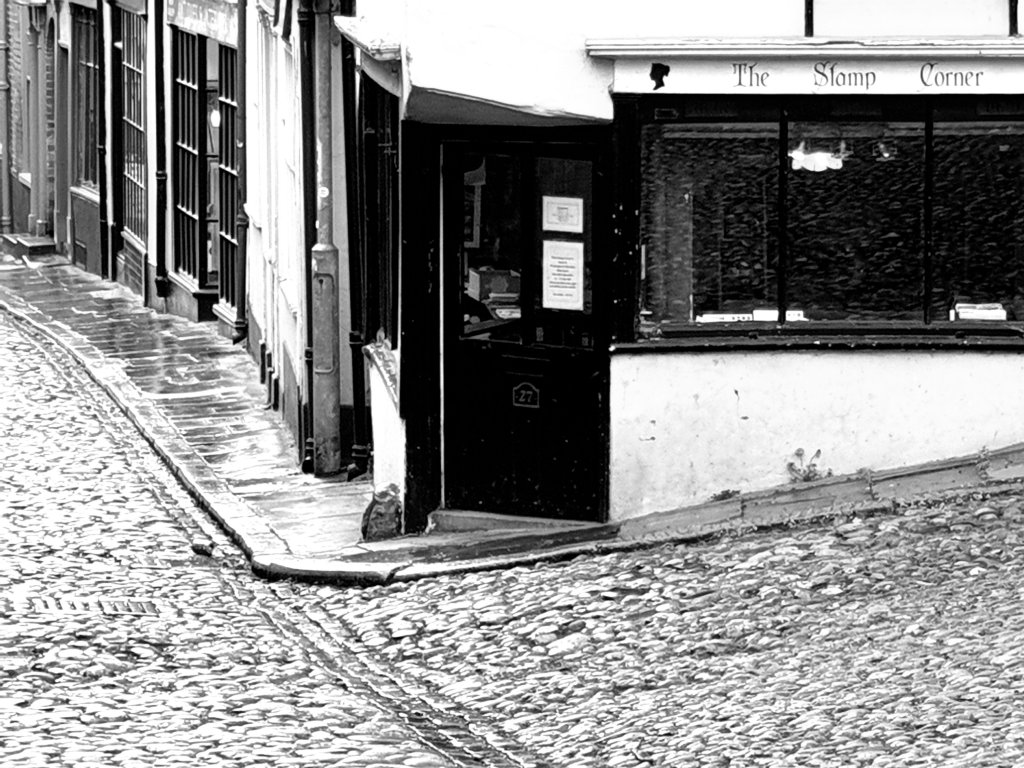
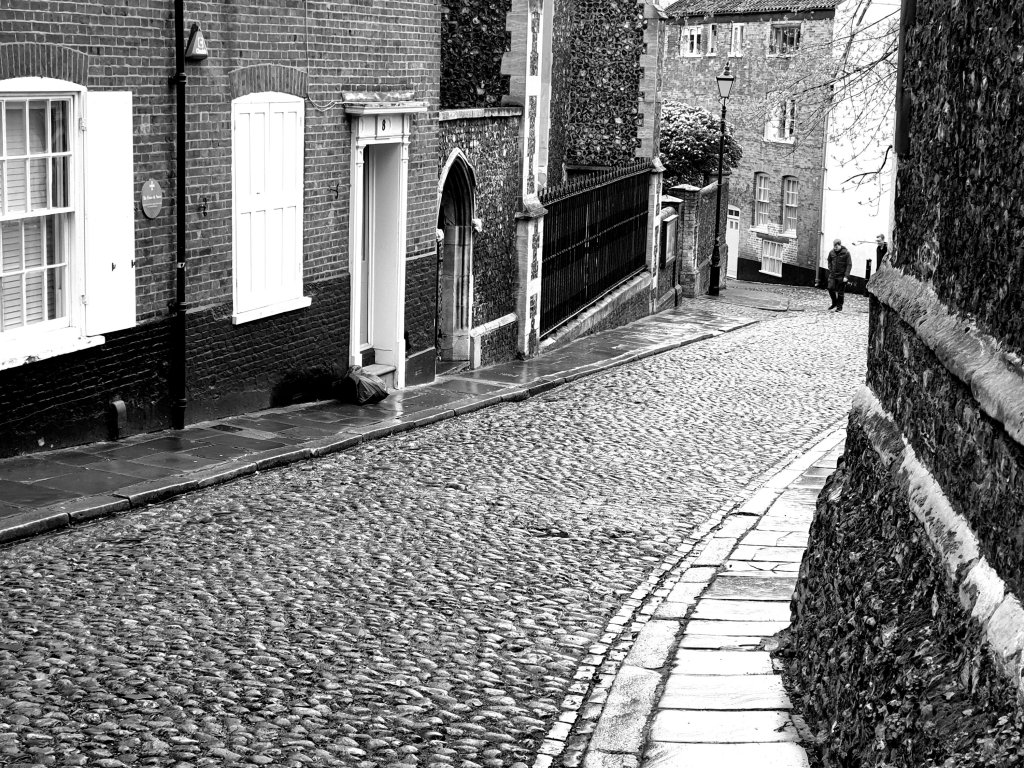
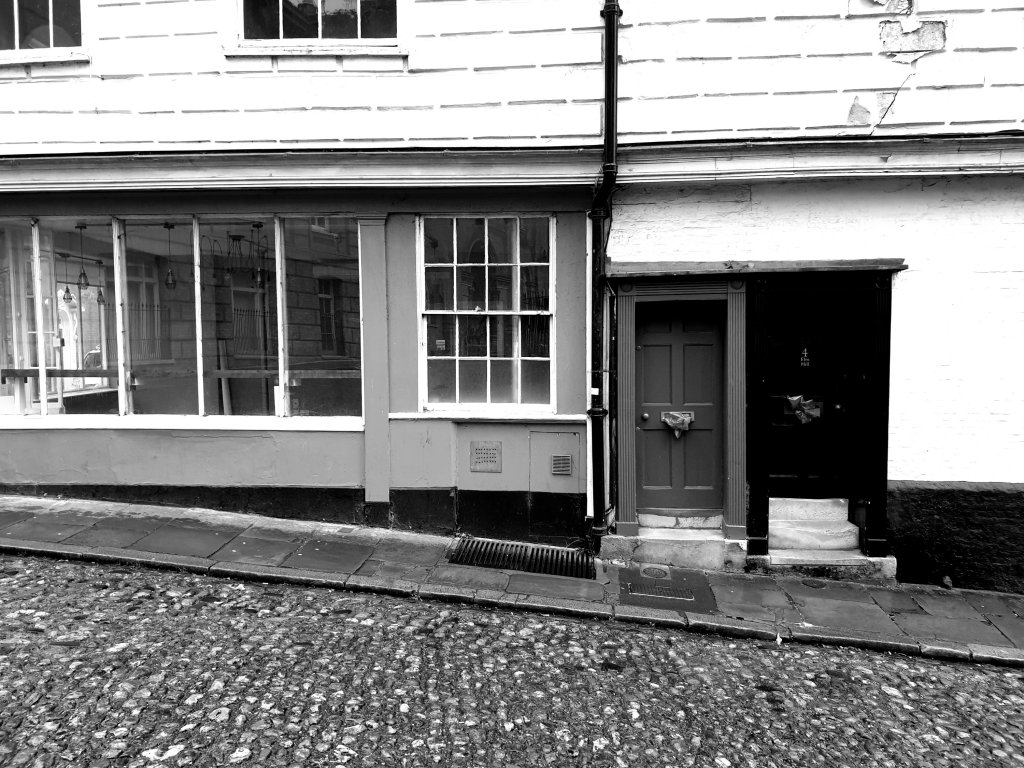
Hard to imagine that Elm Hill in Norwich faced possible demolition in 1926 when the Corporation wanted to use it as the site for a municipal swimming pool. It was thanks to the Norwich Society that it was saved:-

Standard

Julian Stair (1)

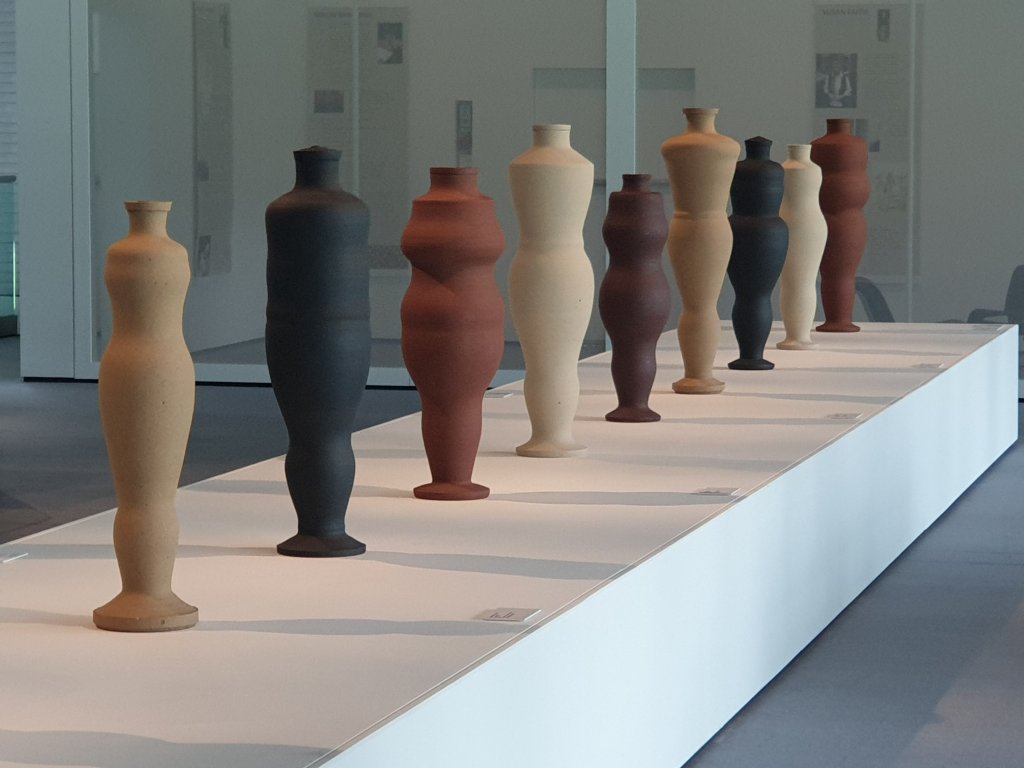
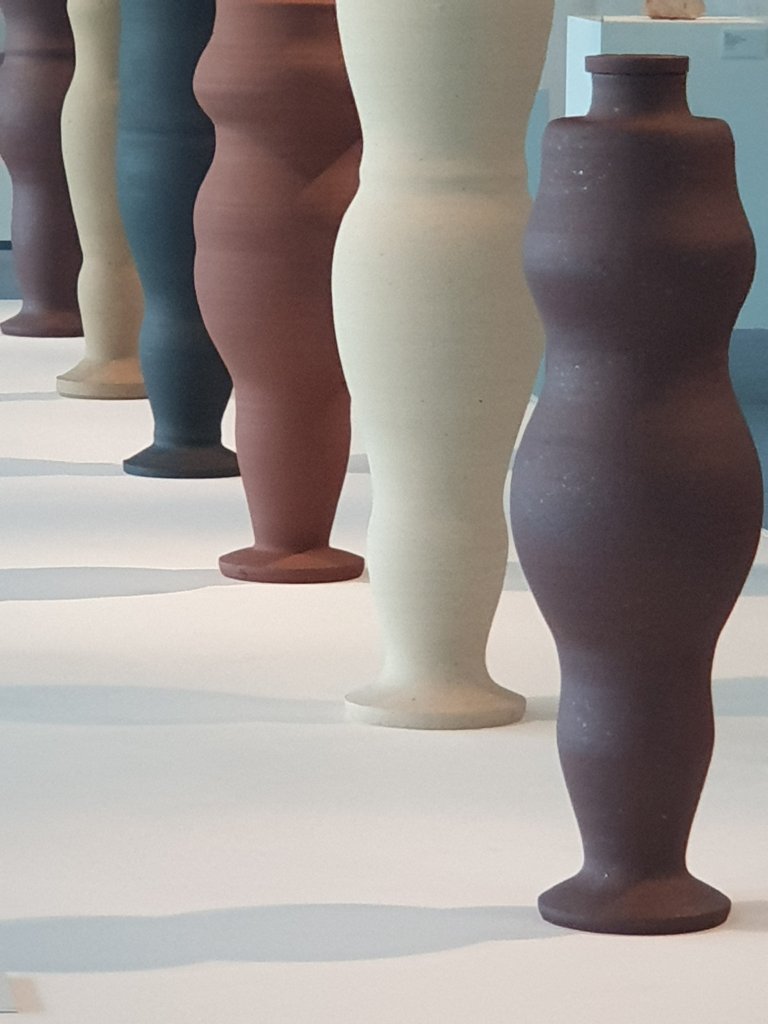
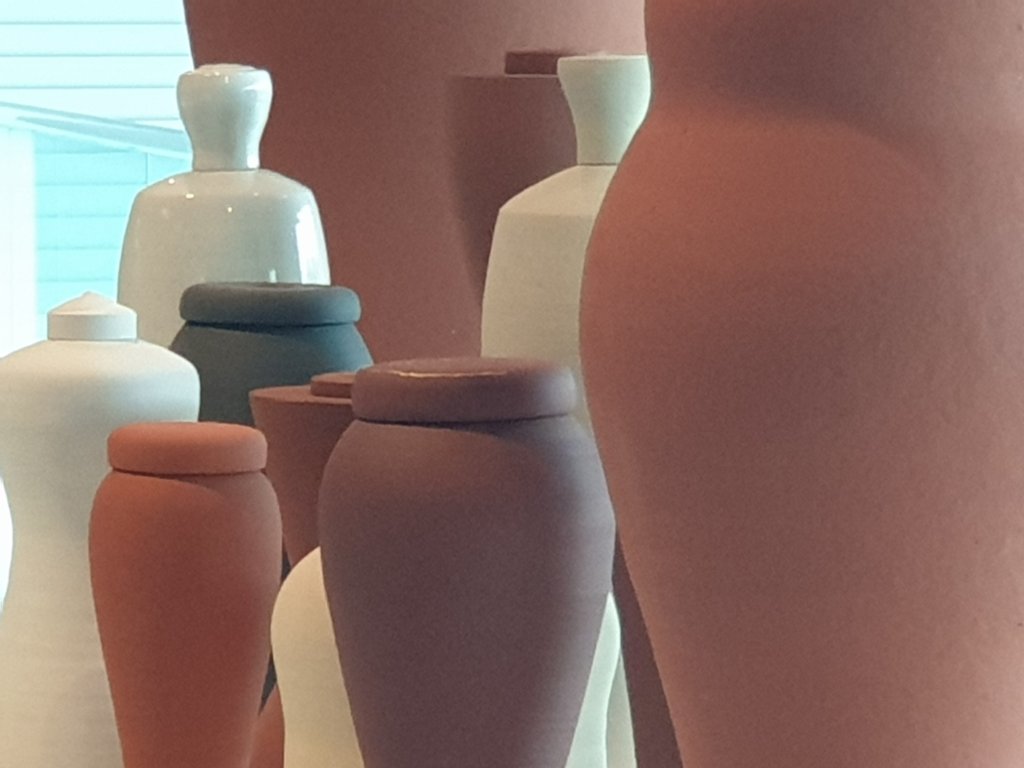
Julian Stair has done an exhibition, Art, Death and the Afterlife, at the Sainsbury Centre (UEA) in which he has mixed the ashes of people who died during the pandemic into ceramic vessels which are essentially funerary urns:-

It’s a very simple device, but unexpectedly profound in prompting ideas about appropriate forms of commemoration – past, present and for that matter, future as well:-

Standard

Goldsmith Street

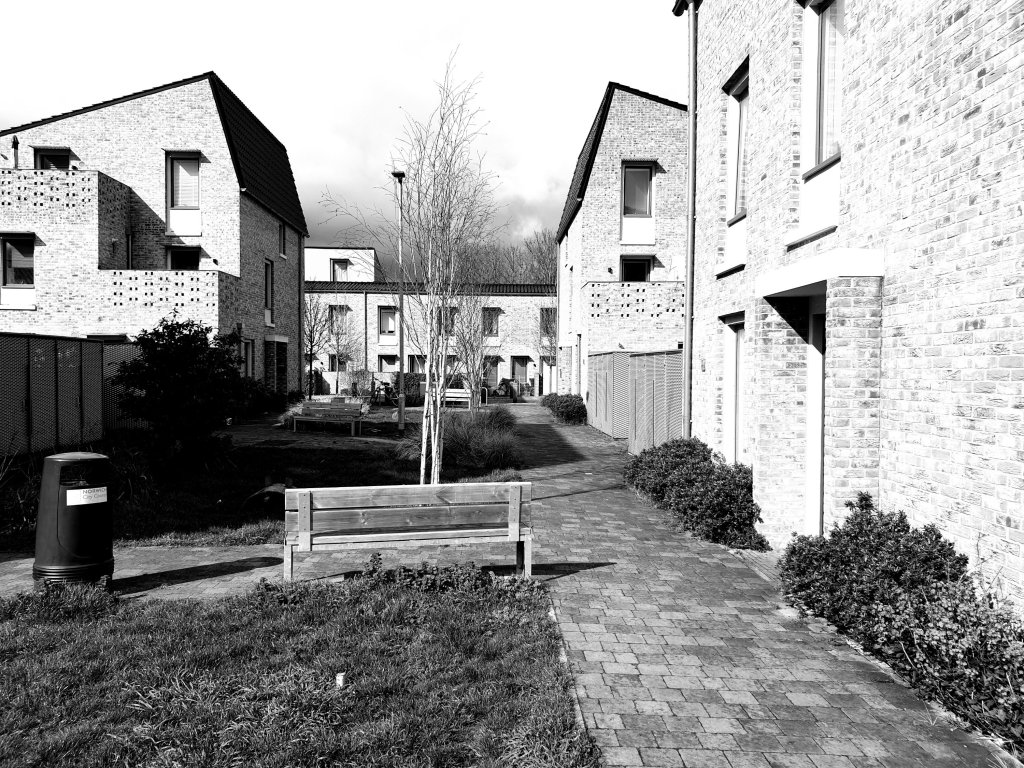
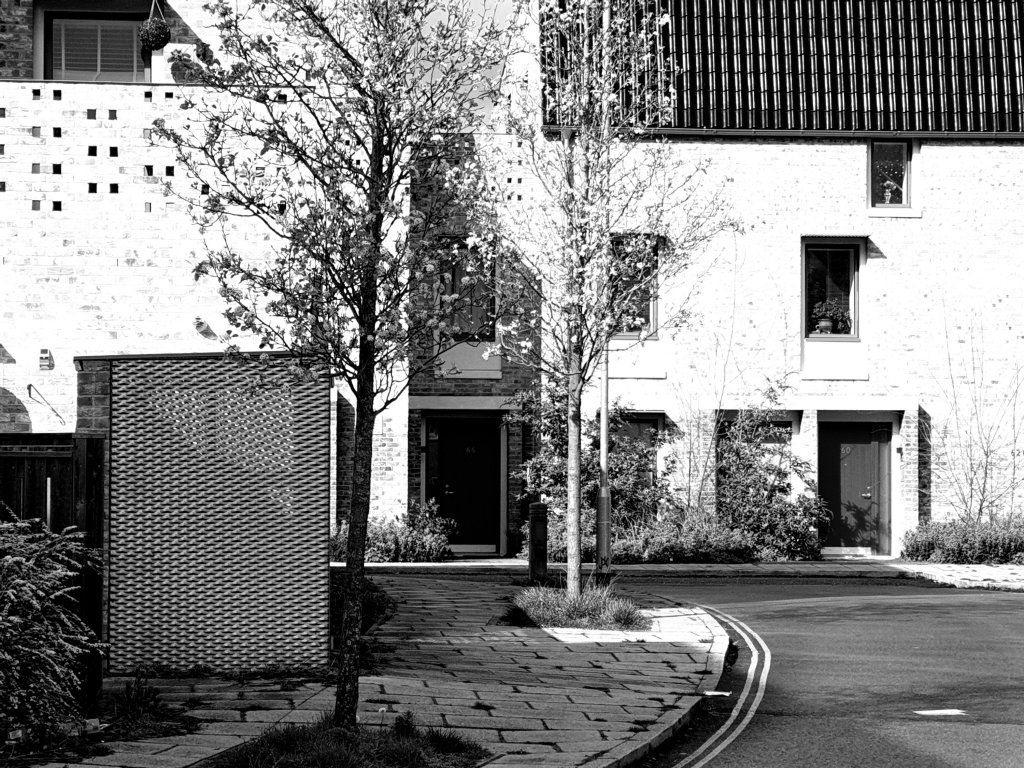
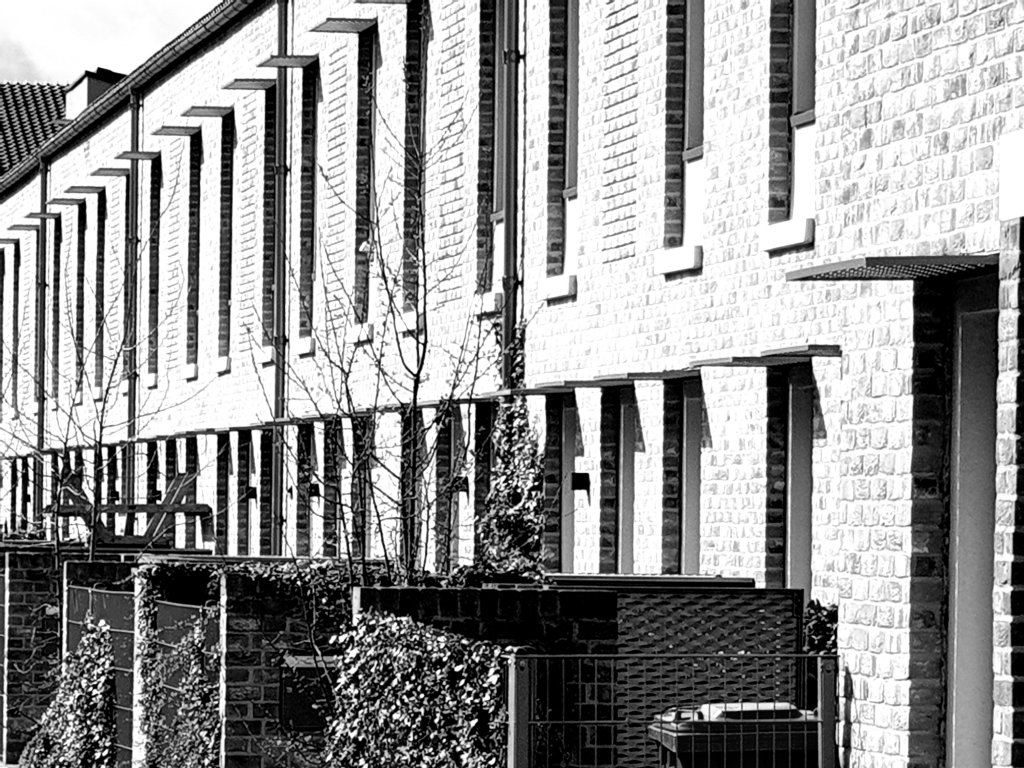
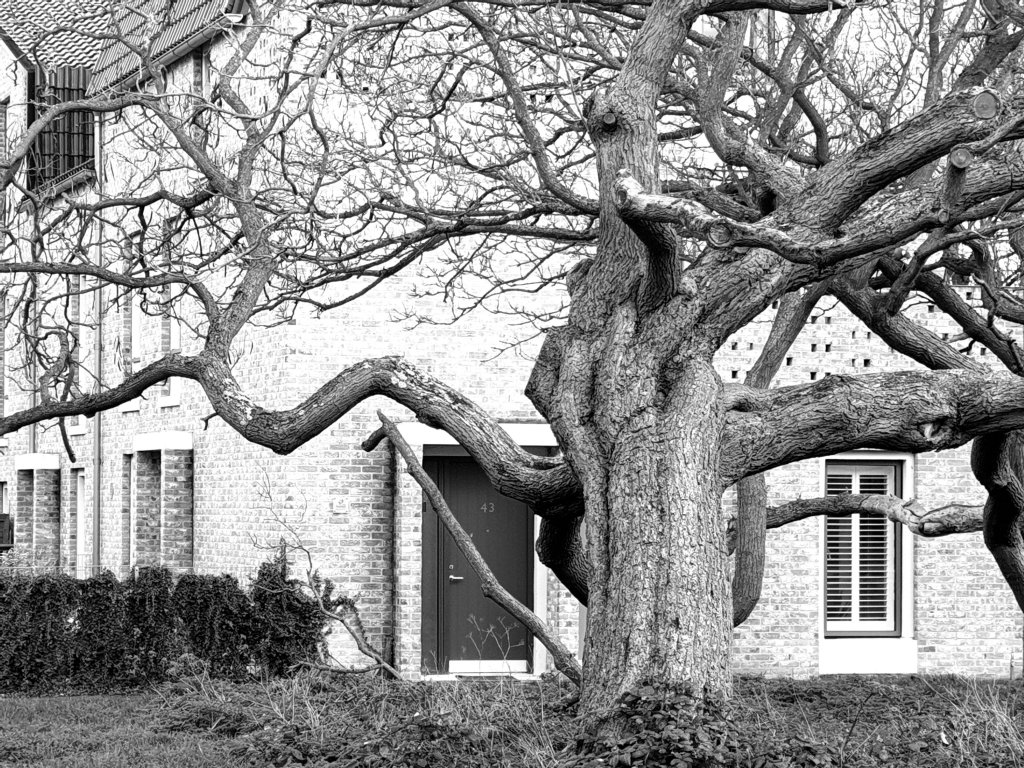
Having got interested in issues of social housing – what works, what doesn’t – I went to see Goldsmith Street, the model development in Norwich which, very deservedly, won the Stirling Prize in 2019.

It is, indeed, very straightforwardly successful: low-rise, dense, terrace housing, conceptually traditional, but not so traditional as to annoy the anti-traditionalists in the architectural establishment:-

Standard

Drive Your Plow Over the Bones of the Dead

We were at the Barbican a week ago for the latest Simon McBurney production, when after twenty minutes, someone appeared on stage to tell us that Kathryn Hunter was unable to perform, a slightly surreal experience mitigated by being able to see it this afternoon. The whole drama does indeed revolve round a single, complex performance by Amanda Hadingue as the animal rights activist – brilliantly played. I haven’t read the book and now should.

https://www.theguardian.com/stage/2023/mar/29/drive-your-plow-over-the-bones-of-the-dead-review-barbican-complicite?CMP=Share_AndroidApp_Other

Standard

Phyllida Barlow (3)

For those who do not necessarily read my comments section, I am re-posting the characteristically thoughtful review which Ivan Gaskell has sent me about a relatively recent exhibition of hers at Hauser & Wirth in New York. More sadness at the death of someone who was still so immensely creative, dangerously so, as Ivan rightly implies.

https://www.west86th.bgc.bard.edu/exhibitionnotes/phyllida-barlow-tilt/

Standard