I am attaching Gillian Tindall’s excellent article about Stepney as it was in 1963 because it gives such a powerful sense of what the area was like post-war and the impulse towards redevelopment, including the lack of political support for, and interest in, shopkeepers and small traders: such a contrast to both Paris and rural France where one sense that the tissue of society is maintained by its small shops, the butchers still working, and the bakers who I was told are state subsidised.
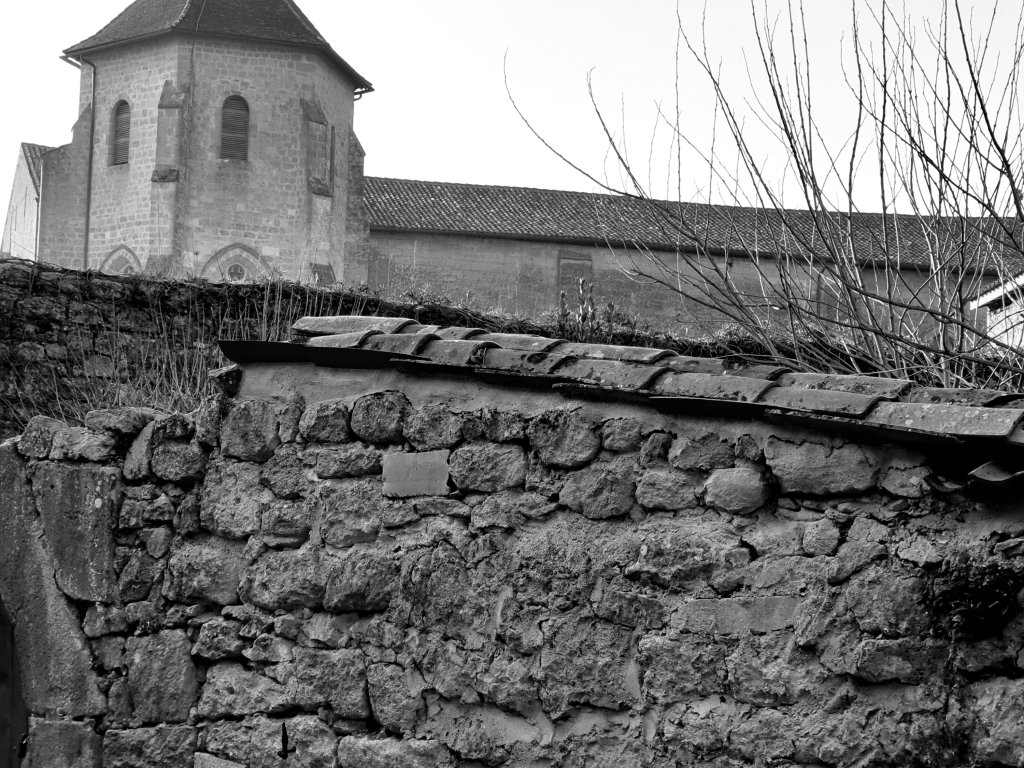
En route to the nearby canal, we spotted a romanesque portico on the church of St. Martin-de-Sescas, a fine and full blown set of carvings, although worn by the weather:-
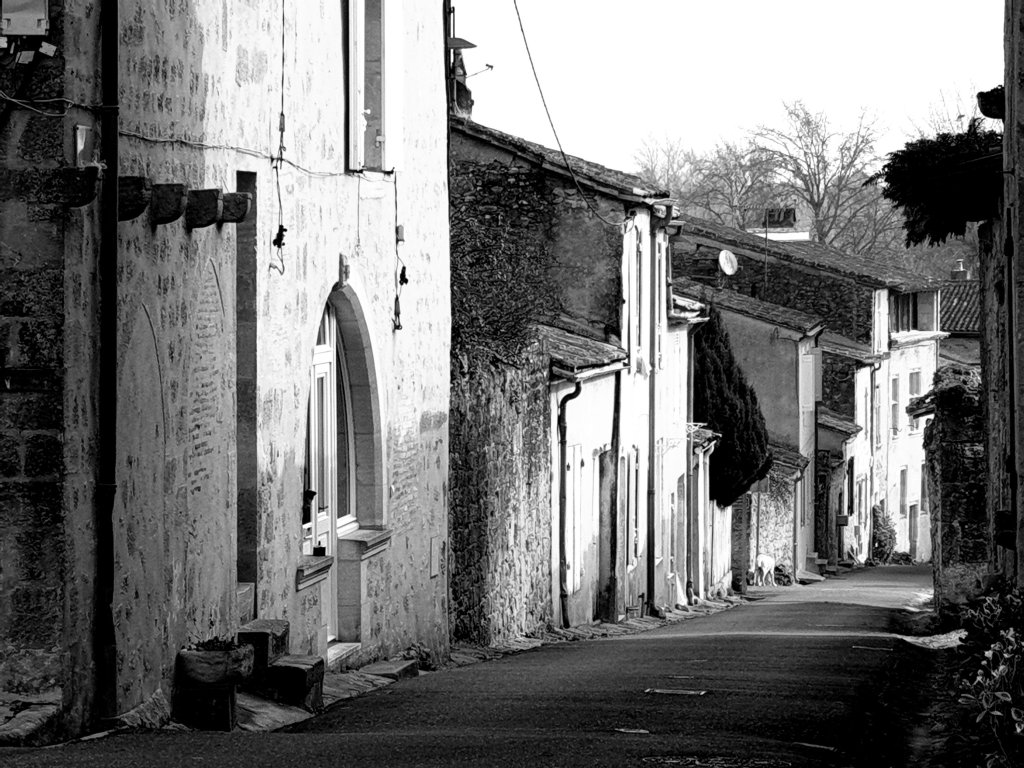
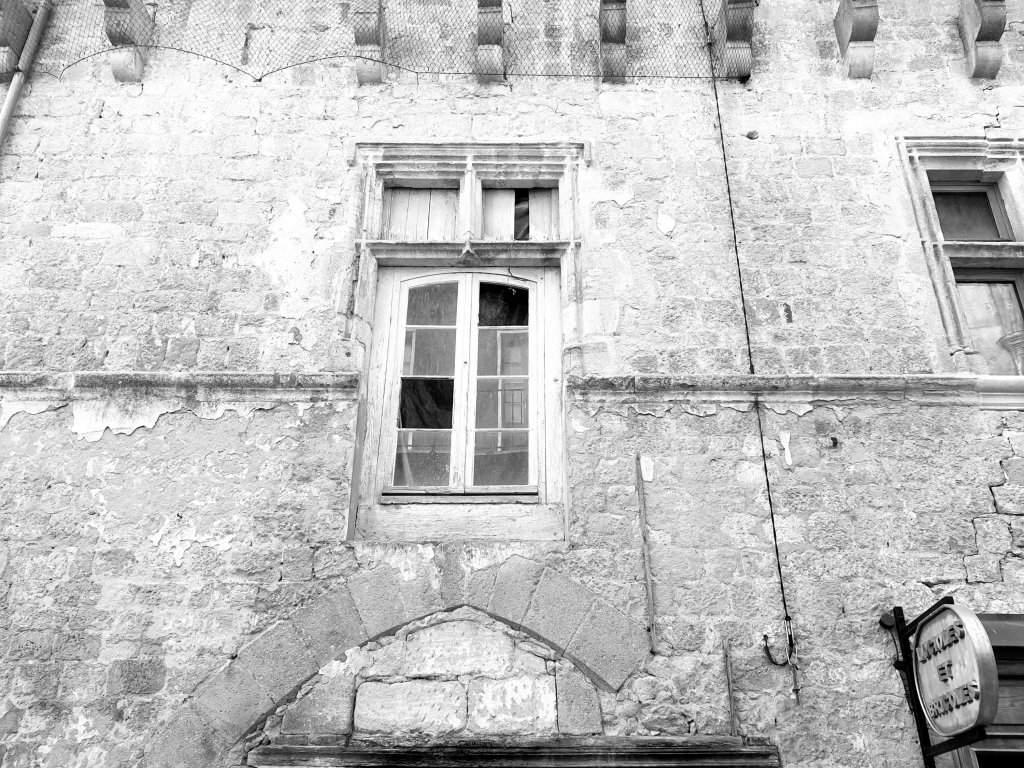
I didn’t know quite what to expect of St. Macaire where my brother spent part of the year. It turns out to be a small medieval town, well preserved, once a port on the Garonne, but the river moved leaving the town marooned in fields:-
An exemplary article by Tanya Harrod on the changing boundaries between contemporary fine art and what used to be described, sometimes patronisingly, as craft:-
Last week, I went to see the new building at the LSE by Grafton Architects – another pretty impressive big project, £145 million the quoted cost, but worth it for what it does in terms of giving LSE a public face on Lincoln’s Inn Fields and giving the university more of a presence on its complex site: an interesting building, half quasi-concrete, neo-brutalist, but with a very strong humane feel, with lots of space for working and beautiful gardens on the rooftop. For some reason, my picture of the roof terraces didn’t make it onto the blog:-
Nor did my picture up into the heart of the building:-
Nor my picture of the staircase:-
For my more considered views, see the blog below:-
It will be well known to readers of my blog that I am not a big fan of Tower Hamlets and its planning policies, not least for the decision of its planning committee to grant permission for redevelopment of the Whitechapel Bell Foundry, the most priceless historical asset which is now being allowed to decay unused (https://thecritic.co.uk/issues/february-2023/the-beastly-east/).
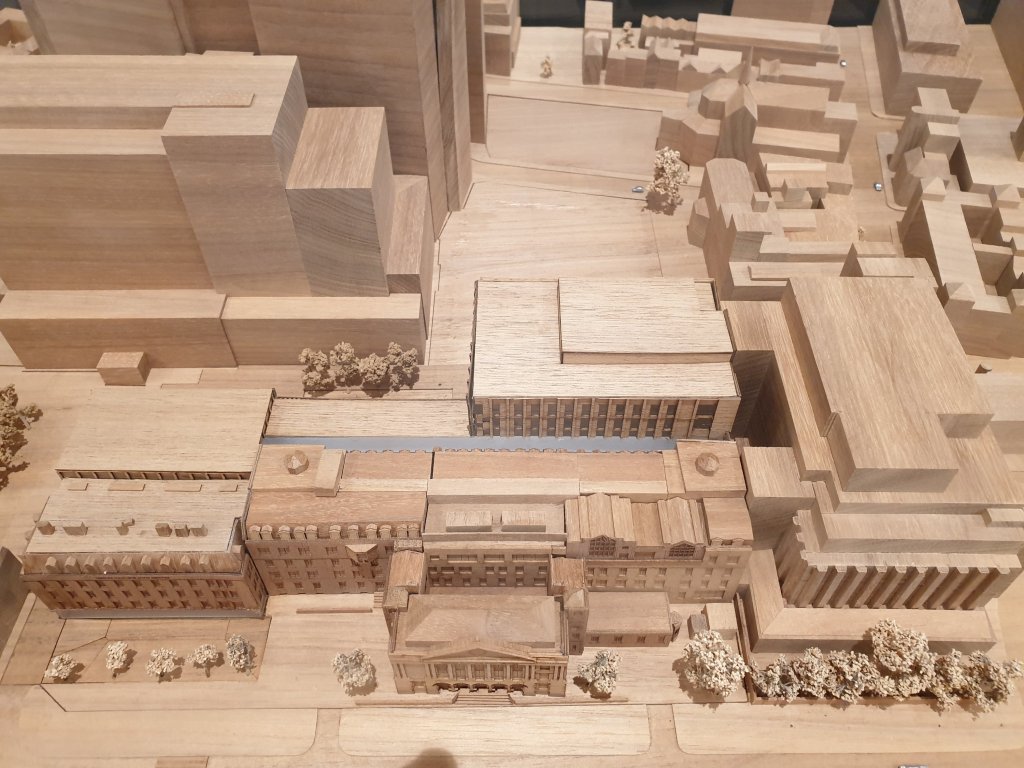
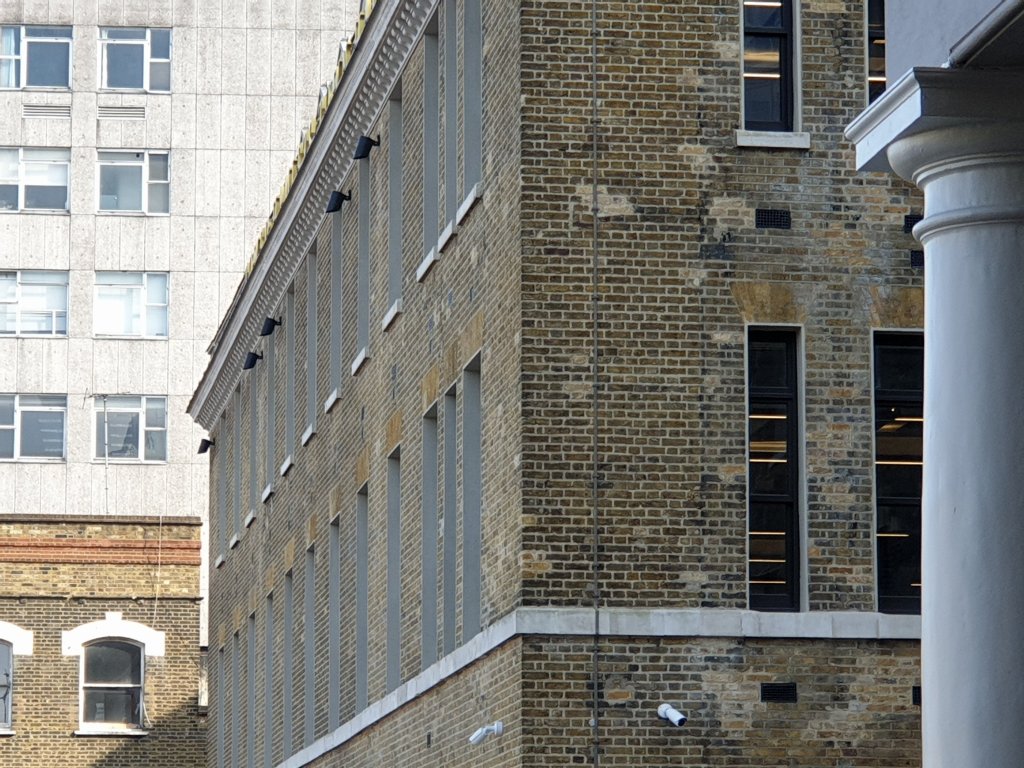
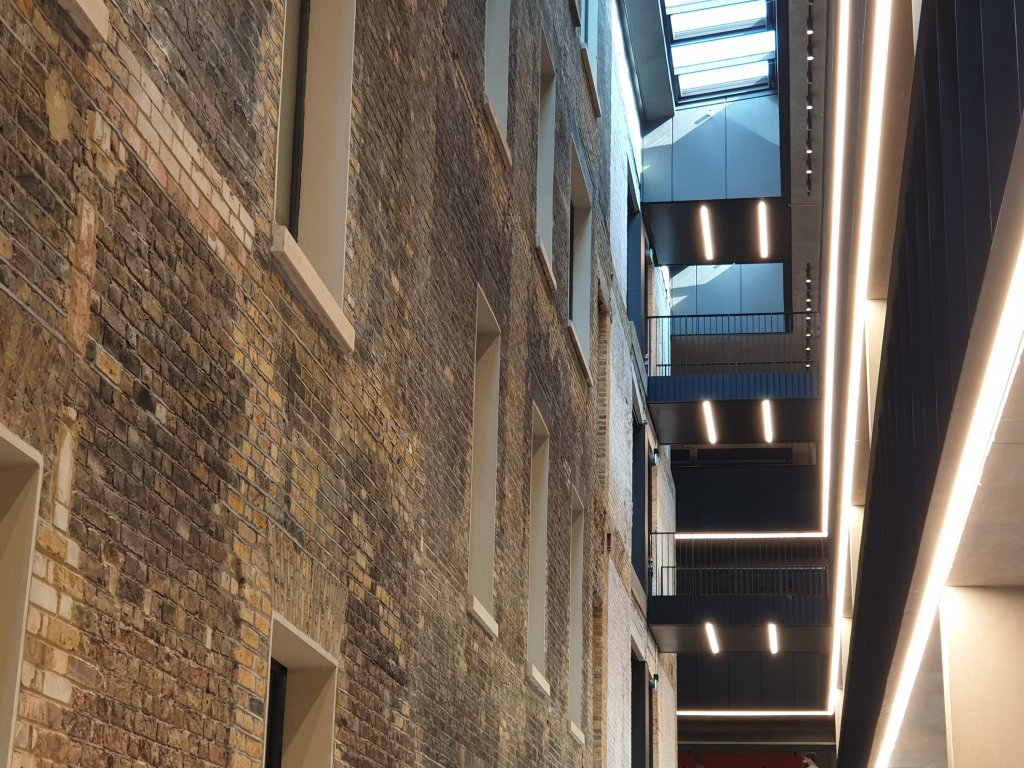
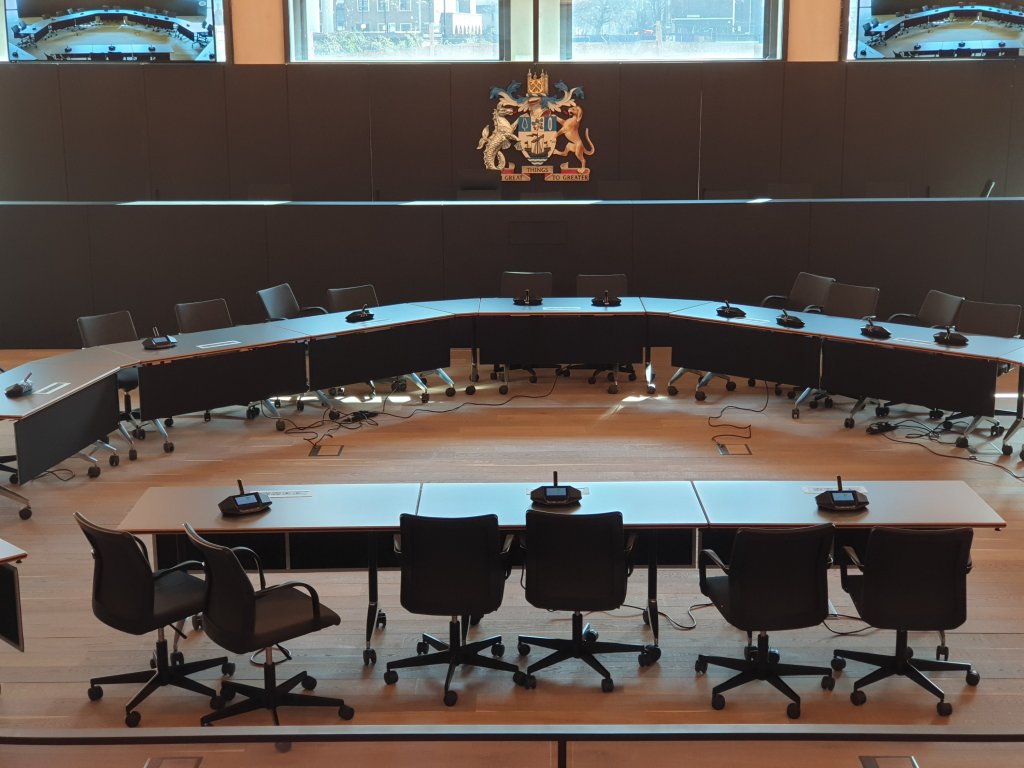
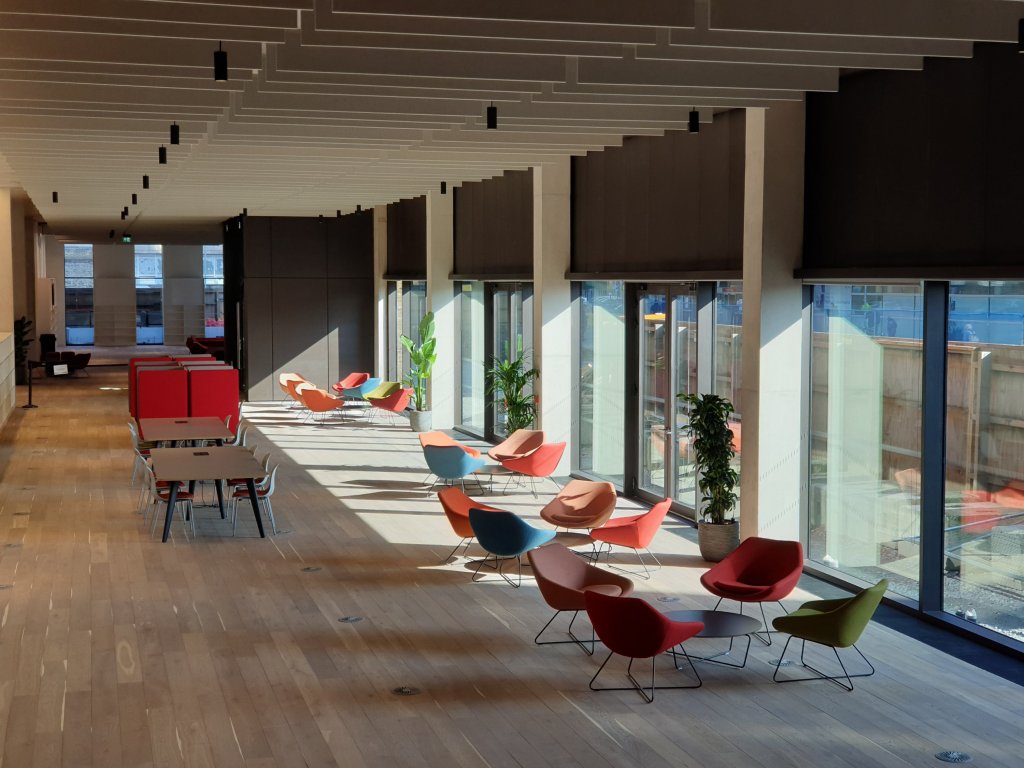
But, I cannot disguise that I am very impressed by the redevelopment of the old London Hospital building which was in a terrible state of decay into the new Tower Hamlets Town Hall. It has been done by AHMM and is a clever mix of the new and the old – restoring the main façade, keeping the porte-cochère, but adding what is essentially all new build at the back, but done with character and including a Council Chamber where we can all go and listen to debates.
It opened apparently without fanfare on Monday and already looks incredibly well used, with loads of places to park your bike and a good sense of relationship to the street, with a park being planned behind.
Now, Mayor Rahman and his planning committee need to address what is to happen to the Bell Foundry. Compulsory purchase ? They have demonstrated that they are capable of imaginative redevelopment. Please can they apply these skills to the development of the Bell Foundry as a Centre for Craft Skills, combining new and old technology ?
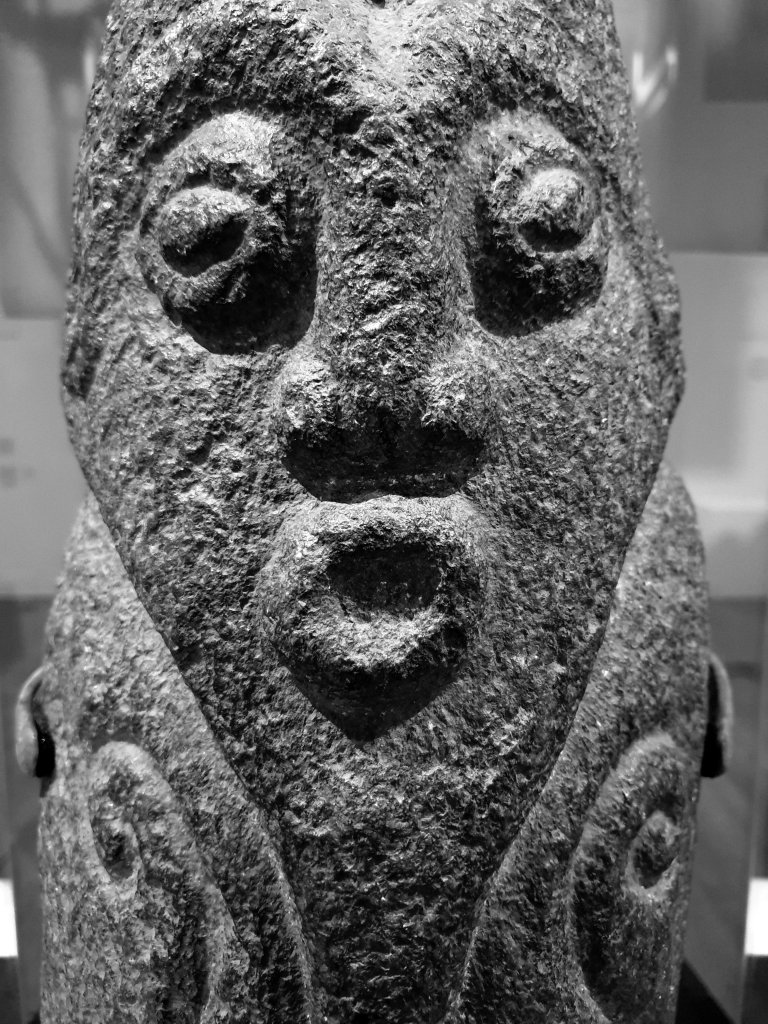
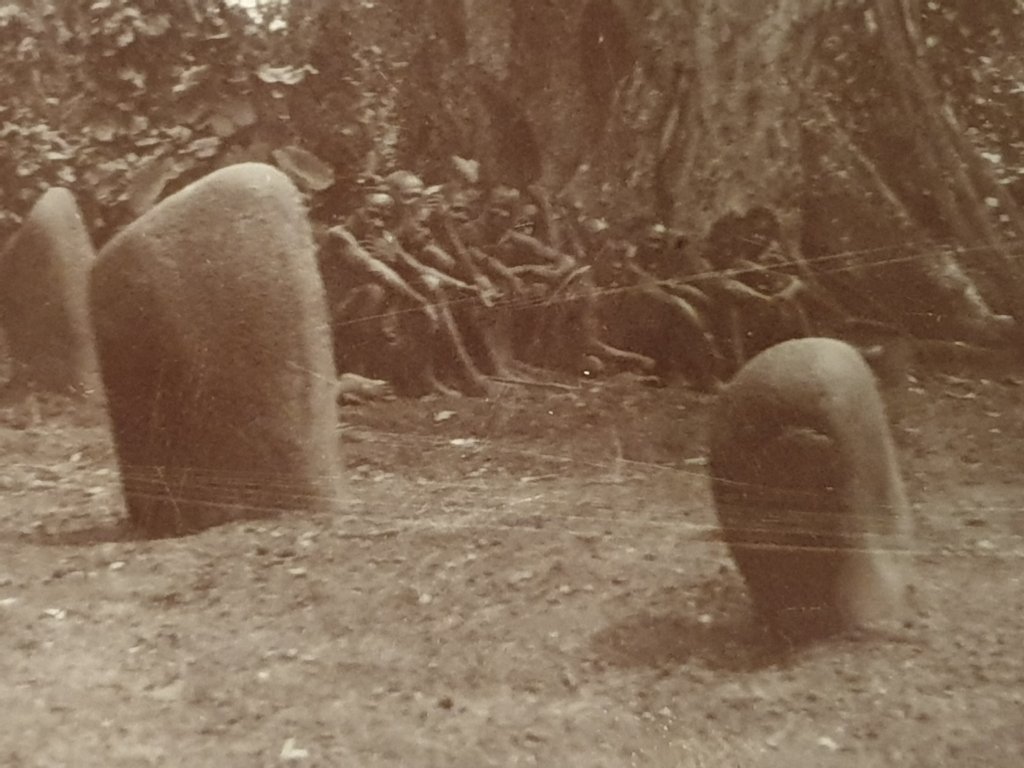
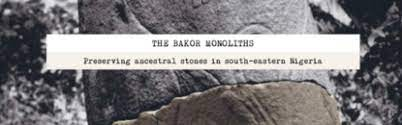
These monoliths were first documented by Charles Partridge, a British colonial officer in 1903, who took photographs of them shown in the exhibition:-
They were then studied in the 1960s by Philip Alison, who worked for the Nigerian Forestry Department. He documented 295 stones. Many were smuggled out to Cameroon during the Biafran War.
If you want to know more, there is an accompanying book, currently only available under the counter:-
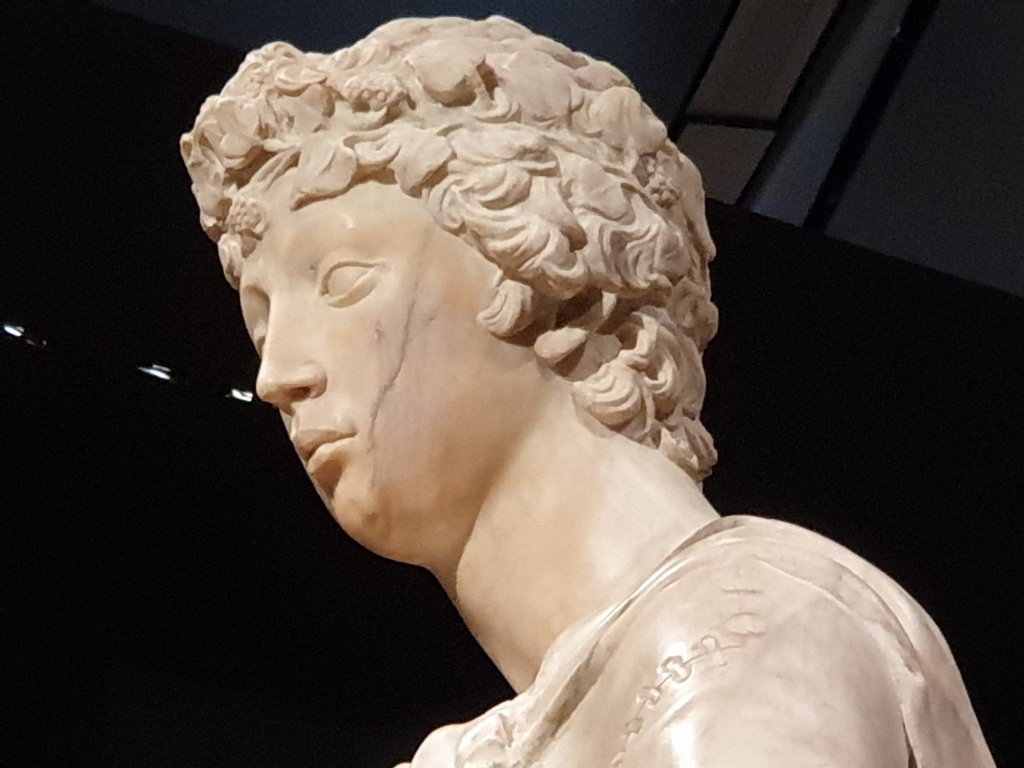
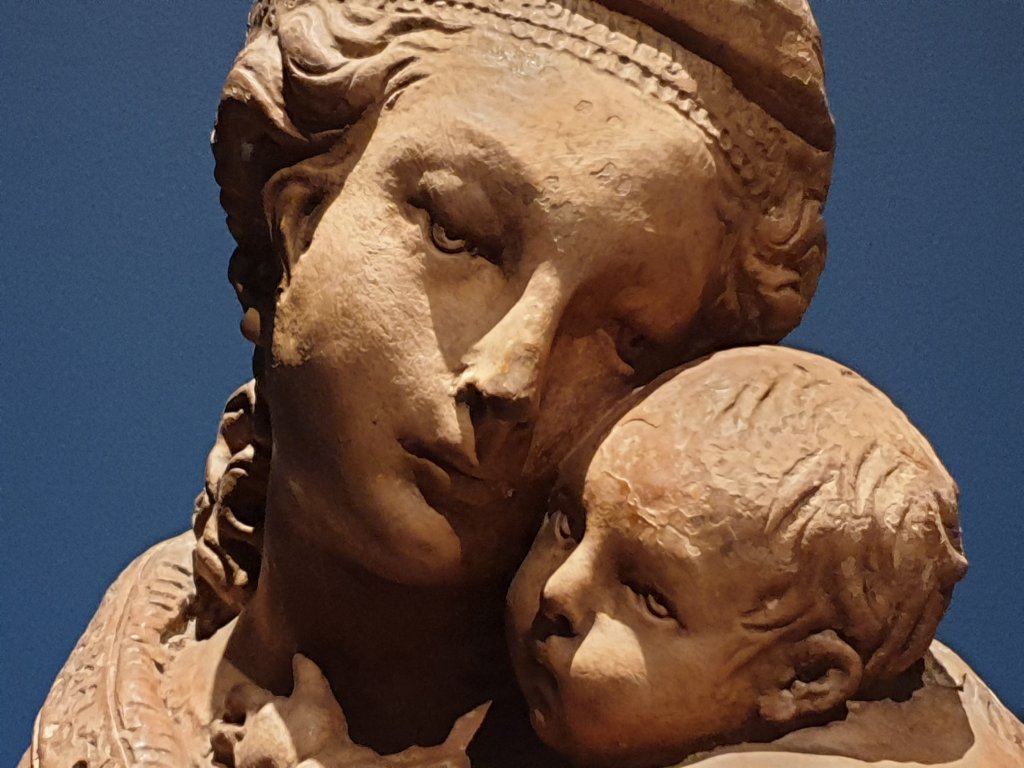
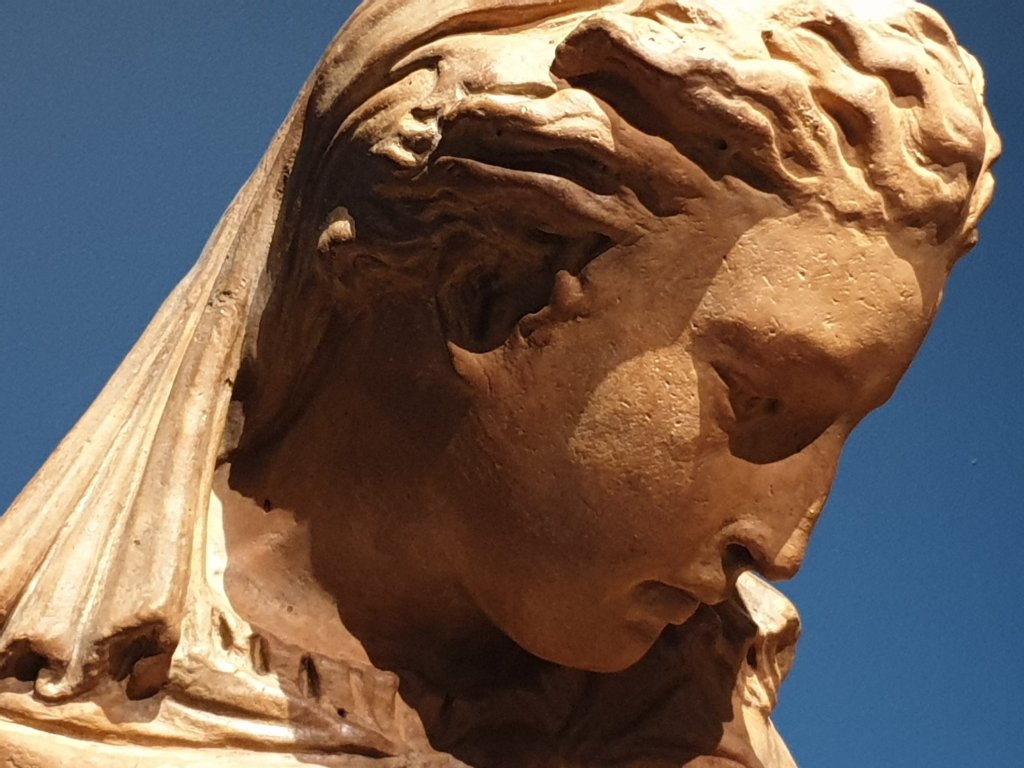
An amazing, very dense exhibition, far more work than I had expected, not just by Donatello, but sculpture from all over Italy and, not least, from the V&A.
David (1408):-
Seated Virgin and Child (c.1415):-
Enthroned Virgin and Child (c.1420):-
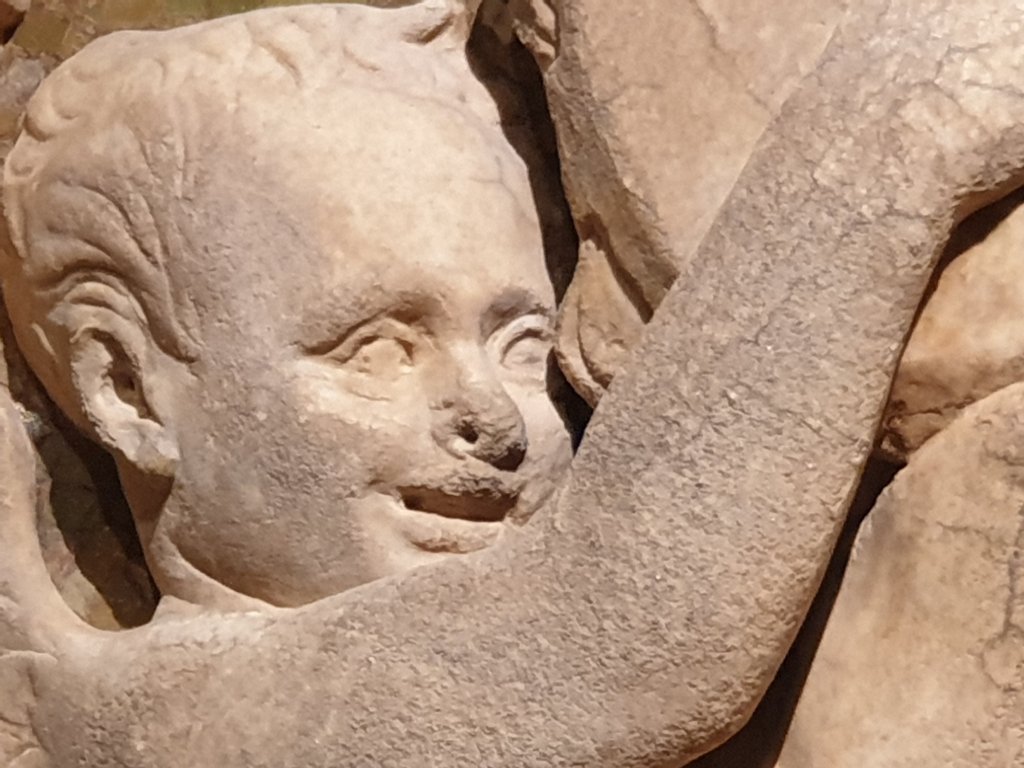
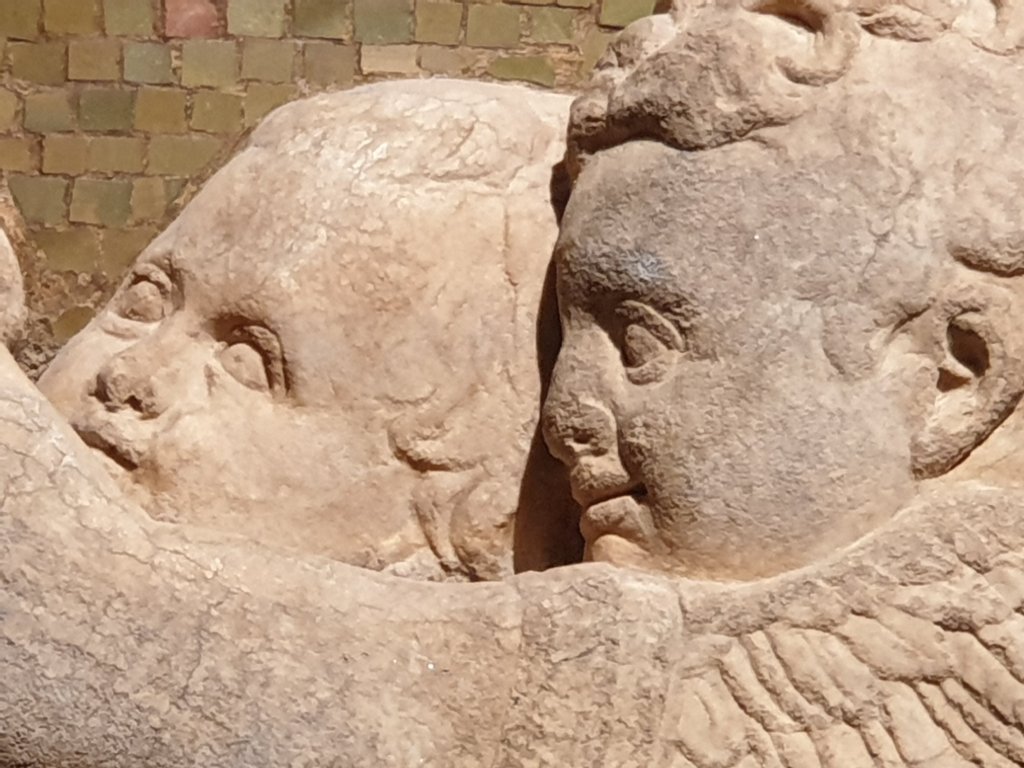
Donatello and Michelozzo’s panels from Prato Cathedral:-
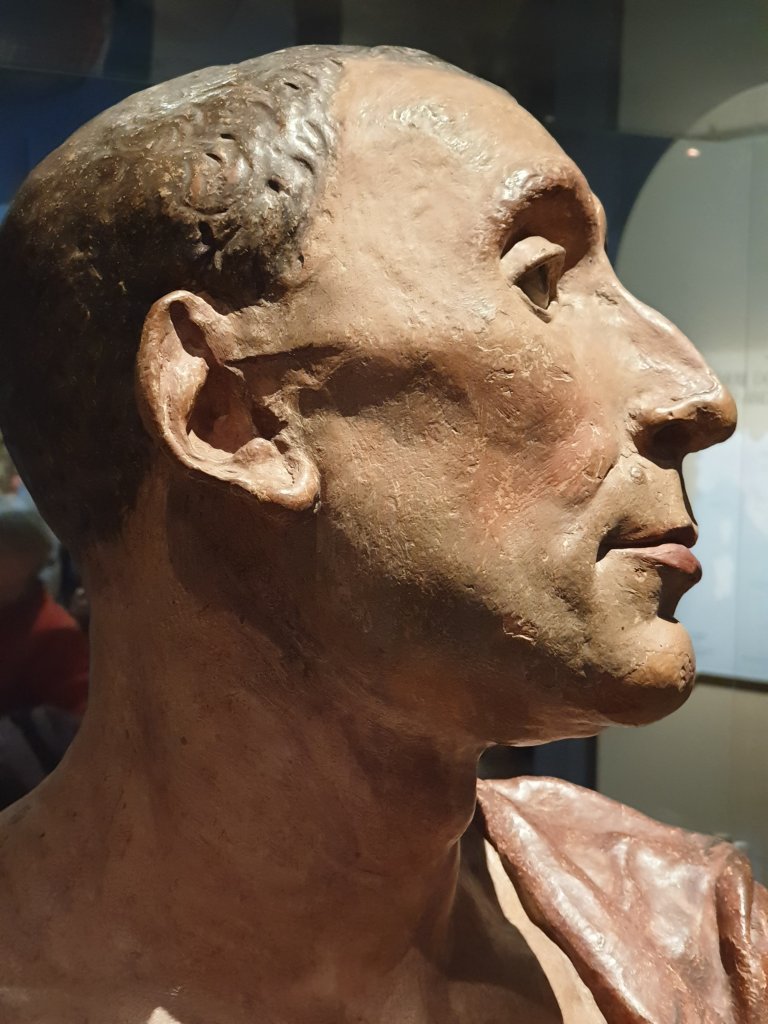
Bust of a Man (c.1455) from the Bargello:-
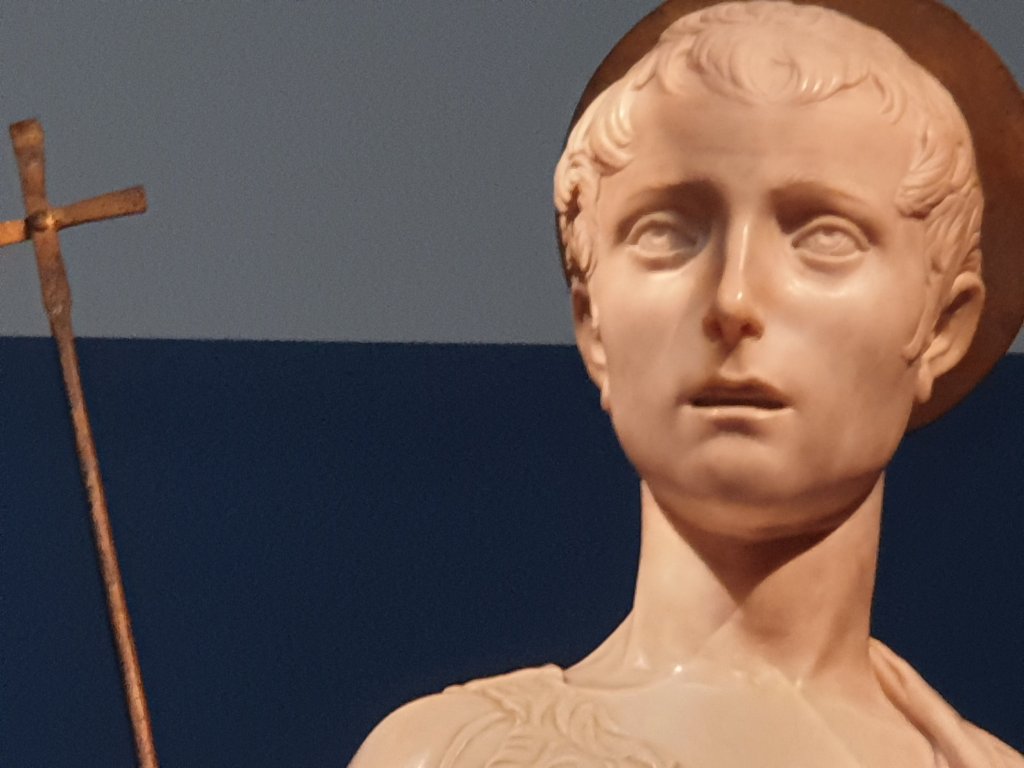
Donatello and Deiderio da Settignano’s John the Baptist from the Bargello:-










 | Charles | Saumarez | Smith |
You must be logged in to post a comment.