St. Mary-le-Strand (2)

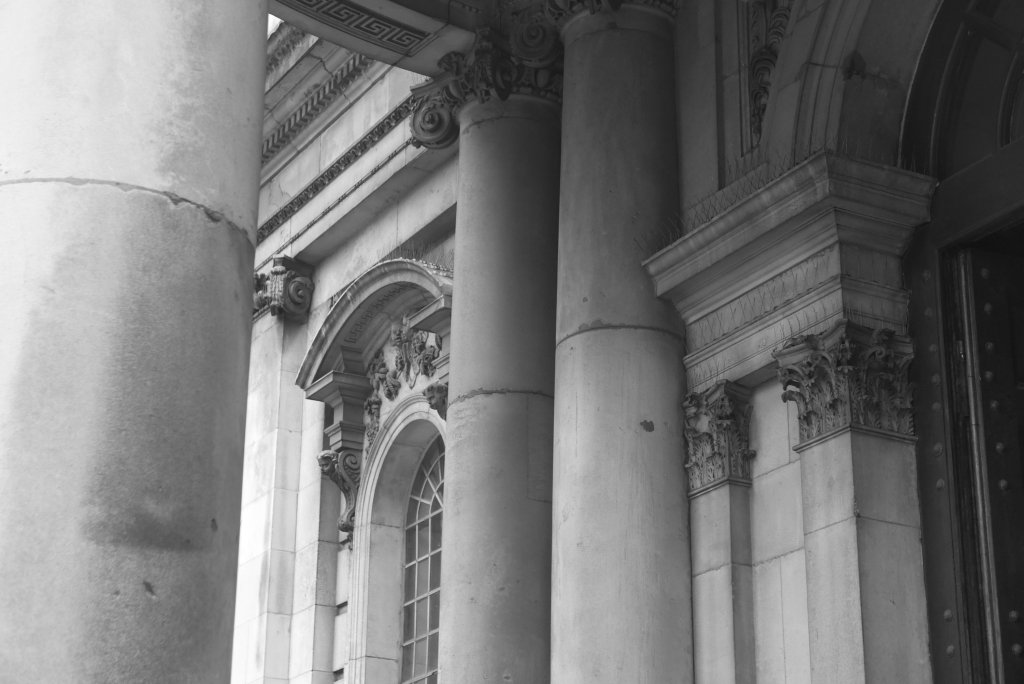
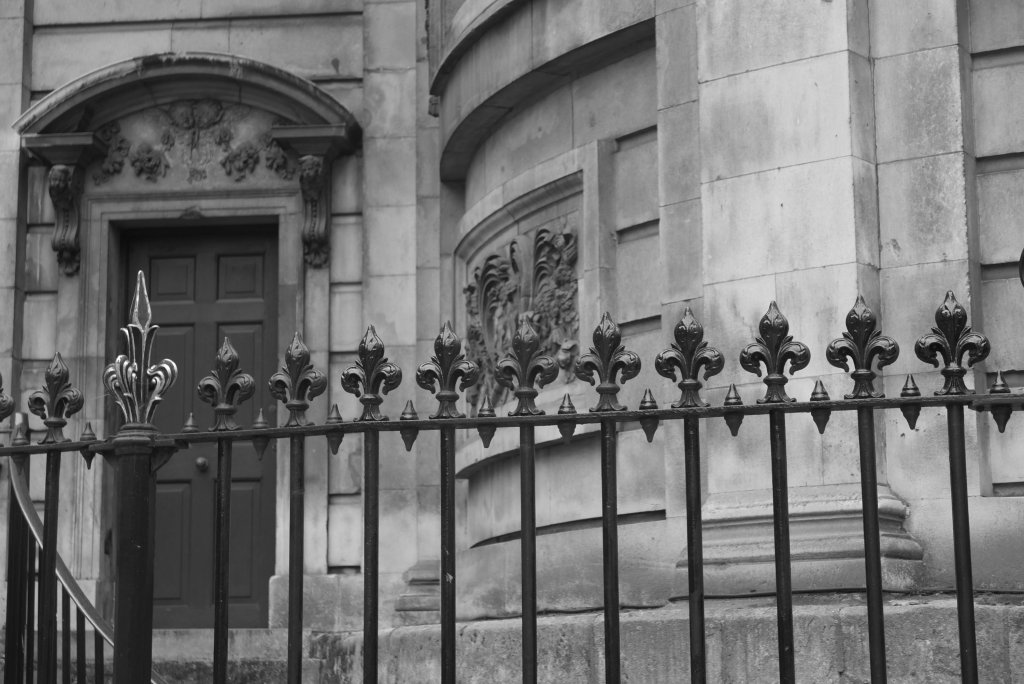
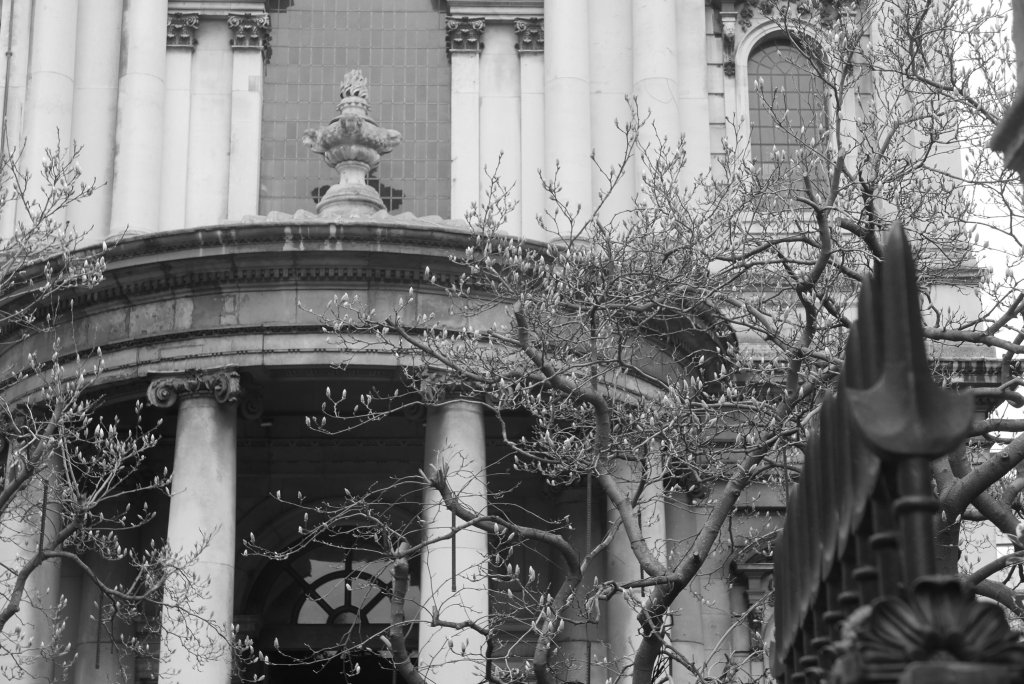
Following my recent visit to St. Mary-le-Strand, I have been reading the excellent book about it, available in the church, by Peter Maplestone, which makes clear a lot I did not know. Mainly, that it was Thomas Archer, not James Gibbs, who was originally commissioned to design the church in April 1714. The foundation stone was laid on 15 July 1714 and the building was already well under way when Gibbs took over in November 1714 (ie after the accession of George I). Gibbs’s design was preferred over that of Vanbrugh, not, I think, because Gibbs was a Tory and Vanbrugh a Whig – Vanbrugh, after all, had recently been knighted – but because Gibbs had devoted more time and effort to his design and had the support of Christopher Wren. The issue is not so much why Vanbrugh’s design was turned down, but why Archer was ousted.

Standard

The Public Sphere

I have been sent the attached excellent article about a new exhibition at MOMA about small-scale, architect-generated public projects in New York, which are designed to rectify what I think of as the current impoverishment of the public sphere.

There are good initiatives in London, too, of which the pedestrianisation of the Strand is an excellent example – getting rid of traffic, putting in seating, making St. Mary-le-Strand accessible, treating the City as a platform for interaction, not a place of pure profit. I see it was done by the Centre for Urban Science and Progress (CUSP) at King’s College, London and I hope they win lots of awards for it.

The new Queen Elizabeth line also has a sense of generosity and spaciousness in its design. If only this could have extended to providing what used to be known as Public Conveniences. I don’t know what they are now called because they no longer exist.

PEOPLE OVER PROFIT as the graffiti says on the front of the increasingly derelict Whitechapel Bell Foundry which has become a morality tale for our times, lining the pockets of politicians instead of acting for the public good.

https://www.theguardian.com/artanddesign/2023/feb/24/new-york-new-architecture-how-is-the-city-changing-with-the-times?CMP=Share_AndroidApp_Other

Standard

St. Mary-le-Strand (1)

Yesterday, I had the utmost pleasure in seeing the newly pedestrianised Strand. Some things do get better. One of the great pleasures is that St. Mary-le-Strand is open and easily accessible instead of being a blackened traffic island surrounded by buses. There is also an intriguing performance of its history inside which, so far as I could tell, was very well informed, giving a feel for the recruitment of Gibbs instead of Vanbrugh. It doesn’t sound altogether plausible that Wren packed the Commission with Tories who would support Gibbs over Vanbrugh, but I liked the narrative nonetheless:-

Standard

Anthony Green RA (1)

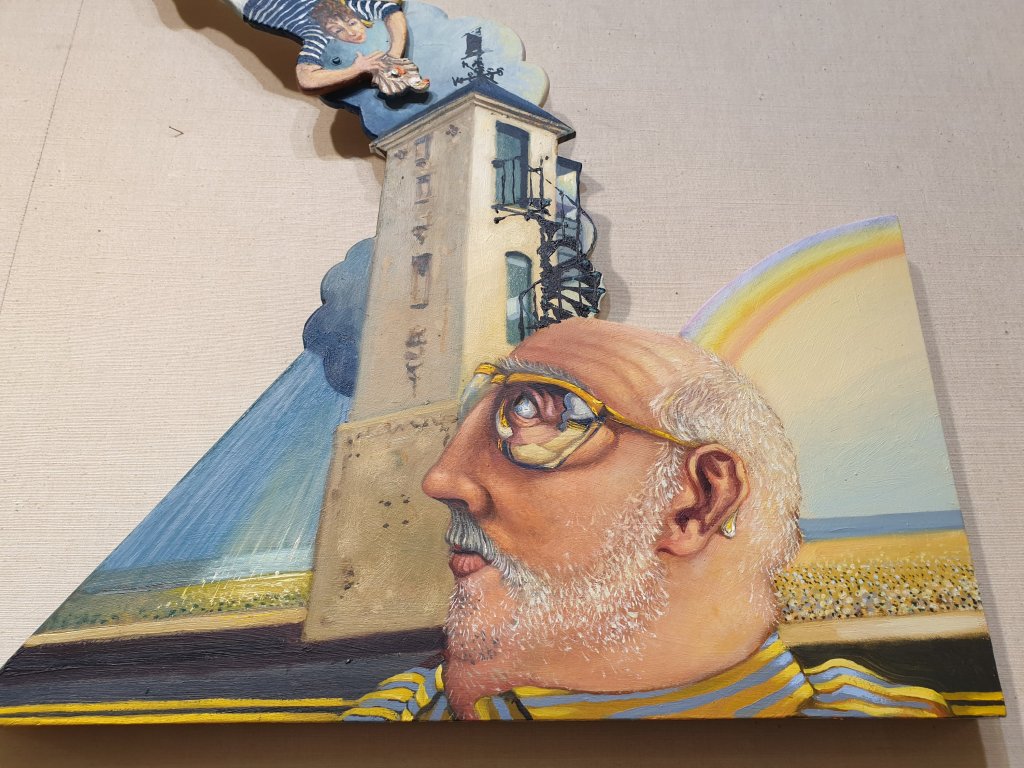
News of Anthony Green’s death is very sad. He was a pillar of the RA when I first went there – a stalwart member of Council and took over as chairman of the Exhibitions Committee. He had great knowledge and good humour, without any side and friendly with everyone.

Since I was in the neighbourhood, I went to see the exhibition of his work at Chris Beetles Gallery in Ryder Street. There are several self portraits, which in the circumstances are unbearably poignant:-

https://www.theartnewspaper.com/2023/02/15/anthony-greenwhose-wife-mary-was-the-muse-for-a-unique-set-of-narrative-paintingshas-died-aged-83

Standard

Sir Christopher Wren (2)

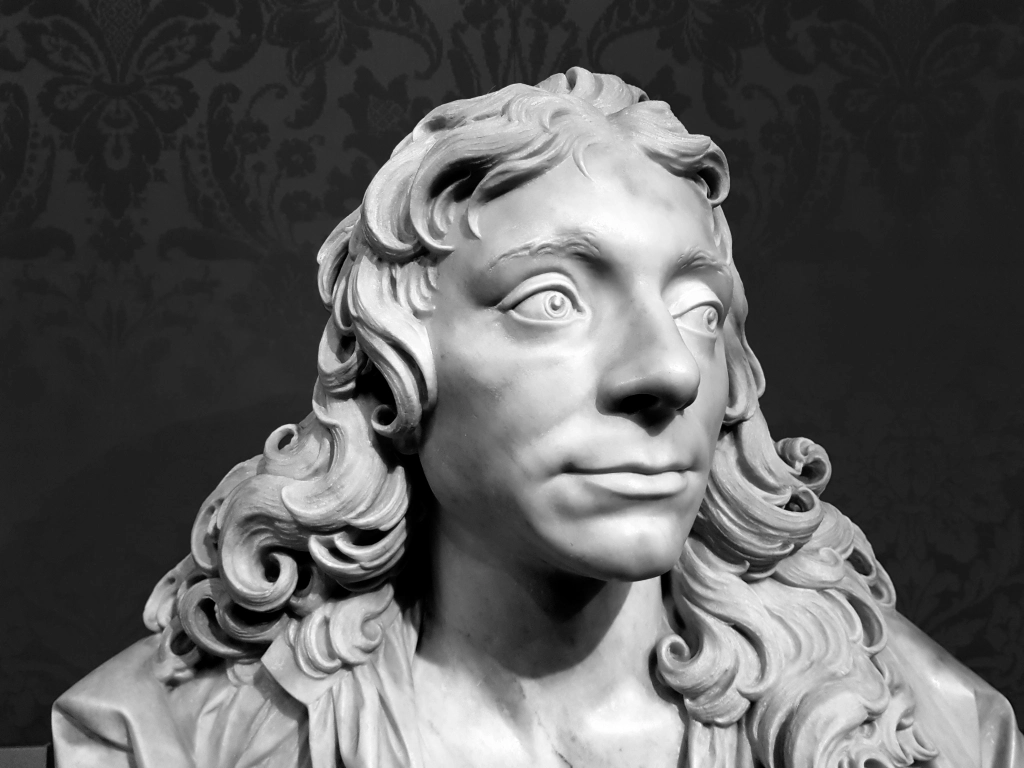
The tercentenary of Christopher Wren’s death is approaching fast – he died on Saturday 300 years ago. I’m pleased to have just received the latest (March) issue of The Critic which includes my slightly more considered thoughts about his personality than was possible at the annual dinner of the Chartered Company of Architects. I will post the article once it becomes available online. Meanwhile, I am posting an image of the wonderful portrait bust of him by Edward Pearce in the Ashmolean – so vivid, a face of such obvious intelligence, the closest one can come to him after three hundred years:-

Standard

The Beastly East

My piece for this month’s The Critic was on the still relatively new Survey of London volumes on Whitechapel – a bit late I know, because I went to the launch last June. But I discovered that they are just as meticulous in recording recent changes in property ownership as they are those of the eighteenth century. And so I discovered who actually owns all those monster new tower blocks in Aldgate and how many times they have changed owner in the last ten years. They are nearly all offshore. One is owned by a Texan disc jockey.

This brings me to the scandal of the Whitechapel Bell Foundry which you may recall was sold in December 2016 – SEVEN YEARS AGO – to a New York venture capitalist who wanted to turn it into a boutique hotel. Well, after his plans were supported by Historic England as an example of adventurous change-of-use (change-of-use to a listed building should have been legally forbidden since there was a perfectly viable plan to keep it as a foundry) and after the planning Inspector found in favour of the scheme, Robert Jenrick gave it planning permission in spite of tweeting on the day that it was a rotten scheme until it was pointed out that he had signed the approval.

So what has happened since ? Precisely nothing. The building has been left to rot by the New York venture capitalist. The Mayor does nothing. Historic England has egg on its face.

There is still a perfectly viable plan to put it back to use. Can we please encourage the venture capitalist to return the building to its historic purpose ? The London Bell Foundry will help.

https://thecritic.co.uk/issues/february-2023/the-beastly-east/?s=09

Standard

Liverpool Street Station (18)

Following the recent article in Bloomberg News about the redevelopment of Liverpool Street Station, I begin to see the logic behind what is proposed.

The development of London Bridge Station by Irvine Sellar has been pretty successful. Whilst the Shard, designed by Renzo Piano, is not universally admired (I do admire it), it certainly does not detract from the railway station below which has been refurbished by Grimshaw. So, Irvine’s son, James, then went on to employ Renzo Piano to design a monster 19-storey tower block, known colloquially and for obvious reasons as The Cube, on the east side of Paddington Station. This was much more contentious. The building is on a vast scale, but it is in the nondescript, industrial area round Paddington Basin. It is out of scale with its surroundings, but got planning permission. As a concept, Piano said that ‘When you exit [Paddington] station you will see a clear floating cube ‘levitating’ above the ground’.

With the redevelopment of Liverpool Station, there is very little space alongside the station, although it should be pointed out that there is actually a large and semi-redundant plaza outside the west entrance of the Elizabeth line. So, someone had the bright idea of putting a version of the Paddington Cube ‘levitating’ on top of the existing Victorian Station, irrespective of the architectural character and significance of the original station and its accompanying late Victorian hotel.

At this point, someone – either Jacques Herzog or Pierre de Meuron – should have said that this is a completely horrible idea. You can’t just put a building of the twenty first century on top of a building of the late nineteenth century without any sense of relationship and integration between them. It is visually and architecturally offensive. But I suppose that Herzog and de Meuron is now a monster international practice and may as a result have lost a sense of integrity in what it now does on its corporate side and so the partners, or much more likely the employees of the UK office, agreed. Interestingly, they do not show the Liverpool Street Station project on their website. They are probably rightly embarrassed by it.

Bang goes their reputation as architects of thoughtfulness and intelligence. They will now be forever associated with a horrible glass box which exemplifies all the worst aspects of contemporary corporate greed.
Standard

Chelsea School of Art

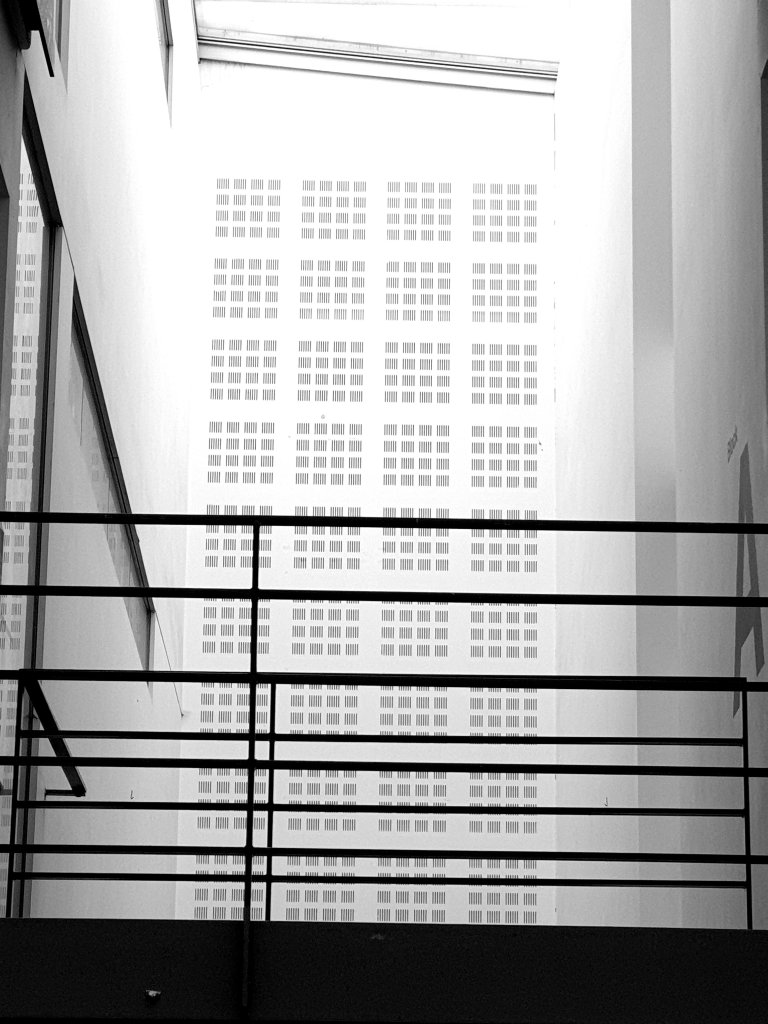
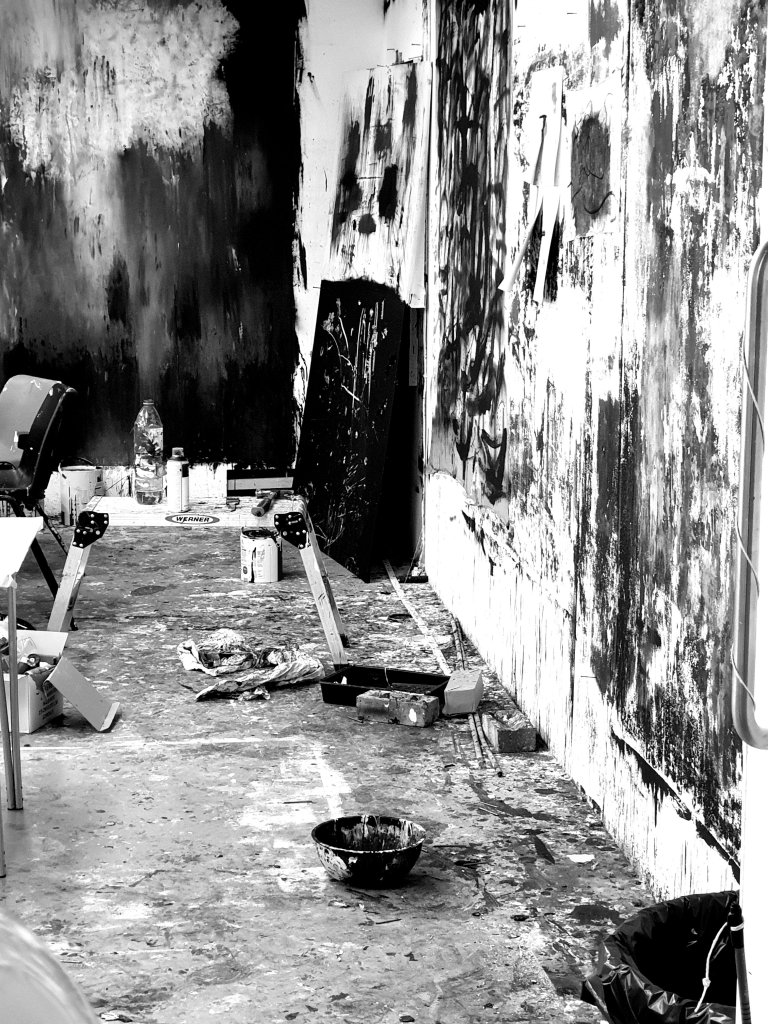
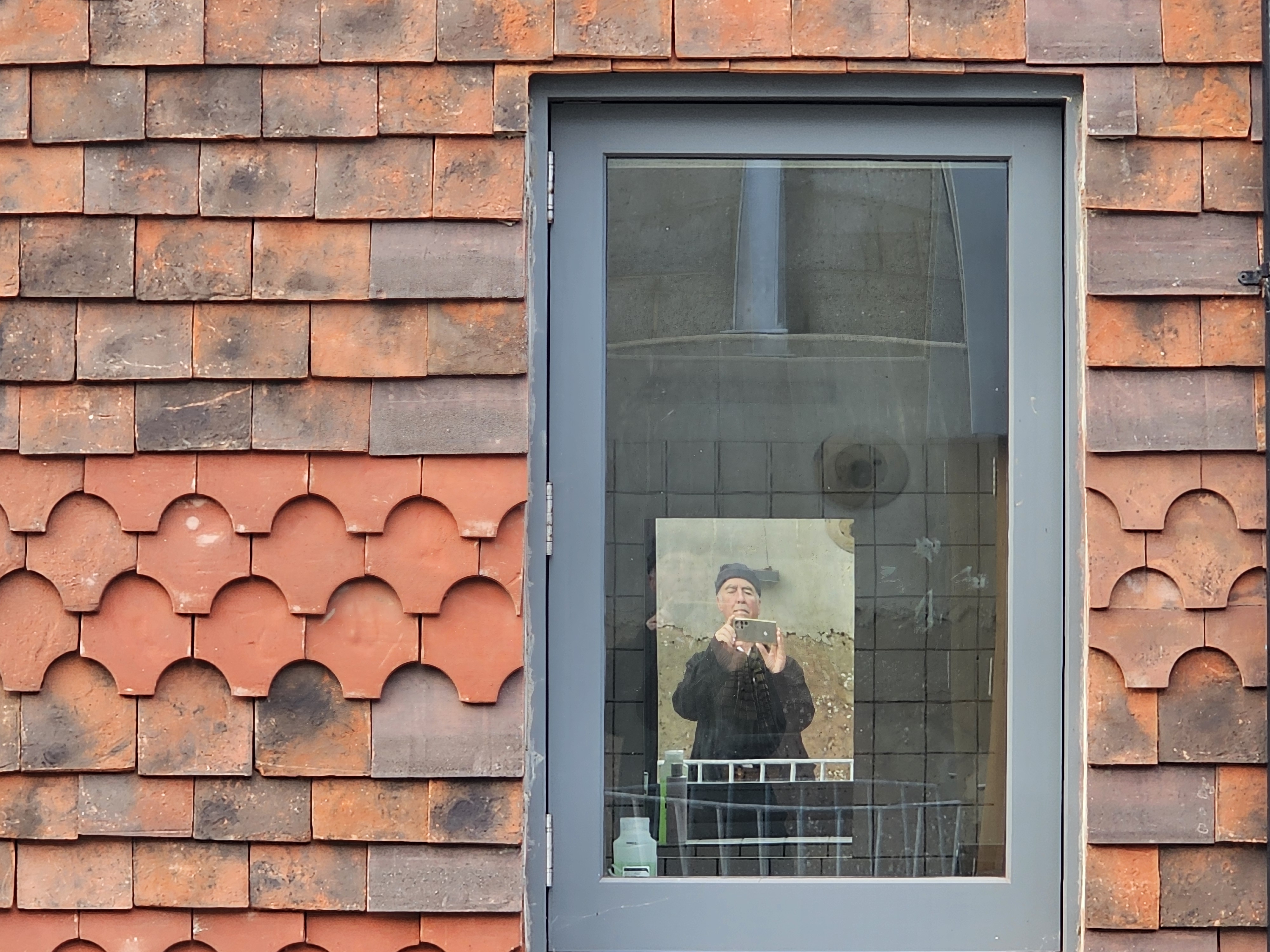
I spent the last three days at Chelsea School of Art doing a short course on architectural photography, hoping to upgrade what I now realise is my hopelessly amateurish photography by way of a mobile phone – no retouching, no photoshop.

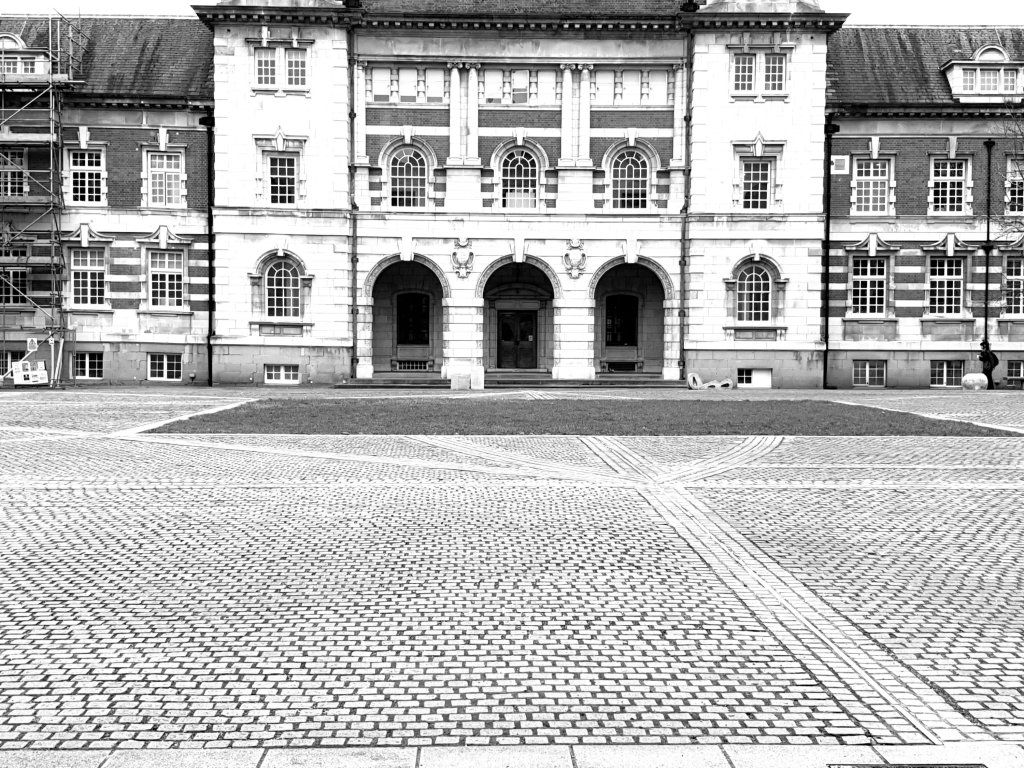
Yesterday morning’s exercise was to document the old historic building of the Royal Army Medical College, which occupies part of what was, once upon a time, the site of the old Millbank Prison – alongside the Tate.

The bulk of the new hospital building was designed by John Henry Townsend Wood and Wilfred Ainslie round a courtyard (they formed a partnership in 1887, having both worked for Ewan Christian, the architect of the National Portrait Gallery). A piece of institutionalised baroque, the language of the late nineteenth century.

This is the main building seen across the courtyard from the Tate:-

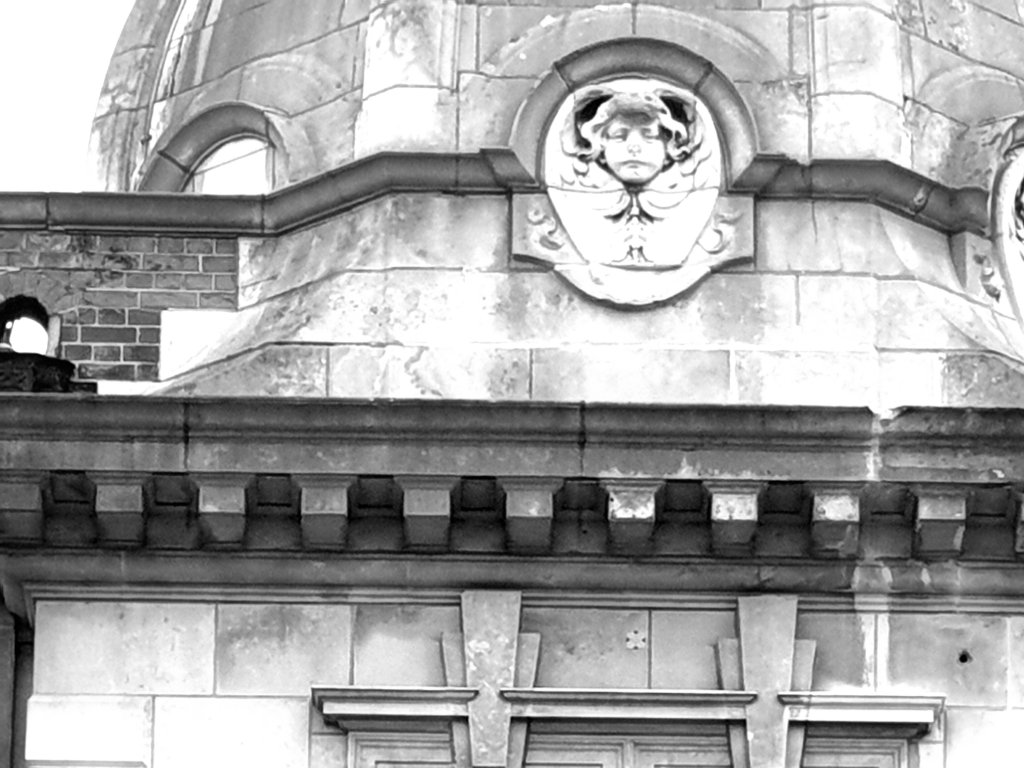
The flanking buildings have more character:-

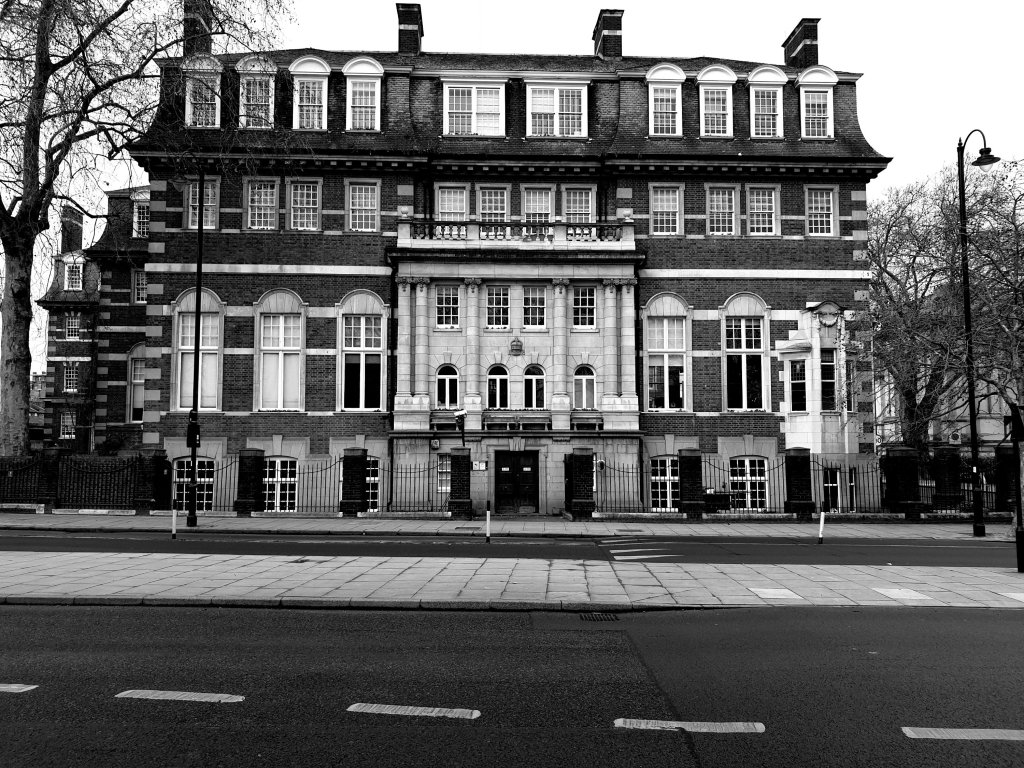
An Officer’s Mess was added next door (70 officers, plus space for the Commandant), again by Wood and Ainslie (nobody probably recognises this façade because the traffic roars past):-

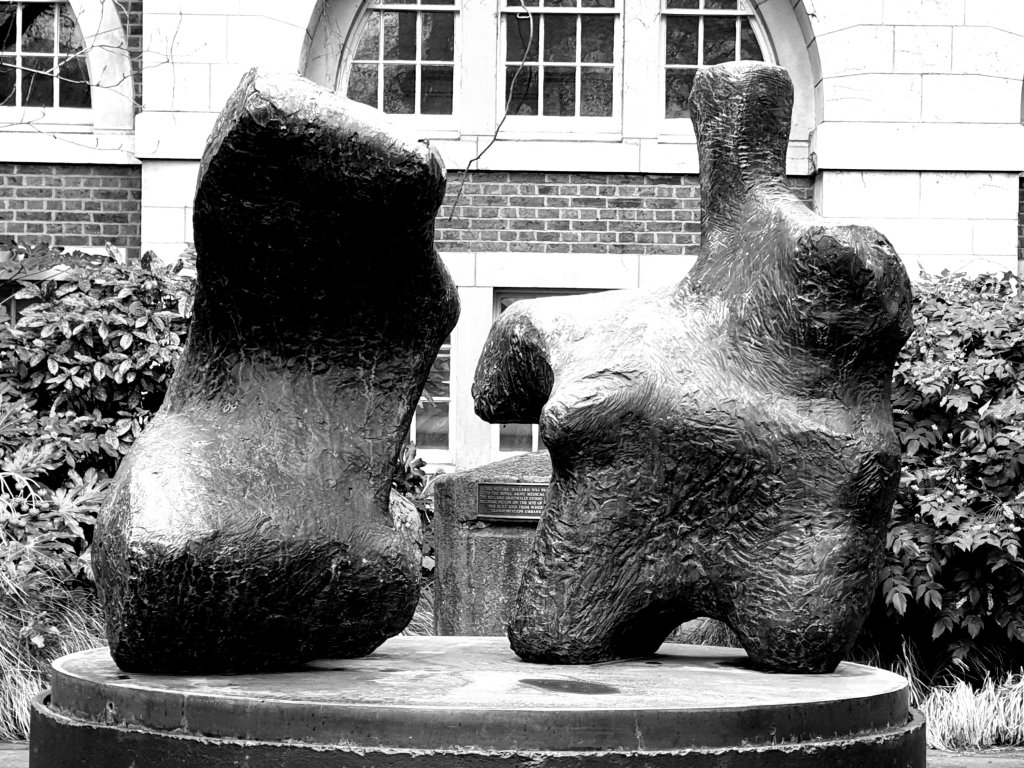
There’s a Henry Moore outside – Two Piece Reclining Figure No. 1, 1959 (there is another cast in St. Louis Art Museum) – no doubt a survival of the days when Henry Moore taught sculpture at Chelsea:-

The building was taken over by the University of the Arts some time in the late 1990s. I remember the campaign, helped by the proximity of the Tate. It required the government to accept a lower bid on grounds of appropriateness of use. Then, the buildings were converted into an art school by Allies and Morrison, so the interiors have an odd mix of art school and officer’s mess:-

Standard

Liverpool Street Station (17)

The attached article, which has just appeared, summarises the situation surrounding the redevelopment of Liverpool Station pretty clearly (and fairly).

The key is that Network Rail does not have – or chooses not to have – money to maintain and develop the station without selling off the air rights above the station. It has allowed the station to run down in order to secure public support for the planned redevelopment. It shows how far we have lost a feeling for the importance of the public realm.

https://www.bloomberg.com/news/features/2023-02-17/london-liverpool-street-station-revamp-brings-preservation-backlash

Standard

Oswestry

We stopped off at Oswestry on the way back from Anglesey. We have never been, always passing, a town on the signposts. I had somehow imagined that it would have the characteristics of border towns, with its church and medieval castle. But much of it seemed to consist of big car parks.

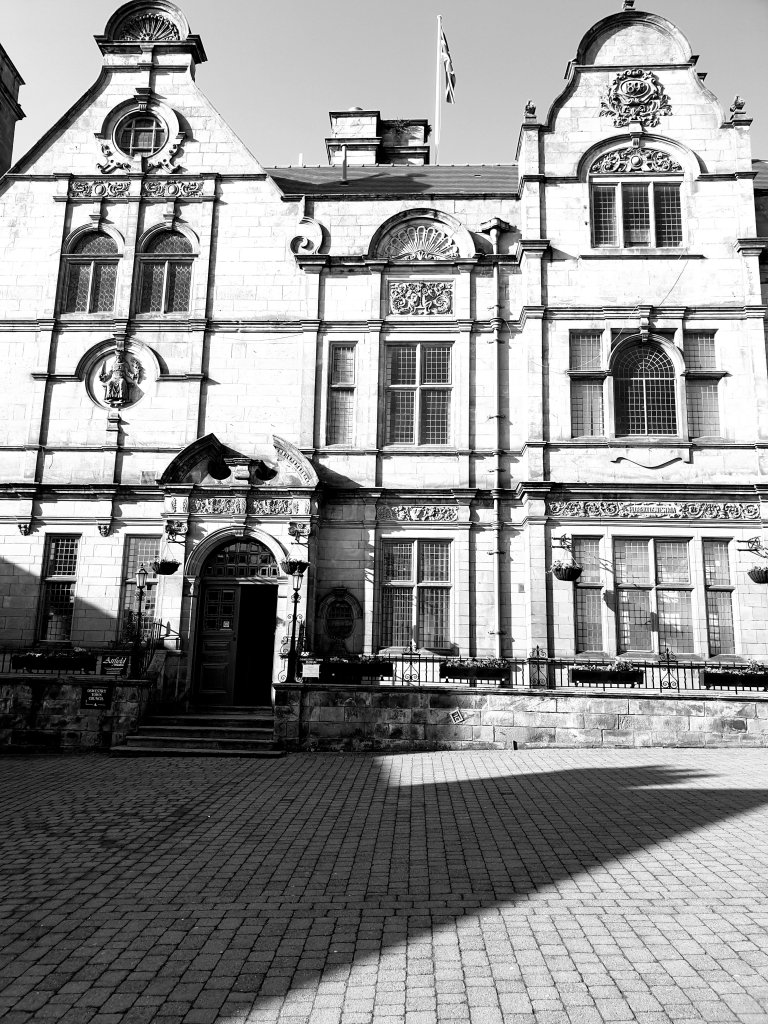
Still a fine Victorian town hall with a museum (closed):-

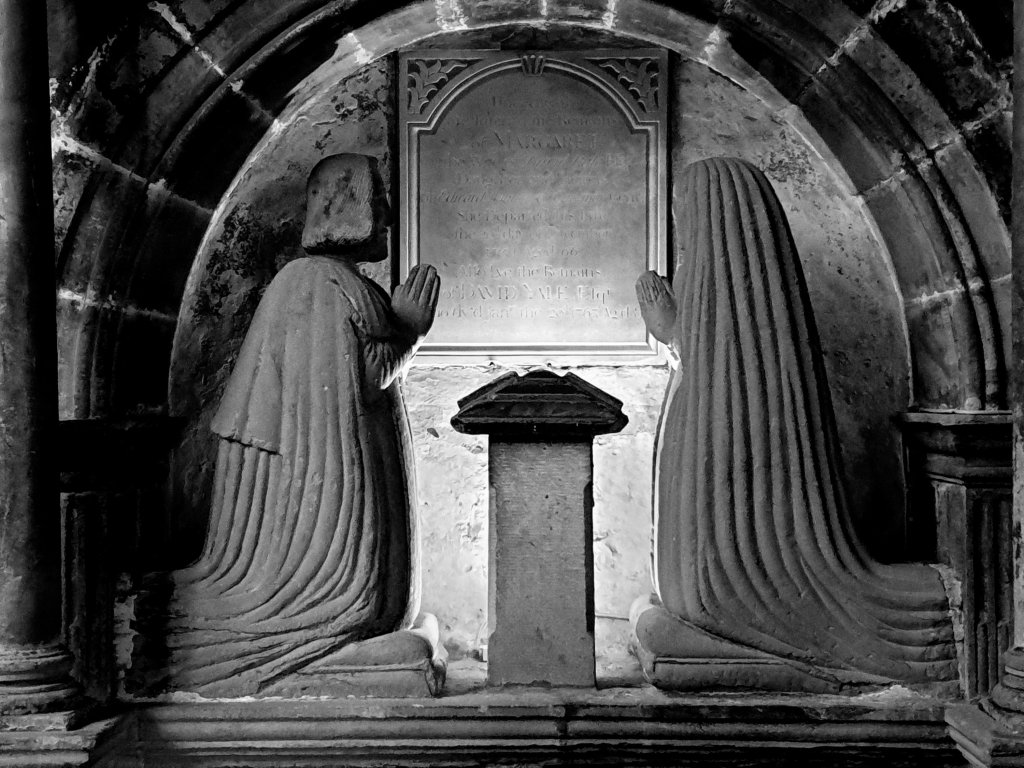
The church has good tombs, including the tomb of Hugh Yale, died 1616, a strangely abstract composition (one of his descendants founded a university):-

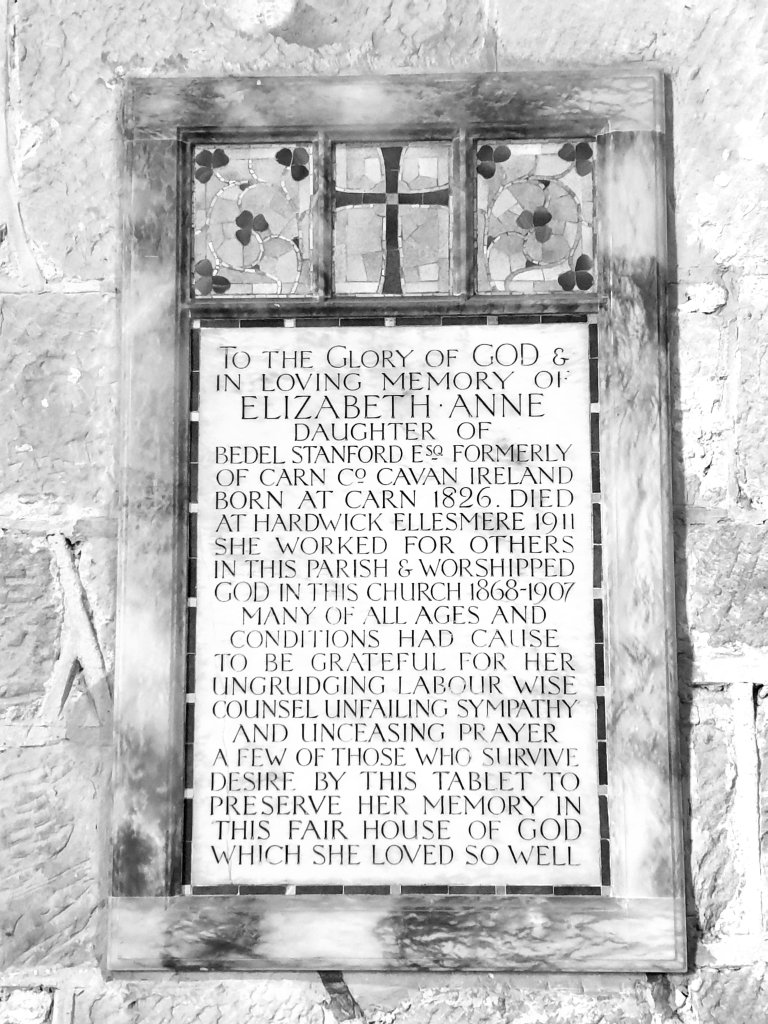
Nice arts-and-craft lettering:-

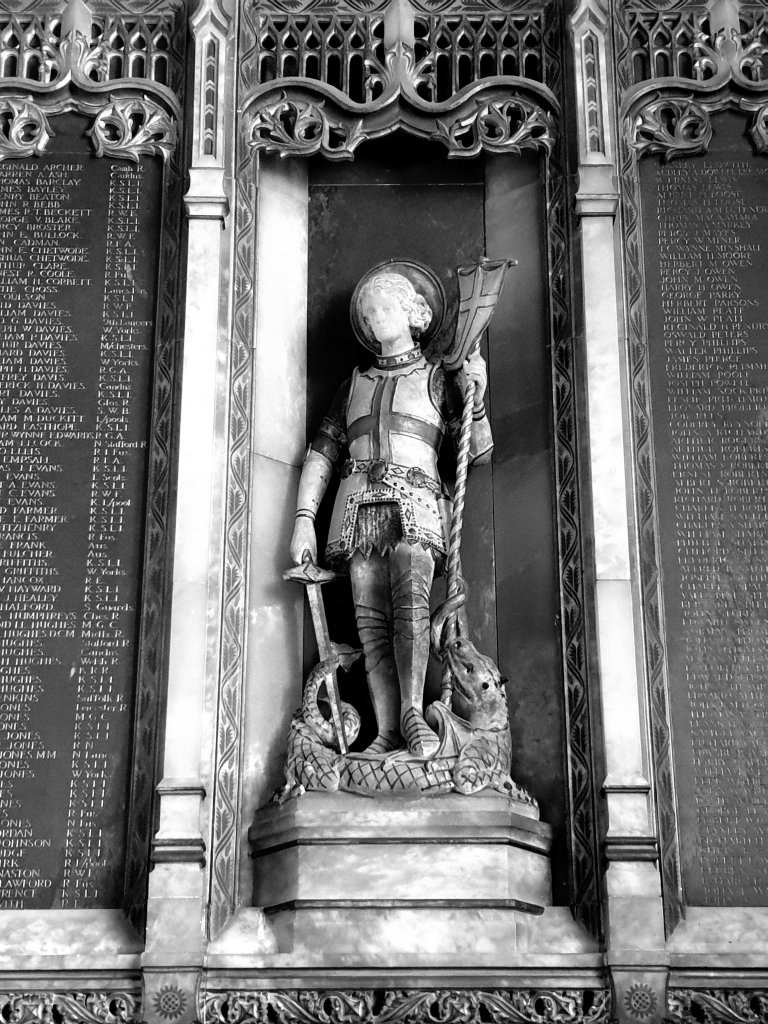
And a fine war memorial (Wilfred Owen was born in Oswestry and gave his name to one of the many pubs):-

If like us, you are in need of lunch, I recommend a roast pork bap complete with apple sauce and stuffing from Gillhams in Church Street.

Standard