Intangible Cultural Heritage

Following my talk last Sunday about the Whitechapel Bell Foundry, someone in the audience said that the thing he found most baffling was that so many of the relevant heritage and cultural agencies had sat on their hands. SAVE didn’t want to get involved because it was a ‘factory’, the Georgian Group because it was workers’ culture, not posh culture, Historic England couldn’t see the point of it and didn’t think it was part of its remit to protect Living History (even in spite of living history being part of its mission statement).

I tried to explain that in this country we don’t really do living history. We prefer our past embalmed. Bricks and stone, but not the life and work inside (except at Erddig, but then that’s life below stairs).

Now, someone has provided good proof of this strange neglect. UNESCO has a programme to protect what it calls ‘Intangible Cultural Heritage’. Guess how much ‘Intangible Cultural Heritage’ there is in the UK according to UNESCO. Precisely none. No dance, no croissants, no witchcraft, no bells. Neither the National Trust which runs Styal Mill nor Historic England has thought to register cheddar cheese or Morris Dancing.

Maybe an incoming labour government could address this curious, but revealing lapse.
https://ich.unesco.org/en/lists

Standard

Stepney City Farm (4)

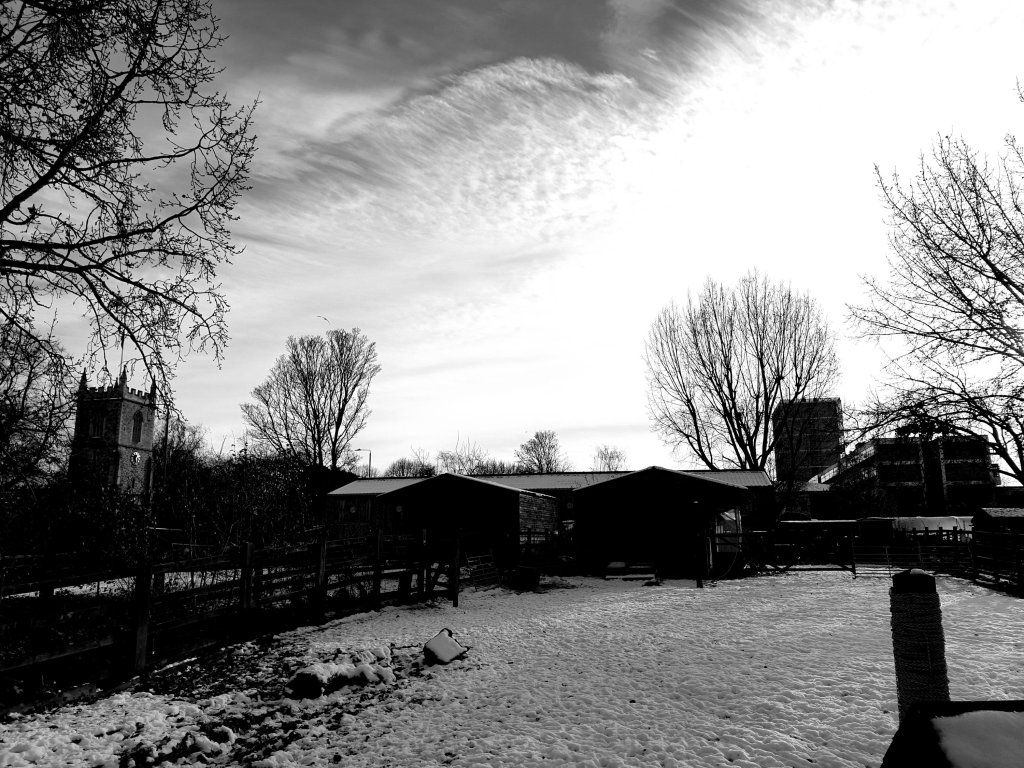
I have gone easy on posting pictures of the week-long snow because they seem to either look unbearably kitsch or, truer to the reality, terribly bleak and grey. But today I succumbed to views of Stepney City Farm, which looked particularly picturesque, as if it was on the east coast of the United States instead of inner London. And it is a way of thanking them for providing a place of retreat during COVID, including the admirable Allotment Kitchen, which is so popular that people were having their lunch outside (this is its last day of opening before Christmas):-

Standard

Simpson’s Tavern

My attention has been drawn to the attached decision by the City’s all-powerful planning committee to protect the future of Simpson’s Tavern by designating it as an asset of community value – a way of protecting historic entities and perhaps a recognition that shops and taverns are as important to the historic fabric as the buildings themselves.

This could be a way for Lutfur Rahman to protect the future of the Whitechapel Bell Foundry, if he is so minded as the new legislation can apparently be used in Westminster and Tower Hamlets just as much as in the City.

It is not too late.

https://news.cityoflondon.gov.uk/historic-chophouse-granted-asset-of-community-value-status/

Standard

72, Upper Ground (2)

If anyone was in doubt about the profoundly negative impact of the new building on the curve of the river, then it is worth studying the attached clip of photomontages which shows the effect of its huge scale on its surroundings – particularly on the adjacent river walk and the view from Waterloo Bridge – and presumably Westminster Bridge as well.

It is currently the subject of a planning appeal and I hope the planning inspector will turn it down.

Standard

The Bible of British Taste

The Bible of British Taste, a new magazine stocked only by Pentreath and Hall and John Sandoe had the most appropriately esoteric launch on Rugby Street on the coldest day of the year with iced vodka to drink – I suppose a touch Siberian. It’s The World of Interiors meets The New Romantics and maybe a touch of punk, with an essay by Peter York on ‘Authenticity is a Con’. I bought the first issue of Monocle and thought it was wonderfully uncommercial, so I was pleased to be able to greet a new style bible.

Standard

Wapping Pumping Station

There is a community consultation today about the future of Wapping Pumping Station – a proper consultation because I got to hear of it.

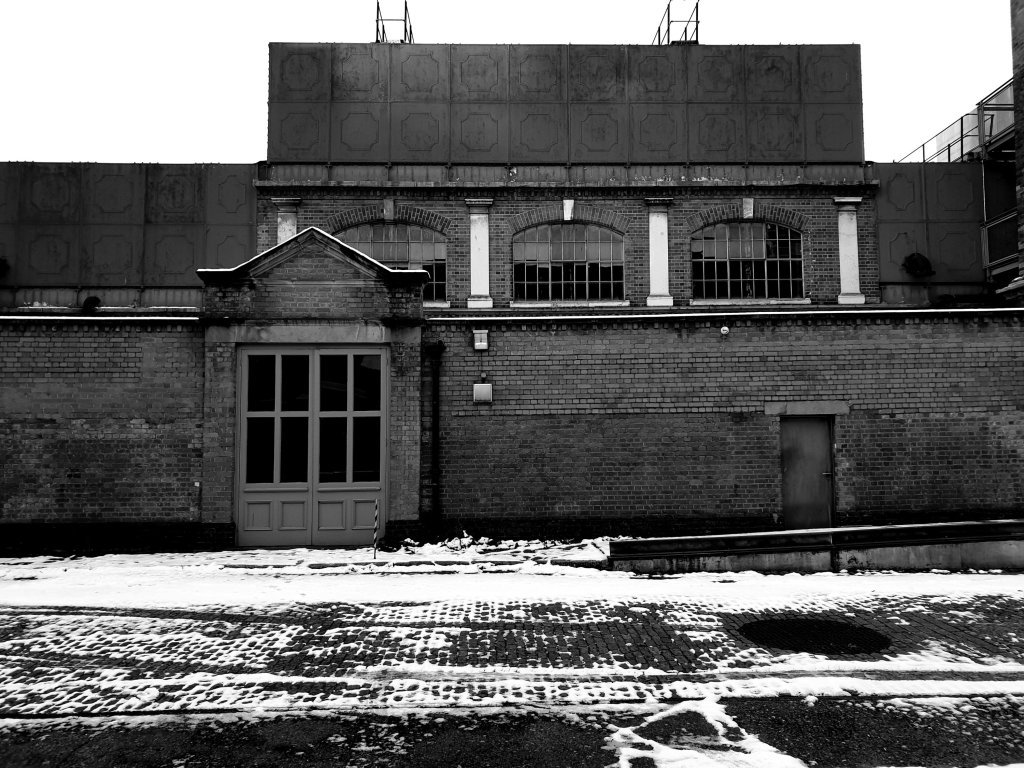
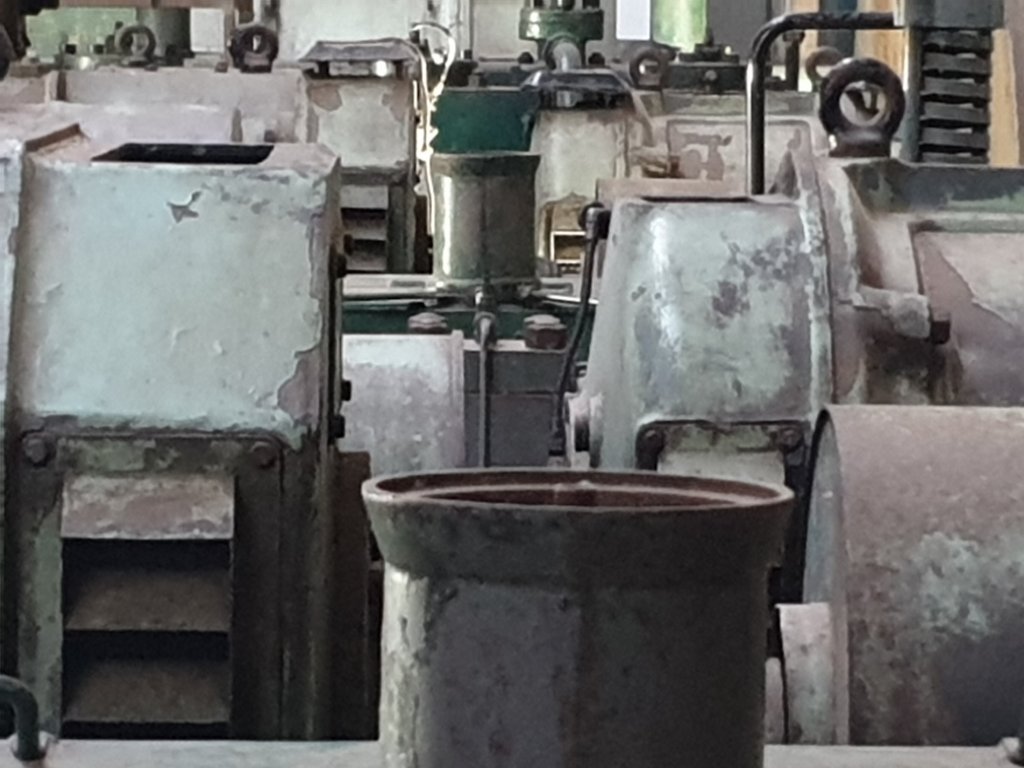
I had forgotten what a truly wonderful building it is. Not so much from outside where it is a group of low-key, partly industrial, partly Queen Anne Revival brick building to the south-east of the old London dock:-

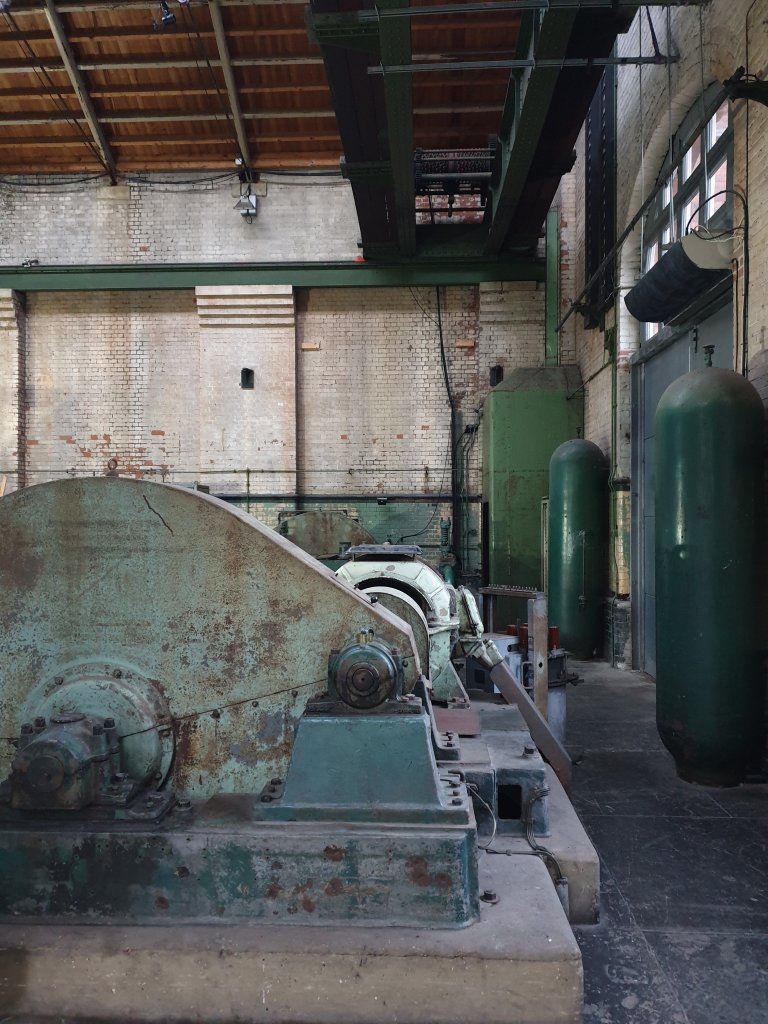
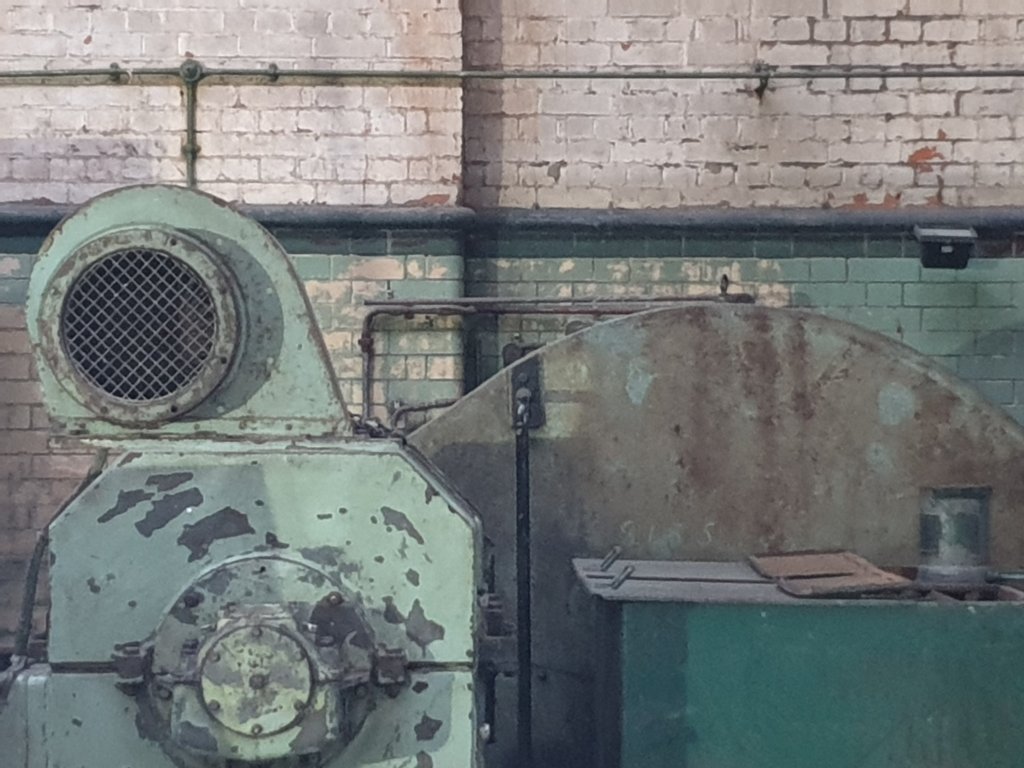
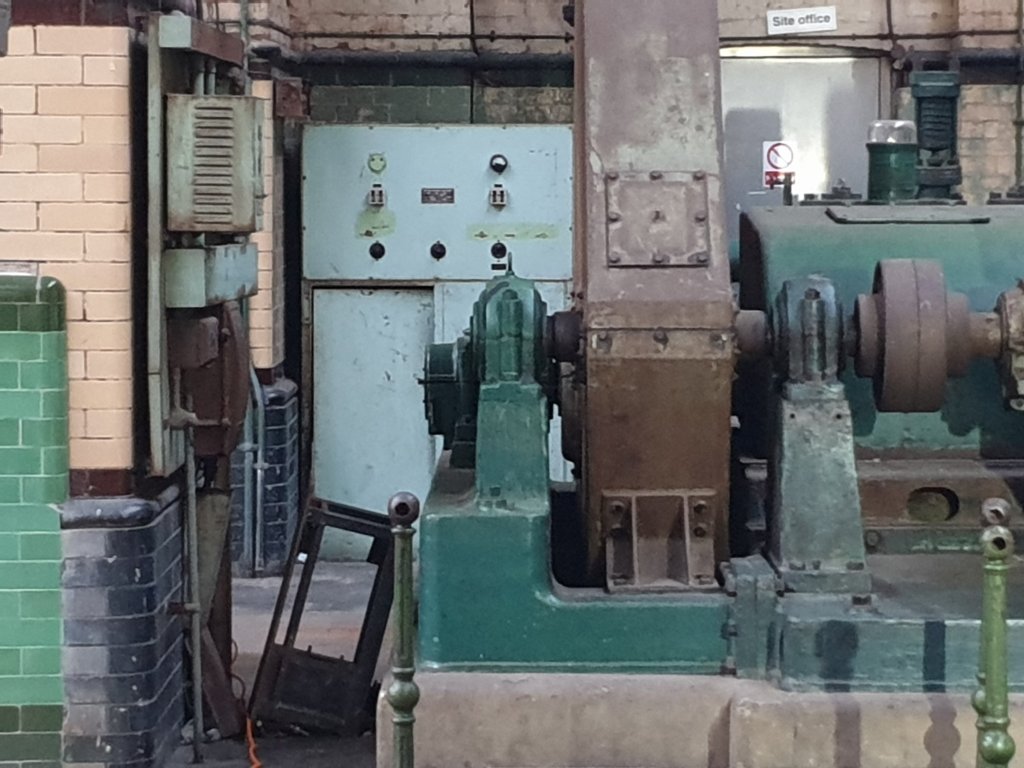
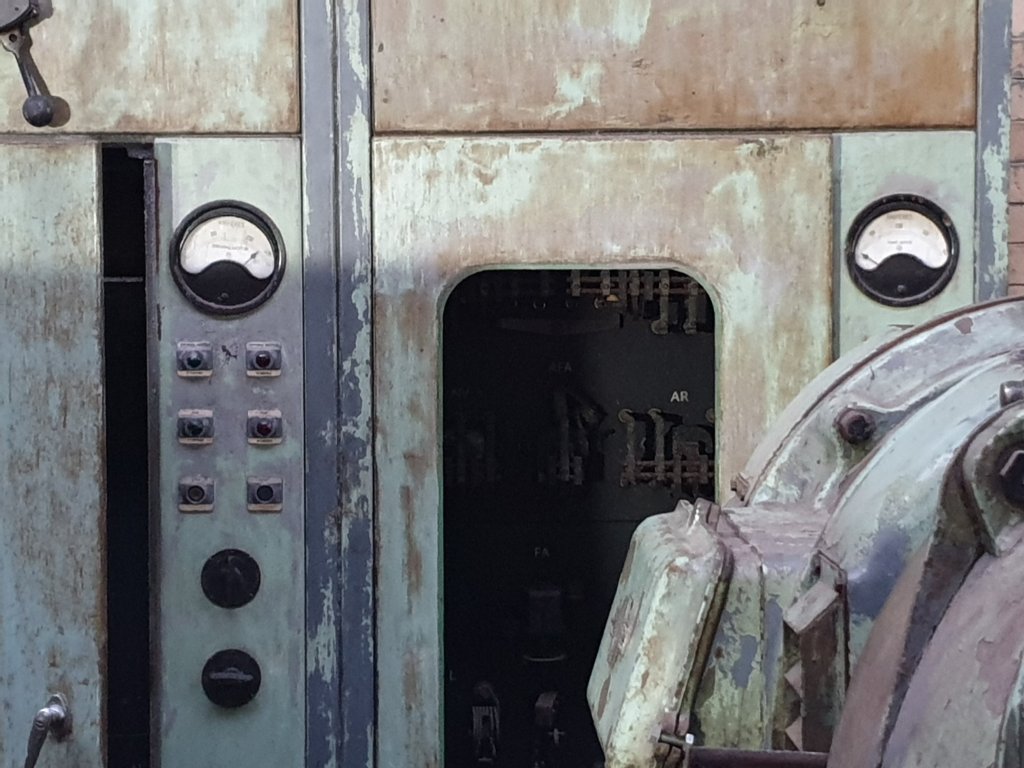
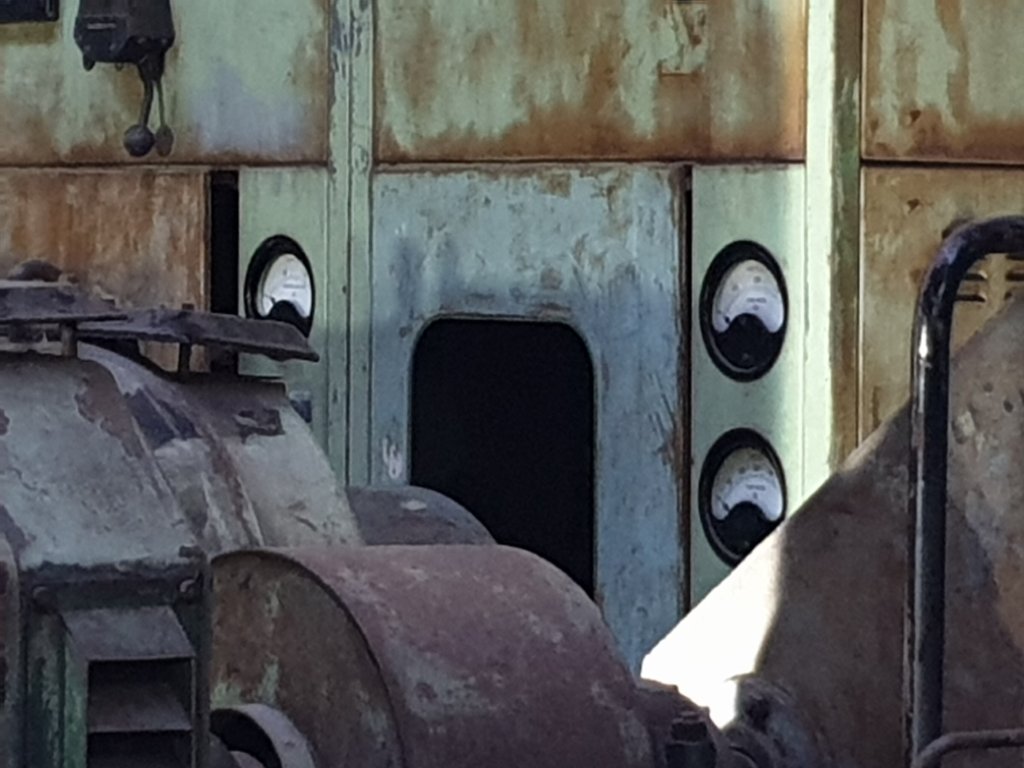
But inside, it is spectacular – a cathedral of industrial power:-

It’s going to be turned into an arts space – an interesting parallel to the Whitechapel Bell Foundry. They are doing it light touch – minimal intervention, rightly protecting as much as possible of the character of the original building.

But then, unlike the Bell Foundry, there is no planning consent requiring them to reinstate the machinery of hydraulic power.

Go and see it tonight if you can.

Standard

I Camisa

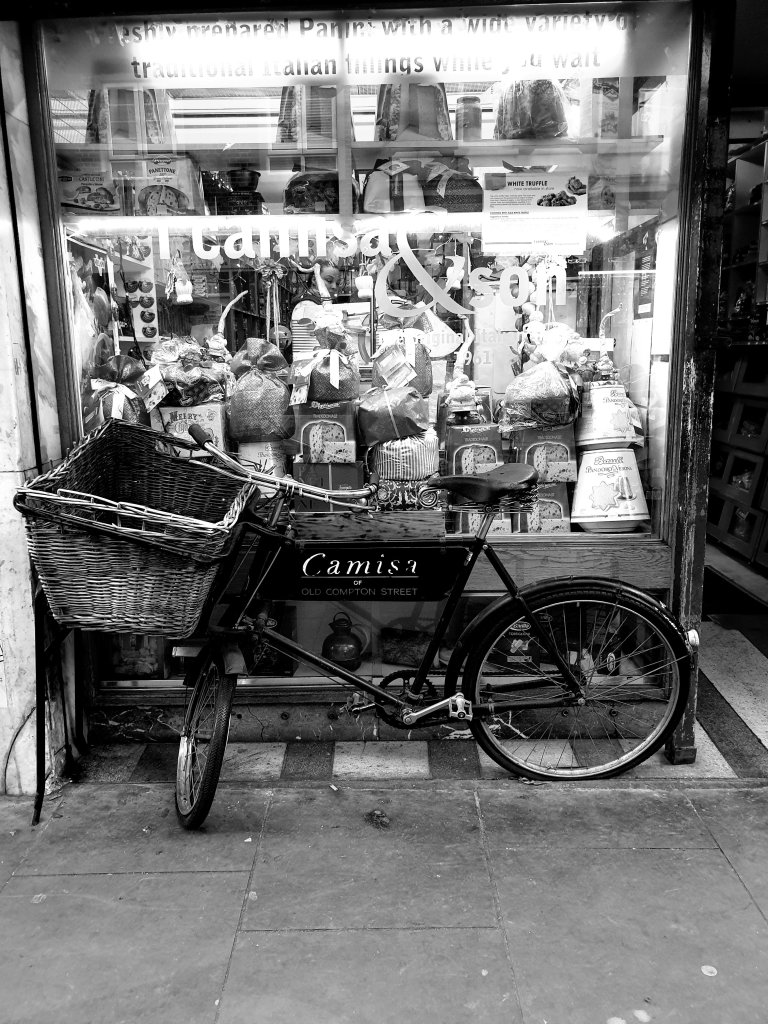
I was not alone in going to pay my last respects to I Camisa, the Italian shop on Old Compton Street which is closing after nearly 100 years – it opened in 1929, a bit of old Soho being swept away by the tidal wave of speculation which is garotting Soho street-by-street, unlike Paris where the authorities make efforts to preserve small family businesses to enhance the quality of life. If only someone could buy it and make it into a franchise like Lina Store. Of course, Soho changes. It probably always has. But it can never have been subjected to such ruthless and remorseless blandification, all in the name of progress:-

Standard

Tom Phillips (4)

It was Tom Phillips’s funeral today – in St. James’s, Piccadilly, very appropriately, as the Royal Academy’s church, and body less, which is apparently unusual because he had given his body to science.

It was extraordinarily powerful because Tom knew so many people and he knew so much about music.   In fact, one felt he was there in the choice and perhaps he was, starting with Julia Neuberger reading from Ecclesiastes, followed by James Atkinson accompanied by Iain Burnside singing Brahms’s ‘O Tod wie bitter bist du’ (I am recording them because you felt he and Fiona were drawing from the deepest knowledge of what would be suitable).   Then, Simon Callow on the experience of being painted by him. It was oddly and completely impersonal – the focus not on the person, but the look, which was a touch disconcerting.   Then, Joanna MacGregor playing Schubert’s ‘Impromptu No.3.’   Music conveyed the wealth and depth of his knowledge, his belief in the power of art, about which not so much was said, but which made it somehow the more personal, because his art was informed by such an extraordinary breadth of knowledge.   Followed by Bach ‘Gottes Zeit ist die allerbeste Zeit’.   It was sublime.   And his children spoke and Brian Eno and David Attenborough.   St. Peter must have been impressed.

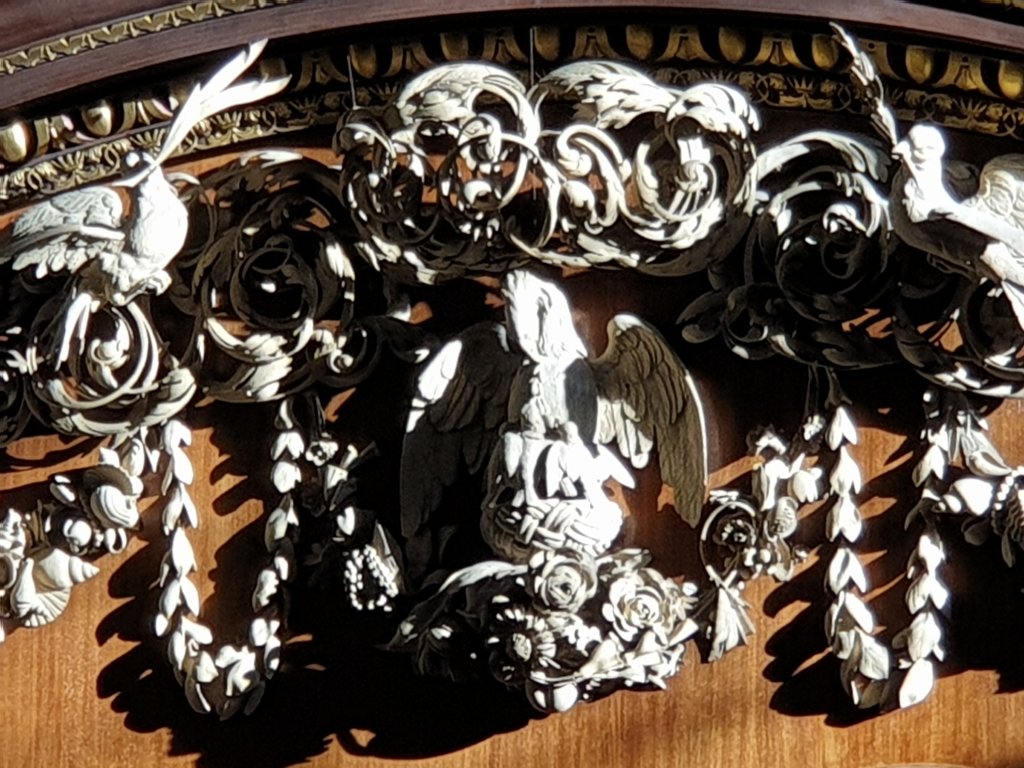
Before the service, the sun shone on the Grinling Gibbons reredos of the Pelican Feeding its Young:-

Standard

Whitechapel

For some reason, I was able to get access to Christopher Howse’s article in the Daily Telegraph about Whitechapel (see below), prompted by the publication in June of the new two-volume Survey of London volumes on Whitechapel, which were runners-up last night for the Colvin Award for the SAHGB (it would have been hard, if not impossible for anyone to beat Mark Girouard’s Biographical Dictionary of English Architecture 1540-1740, which Girouard had been working on since 1954). As Howse rightly points out, the area is changing fast. There is a good photograph of the Whitechapel Bell Foundry, still extant and needing to be preserved.

https://www.telegraph.co.uk/news/2022/12/11/why-history-former-london-gangland-erased/?s=09

Standard

The Whitechapel Bell Foundry (110)

I gave a talk this morning at the Art Worker’s Guild about the sad history – at least sad so far – of the efforts to save the Whitechapel Bell Foundry. On the two occasions I have done this, I have found it increasingly odd that Historic England made its decision to support redevelopment so early in the process and before it had become clear that there was a perfectly workable scheme by a heritage agency Re:Form which would have kept it as a Foundry. And a bit odd, too, that the decision never involved the Commissioners, but was made on the recommendation of a single officer.

Now it is likely to be presented with an alternative scheme by its developer – most probably to turn it into either an upmarket art gallery or offices. Either are likely to require planning permission different from the scheme to turn it into a hotel.

So, the question is whether or not Historic England will now insist, which it is legally entitled to do, on the terms of the previous planning approval which required the reinstatement of a Foundry. If so, the hedge funders may not be so keen.

Then, there is still hope.

Standard