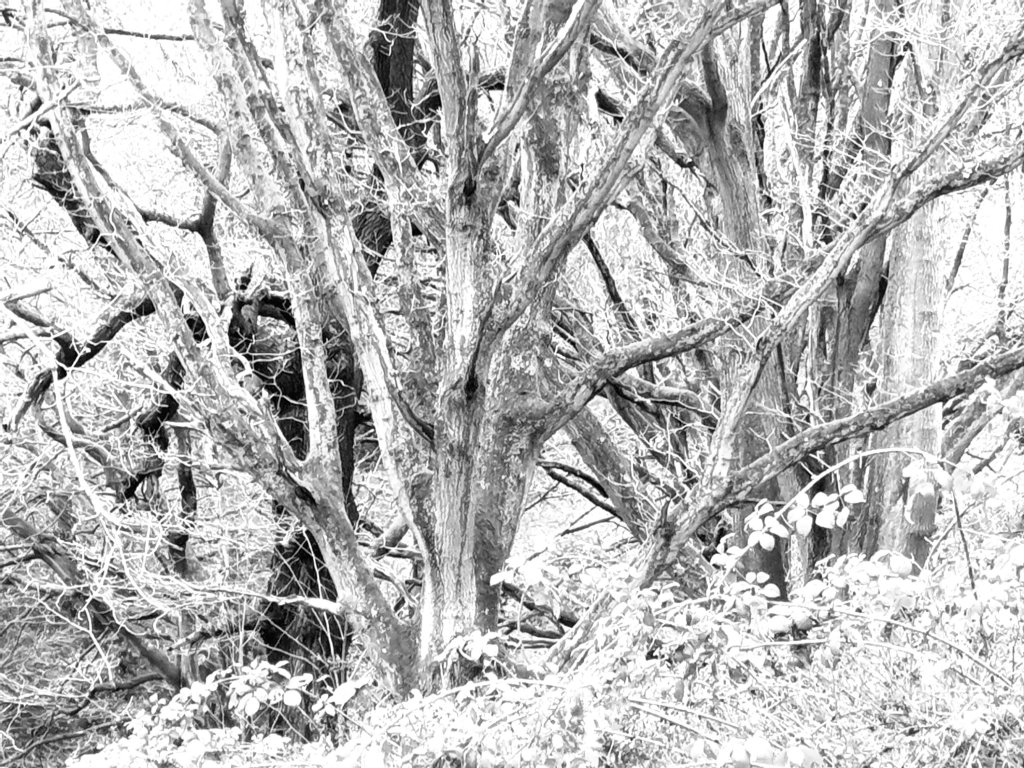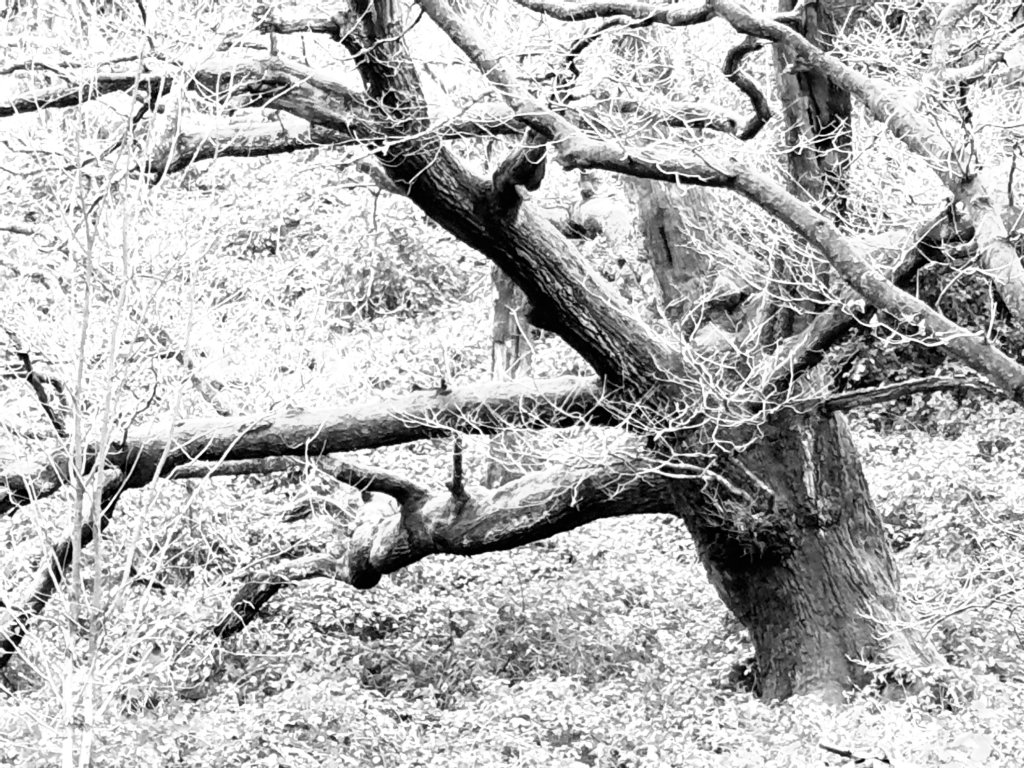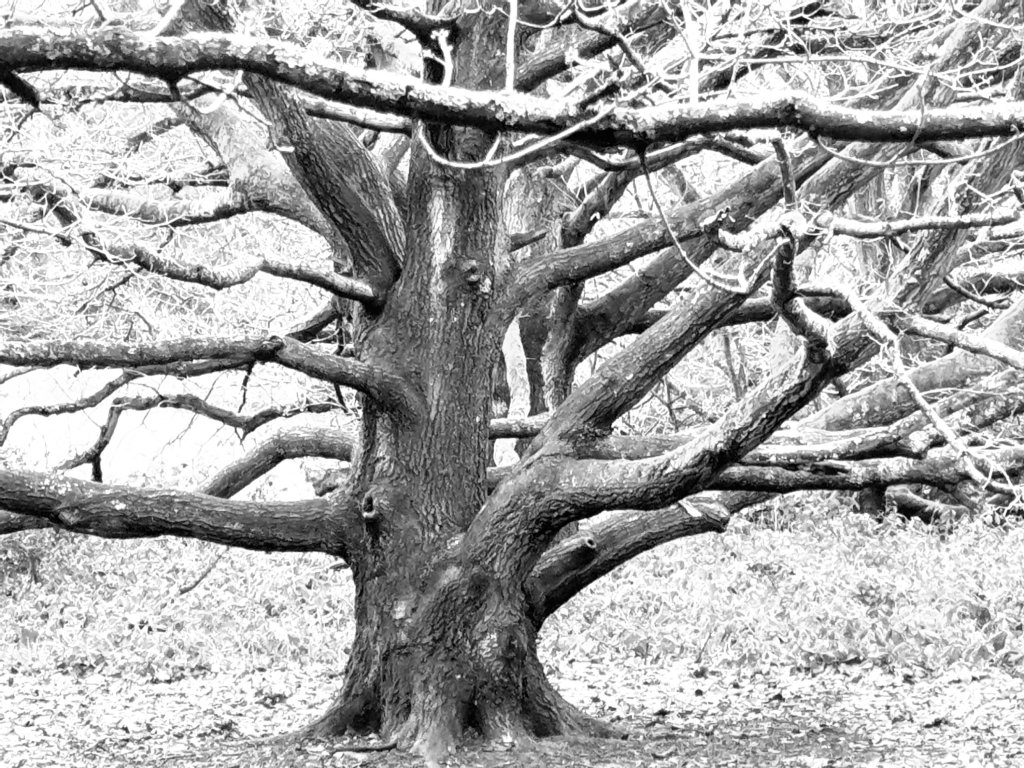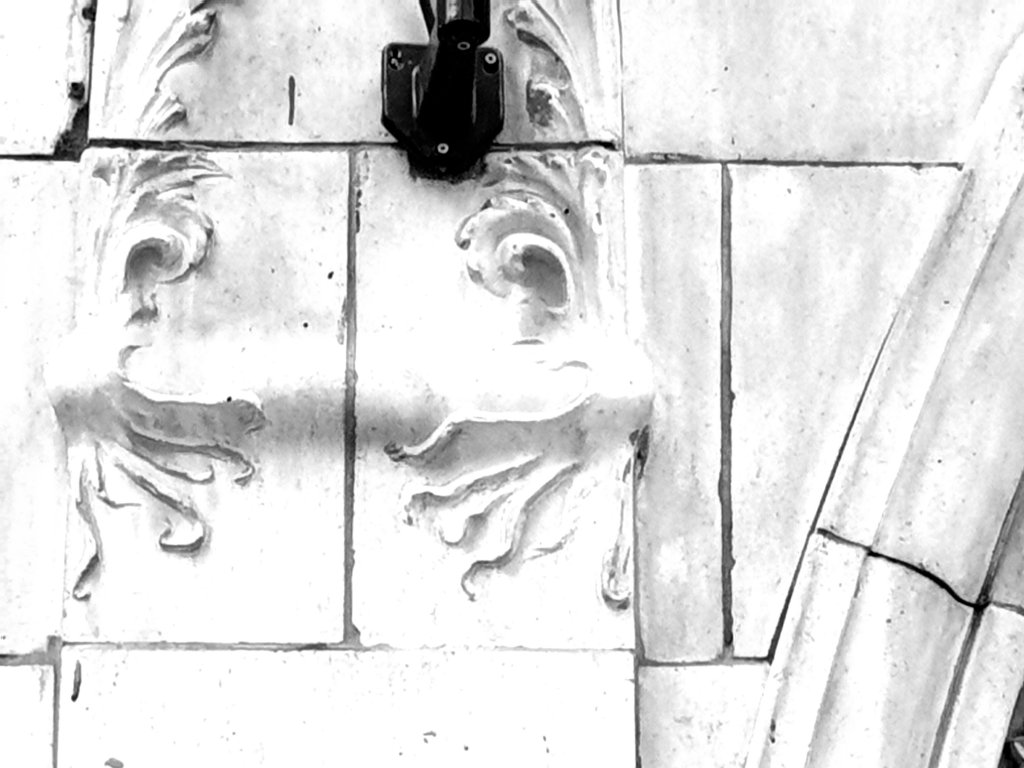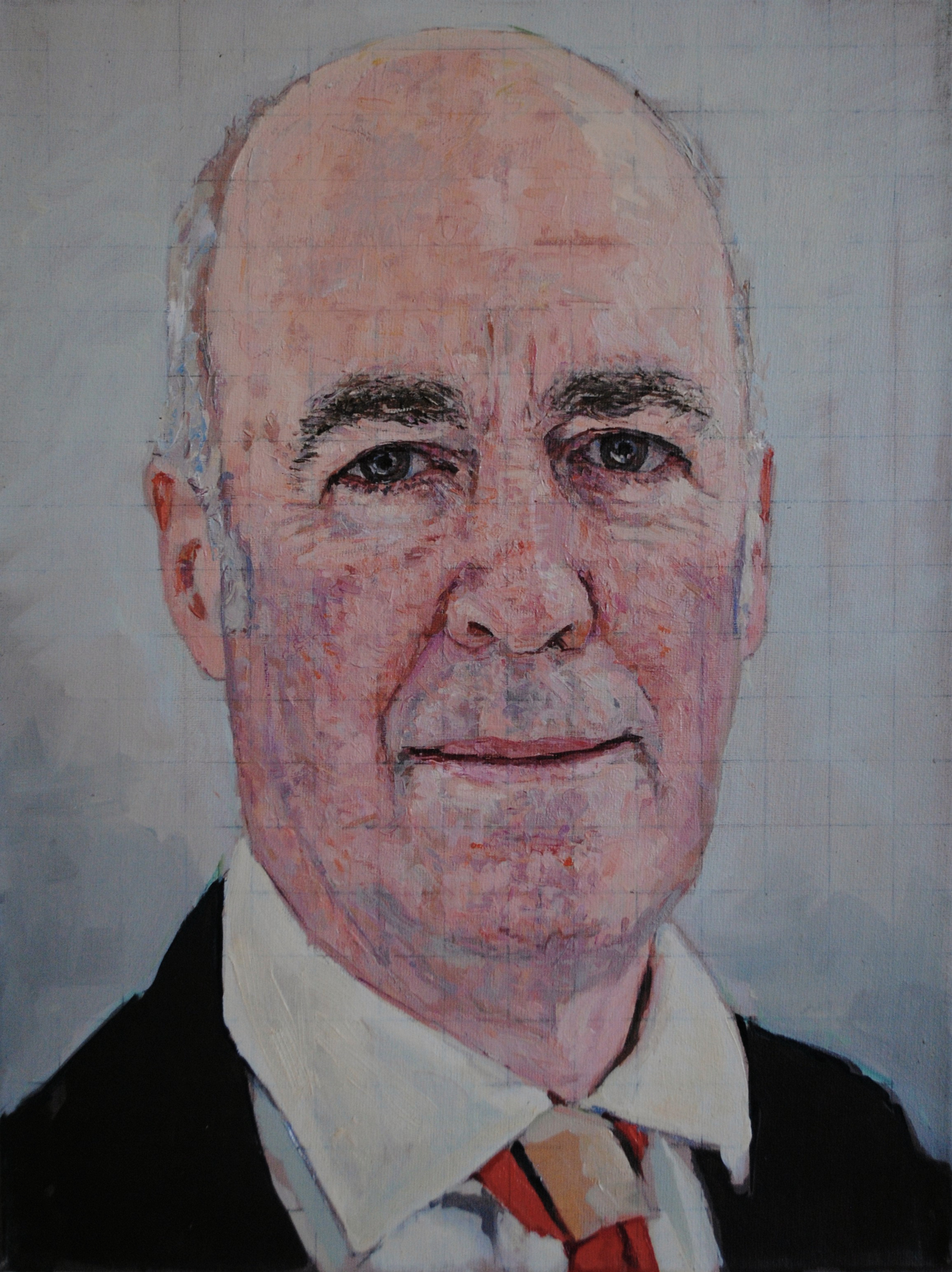
I am somewhat relieved that I correctly predicted who should win this year’s Stirling Prize, having visited all those nominated apart from the one in Falkirk (see https://thecritic.co.uk/issues/october-2022/stirling-work/). I know only too well that juries can be a touch arbitrary, influenced by the circumstances in which they see the buildings, the views of those who show them round, the sequence in which they see them, the judges’ attitude towards the architects and sense of who might deserve it. But the New Library in Magdalene is indisputably one of the best buildings I have seen in a long time: built for eternity (400 years); using the best possible materials; interestingly complex in its layout; beautiful in its adjencies to the surrounding buildings; sensitive to its site, but not revivalist. So, in every way, a worthy winner and a building to celebrate (although not easy to visit in term-time).
Category Archives: Uncategorized
Lucian Freud at the Garden Museum (1)
Once you have been to the Lucian Freud exhibition at the National Gallery, I strongly recommend a trip south of the river (fifteen minutes brisk walk from Westminster tube station) to see a wholly contrasting exhibition, Plant Portraits, at the Garden Museum. It’s small, intimate and full of unexpected insight into Freud’s haphazard engagement throughout his life with plants, both indoors and out.
Here are some snaps.
Unripe Tangerine (1946) from the collection of Colin St. John Wilson at Pallant House:-

Cecil Beaton contact sheets (1955) of Freud at Coombe Priory:-

Cyclamen from a Private Collection (1964):-

An etching of a Thistle (1985):-

Plant fragment (c.1970):-

They are not quite what you expect which makes you look at them closely.
The London Bell Foundry (1)
Attached is a very good and clear statement of what could and should happen to the Whitechapel Bell Foundry now that Bippy Siegal, its New York owner, has decided to put it up for sale instead of developing the site as a hotel.
The London Bell Foundry is a not-for-profit company which has been established to maintain the knowledge and expertise of those who worked at the bell foundry under Nigel Taylor, its foreman, and, at the same time, develop new bells by commissioning artists, beginning with Grayson Perry. If the London Bell Foundry can acquire the site, then bell making will continue in Whitechapel; and a building of exceptional interest and historical significance can be preserved.
John Craxton (2)
Very good to hear Ian Collins, the biographer of John Craxton, talk about Craxton a year or so after the publication of his excellent book with Sofka Zinovieff, herself a partial exile in Greece. He began by showing one of Craxton’s early drawings, magically intense, full of imagination, as well as the influence of Samuel Palmer and Graham Sutherland. Then, Craxton chose a life of sociability, multiple friendships and extreme hedonism, and the art is never quite as intense or mystical again, more about pattern than meaning. It’s very good news that the exhibition, ‘John Craxton: A Restless Soul’, currently on in the Municipal Art Gallery of Chania, is coming to Britain next autumn. We can’t yet be told where. It will be good to see, not least for the big tapestry ‘Landscape with the Elements’, commissioned by the University of Stirling when Craxton was in exile from the Greek Colonels.
Dumfries House (4)
I was interested in the attached article by Ben Derbyshire, having recently had a day to see recent developments at Dumfries House. People tend to associate the King with Poundbury and classicism and forget that he has an equally long-standing interest in building crafts and community architecture. I’ve written a short piece on the subject for the November issue of The Critic, but, as often happens, have been overtaken by others.
Alderney Road
They were filming an Icelandic love story in Alderney Road this morning. Not very Icelandic, but it’s a flashback to their time in London:-


St. Mark’s, North Audley Street
I was told yesterday about the conversion of St. Mark’s, North Audley Street into a food market, so, as I was passing, stopped to look. It’s slightly surreal: a combination of high Anglican fittings – they were added by Arthur Blomfield in 1878 – with food stalls.
This is the Greek Revival exterior, designed by John Peter Gandy, a pupil of Wyatt who travelled to Greece with Sir William Gell in 1811, publishing The Unedited Antiquities of Attica in 1817 and a further volume, Pompeiana, in the same year:-

This is the ornate interior:-

And these are the food stalls:-


Eamonn McCabe
I have been reading about the death of Eamonn McCabe (https://www.theguardian.com/artanddesign/2022/oct/09/eamonn-mccabe-a-consummate-sports-photojournalist) and have realised that the very nice, very efficient photographer who was standing in the wings of last year’s Aldeburgh Literary Festival and took some unusually good action photographs of me on stage was none other than one of the greatest sports photographers of his generation, a brilliant picture editor who transformed the relationship between photography and print when the Guardian was redesigned, and was also, incidentally, the photographer who took a photograph of me when I went to the National Gallery, which the press office thought I should have stopped, thinking that it showed me in a bad light. I realise that he was like Jane Bown who I never met: very fast in summing up the best angle, so fast that the subject didn’t have time to pose, a form of naturalism which meant that it was about the subject, not the photographer, an entirely admirable virtue. I didn’t pay as much attention to the photographs he took in Aldeburgh as in retrospect I should, as it was a great honour to have been photographed by him, and so I post one of the set now in his memory, a tribute to a photographer who stood in the wings, but should have been centre stage:-

The Full Moon
Tonight is the night of the full moon. We won’t be able to see it because it’s very cloudy, but last night the sky was clear and we stood at the edge of the fields which were brightly lit and looked out towards the distant hills. I tried to take a photograph of it. It doesn’t quite convey what it was like because it exaggerates the contrast and only shows the moon and the sky:-

The last of the summer
It felt like the end of the summer down on the beach today: large numbers of walkers enjoying the sun and the view out to the distant lighthouse, picnicing under the rocks with a view out across Malltraeth Bay:-


You must be logged in to post a comment.