The Romance of Classicism

I went to the second launch of my nephew George’s book, The Romance of Classicism, in which he talked about his work as a designer of new country houses in a self consciously Palladian style, but with an occasional dash of Soane.

I kept on thinking of a famous article by Howard Colvin on ‘Gothic Survival and Gothick Revival’: that is, how much of his approach to classicism is the survival of the tradition and how much a conscious revival ?

He started his talk with an image of his grandfather, Raymond Erith’s, house at King’s Walden Bury, a statement of classicism in 1969.  Erith was trained at the AA from 1921 to 1926, so just pre hard-line modernism.  He then designed, mostly, in a style of stripped down classicism, as in his Provost’s Lodge for Queen’s College, Oxford and Great House, Dedham. 

So, George’s work could be – maybe is – survival, not revival.
https://share.google/dNqJP49TFQ1osswht

Standard

Jock McFadyen (2)

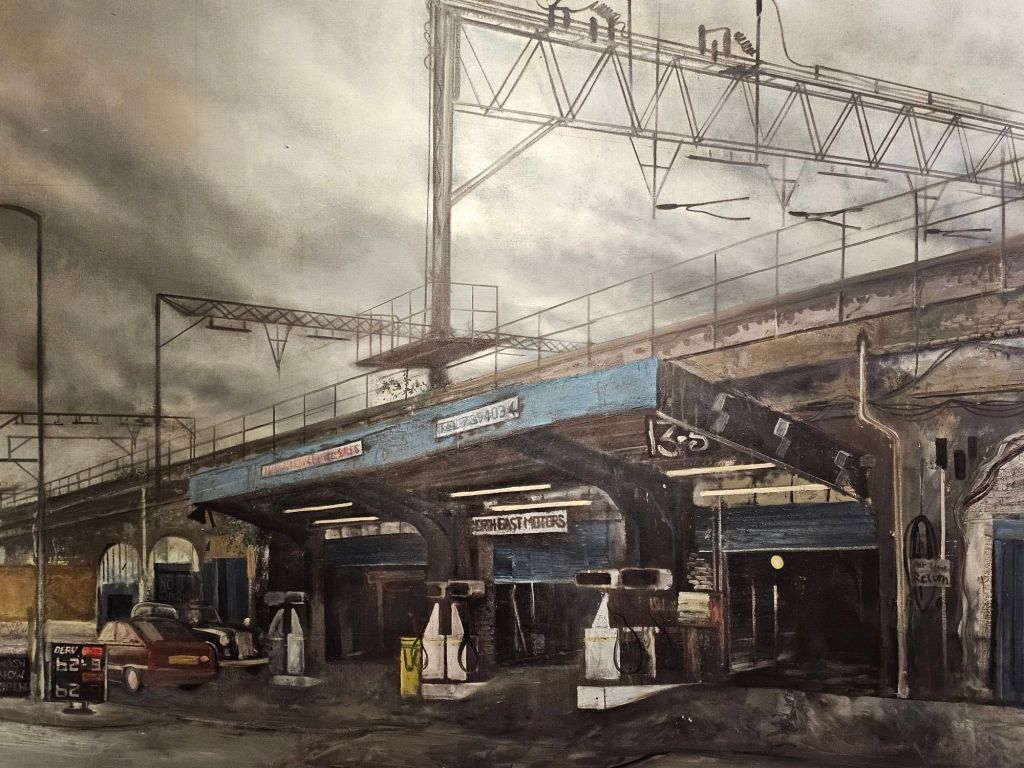
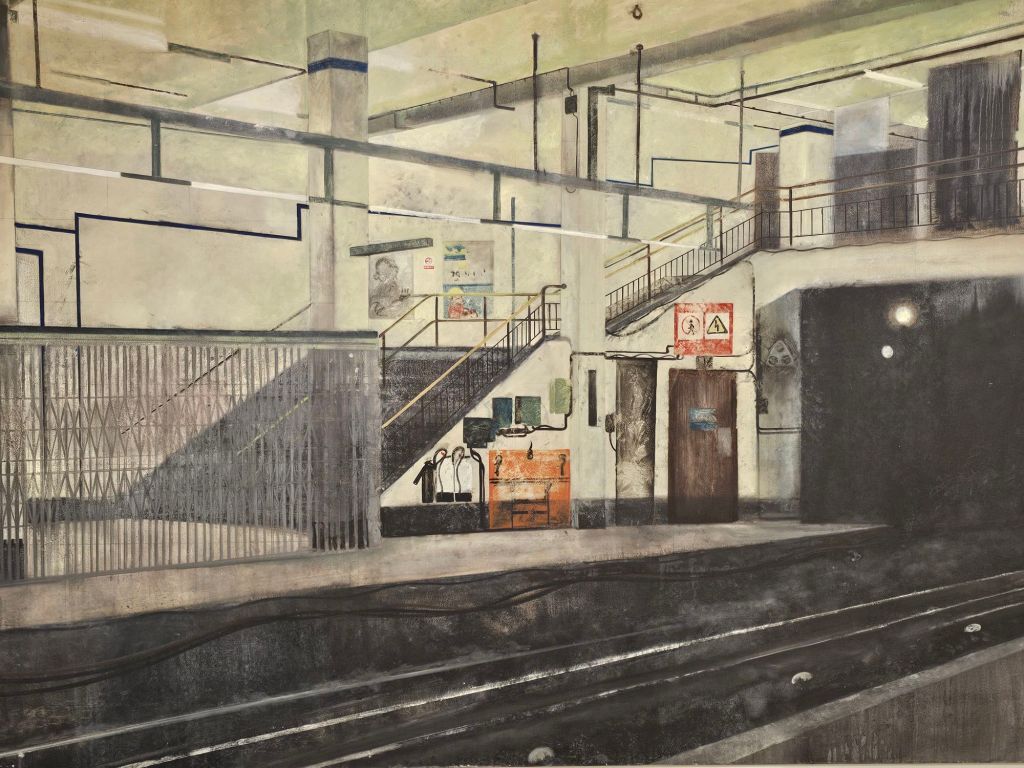
I finally made it to Jock McFadyen’s beautiful, but eerie exhibition of aspects of the London underground, accompanied by a sound track by Jem Finer of The Pogues.  They go well together, real, but surreal, recorded from life, but demonstrating the essential strangeness of it all.

Here is Aldgate East:-

Next door are some of his big topographical works of East London, including Three Colts Lane:-

Closes Sunday.

Standard

Vanbrugh vs. Sarah, Duchess of Marlborough

Cathy Courtney, one of the key people behind Vanbrugh300, persuaded the National Portrait Gallery to host an event scripted by Cathy in which Vanbrugh, played by Stephen Boxer, discusses the plans for Blenheim with Sarah, Duchess of Marlborough, played by Harriet Walter.  Initially in a way they are semi-amicable, but degenerate into open warfare, with the Duchess annotating Vanbrugh’s letters with rude comments.

It was a great pleasure, and very revealing, hearing both sides of the story, as it were, live, because they both wrote with such vigour and such utter contempt for each other’s point of view.  Vanbrugh’s side of the story is relatively familiar, so it was good to get Sarah’s as well.

Standard

Quentin Bell

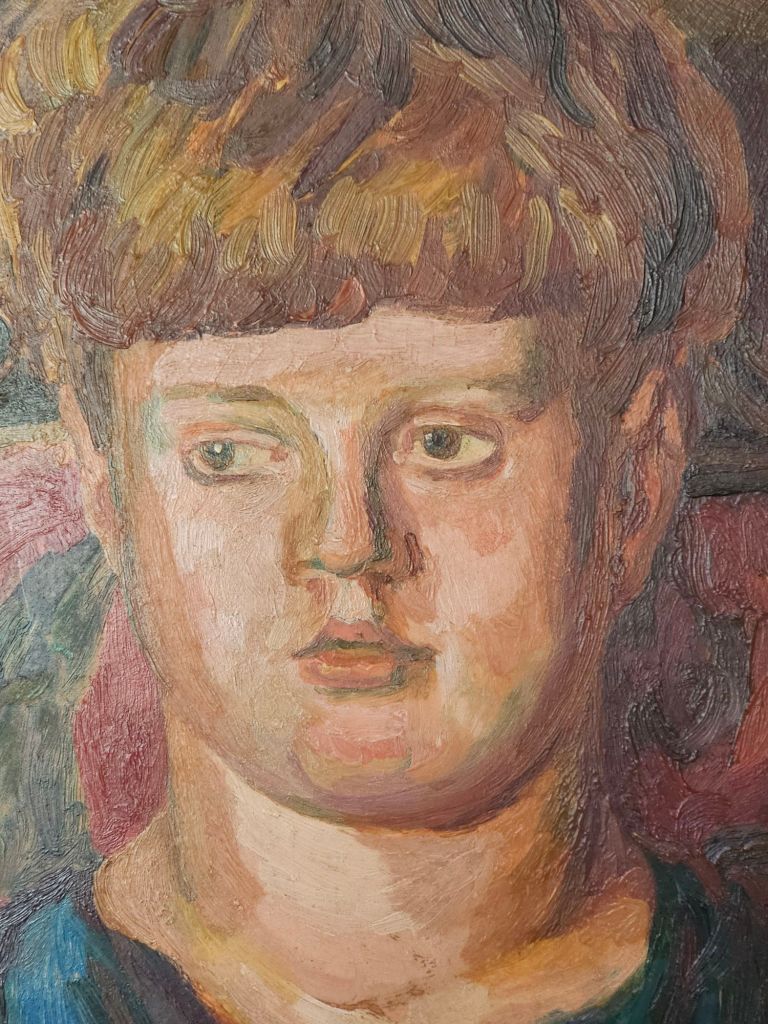
It’s the opening of the Quentin Bell exhibition at Charleston and the house has acquired portraits of him on temporary loan, including an early portrait by Vanessa Bell (1921):-

It supplements the portrait of him by Duncan Grant painted in 1919:-

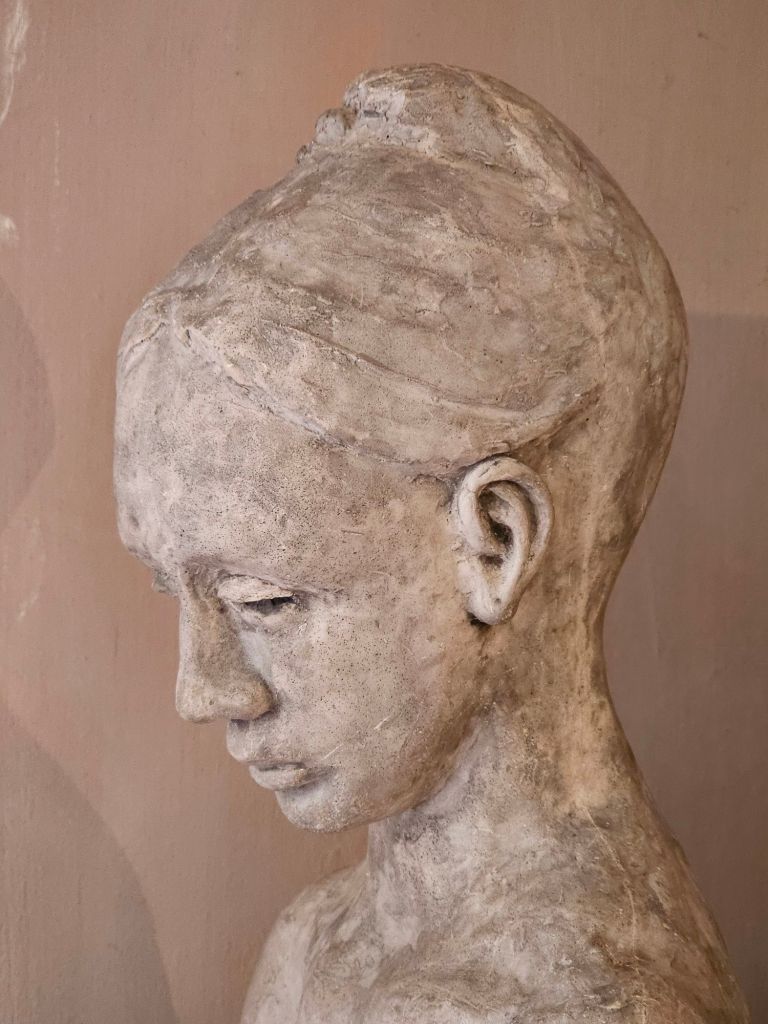
Then there is a portrait bust of his sister Angelica done in 1935, the year he went to study in Burslem:-

And Olivier with Julian by Duncan Grant:-

Then, there are some of his ceramics not (obviously) in the exhibition:-

Standard

Birmingham

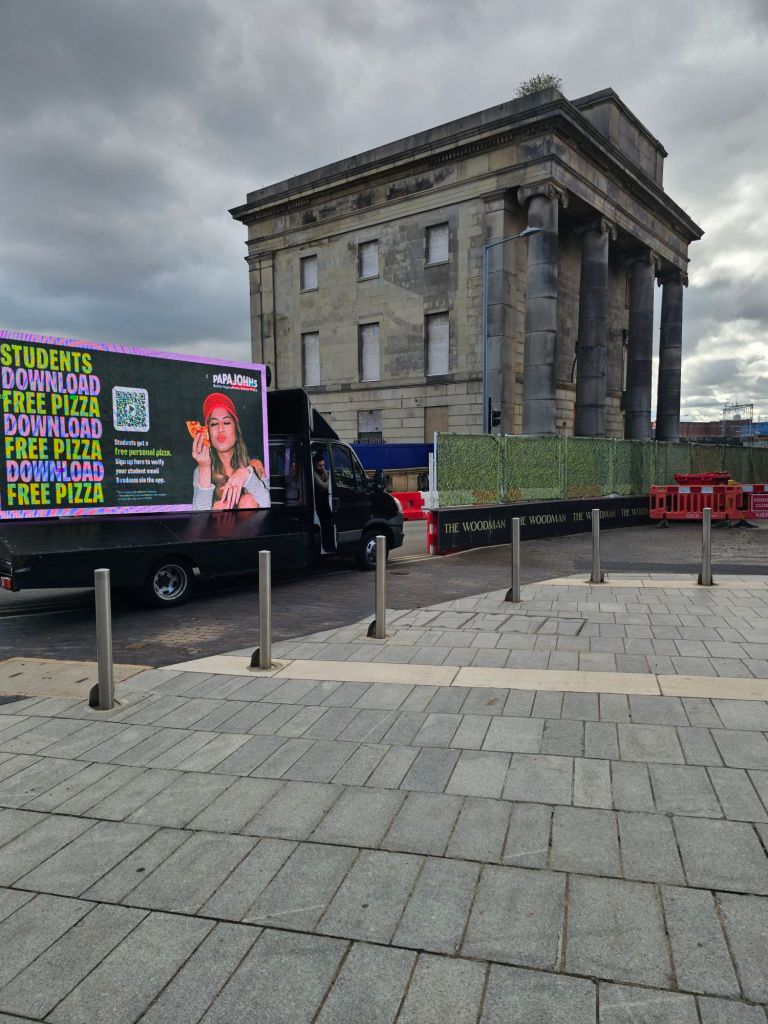
I have been on a brisk walking tour of central Birmingham, starting at the Curzon Street booking hall of 1838 by Philip Hardwick, a very early piece of railway architecture for the London & Birmingham Railway:-

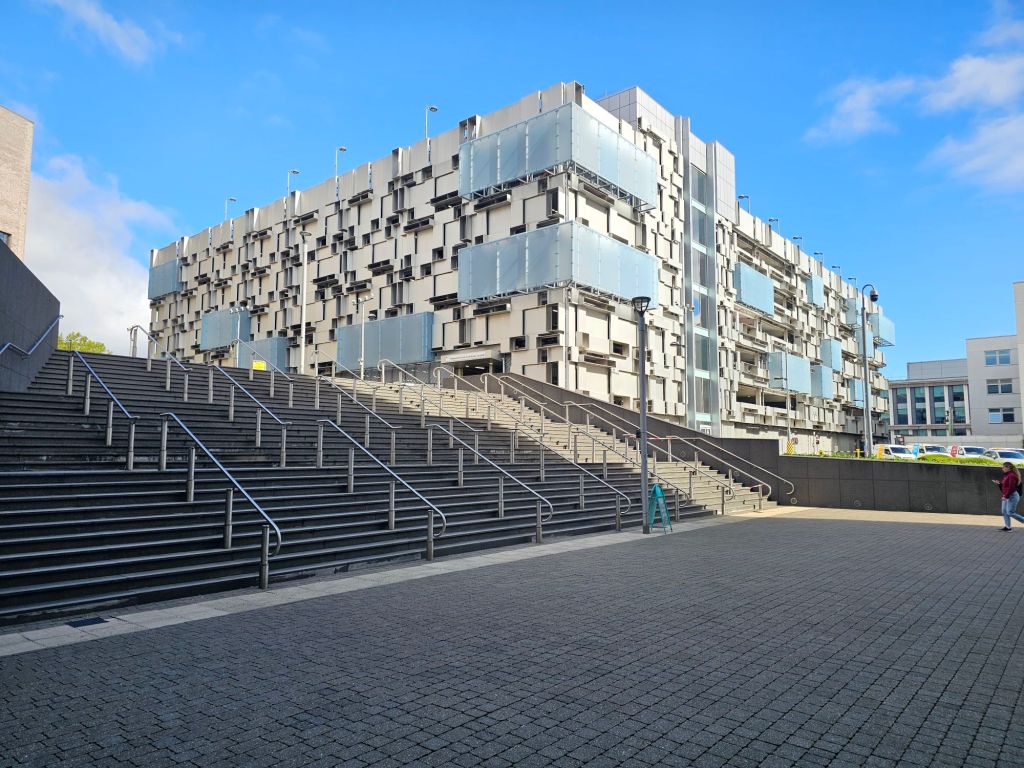
The Millennium Point multi-story car park by Birmingham City Council Urban Design (2012):-

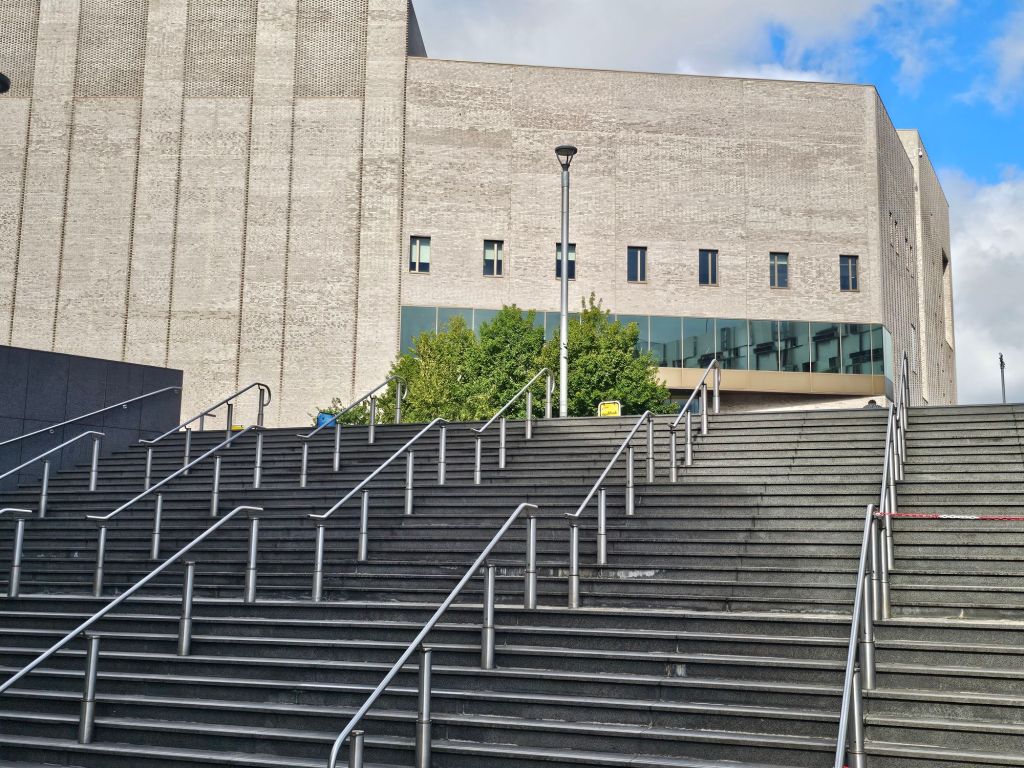
The Royal Birmingham Conservatoire by Feilden Clegg Bradley (2015-2017), a good building with a wonderful concert hall:-

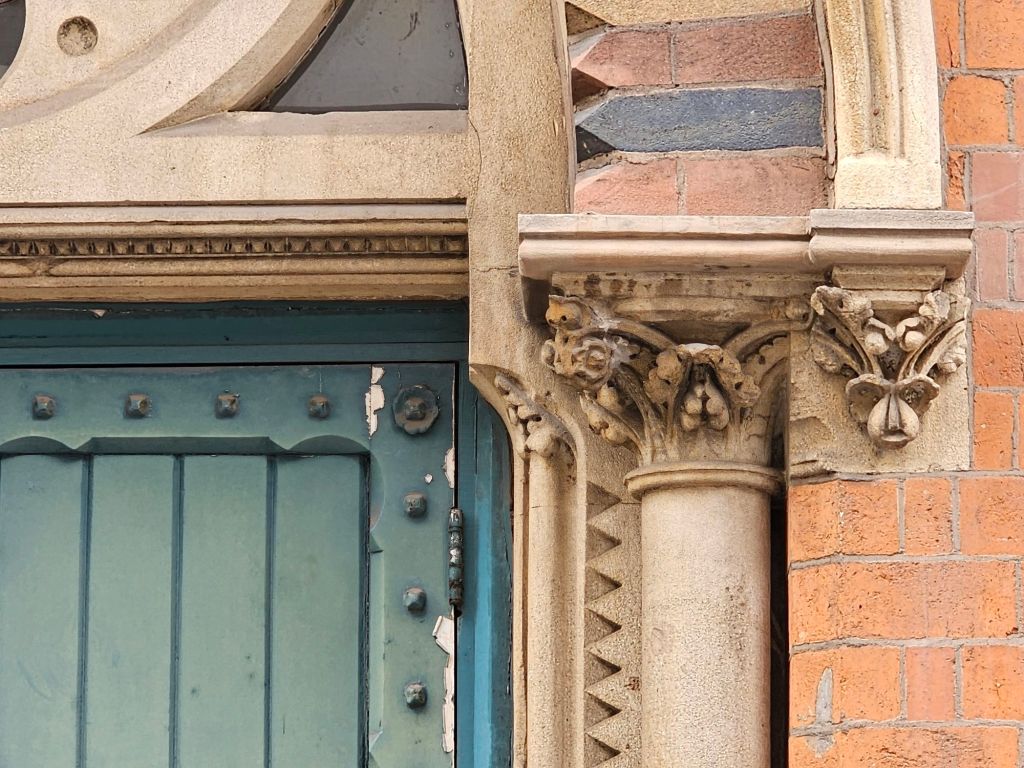
Then we went to the jewellery quarter to see the old Municipal School of Jewellery and Silversmithing which opened in 1890:-

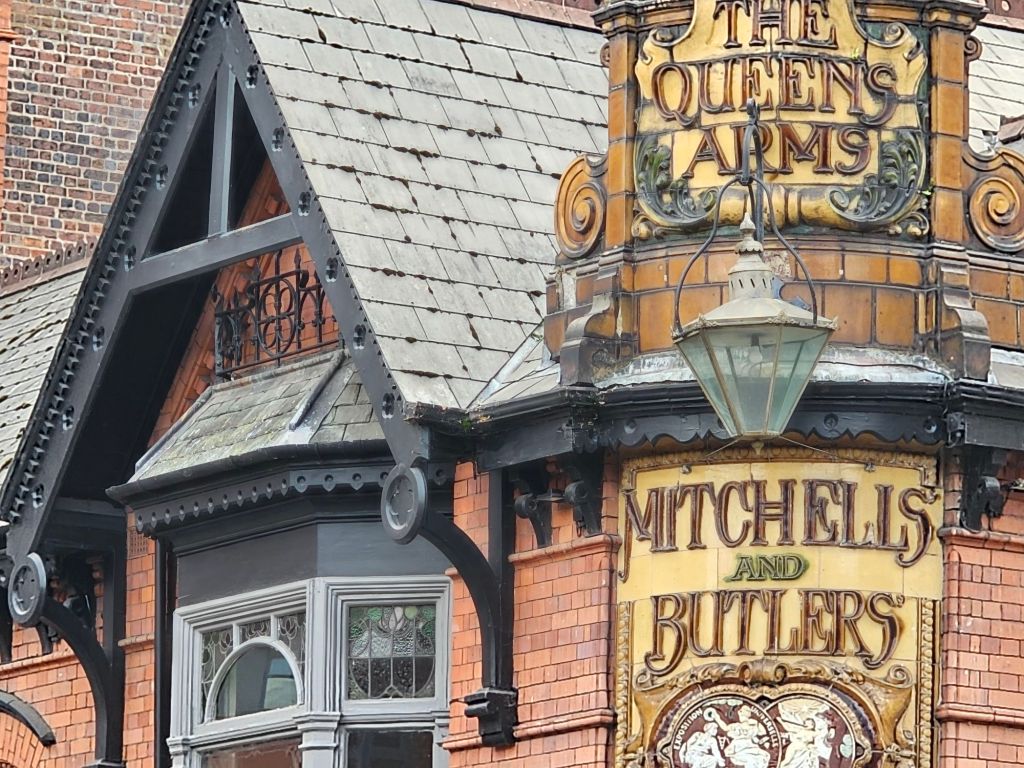
Just up the street is The Queen’s Arms (1901):-

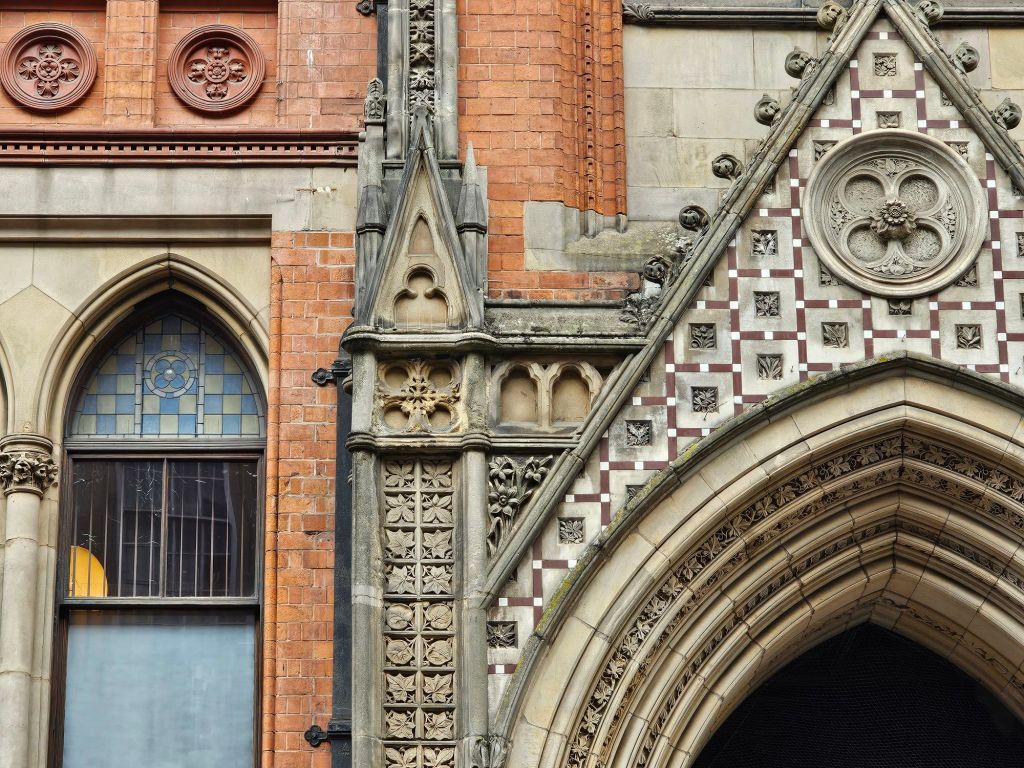
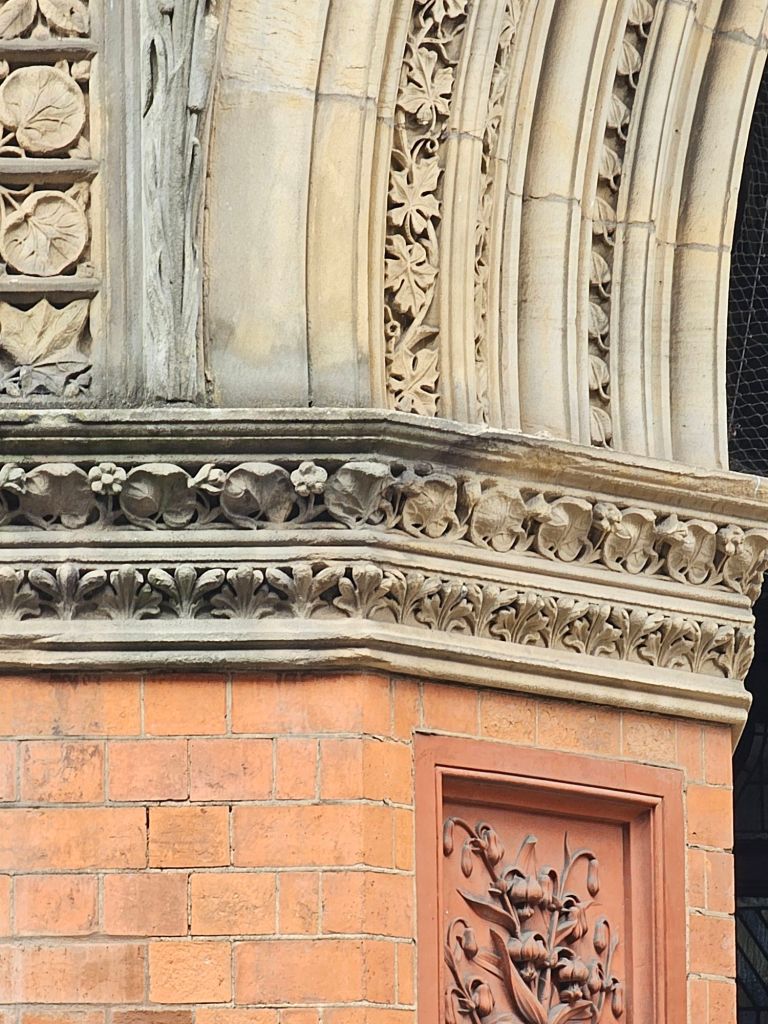
Then to the J.H. Chamberlain School of Art, designed just before his death in 1883:-

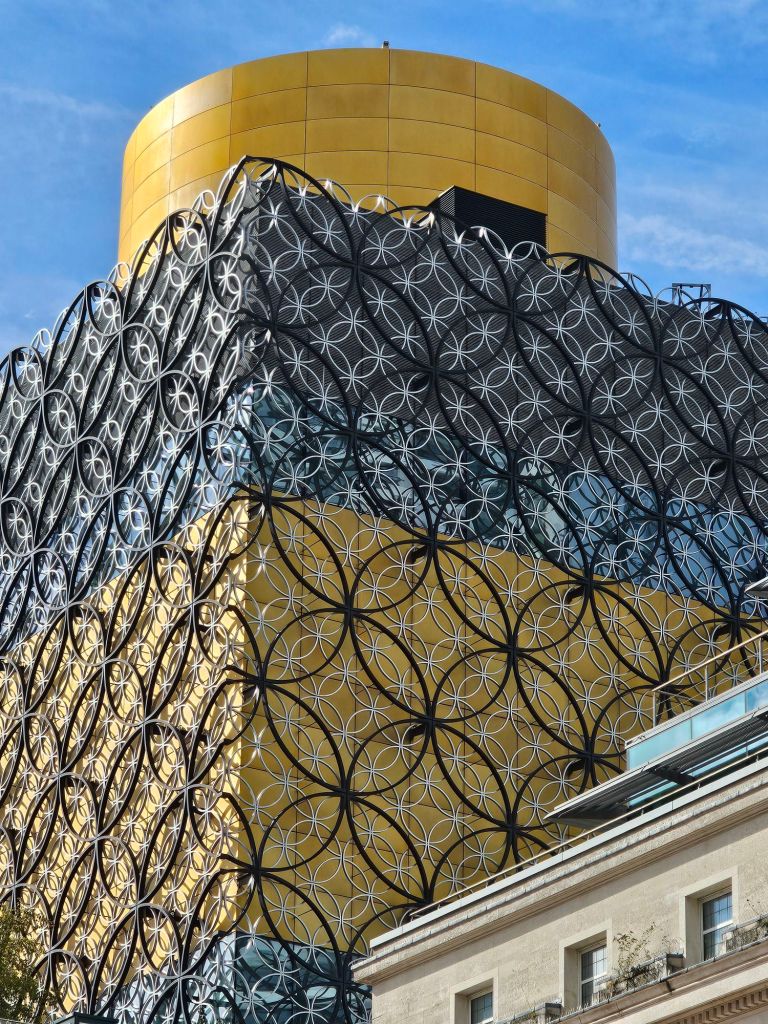
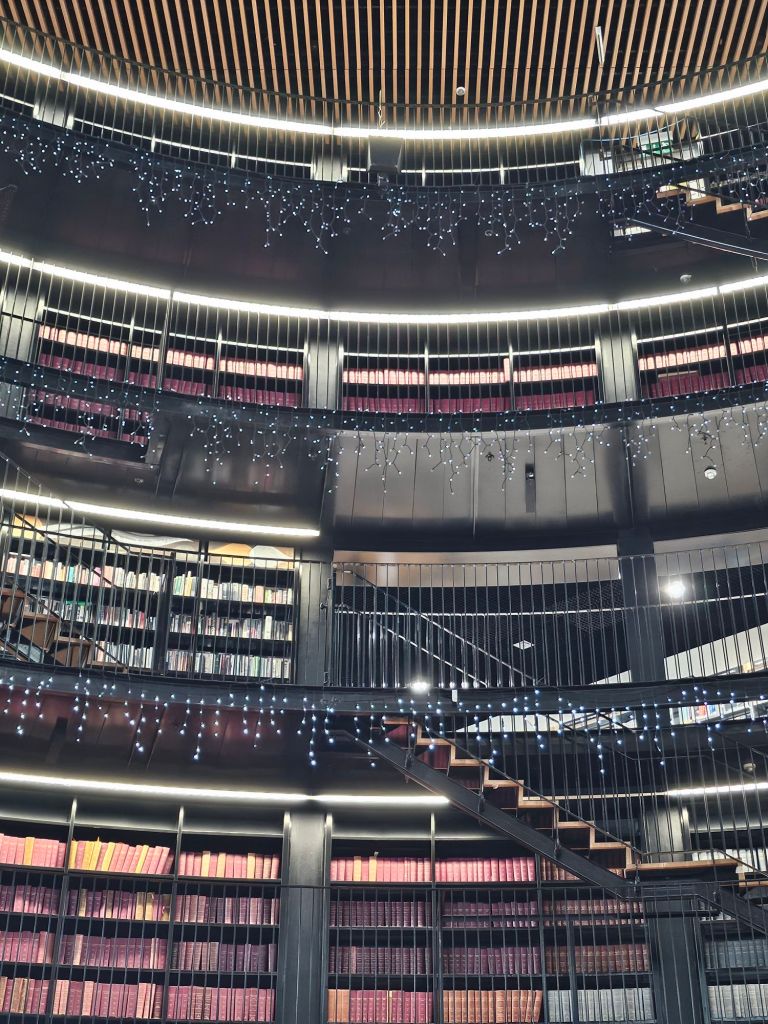
Finally, Mecanoo’s Library – showy:-

Not sure a public library needs so much glitz:-

Standard

Drawn into your Presence

My friend, Jim Grover, has organised a remarkable exhibition in a 1950s church, St. James, Park Hill, in Clapham.  It pairs nineteenth-century steel engravings with his own photographs of related subjects, which makes one look at both his photographs and the steel engravings with a different order of interest.

The engravings are selected from the Imperial Family Bible, published in 1844.  They are then blown up, so that one can appreciate the amazing precision in all the detail.  They are then paired with his own admirable – and equally technically accomplished – photographs of religious scenes, many from the church where the exhibition is on from Wednesday to October 18th.

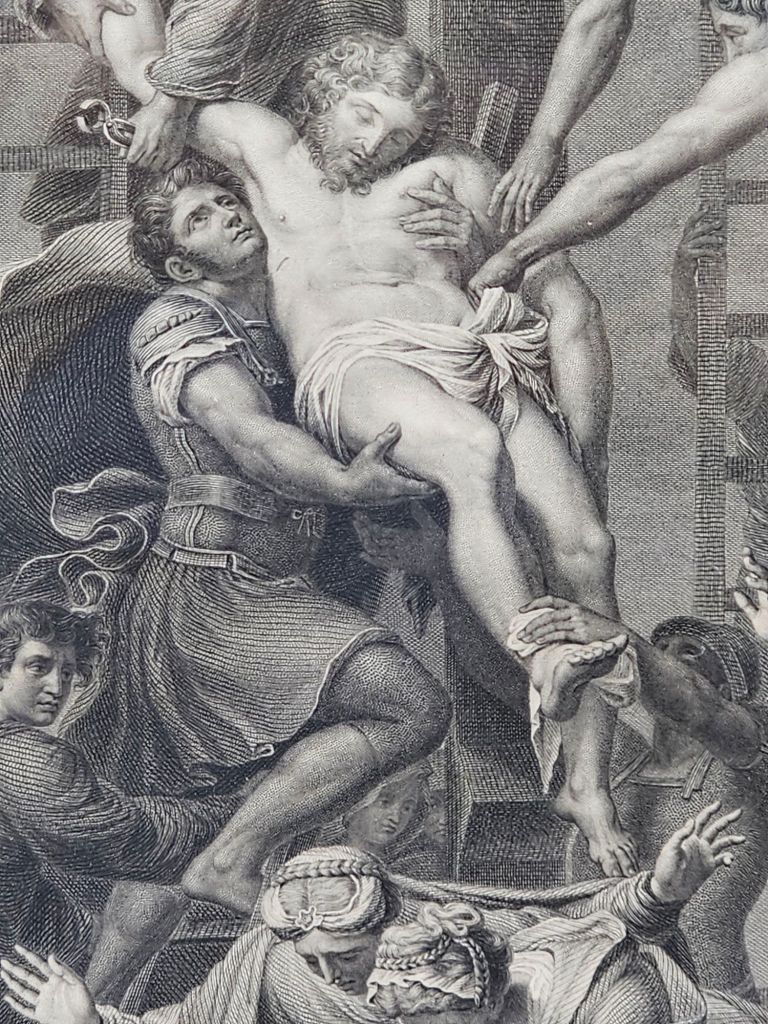
To show this in practice, here is Daniele de Volterra’s Descent from the Cross:-

Here is the steel engravings by William Holl:-

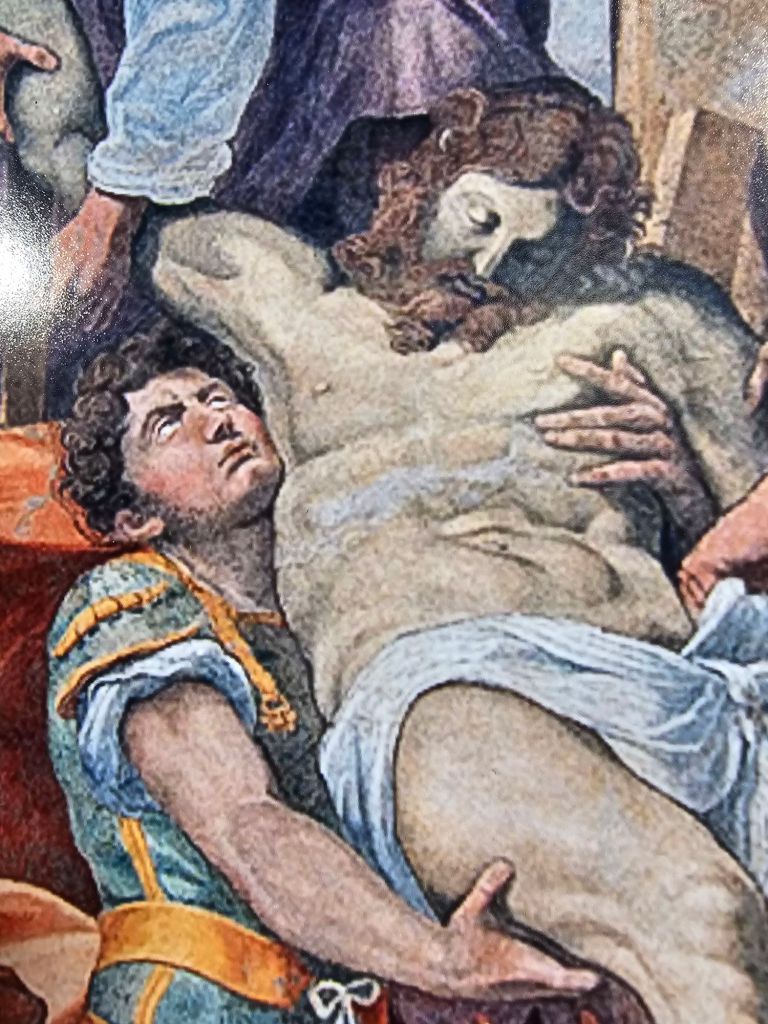
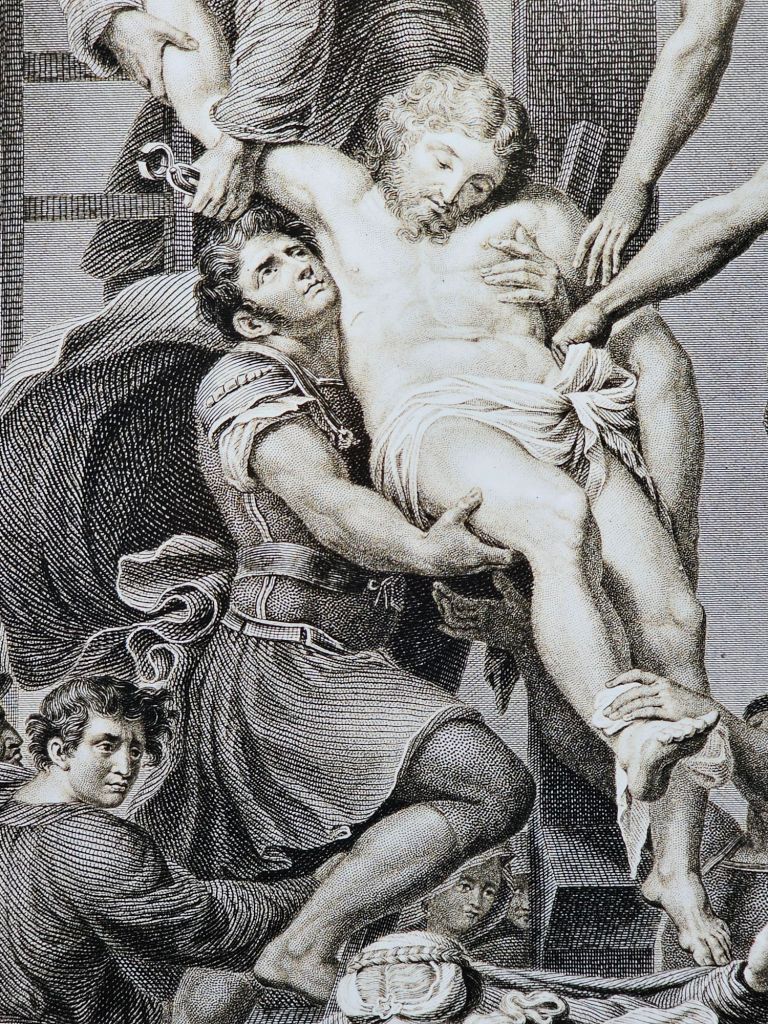
And here is the photographic enlargement:-

What the photographic enlargements demonstrate with great clarity is the compositional character of the original.

For more on this topic, see ‘Mastering the Copy’, exhibition catalogue, National Museum, Oslo, 2026.  Meanwhile, it’s easier to get to Clapham.

Standard

Sir Roy Strong CH (5)

A very nice blog on the Warburg’s website about Roy Strong’s time there as a postgraduate student (although it’s worth remembering that for most of his time, the Warburg was still in South Kensington, only moving to Bloomsbury in 1958). 

I’ve read the relevant chapter in his autobiography before, but it somehow reads differently as a blog.  Not least he is much more positive about the influence of Frances Yates than I had remembered.

Of course, he has remained in many ways a Warburgian in his pioneering work on propaganda and pageantry, as well as gardens, food, Monarchy and so much else.

https://warburg.sas.ac.uk/news-events/blogs/life-after-warburg-sir-roy-strong?utm_source=ig&utm_medium=social&utm_content=link_in_bio&fbclid=PAdGRzdgUP6chwZG9mAmV4dG4DYWVtAjExAHNydGMGYXBwX2lkDzU2NzA2NzM0MzM1MjQyNwABpwV49P7D25gl9UKzWshJt1D8nqQVKNaH7gEpU8fqyrDmkx6EroKfSevPX-td_aem_MZ8_4Nq587NTtN2fbGieQw

Standard

Tyneham

Although I read Patrick Wright’s The Village That Died for England when it first came out in 1995, I have never been to Tyneham, nor the valley in which it sits. 

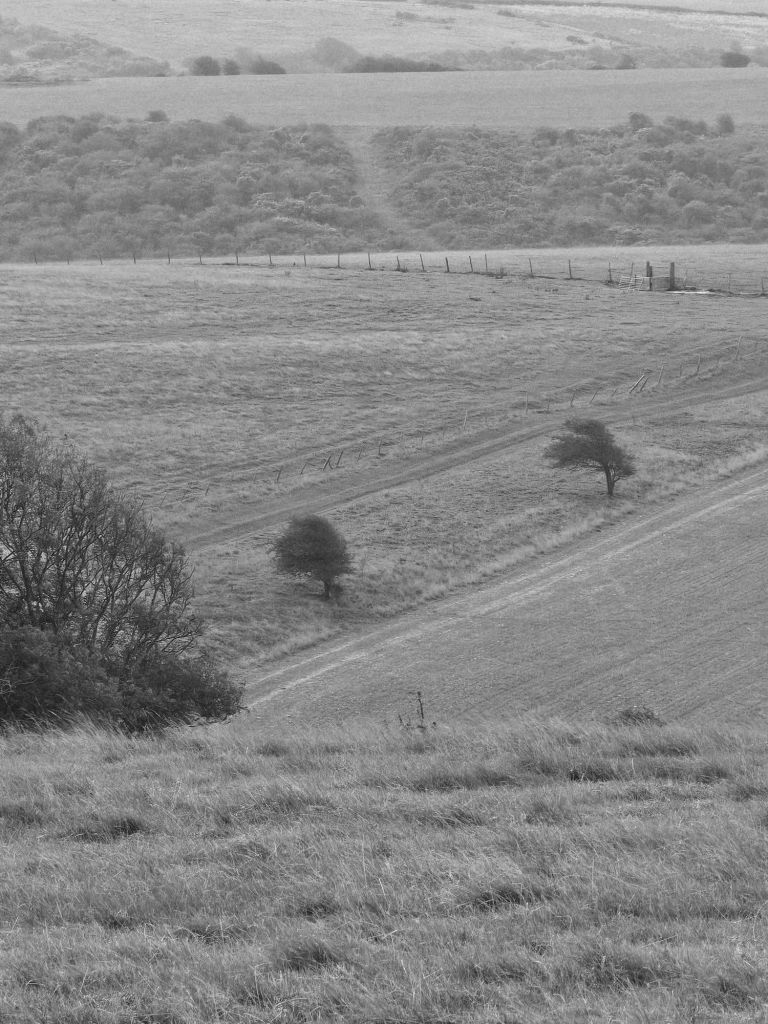
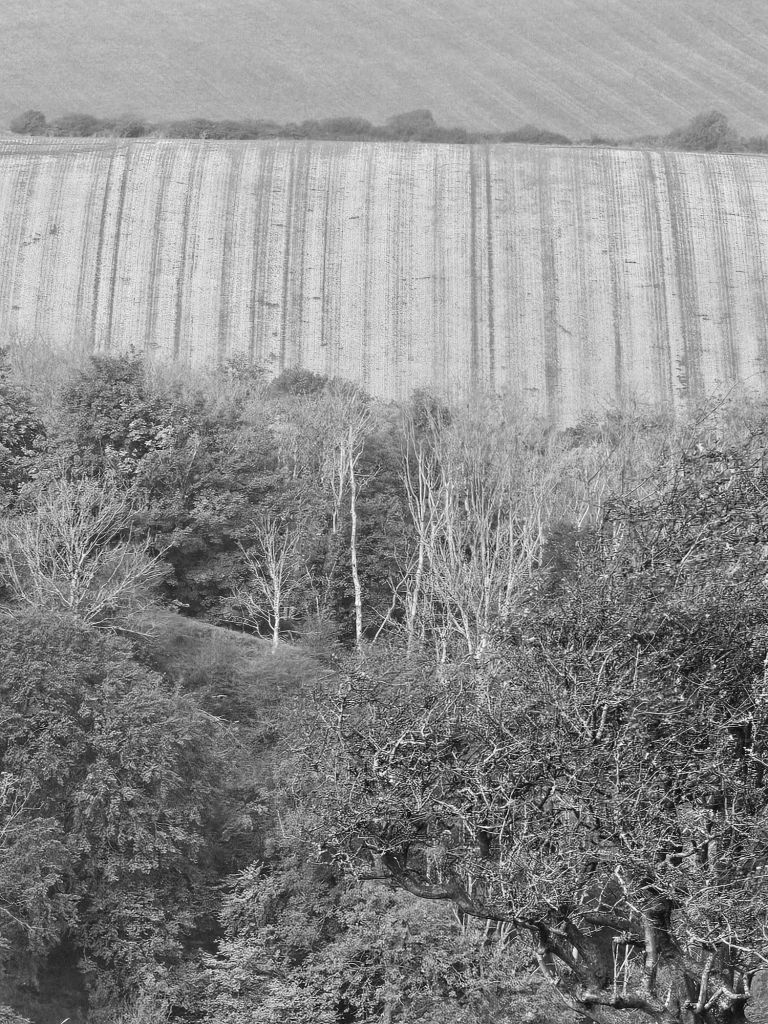
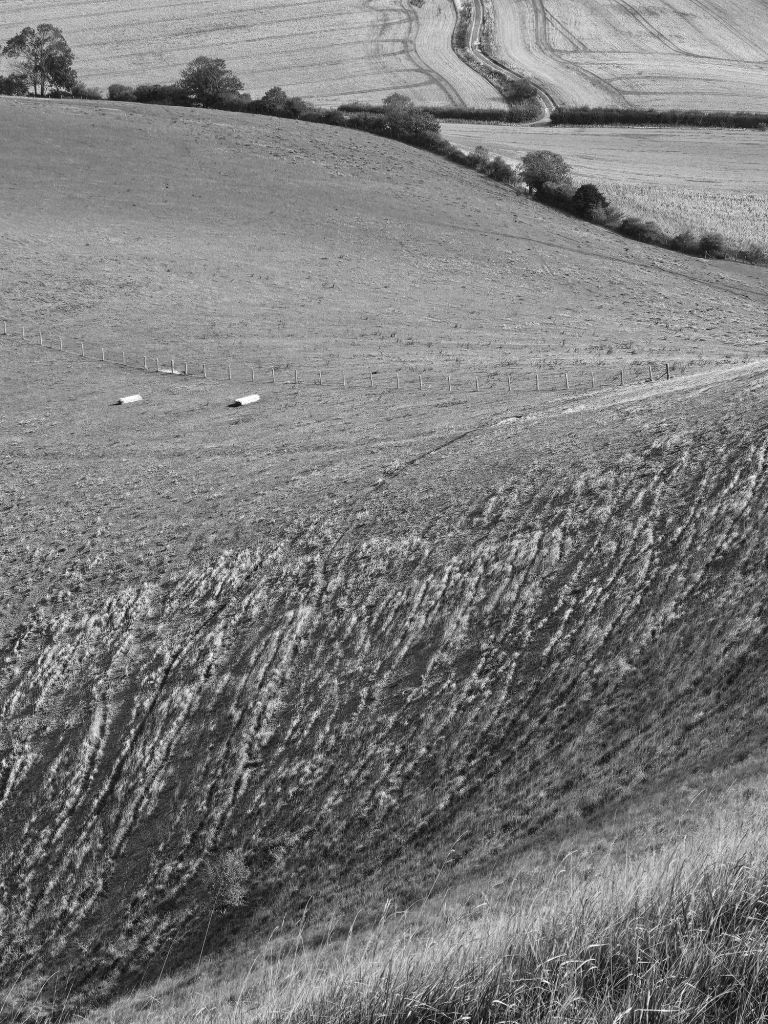
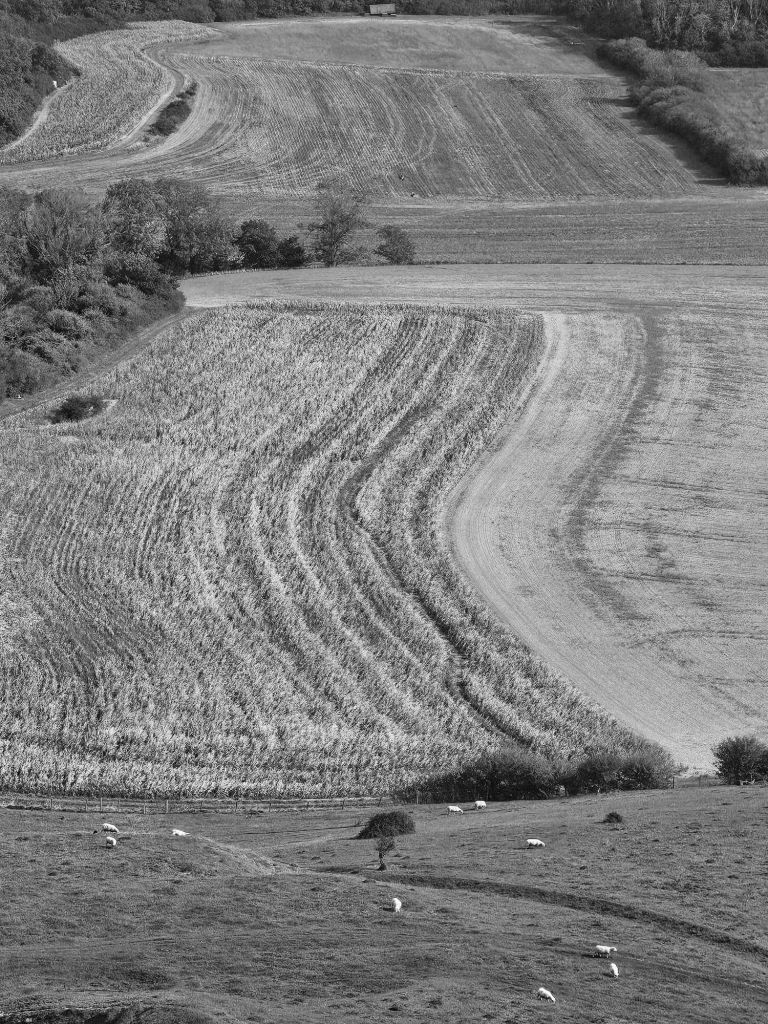
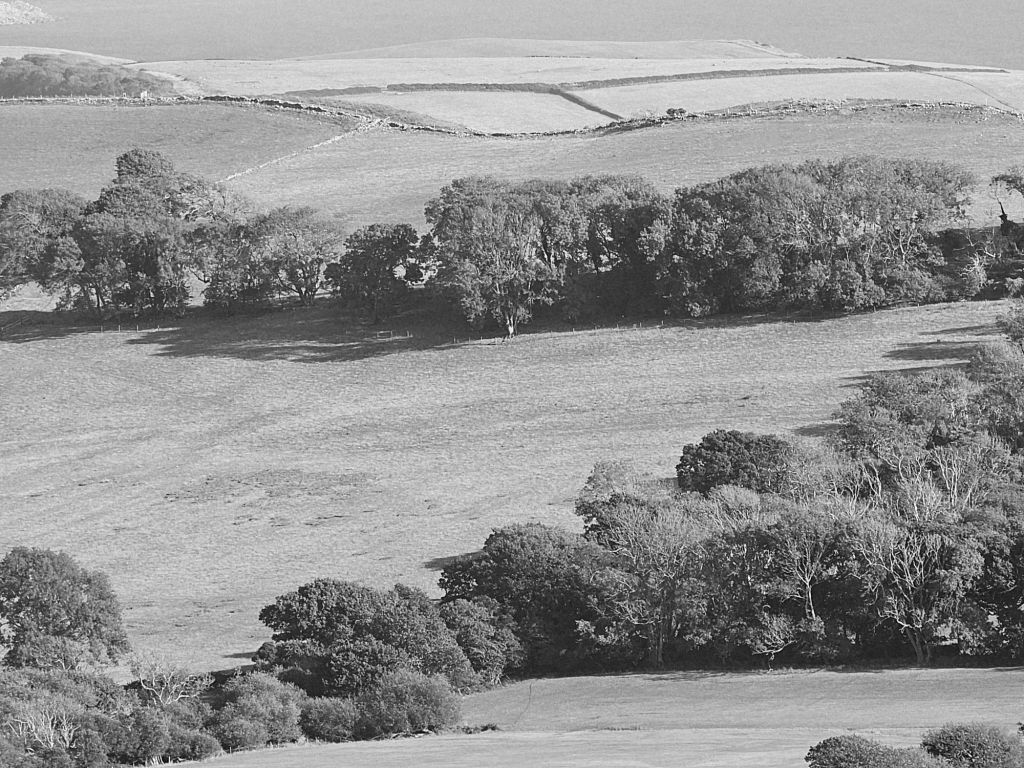
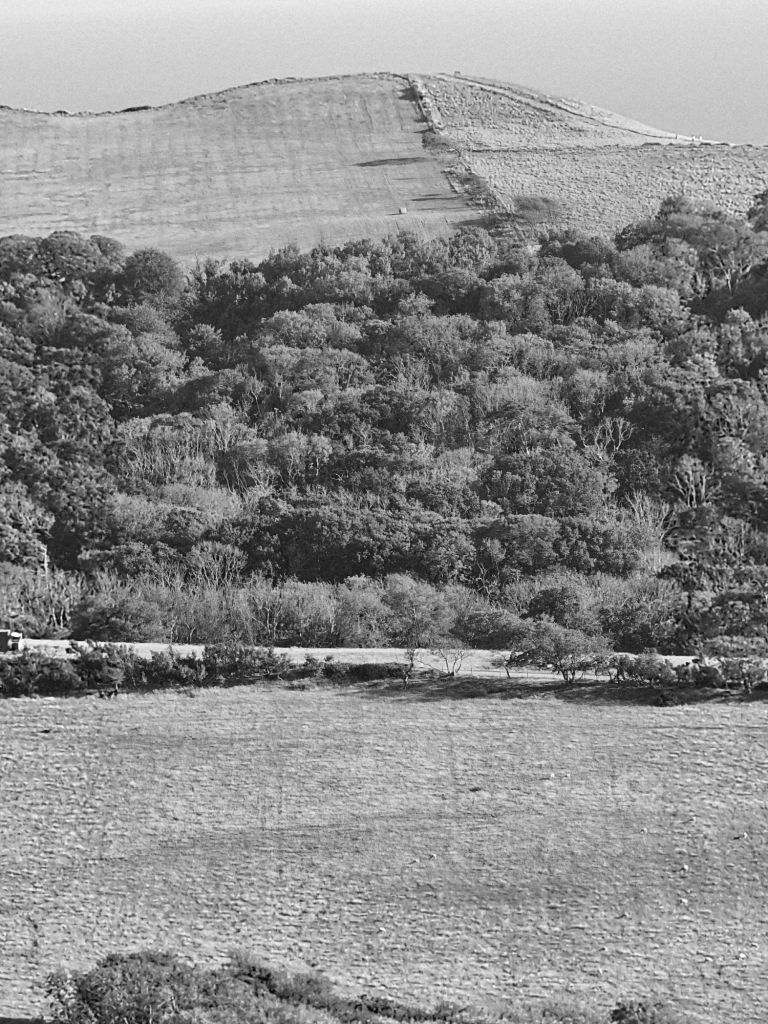
I was not prepared for the beauty of the view from the top of the hill overlooking Tyneham – a scene of field and woodland out towards the coast which is strangely, but not surprisingly, unspoilt: no housing, the property of the MOD, just a shooting range ever since the village was taken over as part of the war effort in 1943. 

Photographs do not adequately convey the view:-

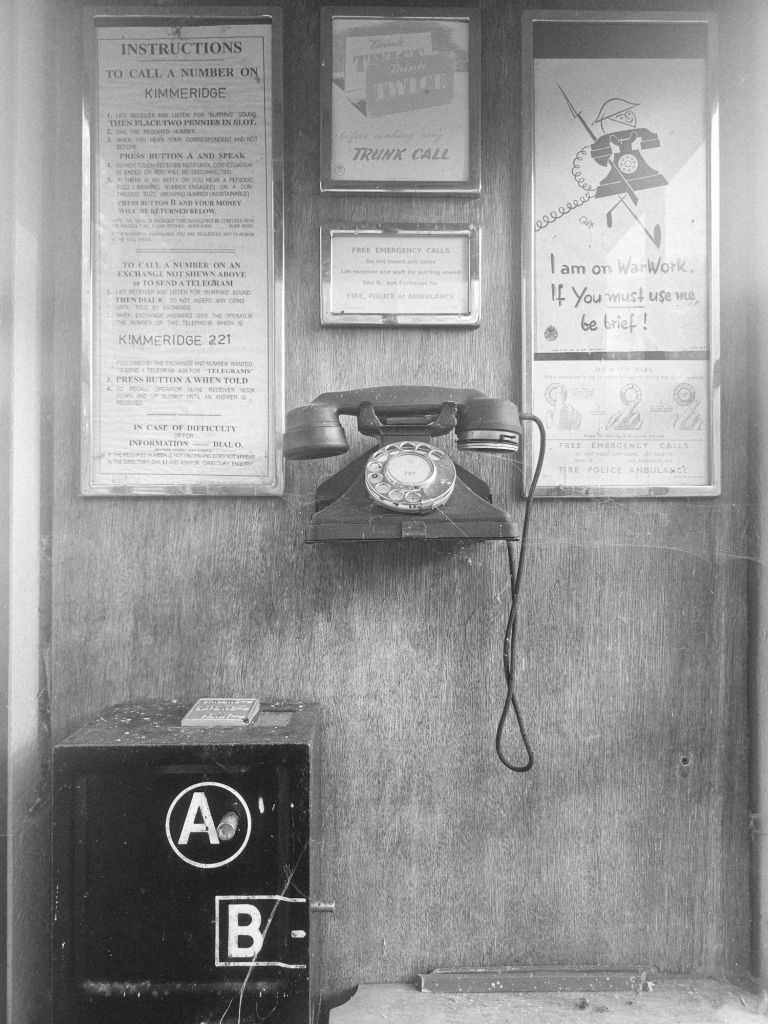
In the village, there is an abandoned telephone kiosk:-

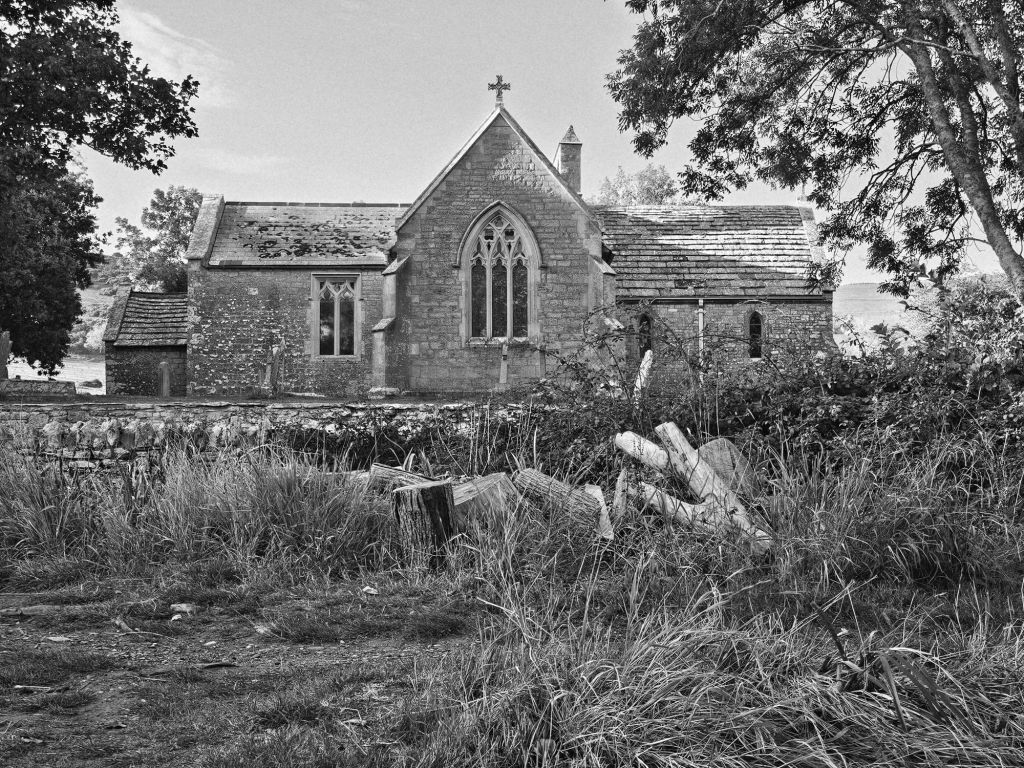
And the church which is the only part of the village to have been preserved:-

Standard