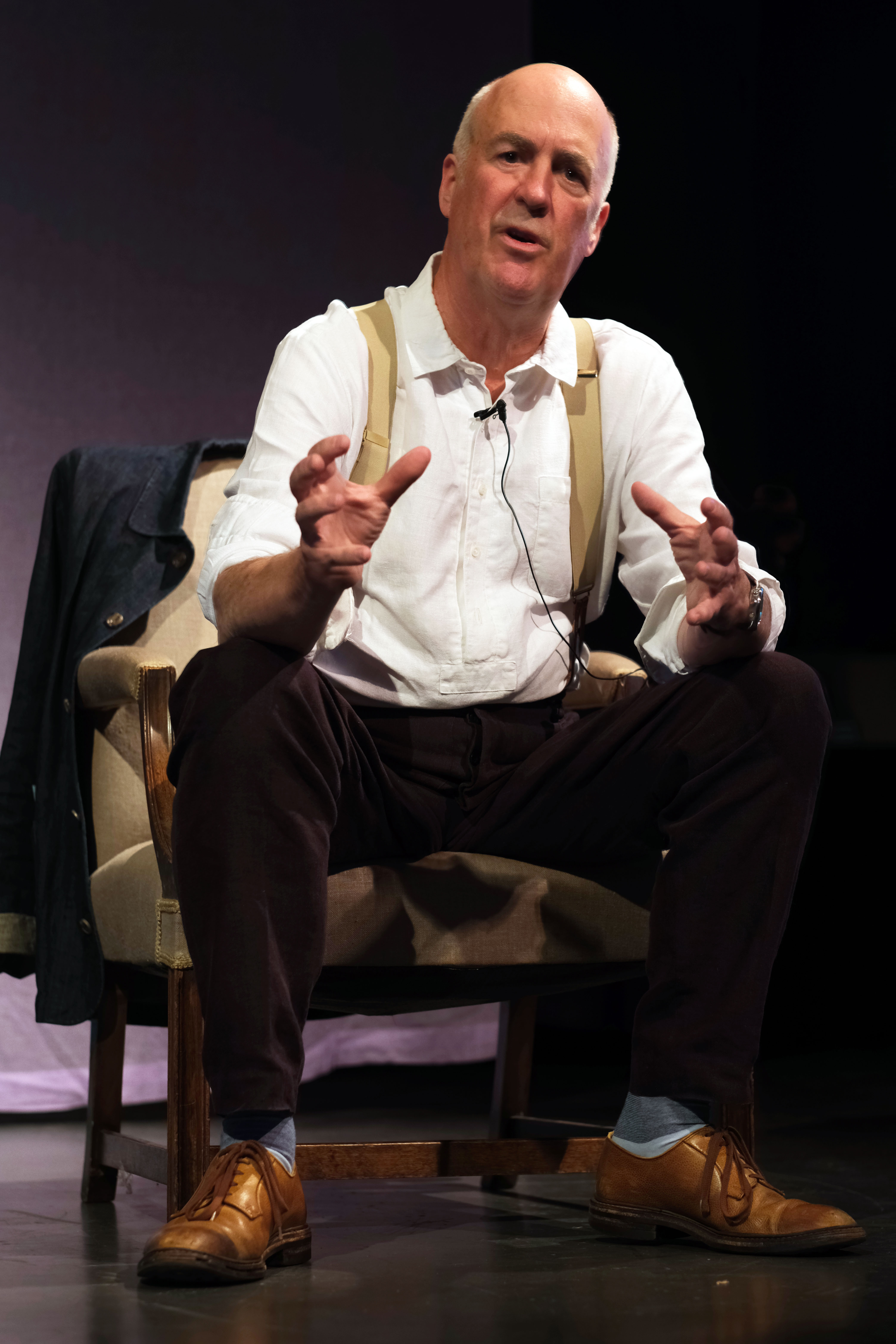
Mention yesterday of the Richard Avedon exhibition at the National Portrait Gallery in 1995 and realising that it is now over twenty years ago made me look up if there was any information about the exhibition available online – reviews perhaps, or reports of the conference which was held to mark its anniversary. There is reference to it in a recently published book about Avedon, which suggests that he took Princess Diana on a private tour round the exhibition before it opened. This is not strictly accurate. As I remember it (I realise how fallible memory is), he made clear not long before the opening of the exhibition that he would like Princess Diana to open it. He said I should contact Marguerite Littman (née Lamkin), who had worked with Avedon during the civil rights movement in the early 1960s. I did, and even though she was ostensibly not undertaking any public engagements, she did (I remember saying to Patrick Jephson that she could always slip out of the back door and he made clear that she would certainly not want to do this). It is implied that Avedon was not susceptible to her charms, but I am not convinced that this is strictly true either, given his enthusiasm that she should open it and the way he treated her.
Category Archives: Uncategorized
Newfoundland (2)
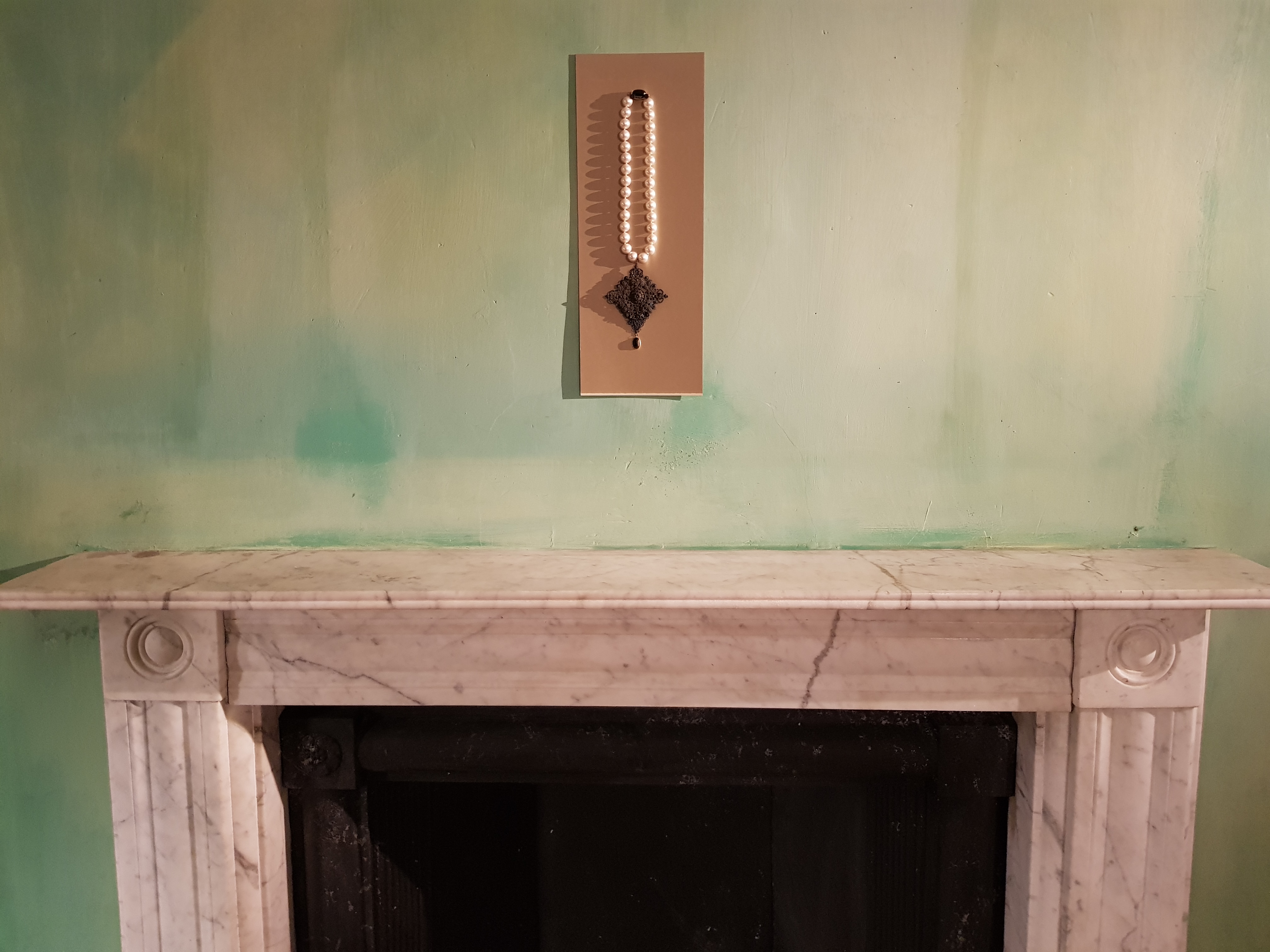
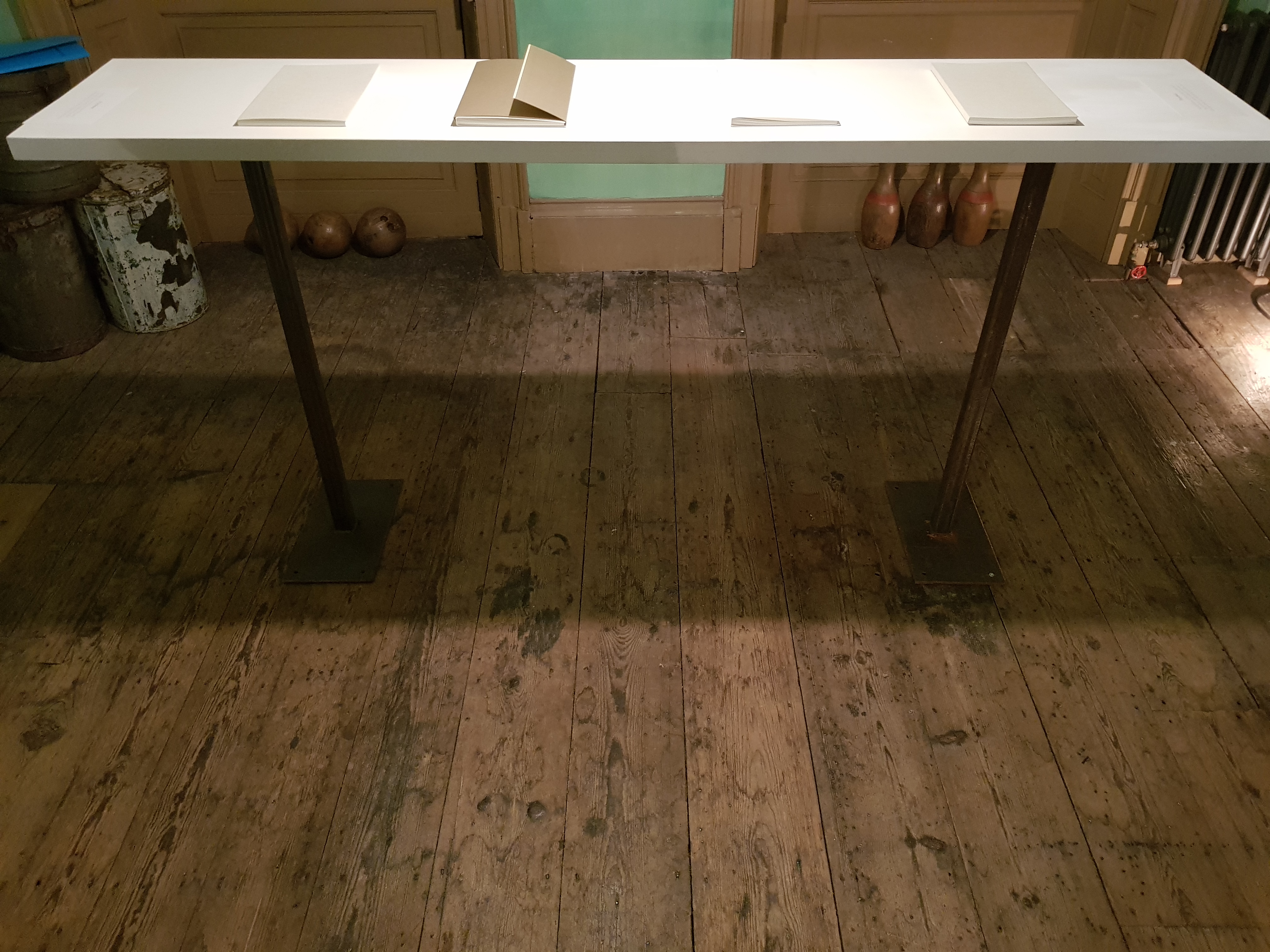
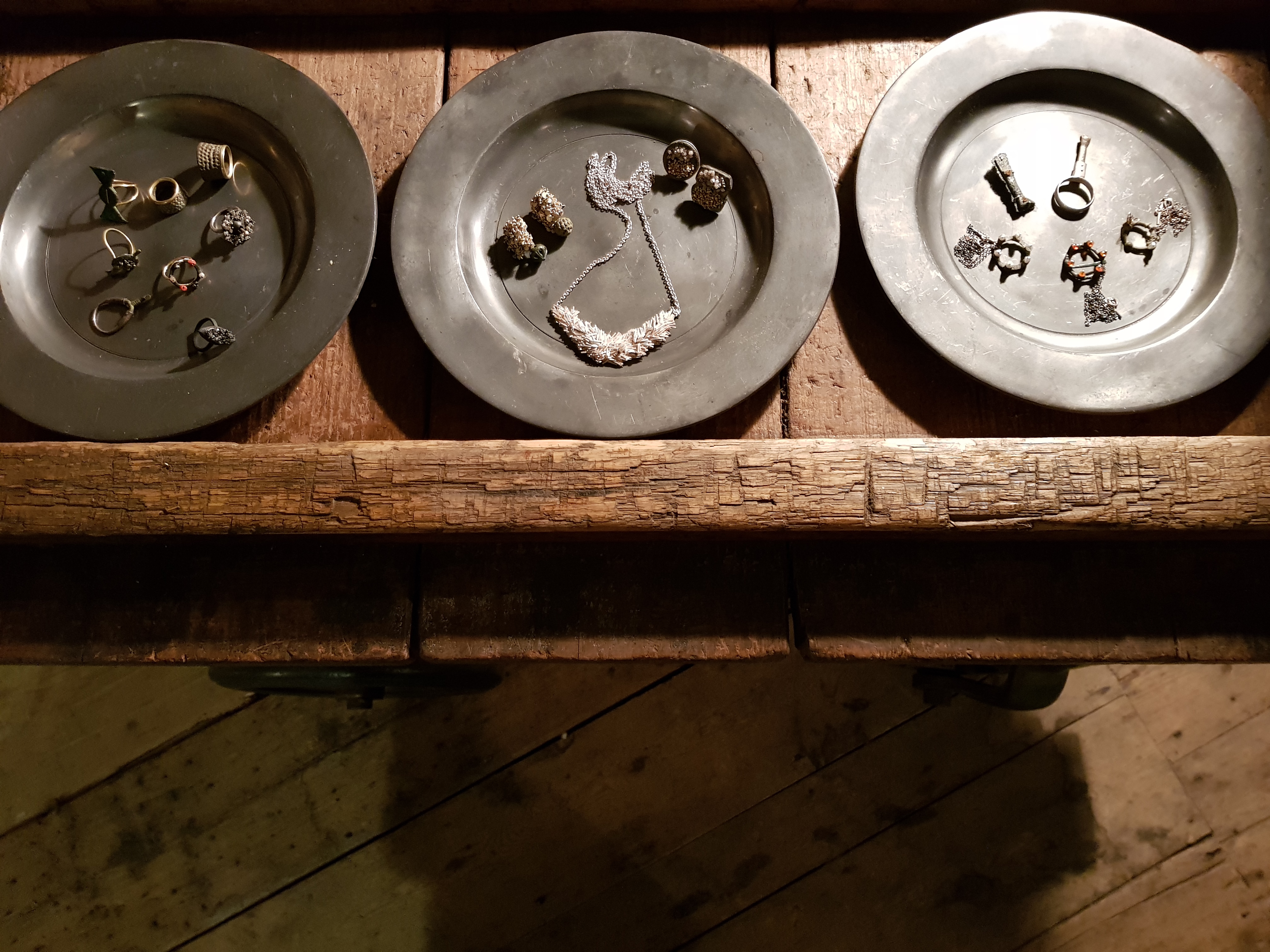
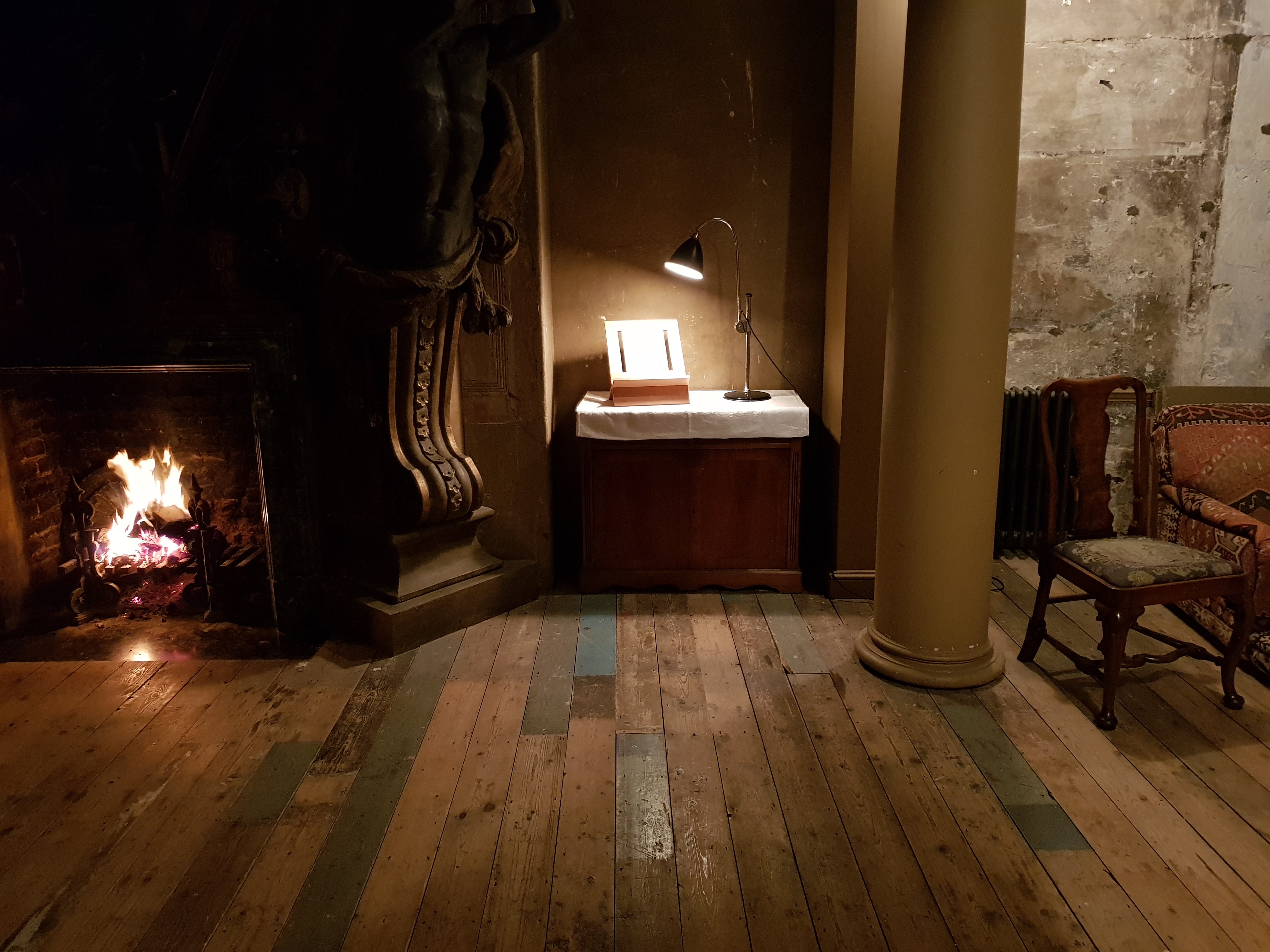
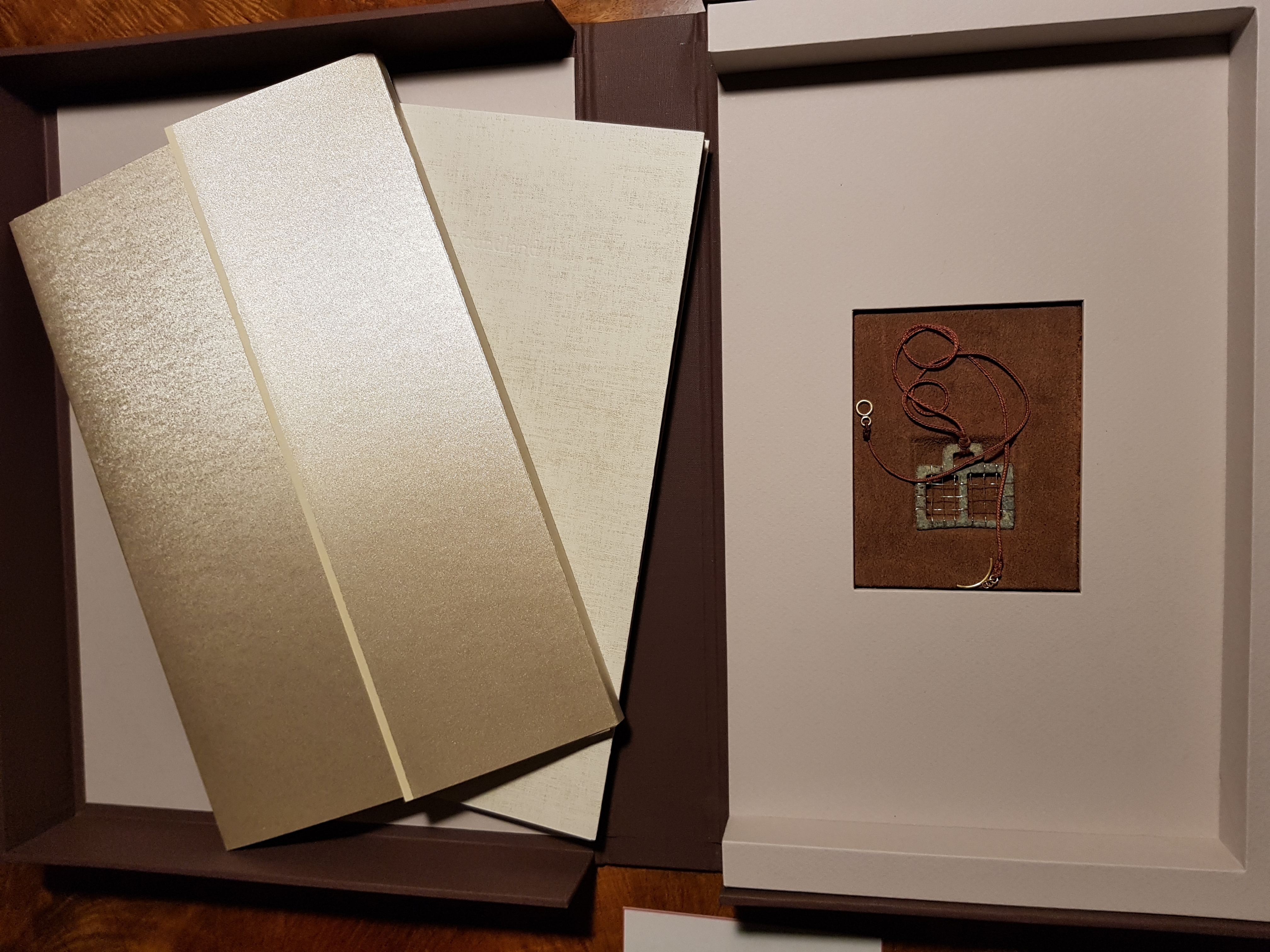
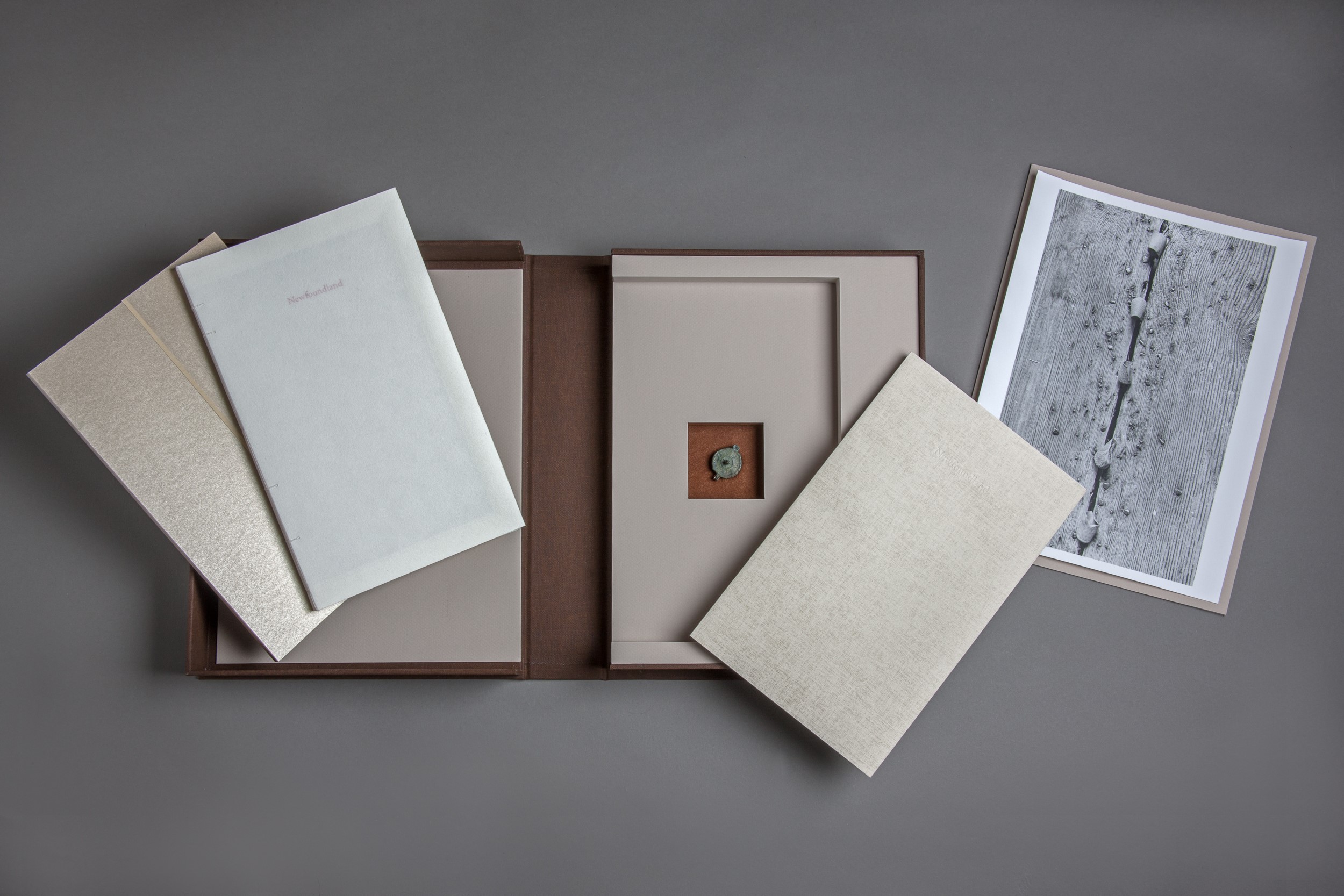
So, the book has been launched. A group of friends, bibliophiles and performance artists came to hear William Chubb give a theatrical rendition of Bryan Appleyard’s text about the art of memory and admire the extreme and fastidious precision of the book itself – the quality of the sewing, typography, the density of the blacks in the photographic reproduction – and the display of jewellery next door:-
Adam Gopnik
I met with Adam Gopnik today who is over to publicise his latest book At the Stranger’s Gate about his early life in New York. He mentioned casually that we had first met over twenty years ago and I realised that this was indeed true, as we were introduced by Richard Avedon at the time of Avedon’s great exhibition at the NPG in 1995. From memory, Avedon had packed a suitcase of gifts for Gopnik’s son, who was (I think) his godson. Avedon obviously liked the symbolism of a suitcase of gifts because not long after, he asked my wife what gift our son might like. She said – I thought unnecessarily sniffily – that there was nothing he could buy in New York which wasn’t already available in London. When he got back to New York, he obviously asked his studio assistants to scour the backstreets of Soho for what a boy might like, because not long afterwards a monstrous parcel arrived of all the things that precisely could only be bought in the United States, including comics and baseball boots and all sorts of other deeply unsuitable things: an act of supreme and memorable generosity.
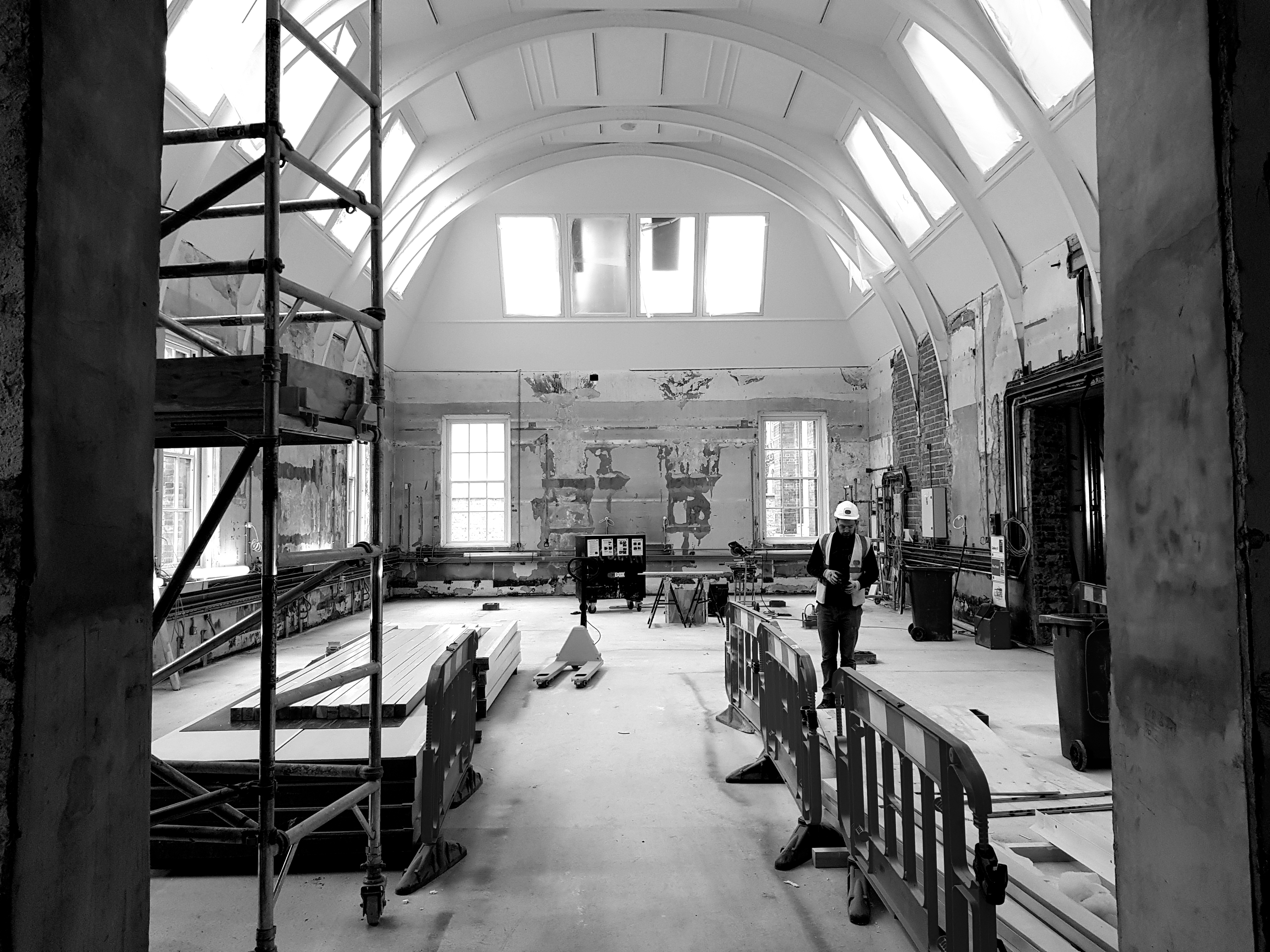
Gabrielle Jungels-Winkler Galleries
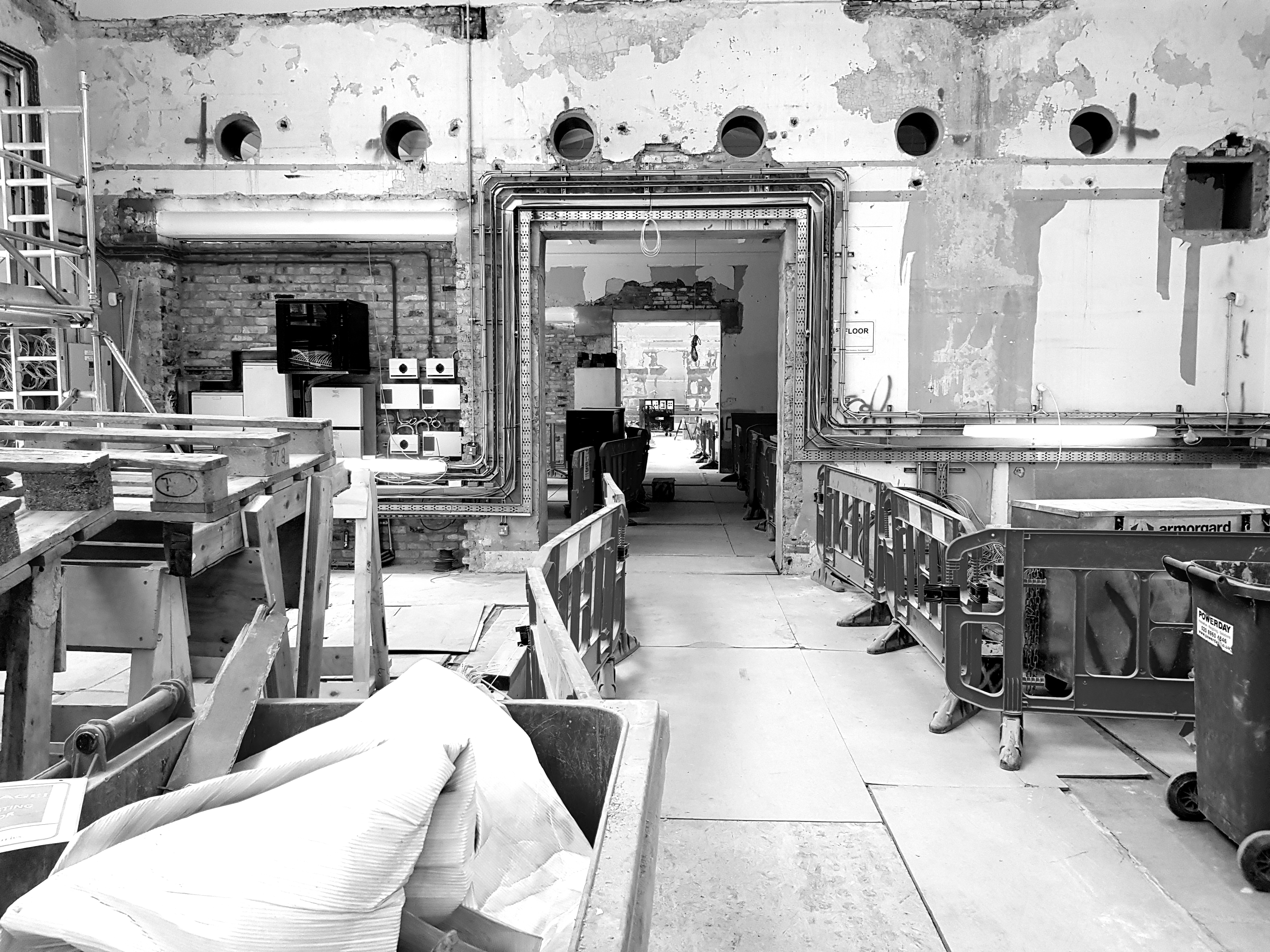
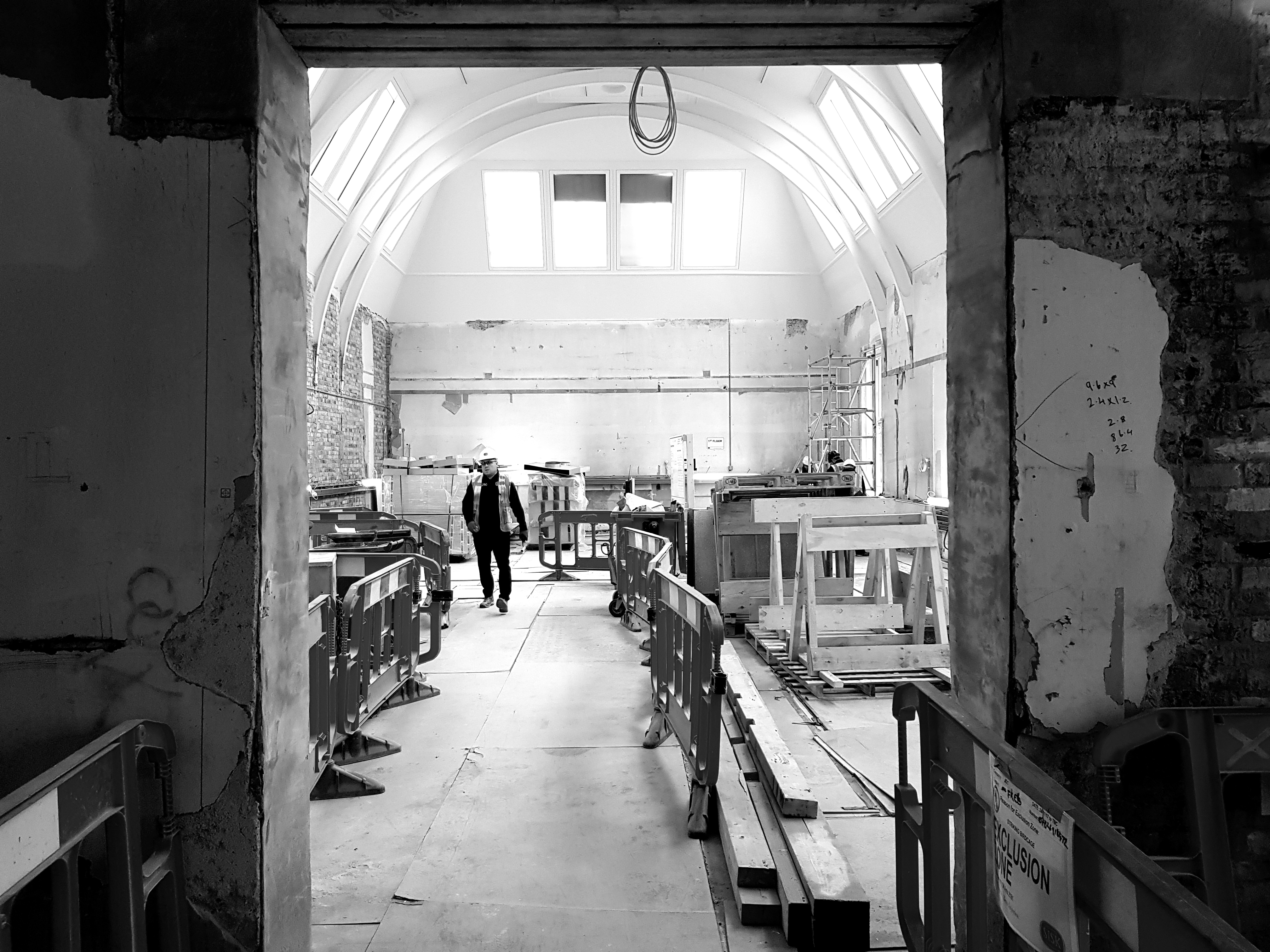
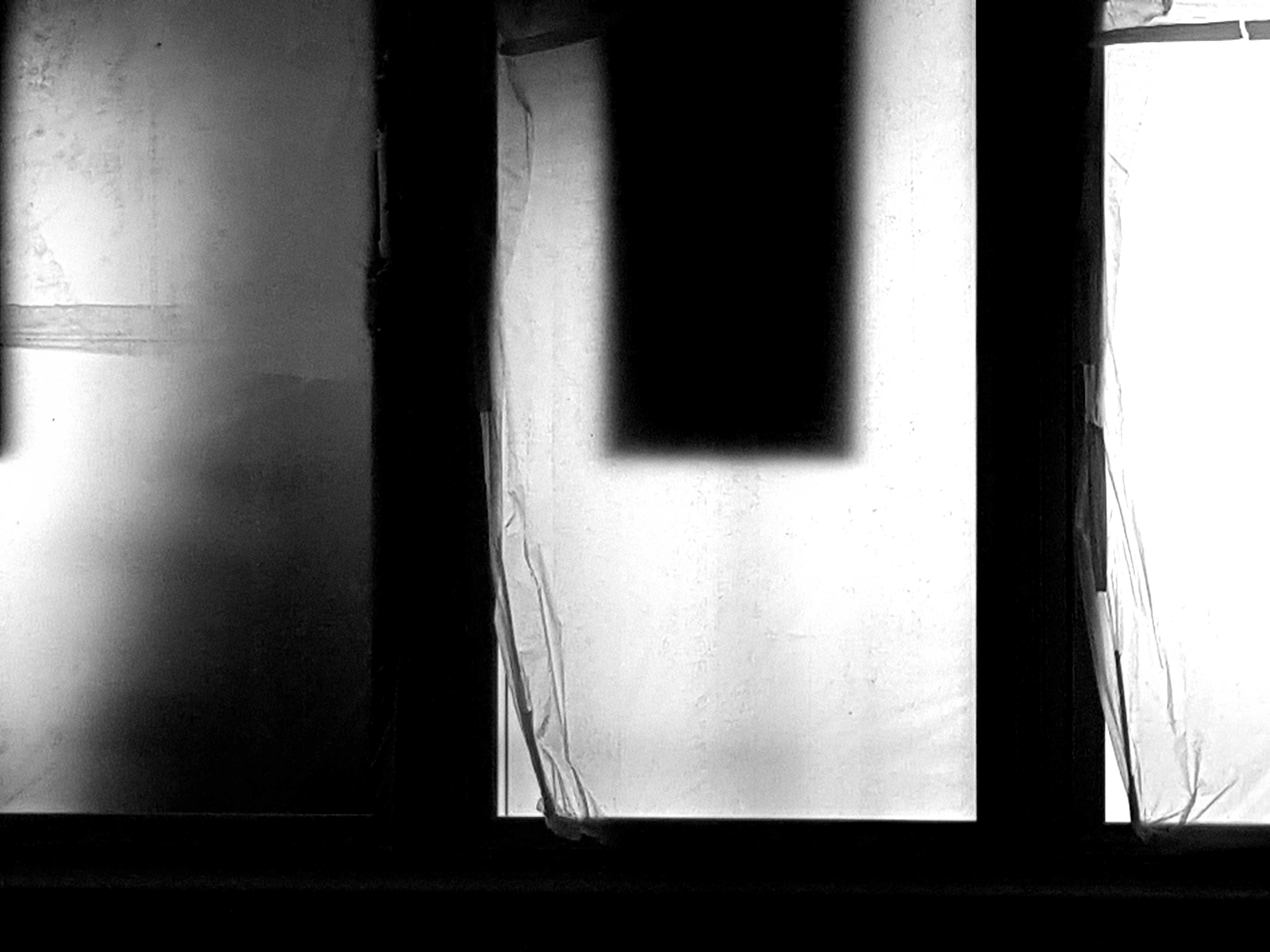
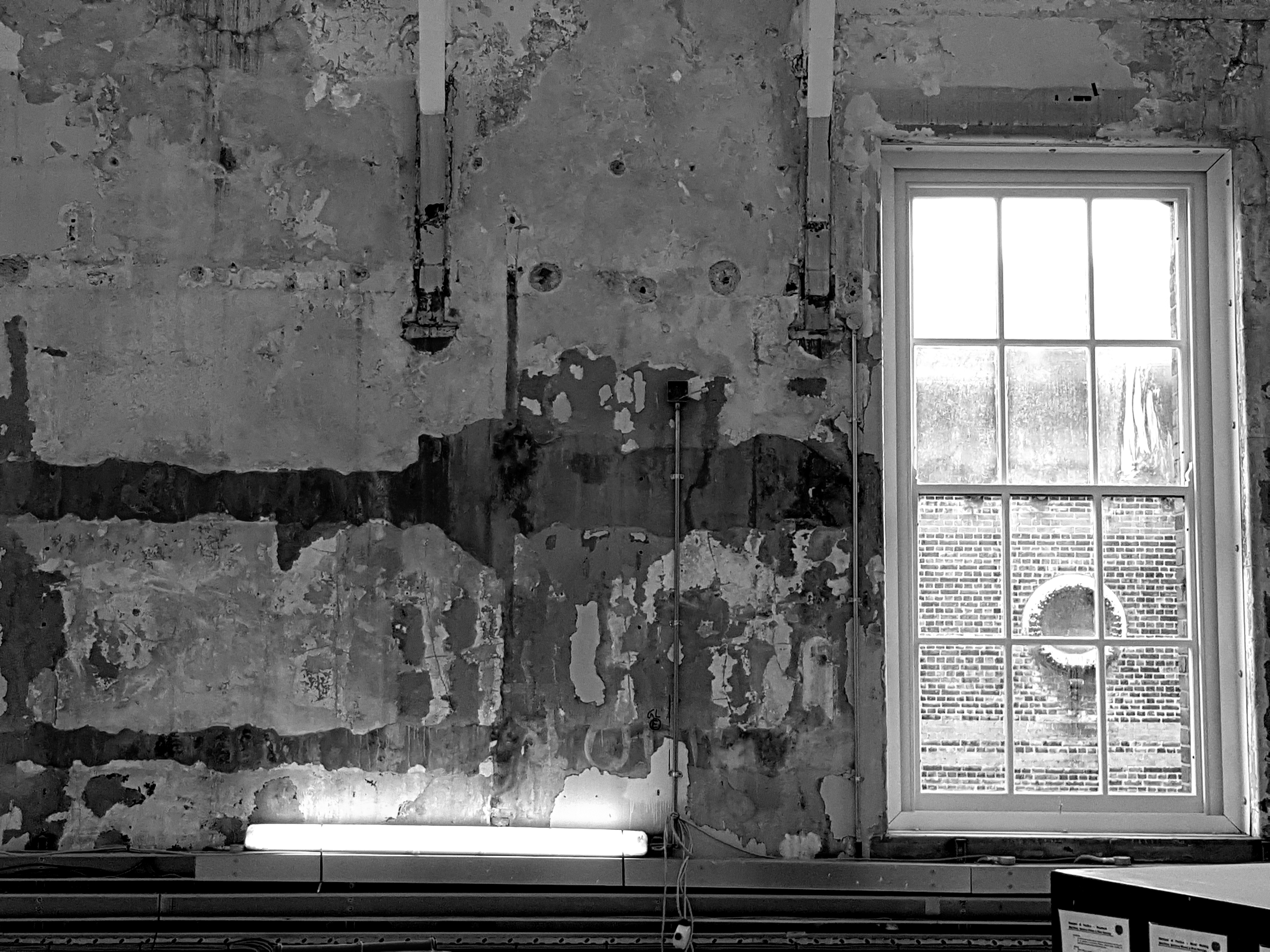
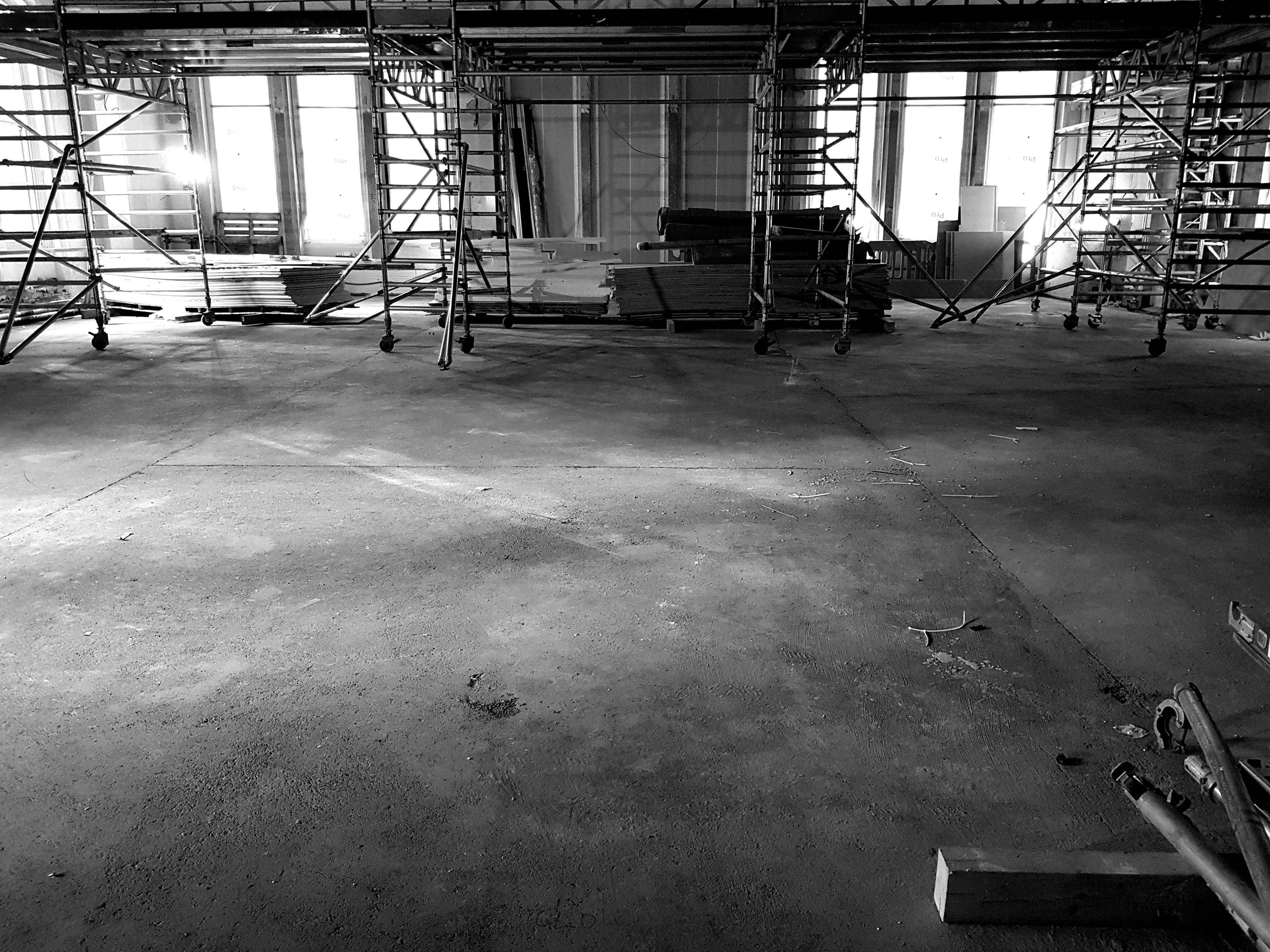
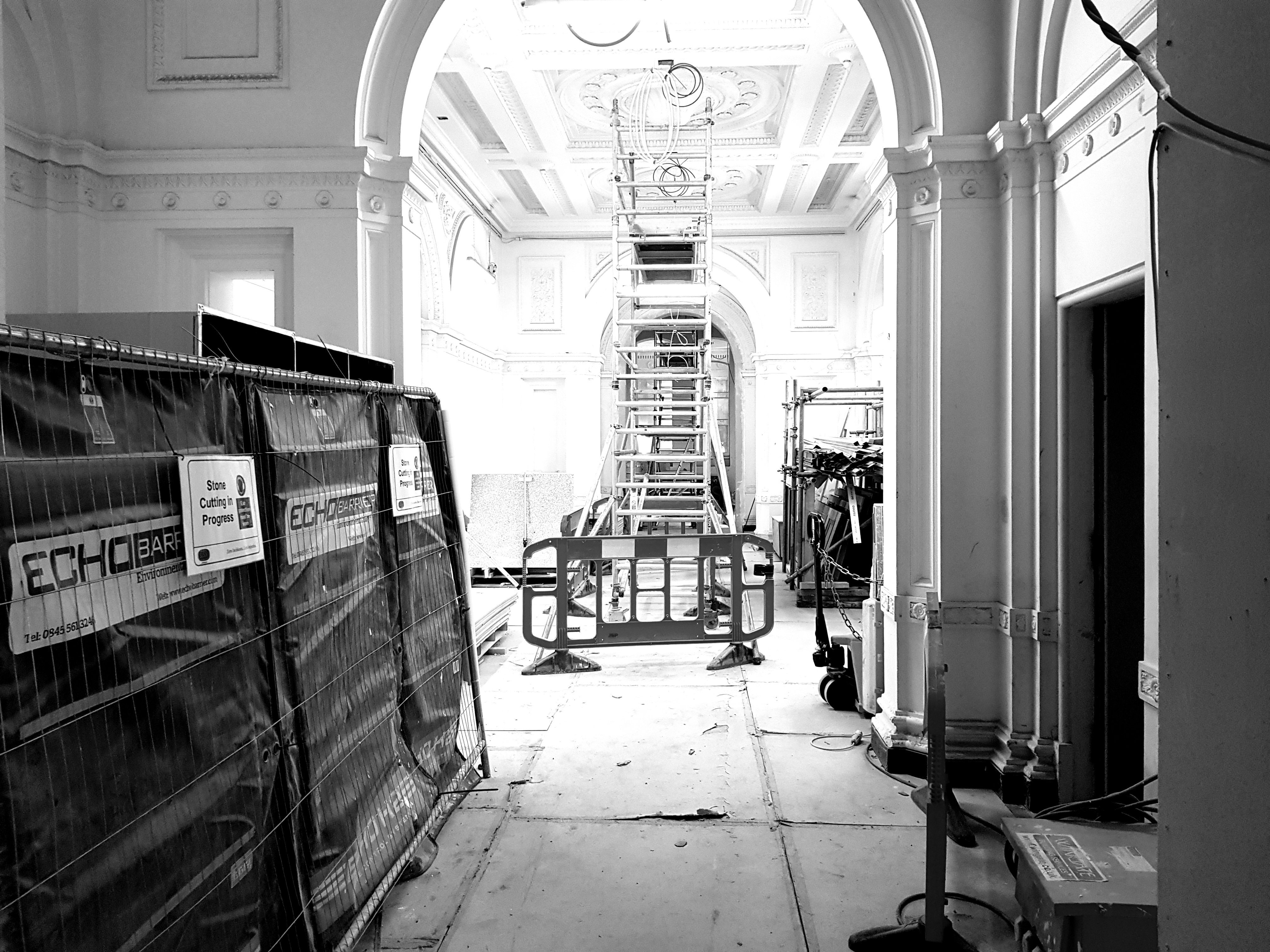
I failed to post views of our forthcoming new exhibition galleries yesterday because the pictures didn’t give a sense of their scale and the quality of the original top-lighting.
I do so now:-
Burlington Gardens
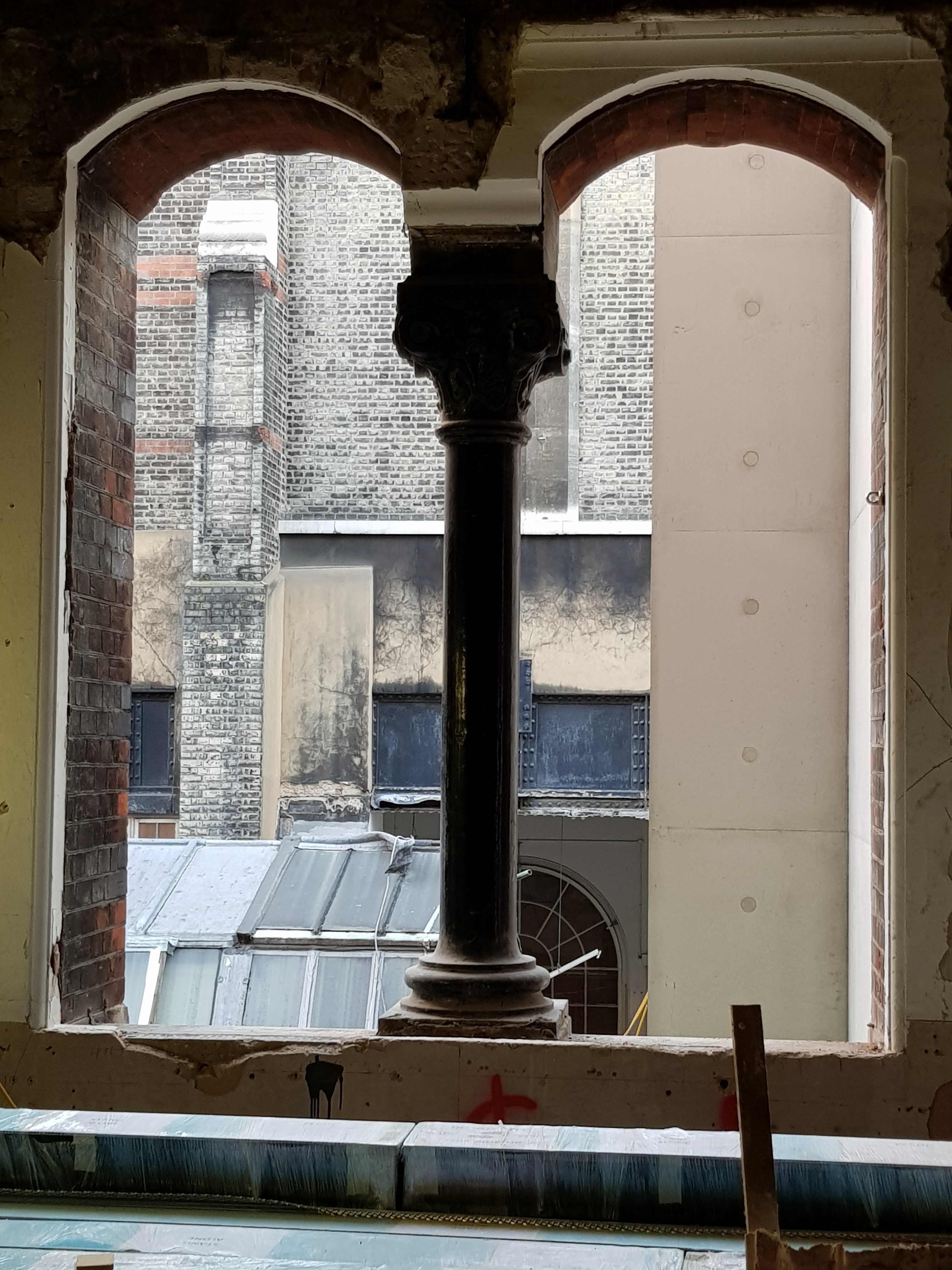
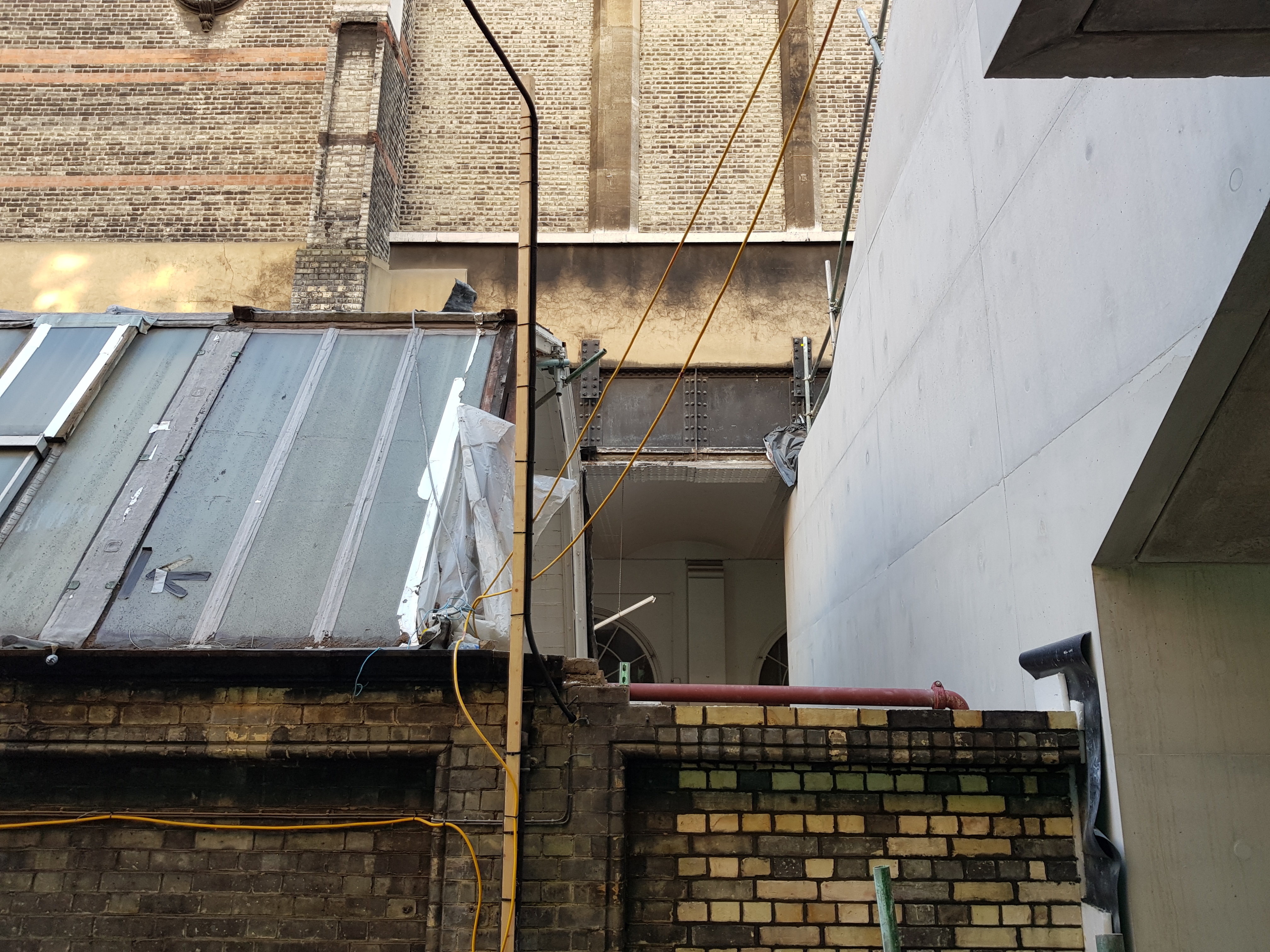
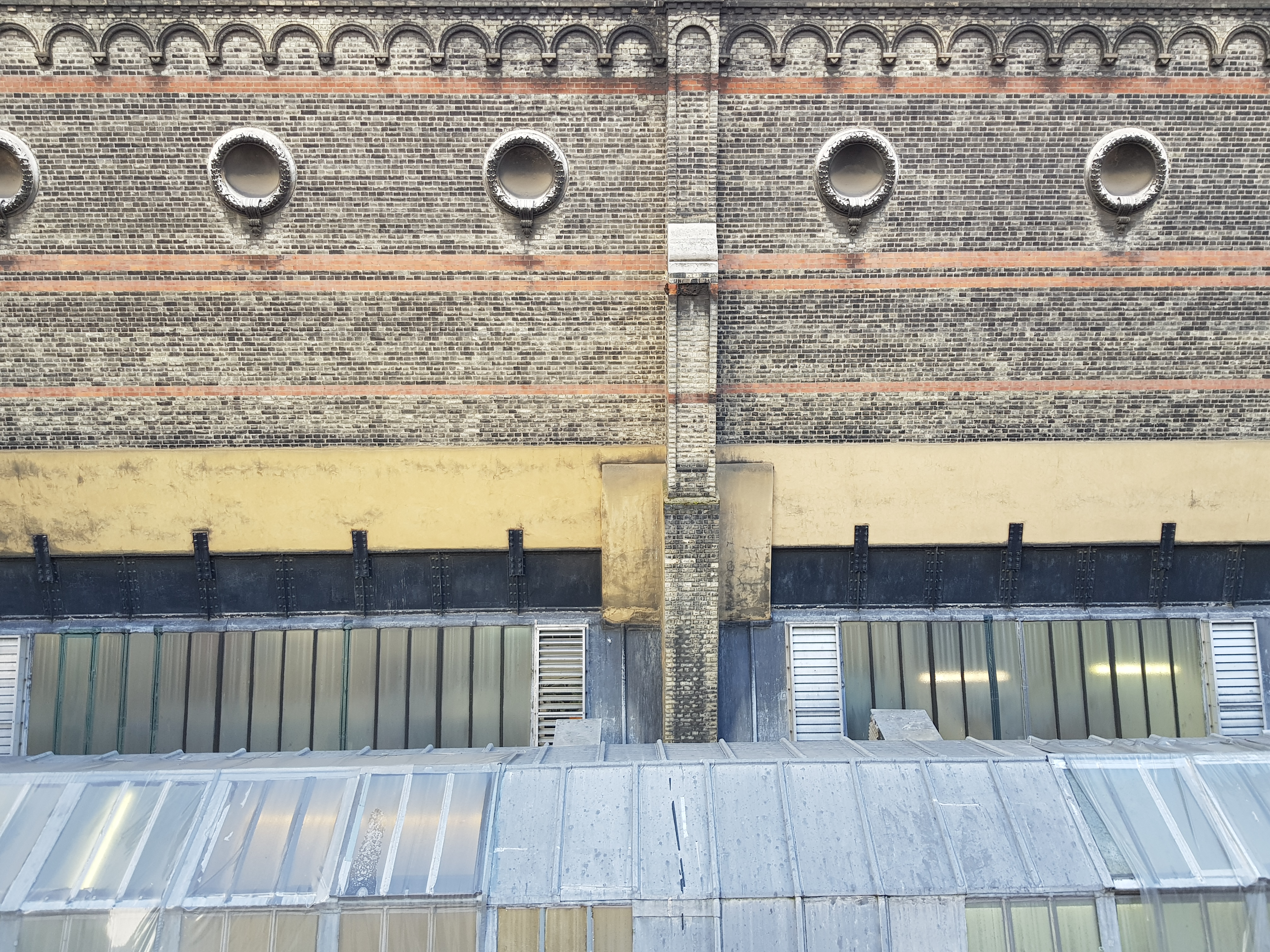
I walked round Burlington Gardens again this morning, admiring the cool monumentality of the connecting bridge, the views across the back yard and, best of all, the Gabrielle Jungels-Winkler Galleries where the scaffolding has now been cleared, revealing the ironwork of the vaulted roof:-
Mayfair Awards
We had the presentation of the Mayfair Awards tonight in the John Madejski Fine Rooms. It made me realise how much of Mayfair I don’t know. There I am perambulating the back streets, but even so I don’t know where Hedonism Wine is which won the award for best window display (by the way, I don’t think I have ever said how much I admire the new shop at Berry Bros. & Rudd which was shortlisted as the best new shop in spite of having been founded in 1698). The one which was awarded purely by popular vote was our Local Hero, The Rev. Lucy Winkett, who ought to be a bishop by now.
Newfoundland
The book about Romilly’s jewellery which she has been working on with Verdi Yahooda as photographer and Dan Edwards and Nicola Barnacle as designers and typographers has appeared in preparation for its launch on Thursday. It’s quite an amazing piece of book production, every aspect of it the subject of fastidious, if not fanatical dedication, in planning for the last three years.
The book consists of two separate series of photographs by Verdi Yahooda: the first is of metal detecting finds, photographed on the worn floor boards of our house; the second of pieces of Romilly’s jewellery which have been made out of the finds. In between is an essay by Bryan Appleyard, designed by Nicola in Garamond.
The quality of reproduction on two different types of paper, one uncoated, the other spot glazed, is astonishing, done by ArtQuarters Press, specialist printers in Hainault. Then, the binding was designed by Charles Gledhill, made out of melinex sandwiched between sheets of Japanese paper, so that it looks like vellum, hand bound and stitched by Book Works.
Romilly is, for obvious reasons, keen to recoup some of the considerable investment which has gone into the production of the book. If any of my readers are interested, there are various ways of buying it, including a boxed subscriber’s edition, available on the website devoted to it (https://www.mileendpress.com/purchase). It would make a nicely esoteric Christmas present.
The London Chest Hospital
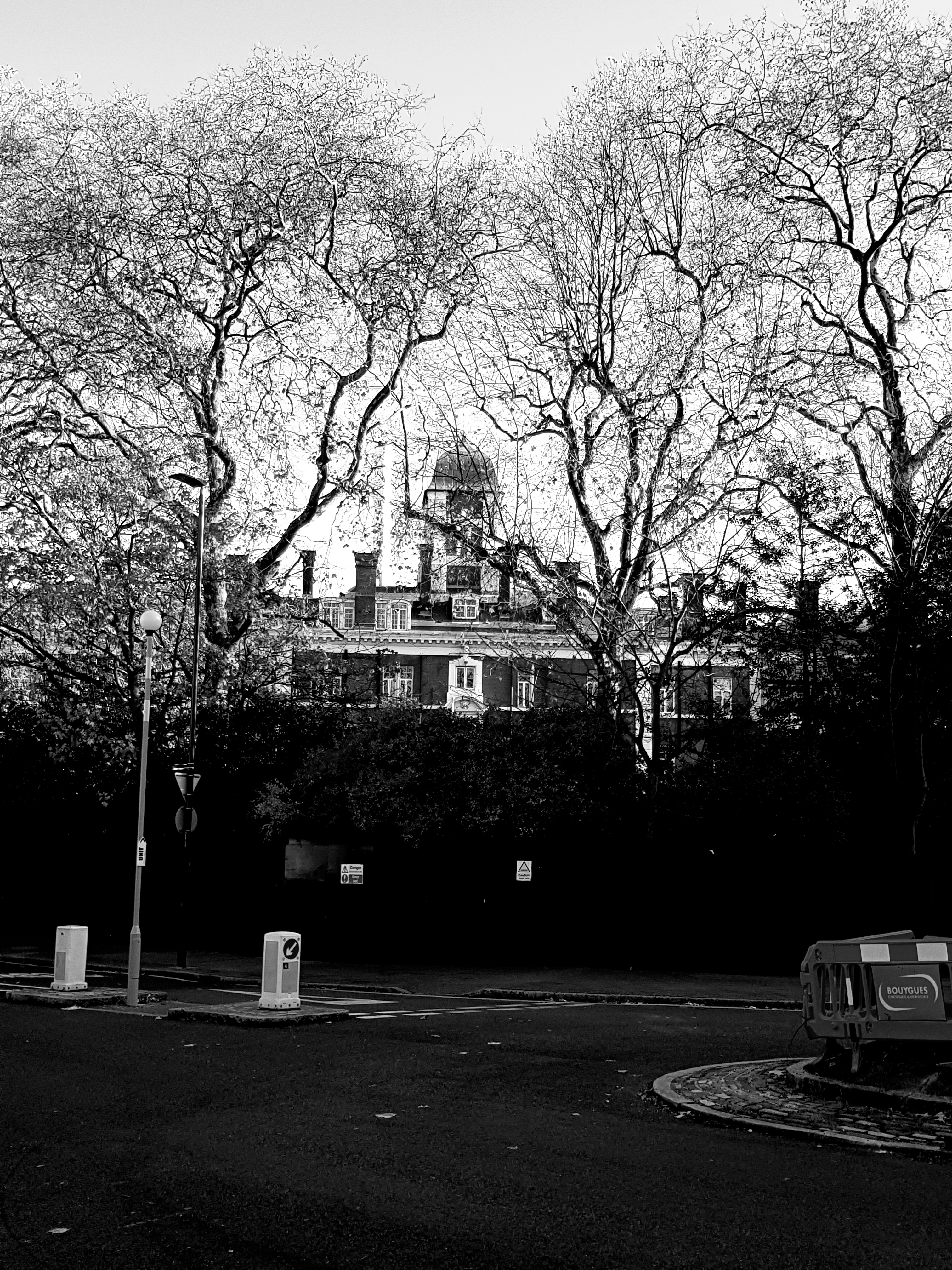
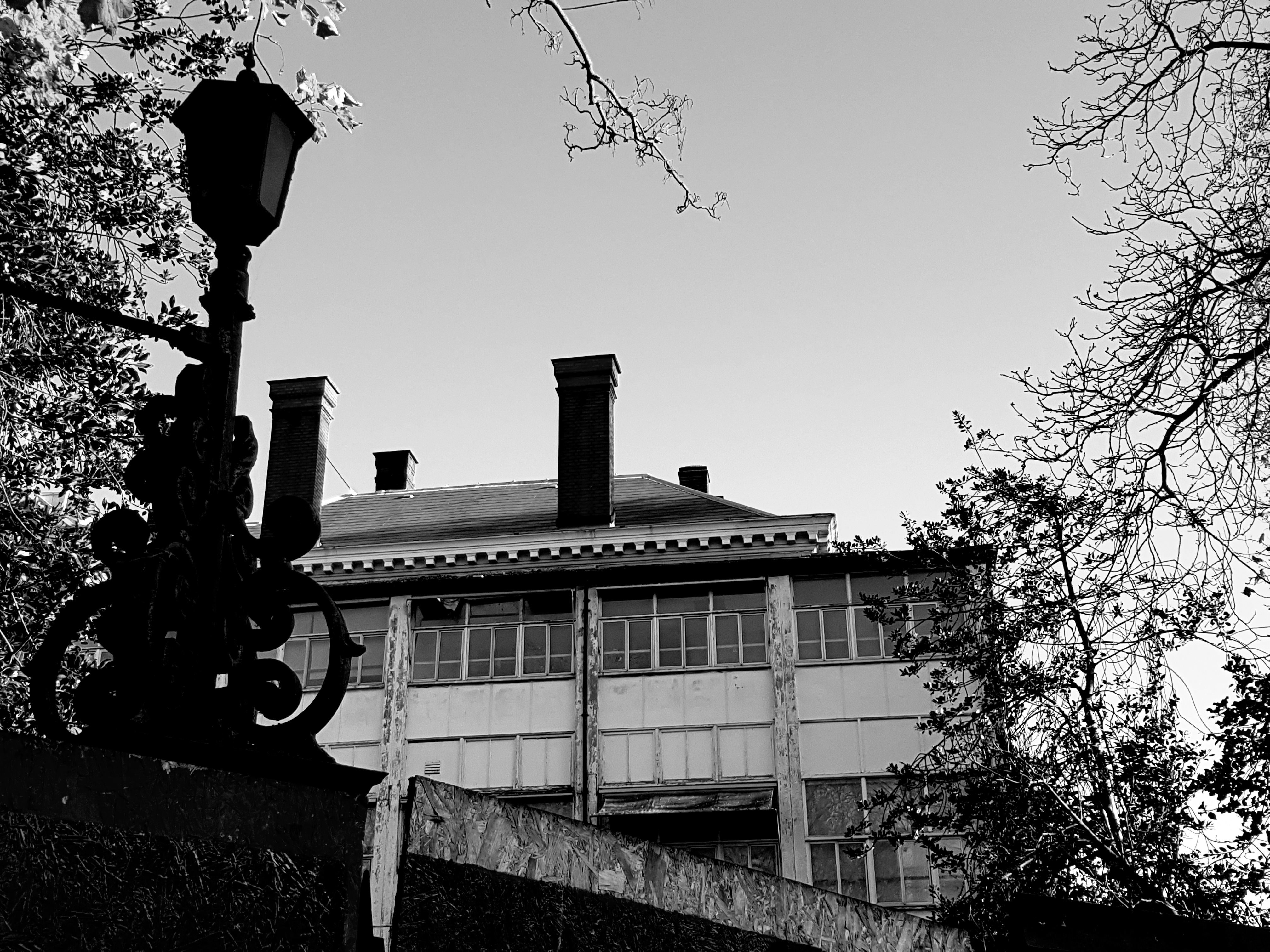
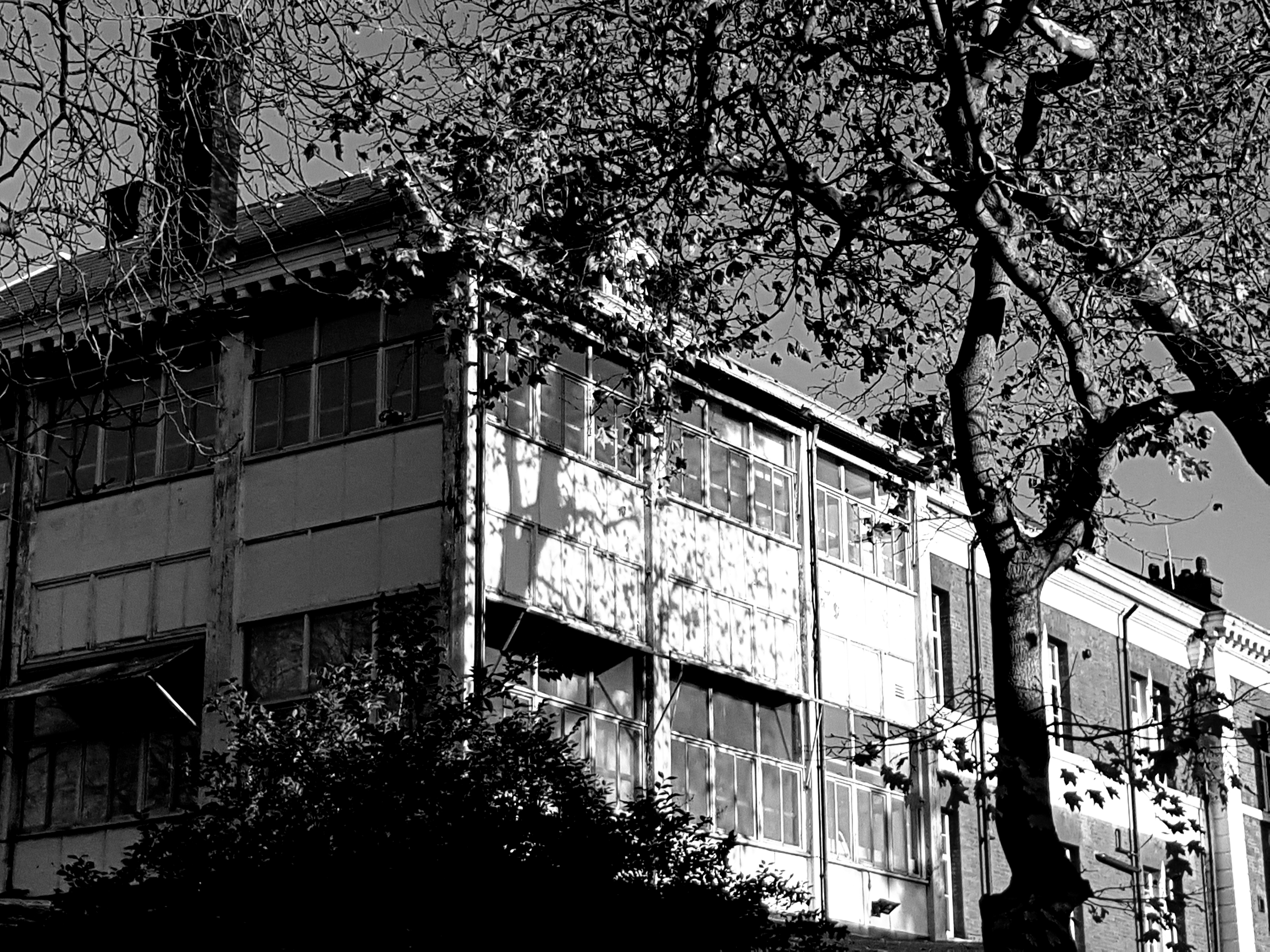
I hadn’t realised that the London Chest Hospital has closed and is now boarded up, pending the conversion of its site to luxury housing. Founded in March 1848 by a group, most of whom were Quakers, it first opened as a public dispensary in 6, Liverpool Street. The foundation stone for a new building in Bonner’s Fields was laid in 1851 by Prince Albert with profits from the Great Exhibition. The building was designed by Frederick Ordish as an early example of the Queen Anne Movement. It opened in 1855. The south wing was added in 1865 and balconies were added in 1900 so that people could lie in the open air for the treatment of TB:-
Cathie Pilkington RA
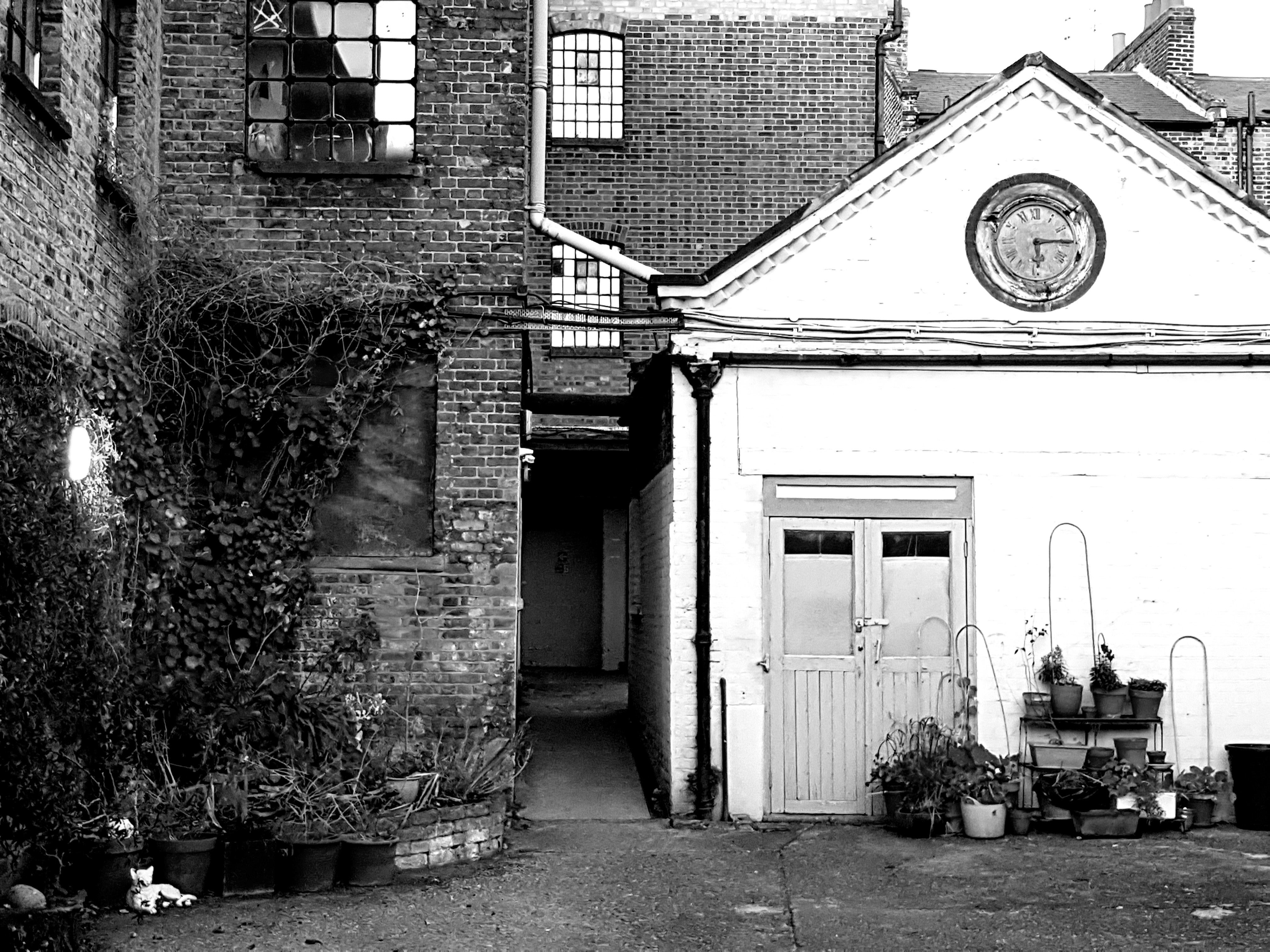
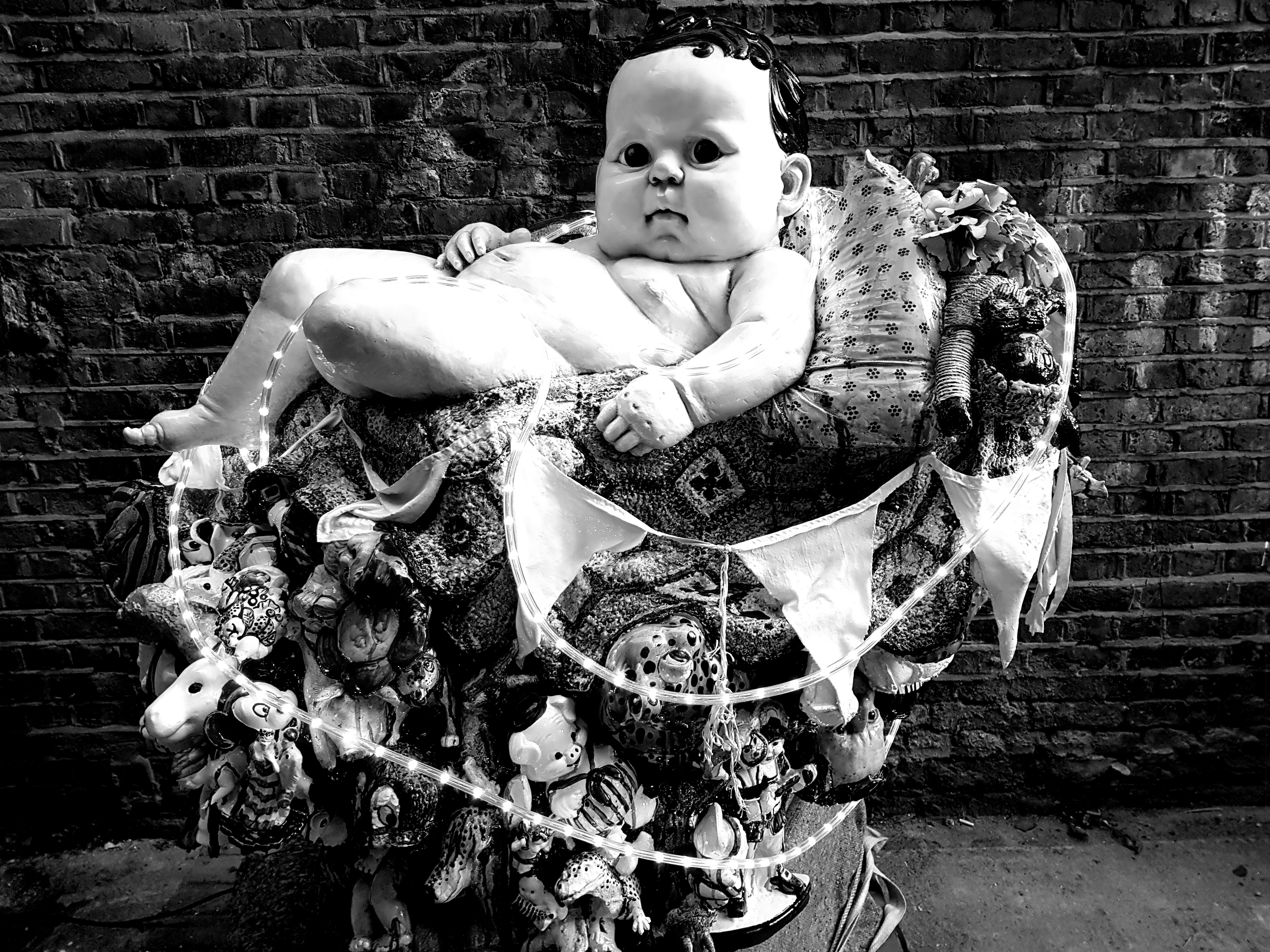
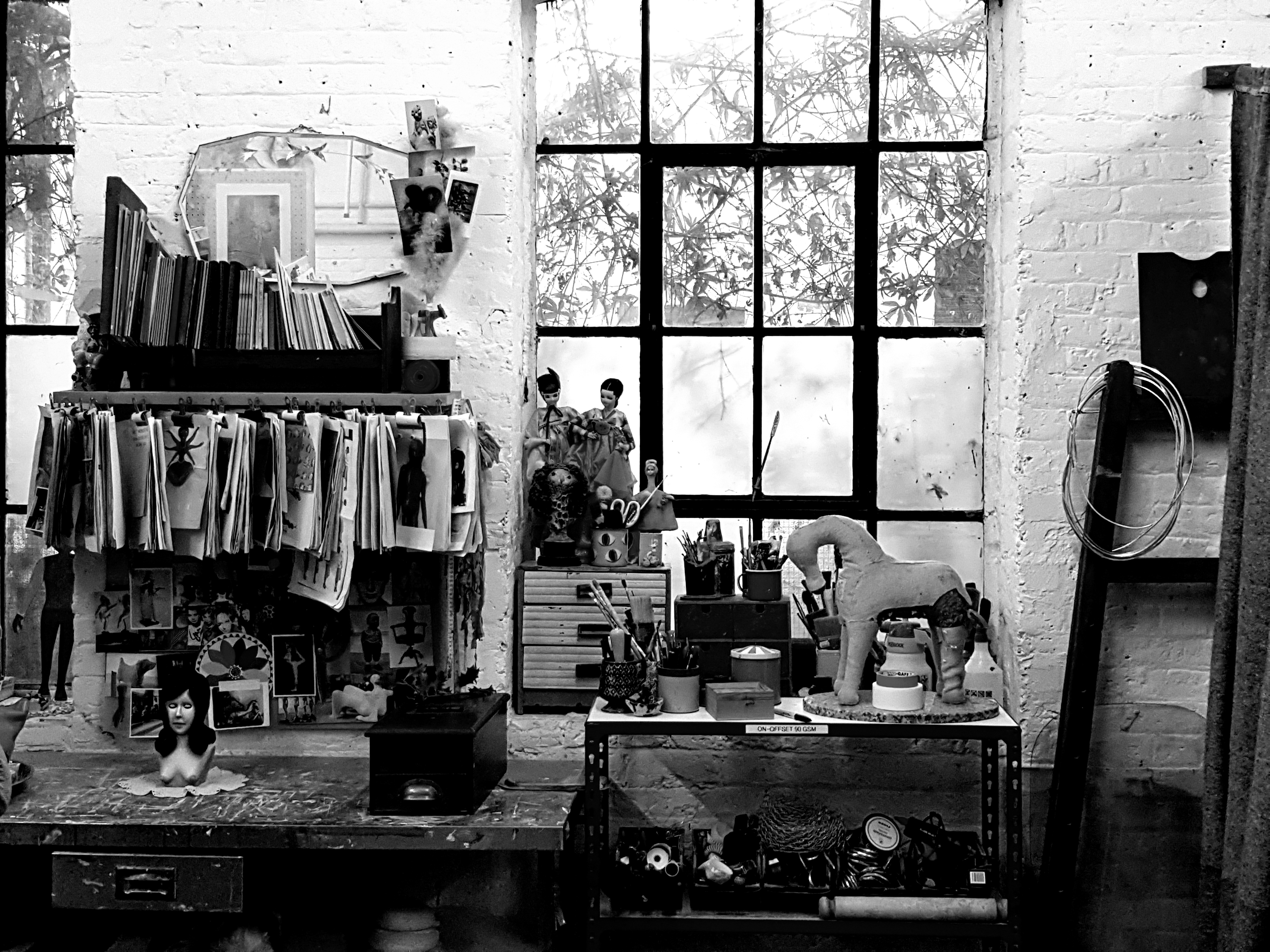
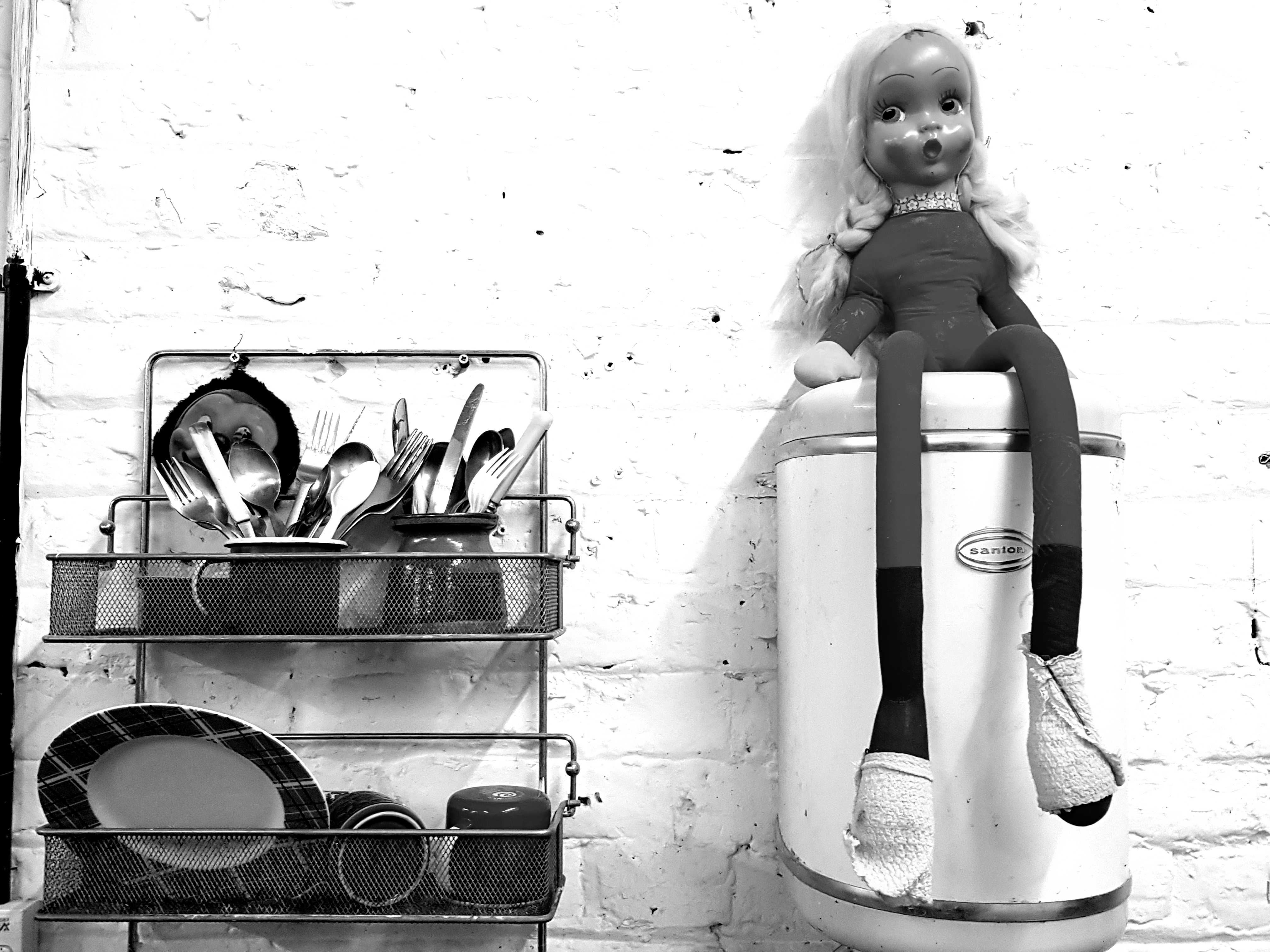
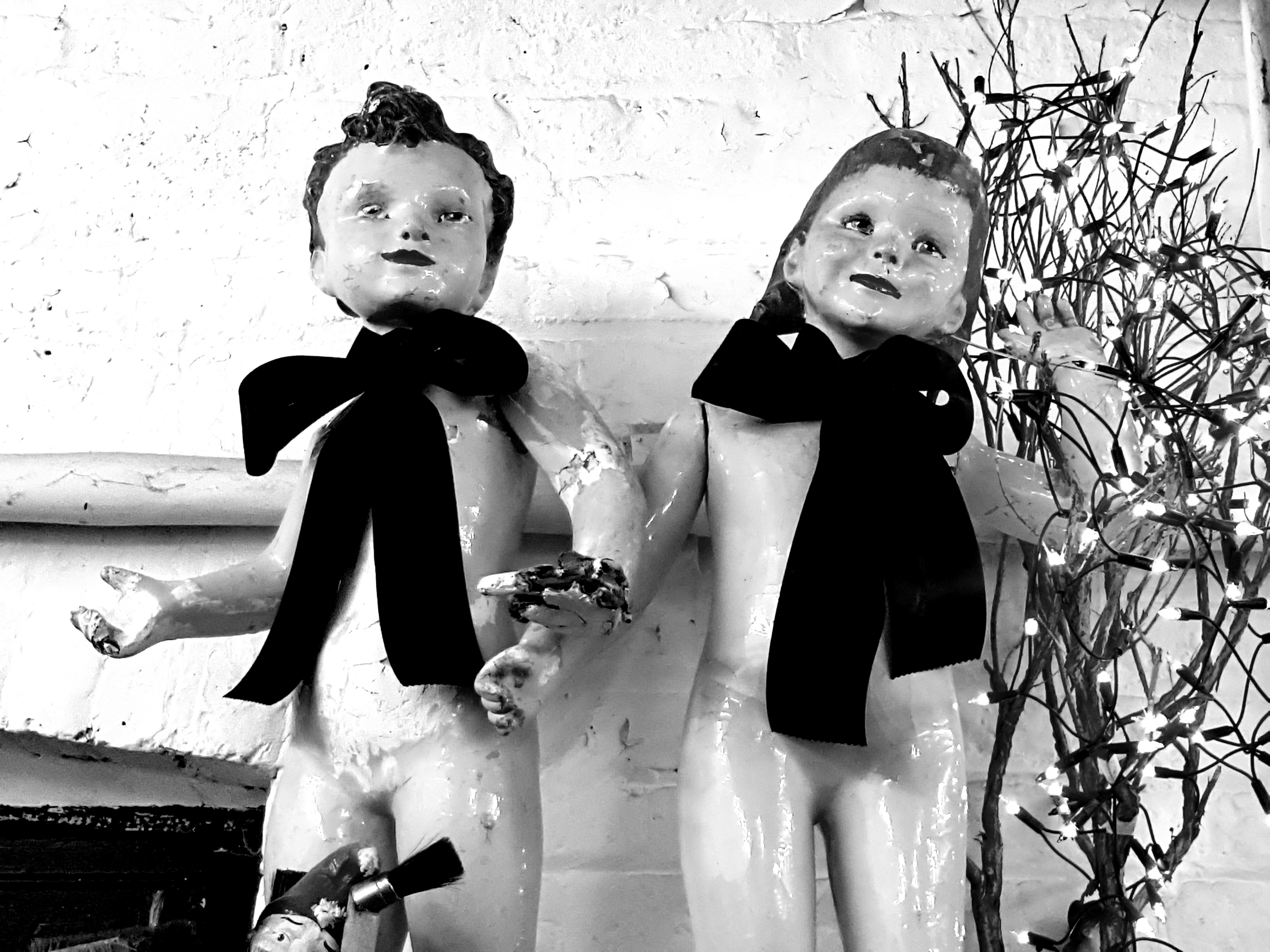
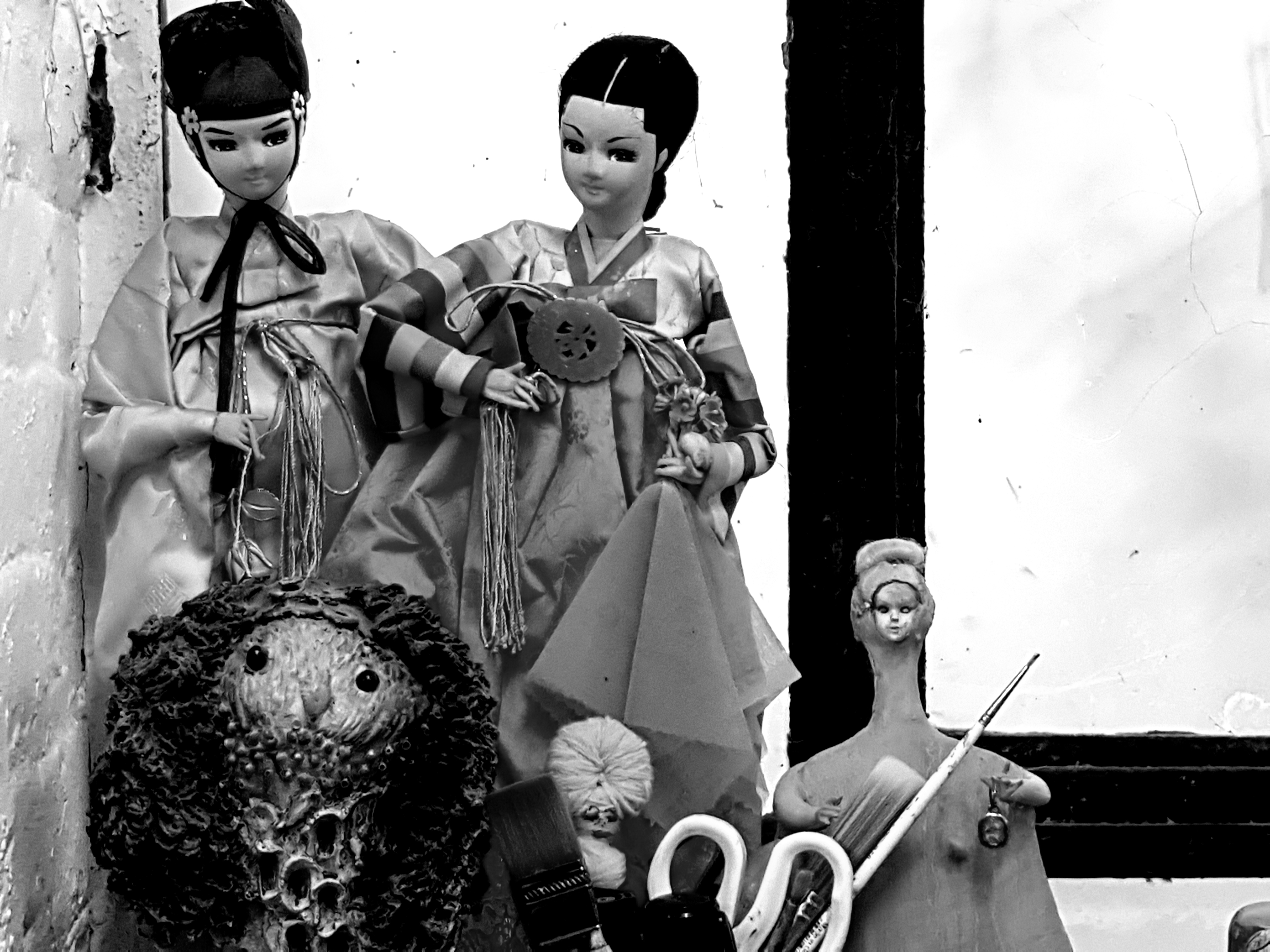
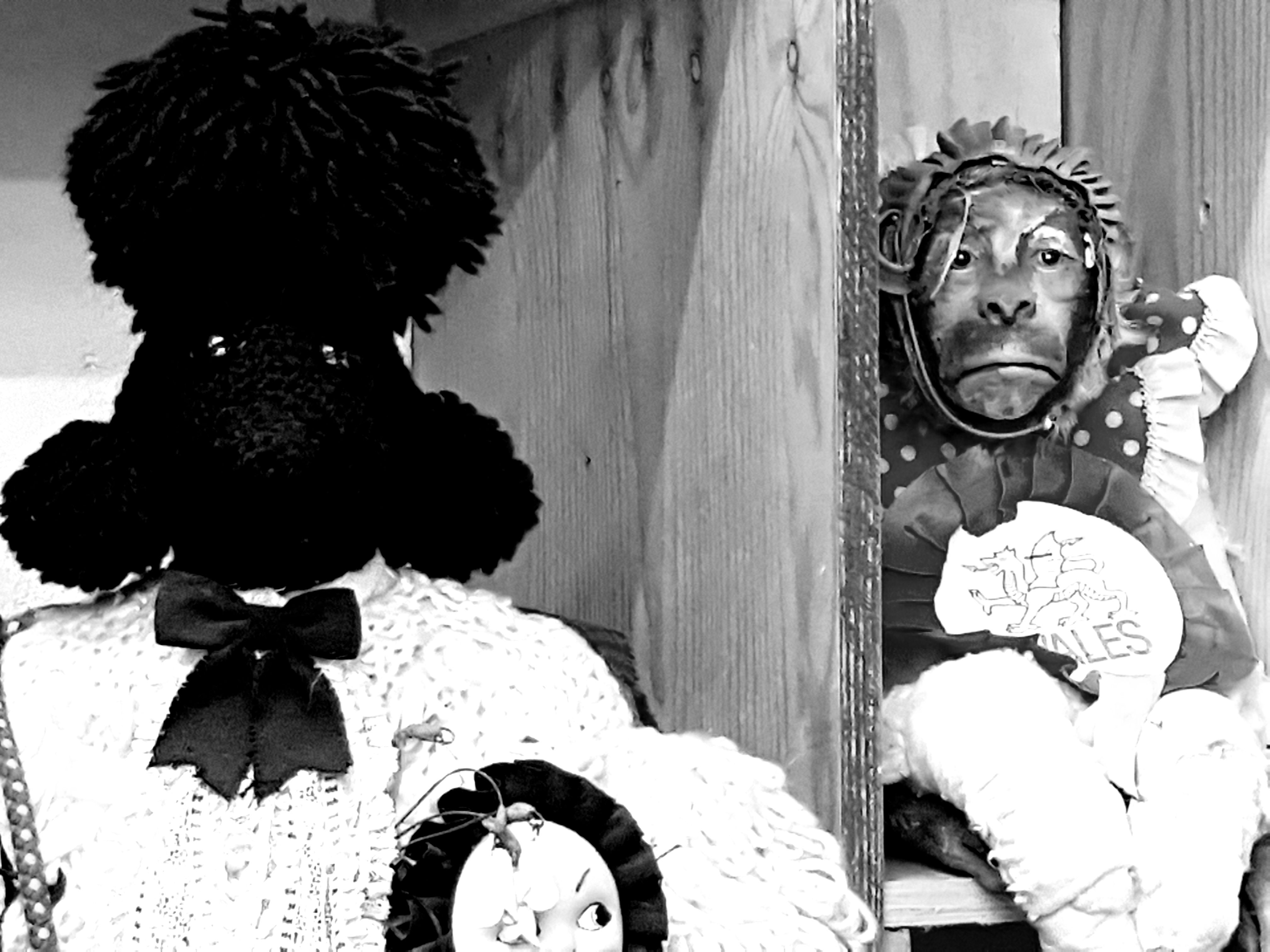
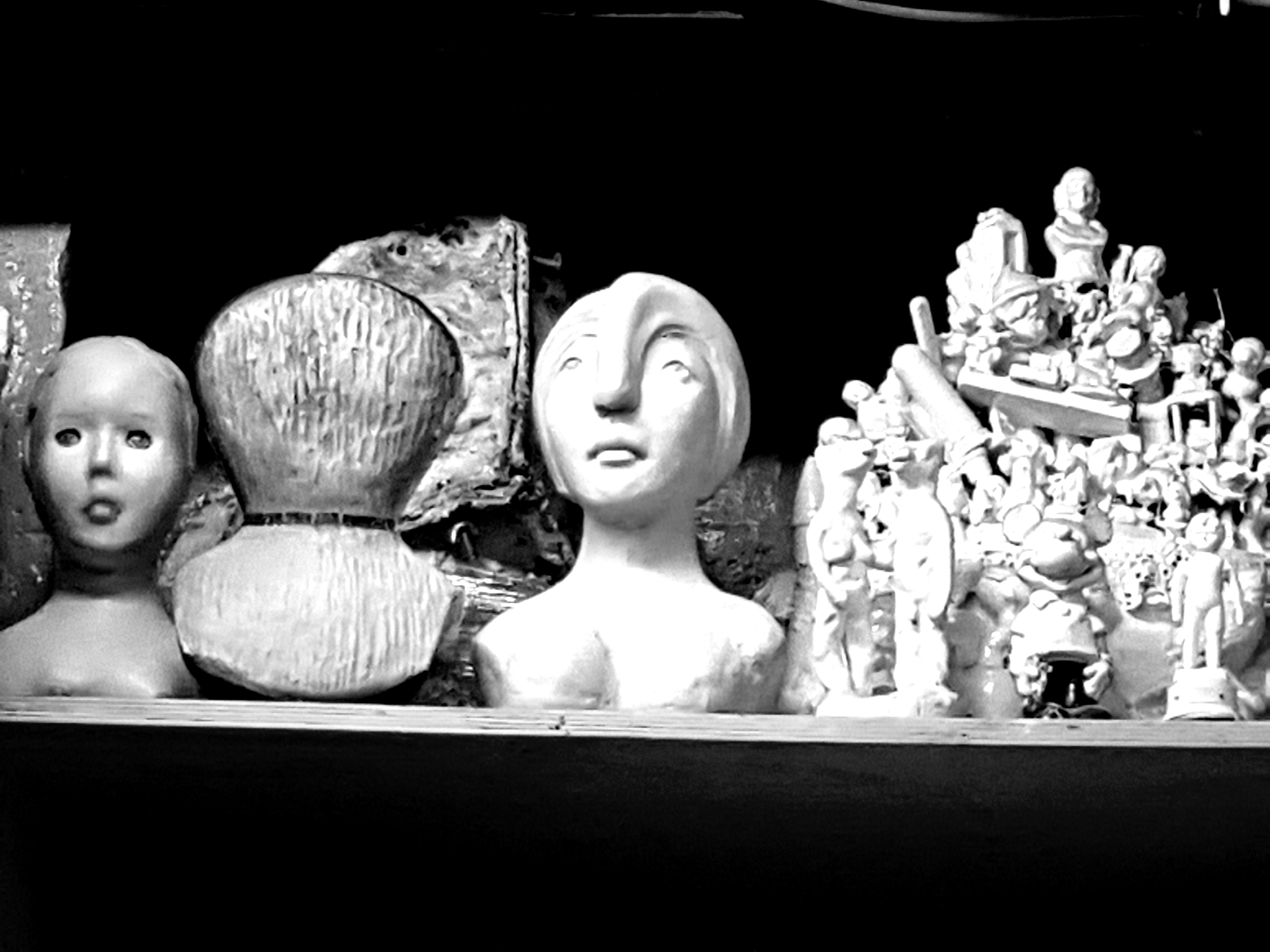
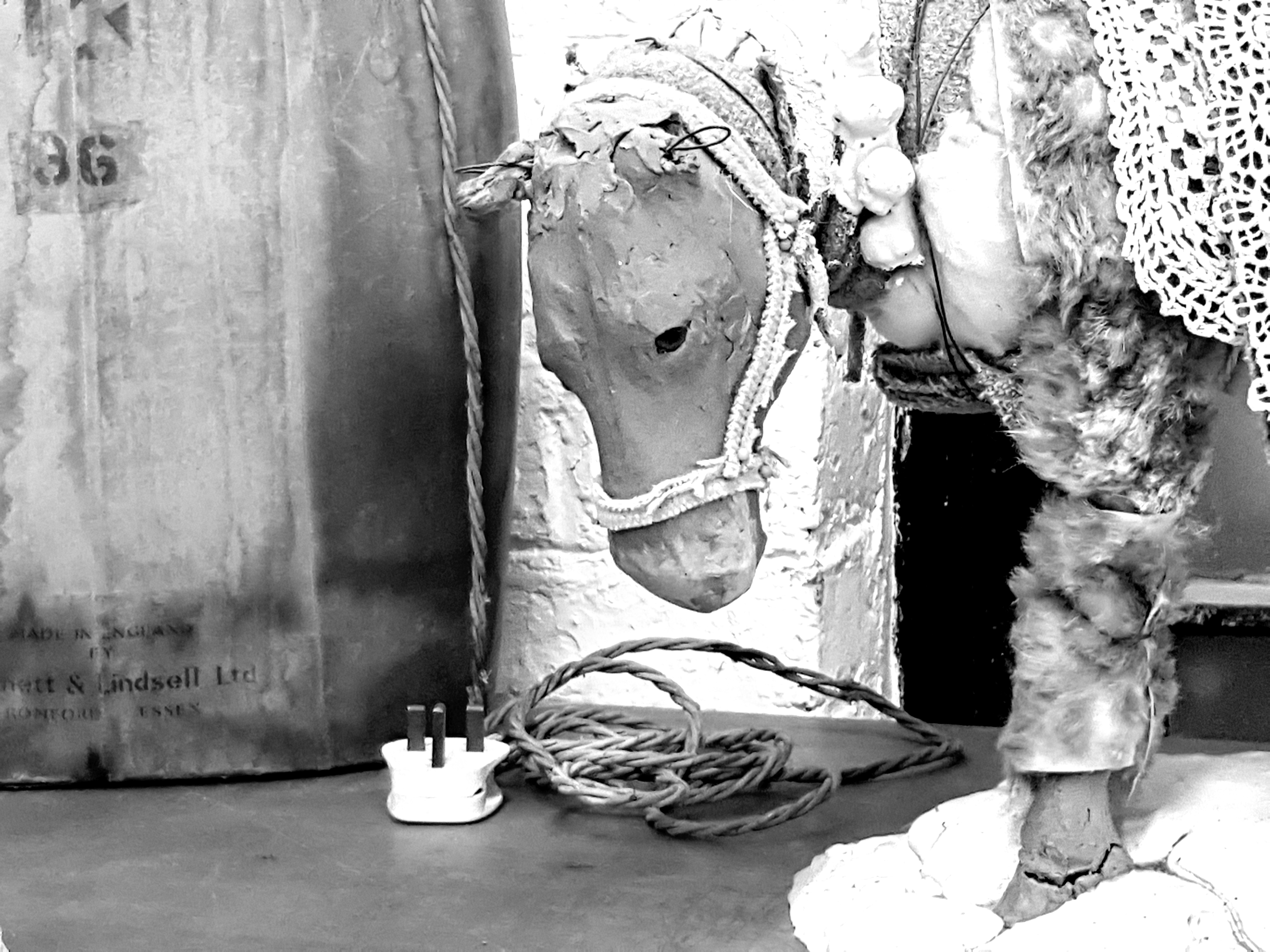
This afternoon, I went to Cathie Pilkington’s Christmas salon in her studio which is in an old brush factory owned by the Crown Estate and leased to ACME as artists’ studios since the mid-1970s, one of the early agents of regeneration, alongside the squats in Bishop’s Way. I have seen much of her recent work in her exhibitions, but liked the friendly disorder of her studio:-
The Cranbrook Estate
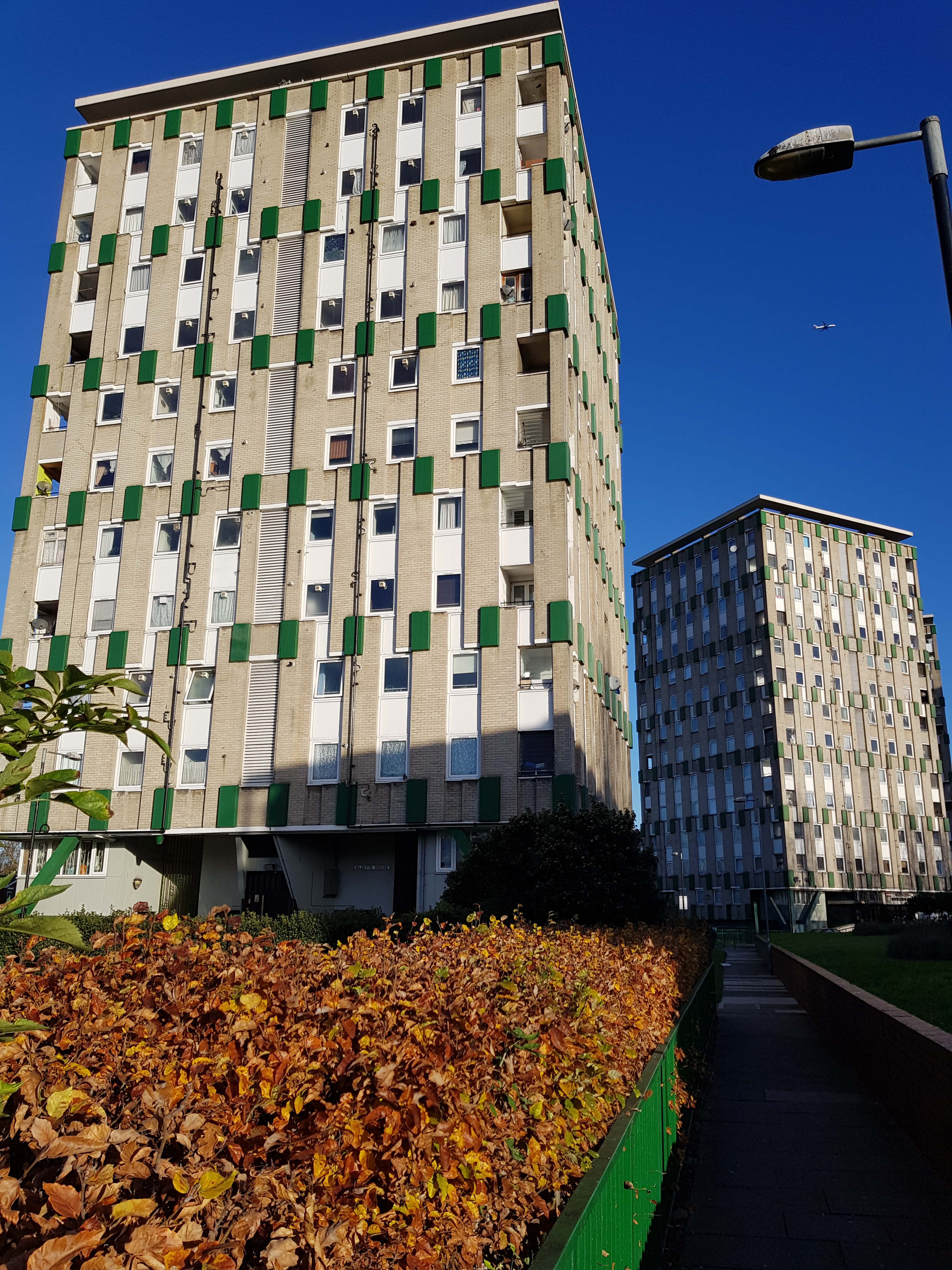
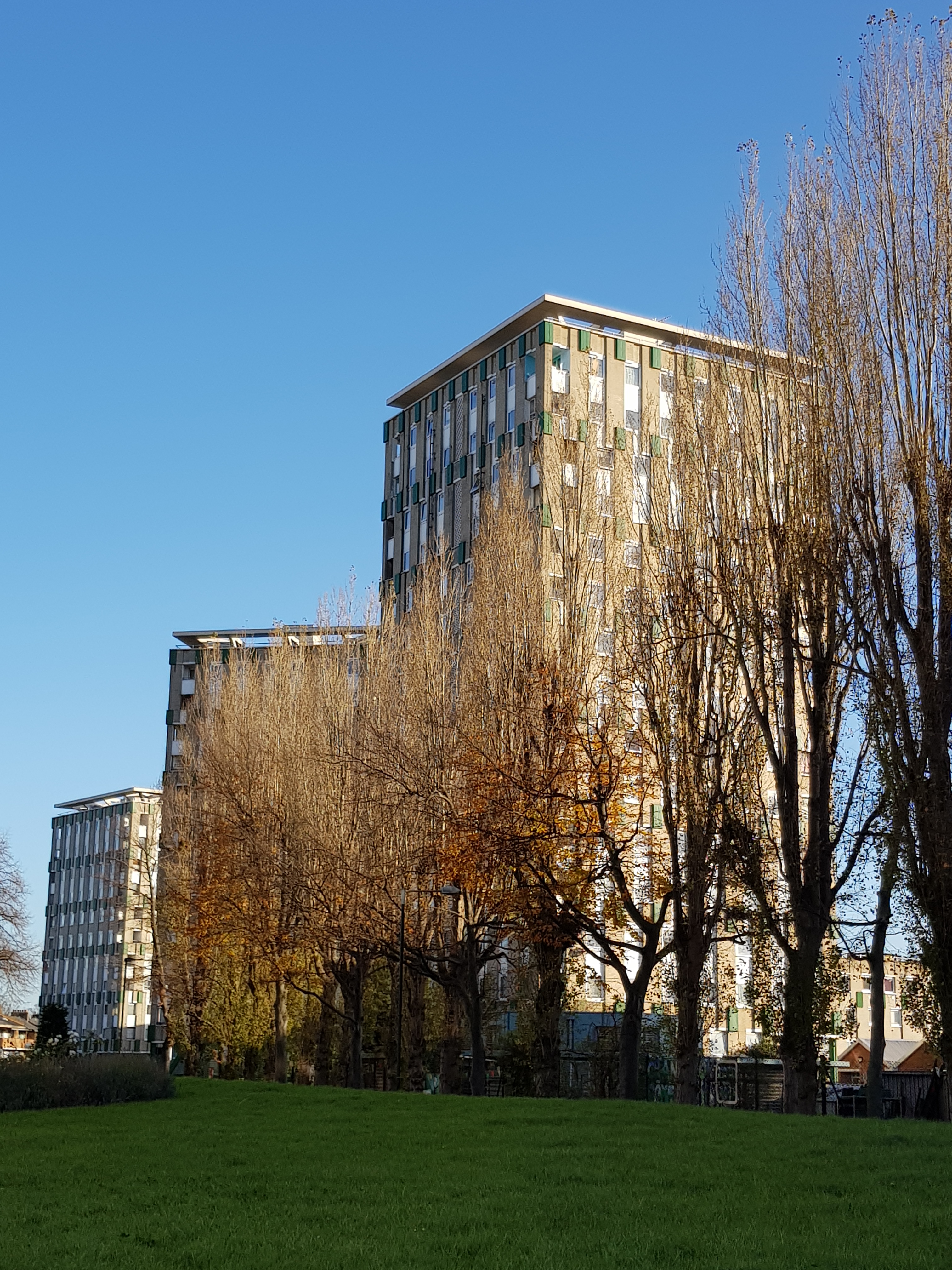
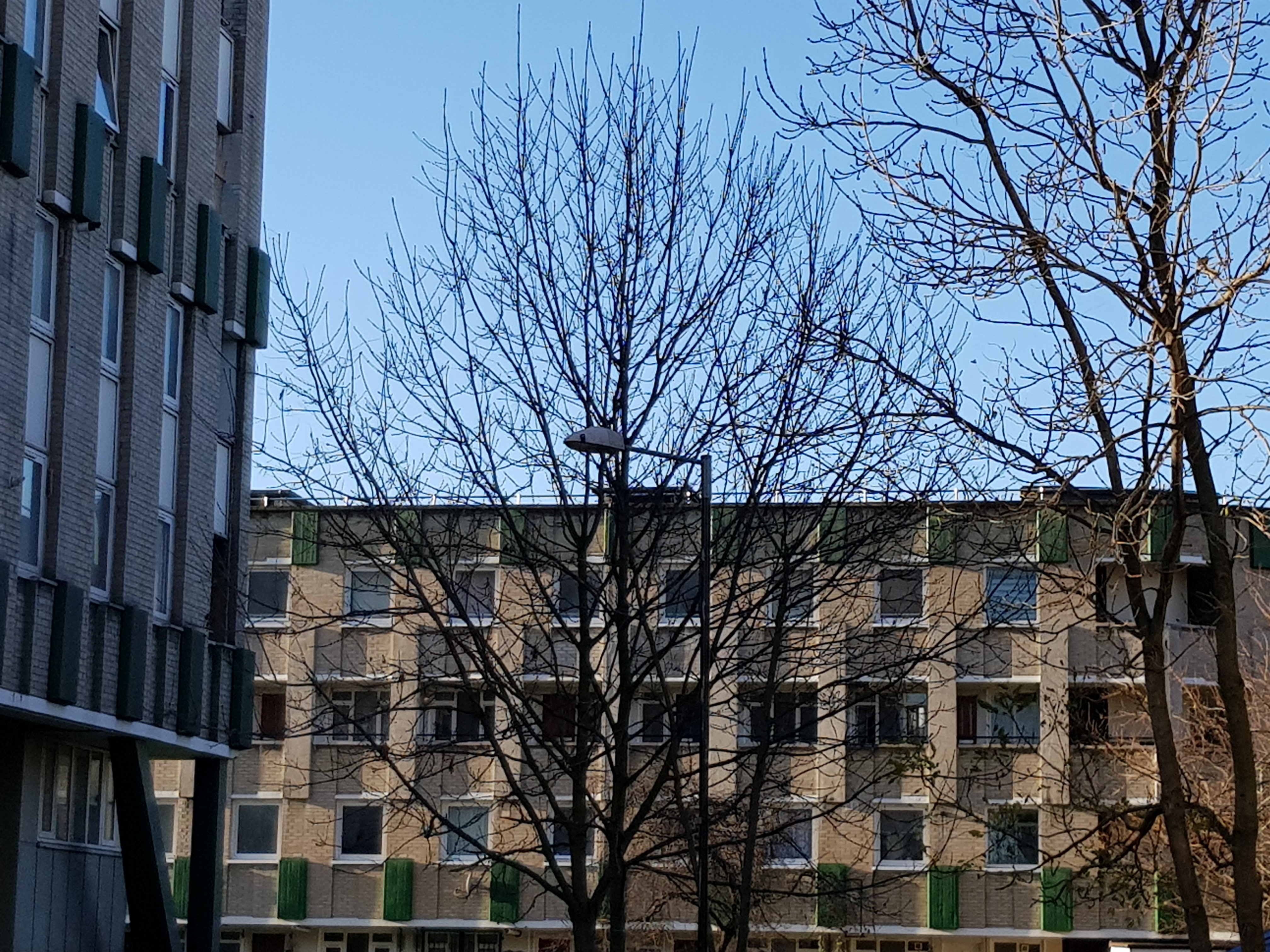
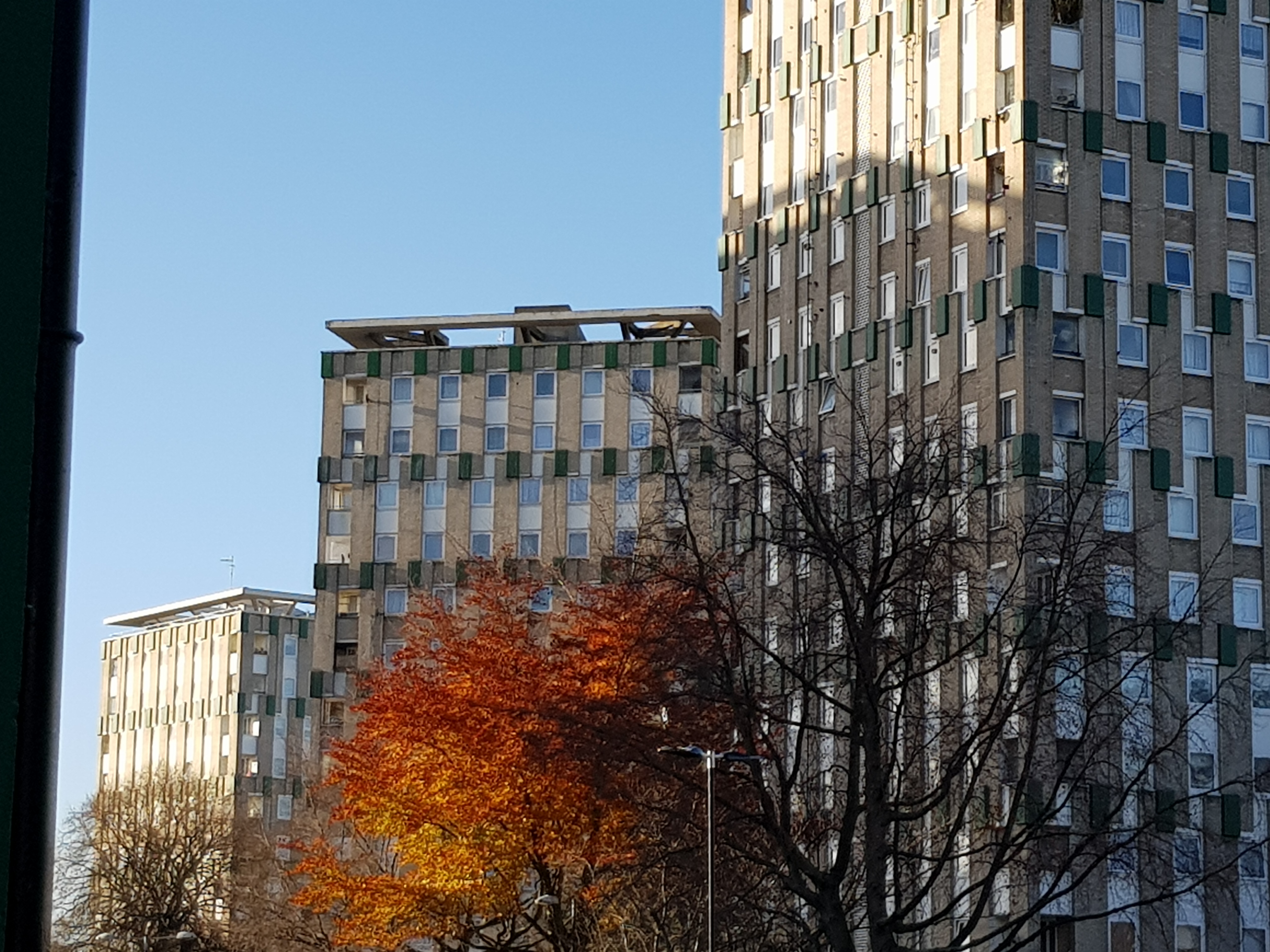
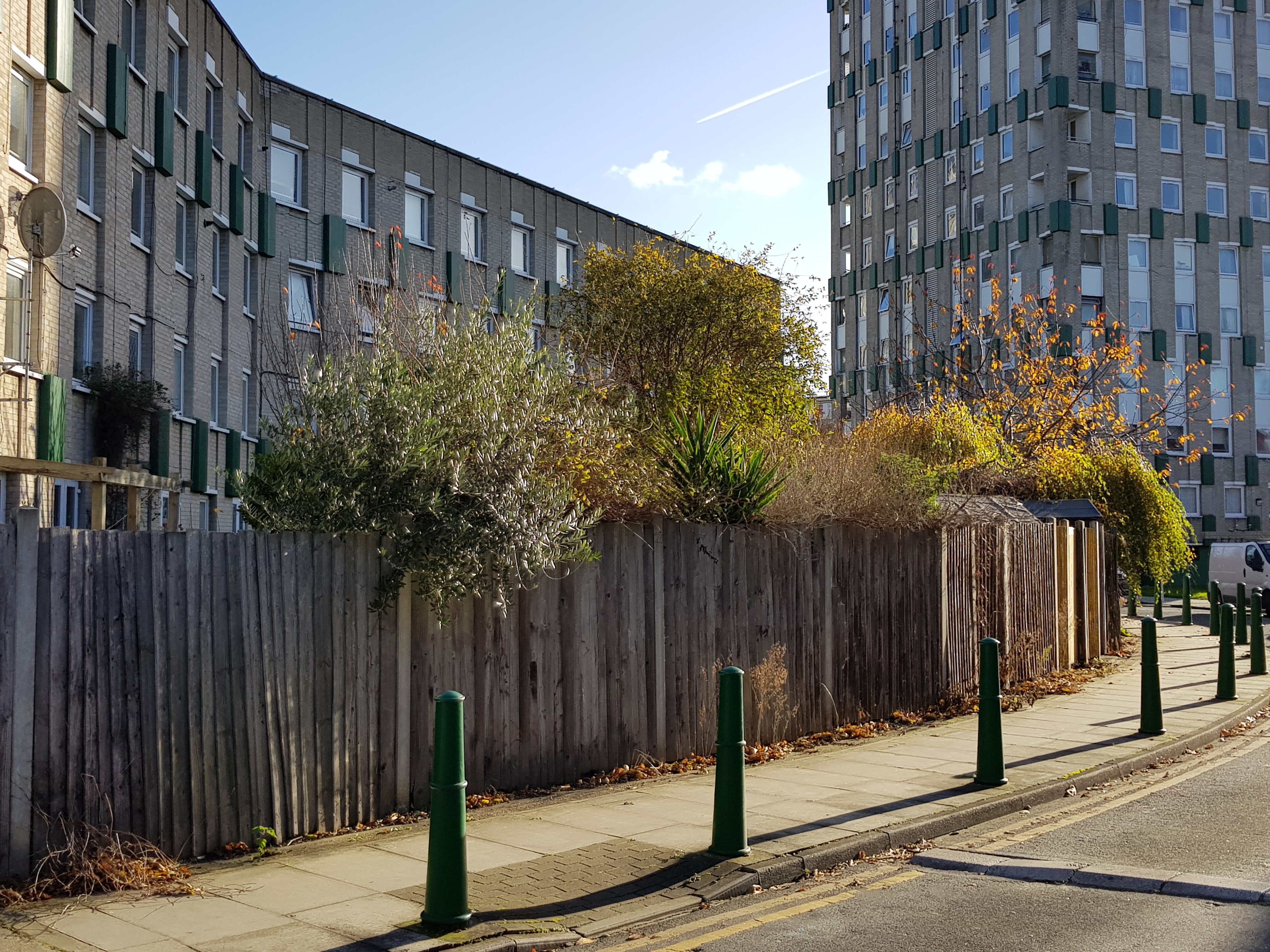
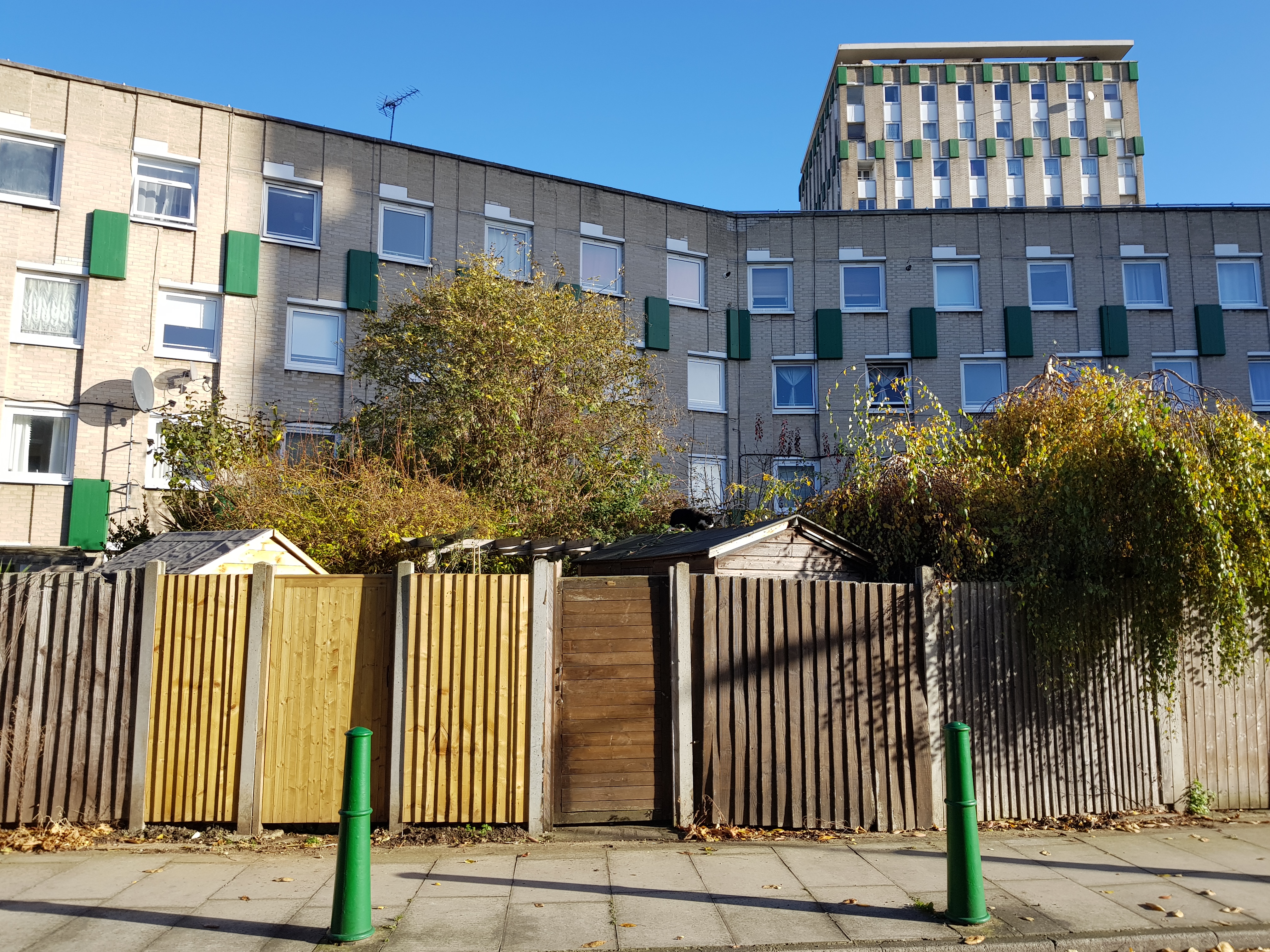
The Cranbrook Estate, which was designed by Francis Skinner, Douglas Bailey and their mentor, Berthold Lubetkin, was looking very fine this morning, part of the postwar slum clearance which Nairn so deplored in Bethnal Green, involving the loss of a big area of workshops and terraced houses:-


You must be logged in to post a comment.