
Category Archives: Uncategorized
Anselm Kiefer
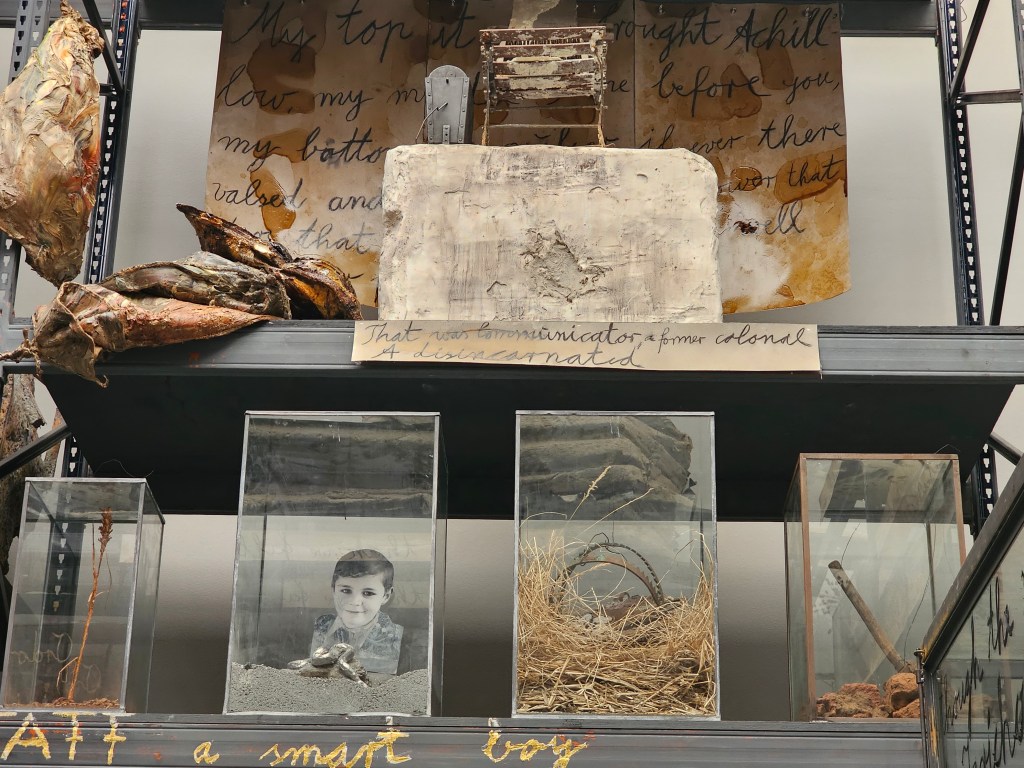
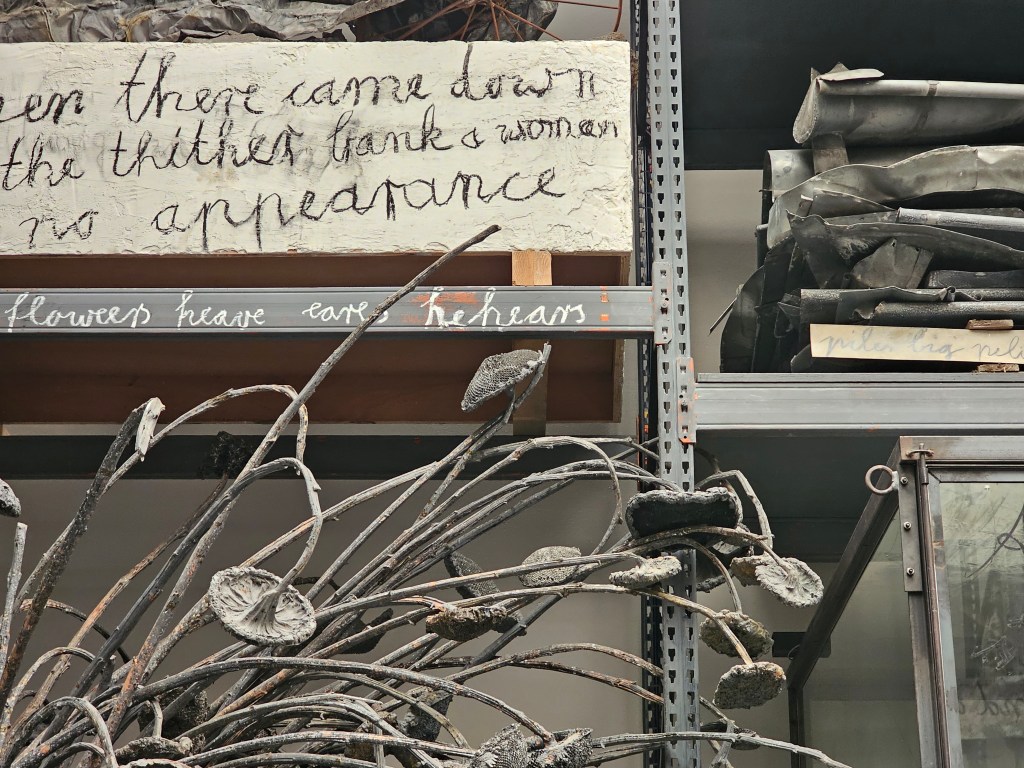
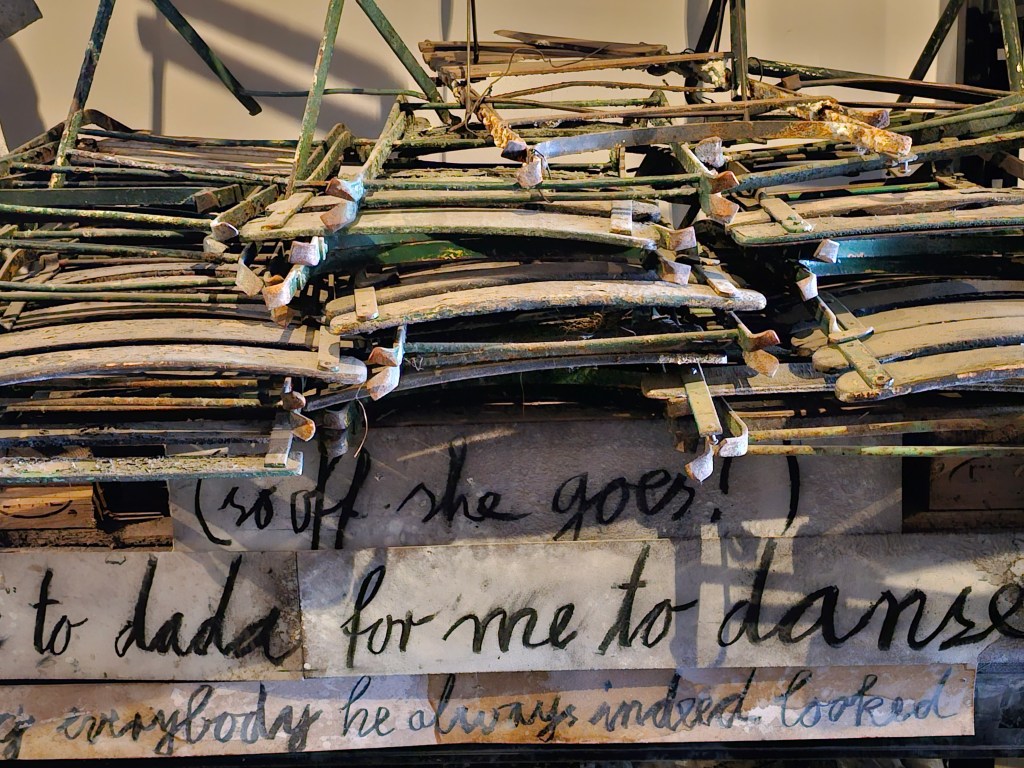
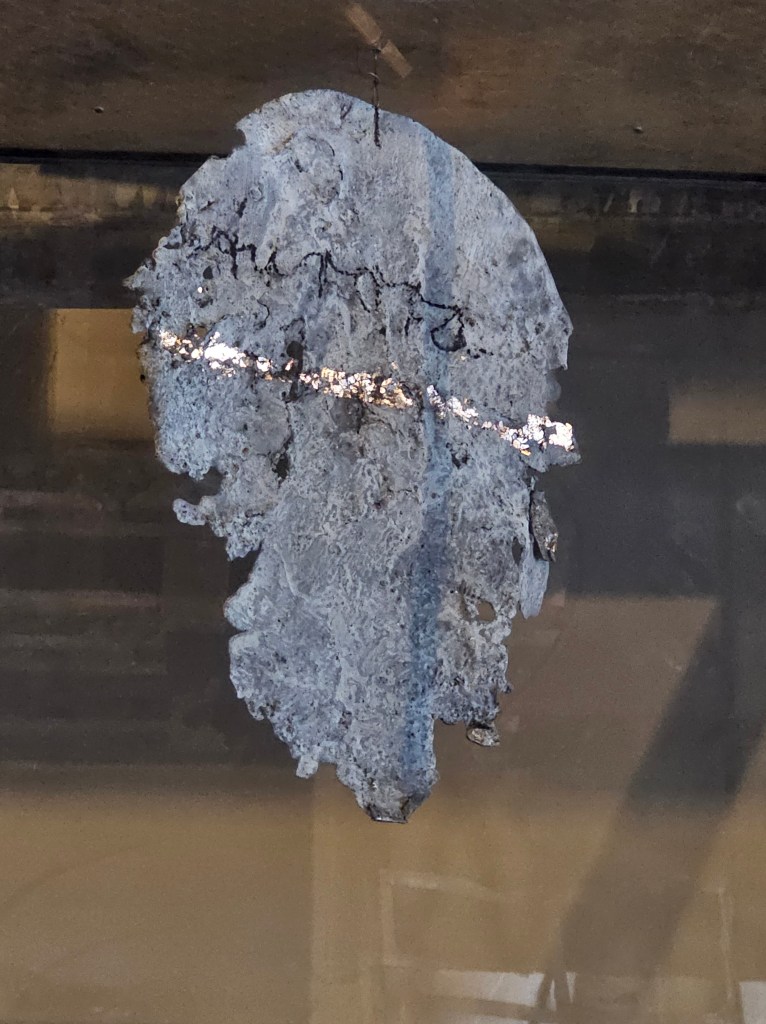
I strongly recommend Anselm Kiefer’s Finnegans Wake exhibition at White Cube in Bermondsey: so dense, so intense, using the different spaces inventively, hard to imagine how it was installed:-
Farnham, Surrey
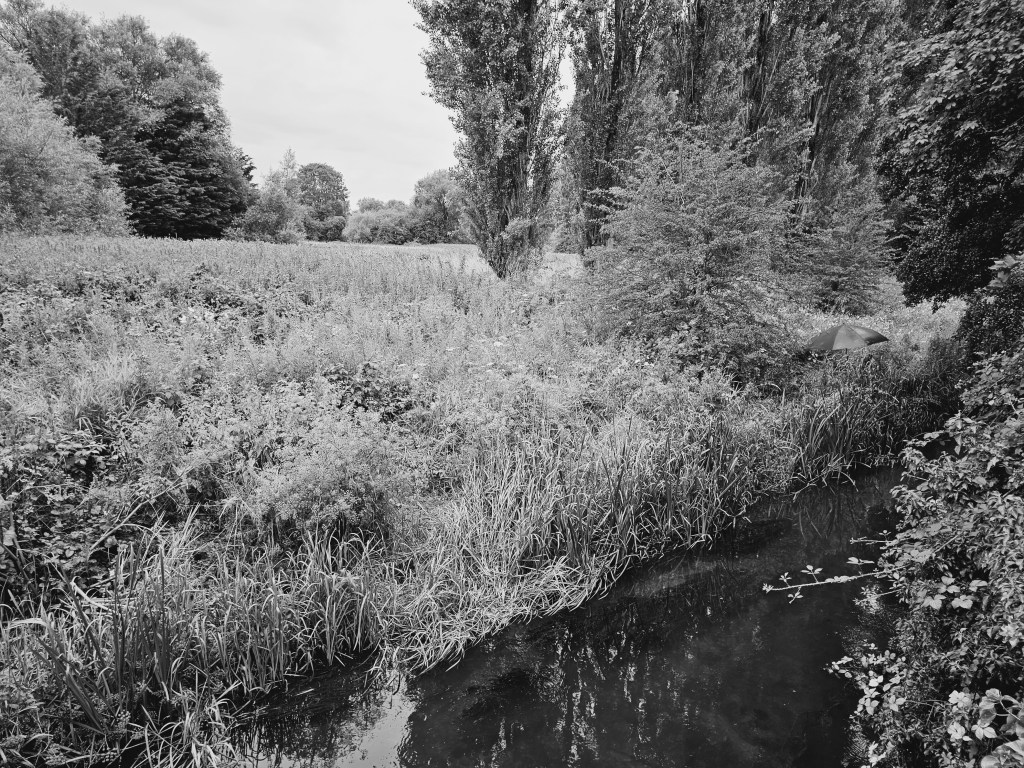
I spent a sadly damp half day at Farnham, Surrey visiting 1, Middle Avenue, an admirable new build house, using elements of an arts-and-craft vernacular, but in a modern way, which has been long listed for the Stirling Prize and, if the prize has an interest in private housing, should be on the short list as well.
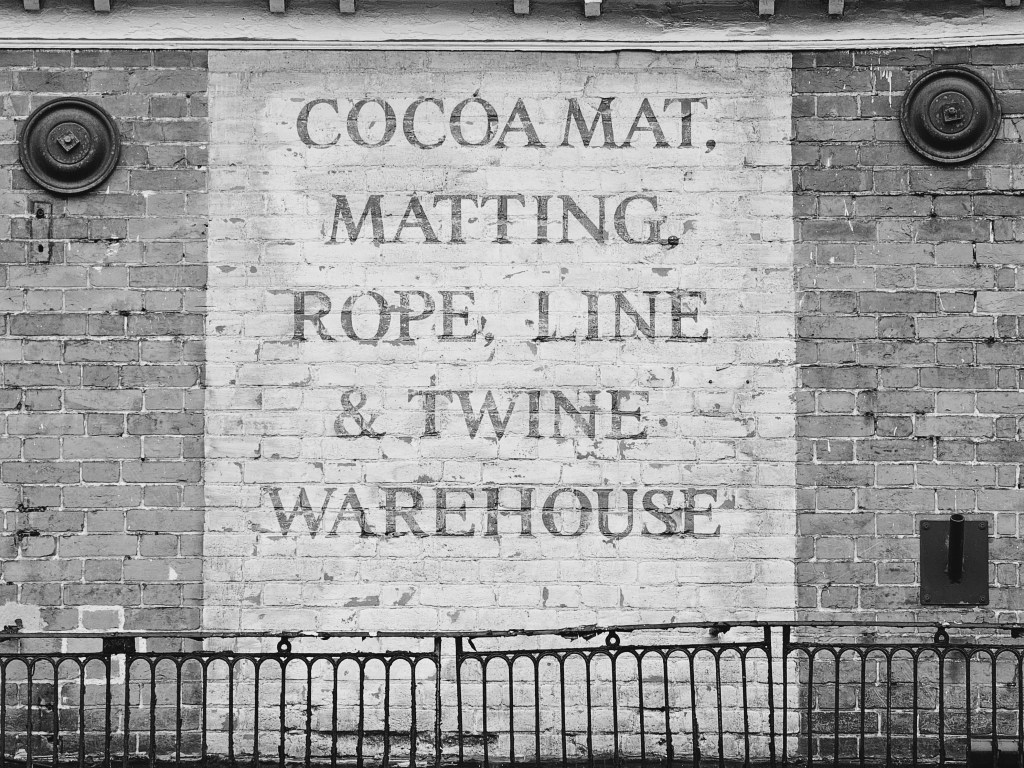
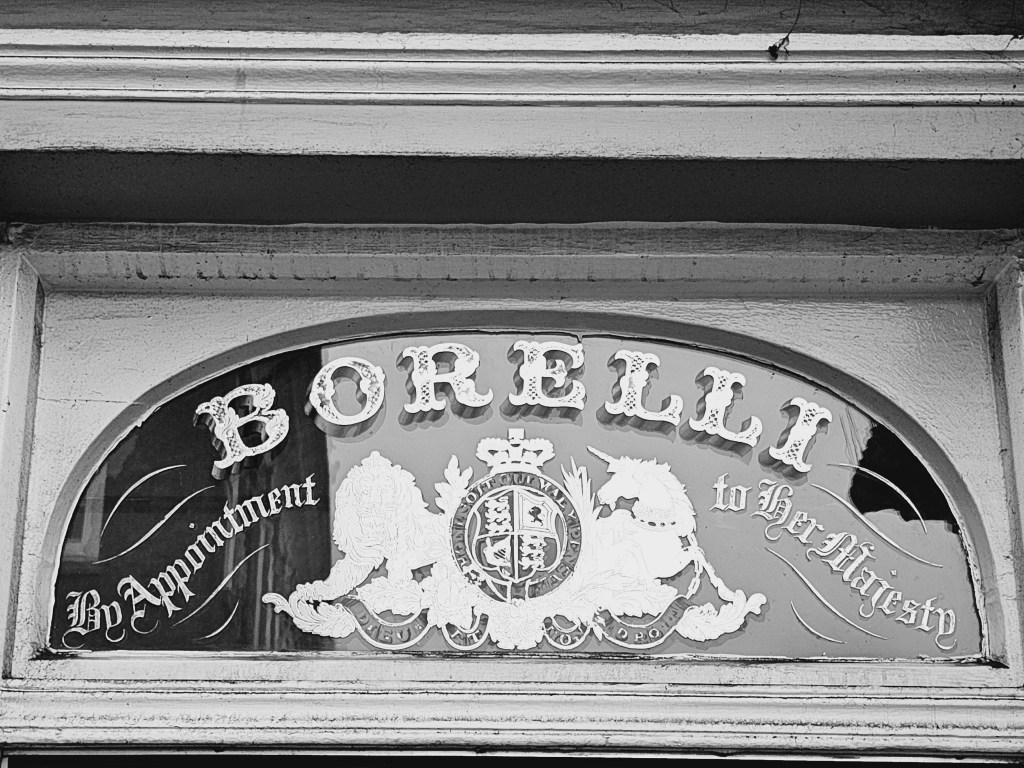
I then wandered round the town, or what’s left of it, in the drizzle. They have kept the fine Georgian streetscapes, but everything else seemed to be a sea of motorcars, including all parked in the historic Castle Street – a pity for a town which is described as architecturally exceptional and probably once was before being blighted by 4x4s:-
Morris 1300
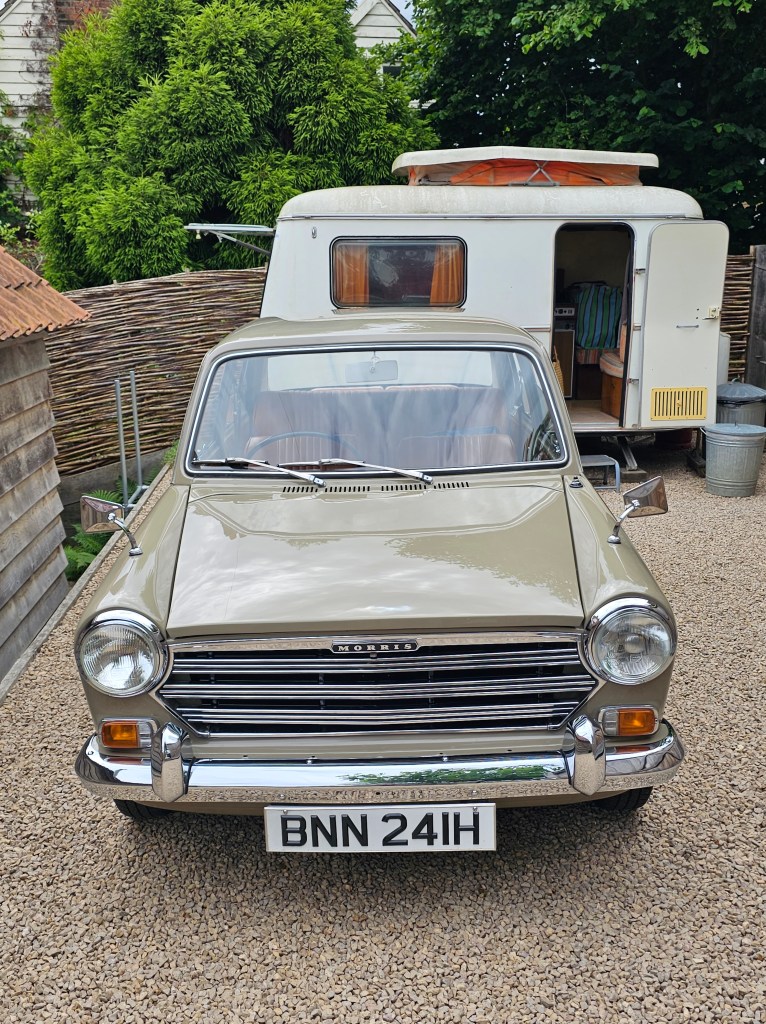
We had lunch in Loughton. In the front yard was what looked like a brand new Morris 1300. I found it much more deeply nostalgic than the average vintage car, maybe because my mother had a Morris 1100, I think grey rather than biscuit, parked outside at home. It looked so small, although I was assured it’s not, like a model car:-
Architecture Today Awards
I haven’t previously registered the Architecture Today awards, probably because instead of celebrating novelty, they focus on use and how buildings have weathered the test of time: so, less heroic and less obviously noticeable than the buildings which win the Stirling Prize. Some are recent eg Wright and Wright’s work for St. John’s College, Oxford, solid and serious in a context where longevity is essential. Penoyre & Prasad’s Rushton Street Surgery is shown in a photograph taken by Sunand Prasad, where the building is less visible than the way it has been absorbed into its surroundings. Several are renovation projects eg the Barbican. It makes one think about the nature of quality in architecture with a focus on architectural sensitivity, not novelty: a good shift in direction.
https://architecturetoday.co.uk/finalists-unveiled-for-architecture-today-awards-2023/
Michael Kaufmann
Am sad to read of the death of Michael Kaufmann, who was Keeper of Prints and Drawings at the V&A when I arrived in 1982: an unfailingly helpful, genial and occasionally sardonic figure who I associate more with the Warburg where he had been a student in the 1950s when it was still in South Kensington than with the Courtauld where he moved as its Director in 1985.
He was presumably a student of Hugo Buchtal and worked in the Warburg’s Photographic Collection before moving to Manchester City Art Gallery as an Assistant Keeper in 1960. At the V&A, he was Assistant to the Director in the early 1960s – it must have been to Trenchard Cox, before John Pope-Hennessy took over. It was always said that Michael had been instrumental in establishing the V&A’s Education Department which is extremely likely as he had an active commitment to the educational aspects of the museum, which is no doubt partly why he moved in the 1980s to the Courtauld.
https://courtauld.ac.uk/news-blogs/2023/professor-michael-kaufmann-fba-1931-2023/
Arter
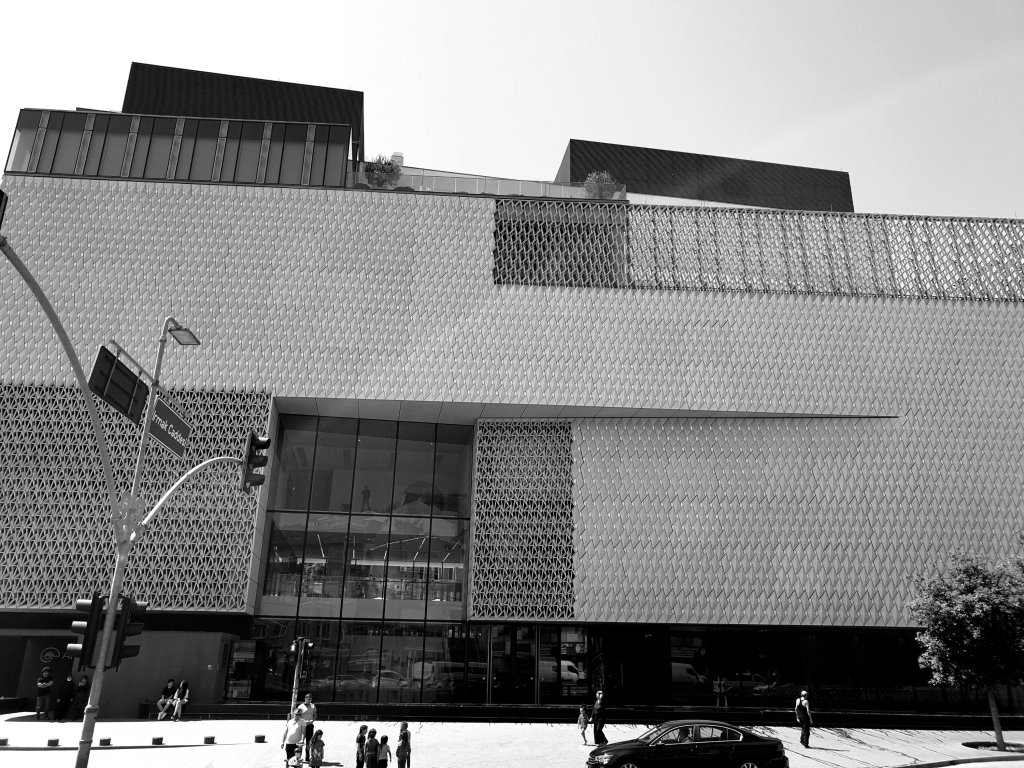
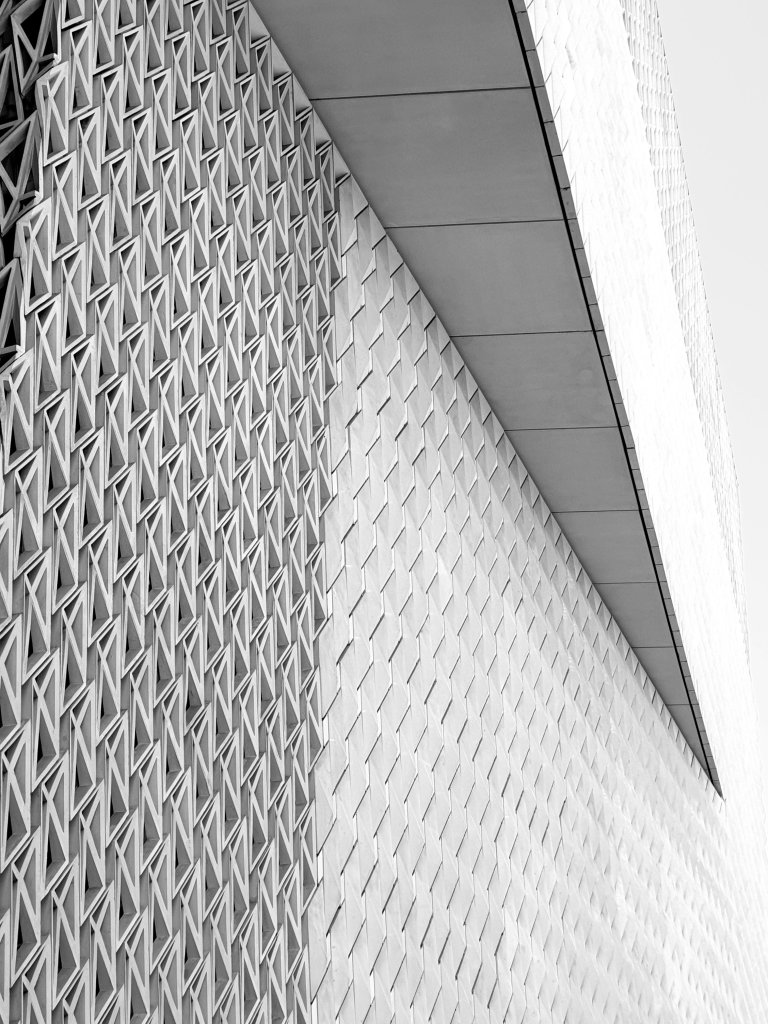
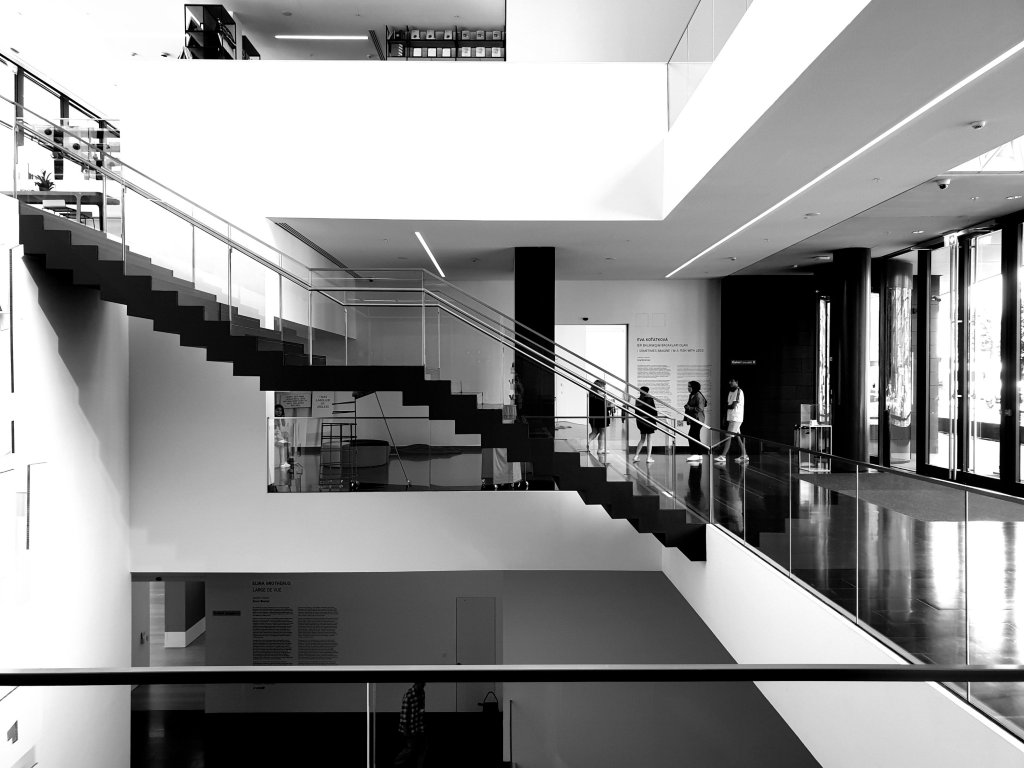
On my early back to the airport from Istanbul Modern, I stopped very briefly at Arter, a building by Grimshaw which opened in September 2019. It was a project which I would have liked to include in The Art Museum in Modern Times. Maybe one day there will be a new edition.
Not great photographs, I’m afraid:-
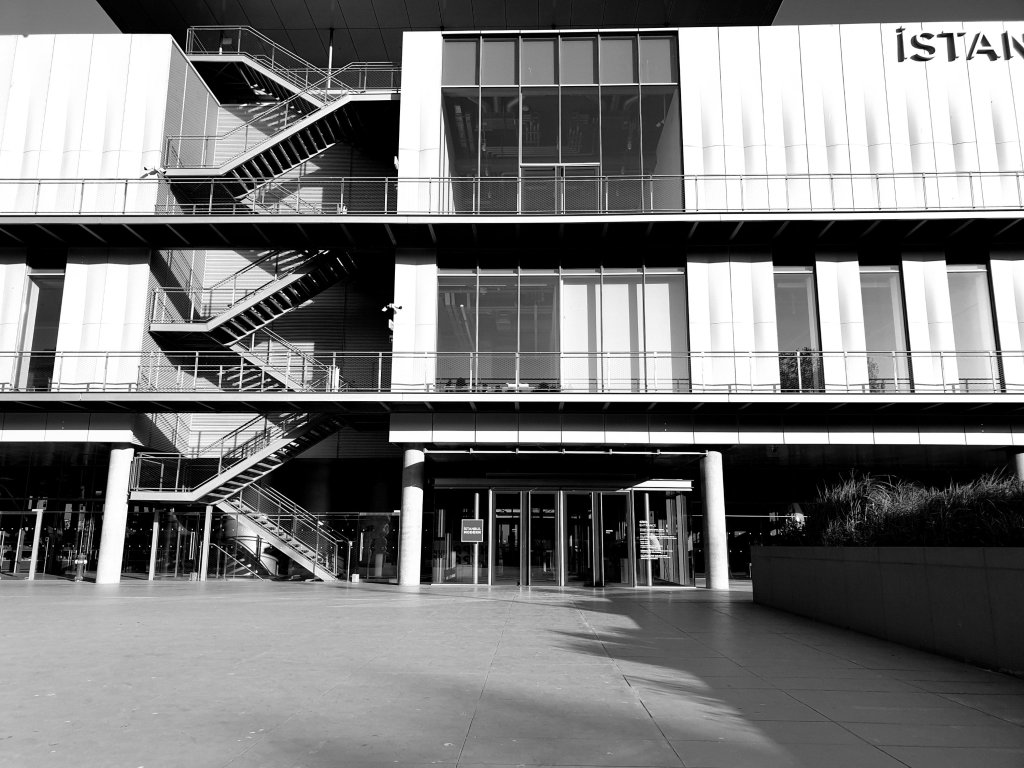
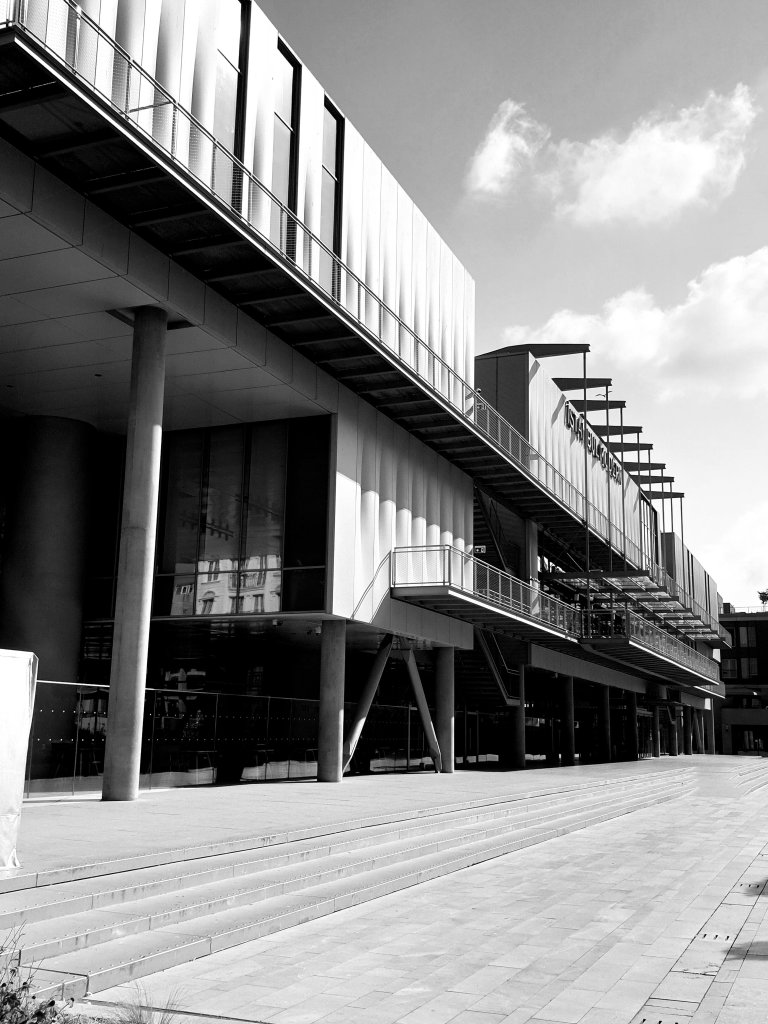
Istanbul Modern
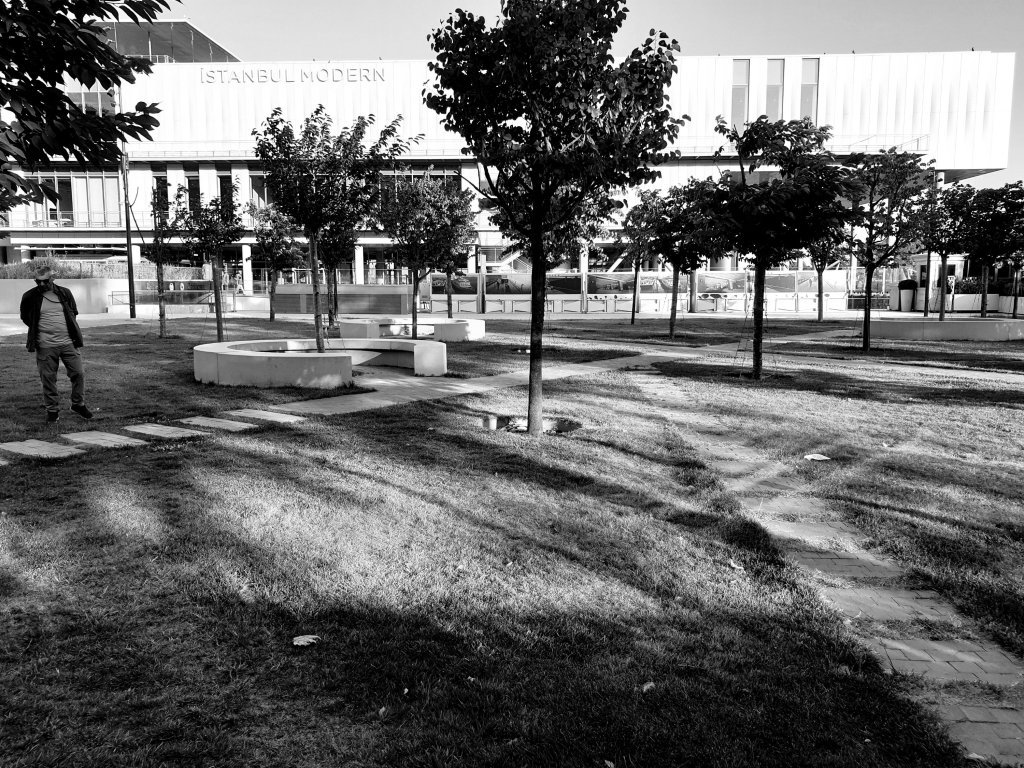
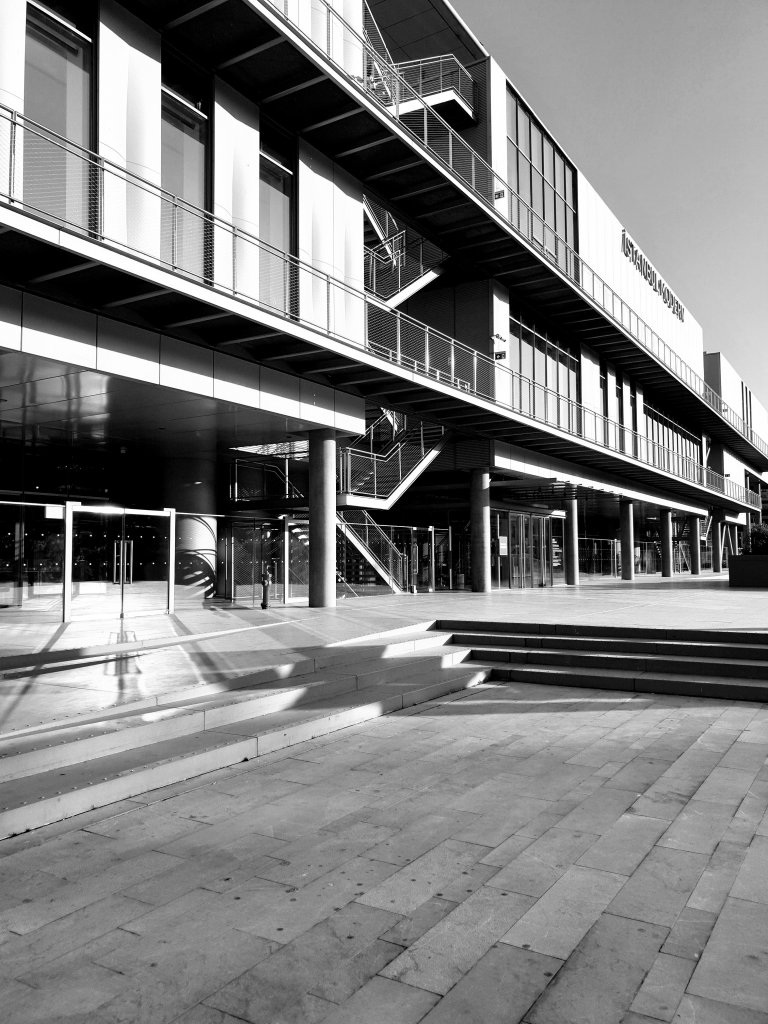
Am.in Istanbul to review it’s new contemporary art museum for the Burlington Magazine. You will have to wait for my considered verdict, but it certainly has an amazing location:-
Sir Michael Hopkins (5)
We went to a memorable memorial event for Michael Hopkins in his house in Suffolk in which I inevitably learned more about his architectural practice.
I half knew, but only half, that he had bought a timber frame house by the church in Cratfield, Suffolk, whilst still a student at the AA, so whilst he was building the purest glass house modernism in Downshire Hill, Hampstead, he was simultaneously fiddling round with medieval forms of construction at weekends, an ambiguity which seems essential to understanding his architectural practice.
The other thing which sticks in my mind is that he taught at Yale, but the students undertook a project based in Aldeburgh, which required them to undertake a deep examination of a historic building and everything about its context and construction, which felt as close as one would get to his approach to architecture.
The third thing worth recording, which I did not know, is that he would retreat to a room next door to where we would eat – it was, in a way, his office – where he would draw, but also write, surrounded by the life of the house, but very slightly separate from it. This also was an ambiguity in his temperament, both quiet, but also very present.
 | Charles | Saumarez | Smith |
You must be logged in to post a comment.