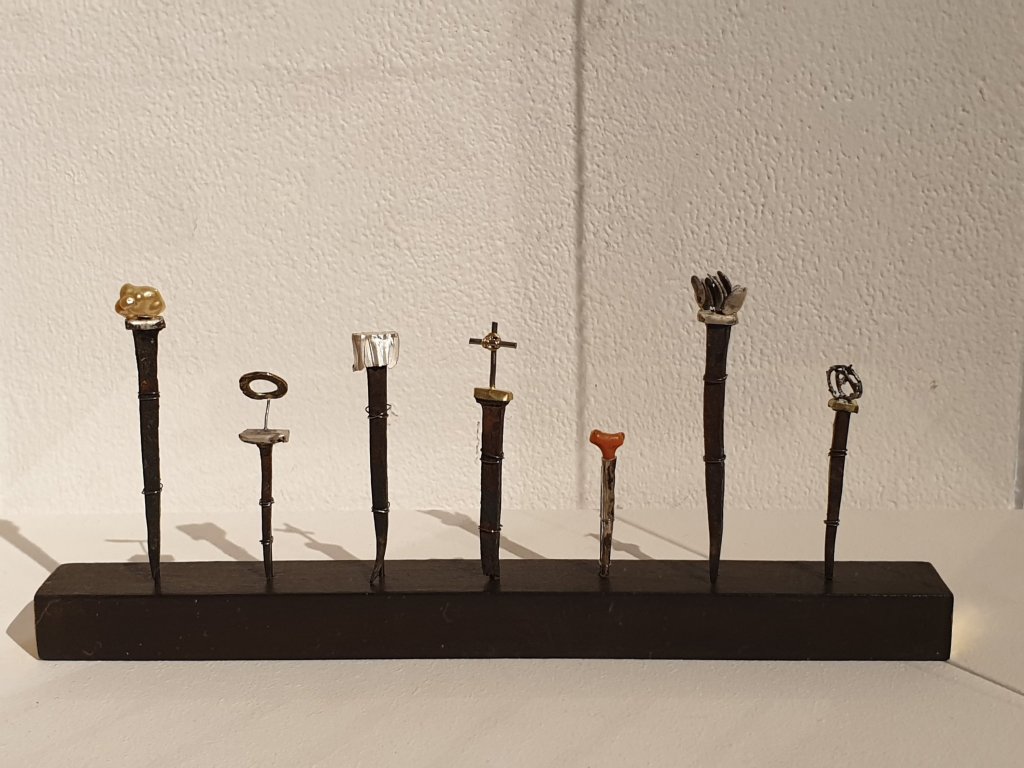
If you go to the preview of the Christie’s sale of Old Master paintings this week, you will find in the room on the left at the top of the stairs two display cases showing installations of the nails drawn from Old Master paintings. We went to see them yesterday afternoon:-
There is a certain amount of doom-mongering in today’s FT about Canary Wharf following the news that HSBC is relocating to the City.
Oddly, I am rather pro-Canary Wharf having watched its development from when it was just a gleam in the eye of Michael von Clemm who was looking for somewhere for the back-of-house facilities for Roux Brothers, of which he was chairman. He realised the potential of somewhere where it would be easier to build high-rise office blocks with big floor plates than in the conservative City. Of course, the City was jealous and has itself allowed a square mile of hideous new development which presumably means that it is now not so expensive to rent office space in the City.
What may have been forgotten is that George Jacobescu kept the best site by the river for a cultural institution after Margaret Thatcher had offered it to the National Portrait Gallery to relocate from central London.
After the great success of the newly refurbished NPG in central London, might it be a time to resurrect this idea – not, of course, a total move, but somewhere with more space for its twentieth-century collection and its huge and wonderful photography collection ?
It could ease what looks like being huge pressure of numbers on the beautifully restored, existing building.
HSBC departure spells doom for isolated experiment of Canary Wharf – https://on.ft.com/3NBgDzM via @FT
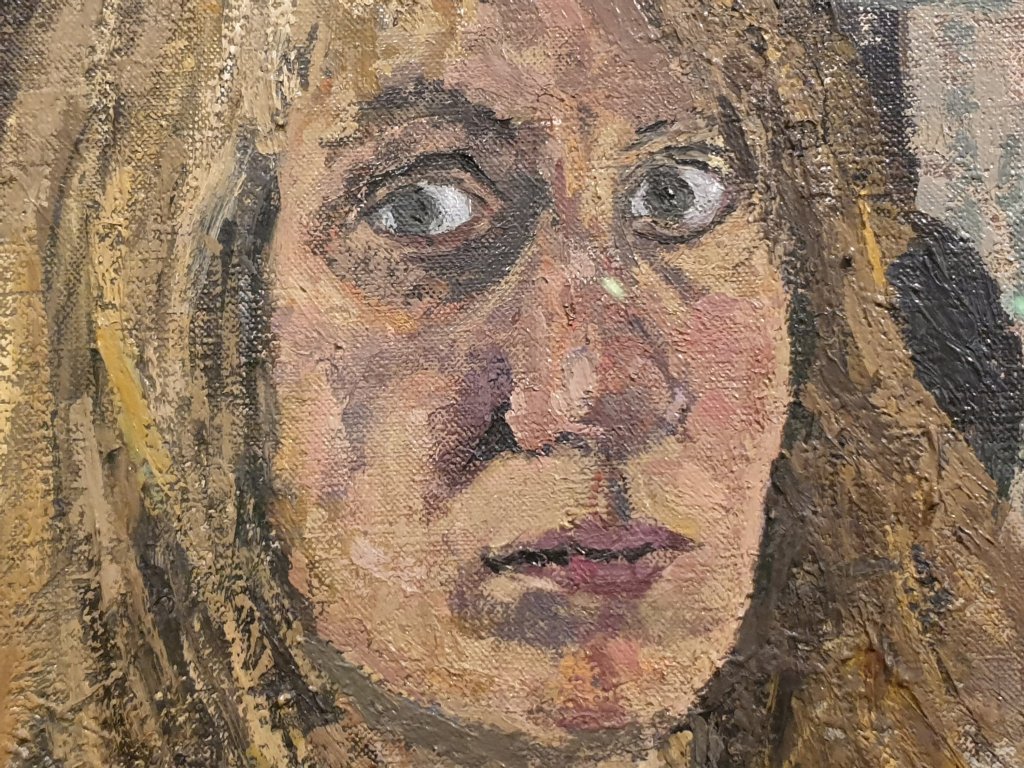
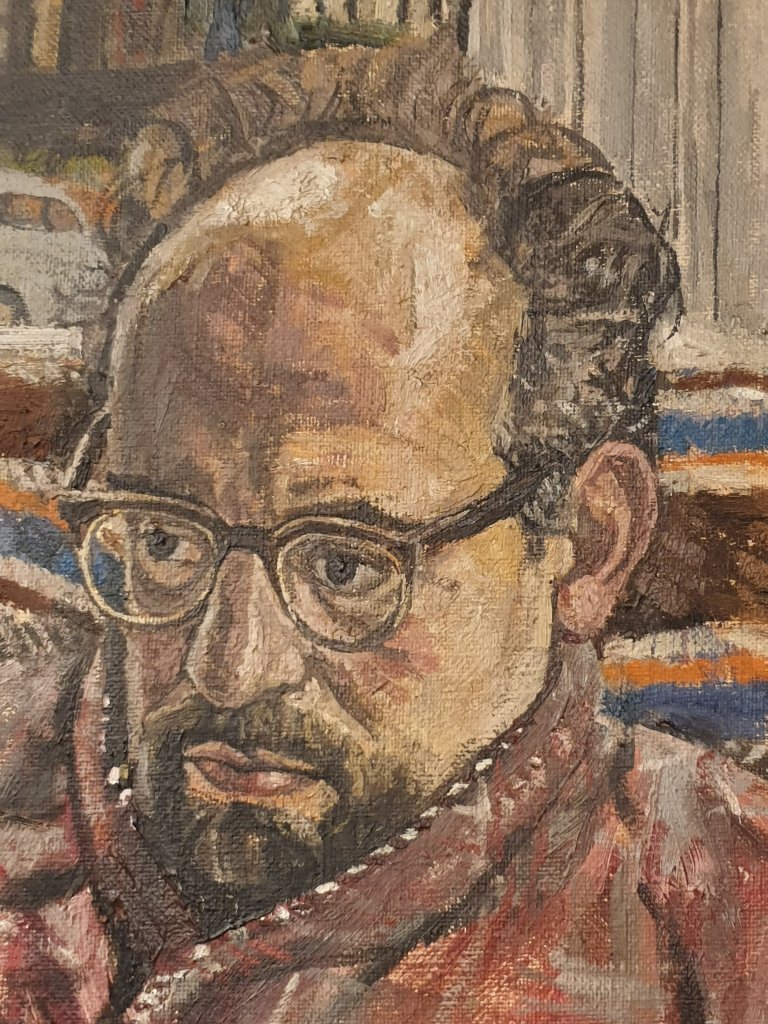
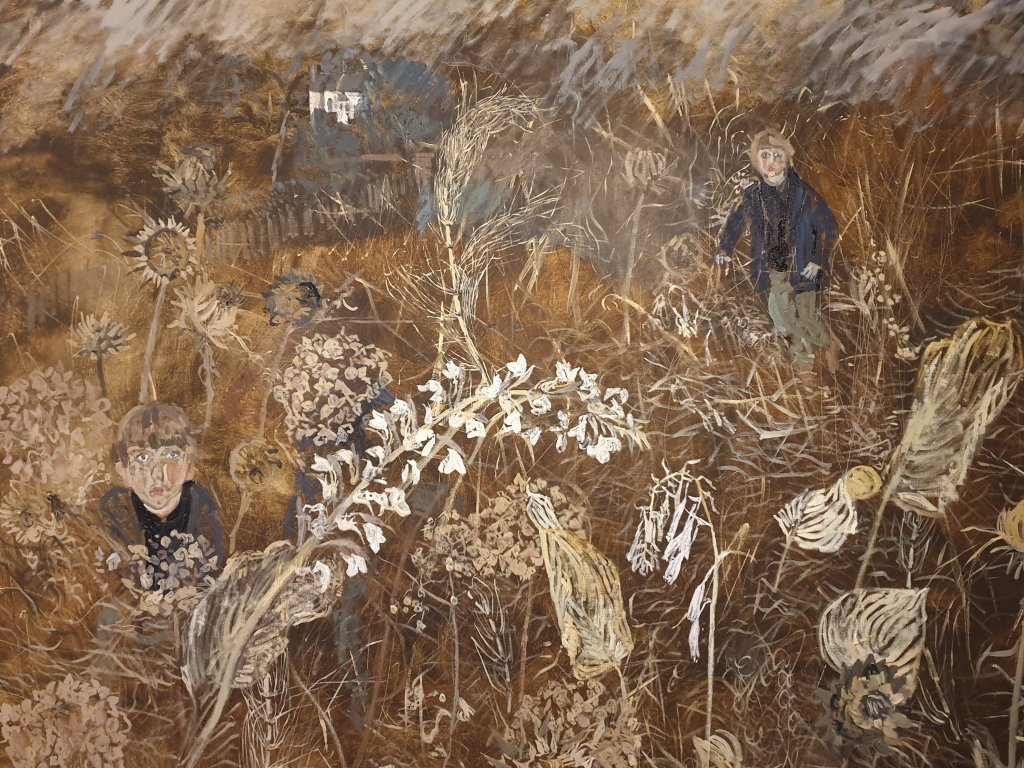
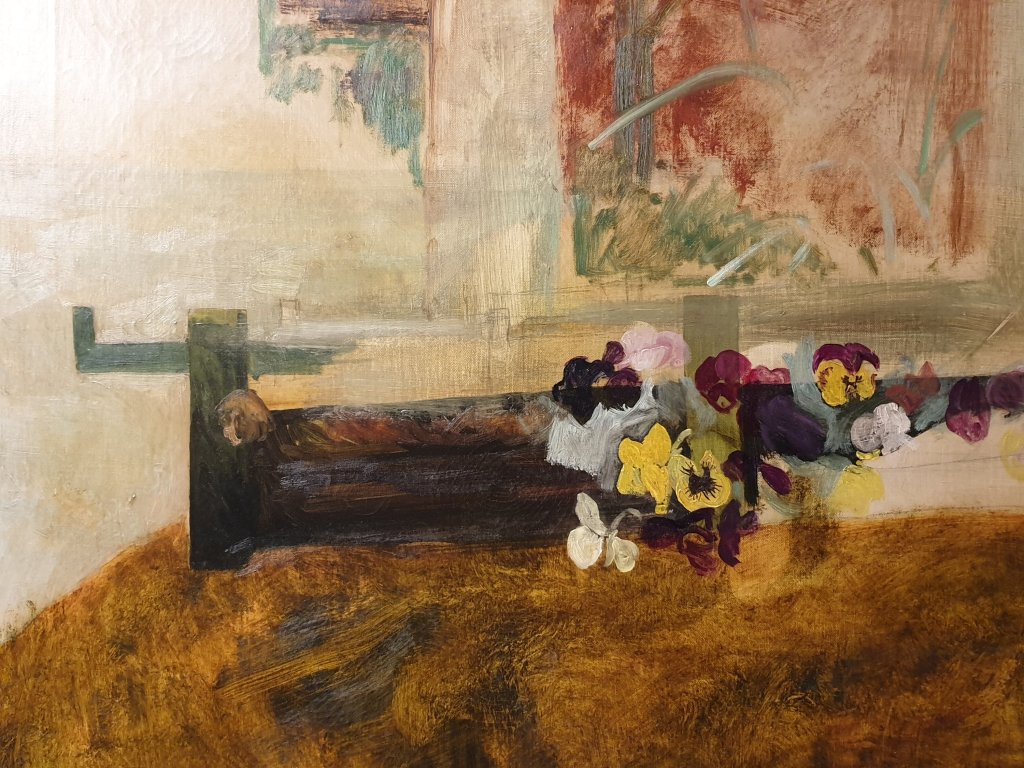
It was so nice to see the small retrospective of the work of Jean Cooke at the Garden Museum. She was still very much around when I first went to the RA – diminutive, but terrifically feisty, always at the heart of discussions with strongly expressed views.
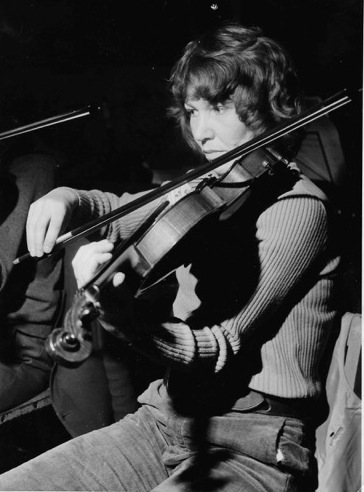
One of the pleasures of visiting Greenwich yesterday was meeting Pieter van der Merwe, a former, long-standing curator at the National Maritime Museum, who turned out to be the brother-in-law of Ann Hartree, a person of considerable influence in the craft revival in the late 1970s through the establishment of the Prescote Gallery in a barn on Anne Crossman’s family farm west of Banbury. She held the first exhibition of Romilly’s work in maybe 1982, but closed the gallery in 1985 and moved to Edinburgh. We lost touch with her. It turned out that Pieter had written an obituary of her for the Independent which wasn’t published and I am publishing it now in her memory, together with a photograph of her in her youth:-
Ann Hartree was a key figure in the British crafts scene of the late 1970s, when she created the Prescote Gallery in Oxfordshire and made it a nationally significant showcase for ‘designer-makers’ in furniture, textiles, bookbinding, jewellery, ceramics and glass, and toy-making, with painters and sculptors also represented. Any list would be invidious –and long– but includes names such as Fred Baier, John Makepeace, Anne Sutton, Terry Frost, Richard Batterham, Steven Newell and David Linley: the last two, and others, had their first solo exhibitions there.
Gallery impresario, however, was a late departure for someone who started as a talented and trained musician, an area to which Hartree later returned as an active promoter in Edinburgh. She was born in 1933, elder of two children of Arthur Eddy, an accountant, and his Scottish first wife, Nancy Hamilton. With her younger brother John (later permanently hospitalized as a severe epileptic), Ann stayed with their father after that marriage broke down and, starting in 1941, gained four more half-siblings by his second to May Lindsay. By then, partly owing to WWII, she largely lived – holidays included – at the boarding school in Seaford run by her two paternal aunts. One of them, Enid, was musical (as was Ann’s mother) and a friend of Dame Myra Hess, who left her a Steinway grand piano later passed on to Ann, but it was an unsatisfactory childhood and made her a challenging as well as driven personality. In 1951 she joined the Royal College of Music to study piano and viola, and from 1954 began teaching music at Gresham’s, Holt, in Norfolk – a boys’ boarding school where she rapidly became an inspiring acting head of the subject, and stayed in lifelong touch with some of her pupils. She regretted leaving after her marriage in September 1956 to Richard Hartree – a good amateur French-horn player – whose career in industry took them to south Wales, where their elder daughter was born in 1958. A son and second daughter followed after the next work move in 1959 to live at Cropredy, near Banbury. There they met the politician Richard Crossman and his wife, with children of similar ages, and from 1965 Ann resumed part-time music teaching and played first viola in the Warwickshire Symphony Orchestra. Friends gained at this time included its conductor Guy Wolfenden, the painter Terry Frost and family, and John Makepeace, then making furniture for Prescote Manor, Anne Crossman’s inherited 16th-century family farm. From 1967 to 1970 the Hartrees were in Montreal, before returning to Oxfordshire where Ann’s fundraising enabled conservation of medieval murals in St John’s church, Hornton, and she began collecting work by craftspeople exhibiting at the Oxford Gallery under Joan Crossley-Holland. By the time Dick Crossman died in April 1974 (his son Patrick following by suicide in 1975) the Hartree marriage was also under strain. The two Ann(e)s then joined forces, with Mrs Crossman using the publishing royalties from her husband’s political diaries to convert farm outbuildings as the Prescote Gallery. She ran its buttery, serving up to 300 people a day, while Ann Hartree fitted out and directed the gallery itself, including monthly changes of exhibition, with a stable of talent of eventually over 125 designer-makers and artists, all of whom went on to further success. Lord Donaldson, then Minister of the Arts, opened it in May 1977 and from 1982 there were also annual Prescote shows at the Warwick Arts Trust in London and others more occasional at the Bluecoat in Liverpool and the Edinburgh Festival. The project coincided with increased arts funding under the Labour government and the early years of the Crafts Council (est. 1971), but this did not have its own gallery until 1991, making Prescote a leader in the field during its seven years of existence.
It closed in 1985 when the Hartrees divorced and Ann moved to Edinburgh for family reasons, but for a time continued mounting shows there under the Prescote banner. Her later years were again more occupied in promoting music, both personally and as a director of the Hebrides Ensemble (1993–2001). Her two successive flats in the New Town became frequent rehearsal spaces for musician friends, with small orchestras sometimes squeezed in amid her ecletic mix of Prescote furniture, art and design, home clutter and the hard-worked grand piano. For thirty years she presided as both generously hospitable supporter of those who shared her enthusiasms and a grand-matriachal agent provocateur, much loved but often contrarily infuriating. When cancer recurred after successful early treatment, her decision that further cure was worse than the disease was typically resolute, and she insisted that only immediate family know of or attend her funeral. Others from all aspects of her life, and as far as Italy and Hong Kong, defied her self-effacing perversity at a crowded memorial concert in Edinburgh on 14 April 2018. ‘All stuff and nonsense!’ would have been her familiar verdict, while also secretly enjoying favourite pieces by Grieg, Schubert and Brahms, played by talented professional friends – including on the Steinway, which she had made a final gift of to one of them.
Ann Hartree (née Hamilton-Eddy), musician and crafts gallerist; b. London, 8 April 1933, d. Edinburgh, 28 October 2017; m. Richard Hartree [1931–2020], 1 September 1956 (div. 1985); he and their children (two d. one s.) survived her.
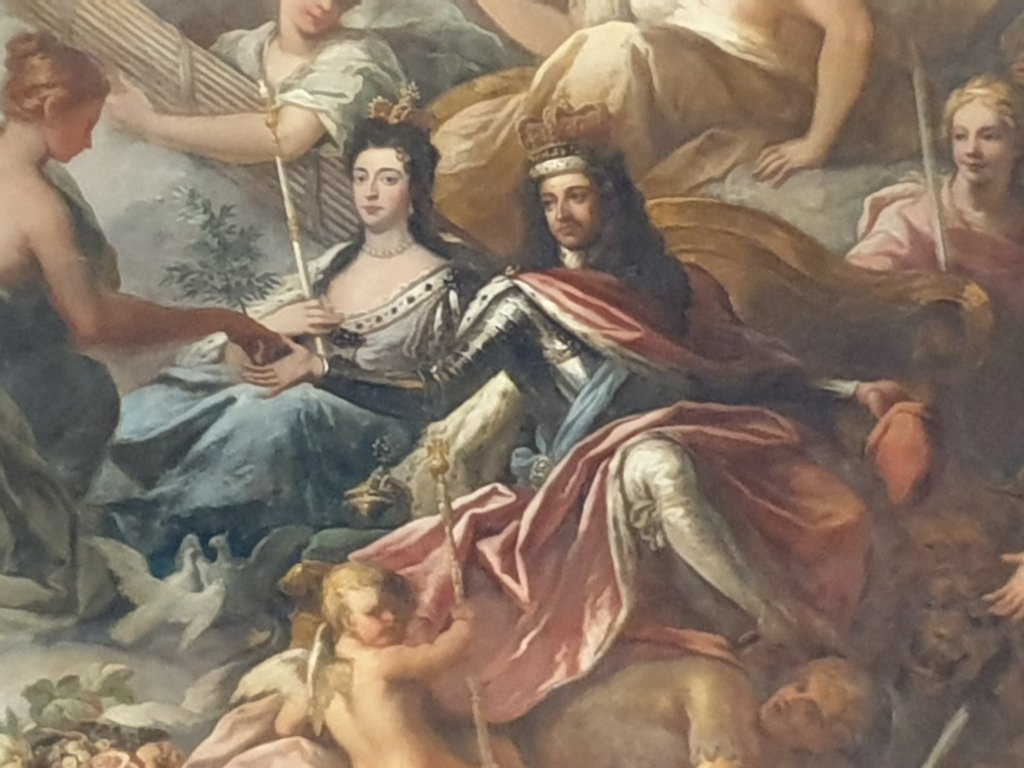
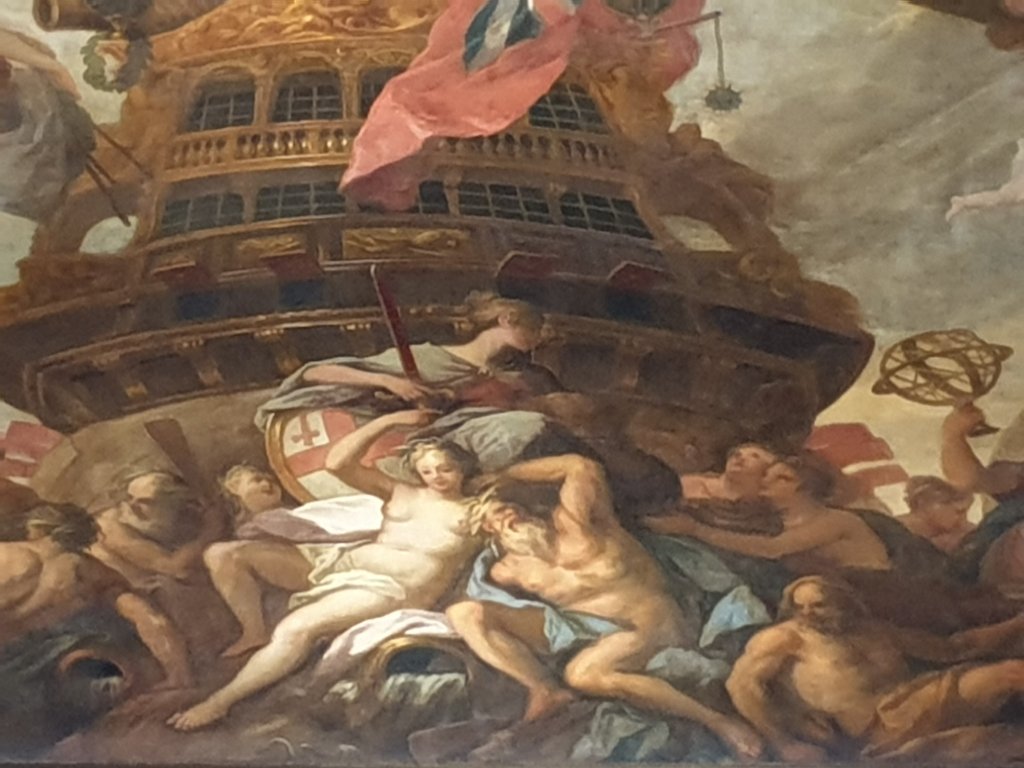
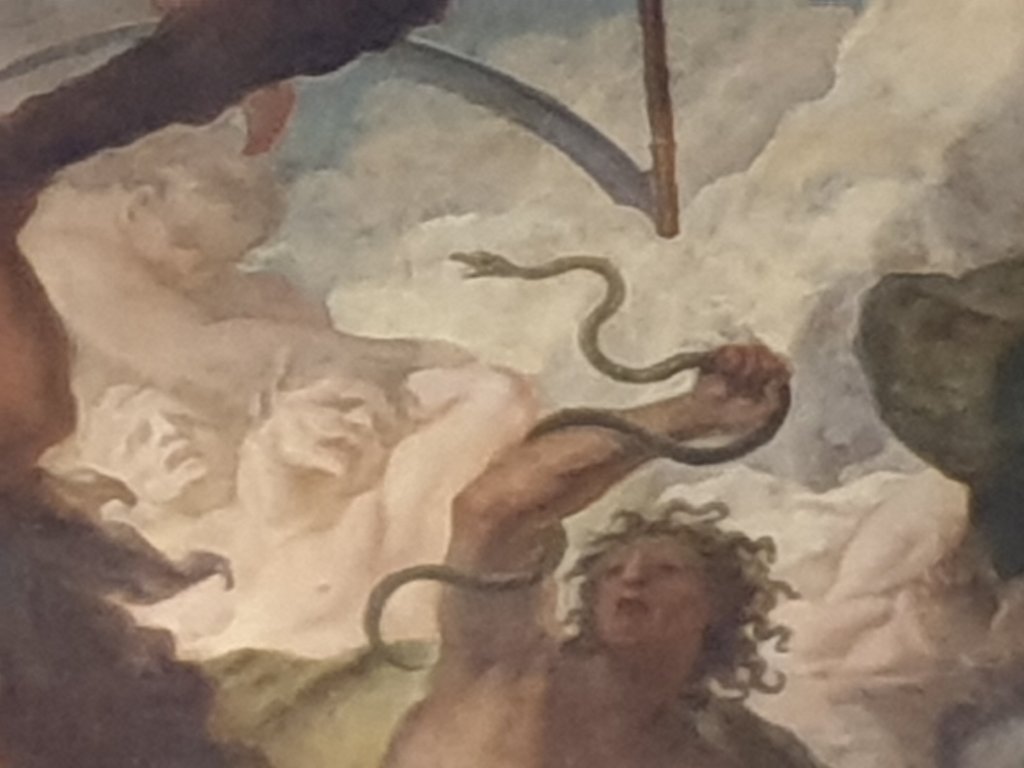
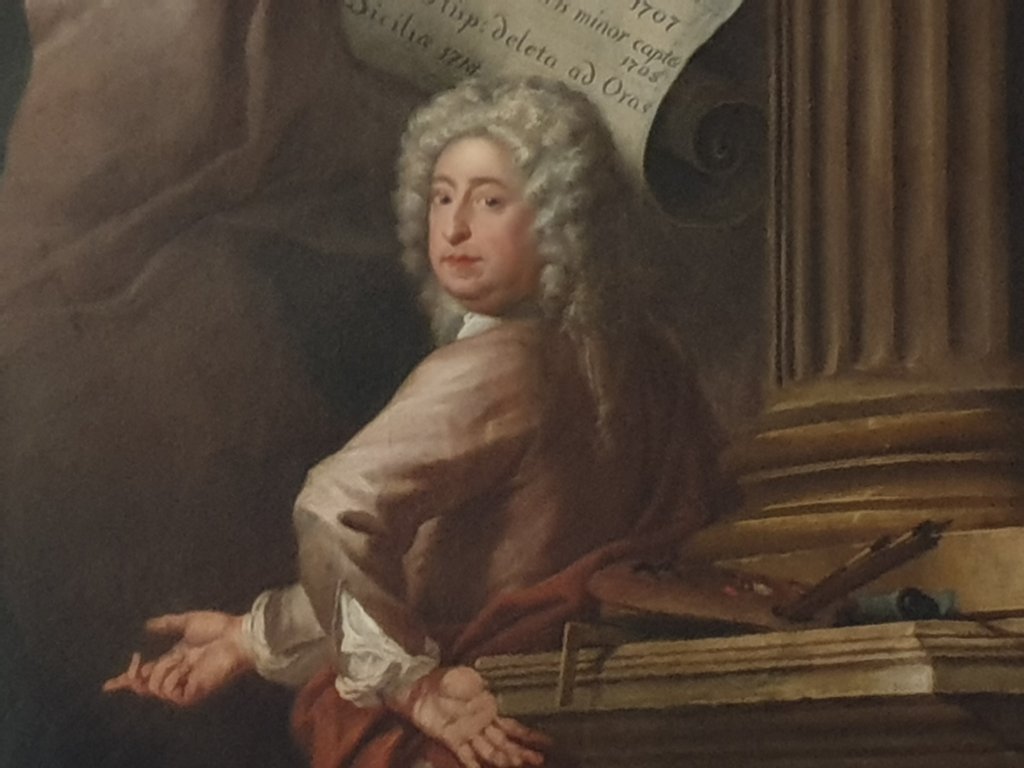
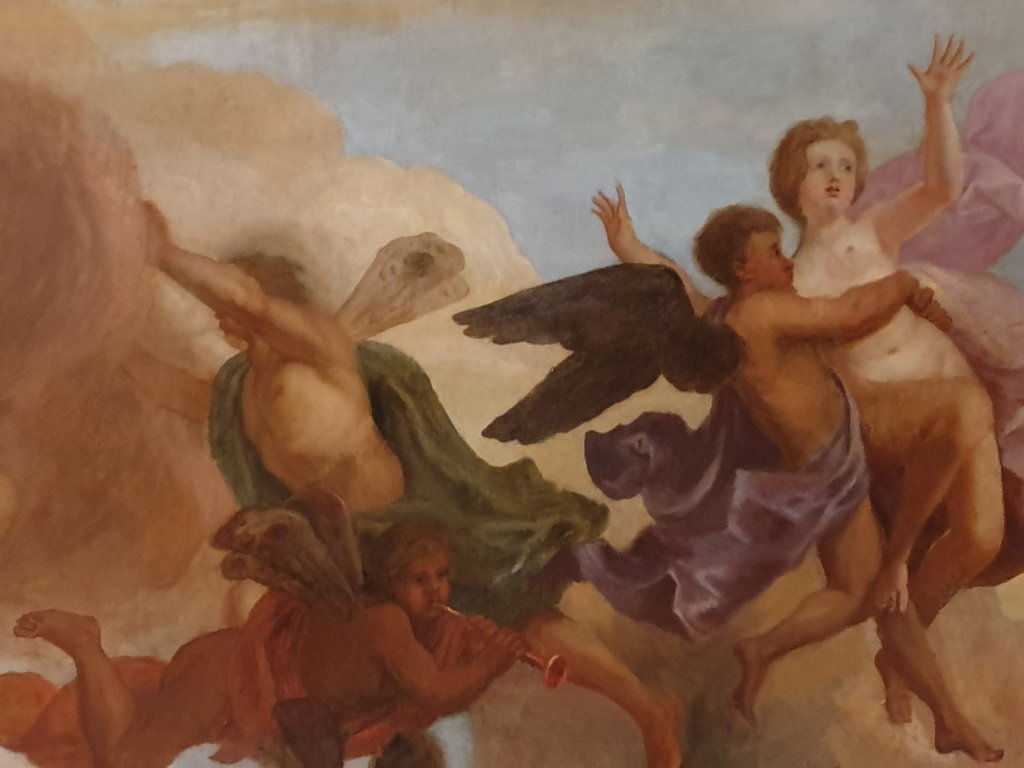
I have been reading about attitudes to France during the reign of William and Mary and Marlborough’s wars, so was pleased to see the extraordinarily aggressive nationalism evident in Thornhill’s iconographic programme for the Greenwich Painted Hall. William and Mary on clouds of glory:-
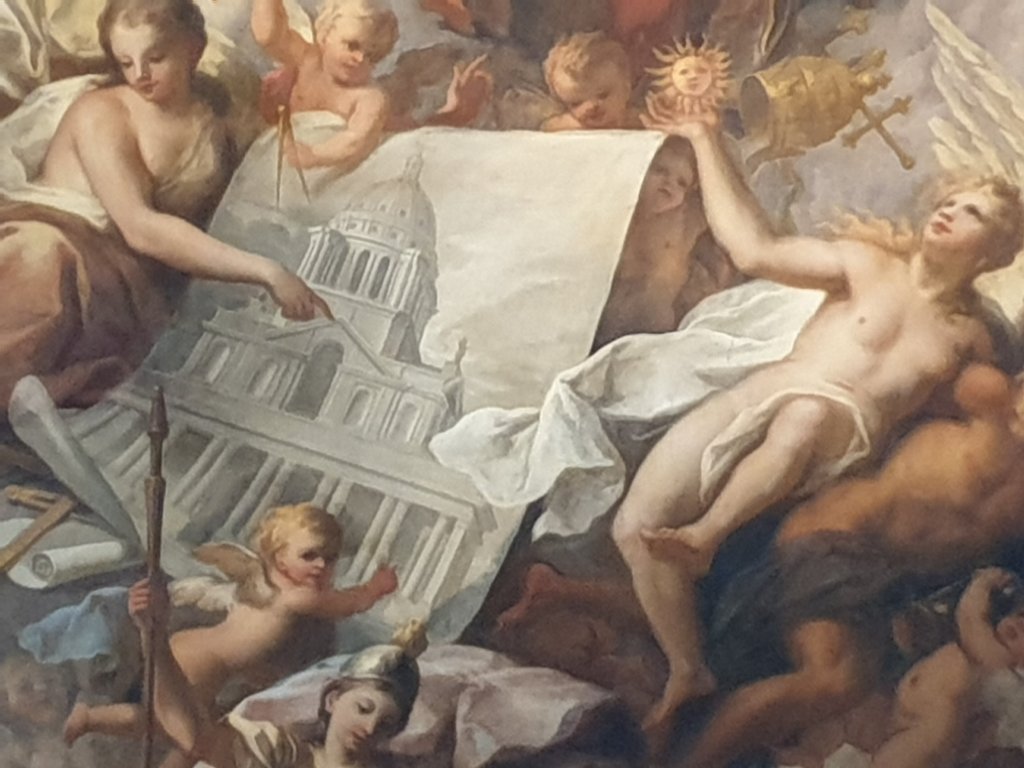
Greenwich Hospital as a monument to liberty, charity and protestantism:-
Britain’s wealth built on its overseas empire:-
It’s a surprisingly aggressive bit of propaganda:-
I spent the day on a tour of Wren’s Greenwich, organised by the Society of Architectural Historians. We started at tye Queen’s House, whose history is itself pretty complicated, looking so coherent, but actually with an immensely complicated building history which Gordon Higgott expertly unravelled. Originally commissioned by Anne of Denmark, as I understand it, as a hunting lodge, facing south on to the deer park with private apartments to the north and a large room between the two halves, straddling the main road.
I was most interested by the painted decoration in the Queen’s Bed Chamber, not least because the ceiling painting is apparently unattributed, which seems surprising given its sophistication and the house is so well documented (doesn’t look like Thornhill to me):-
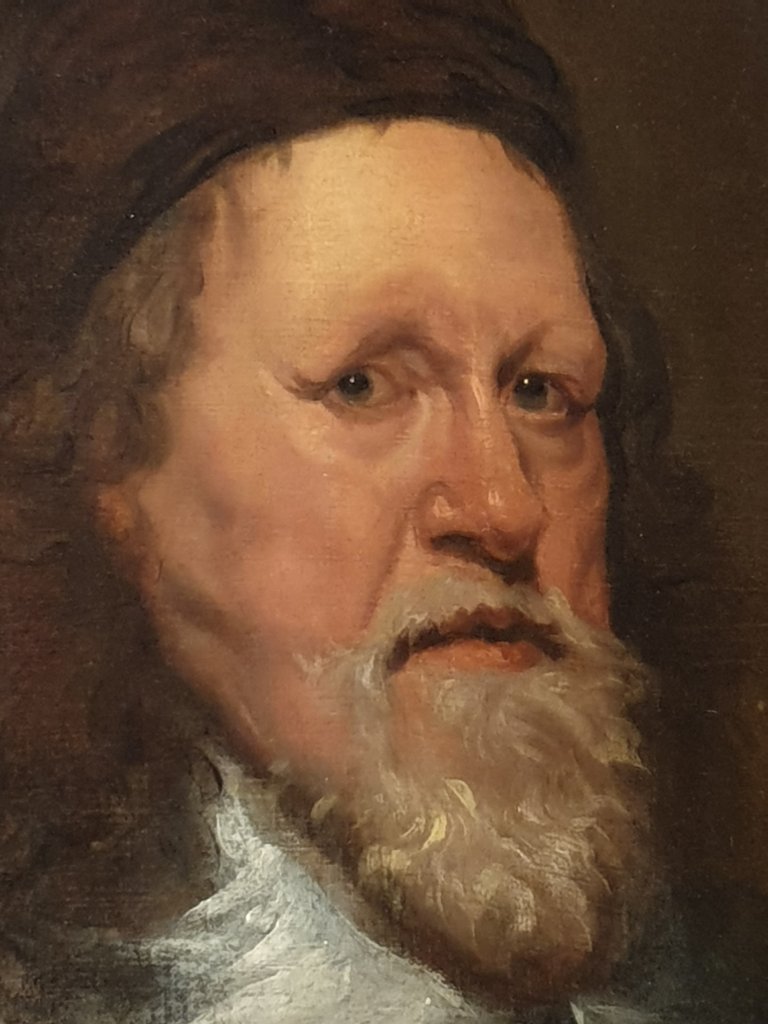
Here is Inigo Jones by William Dobson (c.1642):-
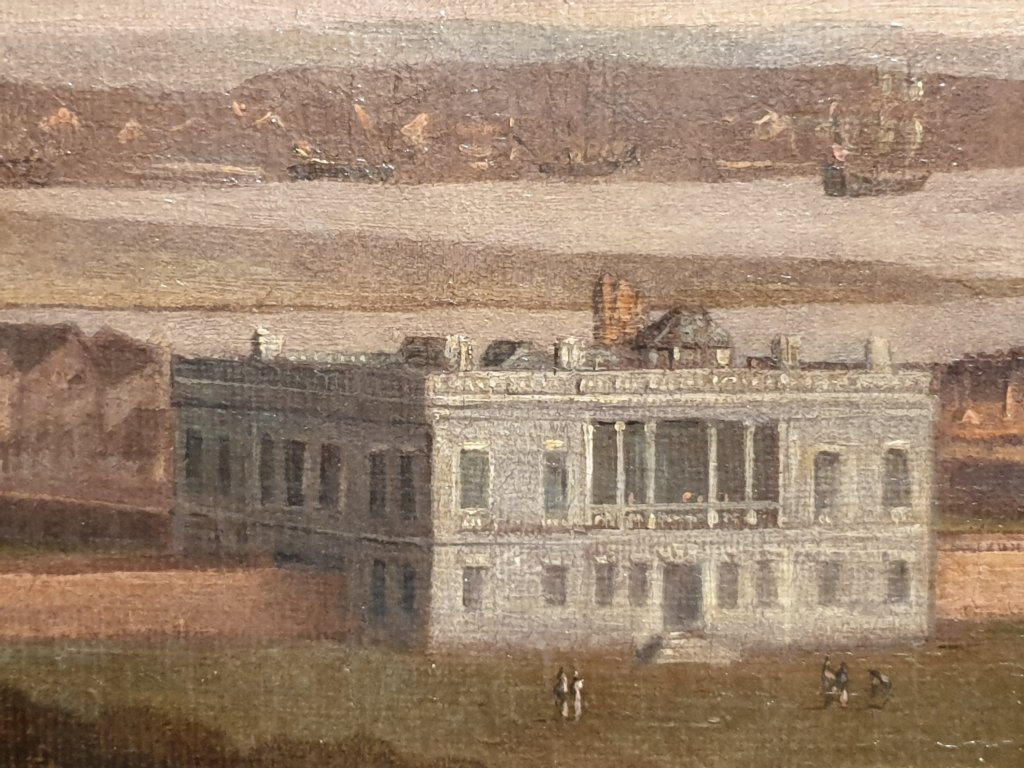
A view of the Queen’s House:-
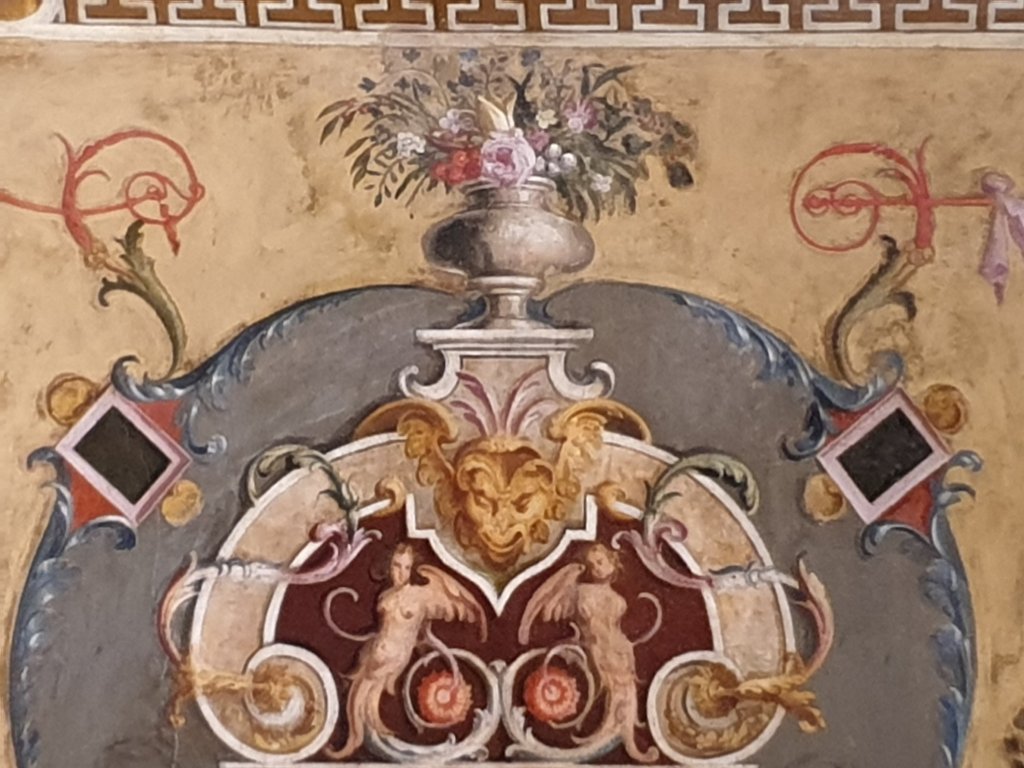
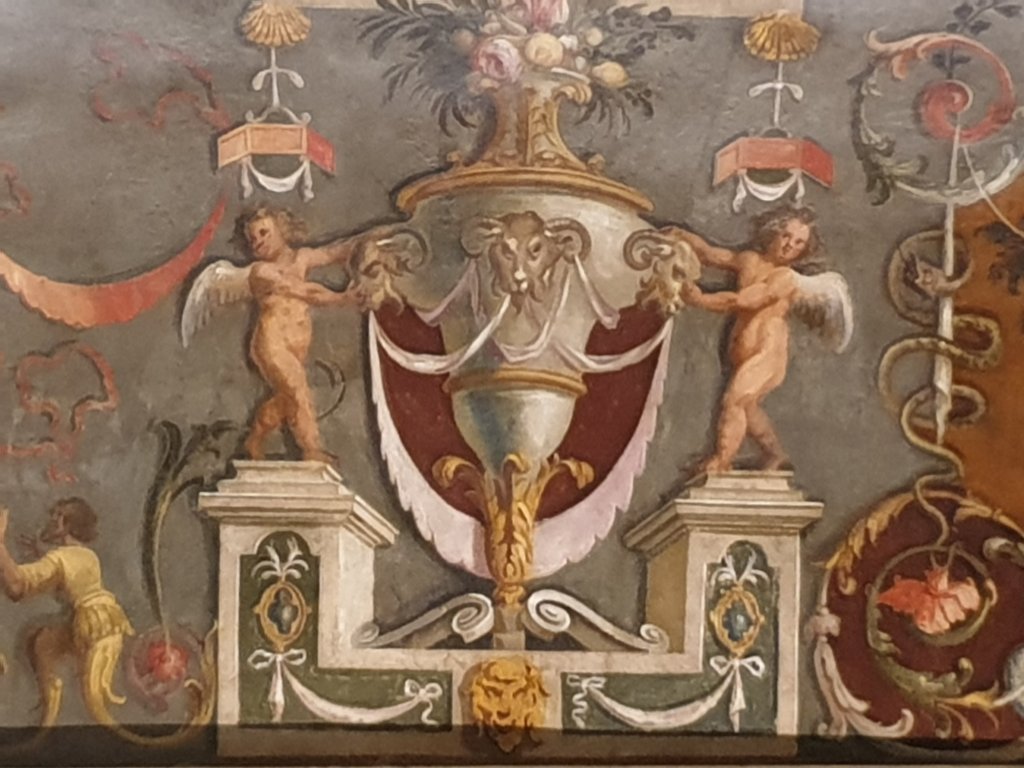
And the impressive painted decoration in the curved part of the ceiling of the Queen’s Bed Chamber by Edward Pearce Sr.:-
An interesting case study of successful restitution based on careful documentation and international collaboration (by the way, Factum Foundation have well developed plans to take on the Whitechapel Bell Foundry).
I attended the Service of Thanksgiving for the life of Wren, an unexpectedly impressive service, helped by being under the dome of St. Paul’s and a reminder that he was born into a high Anglican, if not Laudian tradition, in the rectory at East Knoyle, moving aged two to the Deanery at Windsor, which meant that he could observe the court at close quarters. He was described by Isaac Barrow after the Restoration as ‘a miracle of a man, nay, even something divine’. And his first architectural work was for his uncle, the Bishop of Ely. So, he was presumably comfortable discussing the liturgical requirements of the new City Churches and of St. Paul’s itself.
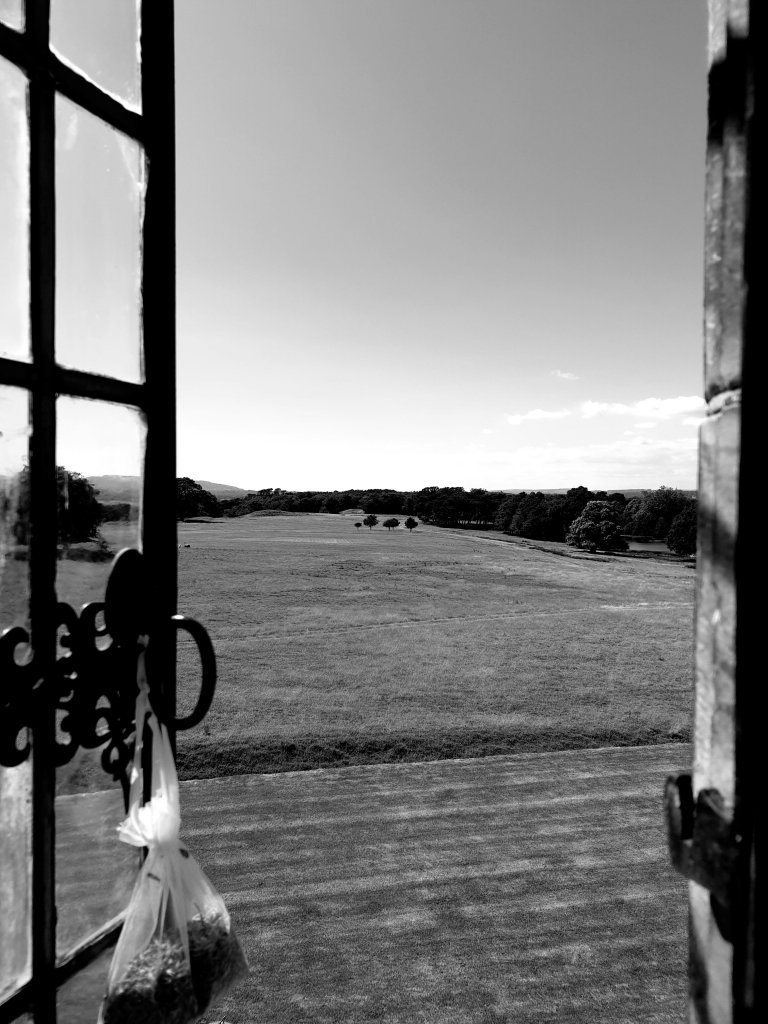
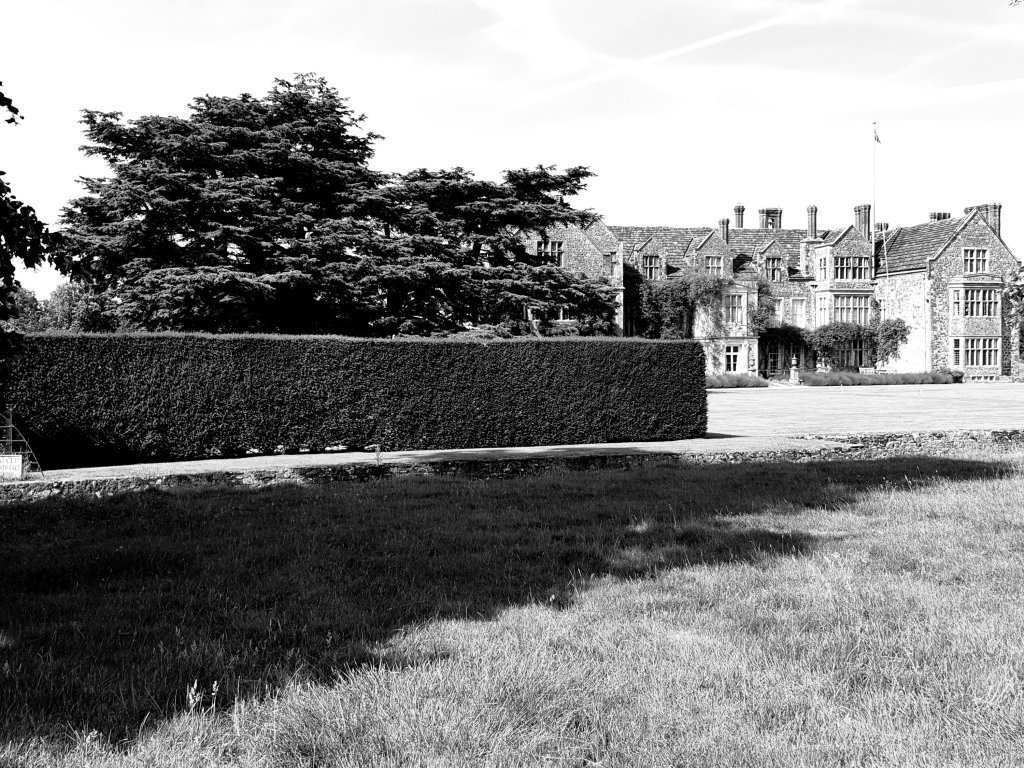
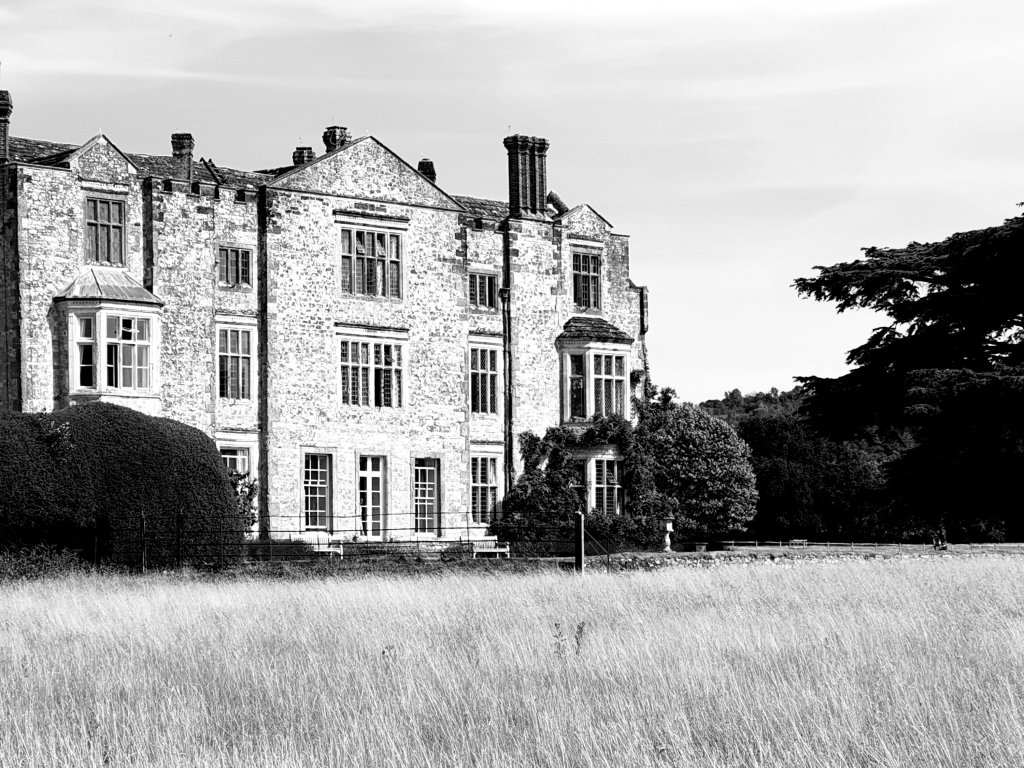
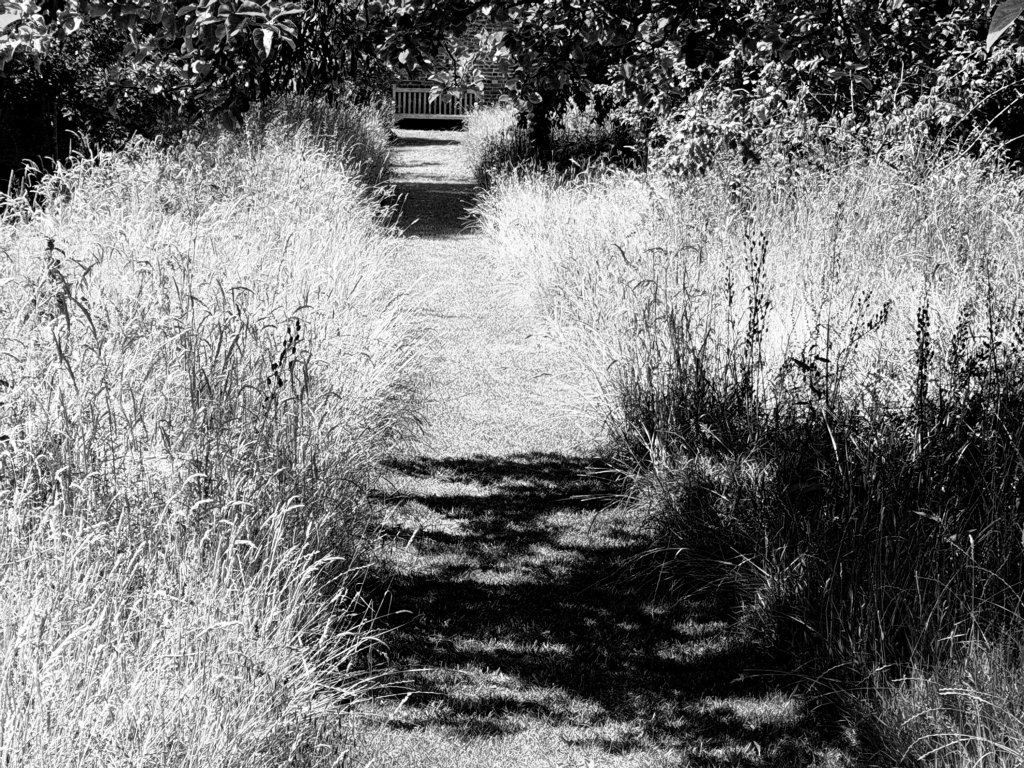
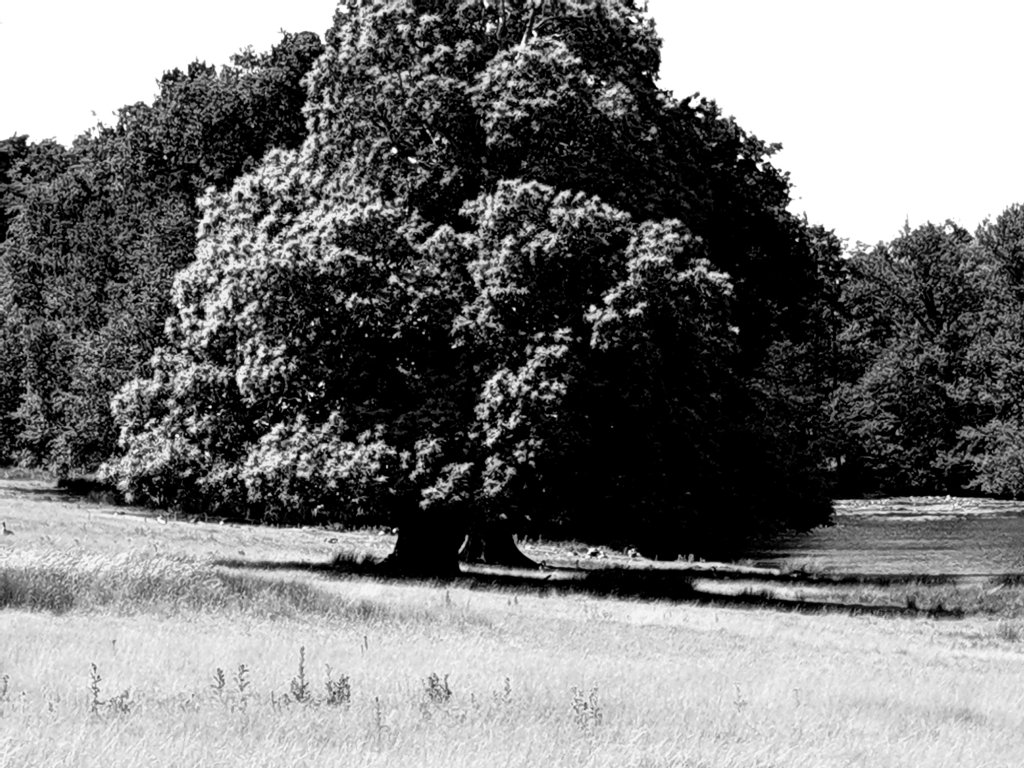
Yesterday, I explored the gardens and grounds of Parham House in its beautiful setting in a vast deer park just to the north of the South Downs.
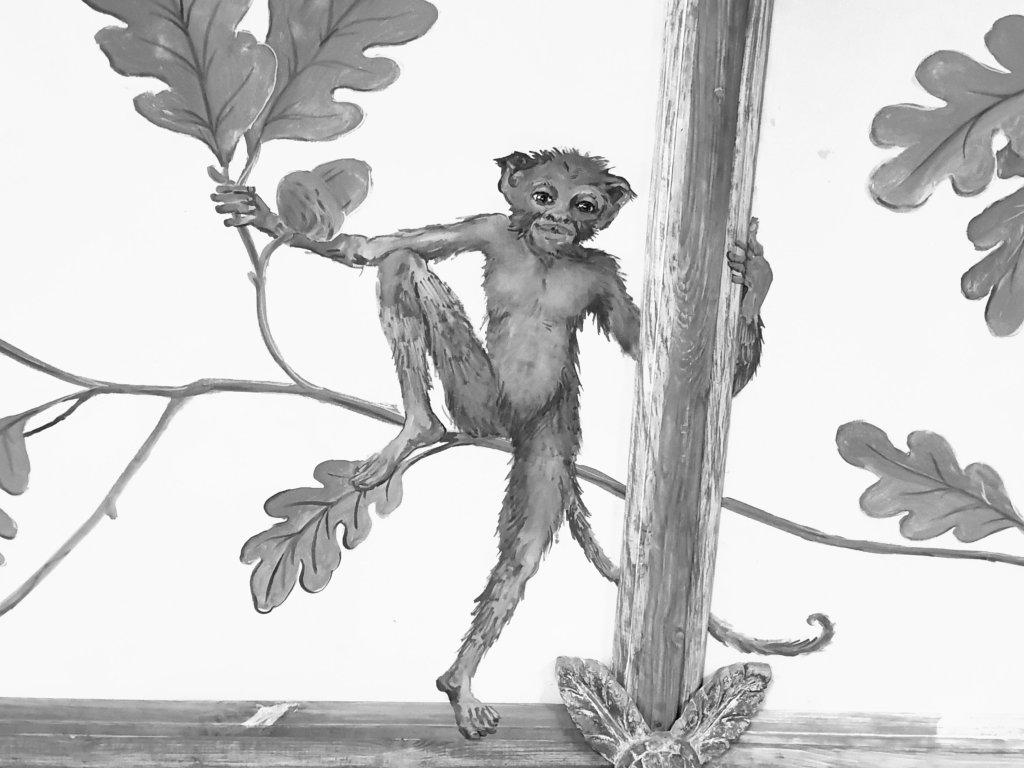
Today, I explored the house a very atmospheric set of rooms, whose character seems to reflect the tastes of the 1920s and 1930s when the house was bought by Clive and Alicia Pearson who bought good and appropriate furniture and presumably asked Oliver Messel to paint the decoration in the Long Gallery:-
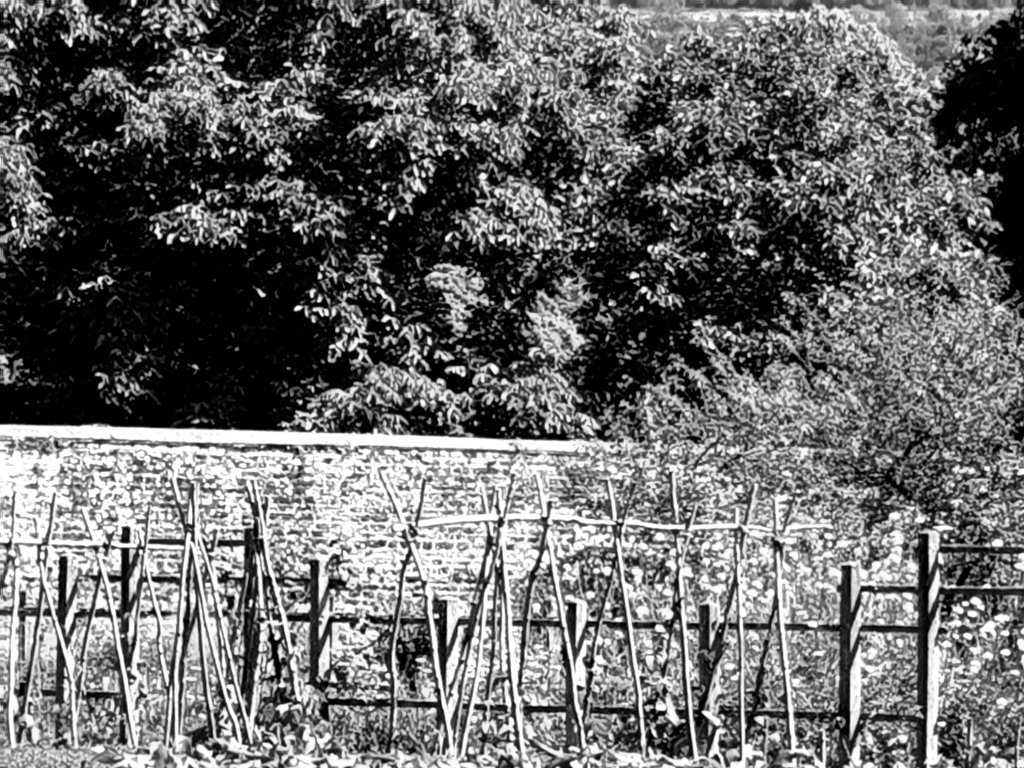
I have never been to Parham before, the site of this year’s Garden Museum Literary Festival. Almost as enjoyable as the talks was the opportunity to explore the garden, which is unexpectedly extensive, looking out towards the Downs:-


 | Charles | Saumarez | Smith |
You must be logged in to post a comment.