Play the Game

As readers of my blog will know, I have a long-standing interest in the development of East London – in fact, ever since my blog was set up in early 2014.

So, I was pleased to attend an event involving many of the people involved in attracting the Olympics to London – not the big name politicians, but the civil servants and urban planners, many of whom worked for the London Development Agency, an agency which reported through an independent board to the Mayor, but was funded by the Department of Trade and Industry (to an outsider, the structure of government agencies involved in the Olympic bid is far from straightforward). They have collaborated in producing a book written by Michael Owens and Ralph Ward, two of the key players (Michael Owens was the Head of Development Policy at the LDA, Ward its Head of Sustainable Development) called Playing the Game: How the Olympics came to East London, which seems to be only available on Kindle, although I spotted hard copies for sale at the Bow Arts Trust, where the discussion took place.

We walked from Stratford to Bow while the two authors (mainly) reflected on the process of regeneration. From the walking tour, I picked up the following, but don’t guarantee that I have recorded the points correctly (they appear somewhat differently from how they do in the book):-

1. A key moment was in the late 1990s when plans for the regeneration of Stratford were drawn up by Arup as engineers and Fletcher Priest as architects for Stuart Lipton of Stanhope who, with Chelsfield, had bought large tracts of land in Stratford off British Rail, presumably recognising its future development opportunities. Big chunks of this land was subsequently bought by Westfield for the new Stratford Shopping Centre, which was key to the regeneration of the area before anyone had thought of London hosting the Olympics.

2. It is hard now to remember how rough the area was between Stratford and the River Lea before the creation of the Olympic Park. We stood on the site of what was known as Fridge Mountain and the area apparently was the source of many of the knock-off goods sold on Oxford Street, as well as of allotments which became a battleground over development.

3. In order to bid for the Olympics, Hargreave, an American firm of landscape designers, were hired to landscape an area of desolate tarmac. Their involvement is one of the more impressive things that was done and key still to the success of the project.

4. Ken Livingstone wasn’t remotely interested in sport, but he was in urban regeneration and seems to have been good at attracting a group of independent-minded and free-thinking people to work at the LDA.

5. The lesson at the end seemed to be that the bureaucrats felt that the success of the project was not the quality of the planning process and setting objectives, but allowing a certain inventive freedom in how the plans were drawn up. It sounded very likely.

I’m glad the history is being written because it’s so complicated even if – perhaps especially if – you hear it from those who were so closely involved.

Standard

Peckover Butchers

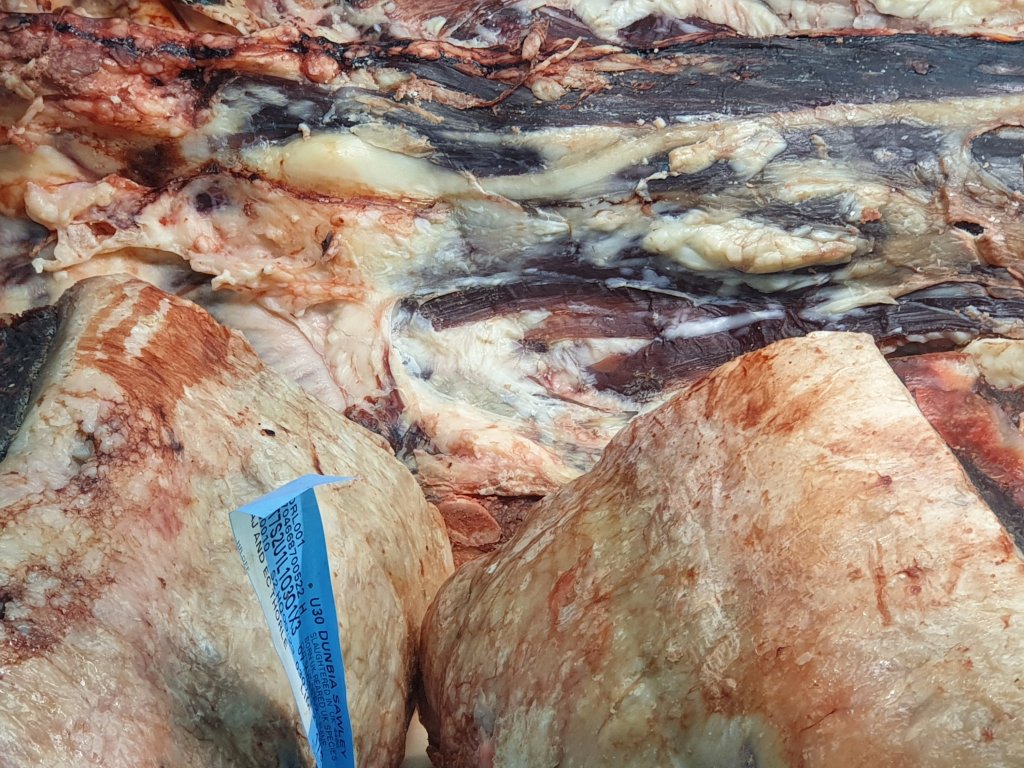
It is only relatively recently that I have discovered the glories of Peckover Butchers in the Roman Road, a carnivore’s dream where one gets the best possible and most attentive service from its proprietor, Gavin Peckover, who sources a lot of his meat from a single farm in Essex. It is always absolutely delicious and he gives advice on cuts.

This morning he was complaining about the long hours he has to work and the relentless pressure on prices of the supermarkets. In many parts of the country, butchers have been driven out of business. Please support Peckovers and encourage it to survive:-

Standard

Ragged School Museum (3)

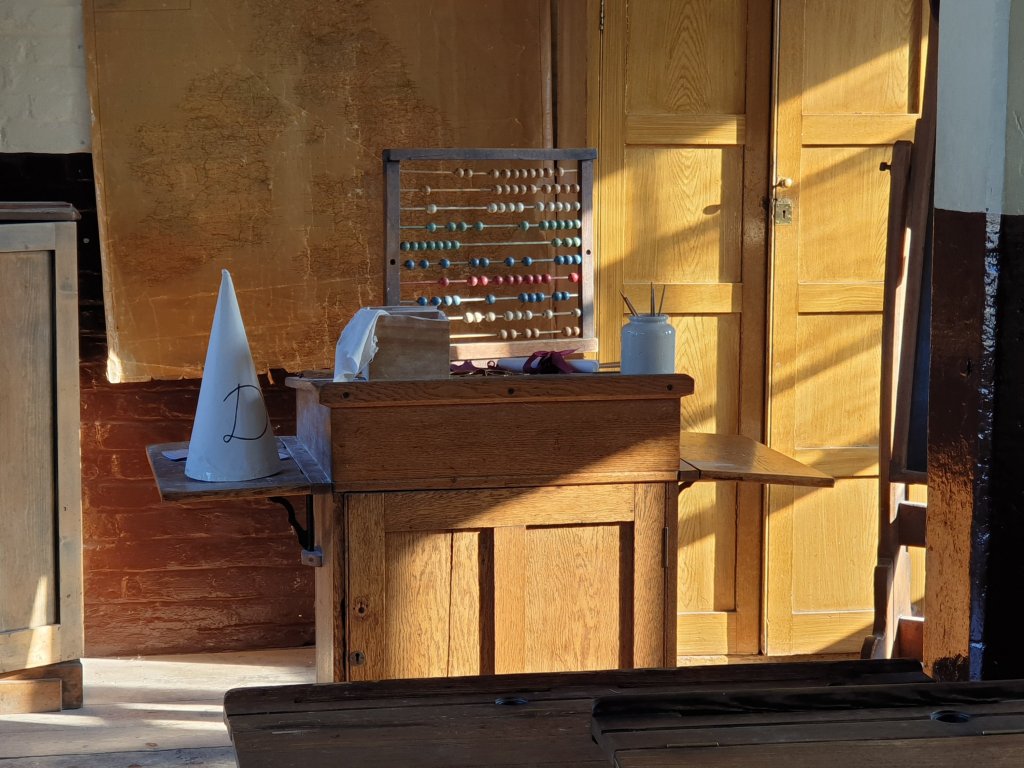
The Ragged School Museum re-opens next Wednesday, made possible by a big grant (£4.8 million) from the National Lottery Heritage Fund, a model of sensitive restoration by Richard Griffiths keeping the atmosphere of the old, late Victorian school room overlooking the canal:-

Standard

Launceston Place

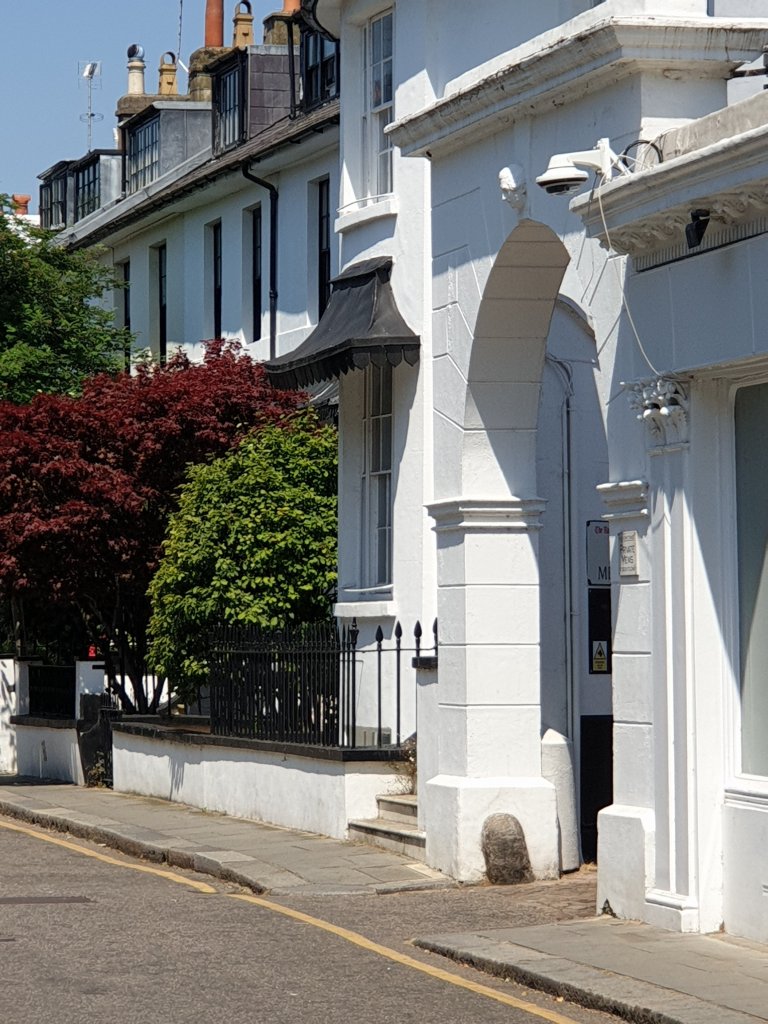
Of course, I’ve been to Launceston Place before – the street, not the restaurant – but since I go to west London less often now, I was struck by the quality of the housing and indeed the whole sense of a privileged and protected urban environment: no architect named, not, I think, in one of the big estates, just well considered housing stock, which even thirty years ago, seemed not totally unimaginable as it is now:-

Standard

High-rise

I was pleased to read Rowan Moore’s piece in yesterday’s Observer comparing and contrasting the experience – and the economies – of London and Paris.

I notice that whenever an issue of a new high rise comes up, as in the current argument in favour of a skyscraper placed on top of Liverpool Street Station, the City authorities always frame the argument as one between those in favour of economic and financial growth and the stick-in-the-mud conservationists. But I actually spend quite a lot of time bicycling through and round the City and there is an increasing sense of deadness to it: empty on Mondays and Fridays, few decent shops, restaurants closing; and meanwhile, more and more colossal holes in the street fabric, while ever higher buildings damage all sense of residual character and community. The moment you get into Farringdon or Shoreditch or Brick Lane, the atmosphere is completely different.

The hedge funders moved out long ago. They wanted somewhere decent for lunch and the Wolseley is more enjoyable than Sweetings.

So, which of these urban environments will win out in the end ? I would put my money on Paris: more sustainable, more interesting and increasingly attractive to financial institutions and investors post-Brexit. The City is wearing a blind-fold to what it has done, and is doing, to itself.

https://www.theguardian.com/commentisfree/2023/jun/11/what-low-rise-paris-can-teach-london-about-quality-of-life?CMP=Share_AndroidApp_Other

Standard

Ragged School Museum (2)

I was tipped off that the café of the soon-to-reopen Ragged School Museum is already open for business, so had my lunch there: somewhere to sit and eat quiche and vegan cheesecake in the sun next to the canal (the boat is nothing to do with the museum):-

Standard

Malverleys Garden

I was invited to see Malverleys Garden, a recently constructed, but apparently mature garden in the countryside south of Newbury. The house is Victorian and the original owners must have had an interest in rare species of trees, which is partly what gives the garden an impression of maturity.

In front of the house is a big herbaceous border:-

Then the rest of the garden has been laid out as a series of discreet ‘rooms’ by Mat Reese, the head gardener, the planting based on Great Dixter, but it reminded me more of Hidcote.

The east border (I think):-

The water garden, called The Cool Garden:-

The Stumpery:-

The Hot Garden:-

The Cloister Garden:-

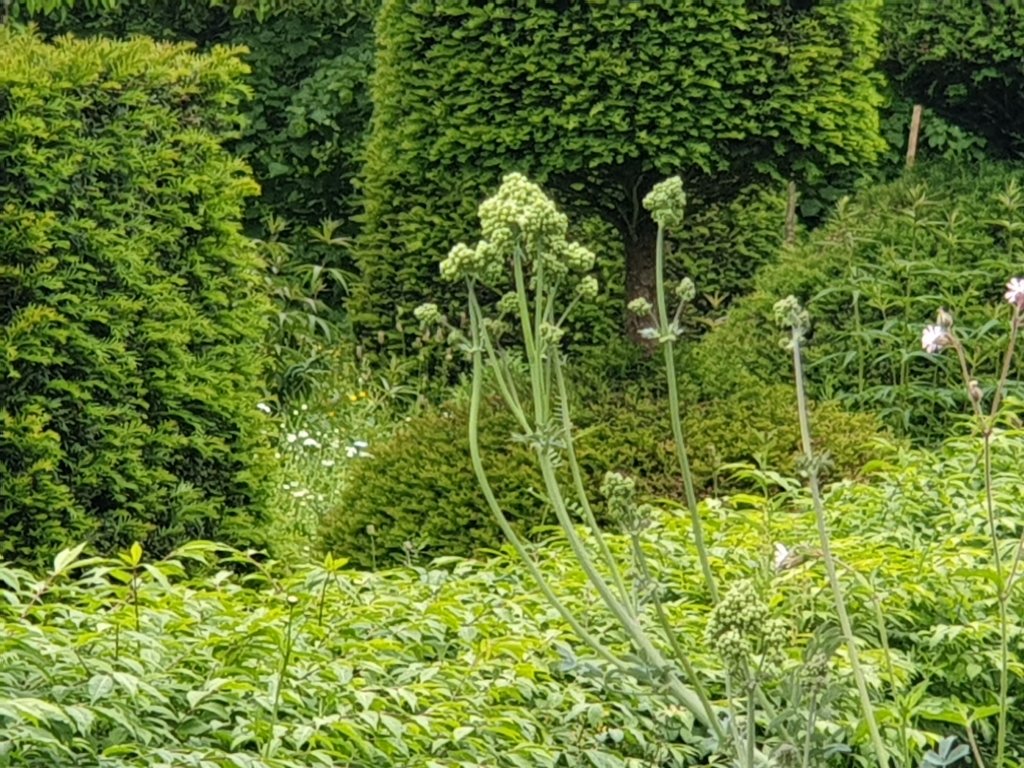
Then, the Topiary Meadow:-

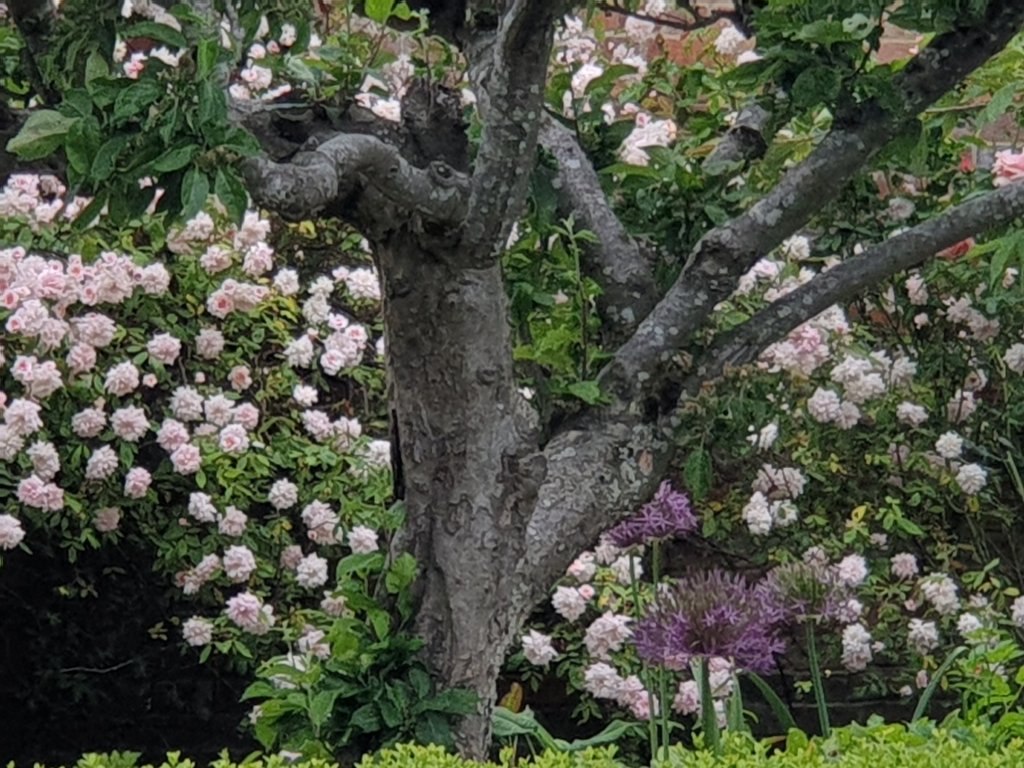
Through to the White Garden (it gets better and better):-

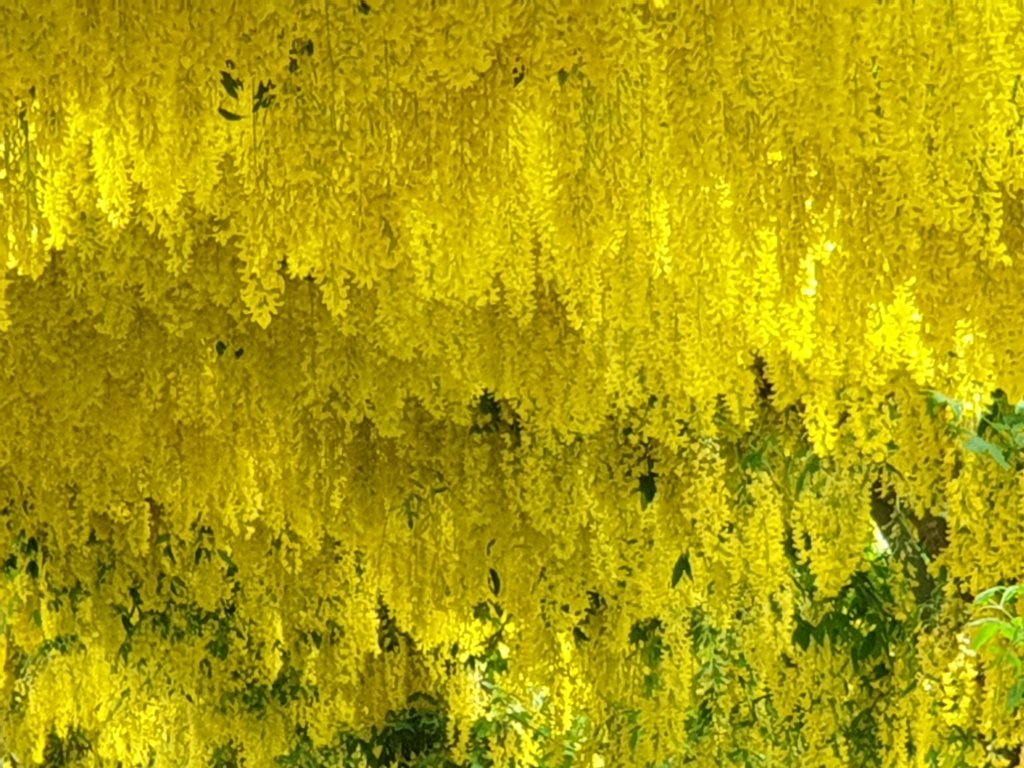
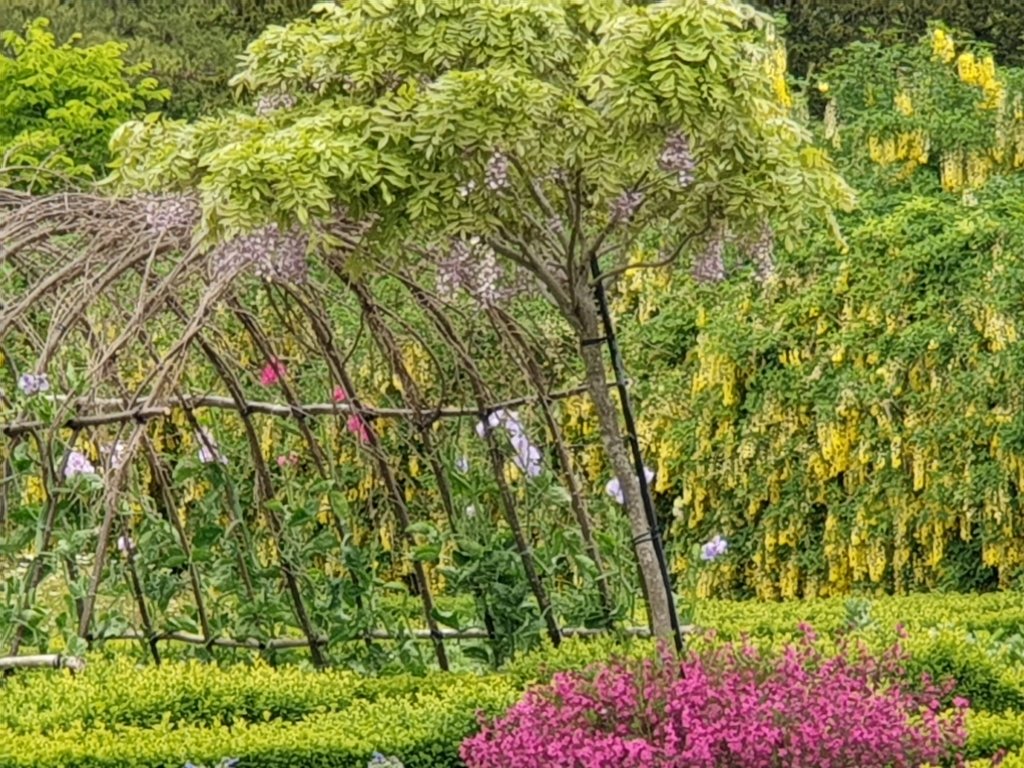
The walled garden is bisected by a laburnum arch:-

Then, it was time for lunch !

Their garden centre opens tomorrow, plus a very luxurious place for lunch, not far from London and the M4, all so beautifully detailed and well cared for. Open sometimes for the National Gardens Scheme.

Standard