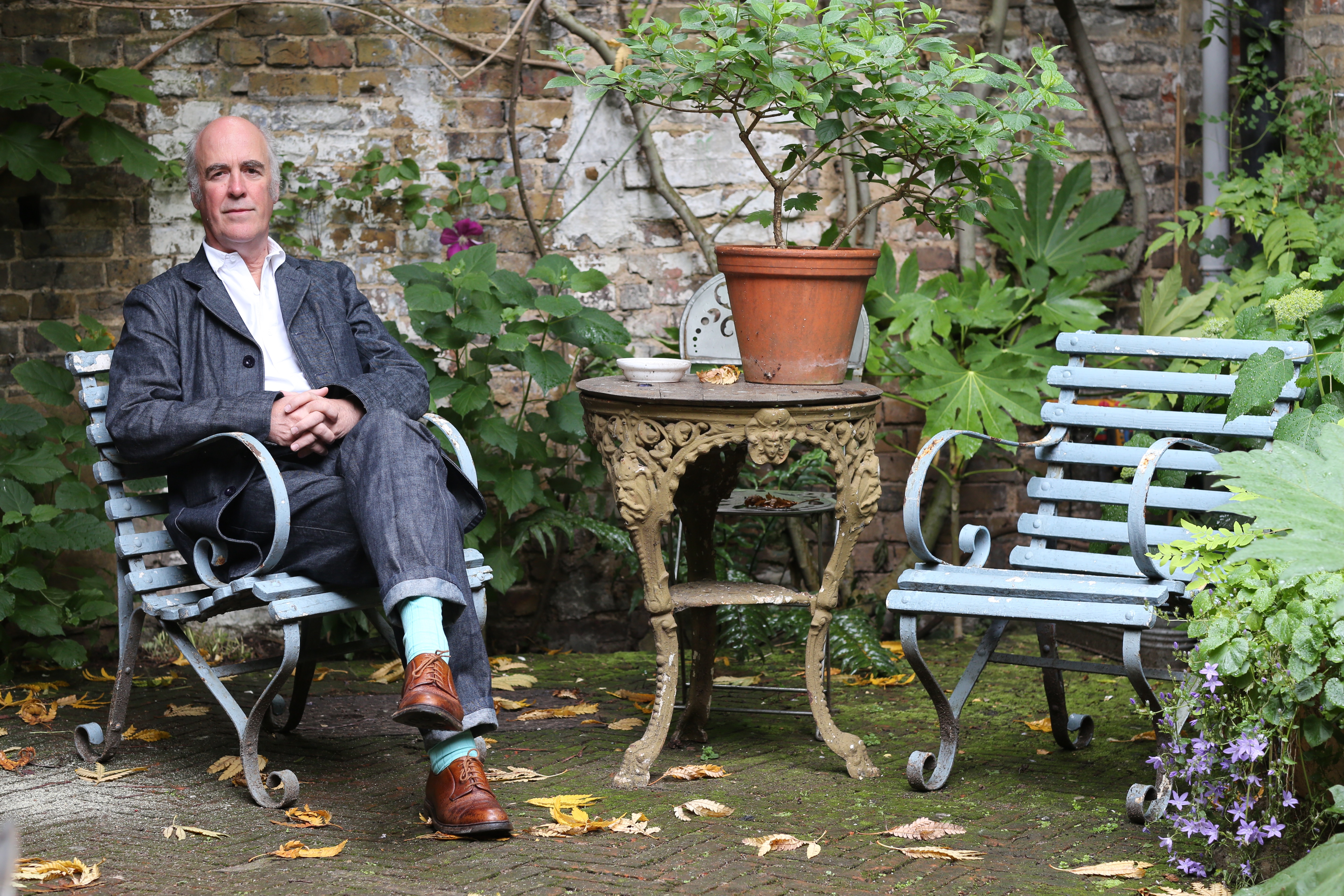
Jim Ede

An admirable review of the new biography of Jim Ede by Honor Clerk, formerly of the NPG.

I know I went to Kettle’s Yard my first week at Cambridge in late September 1972 and I have a distant, but it could be a false, memory of meeting its owner, who left for Edinburgh about that time. So, am looking forward very much to reading the book.

https://www.spectator.co.uk/article/jim-ede-and-the-glories-of-kettles-yard/

Standard

Liverpool Street Station (22)

Readers of my blog will be familiar with what is proposed at Liverpool Street Station.  After my post yesterday, I was kindly asked to write an Opinion piece for Building Design which has just been published (but I fear may be behind a paywall).

Some people take the view that the station is already pretty down-at-heel, so refurbishment is necessary.  Refurbishment no doubt is, but it should not be done by plonking a mammoth office block on top of it.

https://www.bdonline.co.uk/opinion/why-are-herzog-and-de-meuron-risking-reputational-suicide-at-liverpool-street/5123120.article

Standard

Liverpool Street Station (21)

For some reason, I was able to access the article below about the letter in today’s Times to which I was a signatory about the hideous proposal to put a brand new 18-storey tower block bang on top of the Victorian Great Eastern Hotel, as if this is somehow going to save it, instead of looking both monstrous and ludicrous.

I was only sorry that the signatories did not include the designer, Adam Nathaniel Furman, who asked the sensible question on twitter two days ago as to why on earth Herzog and de Meuron have agreed to do it, when as Furman rightly says, they ‘are usually such good architects’. ‘Don’t ruin one of our best railways stations, while simultaneously ruining your reputation’.

Good to see that he’s got 20,000 followers.

https://www.thetimes.co.uk/article/45752d74-edb2-11ed-87b0-716b9284a2b0?shareToken=d5243251361613cb89c672972e7e1c41&s=09
Standard

The Coronation (4)

A few more thoughts in retrospect, while it is still reasonably fresh in my mind. The politicians were all in the transepts so were effectively invisible to the bulk of the congregation. The nave was filled not with the political establishment, but by-and-large, representatives of national and community groups, including those, like the Prince’s Trust, which operate under the crown: so, deliberately apolitical. I thought this was interesting: the idea of the crown binding the nation together through public service and community action, outside the remit of national and local government. Not sure where this leads us, except perhaps to demonstrate how divisive recent politics has been, as demonstrated by the procession of former prime ministers exiting the Abbey right at the end.

Standard

The Coronation (3)

My impressions being there are probably no different from those who saw it on television: particularly the full glory of the English musical tradition, beginning with John Eliot Gardiner conducting the Monteverdi Choir, and including a great number of pieces composed for the occasion. Purcell, of course, and Handel; Vaughan Williams; ending, slightly oddly, with a fanfare by Richard Strauss. I thought Rishi Sunak read particularly well. It was a mixture of ecumenism and the Anglican post-Reformation tradition at full throttle. A pretty impressive piece of organisation by, I presume, a mixture of the Lord Chamberlain and DCMS. Faultless, apart from the cold.

Standard

The Coronation (2)

The Order of Service is a very beautiful piece of classic English typography, but no designer is given. I’m told that it is just the standard form used by the Abbey’s printer, Barnard & Westwood. They deserve a medal.

Standard

The Coronation (1)

Well, I made it through security, a bit like Gatwick except that people were wearing morning dress, suits or national costume – a lot of the latter. Big Ben struck eight o’clock as I entered Westminster Abbey. A lot of military, and people from all over the country, as well as New Zealand. Good. You may not get any further posts.

Standard

18, Folgate Street (1)

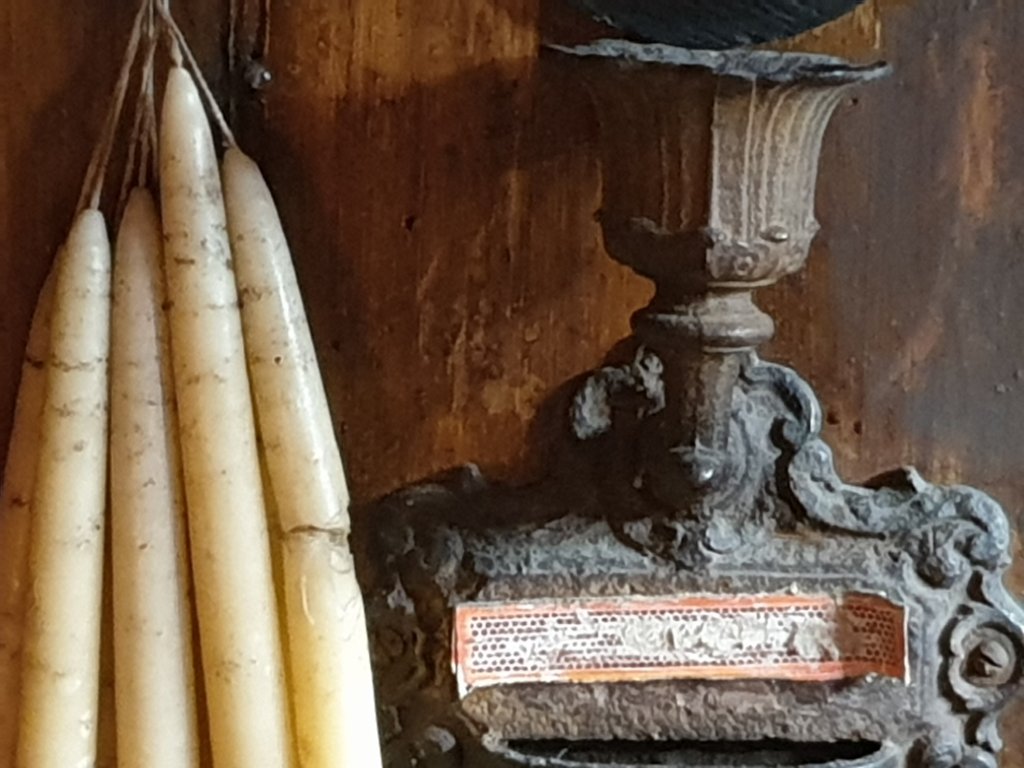
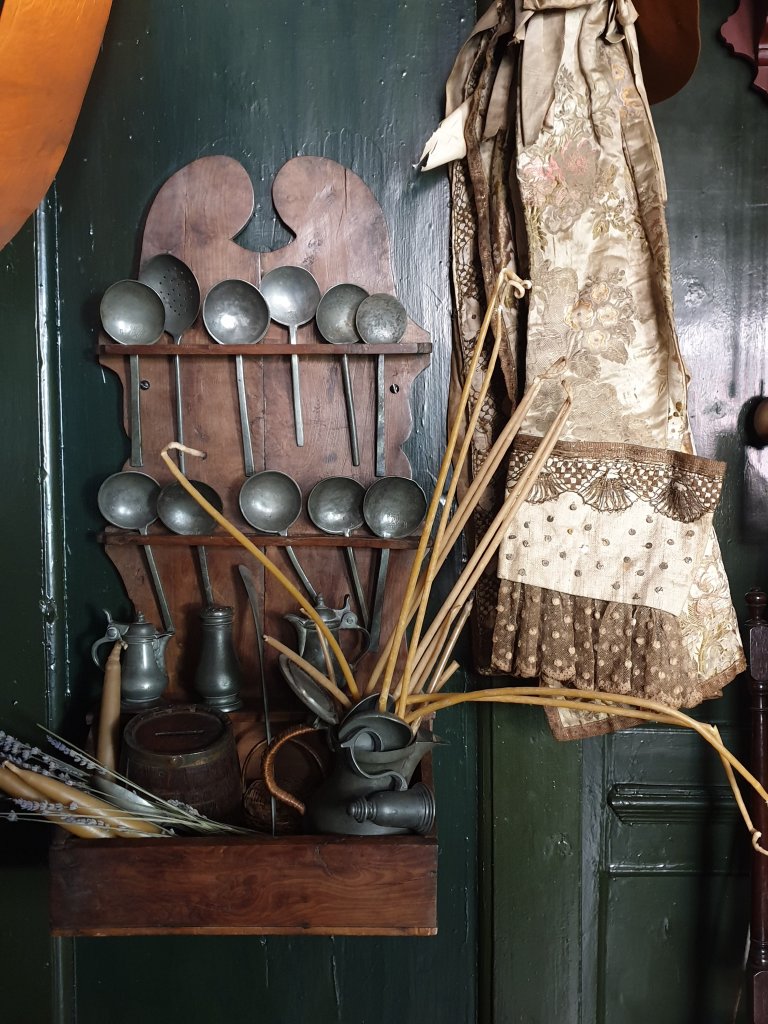
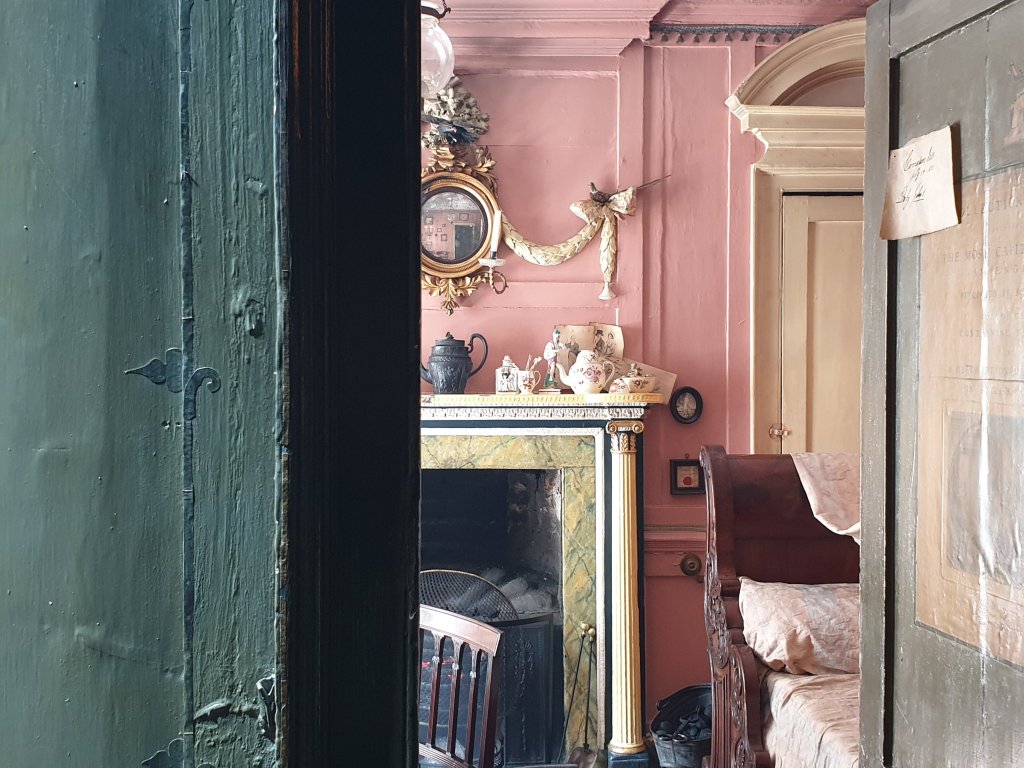
It is quite a long time since I have been to 18, Folgate Street, Dennis Severs’s magical, make-believe house, which re-invents the eighteenth-century interior with much more theatrical invention than any National Trust house – intelligently creative and atmospheric:-

Standard

Simon Pettet (1)

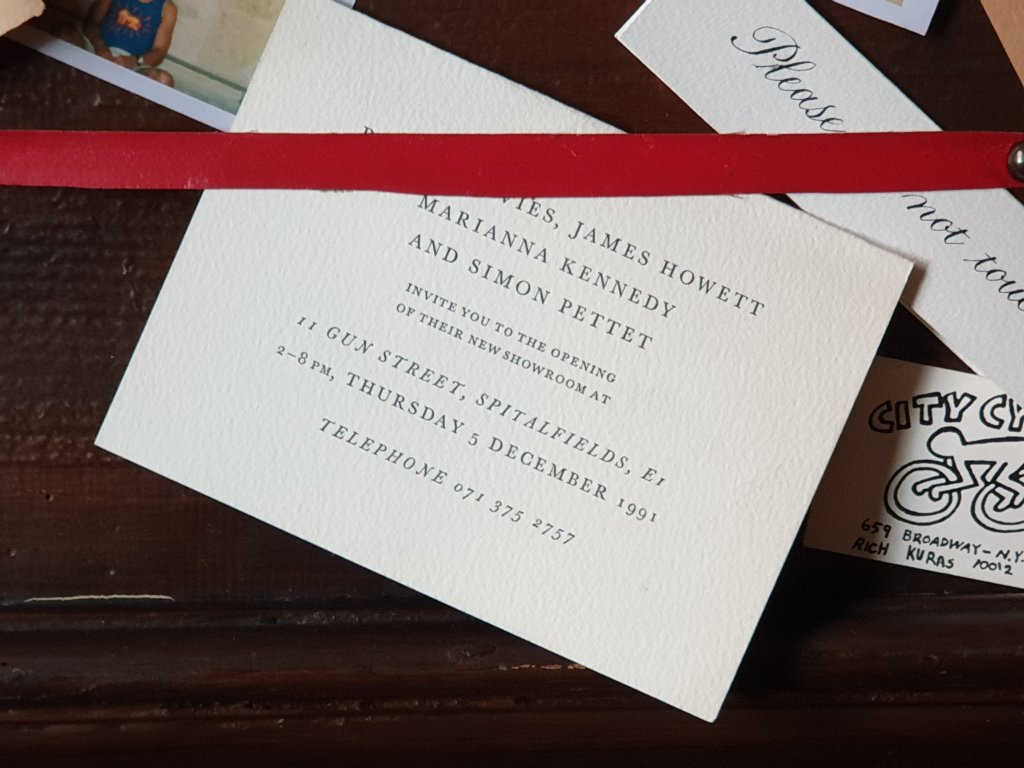
Many years ago – it was on 5 December 1991 – we went to an exhibition in a studio in Gun Street in Spitalfields:-

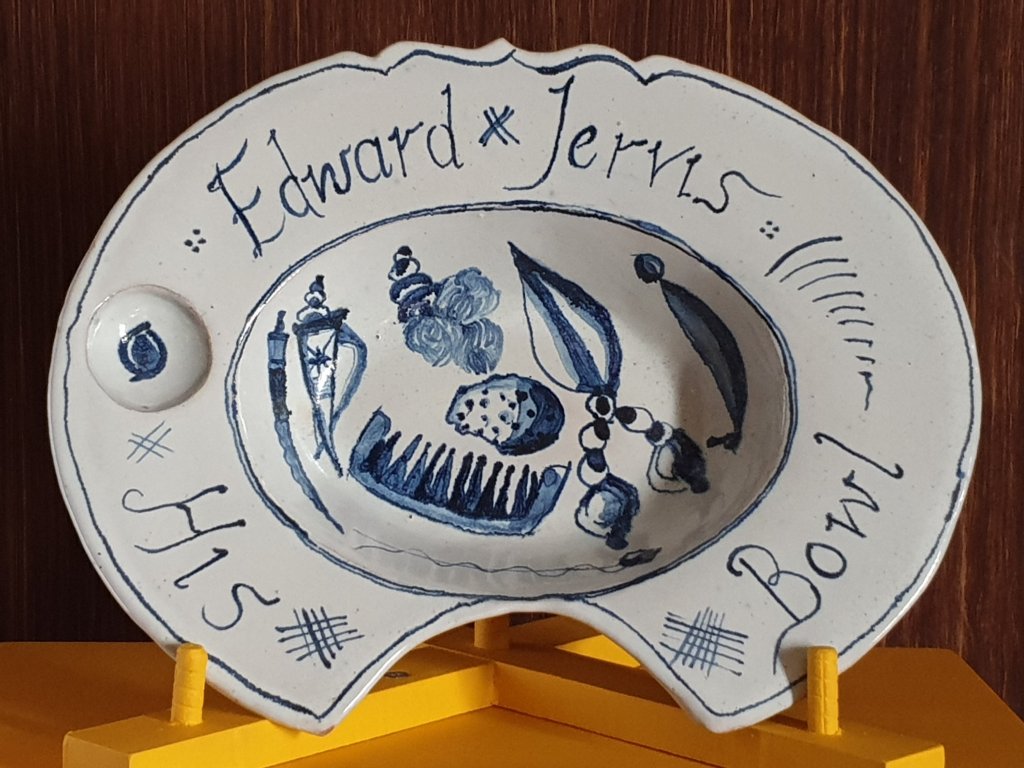
We were very impressed by the work of a young potter called Simon Pettet who did work in a style which was a free interpretation of Delftware with touches of humour as well as vivid observation. We bought a mug which we gave to the people we were having dinner with that evening.

Now Pettet, who died two years later, is having an exhibition of his ceramics at Dennis Severs’s house in Folgate Street, where he lived for ten years. The ceramics are part of the mise-en-scène:-

Standard