
I left out the very beautiful painted decoration in the interiors, hoping to find out more about it:-


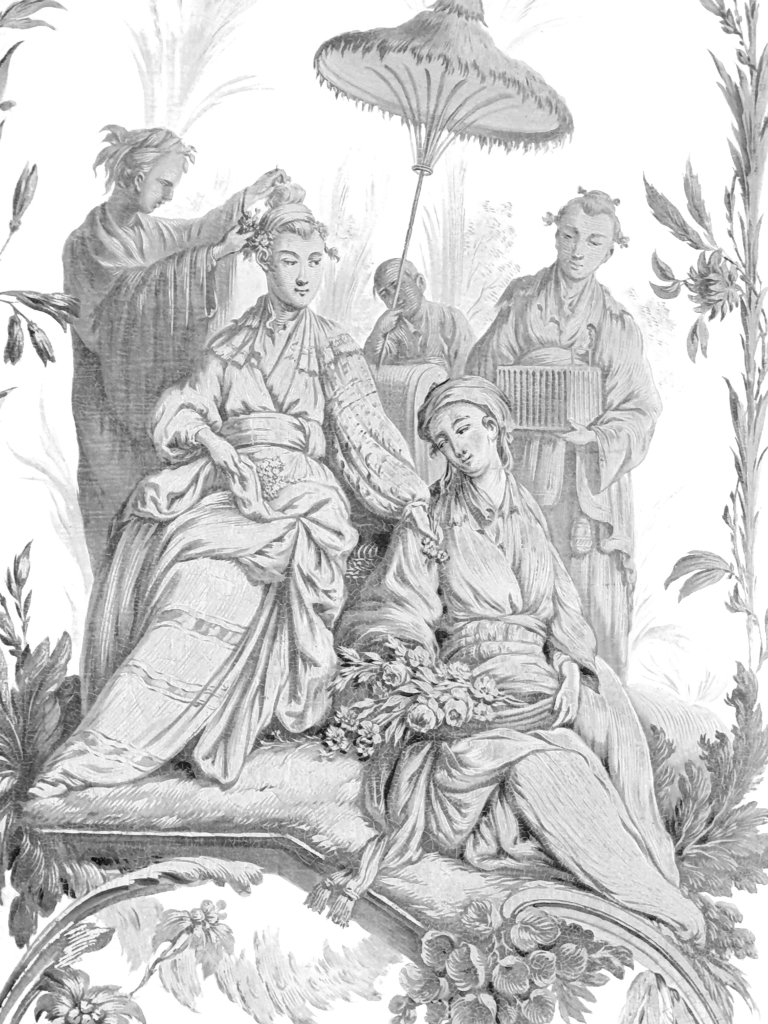
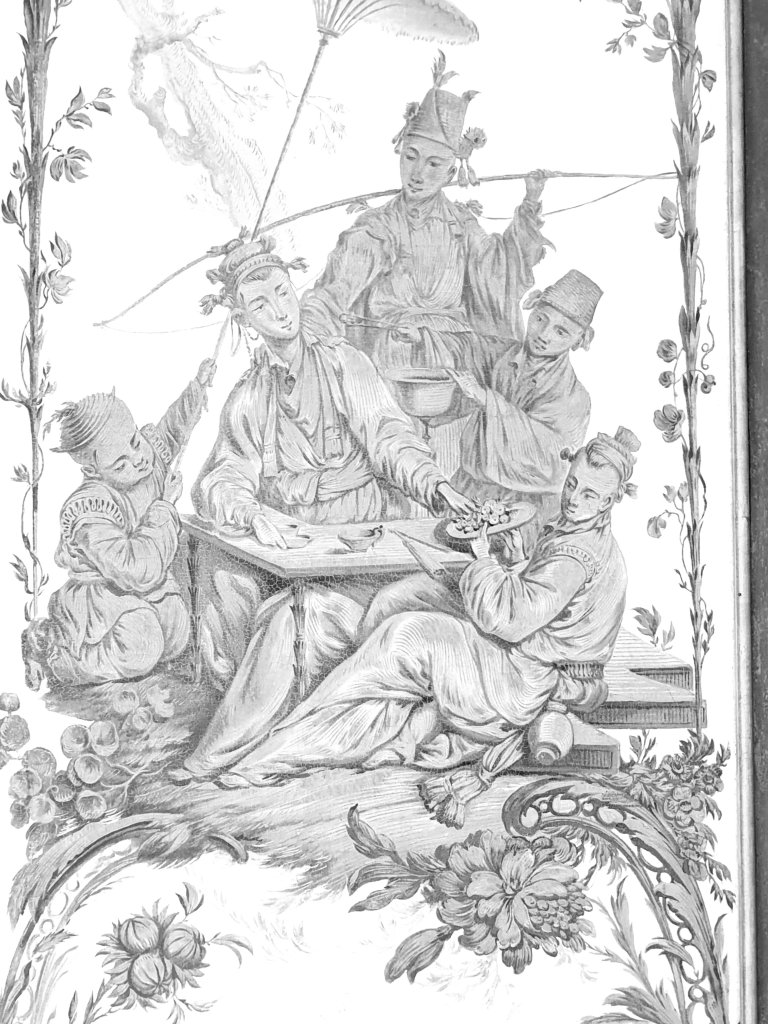

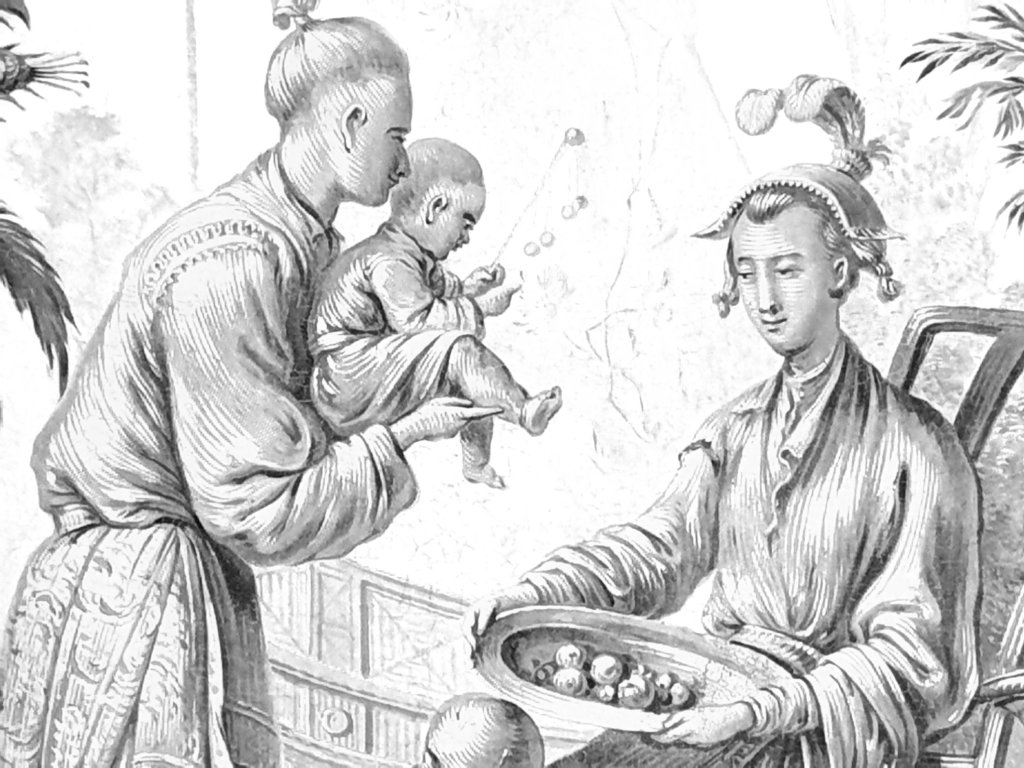


I left out the very beautiful painted decoration in the interiors, hoping to find out more about it:-
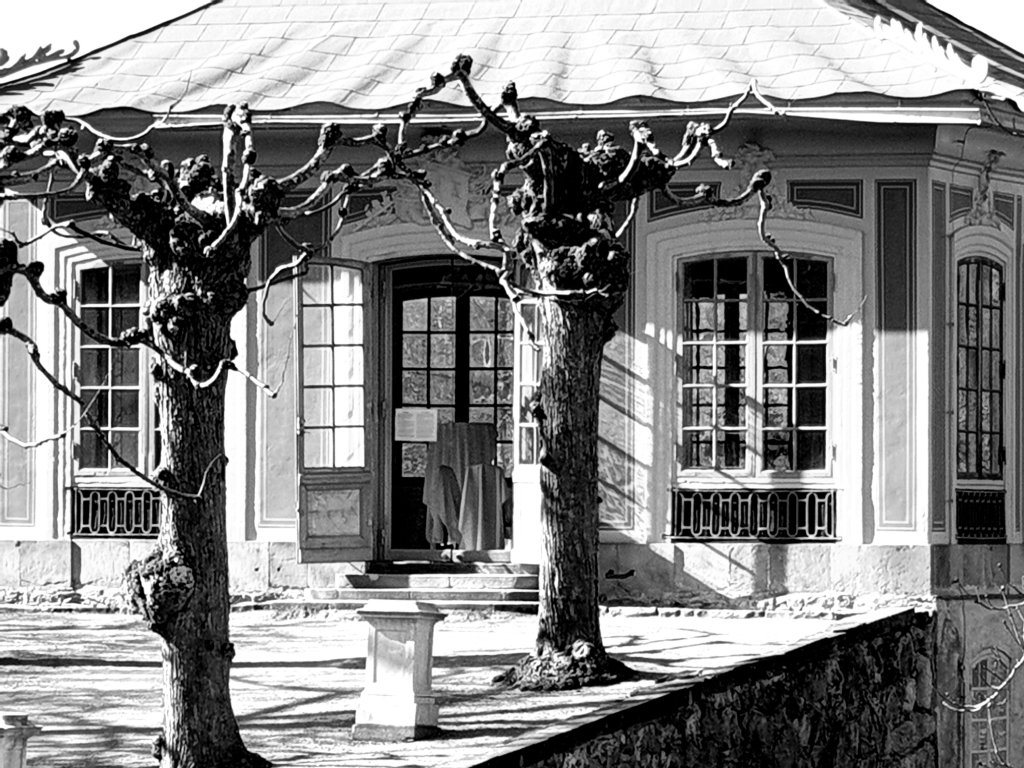
Best of all of the garden pavilions at Drottningholm is the Chinese pavilion, a gift of King Adolf Frederik to his Queen in July 1753. Sweden was at the forefront of the China trade. William Chambers, for example, had been out three times in the 1740s – once in April 1740, again in 1743, and a third time in 1748.
Chinoiserie is traditionally treated as a source of fantasy, but this strikes me as a pretty serious attempt to reproduce the characteristics of Chinese architecture, as represented in Chambers’s Designs of Chinese Buildings, published in May 1757:-


There are two flanking pavilions:-


I loved the interiors, so beautifully atmospheric in the afternoon sun:-

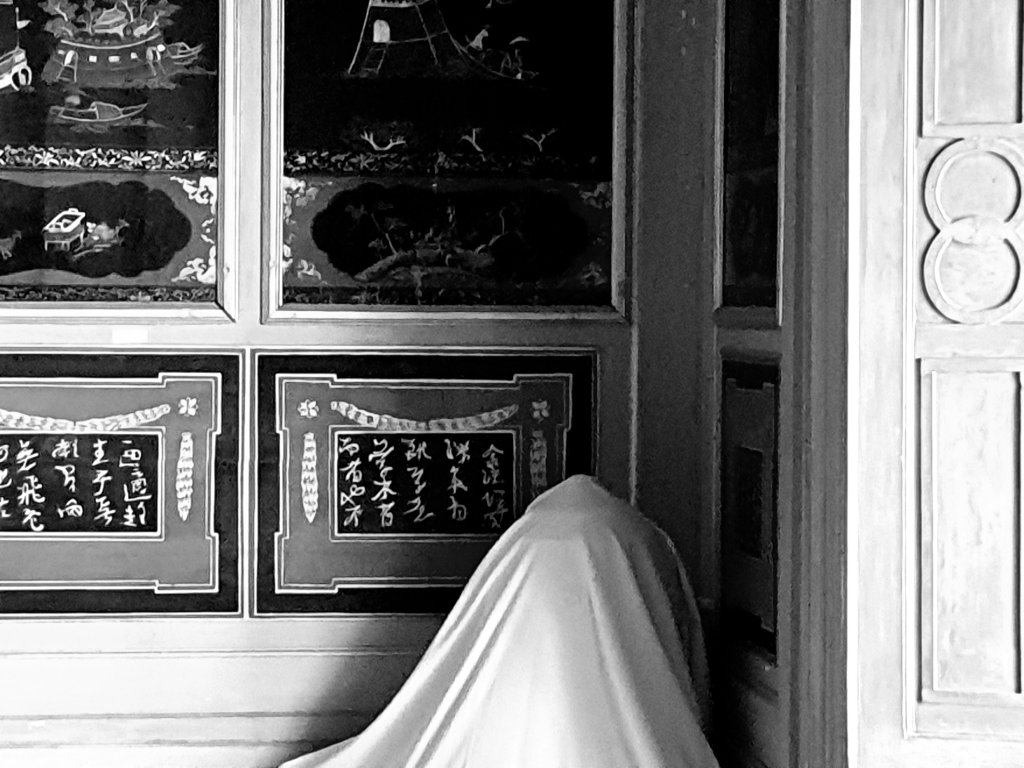
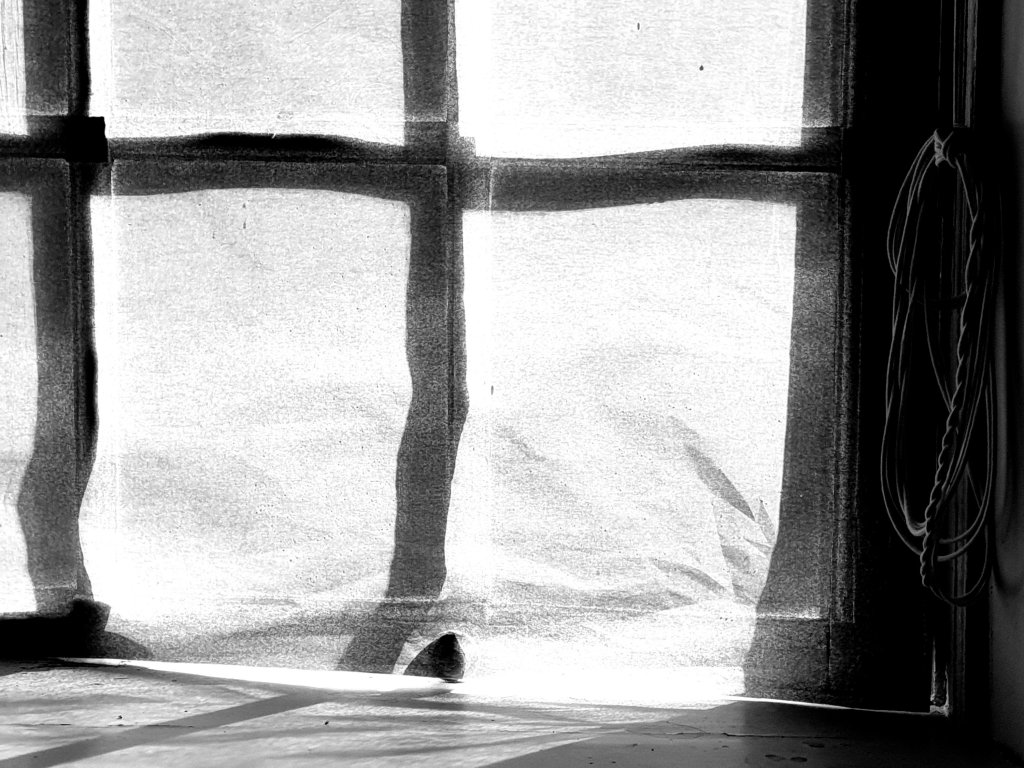

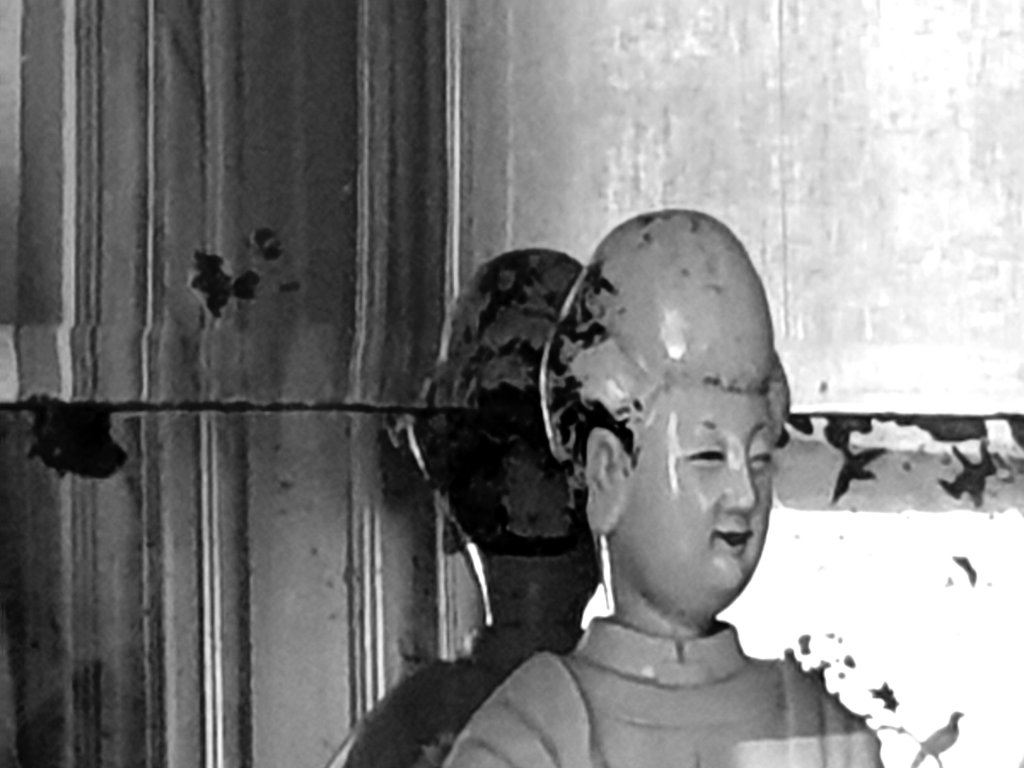

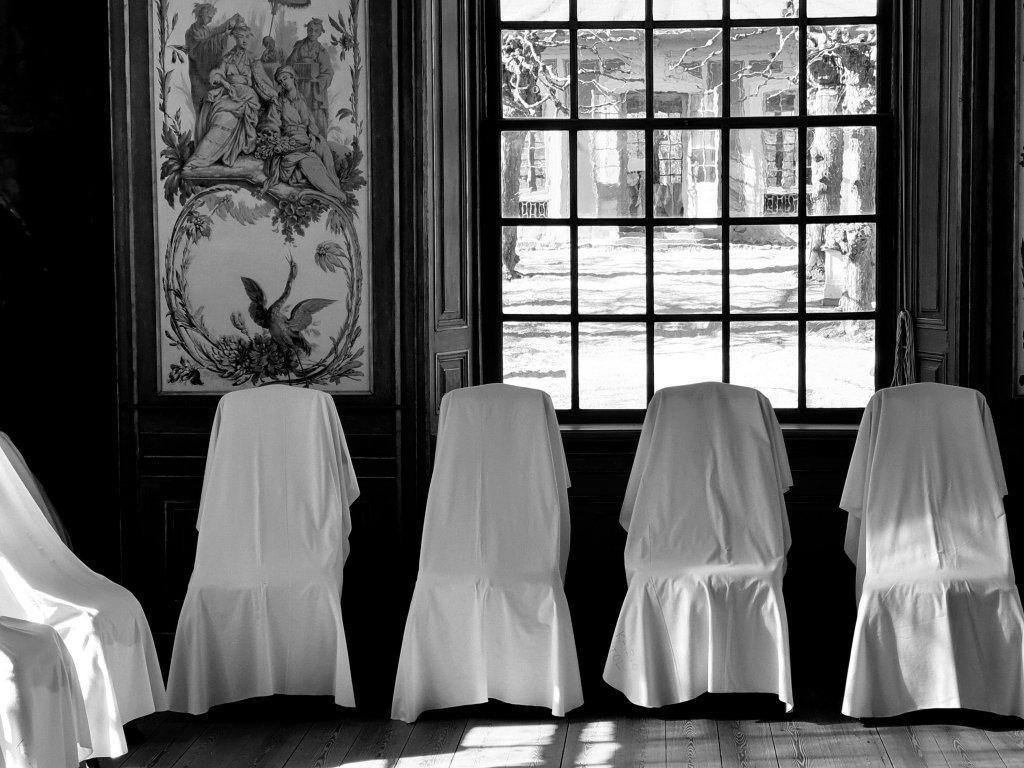
The guards’ tent in the grounds at Drottningholm is a place of charming ephemeral fantasy – a tent, made apparently of metal, but looking like canvas, as if it had been erected for a theatre, a joust, but was barracks for the Royal Guards:-

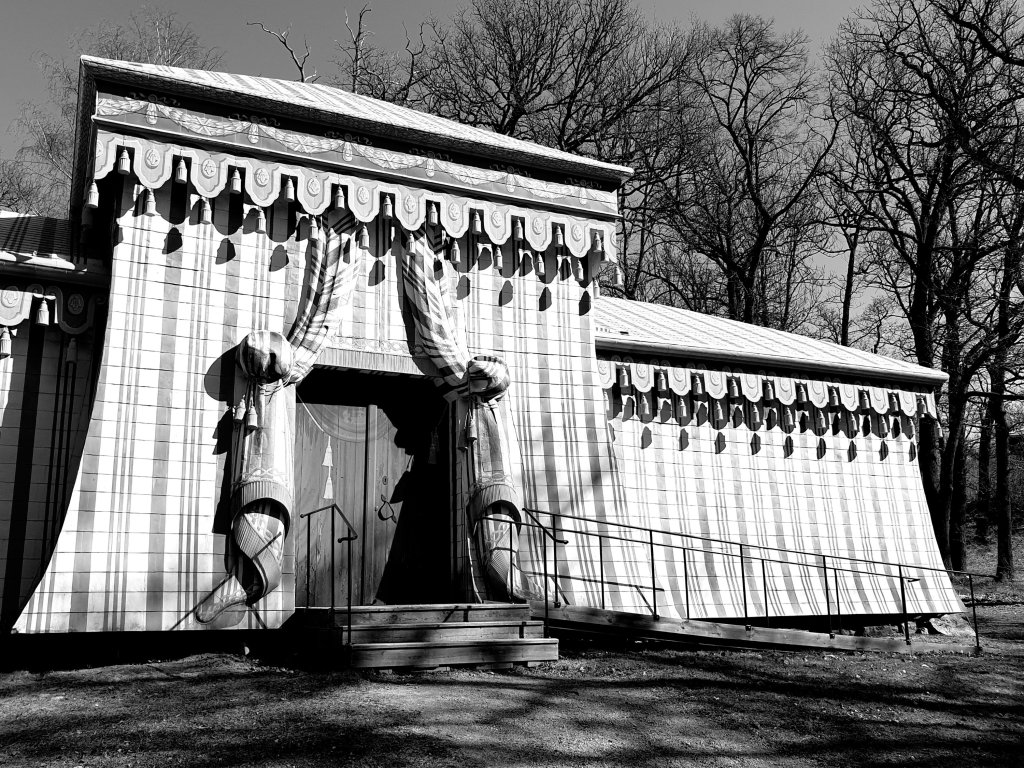

The summer palace of Gustav III, but much older, built in the late seventeenth century to the designs of Nicodemus Tessin:-

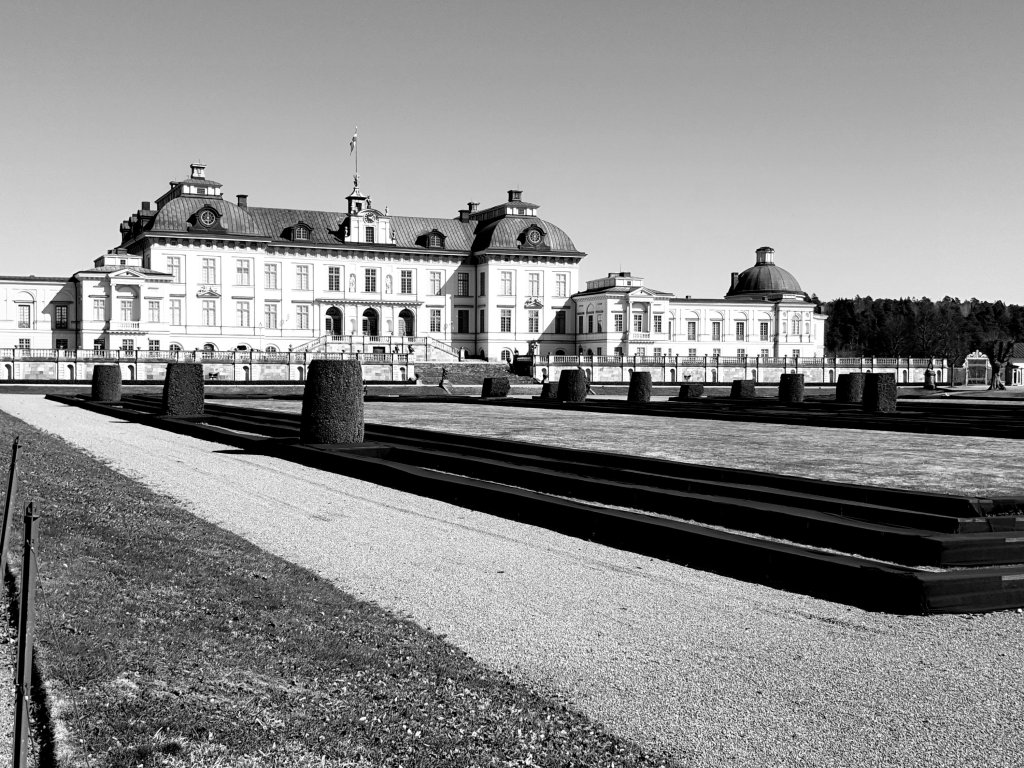

I have been to Drottningholm once before, in 2005, for a performance of Jean-Philippe Rameau’s Zoroastre. But I had forgotten how staggeringly well preserved the theatre is, how deeply atmospheric, the sense of walking back behind-the-scenes of the eighteenth century into its back rooms and performance spaces, the peeling wallpaper, the secret staircases:-

The stage:-


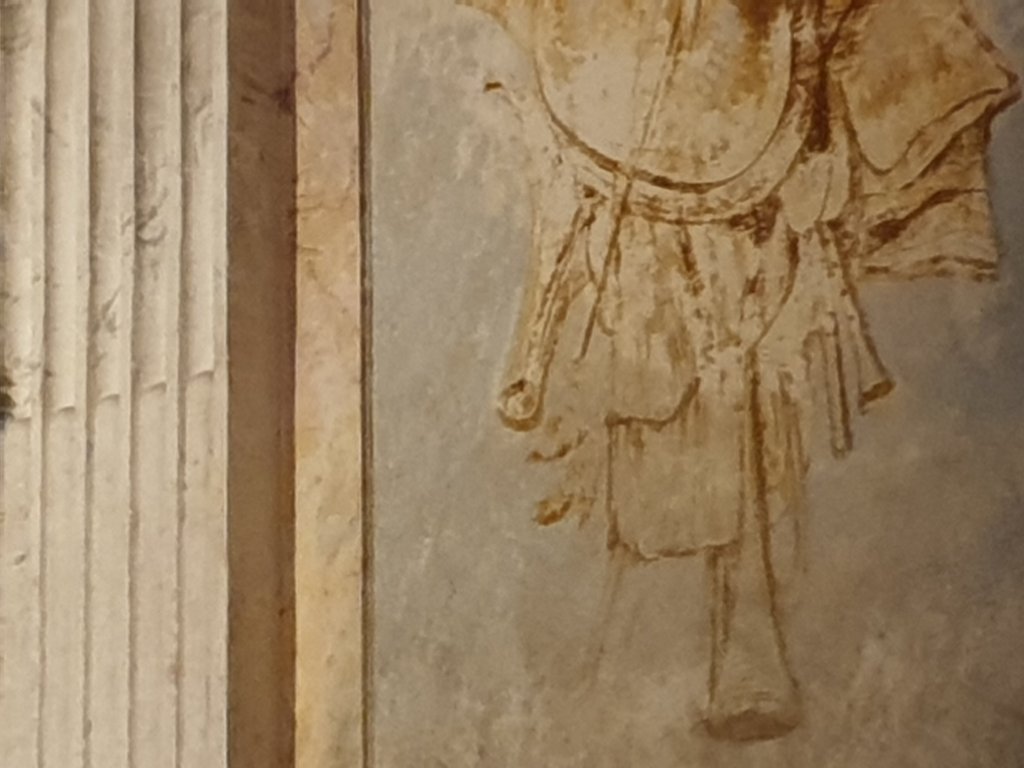
Behind-the-scenes:-

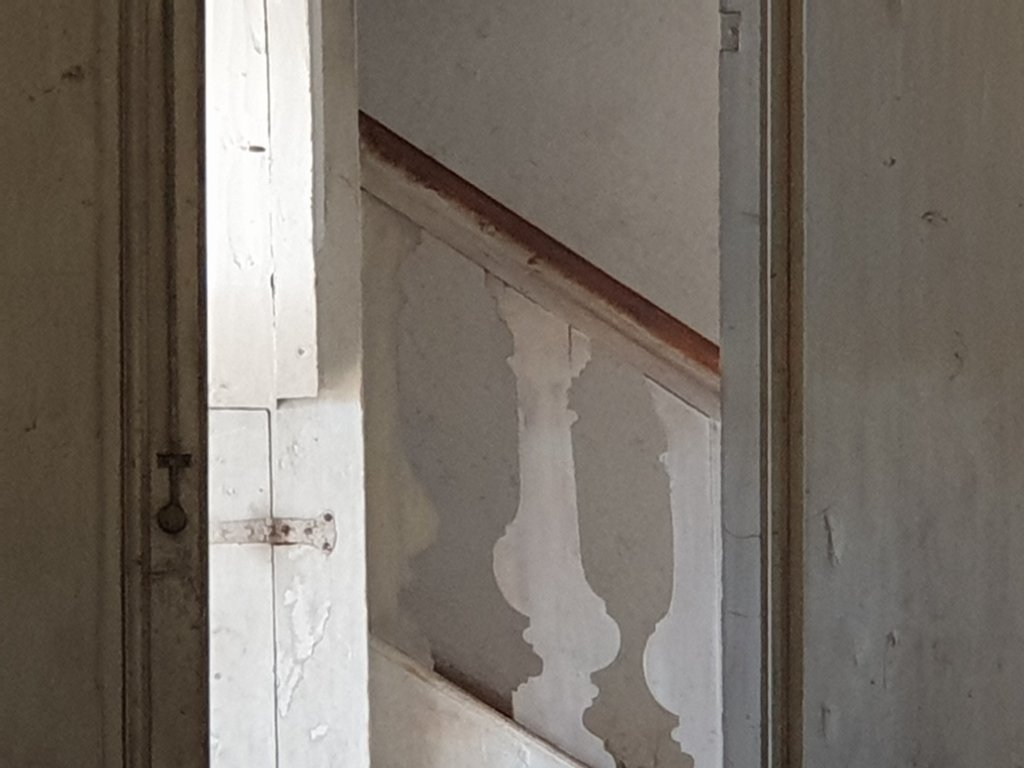

The wallpaper:-
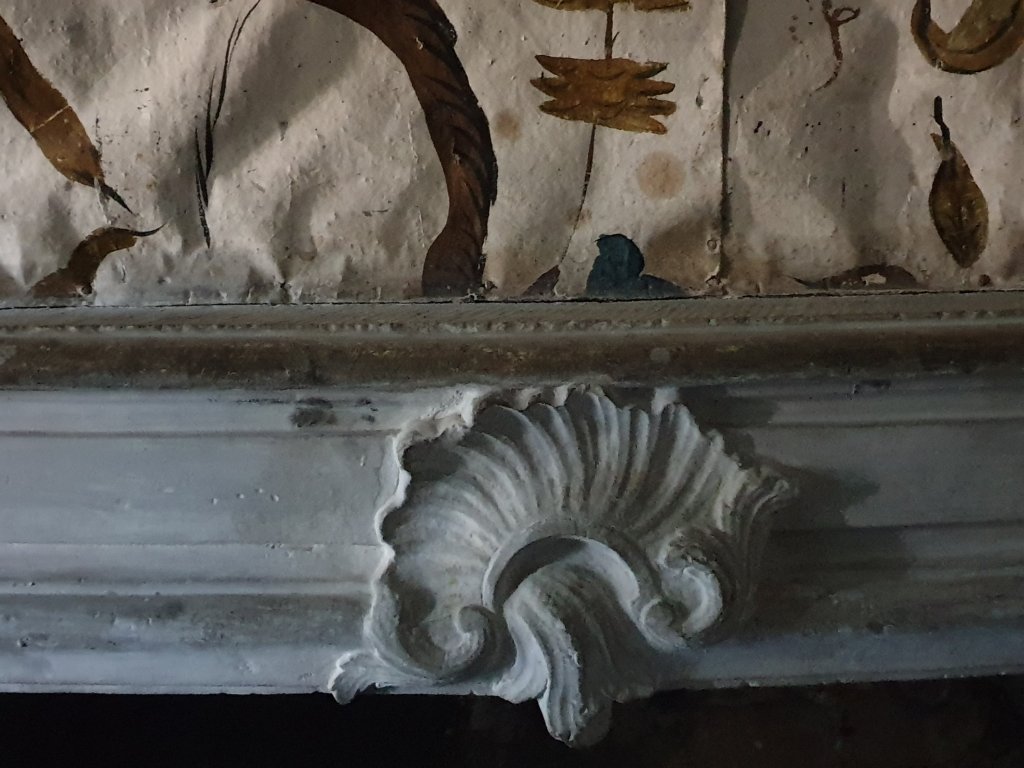

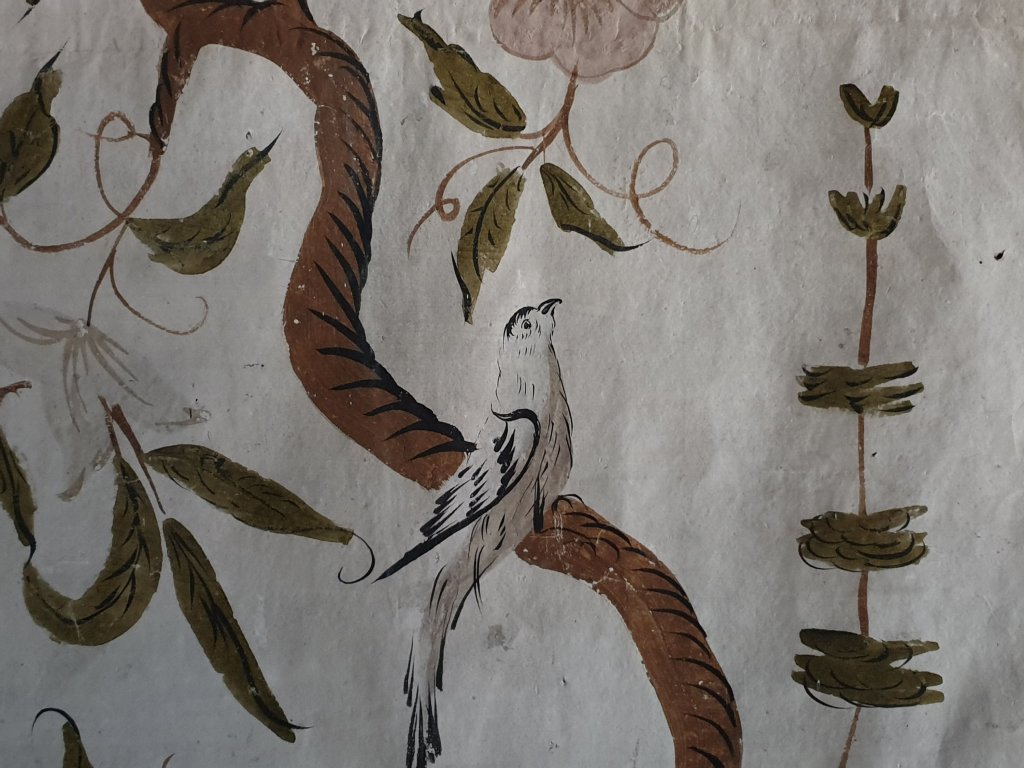
The stage machinery:-


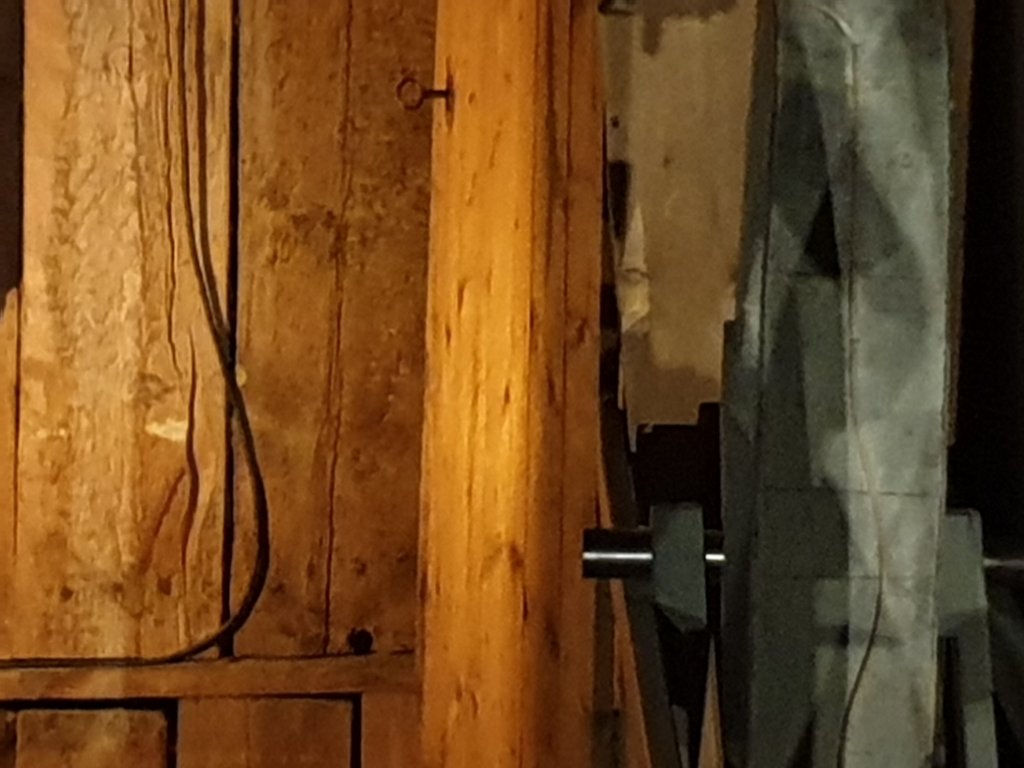

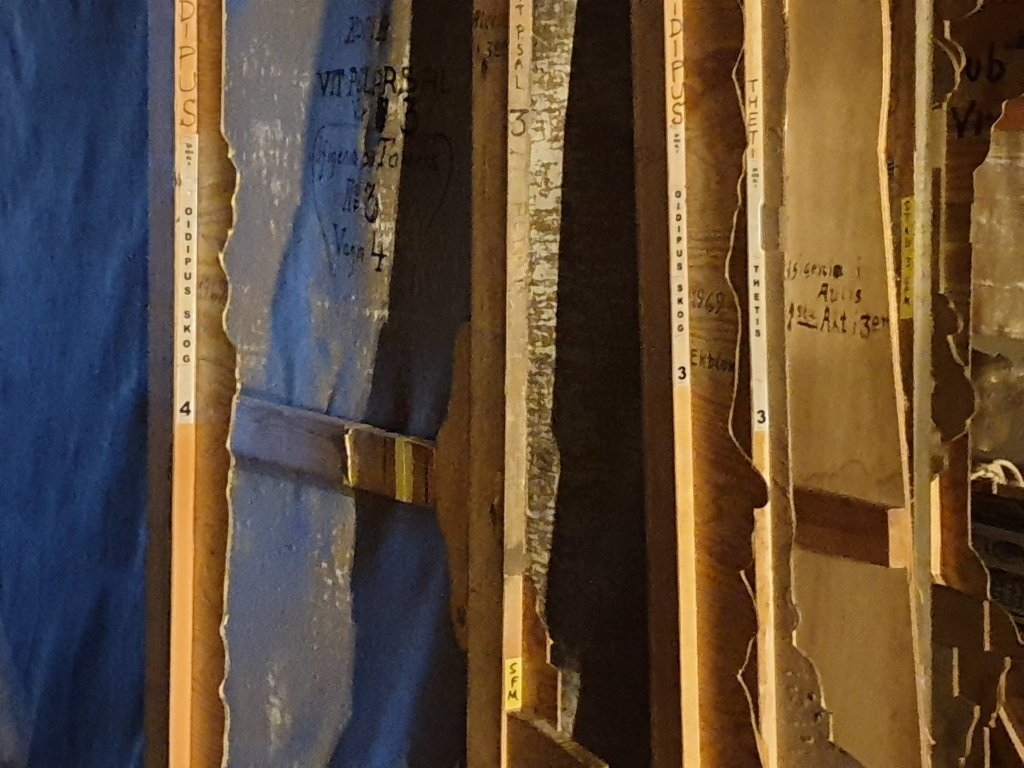
The view out into the park:-
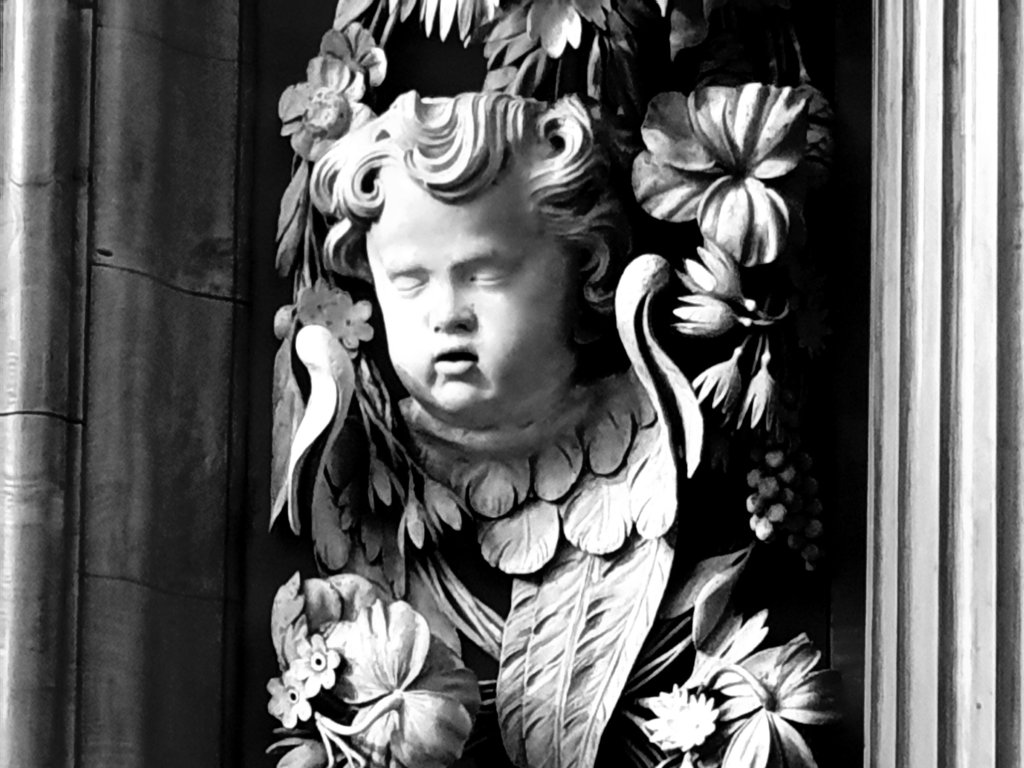
I started the day of a Wren conference in the chapel of Trinity College, Oxford which I have been in only once before when it was being restored – a wonderful space with extraordinarily fine Grinling Gibbons woodwork, now cleaned of later paint:-


It was good preparation for the excellent paper by Mark Kirby on the extent of Wren’s role in the design of the church furnishings of five of the City Churches and whether or not he had inherited his father’s and uncle’s Laudian attitude to liturgy: the answer, perhaps not surprisingly, is that there is no evidence of it; he was working at speed and did what the rector and congregation wanted.
Strangely, it is the first time I have been asked to lecture on the Castle Howard mausoleum, a mere thirty three years after I published a book with a chapter, the key chapter of the book, on it.
I still find it a profoundly moving building – so considered, so resonant, so full of intent:-


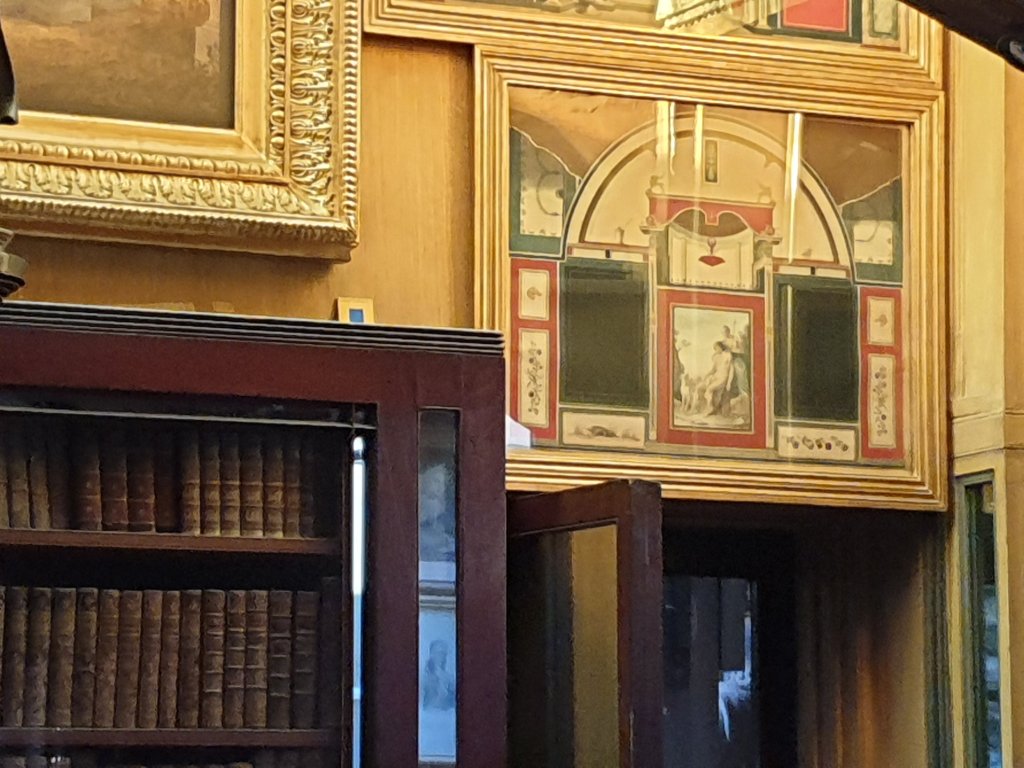
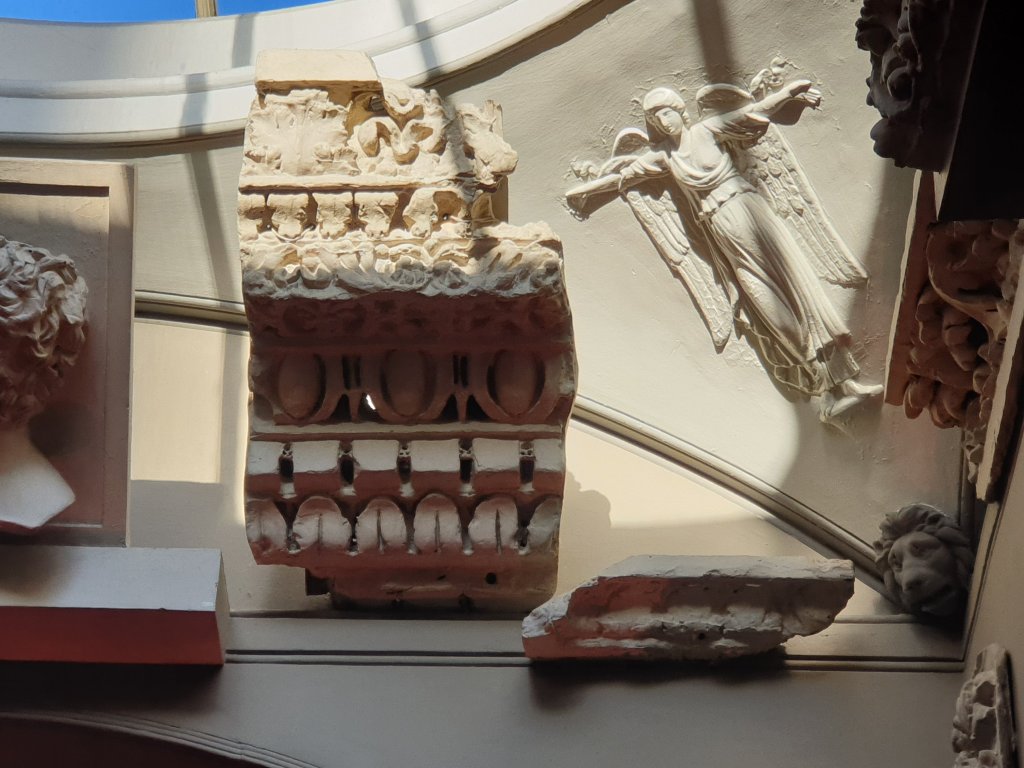
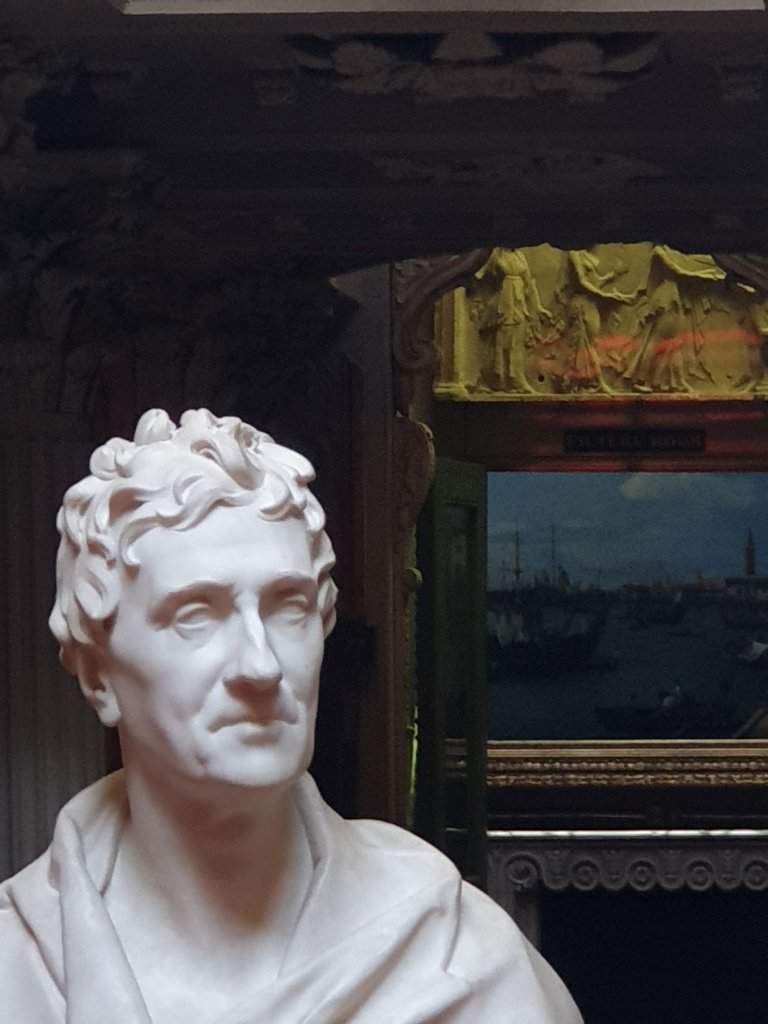
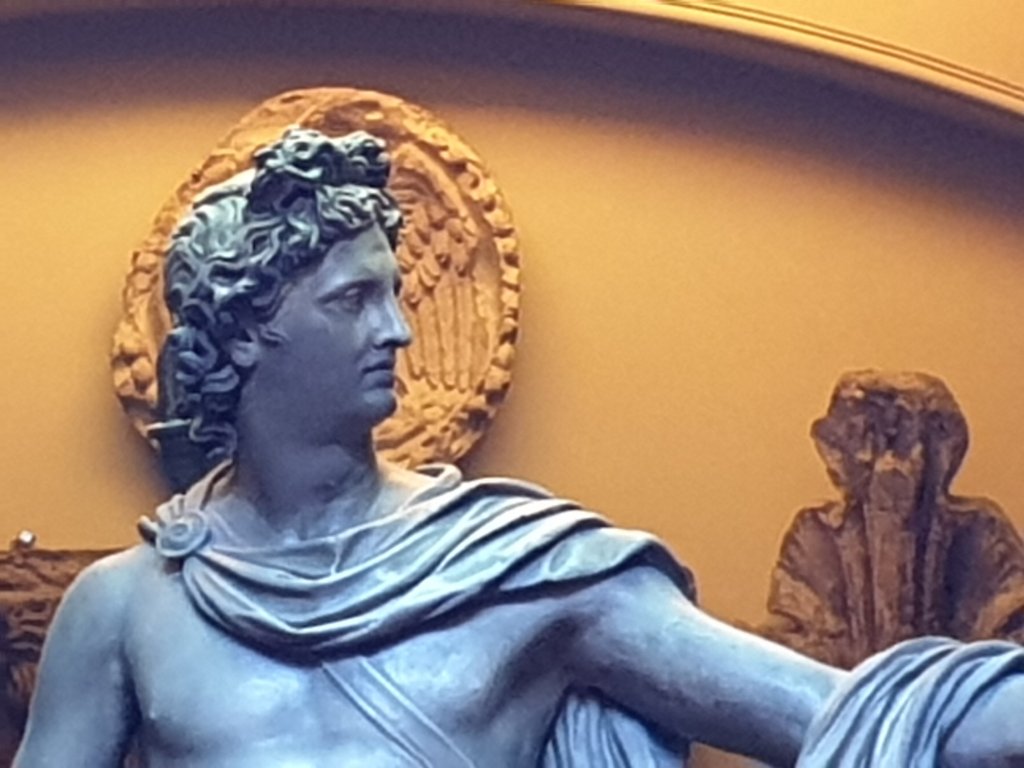
I had the utmost pleasure giving a talk in Sir John Soane’s Dining Room/Library, a curious mixture, like so much of the house, of grandeur and intimacy, helped by the room being full, like an early nineteenth-century séance.
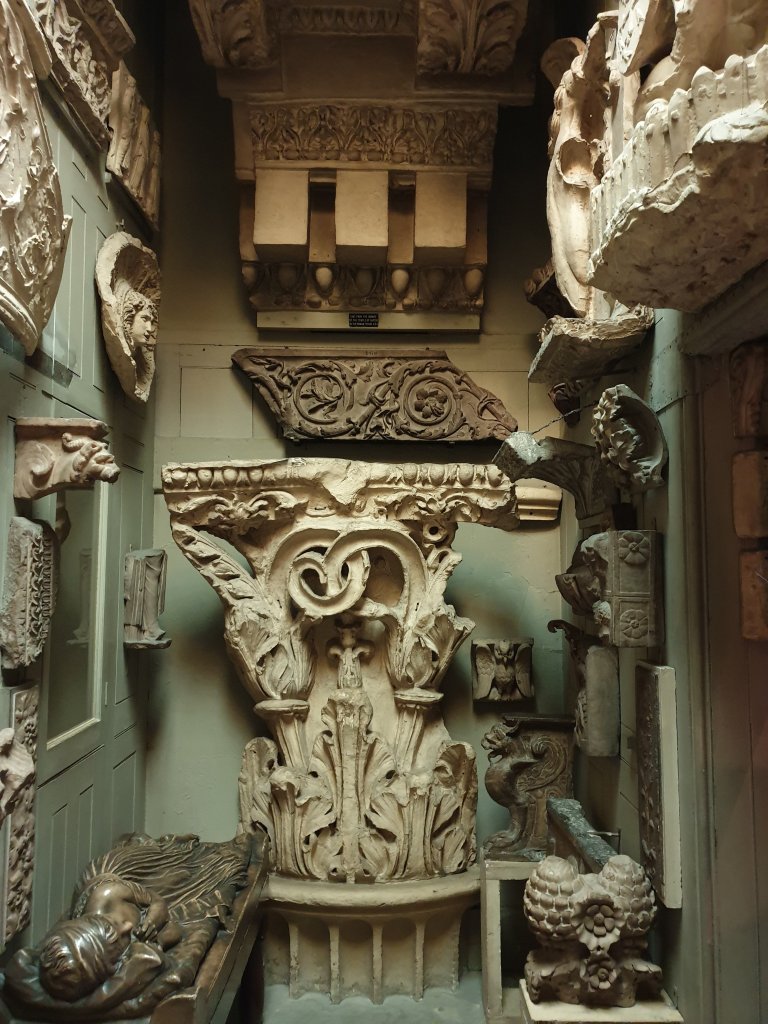
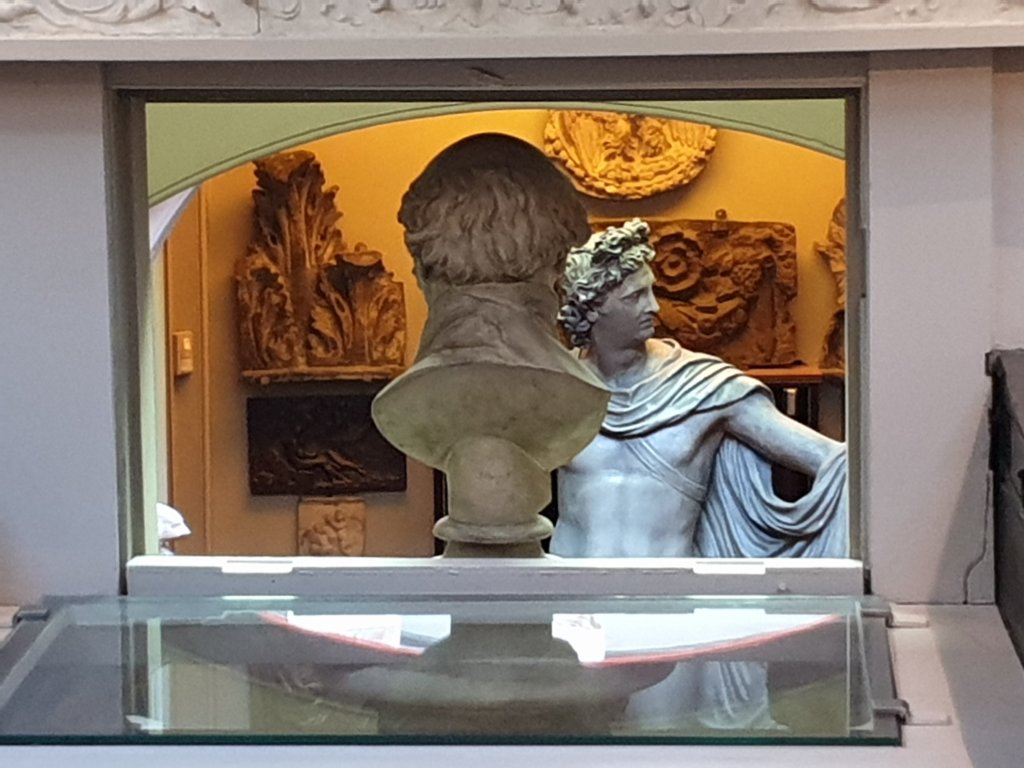
Before the talk, I was able to wander round his taut, reflective interiors, so full of objects, but all artfully arranged. Is it picturesque ? Or neoclassical ? A memory palace ? Or just a form of artful pandemonium ?



I happened upon Paul Lay’s appreciation of Painting and Experience in Fifteenth-Century Italy which I think Michael Baxandall wrote as undergraduate lectures after spending many years writing Giotto and the Orators, a subtle condensation of his thinking. I didn’t know Baxandall was an enthusiast for county cricket. It’s possible. Also, it’s probably worth remembering that his father was Director of the National Gallery of Scotland, which I have always assumed must have influenced his turn to art history, even if he chose to ignore it.
https://engelsbergideas.com/book-review/michael-baxandalls-renaissance-ecstasy/?s=09
Of course, I was being dense when I wrote my previous blog about those who studied in the History Faculty Building, because one of them was Rowan’s older brother, Charles, who read History Part 2, and may well have been influenced by his experience of the History Faculty Building to dislike modern architecture. And Charles was a friend of Oliver Letwin, who read History, Part 1 and 2. So, perhaps there is a pattern to the building’s influence. But there were surely other influences at work in the 1970s response to high modernism.
 | Charles | Saumarez | Smith |
You must be logged in to post a comment.