The Beastly East

My piece for this month’s The Critic was on the still relatively new Survey of London volumes on Whitechapel – a bit late I know, because I went to the launch last June. But I discovered that they are just as meticulous in recording recent changes in property ownership as they are those of the eighteenth century. And so I discovered who actually owns all those monster new tower blocks in Aldgate and how many times they have changed owner in the last ten years. They are nearly all offshore. One is owned by a Texan disc jockey.

This brings me to the scandal of the Whitechapel Bell Foundry which you may recall was sold in December 2016 – SEVEN YEARS AGO – to a New York venture capitalist who wanted to turn it into a boutique hotel. Well, after his plans were supported by Historic England as an example of adventurous change-of-use (change-of-use to a listed building should have been legally forbidden since there was a perfectly viable plan to keep it as a foundry) and after the planning Inspector found in favour of the scheme, Robert Jenrick gave it planning permission in spite of tweeting on the day that it was a rotten scheme until it was pointed out that he had signed the approval.

So what has happened since ? Precisely nothing. The building has been left to rot by the New York venture capitalist. The Mayor does nothing. Historic England has egg on its face.

There is still a perfectly viable plan to put it back to use. Can we please encourage the venture capitalist to return the building to its historic purpose ? The London Bell Foundry will help.

https://thecritic.co.uk/issues/february-2023/the-beastly-east/?s=09

Standard

Liverpool Street Station (18)

Following the recent article in Bloomberg News about the redevelopment of Liverpool Street Station, I begin to see the logic behind what is proposed.

The development of London Bridge Station by Irvine Sellar has been pretty successful. Whilst the Shard, designed by Renzo Piano, is not universally admired (I do admire it), it certainly does not detract from the railway station below which has been refurbished by Grimshaw. So, Irvine’s son, James, then went on to employ Renzo Piano to design a monster 19-storey tower block, known colloquially and for obvious reasons as The Cube, on the east side of Paddington Station. This was much more contentious. The building is on a vast scale, but it is in the nondescript, industrial area round Paddington Basin. It is out of scale with its surroundings, but got planning permission. As a concept, Piano said that ‘When you exit [Paddington] station you will see a clear floating cube ‘levitating’ above the ground’.

With the redevelopment of Liverpool Station, there is very little space alongside the station, although it should be pointed out that there is actually a large and semi-redundant plaza outside the west entrance of the Elizabeth line. So, someone had the bright idea of putting a version of the Paddington Cube ‘levitating’ on top of the existing Victorian Station, irrespective of the architectural character and significance of the original station and its accompanying late Victorian hotel.

At this point, someone – either Jacques Herzog or Pierre de Meuron – should have said that this is a completely horrible idea. You can’t just put a building of the twenty first century on top of a building of the late nineteenth century without any sense of relationship and integration between them. It is visually and architecturally offensive. But I suppose that Herzog and de Meuron is now a monster international practice and may as a result have lost a sense of integrity in what it now does on its corporate side and so the partners, or much more likely the employees of the UK office, agreed. Interestingly, they do not show the Liverpool Street Station project on their website. They are probably rightly embarrassed by it.

Bang goes their reputation as architects of thoughtfulness and intelligence. They will now be forever associated with a horrible glass box which exemplifies all the worst aspects of contemporary corporate greed.

Standard

Chelsea School of Art

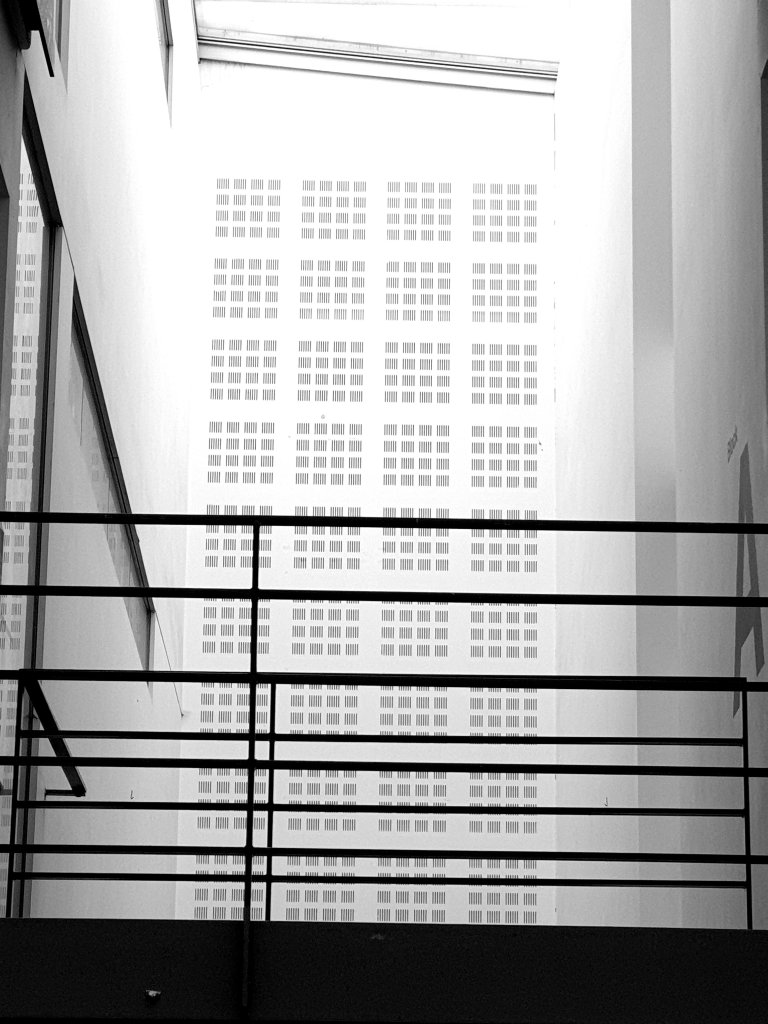
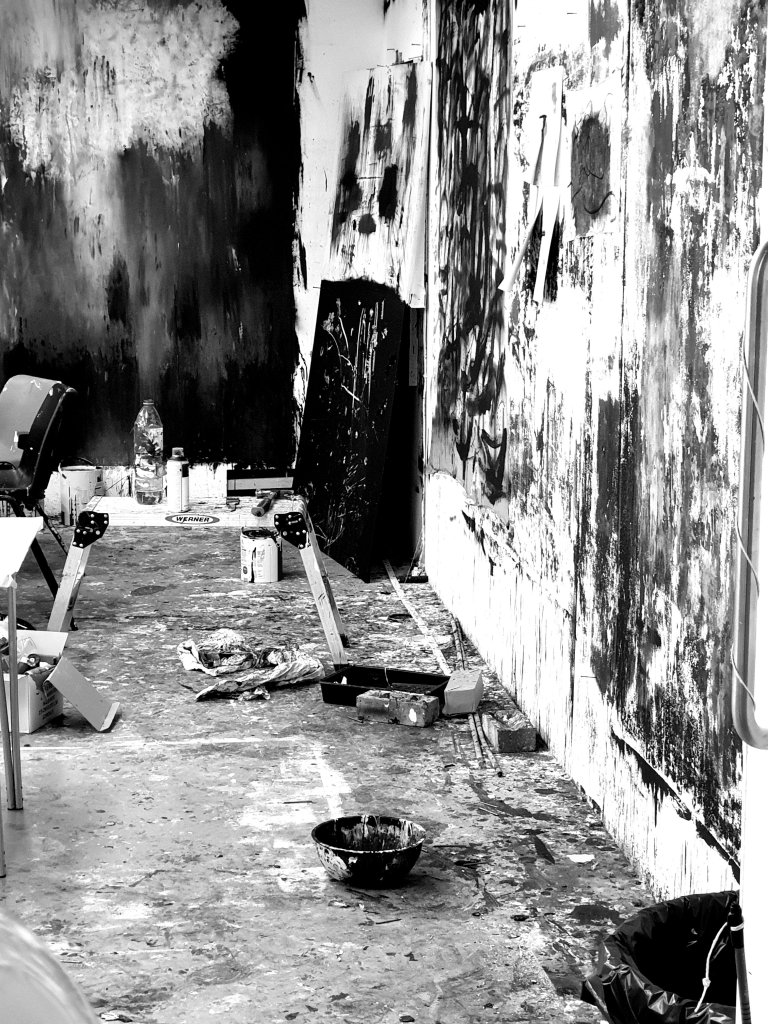
I spent the last three days at Chelsea School of Art doing a short course on architectural photography, hoping to upgrade what I now realise is my hopelessly amateurish photography by way of a mobile phone – no retouching, no photoshop.

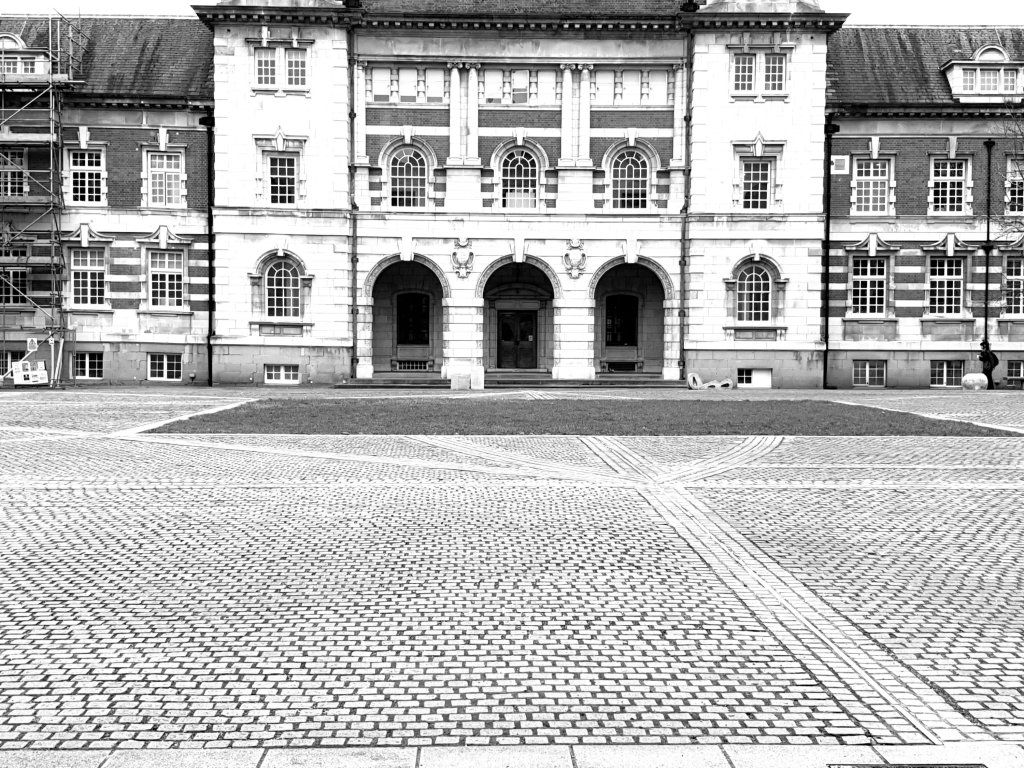
Yesterday morning’s exercise was to document the old historic building of the Royal Army Medical College, which occupies part of what was, once upon a time, the site of the old Millbank Prison – alongside the Tate.

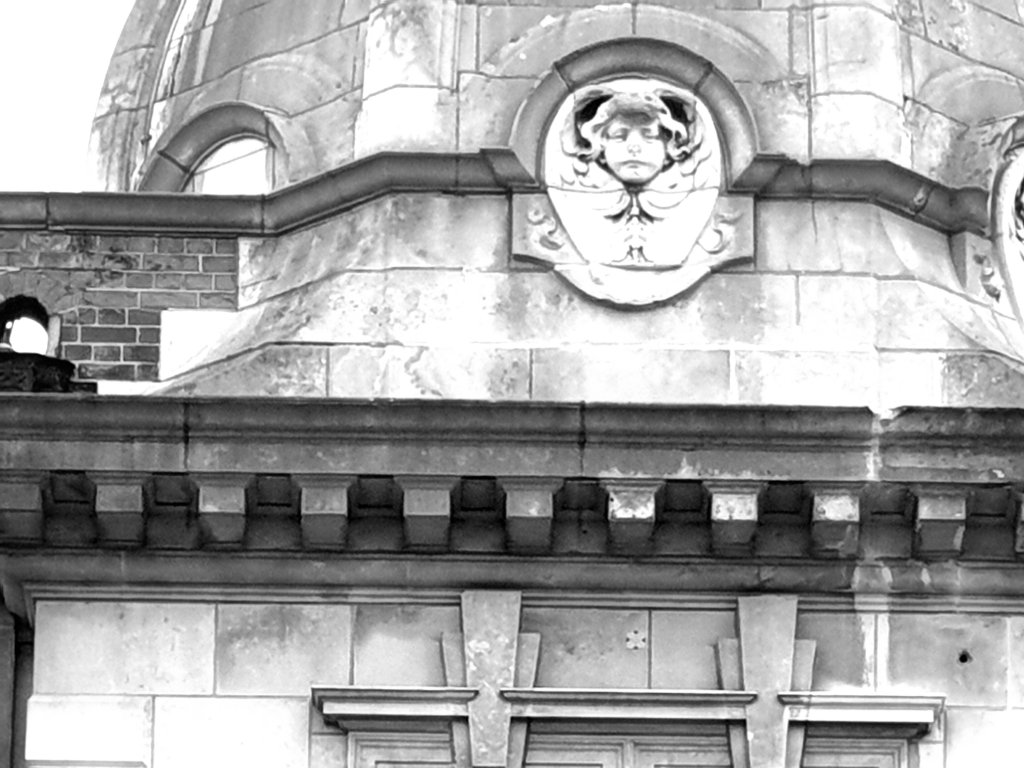
The bulk of the new hospital building was designed by John Henry Townsend Wood and Wilfred Ainslie round a courtyard (they formed a partnership in 1887, having both worked for Ewan Christian, the architect of the National Portrait Gallery). A piece of institutionalised baroque, the language of the late nineteenth century.

This is the main building seen across the courtyard from the Tate:-

The flanking buildings have more character:-

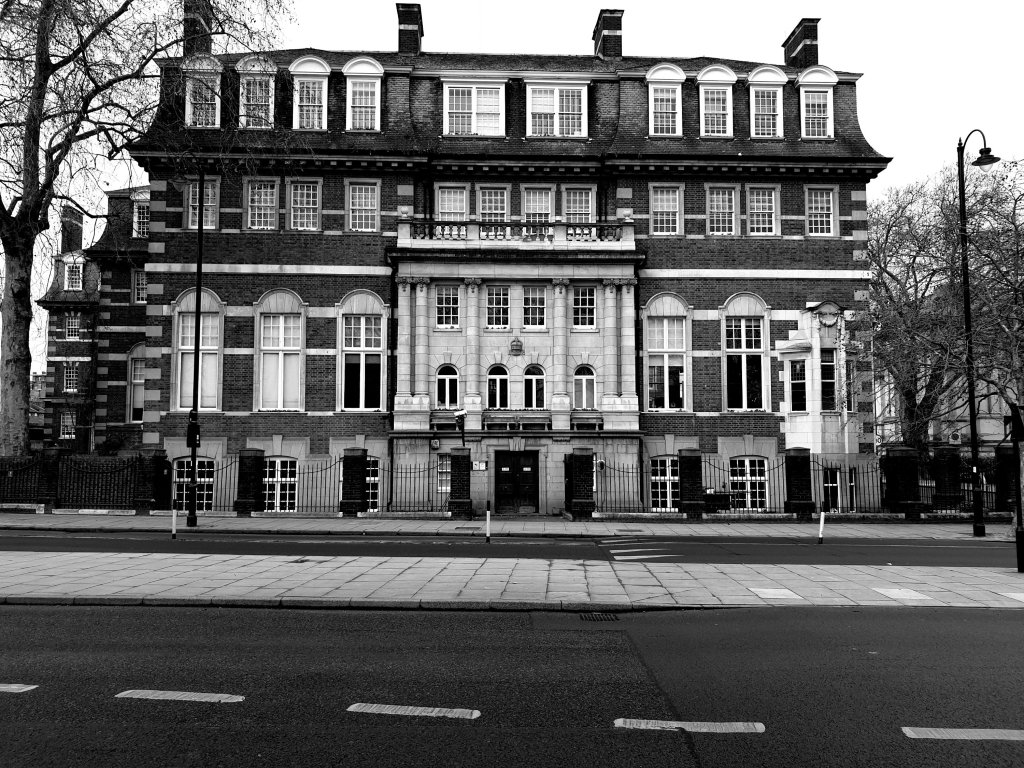
An Officer’s Mess was added next door (70 officers, plus space for the Commandant), again by Wood and Ainslie (nobody probably recognises this façade because the traffic roars past):-

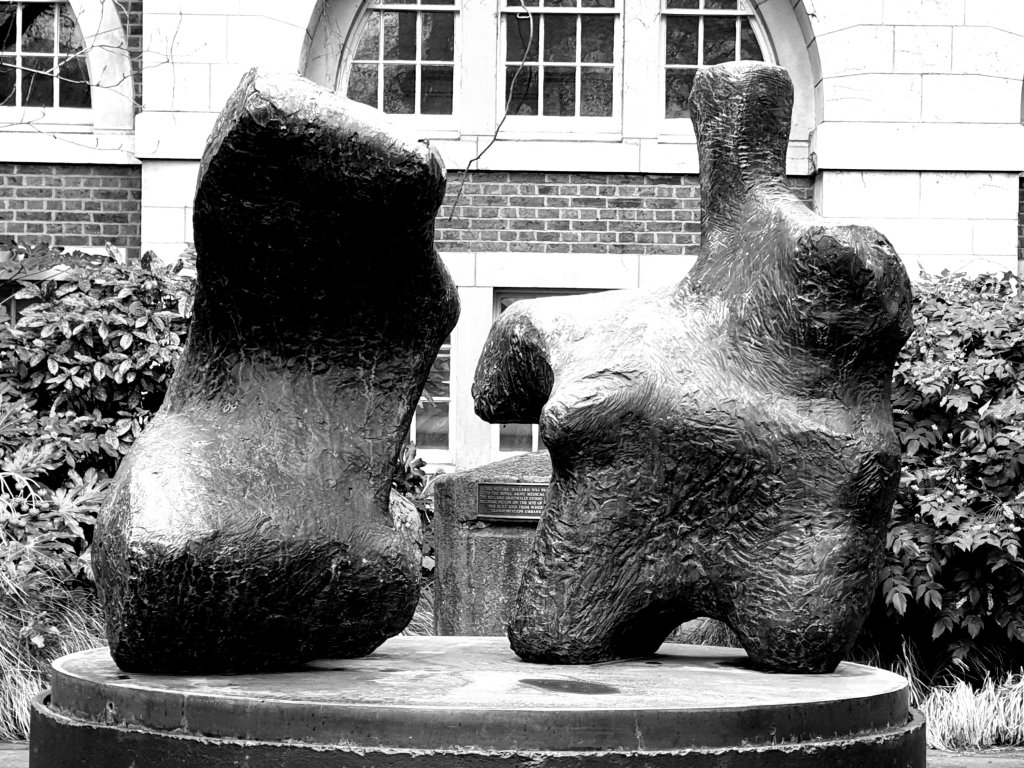
There’s a Henry Moore outside – Two Piece Reclining Figure No. 1, 1959 (there is another cast in St. Louis Art Museum) – no doubt a survival of the days when Henry Moore taught sculpture at Chelsea:-

The building was taken over by the University of the Arts some time in the late 1990s. I remember the campaign, helped by the proximity of the Tate. It required the government to accept a lower bid on grounds of appropriateness of use. Then, the buildings were converted into an art school by Allies and Morrison, so the interiors have an odd mix of art school and officer’s mess:-

Standard

Liverpool Street Station (17)

The attached article, which has just appeared, summarises the situation surrounding the redevelopment of Liverpool Station pretty clearly (and fairly).

The key is that Network Rail does not have – or chooses not to have – money to maintain and develop the station without selling off the air rights above the station. It has allowed the station to run down in order to secure public support for the planned redevelopment. It shows how far we have lost a feeling for the importance of the public realm.

https://www.bloomberg.com/news/features/2023-02-17/london-liverpool-street-station-revamp-brings-preservation-backlash

Standard

Oswestry

We stopped off at Oswestry on the way back from Anglesey. We have never been, always passing, a town on the signposts. I had somehow imagined that it would have the characteristics of border towns, with its church and medieval castle. But much of it seemed to consist of big car parks.

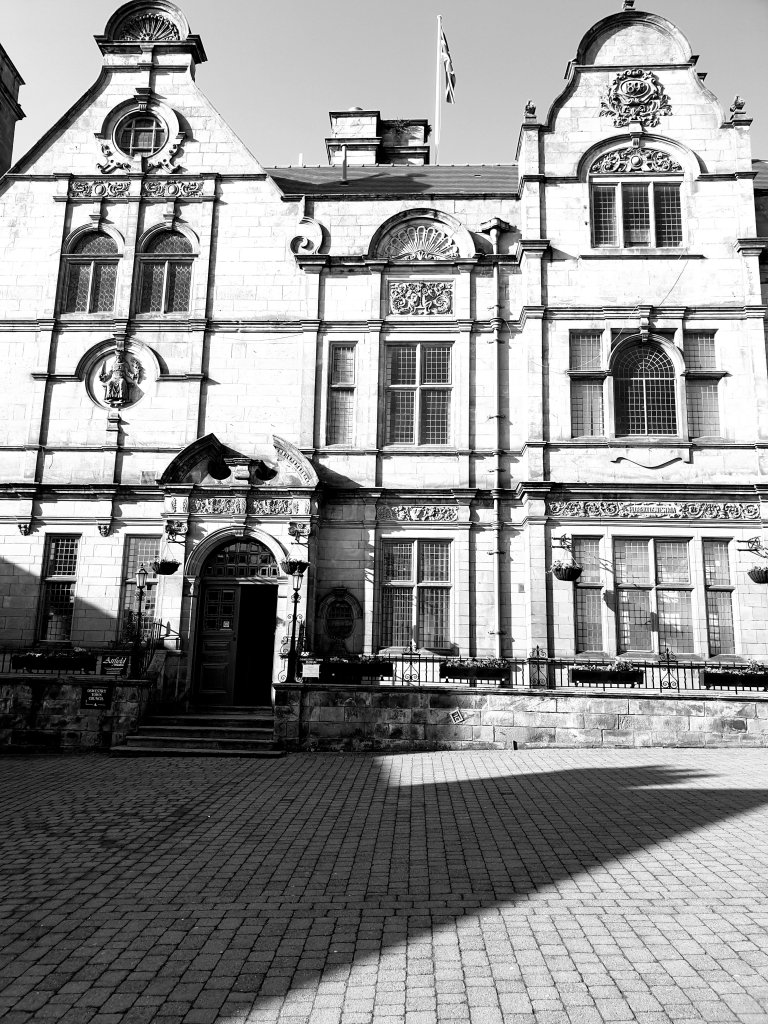
Still a fine Victorian town hall with a museum (closed):-

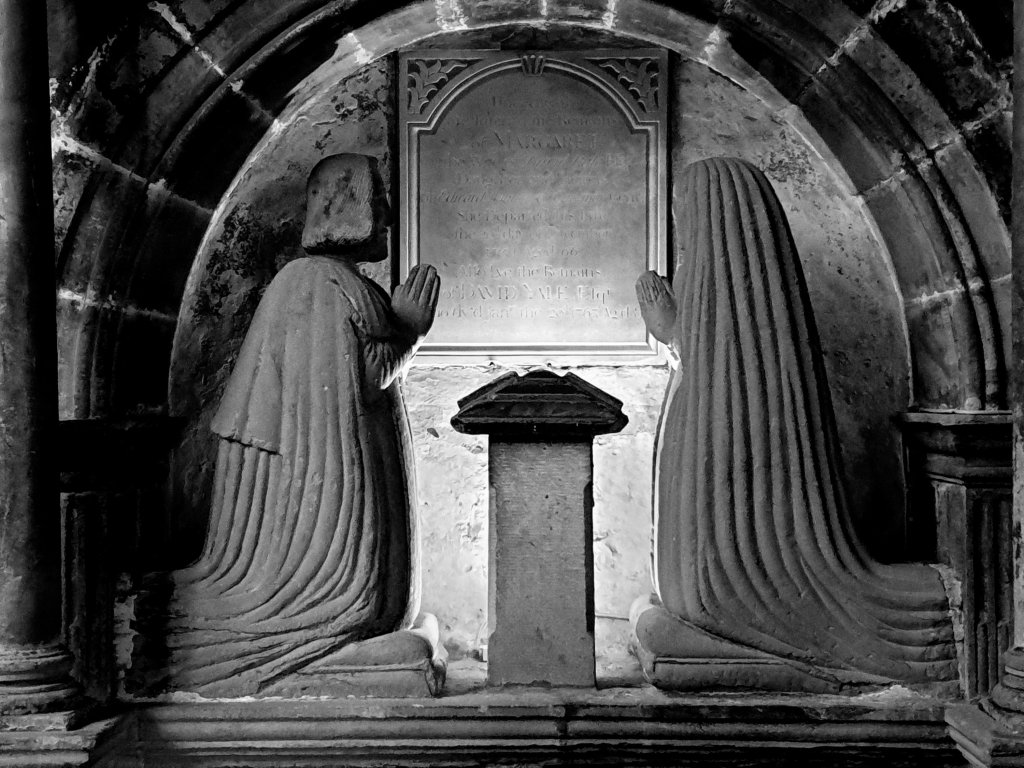
The church has good tombs, including the tomb of Hugh Yale, died 1616, a strangely abstract composition (one of his descendants founded a university):-

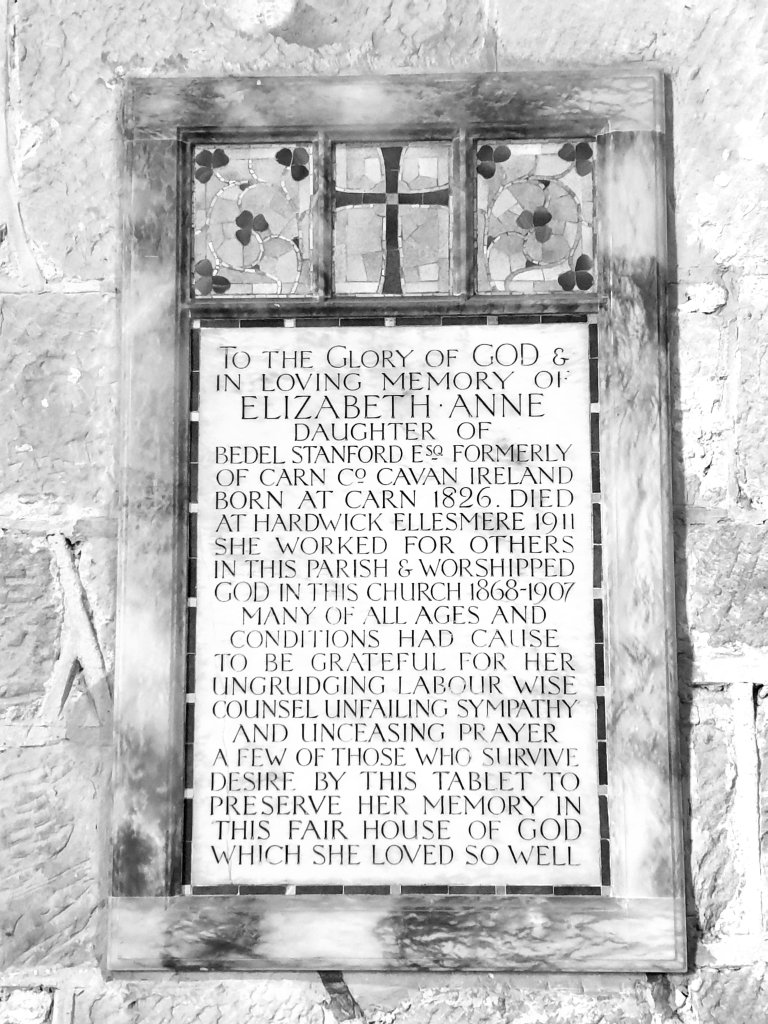
Nice arts-and-craft lettering:-

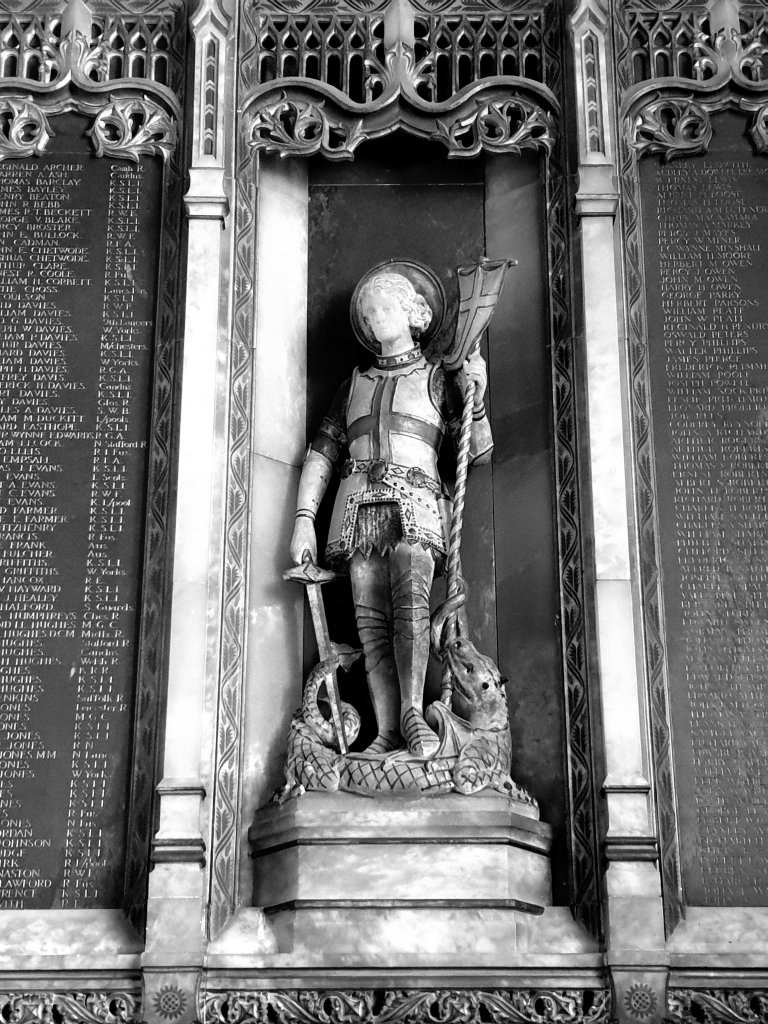
And a fine war memorial (Wilfred Owen was born in Oswestry and gave his name to one of the many pubs):-

If like us, you are in need of lunch, I recommend a roast pork bap complete with apple sauce and stuffing from Gillhams in Church Street.

Standard

Trains to Bangor

The announcement that Avanti are about to launch a new direct train service from London to Bangor reminds me that during my adult lifetime the train service from London to Bangor has got consistently much worse. In the 1990s, it was still possible to get a train at Euston at 5.20 (or was it 6.20 ?) on a Friday evening and arrive in Bangor three hours later, having had dinner overlooking the sea. Ten years ago, it was still possible to travel from London to Bangor and back again in a day. Now, you nearly invariably have to change at either Chester or Crewe, sometimes both. The line from Chester to Bangor is served by two carriages which bump along, stopping at every stop and filled with mountain climbers. This is progress ! The glories of privatisation. Twelve years of conservative government. No wonder we need levelling up.

Standard

The beach (10)

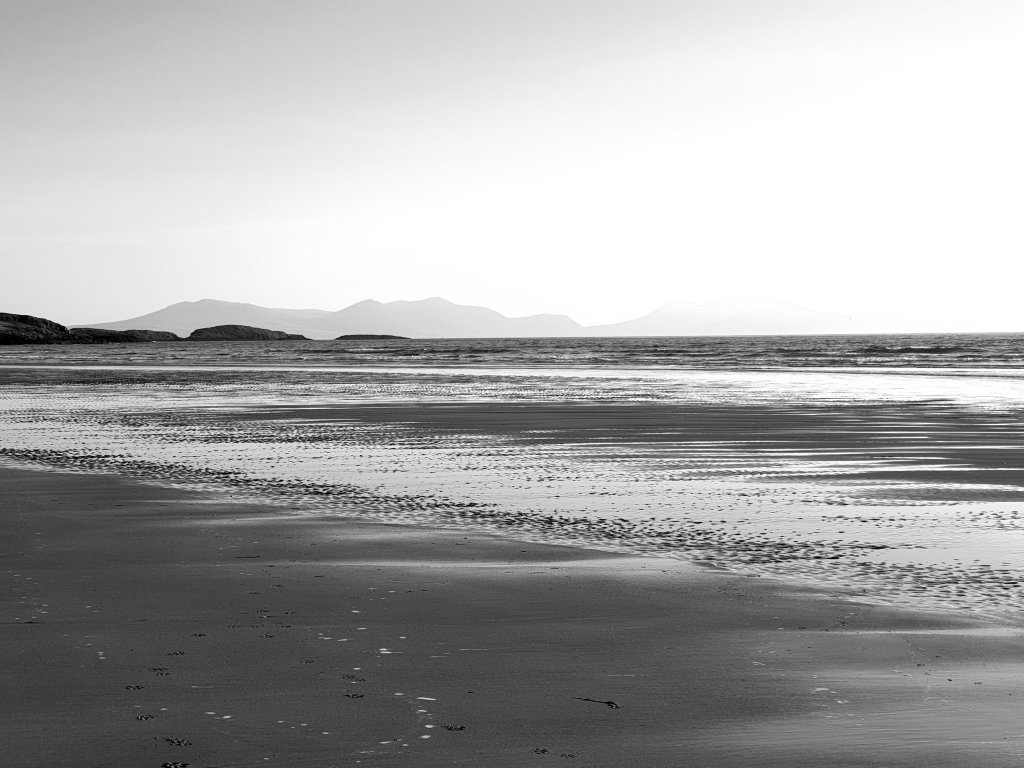
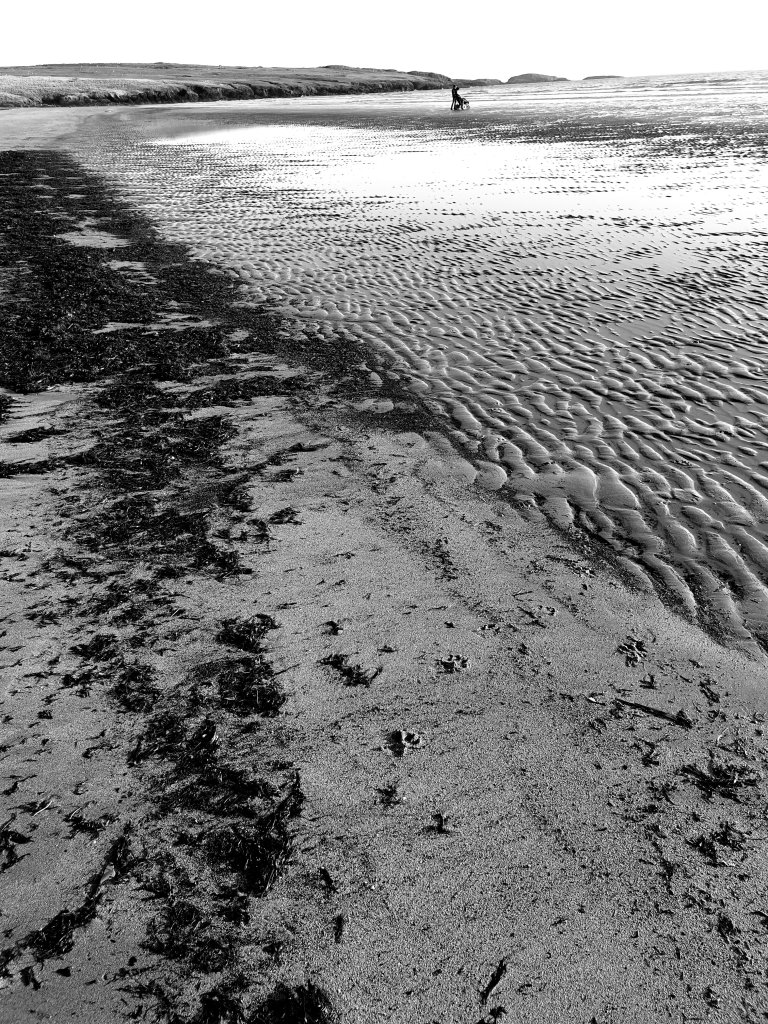
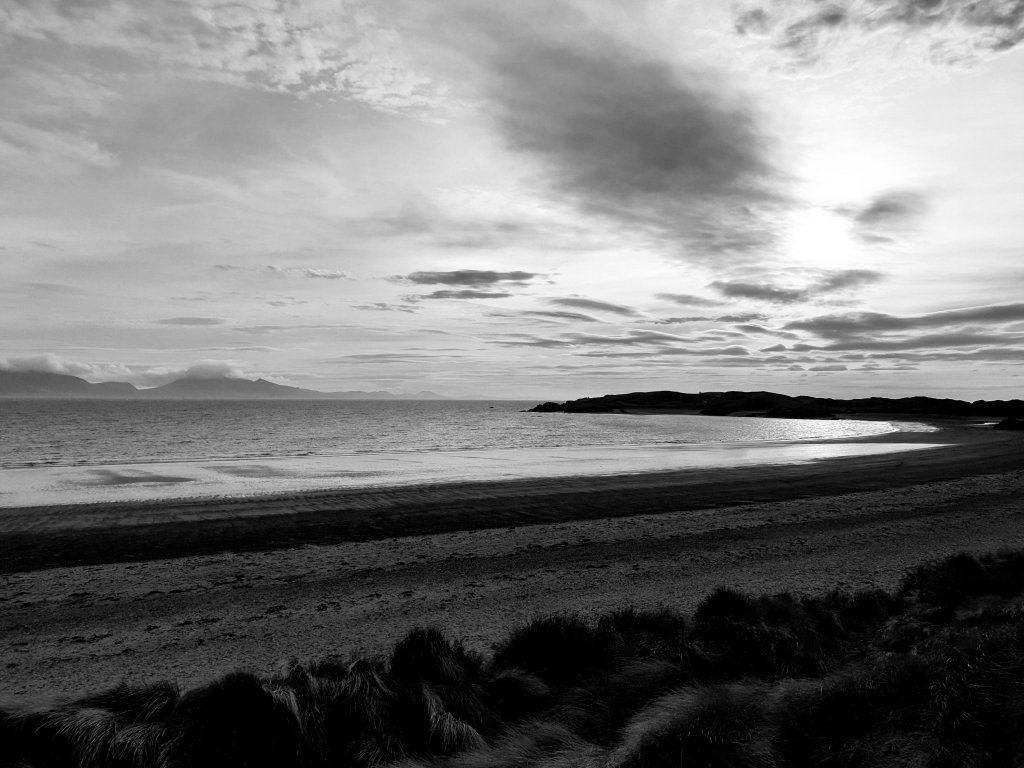
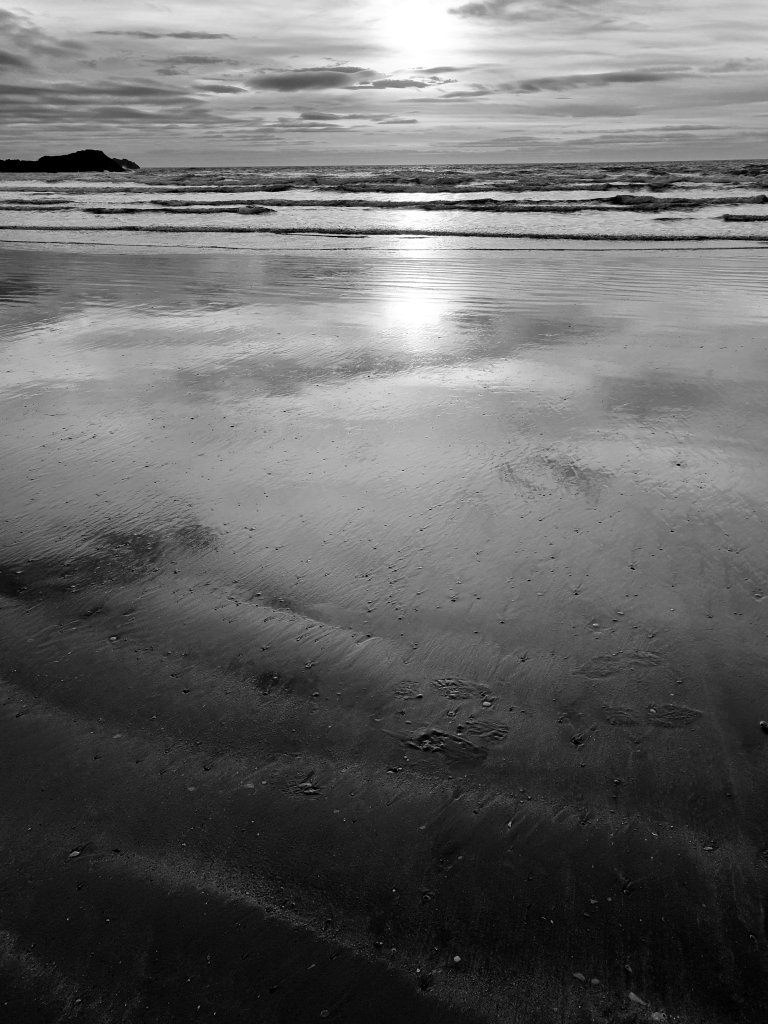
I annoyingly forgot to take my cameraphone to the beach today – it was almost unreal-ly calm and warm. So, instead I am posting those from yesterday of the other beach, equally beautiful and perhaps indistinguishable except to the observant eye:-

Standard

18, Folgate Street

A nice description by Jeremy Musson in this week’s Country Life of Dennis Severs’s House. I wish I had known Severs and can’t quite think why I didn’t organise visits for the students of the V&A/RCA MA Course in the History of Design. We went to Michael Gillingham’s house in Fournier Street instead, chiefly memorable for the fact that he had an eighteenth-century toothbrush. I eventually went as a hanger-on on a tour organised by the Winterthur MA in Material Culture. At least we met Simon Pettet and bought some of his pseudo eighteenth-century ceramics (‘in the spirit of’) which we promptly gave away. Annoying.

https://www.countrylife.co.uk/architecture/the-strangest-museum-in-london-dennis-severs-house-is-art-installation-theatre-set-and-18th-century-throwback-252271?s=09

Standard