North Greenwich

Before walking The Line again yesterday, I thought I should explore North Greenwich a bit, not least because last time I had failed to identify the location of the so-called Design District, even though it is signalled in large graphics, close to the tube stop:-

In theory, the area ought to be interesting – a showcase for new architecture and ideas after the whole area was decontaminated at public expense as part of the preparations for the Dome. It has the new building for Ravensbourne University, done by Foreign Office Architects in 2009:-

But, in practice, the area still seems a bit of a mess – lots of gigantic car parks, an ambitious walkway, some good buildings, a hideous Damien Hirst statue, and absolutely no sense of a masterplan, no sense of density or complexity or street life. It is as if architects and developers pay no attention to urban theory and just go on designing over-elaborate sheds with no understanding as to how these buildings might be integrated into a proper and successful overall urban environment:-

Standard

Cody Dock

I went back to Cody Dock, one of the highlights of The Line – the walk from North Greenwich to the Olympic Park which weaves through the different, previously unconnected part of docklands.

Cody Dock is in a strange, still underexplored part of East London, close Star Lane station (yes, I had never been to Star Lane before). It was originally constructed by the Imperial Gas Company, an area of gasworks, the underbelly of industrial London. In 2009, it was acquired by a charity as a kind of hippy enclave – very beautiful and unexpectedly atmospheric, with a café in an area of big industrial warehouses:-

Standard

Travelling to France (1)

So, they’ve changed the quarantine rules for everywhere except France, on the grounds that there is still a risk from the so-called beta variant, which is apparently mainly in the former French colonies. This means a ten-day quarantine period for everyone who comes from France unless you pay £250 to friends of Matt Hancock to reduce it to five. One wonders if this ploy is characteristic incompetence, greed or just petty-minded Francophobia.

Standard

The Garden Museum Pavilion

I am very pleased to be a judge for the new pavilion which the ever-inventive Garden Museum is planning on Lambeth Green, part of a scheme for remodelling the spaces outside the museum:-

https://www.architectsjournal.co.uk/news/exclusive-garden-museum-reveals-finalists-for-lambeth-green-pavilion

Standard

Meditations on the Museum (1)

A couple of months ago, I had a long, meditative Sunday morning conversation on Zoom with Johnny de Falbe, author and director of John Sandoe’s bookshop, in which he quizzes me gently, but probing about the nature, character and responsibilities of a wide range of museums, particularly private museums, including Louisiana, the de Menil in Houston and the Guggenheim Museum, Bilbao. Towards the end, the conversation broadened out to the vexed question of the sources of private donors’ wealth, the ethics of accepting donations, and the equally vexed question of government influence on trustee appointments, following the resignation of Charles Dunstone as chairman of the National Maritime Museum. I take the long view. It has always happened to an extent, if not quite so obviously and determinedly as under Oliver Dowden. The conversation, which is long and ruminative, has now appeared as a podcast. See below.

https://podcasts.google.com/feed/aHR0cHM6Ly9mZWVkLnBvZGJlYW4uY29tL2pvaG5zYW5kb2UvZmVlZC54bWw/episode/am9obnNhbmRvZS5wb2RiZWFuLmNvbS8zZWM1MmMxZC1jMThjLTNkN2YtYjQwMy1mZjZiMzZjYmE2NmQ?ep=14

Standard

Charlotte Verity

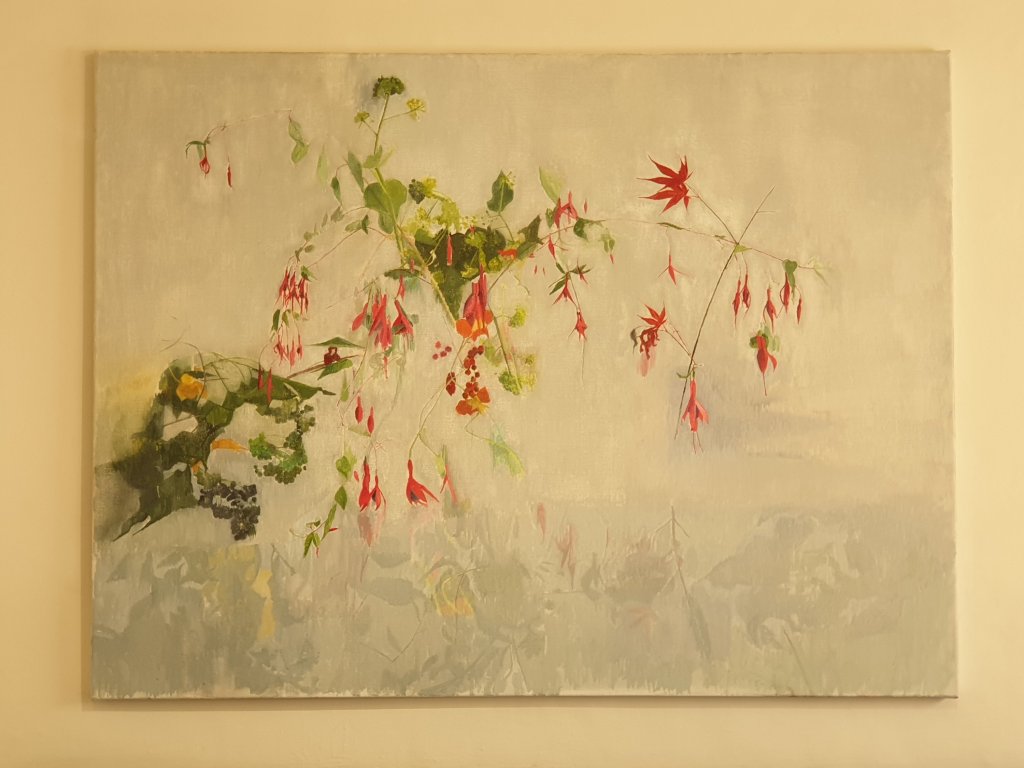
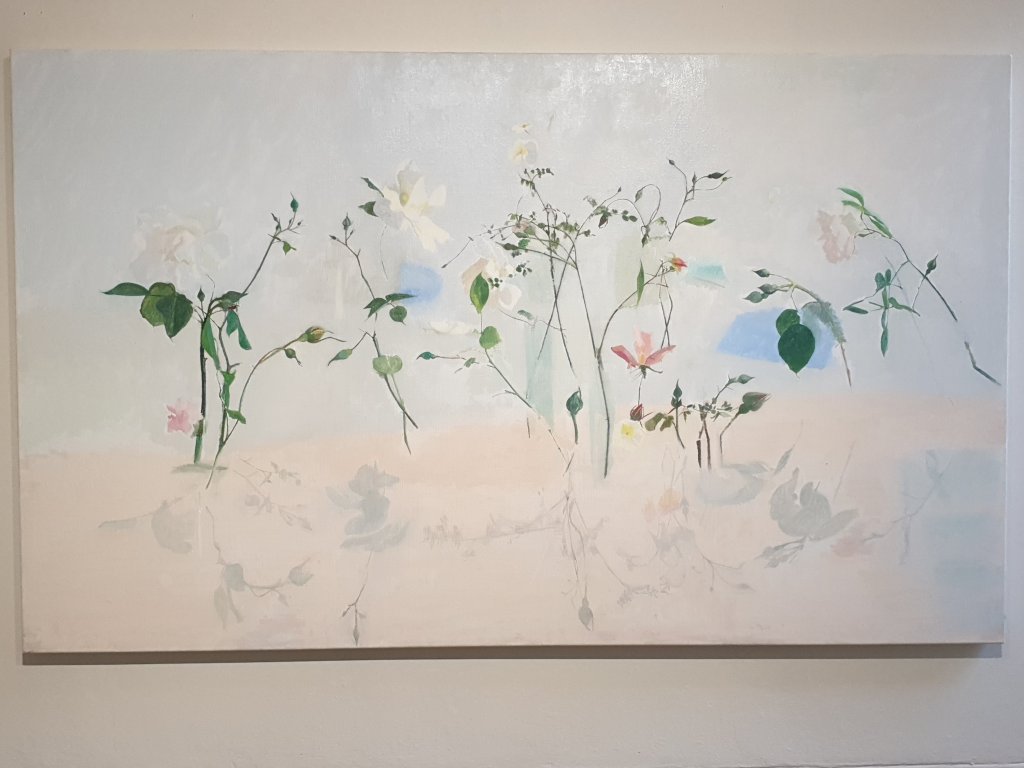
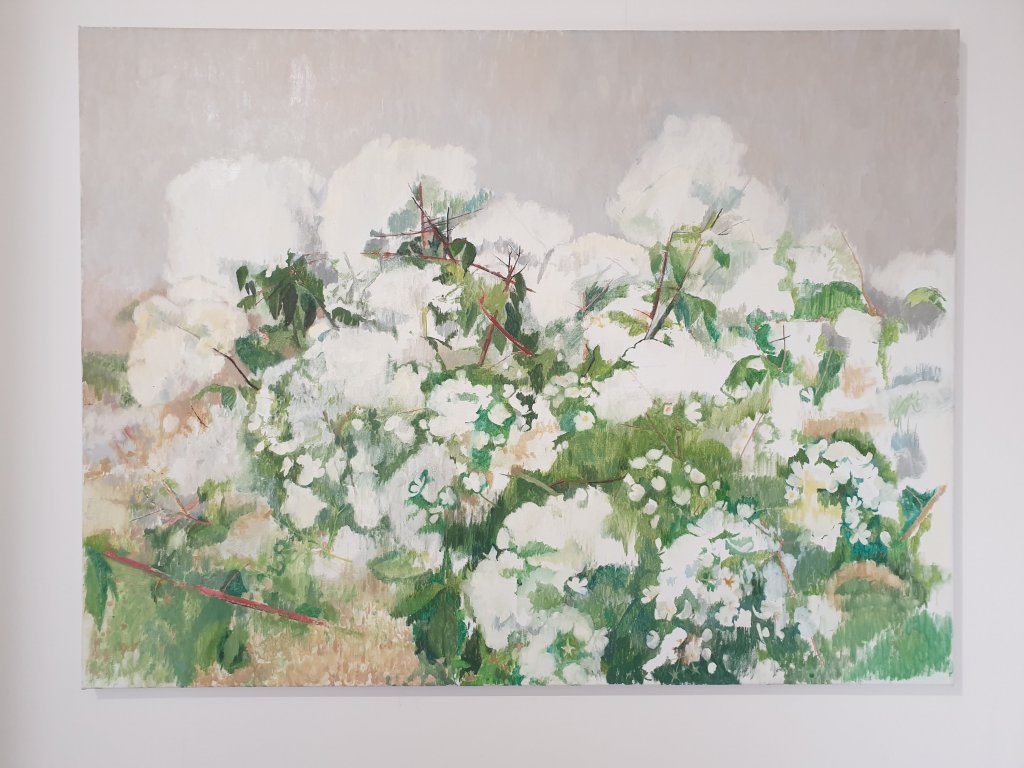
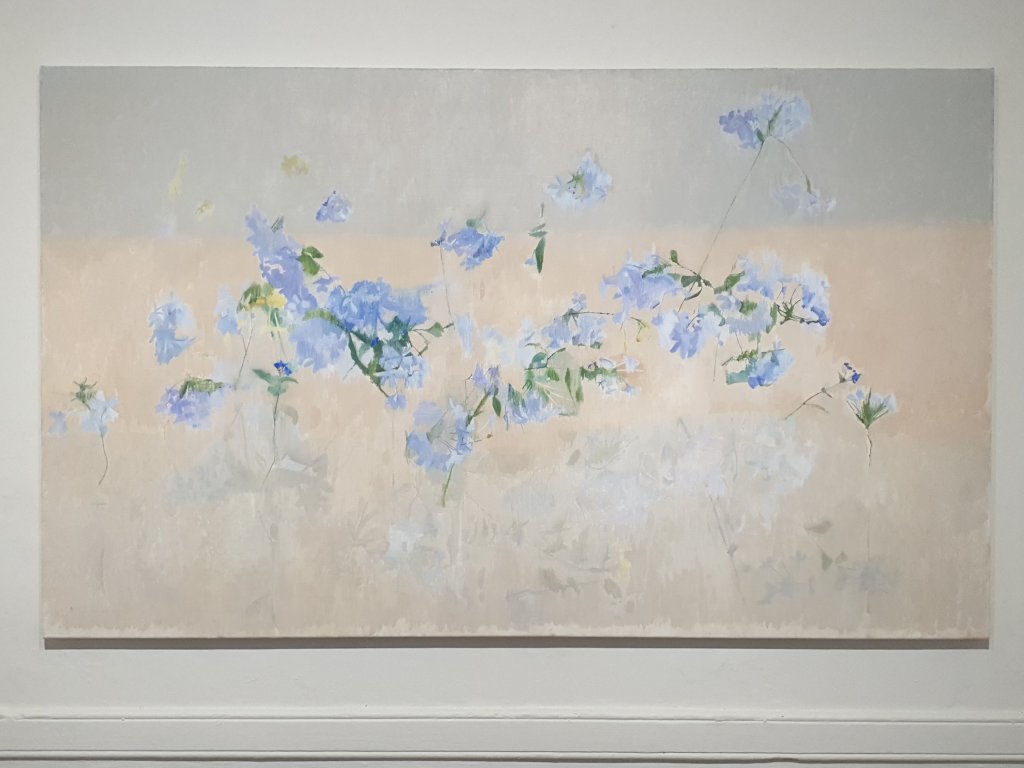
I went to her exhibition at Karsten Schubert in Lexington Street of work done during lockdown, starting with Echoing Green, the title taken from a poem by William Blake. I’m sorry the photographs are so yellow, maybe because the late afternoon sun lit up the space:-

This Is Plenty (2020):-

Buds (2020), particularly beautiful, so delicate, so precisely observed:-

From Above (2020):-

Ponder (2020):-

Standard

22, Bishopsgate

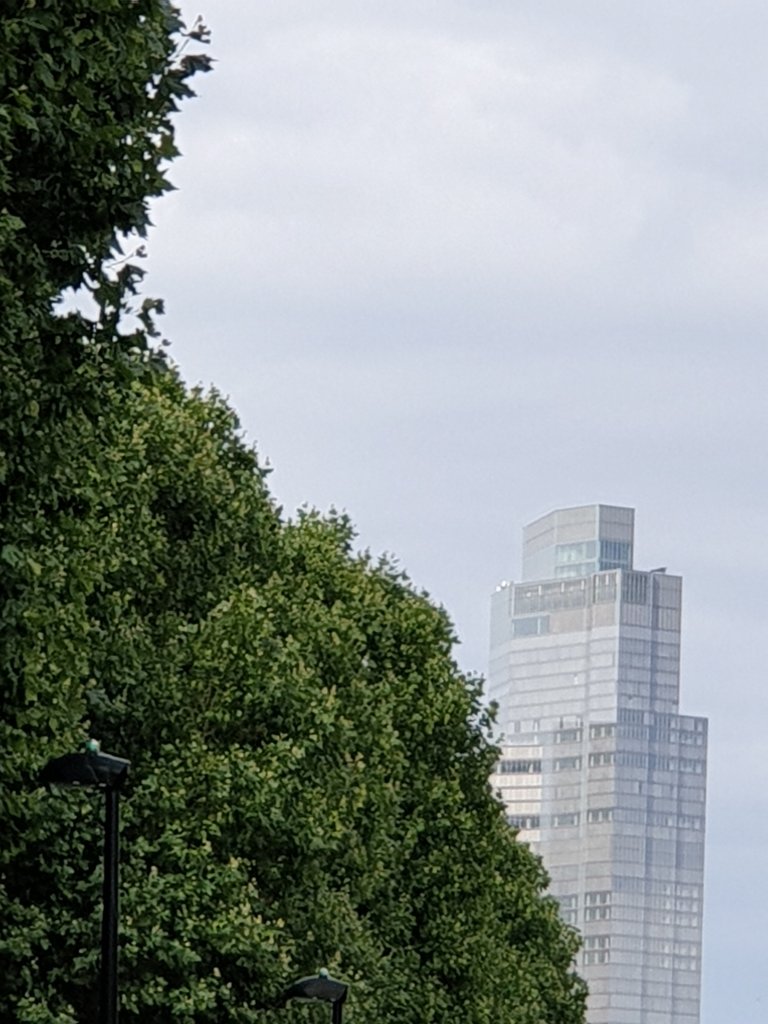
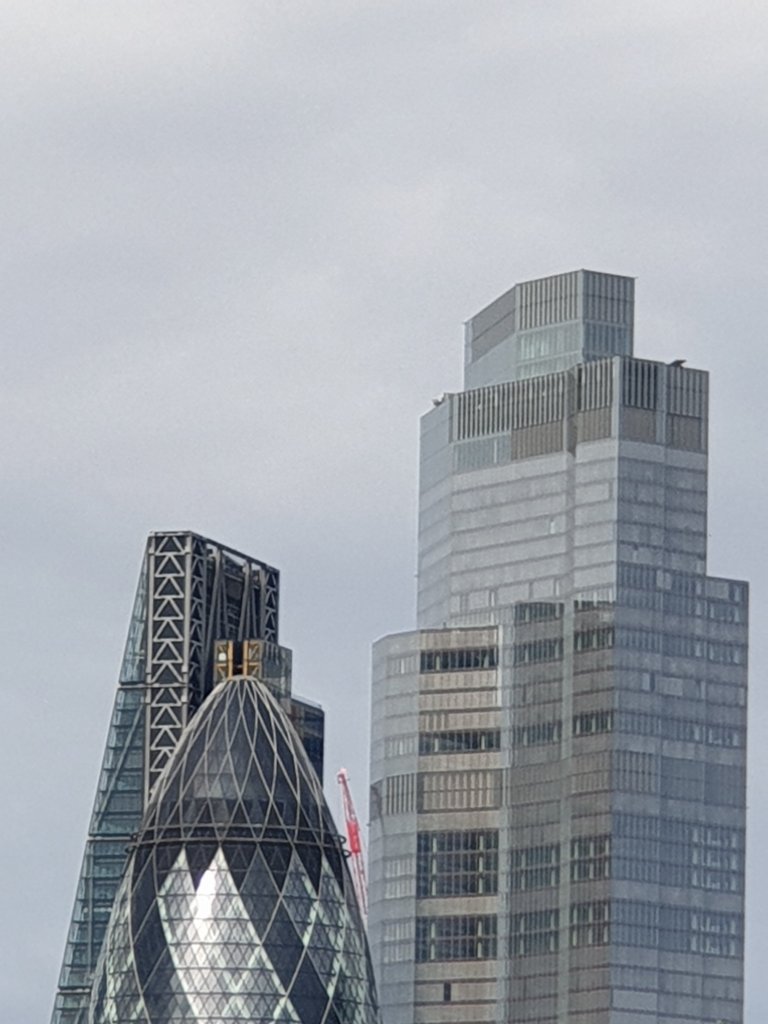
Coming back to London, I am struck once again by the enormity, the monstrosity, of 22, Bishopsgate, which now completely dominates the London skyline, but in a way which is sinister rather than attractive, because it has been designed ruthlessly without character – anonymous, deadly, featureless, overwhelmingly anonymous, like a thug embracing one with a clasp from behind.

The view down the Mile End Road used to be dominated by the Gherkin – funny and a bit silly, like discarded lipstick. But now we have 22, Bishopsgate: namelessly hideous and so expressive of the capture of London by the forces of darkness, through developers lining the pocket of our ex-Mayor, now Prime Minister:-

Standard

Bach & Sons

Back in London, we went to Bach & Sons at the Bridge Theatre, our first trip to a theatre for eighteen months: lots of the double vaccinated, all conscientiously masked, and a small number of younger people very conspicuous for being unmasked: not sure what to make of this. Not sure what to make of the play either. I enjoyed it because it was about Bach and was convincing in depicting the conflict between, on the one hand, his grumpiness, cantankerous personality and the total chaos of his private life and, on the other hand, the accidental sublimity of his highly conservative music, forgotten after his death and only rediscovered a century later. Maybe good as biography, and didn’t quite work as theatre, apart from the performance of Samuel Blenkin as CPE.

Standard

Reyner Banham Revisited (2)

A footnote to my post on Richard Williams’s book on Reyner Banham, Reyner Banham Revisited.   It made me realise how important Banham had been to the establishment of design history by extending his gaze far beyond buildings to the analysis of car design, food, social issues in design, and the broader urban environment;  and that he was doing this in his journalism already in the 1960s.   In retrospect, it’s obvious because he supervised Penny Sparke’s PhD and she edited a volume of his essays, Design by Choice in 1981;  he helped Tim Benton with his Open University Course on The History of Architecture and Design 1890-1939;  and he must have taught Adrian Forty, who took on his role at the Bartlett. But I’m not sure I realised it at the time.

Standard