
Since visiting Bassae, I have become interested in how the British Museum acquired the Bassae Frieze, a subject much less studied than the Elgin Marbles. The answer is that the site was known from the writings of Pausanias and was routinely visited by archaeologists from the time of the French architect J. Bocher in 1765, who was murdered on his second visit. In 1811, the site was recorded by Cockerell and the German archaeologist, Carl Haller von Hallerstein, whose drawings were lost at sea. One of the group spotted the carving of the combat of a Greek and a Centaur down a foxhole in the debris, Cockerell made a rough sketch, and sought permission to excavate the site from Veli Pasha, the local Turkish governor. The site was then excavated the following year by a group who called themselves the Society of Travellers, led by Haller and Otto von Stackelberg, but without Cockerell who was by then in Sicily. In the 1830 Supplement to Stuart and Revett’s Antiquities of Athens, Cockerell describes how they built huts in a little settlement which they called Francopolis. ‘They had frequently fifty or eighty men at work in the temple, and a band of Arcadian music was constantly playing…every day some new and beautiful work of the best age of sculpture was brought to light’. The Bassae frieze was thus discovered, reassembled in Zante and sold at auction in May 1814. Known as the ‘Phigalean Marbles’, they were bought by Sir James Campbell, the Governor of the Ionian Islands, on behalf of the British Museum and were subsequently widely reproduced, not least in the library of the Traveller’s Club and by Cockerell in his building of the Ashmolean.
Tag Archives: Bassae
Bassae
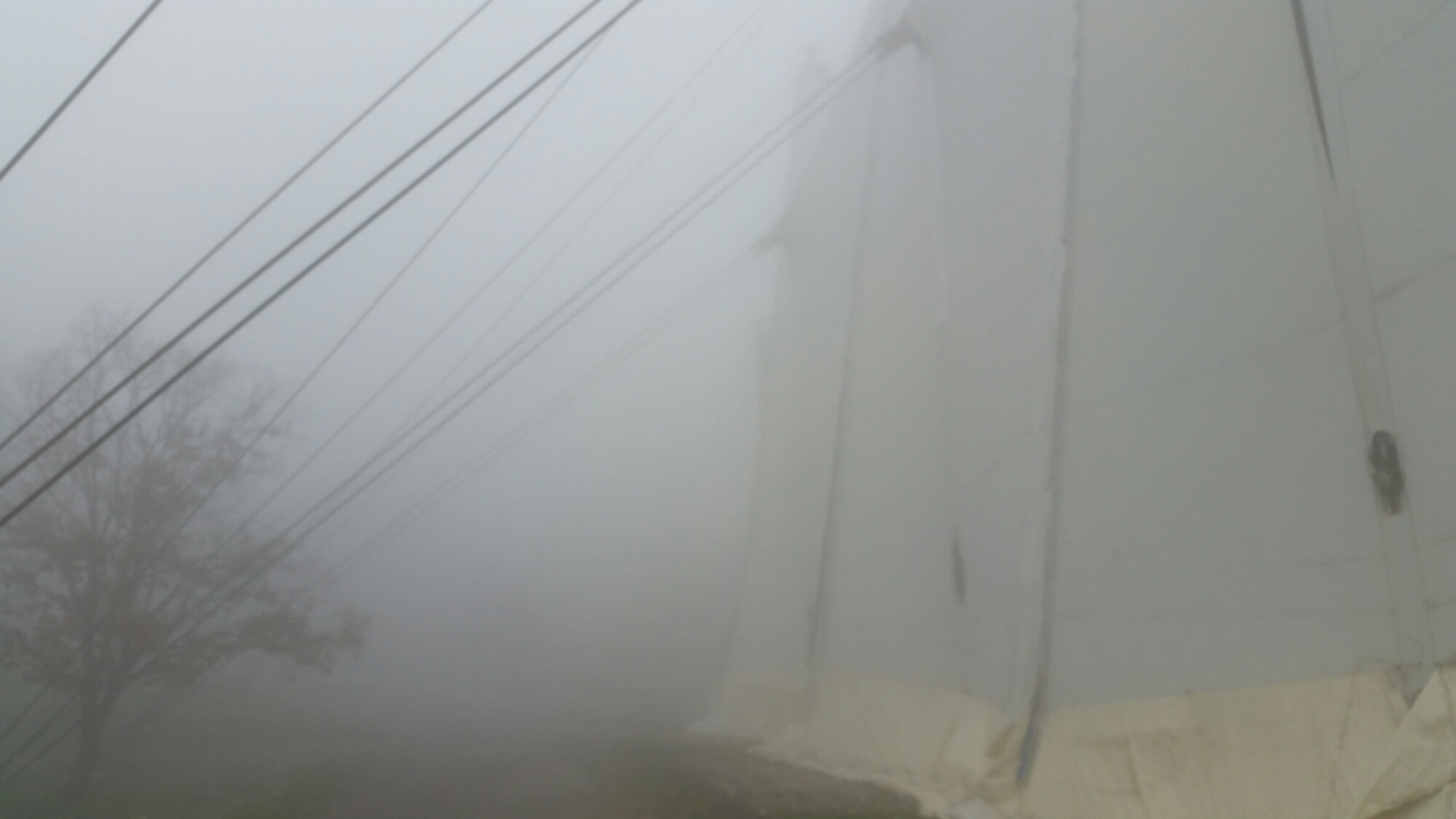
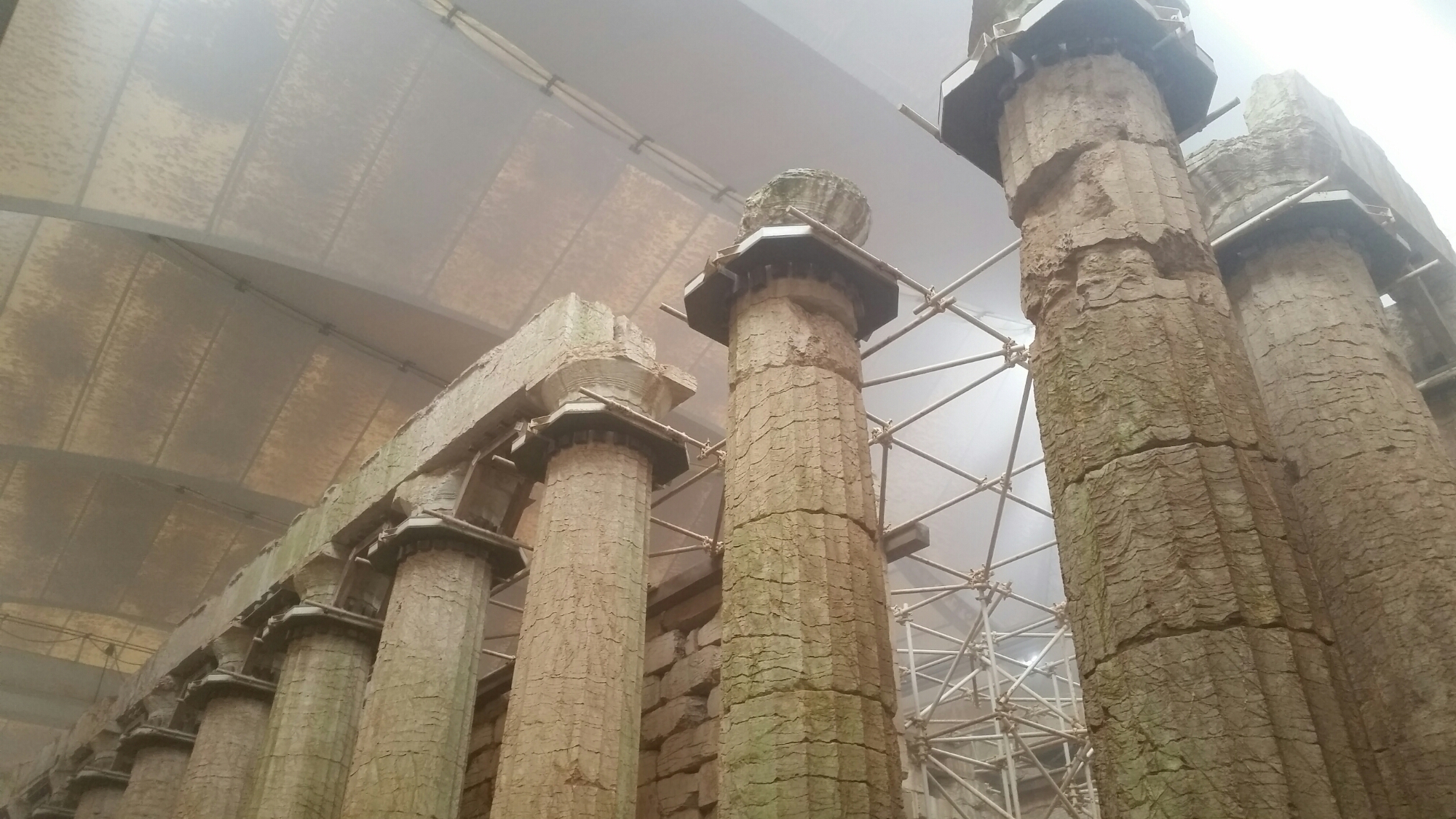
We decided in the afternoon to set off into the mountains to see the Temple of Apollo Epikourios, a place of pilgrimage for the early Greek Revivalists and described and recorded by C.R. Cockerell. It is impossibly remote, now protected by a huge surreal canvas tent which somehow adds to the quality of its fragile survival, stripped of its sculptural decoration, but still magnificently fine, hiding inside.
This is the tent:-
This is the temple inside:-
 | Charles | Saumarez | Smith |