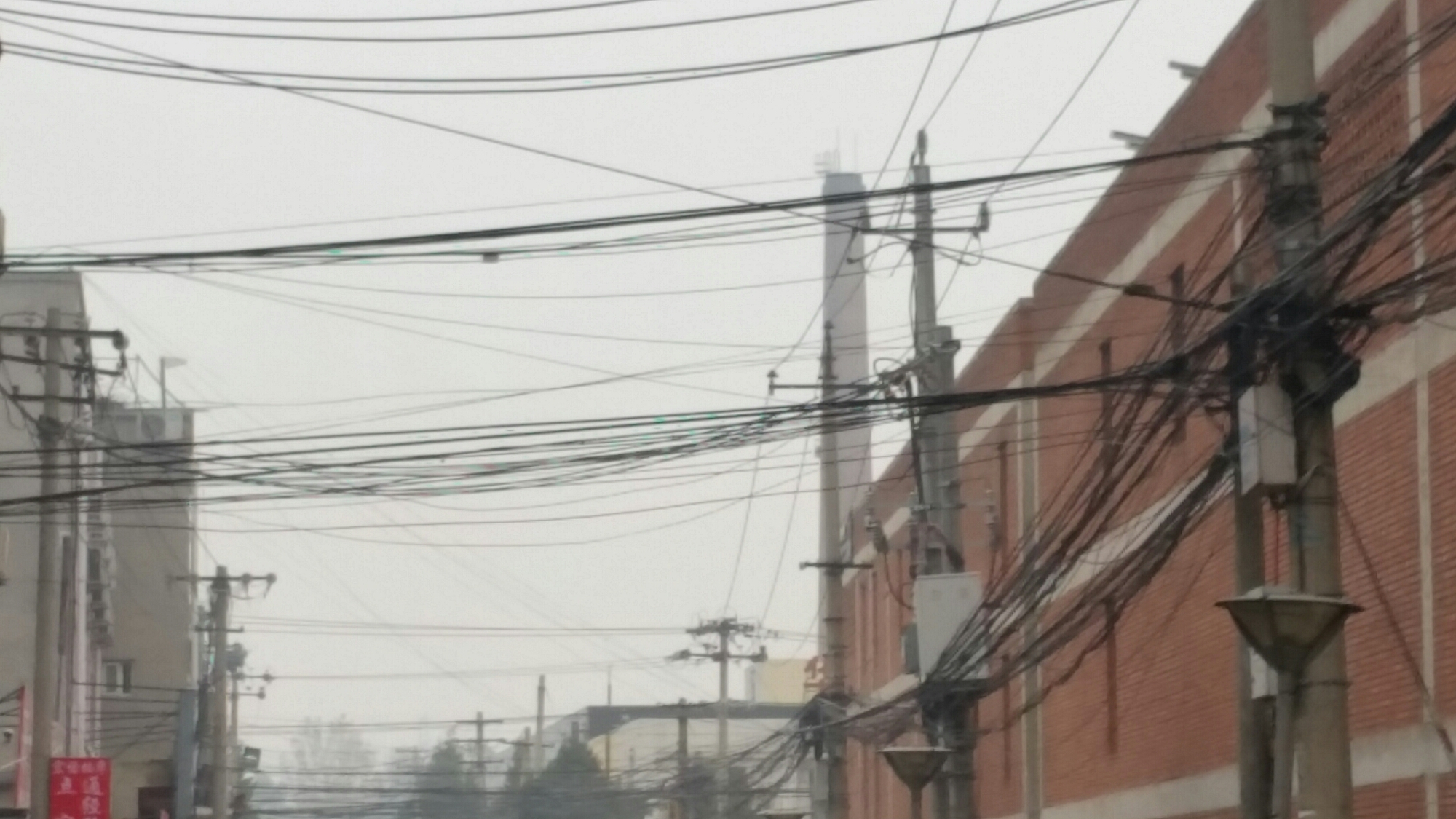
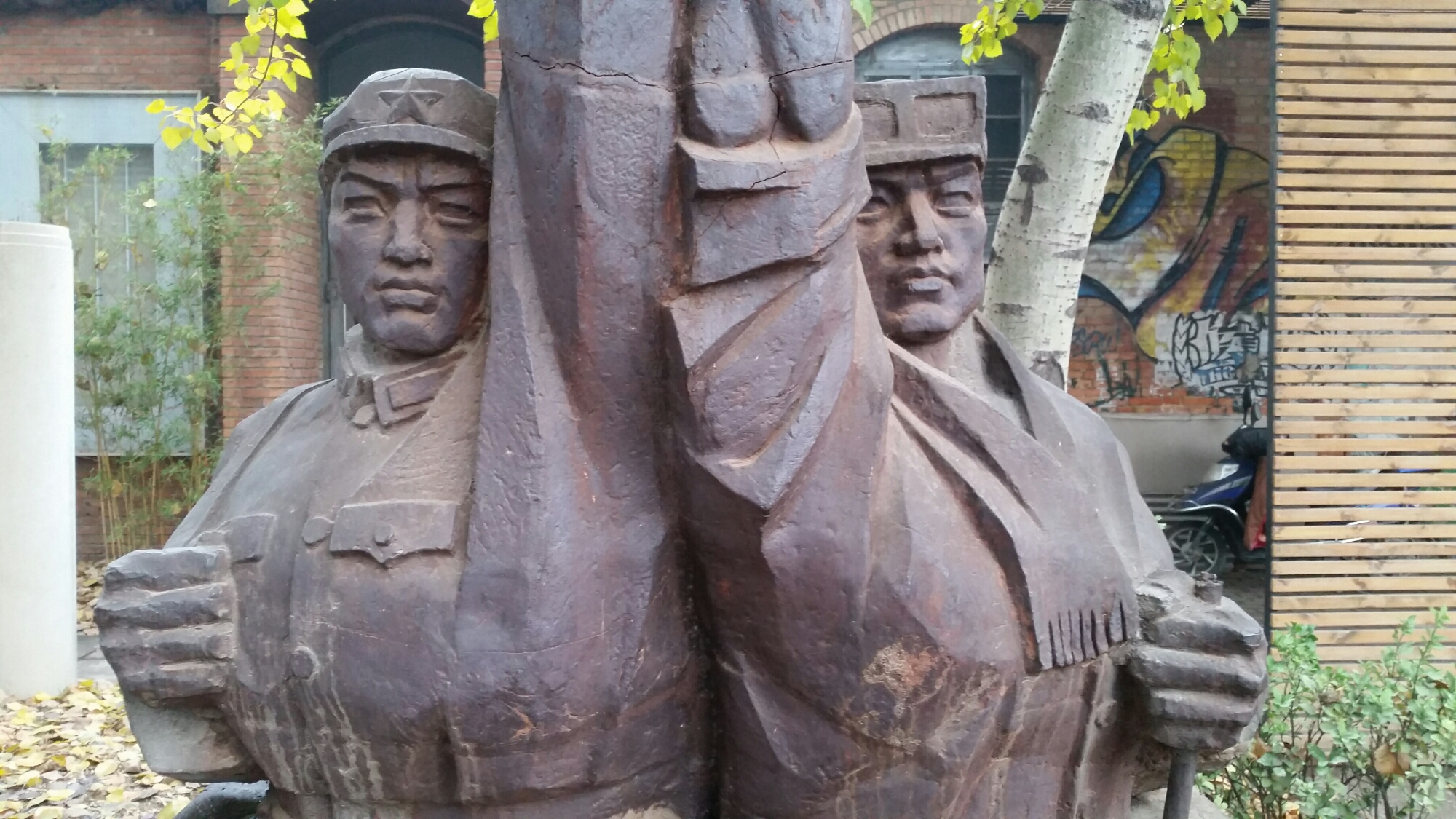
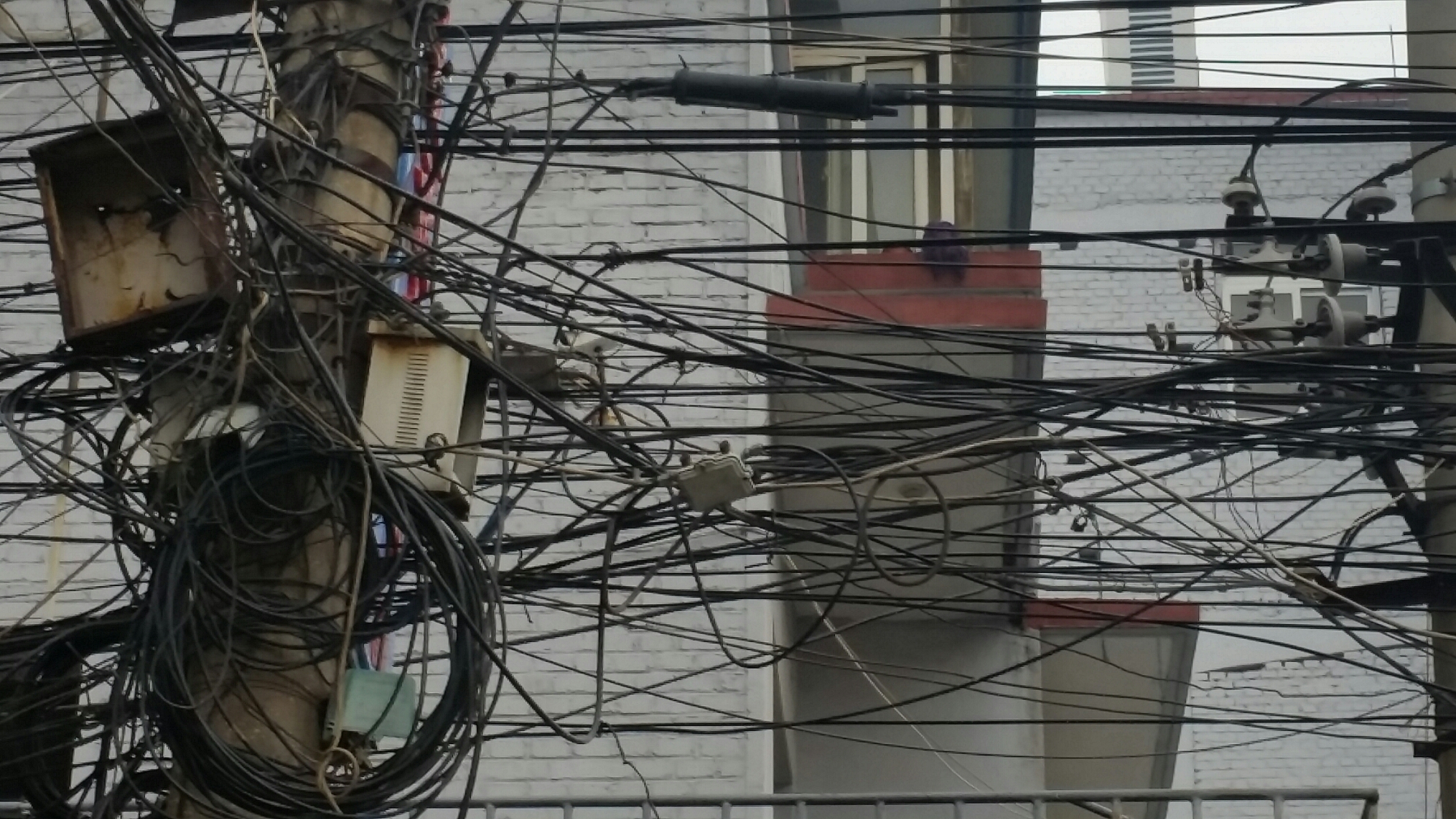
The artists have moved nearby to Caochangdi, a rougher and more earthy area of industrial warehouses where Ai Weiwei has designed a large studio complex.
We wandered down the street:-
The artists have moved nearby to Caochangdi, a rougher and more earthy area of industrial warehouses where Ai Weiwei has designed a large studio complex.
We wandered down the street:-
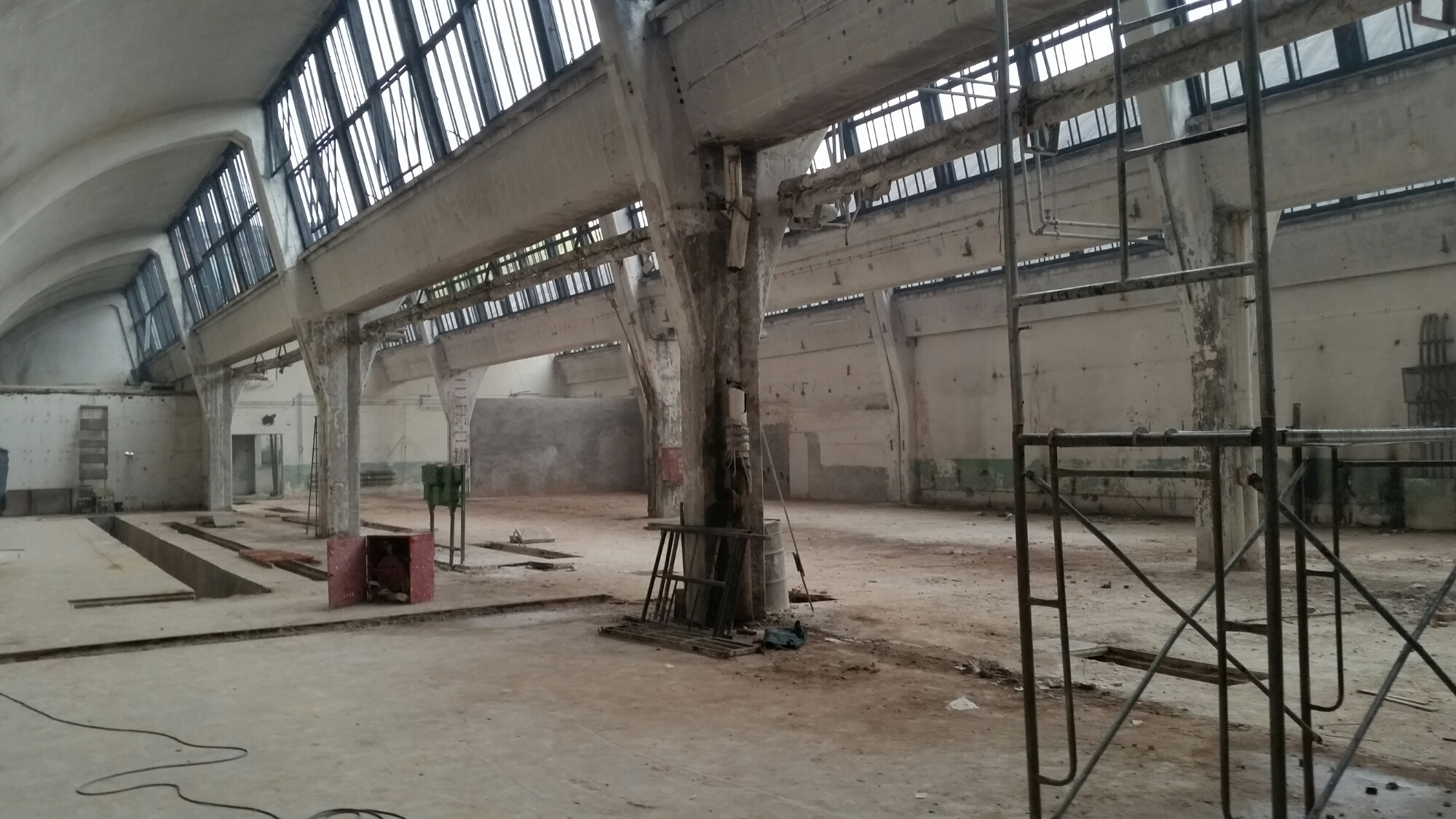
Off to 798, the old area of east German munitions factories which have been converted into art galleries and cafés:-
After visiting the private quarters of the Forbidden City yesterday afternoon, I was, not surprisingly, curious as to how they have been so beautifully and atmospherically well preserved in a culture which has not much cared for its historic past and regards conservation as a process of progressive renewal. They are the six private palaces north of The Hall of Mental Cultivation (Yangxindian): the Palace of Eternal Longevity; the Palace of the Queen Consort; the Palace for Gathering Elegance; the Palace of the Supreme Pole; the Palace of Eternal Spring; and the Palace of Eternal Happiness. They survive more or less as constructed in the Ming dynasty, partly because they are not generally open, but only on special application.
Last stop Beijing. We’ve arrived in the deep white, miasmic haze of the polluted capital city. Our guide introduced the pleasures of Beijing by telling us about the poor state of the ladies’ lavatories and the likelihood of being scalped on Tiananmen Square.
We walked across Tiananmen Square:-

Through to the Forbidden City. Initially I was sceptical. But when we were allowed through a private door to an area occupied by the concubines and young princes and went into rooms unoccupied for a century at least, there was more of a sense of its history pre-Mao, before the Cultural Revolution, when Reginald Johnston taught the young Emperor Puyi to play tennis.
Mao hangs over the entrance:-

 | Charles | Saumarez | Smith |