
I am beginning to get used to working in Blackfriars, not Piccadilly. It’s now mainly a railway station and pub, but it was once a Dominican monastery, founded in Shoe Lane in 1221 and given a bigger site by the river just outside the city walls in 1263. It became extremely important, the seat of parliament and the repository of state records, until dissolved in 1538 when it was given to the Master of the Revels, which led in due course to the monks’ refectory being turned into a playhouse. The theatre, which specialised in performances by boy actors (originally choirboys), was closed down in 1642. Ben Jonson lived here and Van Dyck. Now it’s just somewhere sandwiched between the City and Fleet Street.
Tag Archives: Central London
Unilever House (2)
Today is Day 2 in our new offices in Unilever House. Yesterday was a touch surreal, the moment of displacement when we all decamped from Piccadilly to the banks of the Thames. At least it means that the building project is a reality as the contractors move in to Burlington Gardens. Out of my window I see the Shard, tall and stately, outflanking Tate Modern. I am told that on the ground floor I can buy cheap shampoo and on the top floor there is a garden (but we don’t have access). This morning I explored the neighbourhood, which can be the subject of future blogs.
in-ku
We went on a pilgrimage to in-ku, a small shop in Warren Street which sells handmade clothes cut in situ and then made up by three home working machinists and sold under the imprint Universal Utility, originally in collaboration with Rei Kawakubo, but now independently:-


Foreign Office
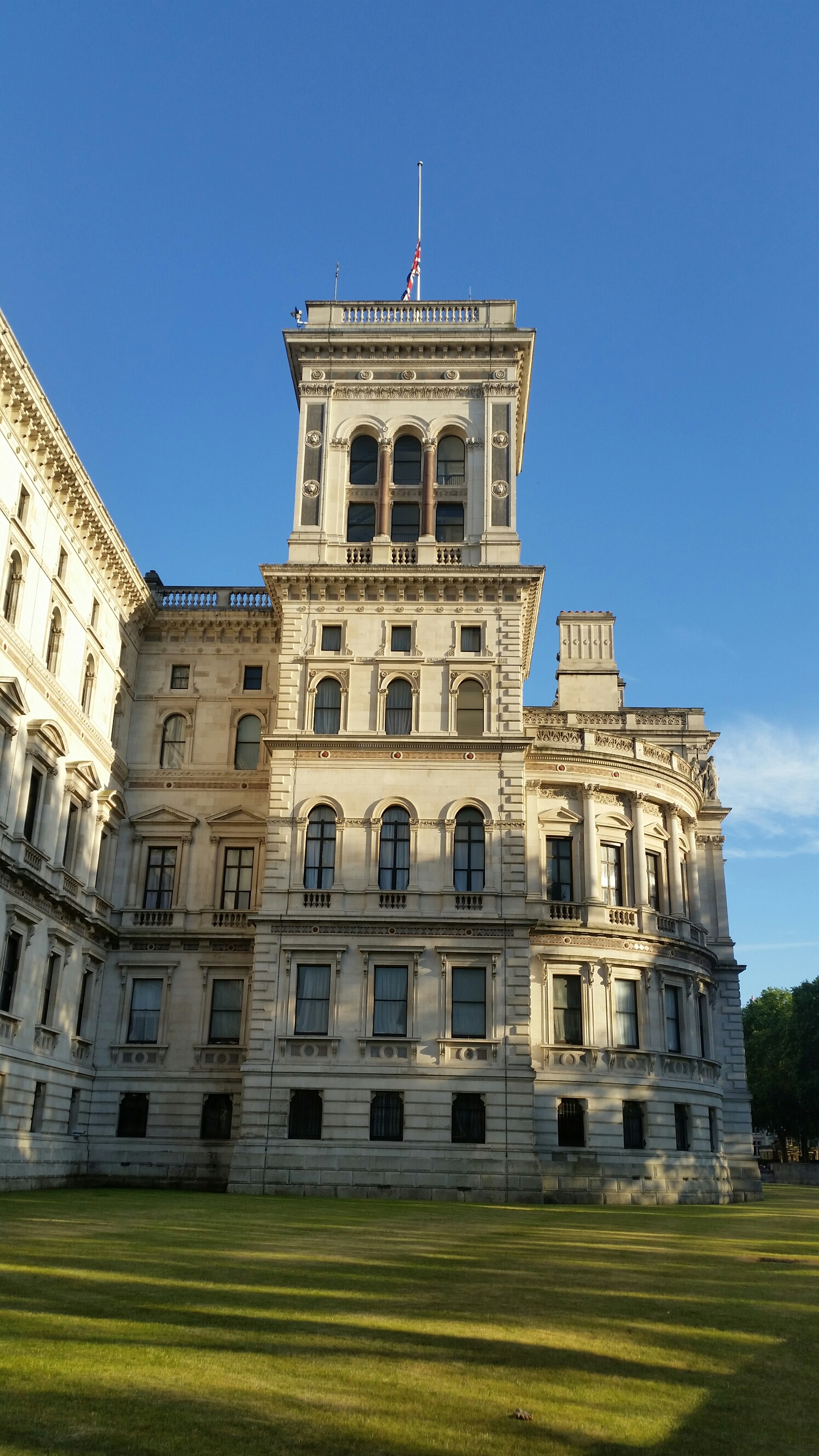
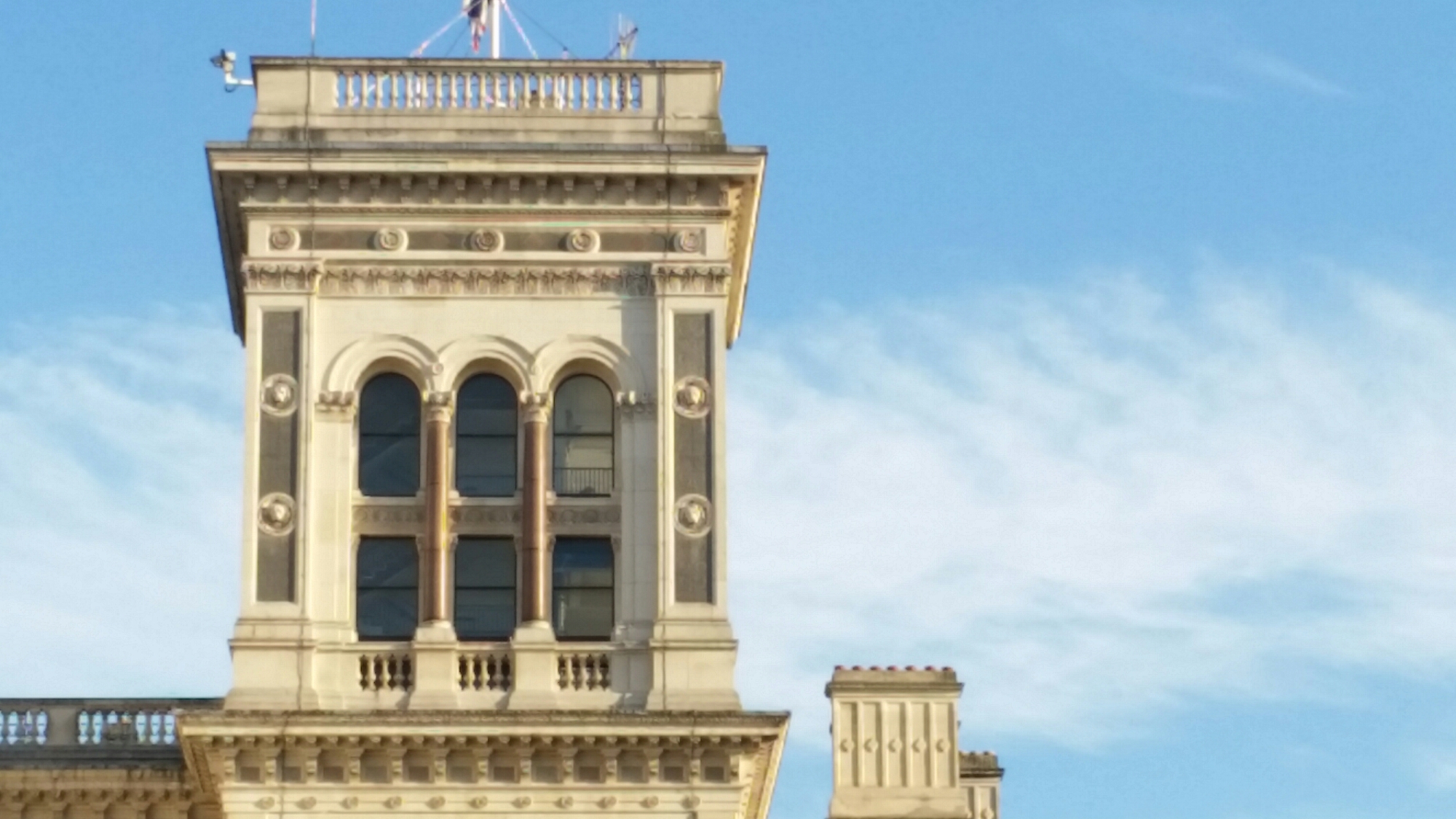
Immediately south of the Horse Guards Parade and normally monumentally reticent is Sir Gilbert Scott’s great building for the Foreign Office which ended up being a victory for the Neo-Renaissance in the Battle of the Styles after Lord Palmerston rejected the first gothic designs:-
Horse Guards
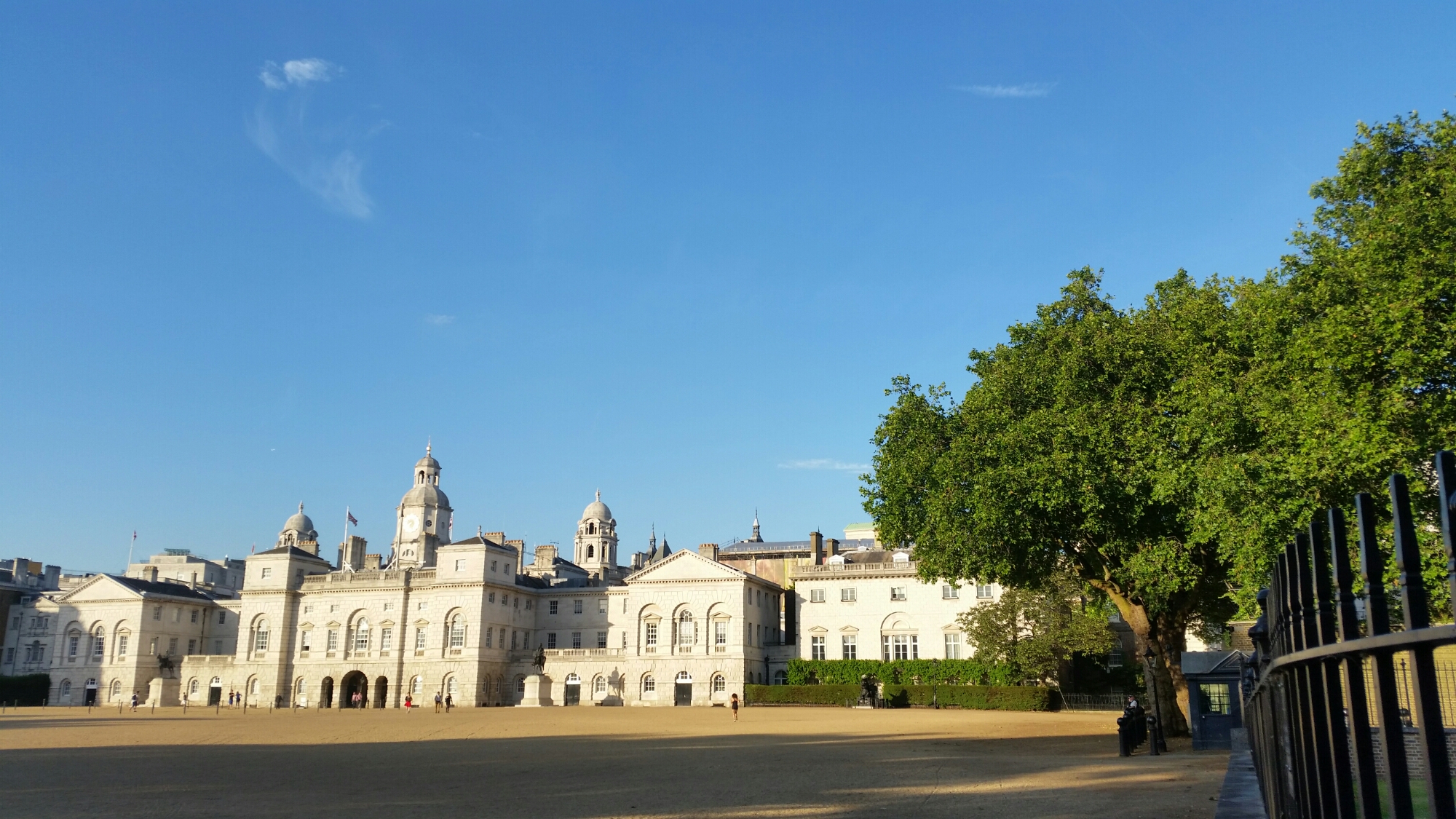
Every so often I can half imagine the scene which Canaletto painted when he depicted the Horse Guards Parade from the south west, full of picturesque incident, the pond in St. James’s Park much less lush than it is now. The Horse Guards itself is not an especially distinguished building, designed by William Kent right at the end of his life (he died in 1748), a piece of flat, patternbook Palladianism, aggregated out of distinct parts like a children’s toy. But tonight it looked good in the evening sun:-
Hanway Street
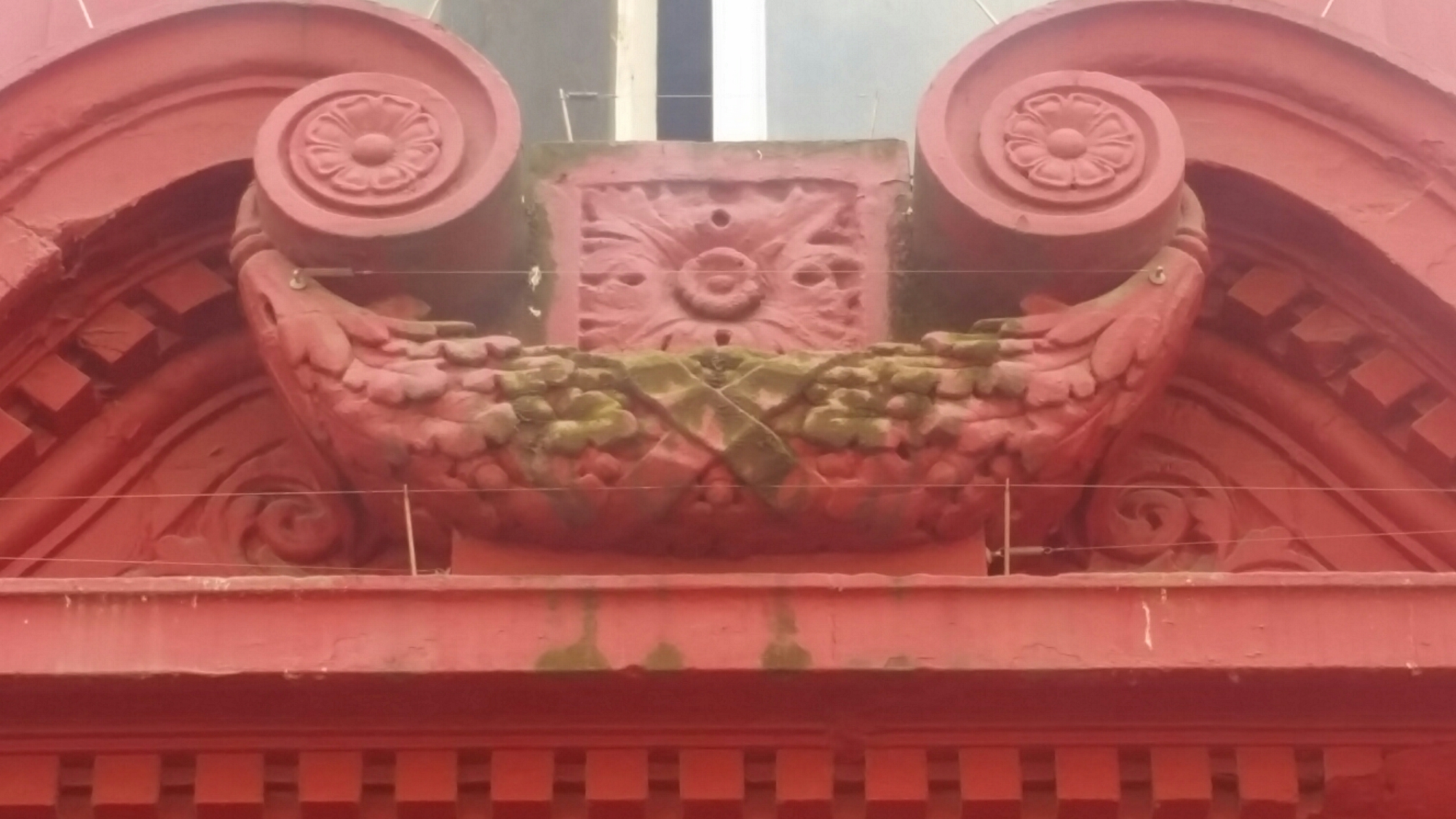
In walking down Hanway Street yesterday I was struck by this bright red oversize door surround. But I have been unable to find out anything about it. Hanway Street was developed in the early eighteenth century by Major John Hanway, who translated the odes of Horace and whose nephew Jonas invented the umbrella:-
Ideal House
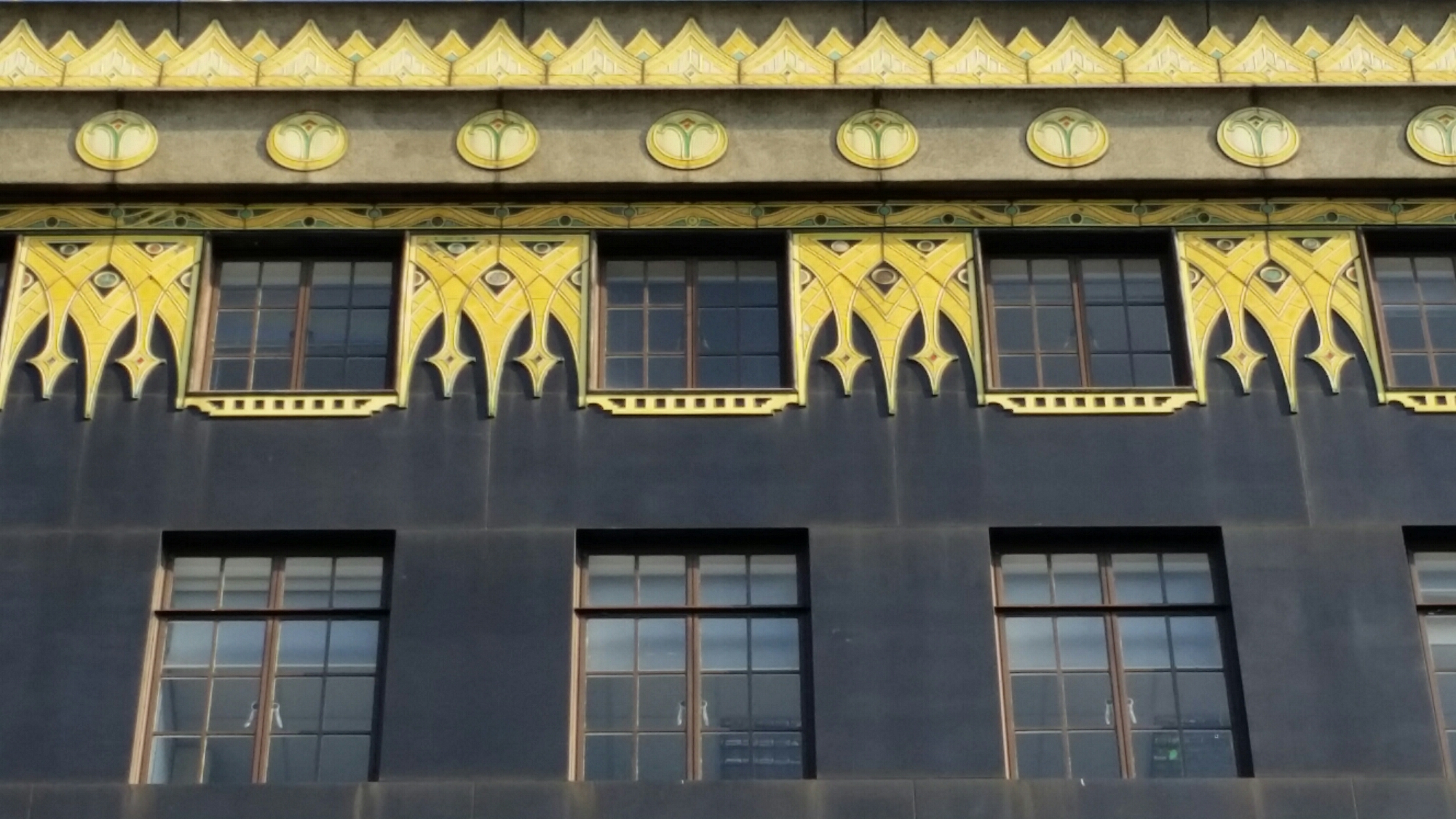
I don’t know why I’ve never previously registered the grand black polished façade of Ideal House, just down the street from Oxford Circus tube station and immediately opposite Liberty’s. It was designed by an architect called Gordon Jeeves, a Scot (all early twentieth-century architects seem to have been Scottish), working with the American art deco architect, Raymond Hood. It’s not surprising that it looks as if it’s strayed from the streets of New York because it is a small-scale copy of Hood’s building in New York for the American Radiator Corporation:-
Burlington Gardens
For the last three years I have paid scant attention to the three figures who stand meditating outside my office window. But as we prepare to decamp to Blackfriars whilst Pennethorne’s great building in Burlington Gardens is renovated, I thought I should record their appearance in all its sooty magnificence. Like the philosophers outside the Sheldonian Theatre in Oxford, they stand sentinel, as guardians of learning:- 

Grosvenor Chapel
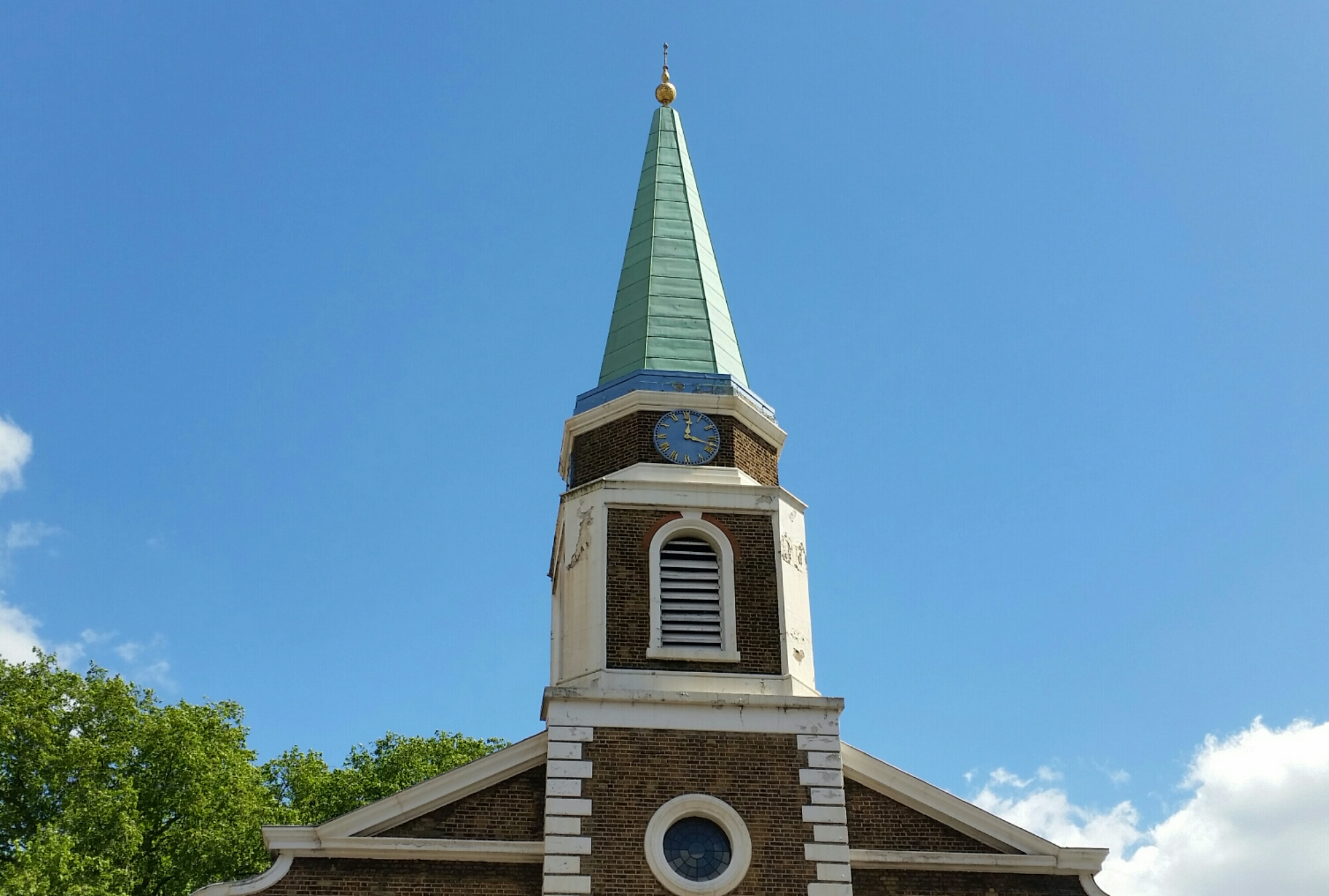
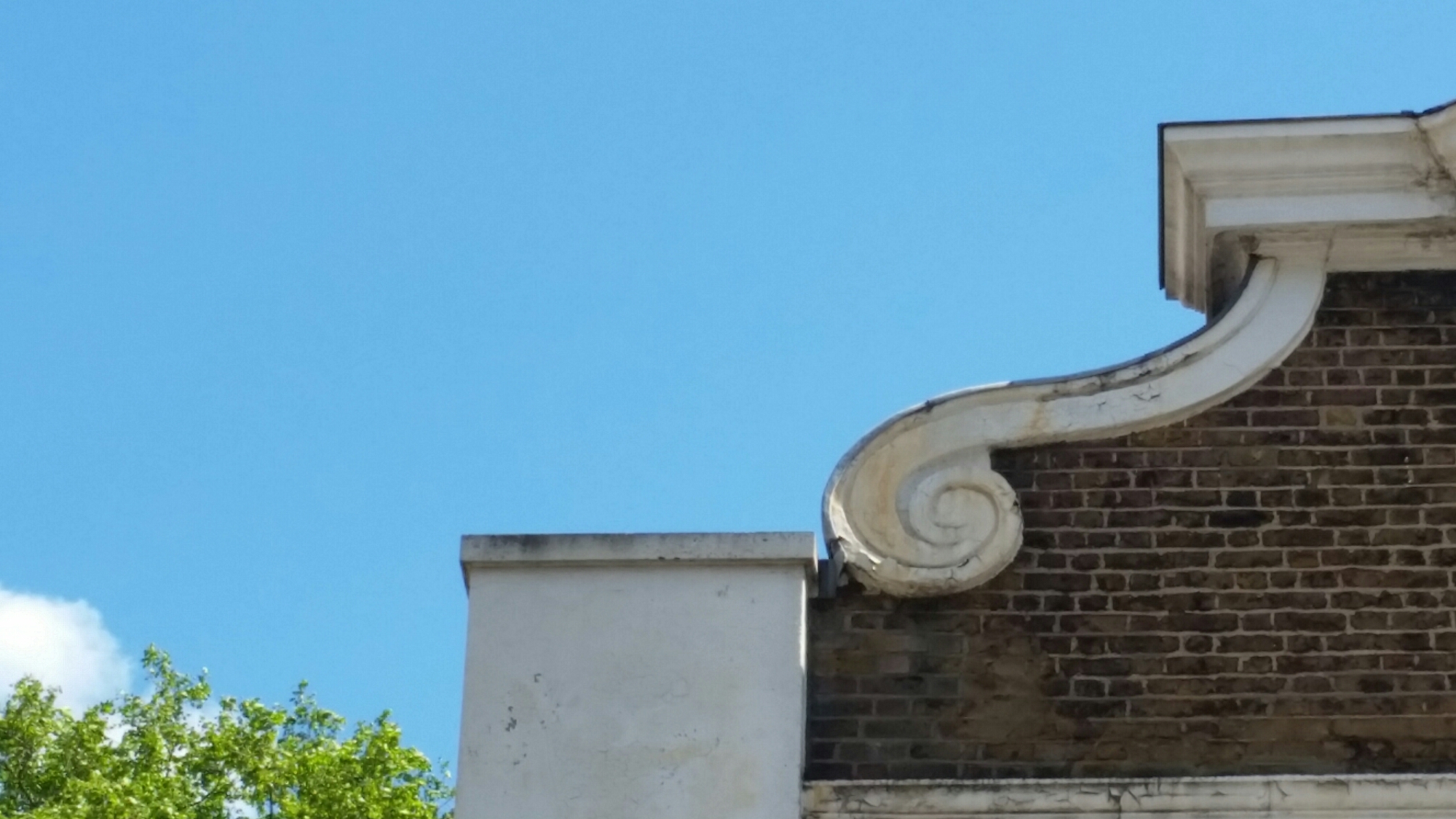
I’ve never before been into Grosvenor Chapel, the parish church of Mayfair next door to Harry’s Bar. It’s quite sweet, rather like a parish church in New England, commissioned by Sir Richard Grosvenor in April 1730, possibly designed from a pattern book by its builder, Benjamin Timbrell, who had worked with Gibbs on the Oxford Chapel. It cost £4,000. The spiral volutes were added by William Skeat during repairs in 1829 and the chancel was poshed up just before the first world war by Ninian Comper:-
8, Mount Row
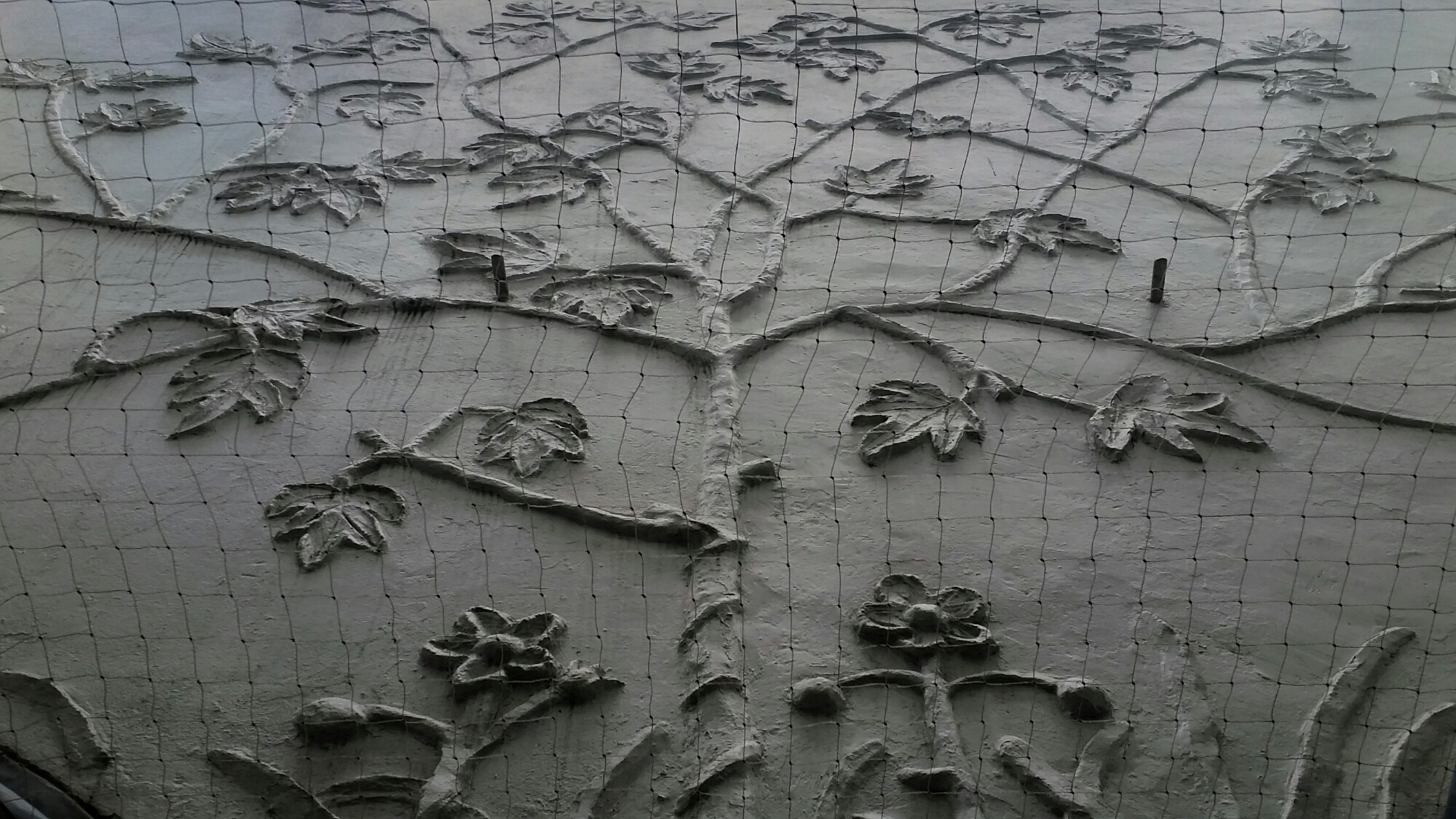
I have had a residual memory of delivering a brown paper parcel down an alleyway to a Tudor house somewhere in Mayfair when I was working on a holiday job at Heywood Hill in the mid-1970s. I realised where it was when I was walking down Mount Row this morning. In amongst the normal Wrenaissance of Mount Street is a perfect Tudor house designed by Frederick Etchells, the Vorticist and translator of Corbusier’s Vers une architecture, in 1929. It is as un-Corbusian as it is possible to imagine, complete with wood carving and a plaster ornamental wall:-

 | Charles | Saumarez | Smith |
You must be logged in to post a comment.