Bohemianism

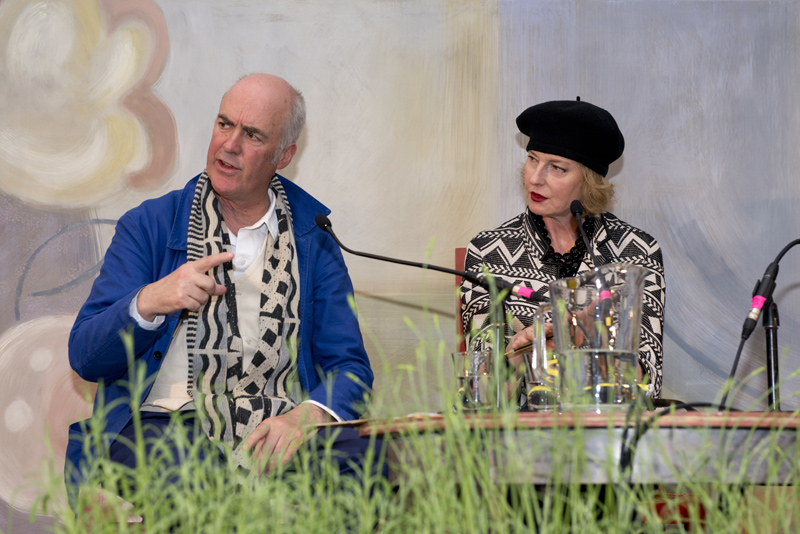
The last session we were able to attend at Charleston was a discussion on the history of bohemianism, based on Vic Gatrell’s recent book, The First Bohemians:  Life and Art in London’s Gokden Age.   But the use of the term for eighteenth-century Covent Garden felt wrong.   As Gatrell himself admitted, the term derives from the nineteenth century romanticisation of the life of the artist, first used in France in Henri Murger’s Scènes de la Vie Bohème (1845) and, in England, in Thackeray’s Vanity Fair (1848).   What Gatrell is writing about is conventional low life which was a matter of necessity, not choice.   Fiona McCarthy argued the case for Byron and William Morris being regarded as bohemians.   Possibly.   Both espoused a version of an alternative lifestyle.   Most convincing was Antony Penrose describing the extraordinarily hedonistic life of his father in the south of France alongside Picasso, Man Ray and his mother, Lee Miller.

Silver spoon bohemianism
Standard

Charleston Festival (2)

A very varied diet at Charleston today.   Sofka Zinovieff and Selina Hastings talked about their upper-class relations – Selina’s father who was the Earl of Hastings and worked in Mexico with Diego Rivera and Sofka’s grandfather, The Mad Boy, who was the lover of Lord Berners.   Juliet Stevenson read poetry by Emily Dickinson as orchestrated by Bill Nicholson.   A session on ‘The Language of Fashion’ was organised by Justine Picardie.   We ended with Benjamin Britten’s Phantasy Quartet followed by a balletic performance inspired by The Waves.

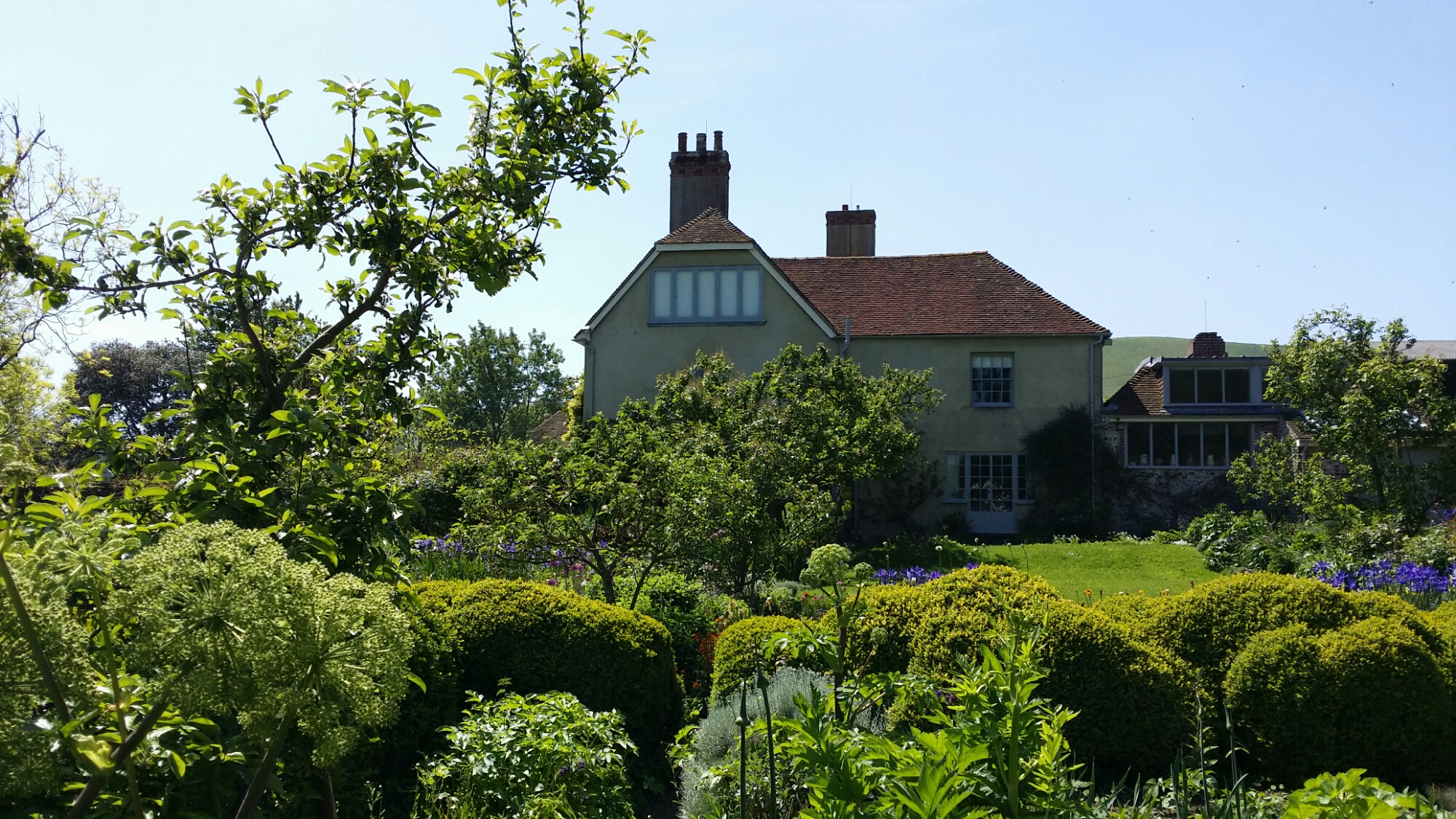
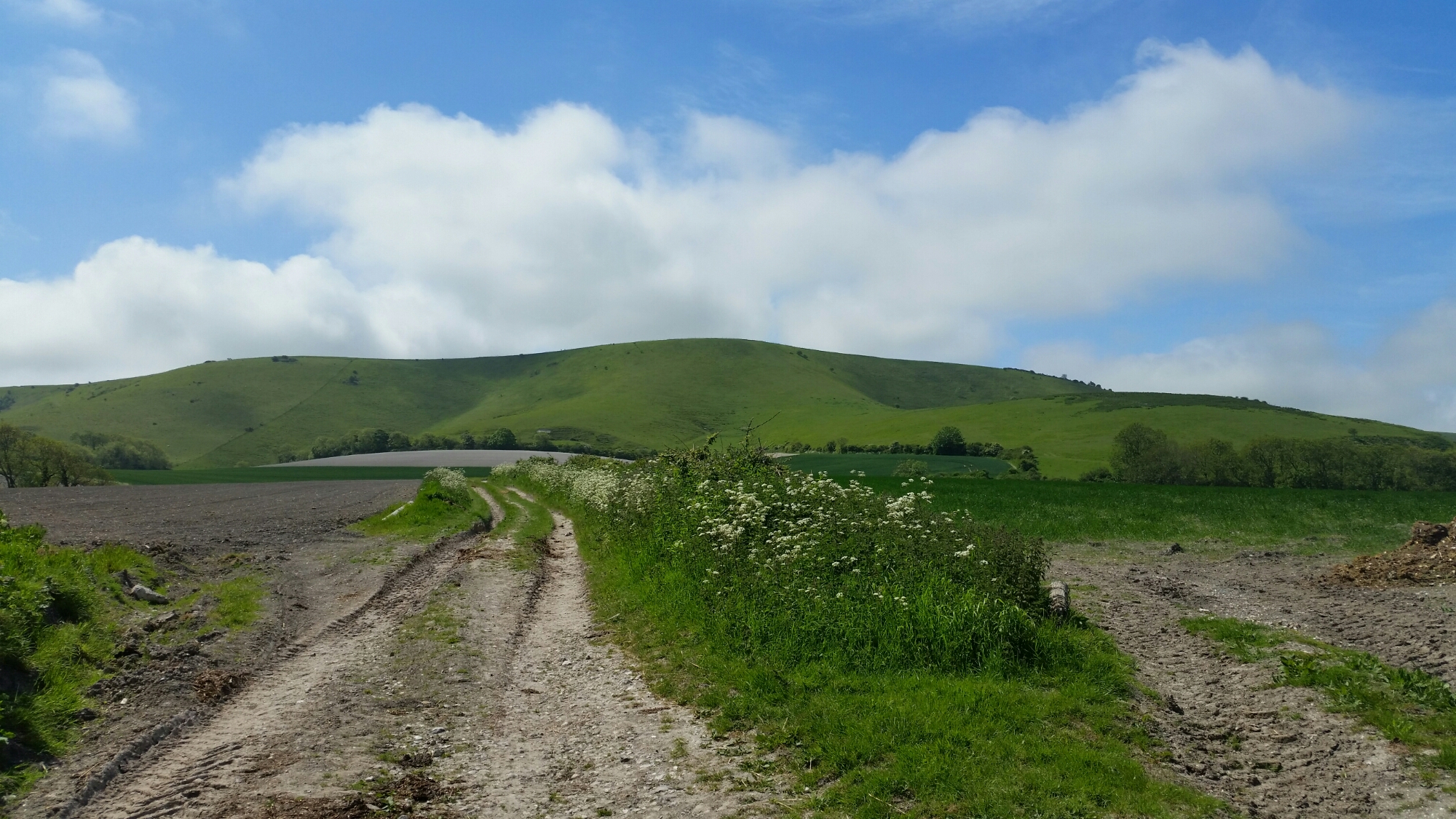
In the intervals, I walked up the track to see the Downs:-

image

image Continue reading

Standard

Charleston Festival (1)

A busy day at the Charleston Festival.   Julia Peyton-Jones and I were interviewed by Dinah Casson about what it is to be a curator.   Dinah started off with the characteristics of a traditional curator as, I assume, she has experienced in working on the British Galleries at the V&A and, more recently, the First World War Galleries at the Imperial War Museum.   Then Julia revealed the complexities of decision-making on the exhibition programme at the Serpentine.   We all remarked on the ways in which there is now so much more interest in contemporary art than when we started our careers and discussed the reasons why.   After lunch, Hans-Ulrich Obrist demonstrated what it is to be a high-powered international superstar curator in discussing his project to interview the best known artists and architects for his version of Vasari.

Ⓒ Axel Hesslenberg

Ⓒ Axel Hesslenberg

Standard

Hannah Rothschild

I have just interviewed Hannah Rothschild about her new (and first) novel The Improbability of Love in which she imagines a Watteau being discovered in a junk shop, being bought by someone accidentally for £75 and then the search for it and the adventures that ensue in the world of an overheated art market.   She brings to it the knowledge which comes from being both a Rothschild, so a representative of the art-owning aristocracy, and a Trustee of the National Gallery (soon-to-be chairman), but she also brings to the art world occasionally sardonic and definitely comic powers of descriptive invention.

Standard

Charleston Festival (4)

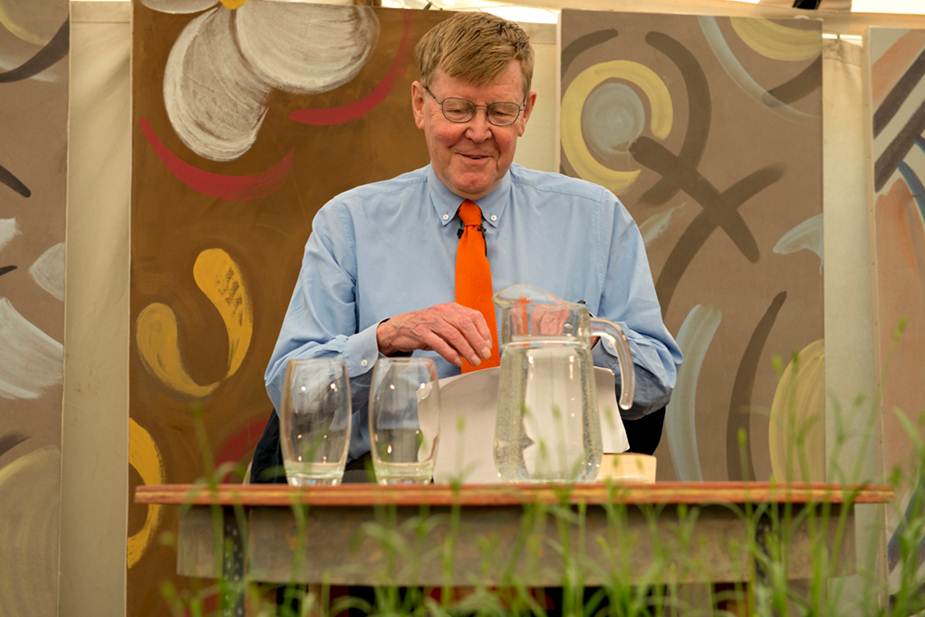
Hard to beat Alan Bennett (age 80) reading his own description of first visiting the Leeds City Art Gallery and of his first Room of His Own at Exeter College, Oxford, failing to buy a pot by Lucie Rie whilst on National Service in Cambridge, not buying a chair by Isokon, but a roll of wallpaper instead, which he wasn’t able to hang.   He stayed on at Oxford as a postgraduate student of medieval history (he taught Bevis Hillier, who collected ceramics, and David Bindman, who collected Old Master drawings) and he retains just a touch of the intellectual dryness of an Oxford don.   His favourite museum is the Fitzwilliam Museum in Cambridge.   I wanted to ask how he had found it as a Trustee of the National Gallery.   He ended with his spoof memoir of Virginia Woolf as if read to the Memoir Club from Forty Years On.

Alan Bennett_1

Ⓒ Axel Hesslenberg

Alan Bennett_2

Ⓒ Axel Hesslenberg

Standard

Charleston Festival (3)

The highlight of the second day of the Charleston Festival was Robert Harris talking about his novel, An Officer and a Spy, which I haven’t read and now want to.   He was admirably straightforward in describing how his interest in the Dreyfus Affair derived from a commission from the filmmaker Roman Polanski;  had involved a bit of research, including the use of a 1900 Baedeker Guide to Paris, which told him about the relevant restaurants;  and then a mere six months of writing from 5.30 in the morning to lunchtime.   He compared his technique to that of Dickens and Trollope, believing that the best novels should be written without pretention.   He was offset by discussion with Hilary Spurling and came across as impressively convincing.

Standard

Charleston Festival (2)

Another thing I like about the Charleston Festival is the presence of the old and the wise.   In the front row of the stalls at the first event was Jeremy Hutchinson (age 99), the emeritus Professor of Law at the Royal Academy, whose mother Mary was Clive Bell’s mistress.   A few rows back was Olivier Bell (age 97), who served in the Control Commission in the second world war and has just been awarded an MBE.   One of the best of the speakers was Asa Briggs (age 93) talking about his third volume of autobiography, still pretty alert, a codebreaker in Bletchley and second Vice Chancellor of Sussex University.   When it came to questions, someone asked a tough one about the long delay in the publication of the Chilcot Inquiry.   Asa Briggs said, ‘Thank you, Phyllis’.   The questioner was P.D. James (age 94).

Standard

Charleston Festival (1)

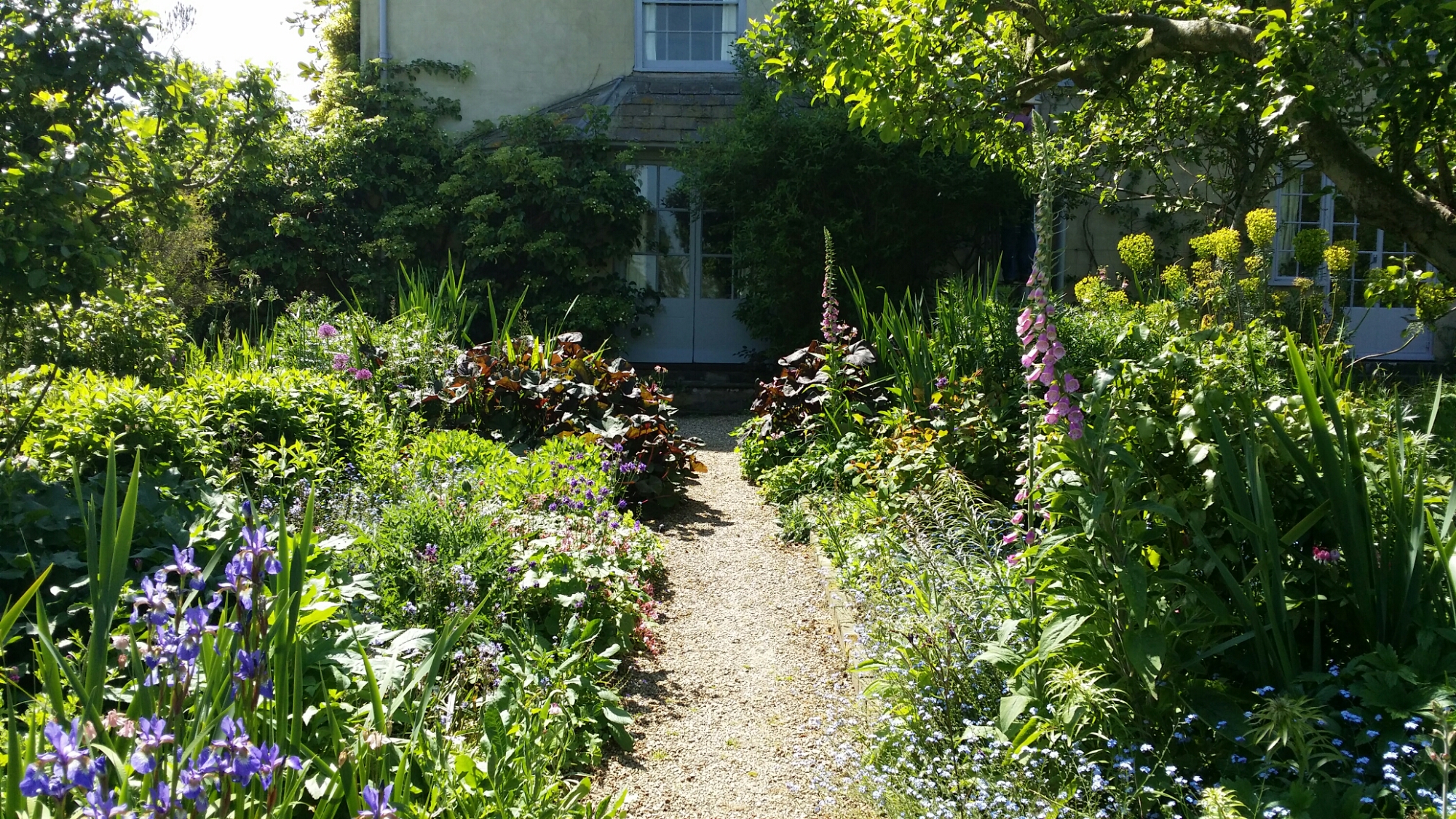
Each year we go to the Charleston Festival in Sussex and have done every year (I think) since 1993 when I became a Trustee.   I love it:  the windy tent, the excessively knowledgeable audience, lounging about in the sun over lunch, and the magnificent unpredictability of the subjects discussed.   The pleasure is not just what happens and is said in the tent, but the beauty of the setting:  the garden looking brilliantly lush:

image

image

Continue reading

Standard