
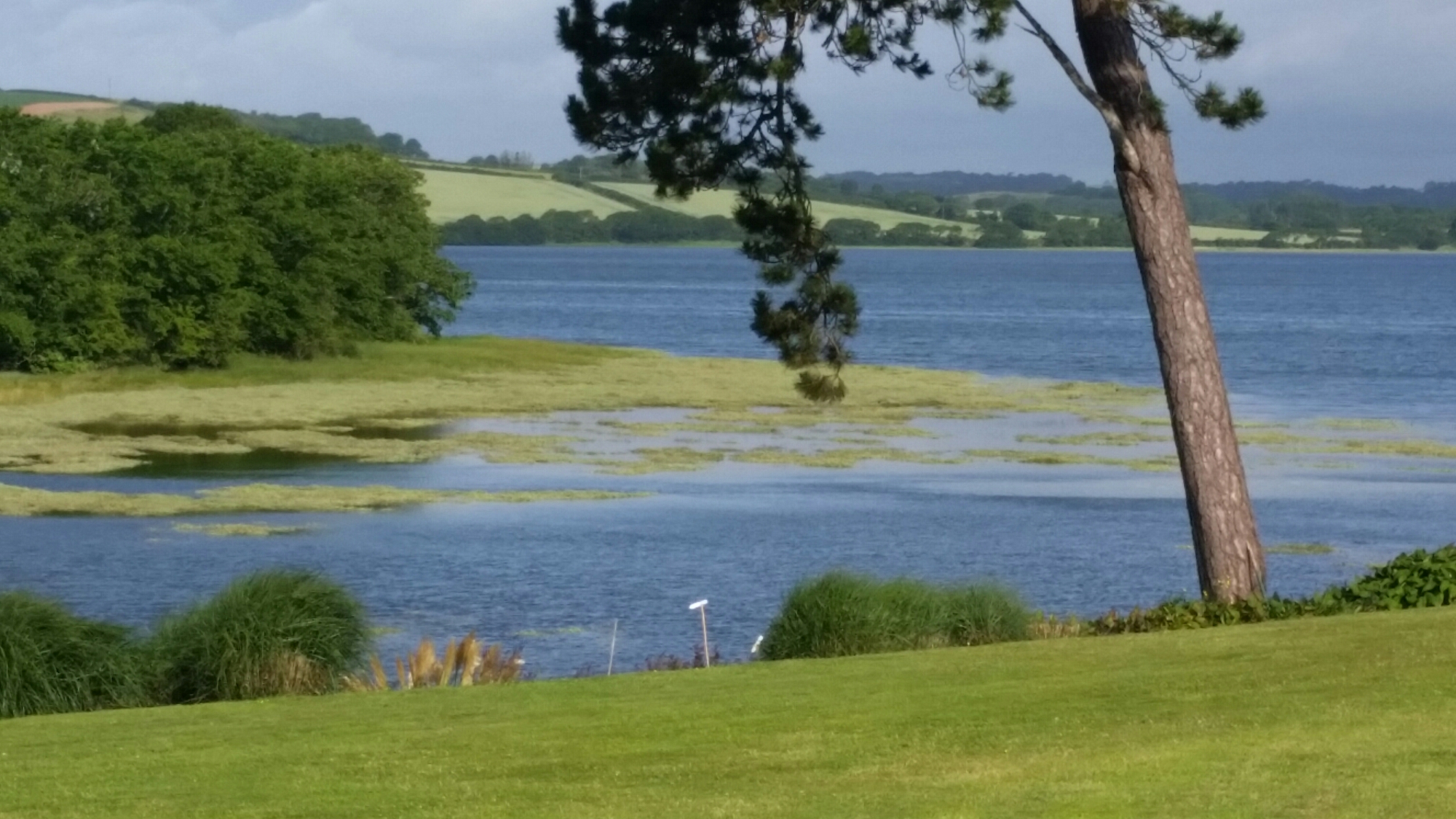
We stayed the weekend on the Rame Peninsula looking out onto the estuary of the River Lynher, a view which changed according to the light:-
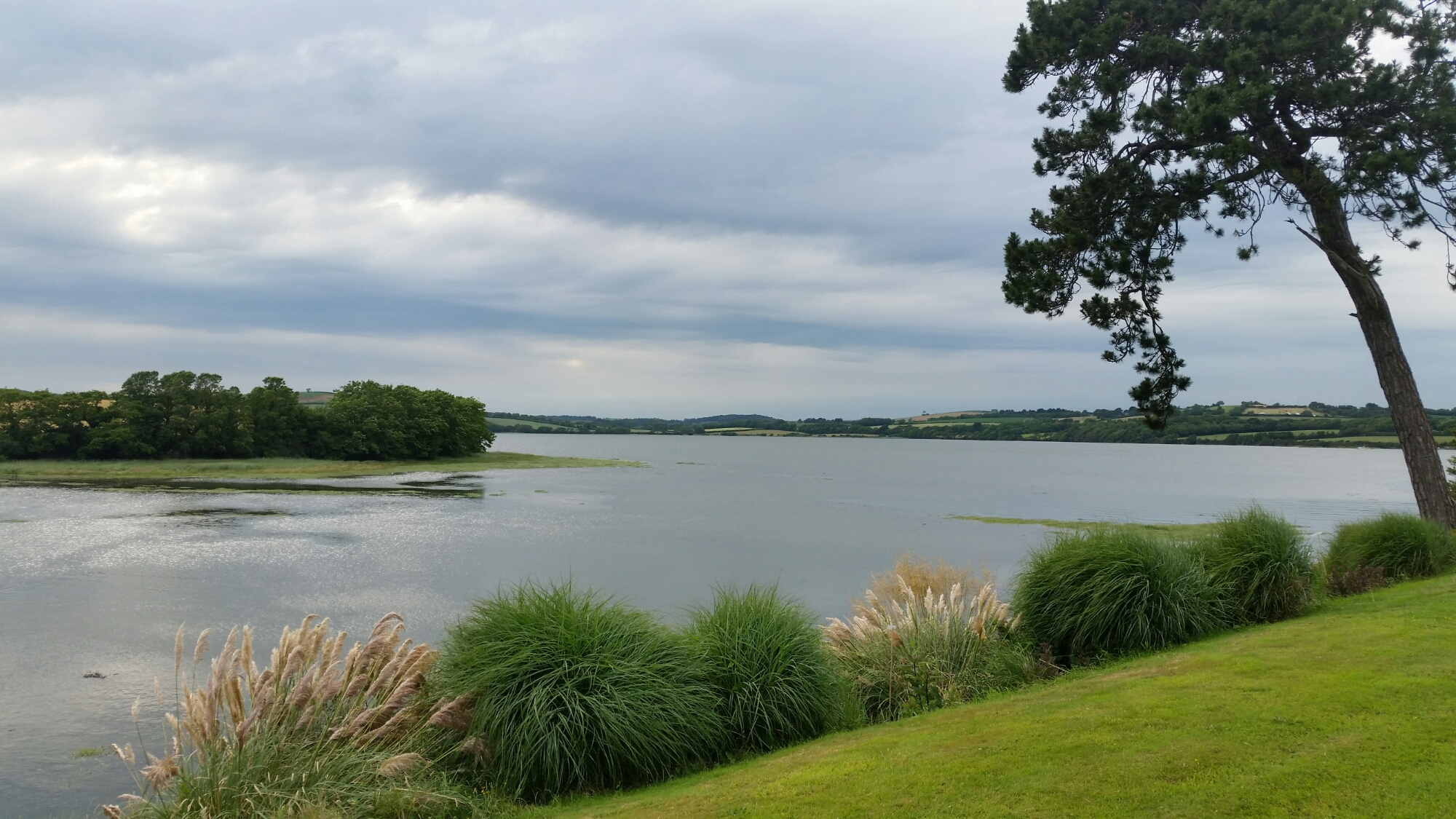
We stayed the weekend on the Rame Peninsula looking out onto the estuary of the River Lynher, a view which changed according to the light:-
On Sunday morning, we went round Antony, admiring portraits of generations of Carews, Pole Carews and Carew Poles, beginning with Richard Carew, the historian of Cornwall, and including Alexander Carew, the regicide, and Sir William Carew, the builder of the house, up to Sir Richard Carew Pole whose portrait was painted in the mid-1990s by the PRA.
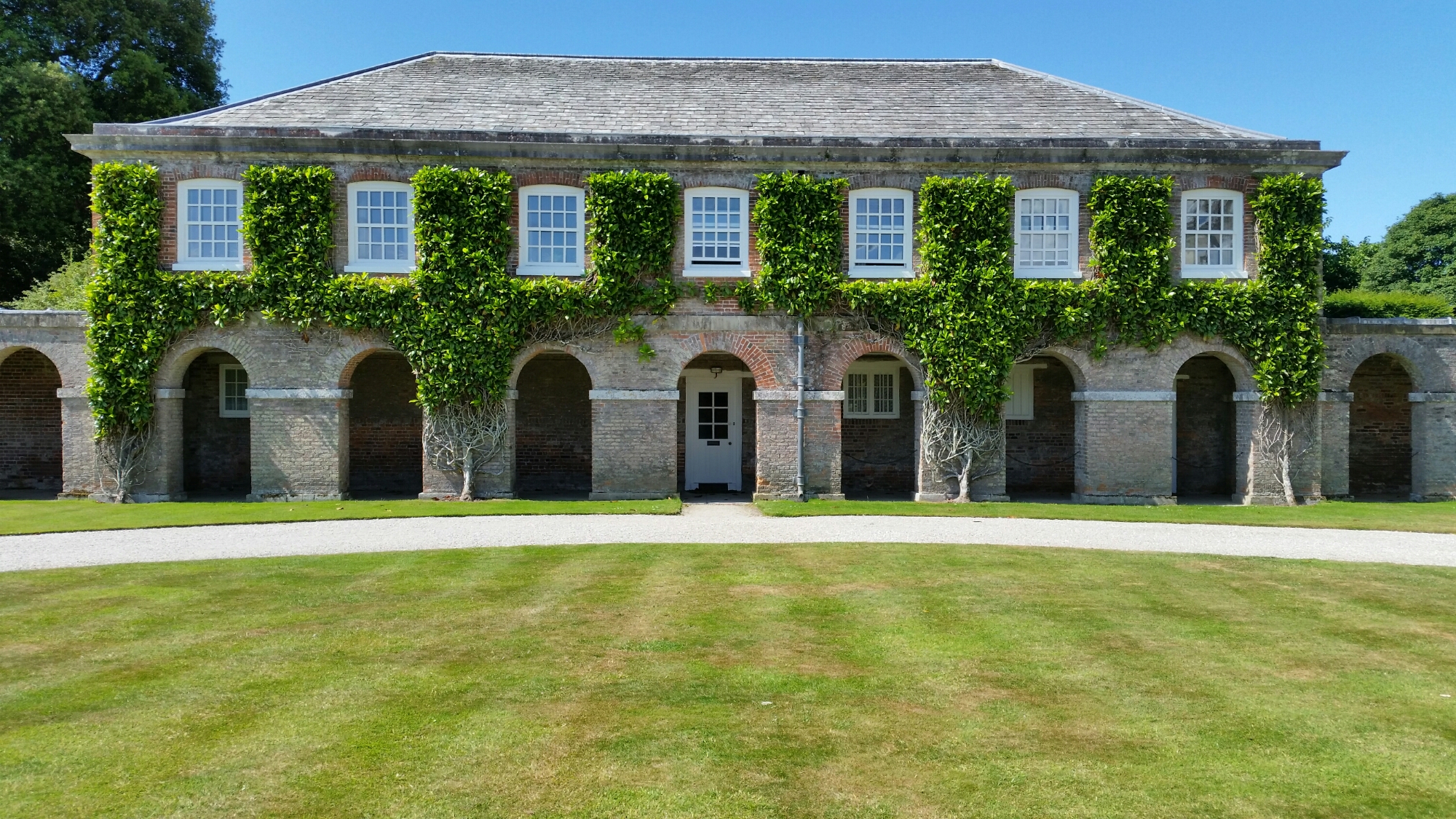
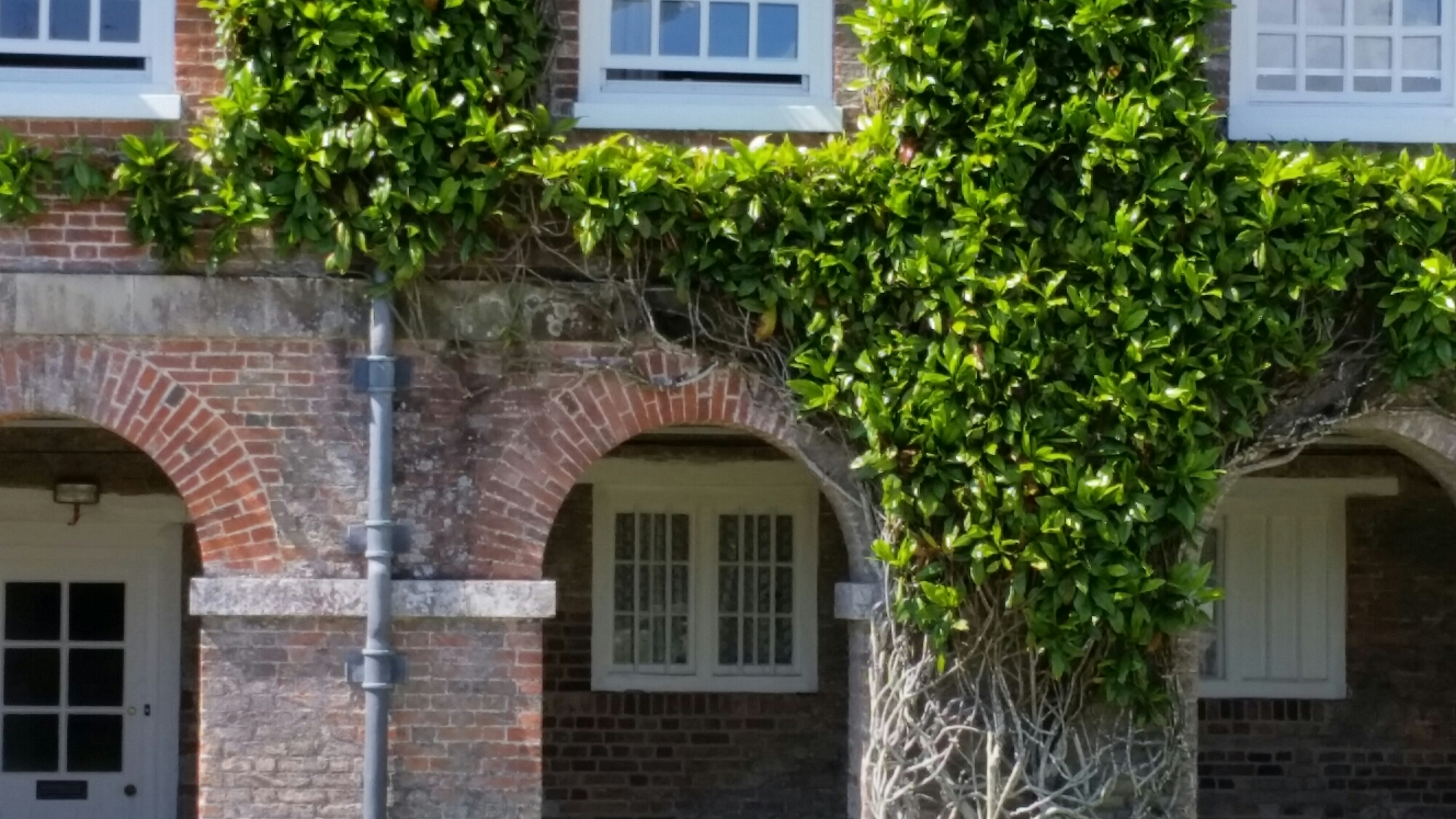
The house is a perfect size, not too large and perfectly proportioned, built of Pentewan ashlar between 1718 and 1724 by a local builder John Moyle, who agreed to build the house ‘according to a Draught agreed upon in a good and workmanlike manner and to the satisfaction of Sir William Carew’. Inside, it’s darkly panelled, its atmosphere more that of the generation before the 1720s than Palladian.
The south front:-

The garden front:-
Of the great priory church of St. Germans, seat of the bishop until the construction of Truro cathedral, we saw no more than the great west door surrounded by Norman ornament:-

After lunch we went to walk along the banks of the River Lynher in the parkland of Port Eliot, drained by Edward Eliot some time after he succeeded in 1748 and then planted by Humphrey Repton following the production of a Red Book in 1793:-

The weather was perfect for walking round the gardens at Antony: not too hot, luminously clear, with puffed clouds. The original gardens were laid out when the house was built in 1724, then modernised to an extent, but incompletely, by Humphrey Repton (the Red Book survives in the house) and the hedges and many of the trees were planted in the 1890s and later.
We started in the courtyard in front of the house, looking up to the gates on the horizon:-


 | Charles | Saumarez | Smith |