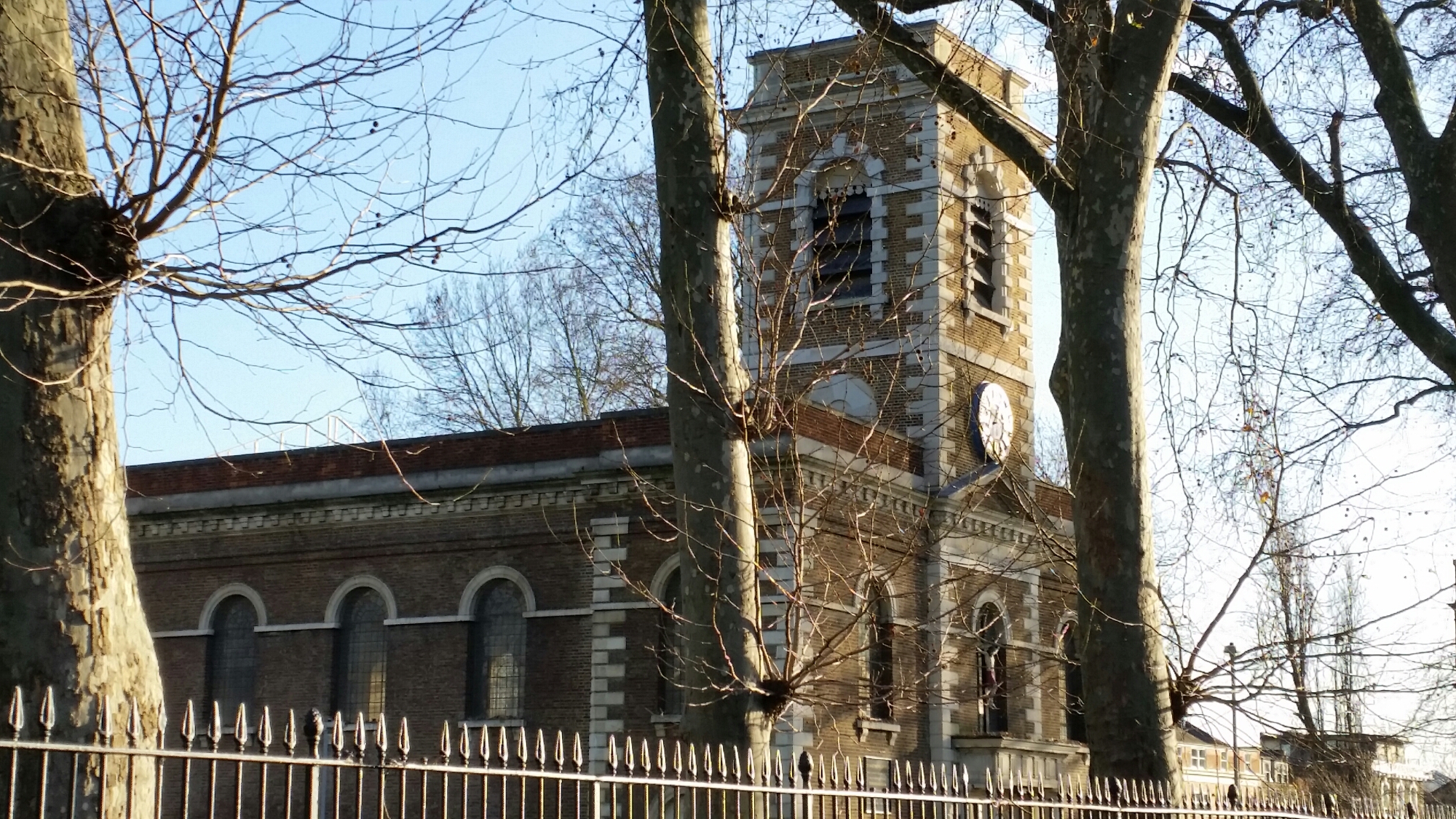
St. Peter’s, Bethnal Green is unexpectedly rustic, as if lost down a leafy, Norfolk lane, not surrounded by tough housing estates. It was designed by Lewis Vulliamy for Bishop Blomfield and built in knapped flint and stock brick:-
Tag Archives: East London

St. Matthew, Bethnal Green
As therapy for the New Year, I took myself on an unplanned walking tour of Bethnal Green. I started at St. Matthew’s, the parish church, which was originally planned to be one of the Fifty Churches designed by Hawksmoor. But the parishioners objected to the cost and the Rector of Stepney didn’t want to lose his income from tithes. Instead, a more modest church was commissioned from George Dance Senior. Work started in 1743, but funds were inadequate. An Act of Parliament provided funds on the grounds of the ‘dissoluteness of morals and a disregard for religion, too apparent in the younger and poorer sort’. In the 1850s, the interior was destroyed by fire and, again, by Hitler. It was reconstructed in the 1950s by Antony Lewis of Tapper and Lewis with work commissioned from young artists. It’s a good example of 1950s ecclesiasticism:-
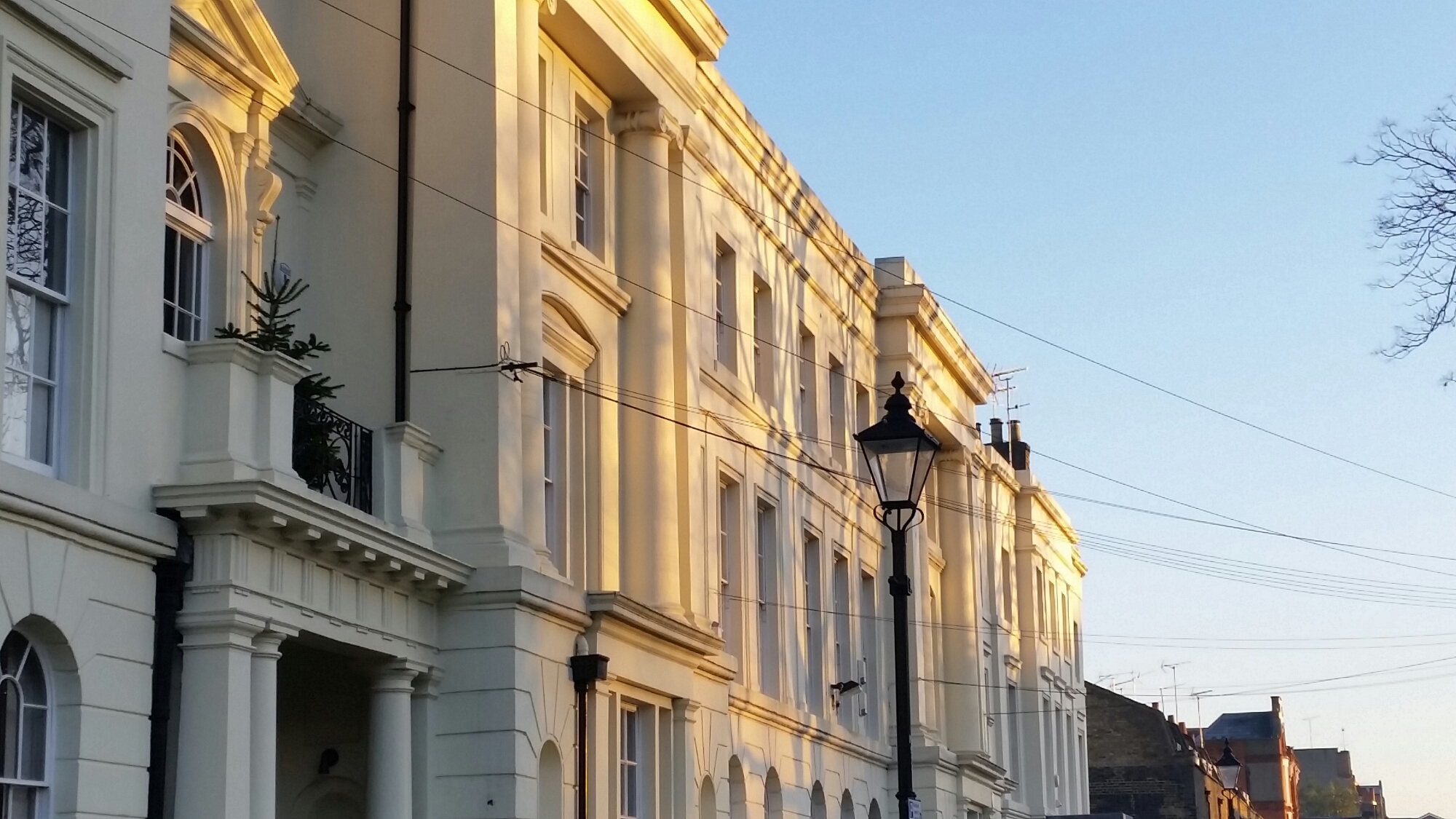
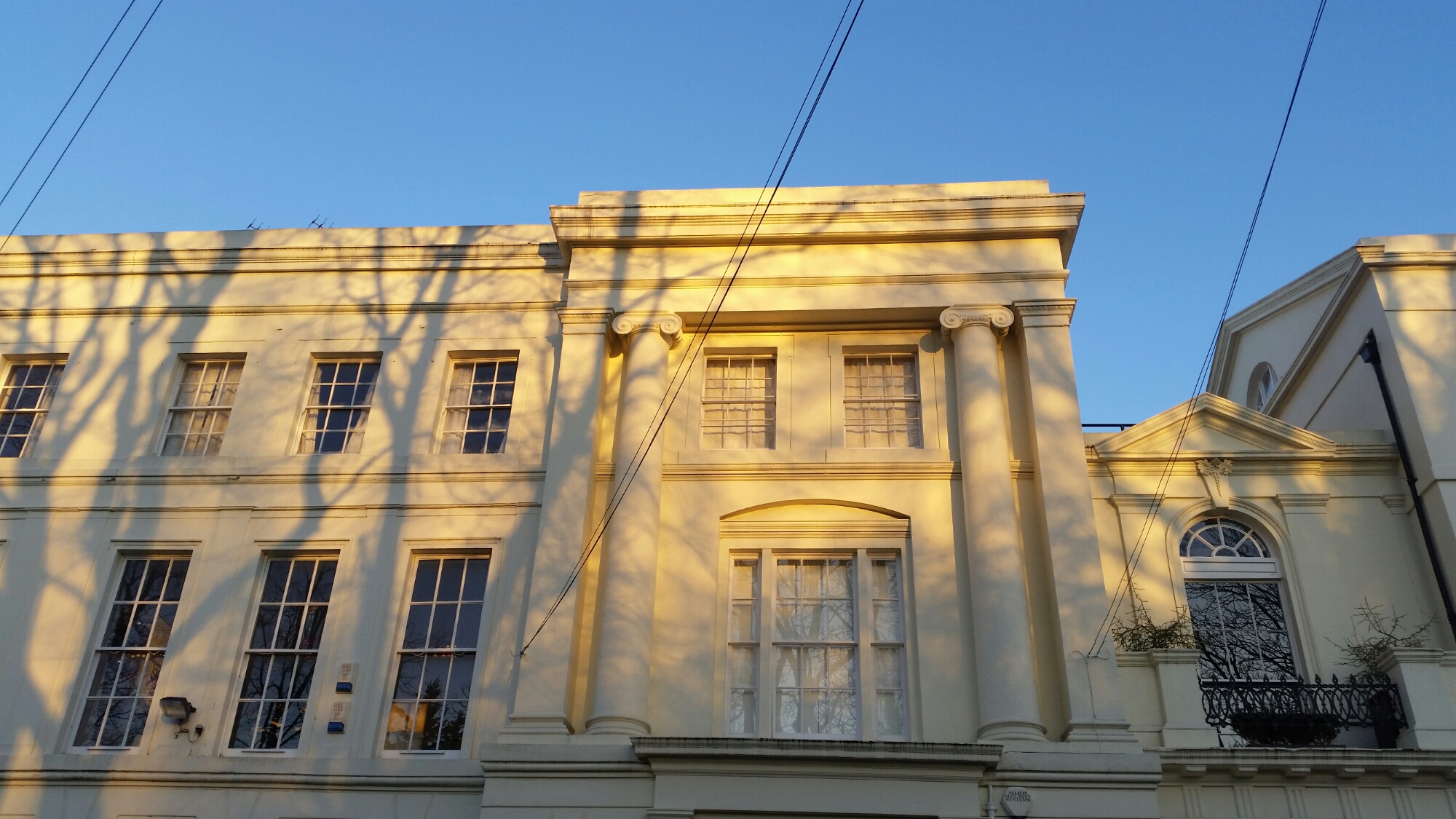
Tredegar Square
Much the grandest of the east end squares is Tredegar Square, where the bishop used to live, just north of Mile End tube. It was laid out on land belonging to Sir Charles Morgan of Tredegar House, a large Caroline house just outside Newport, by William King, an architect-cum-surveyor. The houses were stuccoed in the 1830s giving it a whiff of the Brighton seafront and it was always gentrified by comparison to the surrounding neighbourhood:-
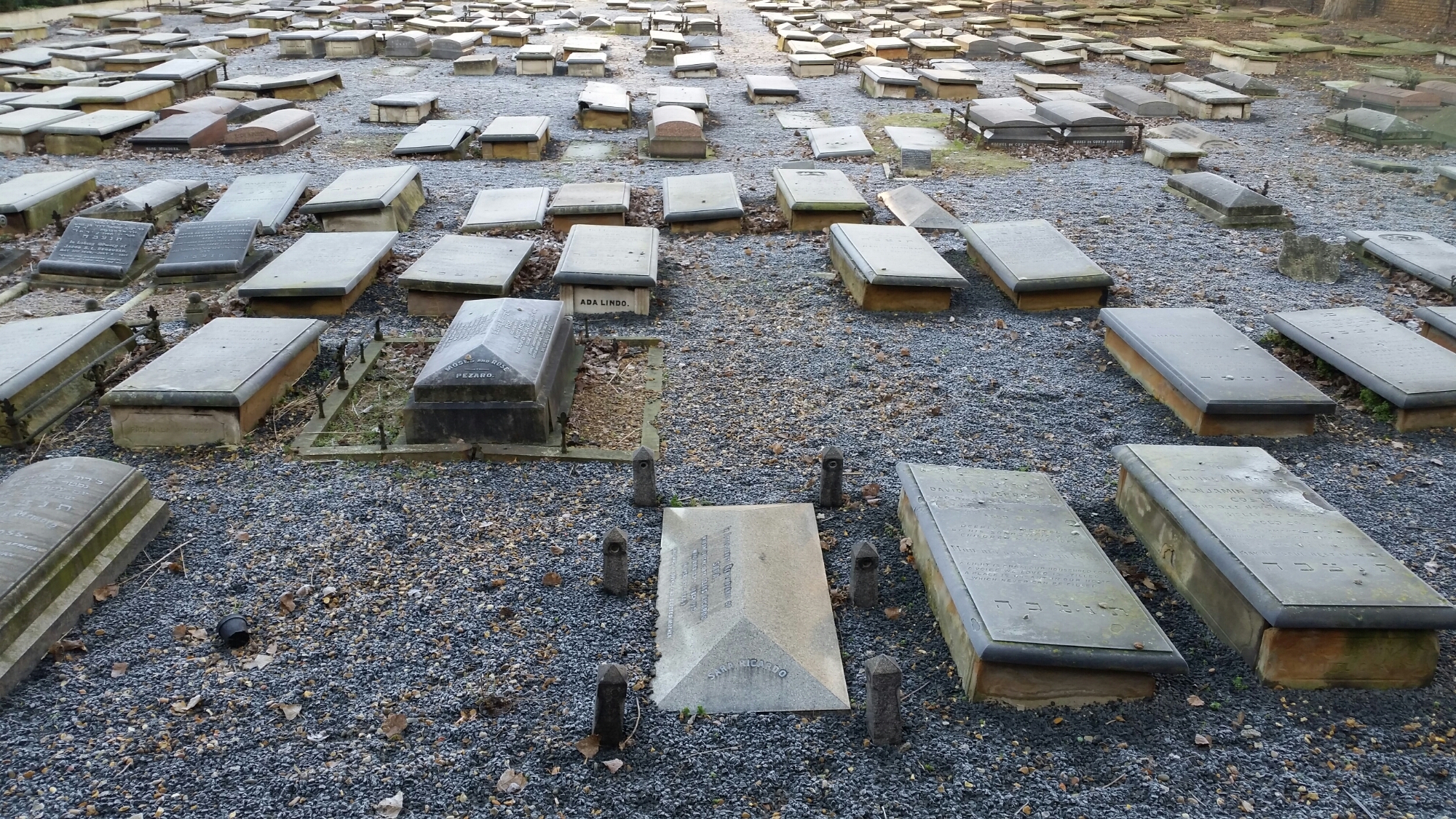
Novo Cemetery
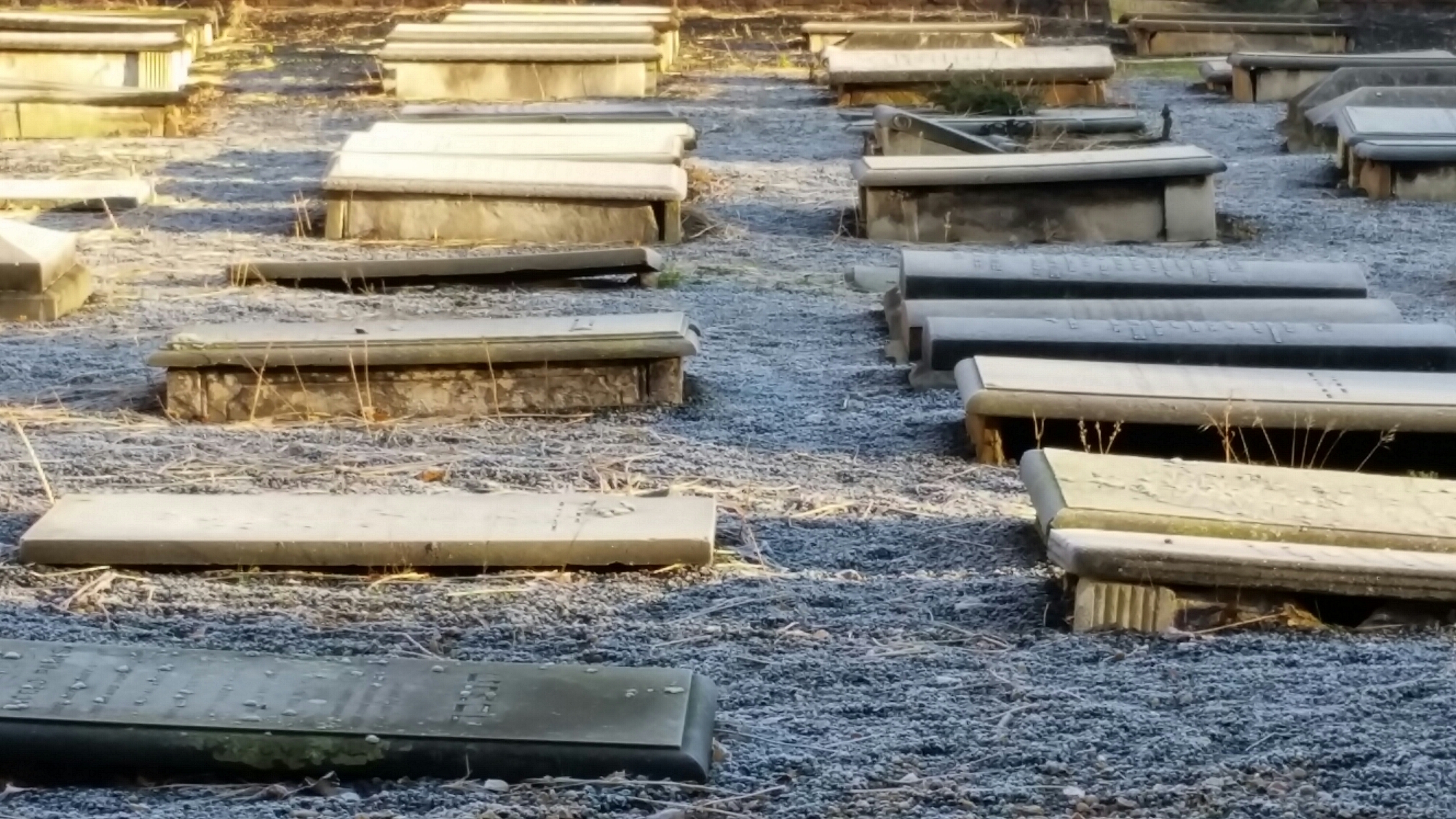
I always find it odd that, as one walks through the grounds of Queen Mary, past the engineering and next to the arts and law faculties, one finds a large Jewish burial ground, well preserved. It was opened in 1733, next door to Bancroft’s Hospital, and is shown clearly on Roque’s map the following decade. Closed for burial in 1905, Queen Mary acquired the site in 1984 when half the graves were removed to Brentwood:-
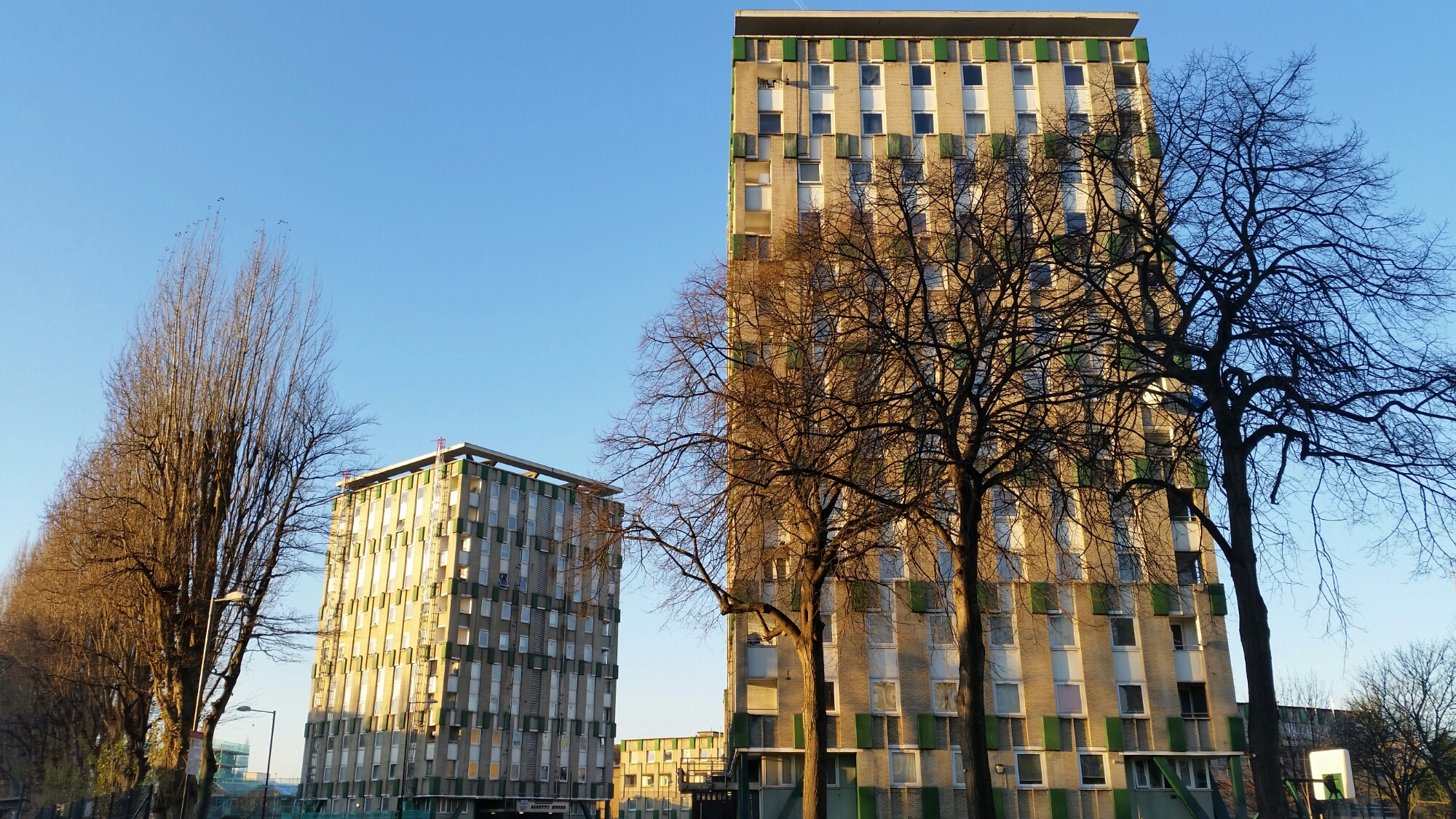
Cranbrook Estate
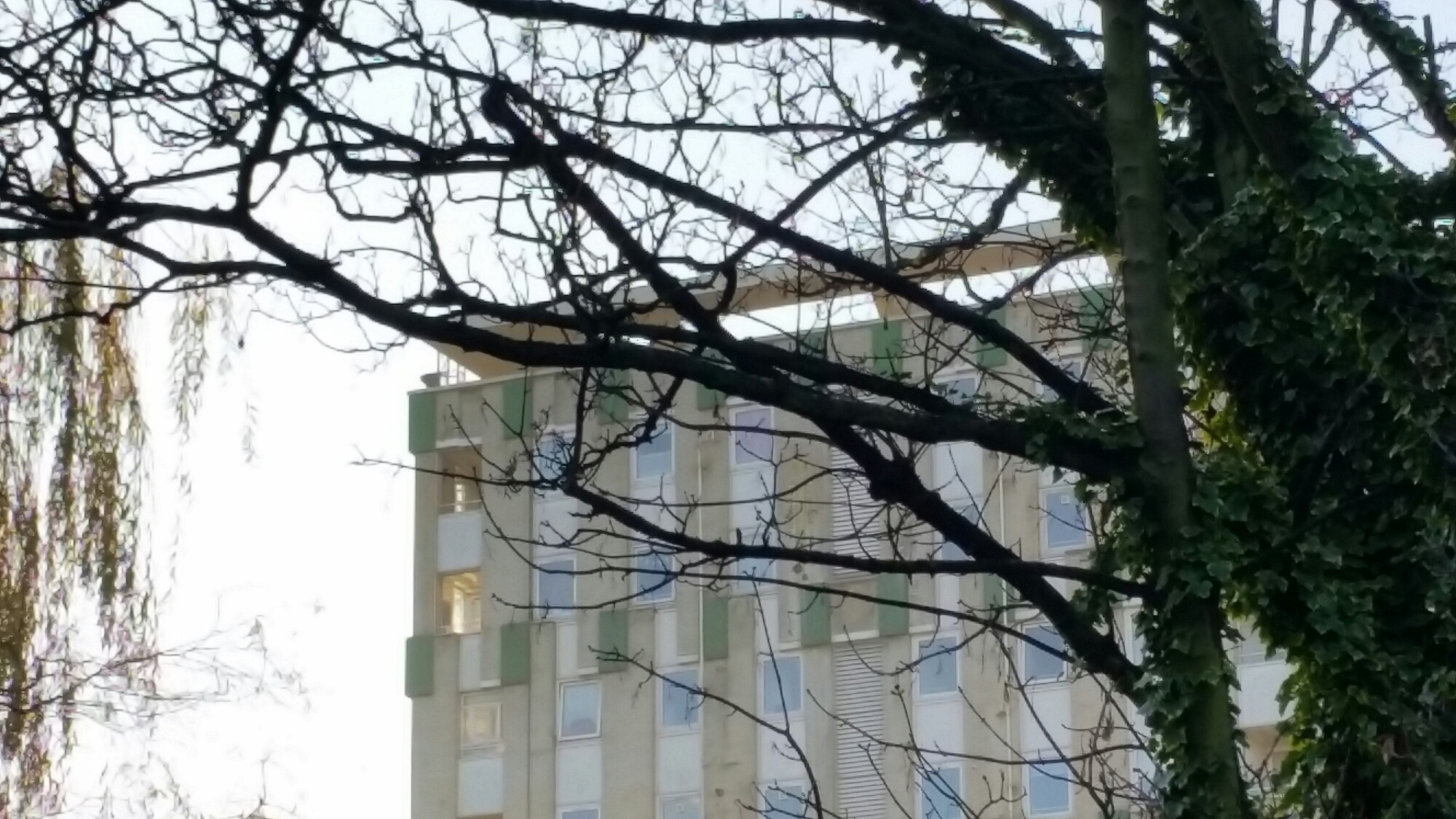
Just north of the Roman Road is a modernist estate with characteristic patterned façades, punctuated by green blocks, and with buildings originally designed on a figure-of-eight street. It turns out that it is a late work by Berthold Lubetkin, working in partnership with Francis Skinner and Douglas Bailey, both of whom had also worked for Tecton. Commissioned by the borough of Bethnal Green in 1955 after Lubetkin had retreated to a farm in Gloucestershire, compulsory purchase took place in 1957 and the first blocks opened in 1963:
The Pagoda in Victoria Park
The pagoda in Victoria Park was originally designed for a Chinese exhibition in Hyde Park in 1842, was moved to the newly laid out Victoria Park in 1847, had a bridge designed for it by James Pennethorne, decayed in the war, was demolished in the 1950s, and only recreated recently in the renovations funded by the HLF:-
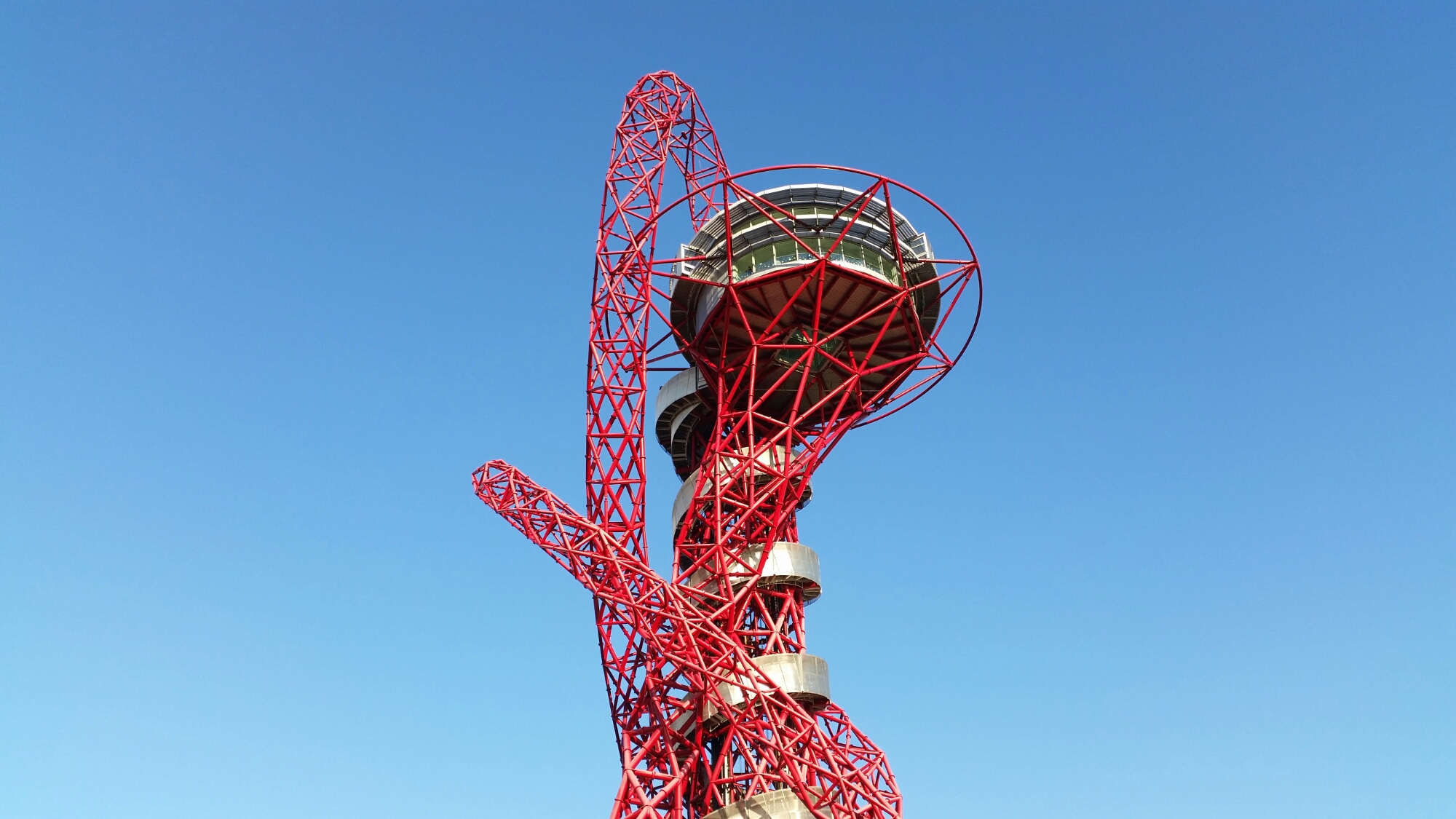
The Olympic Park
As it was so wonderfully sunny, we thought we would explore the Olympic Park: a mistake; too much clutter and not enough park.
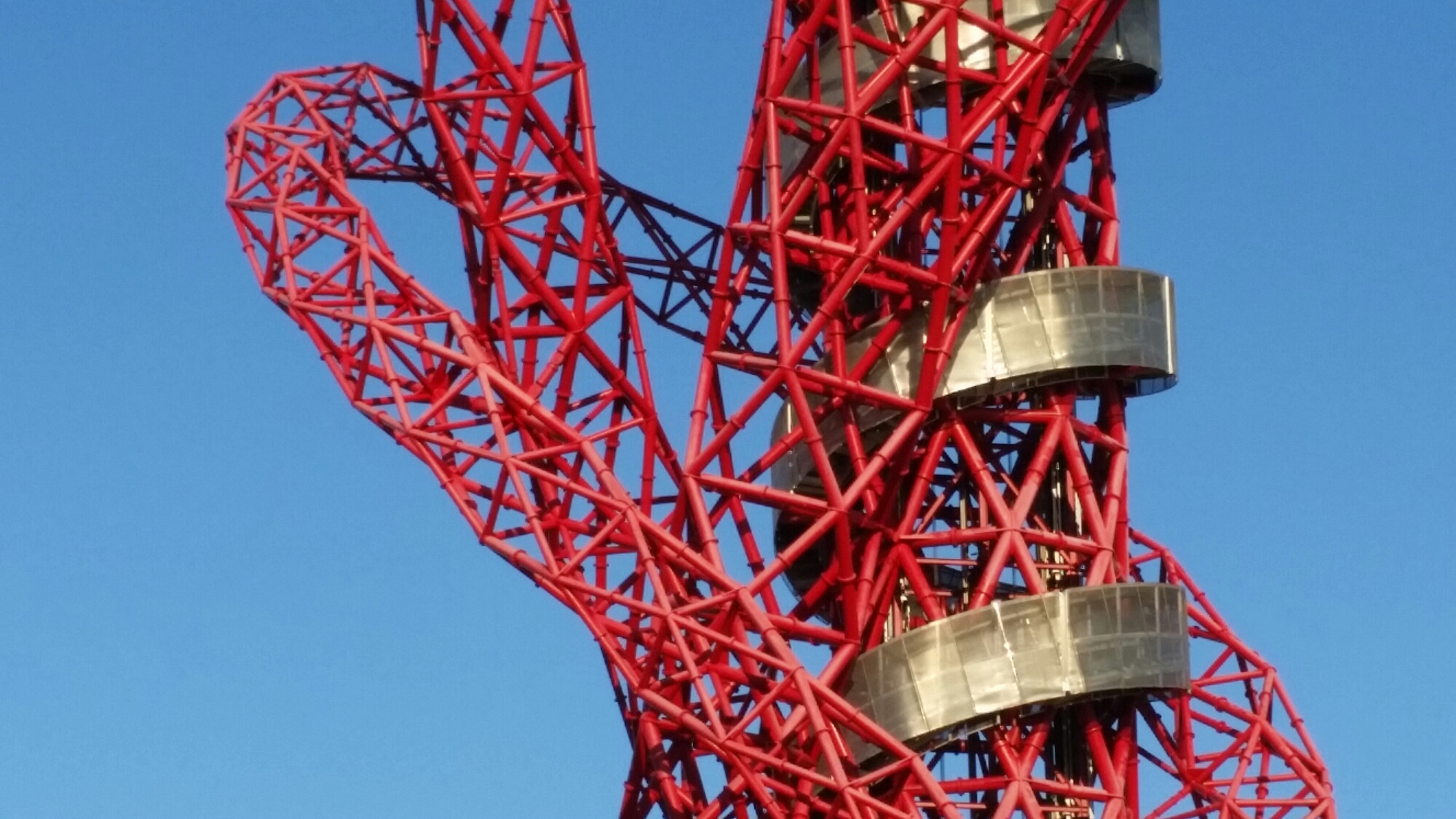
However, Anish Kapoor’s Arcelor tower looks better close-up, like an escaped triffid:
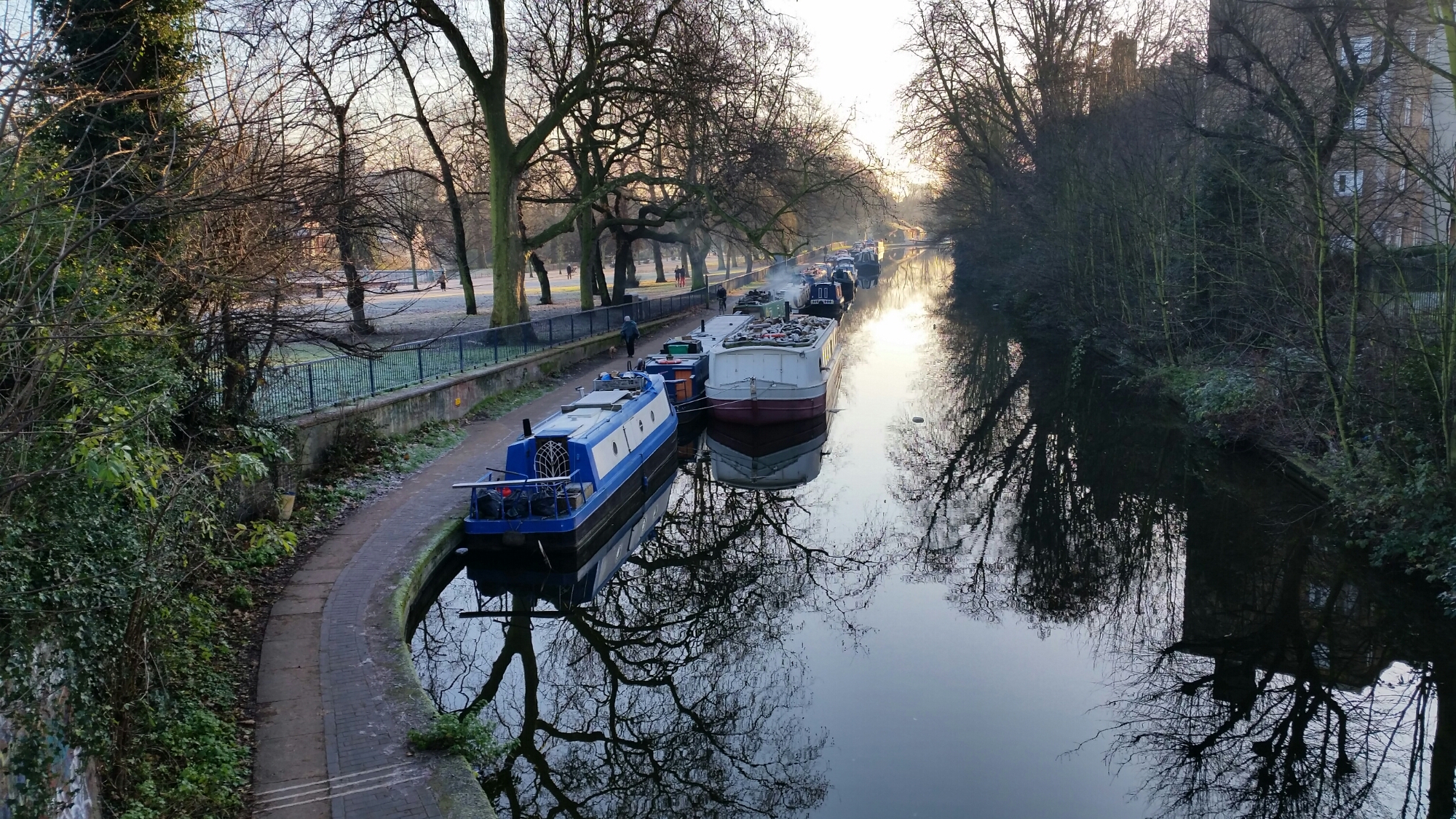
Mile End Park
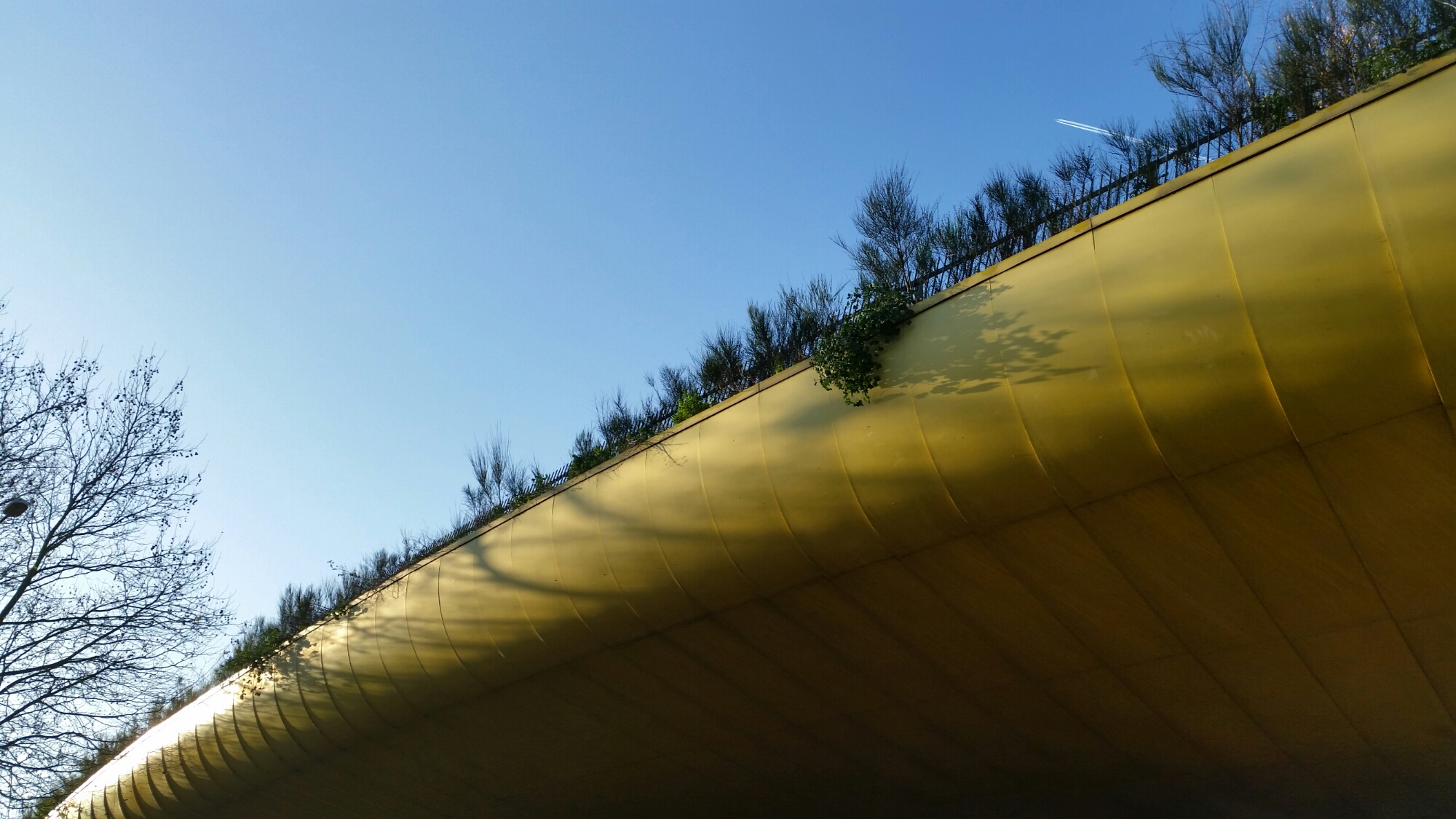
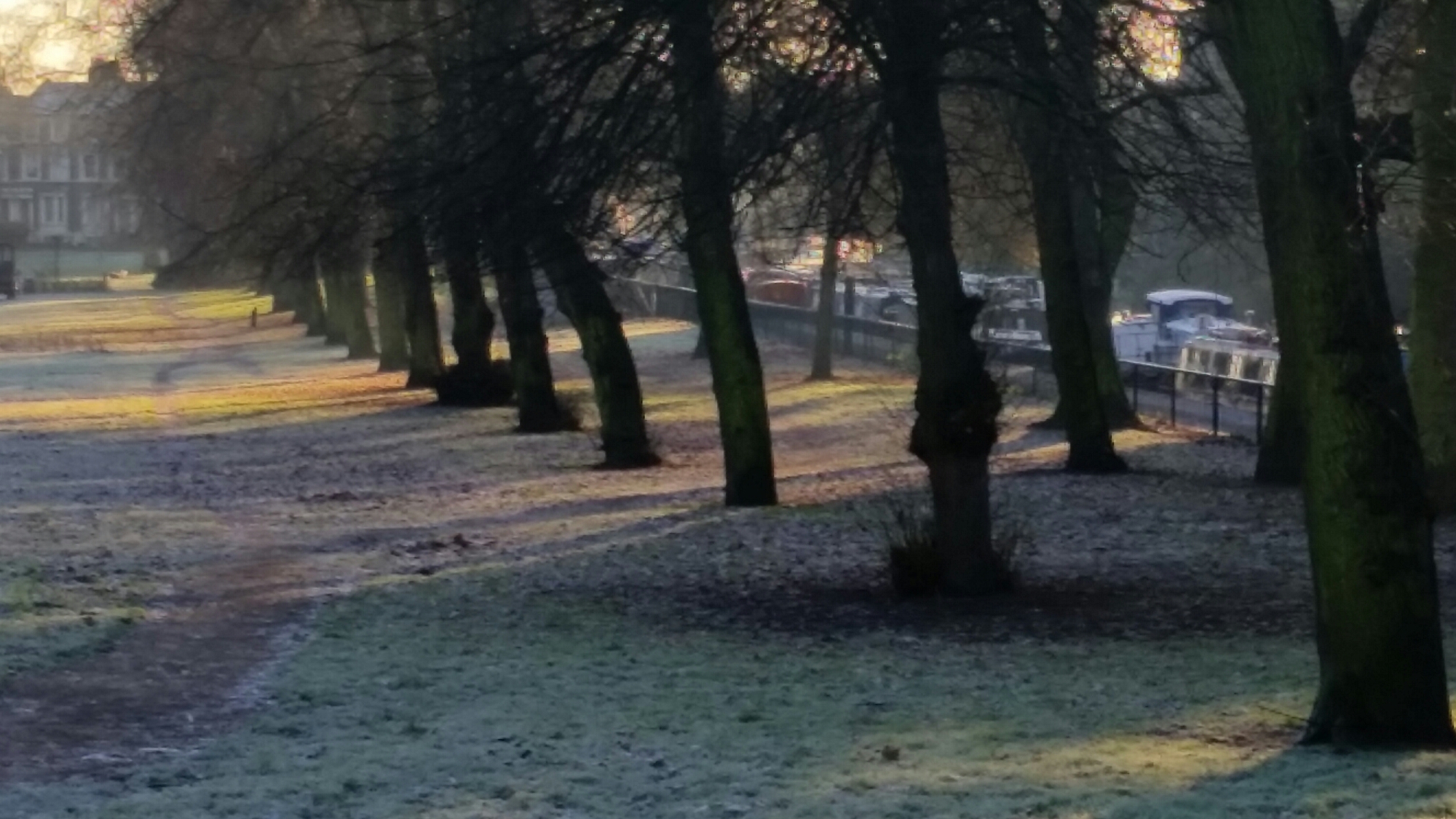
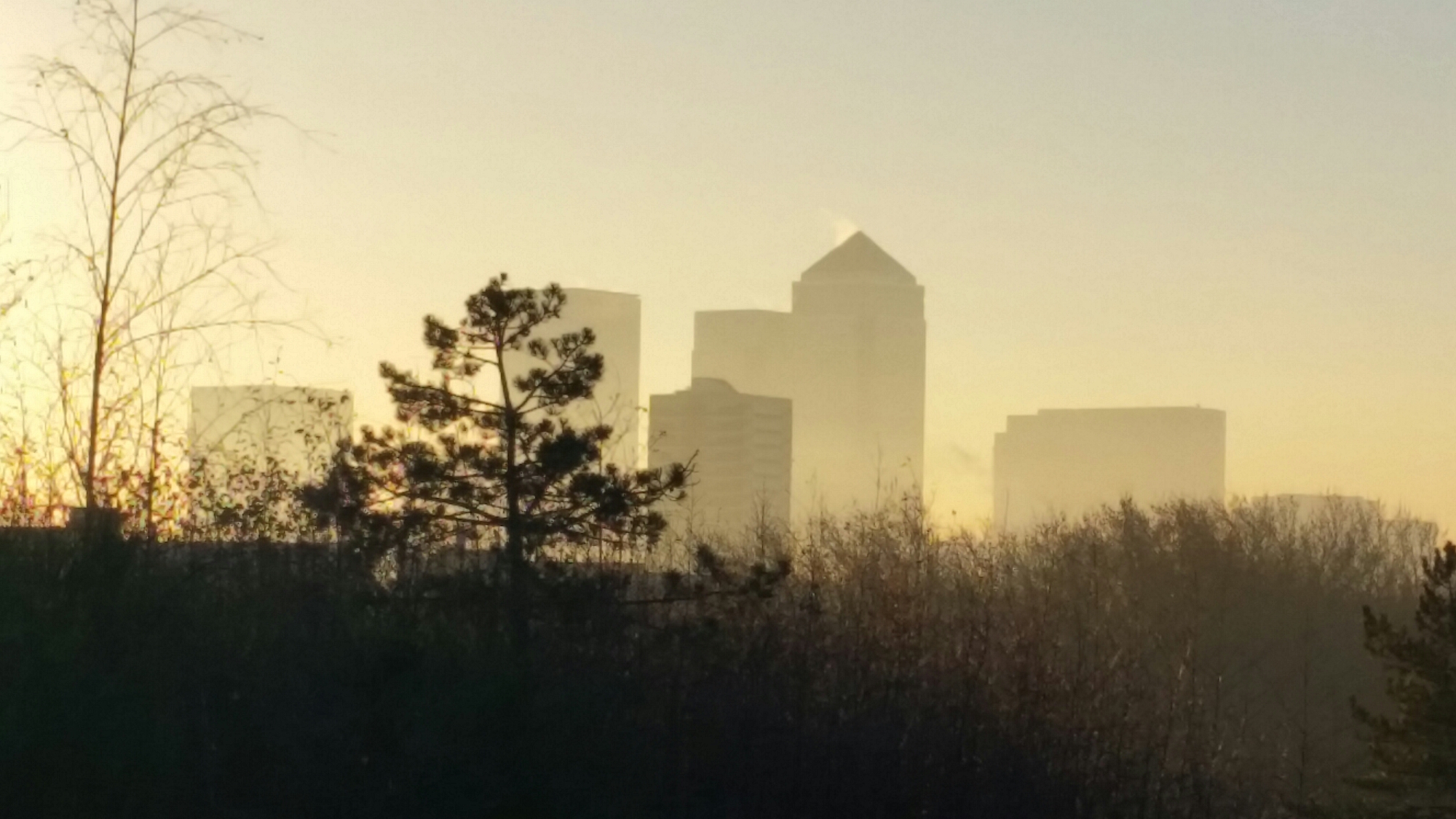
Mile End Park was beautifully frosty this morning with Canary Wharf as always shimmering in the distance, Piers Gough’s yellow bridge gleaming, and the canal boats lined up by the towpath.
This is the Yellow Bridge:-
This is the view of Canary Wharf:-
Three Mills
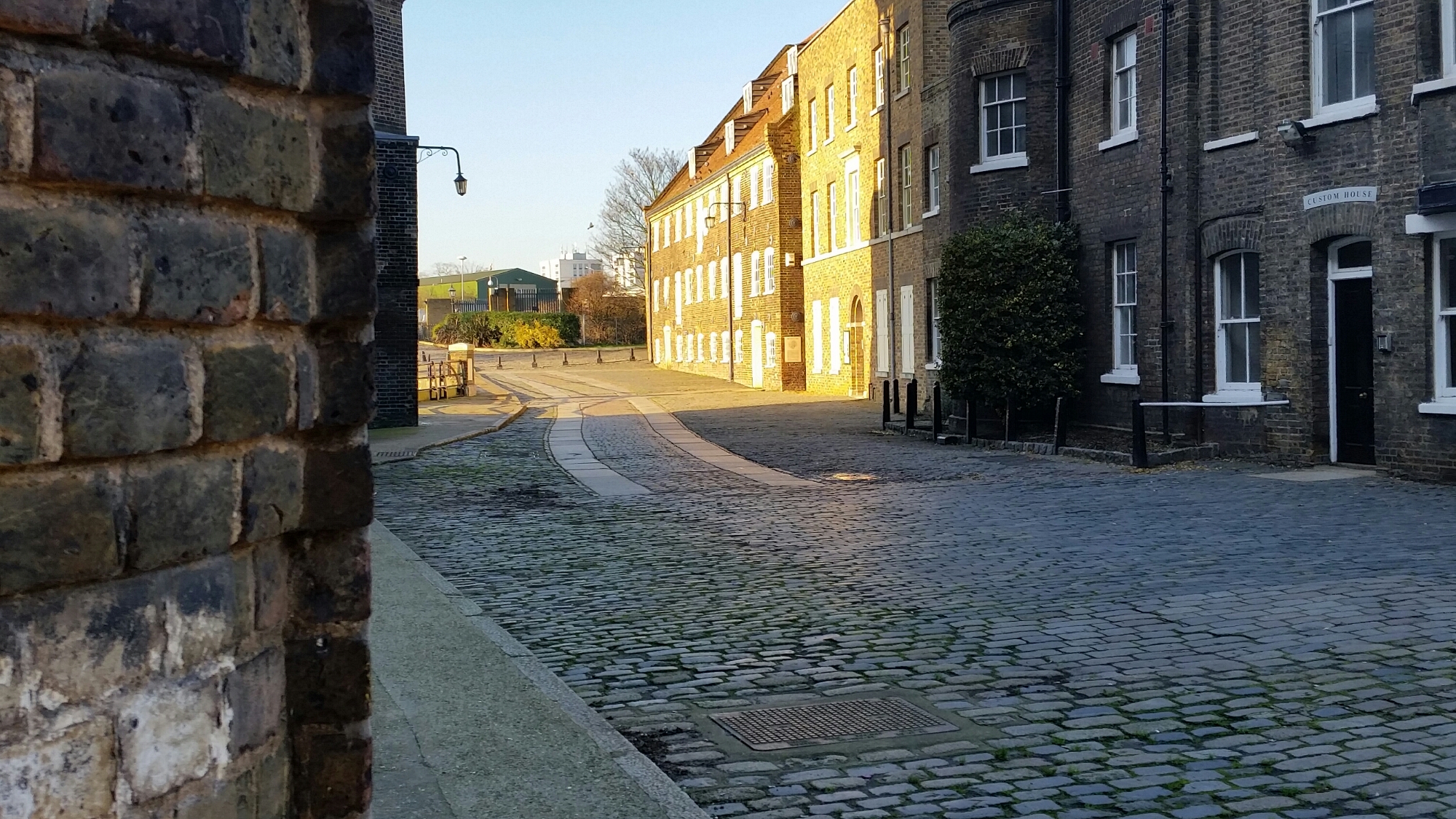
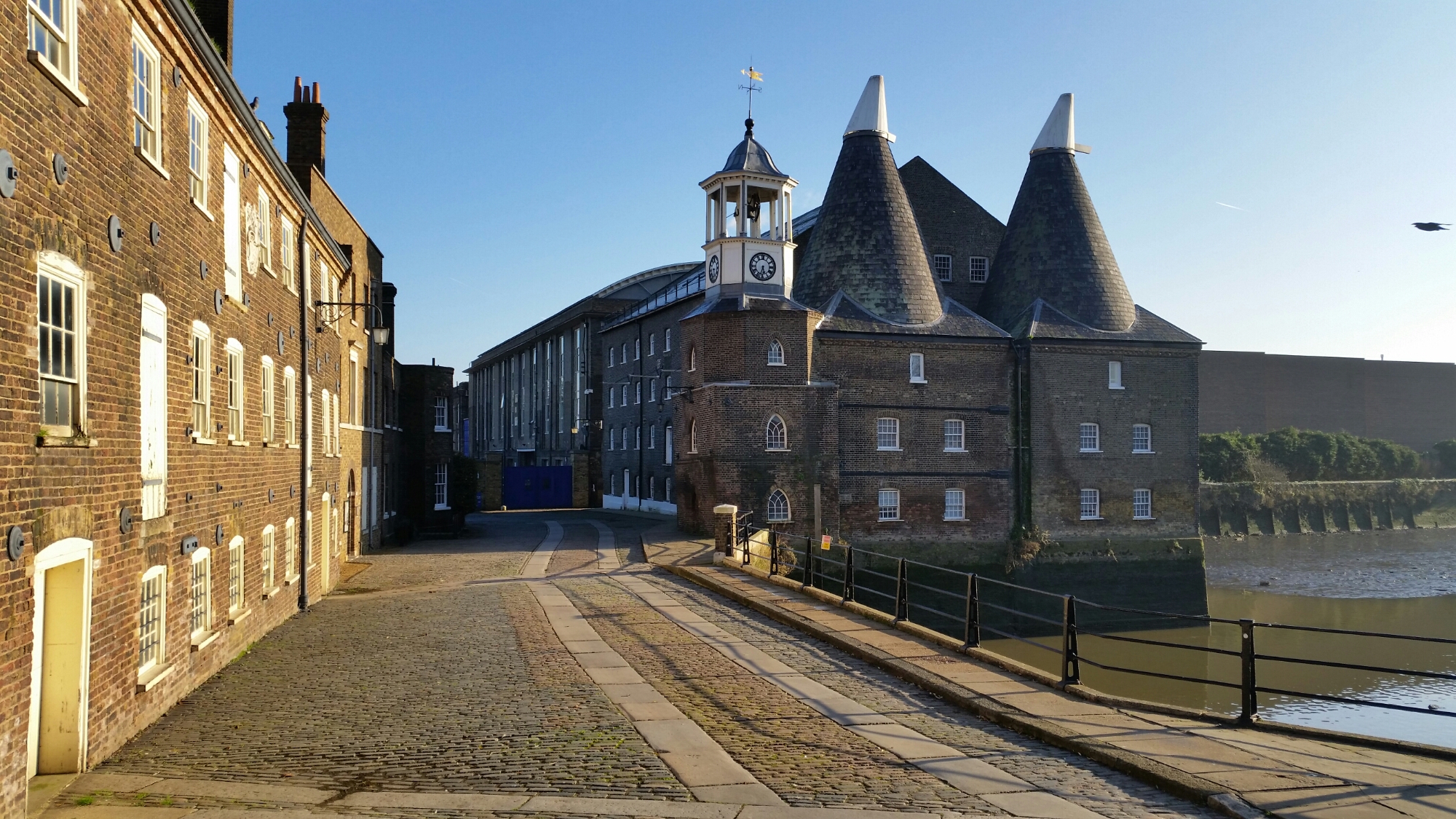
Three Mills is an unexpected piece of industrial archaeology, next to Tesco in Bromley-by-Bow. As mills, they were first established before the dissolution of the monasteries to supply grain to the bakeries of Stratford-atte-Bow. They were later acquired in 1727 by three Huguenots to distil gin. The date 1776 survives on the façade when the mill was rebuilt for Daniel Bisson, one of the three, but most of the current structure – where it is not a facsimile by Julian Harrap – dates to 1802:-
Abbey Mills Pumping Station
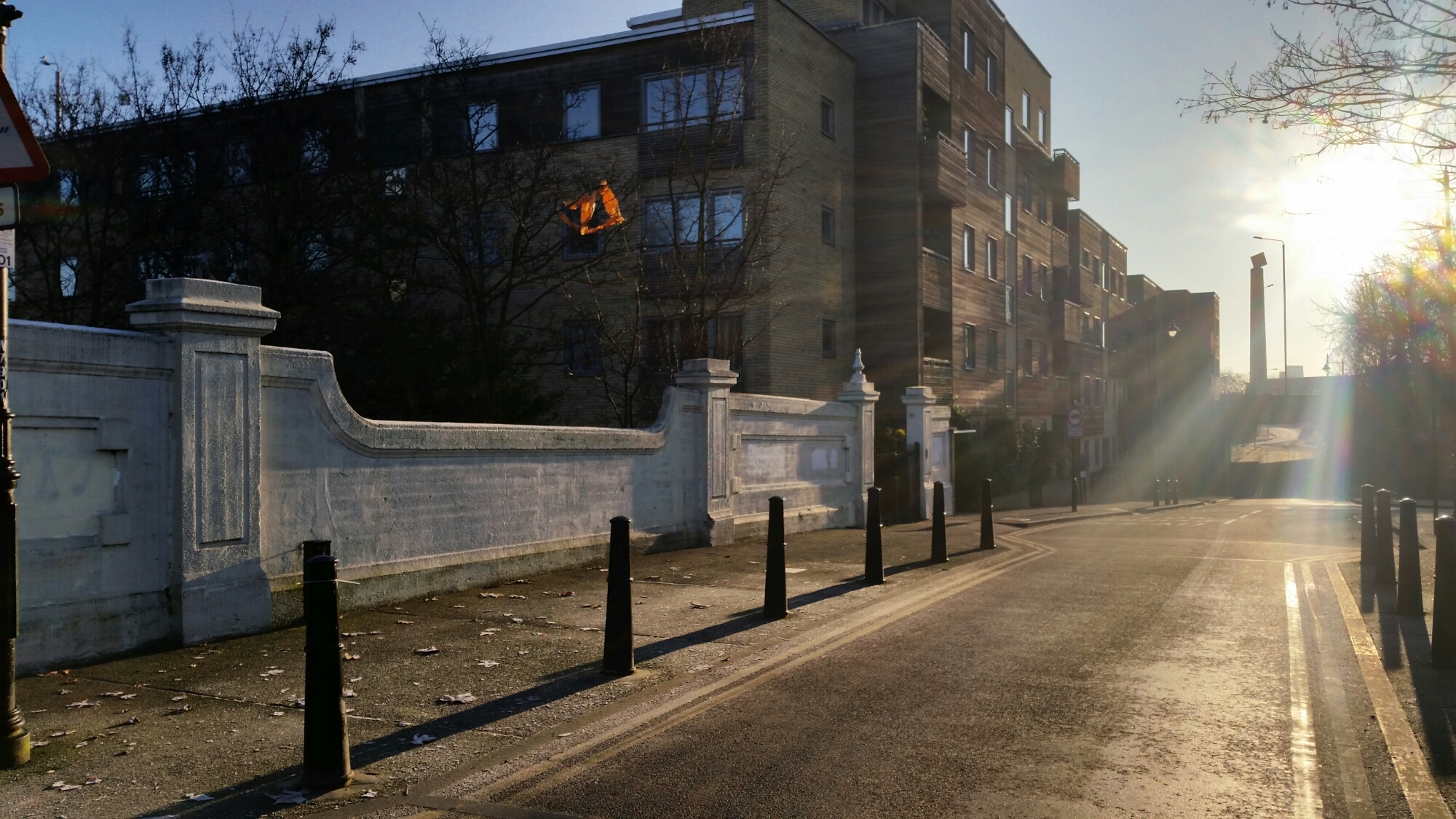
On the recommendation of Otto, I walked out to Joseph Bazalgette’s Abbey Mills Pumping Station by way of the Green Lane which stretches all the way from Victoria Park to Plaistow.
It’s quite a romantic walk, beginning across a bridge over the Hertford Union canal:-
 | Charles | Saumarez | Smith |
You must be logged in to post a comment.