
I spent much of the evening in Chris Dyson’s lovely, small gallery, ELEVEN SPITALFIELDS, a Huguenot weaver’s house in Princelet Street, with his architectural practice at the back and a display of Anthony Eyton’s recent drawing in the rooms at the front. Chris had asked Anthony to draw Hawksmoor’s churches, which he’s done with astonishing vigour and enthusiasm. He first visited Spitalfields in 1947 and took a studio in Hanbury Street in 1962, so his love and knowledge of the area and its churches antedates the gentrification of the surrounding streets. He was encouraged to paint and draw in his youth by Augustus John and represents an old tradition of endless careful, but now in old age, freer observational drawing, which is wholly admirable.
Tag Archives: East London
Second Home
I have just been to an intriguing event in Hanbury Street in Spitalfields, next door to Atlantis Paper and just off Brick Lane, where Rohan Silva, a young entrepreneur who used to work in 10, Downing Street has established a casual, serviced work space for hi-tech and digital start-up companies. The architecture is industrial chic – Silicon Valley meets Brick Lane – with balloon windows onto the street, designed by Selgas Cano, a young Spanish practice which specialises in new work spaces (their own office is incarcerated in the woods). I was told that key to the success of the project is proximity to good food. Sadly, I missed the speech by the Chancellor of the Exchequer.
The Futuro House
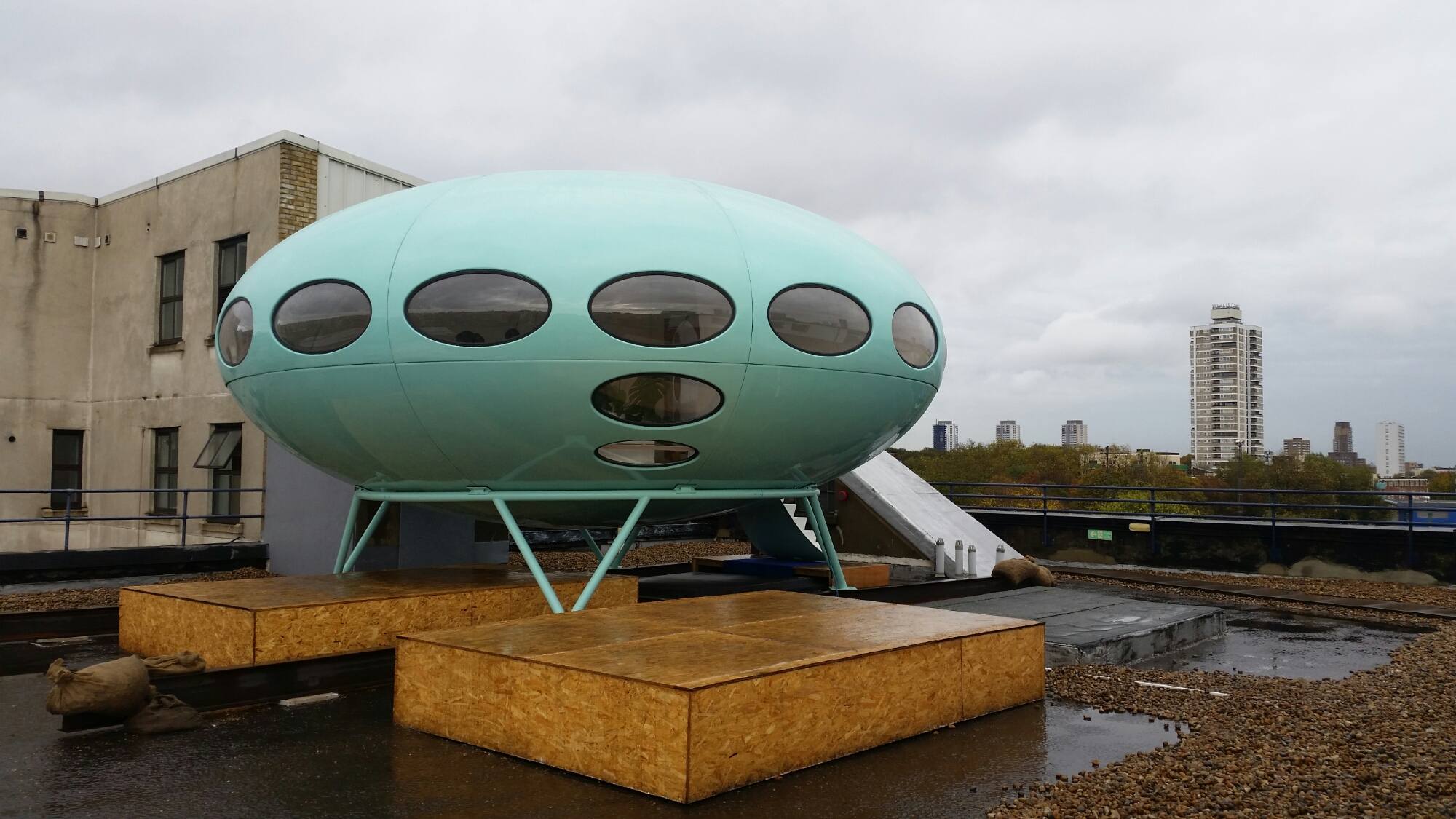
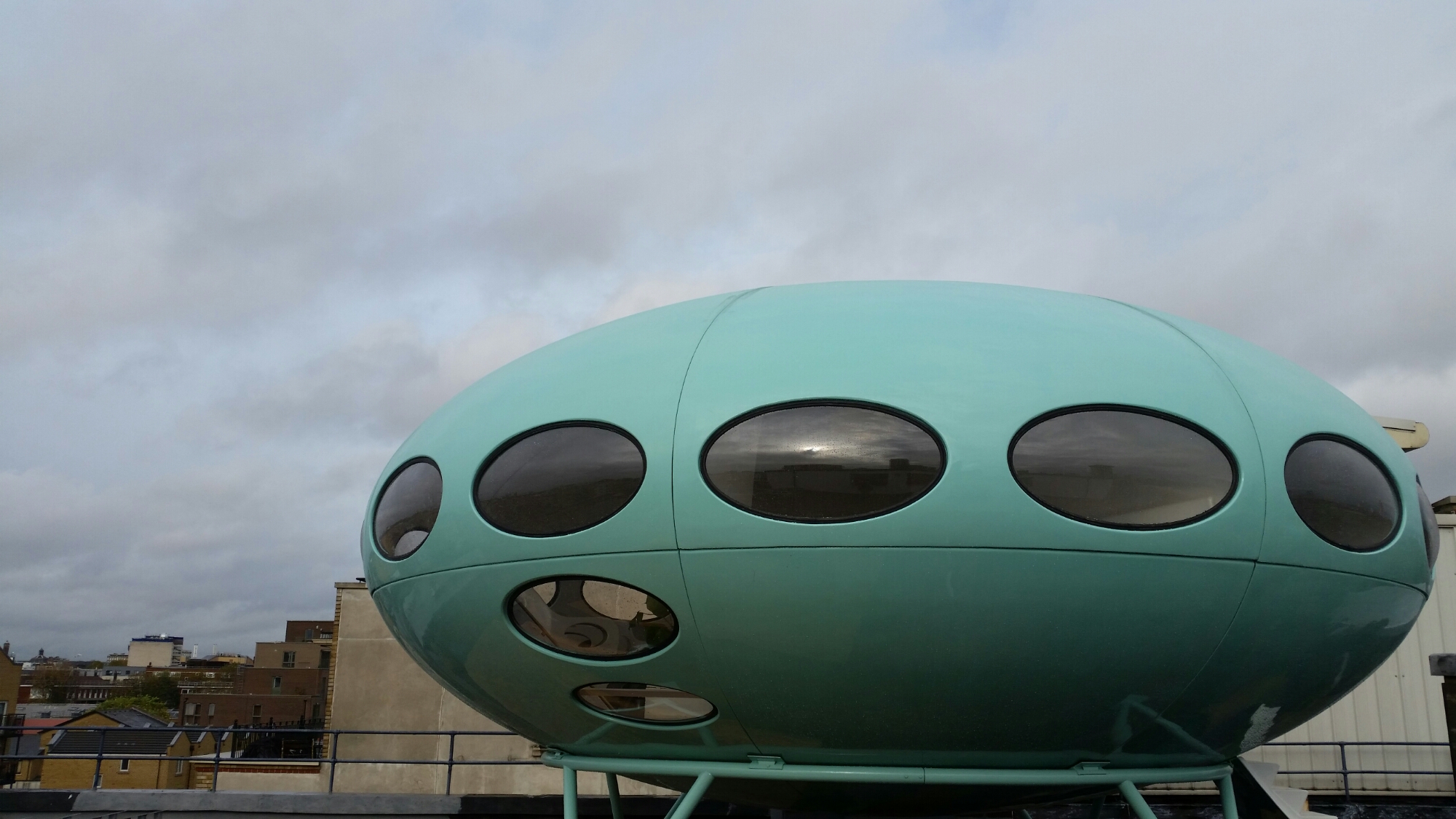
We went on a little excursion this morning to see the Futuro House which looks as if it’s landed like an alien spacecraft on the roof of Matt’s Gallery next door to the Ragged School Museum on the Regent’s Canal. The first Futuro House was designed in the 1960s in Finland as a ski cabin and they were then manufactured as cheap homes. But they were so unpopular that they were subjected to drive-by shootings in the United States. This one was found ruined in South Africa and has been meticulously restored by Craig Barnes, an architect, maybe as an example of cheap manufactured homes:
C.R. Ashbee
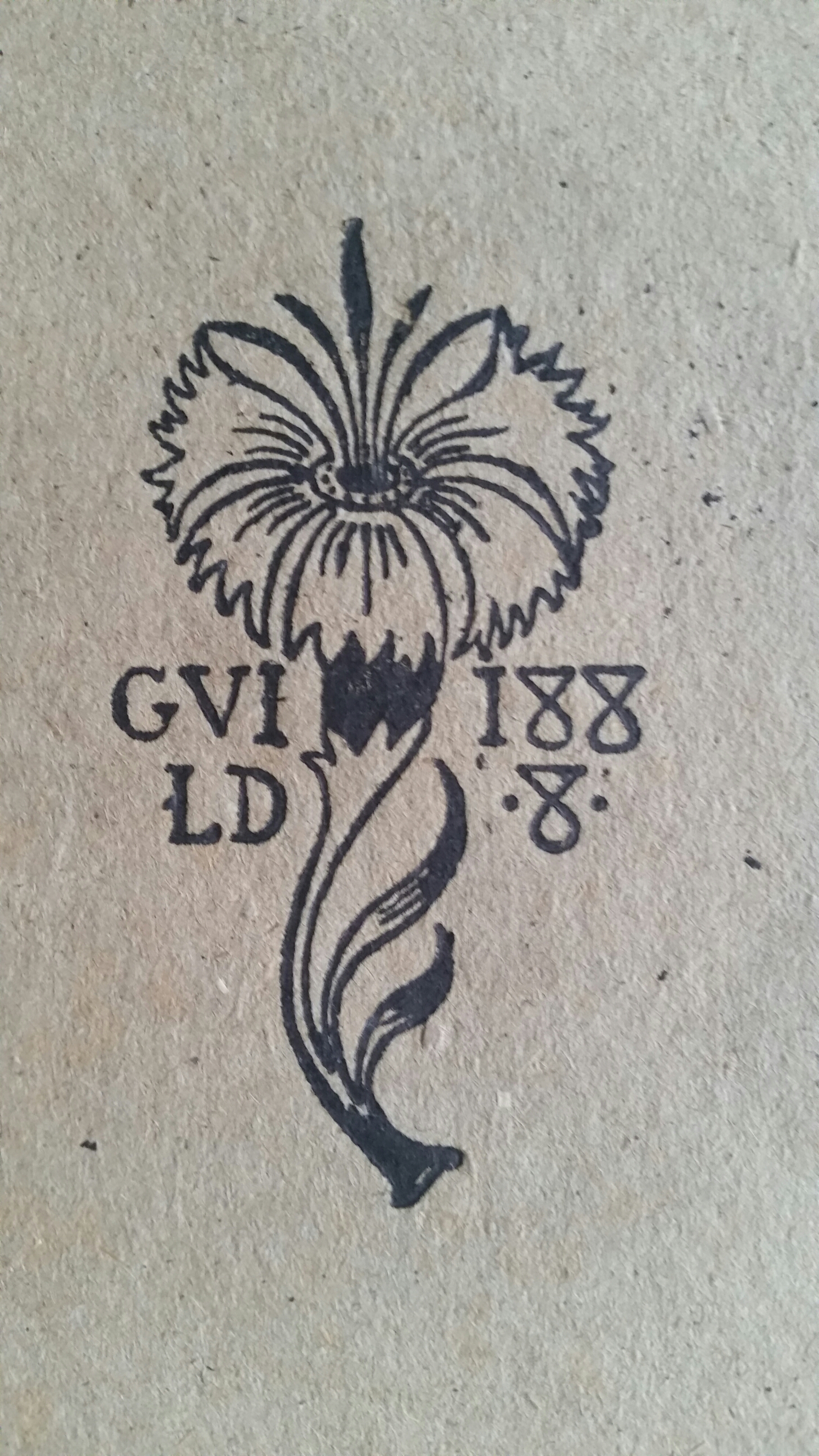
Mention of C.R. Ashbee in connection with Trinity Green has made me want to know more about his time living and working in the east end. He read history at King’s College, Cambridge from 1883 to 1886, where he was much influenced by Edward Carpenter and the writings of Morris and Ruskin. He was then articled as a clerk in the firm of Bodley and Garner, the best of late Victorian gothicists, and lived in Toynbee Hall as a way of developing his socialist ideals. On 23 June 1888 (ie when he was only 25), he established the Guild and School of Handicraft at 34, Commercial Street on the top floor of a warehouse next to Toynbee Hall. In 1891, the Guild acquired workshops away from the densely built and poorest part of Whitechapel in Essex House at 401, Mile End Road, a fine brick eighteenth-century mansion with panelled rooms, a bachelor flat for Ashbee himself when he was not in Chelsea, and a garden with ‘a couple of good box trees, three or four pears and crabs, some cherry trees, laburnums and ash, and a number of vines’. It was on the site of Onyx House opposite Mile End station. There the Guild grew from a tiny operation to employing up to 40 people making furniture and other aesthetic products, mostly to Ashbee’s design.
Trinity Green
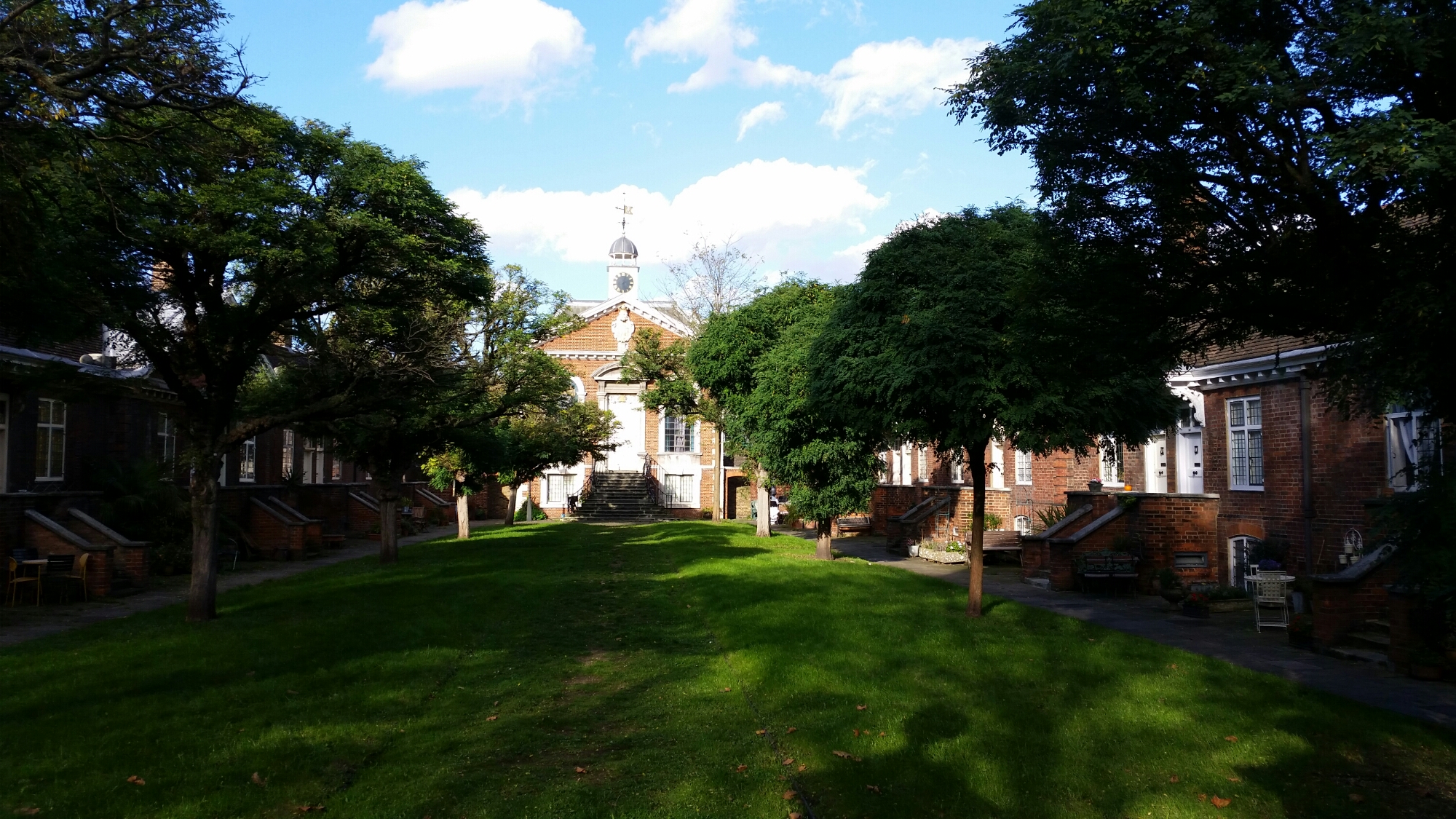
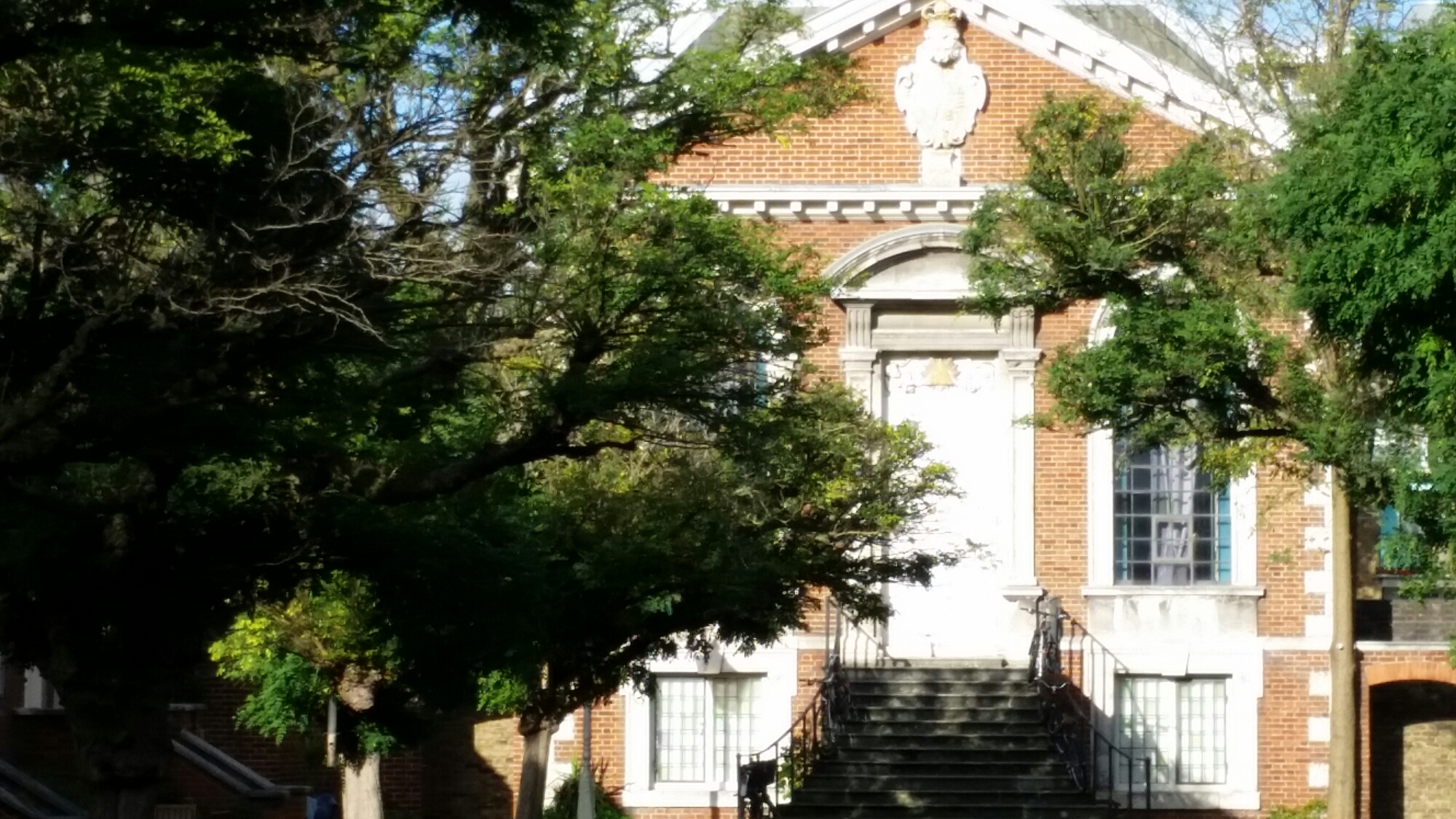
I walked past the almshouses at Trinity Green this afternoon. They looked particularly fine in the late autumn sun, with the grass grown long in front of the chapel. Established by the will of Captain Henry Mudd of Ratcliffe for ’28 decayed masters and commanders of ships or the widows of such’, there are model ships, fibreglass copies of the marble originals, on the parapet. What is not recorded is that the almshouses were saved as a result of the energies of C.R. Ashbee who wrote The Trinity Hospital in Mile End: An object lesson in national history as the first volume of the Survey of London, published in 1896 by his Guild of Handicraft in Bow:
Nature Study Museum
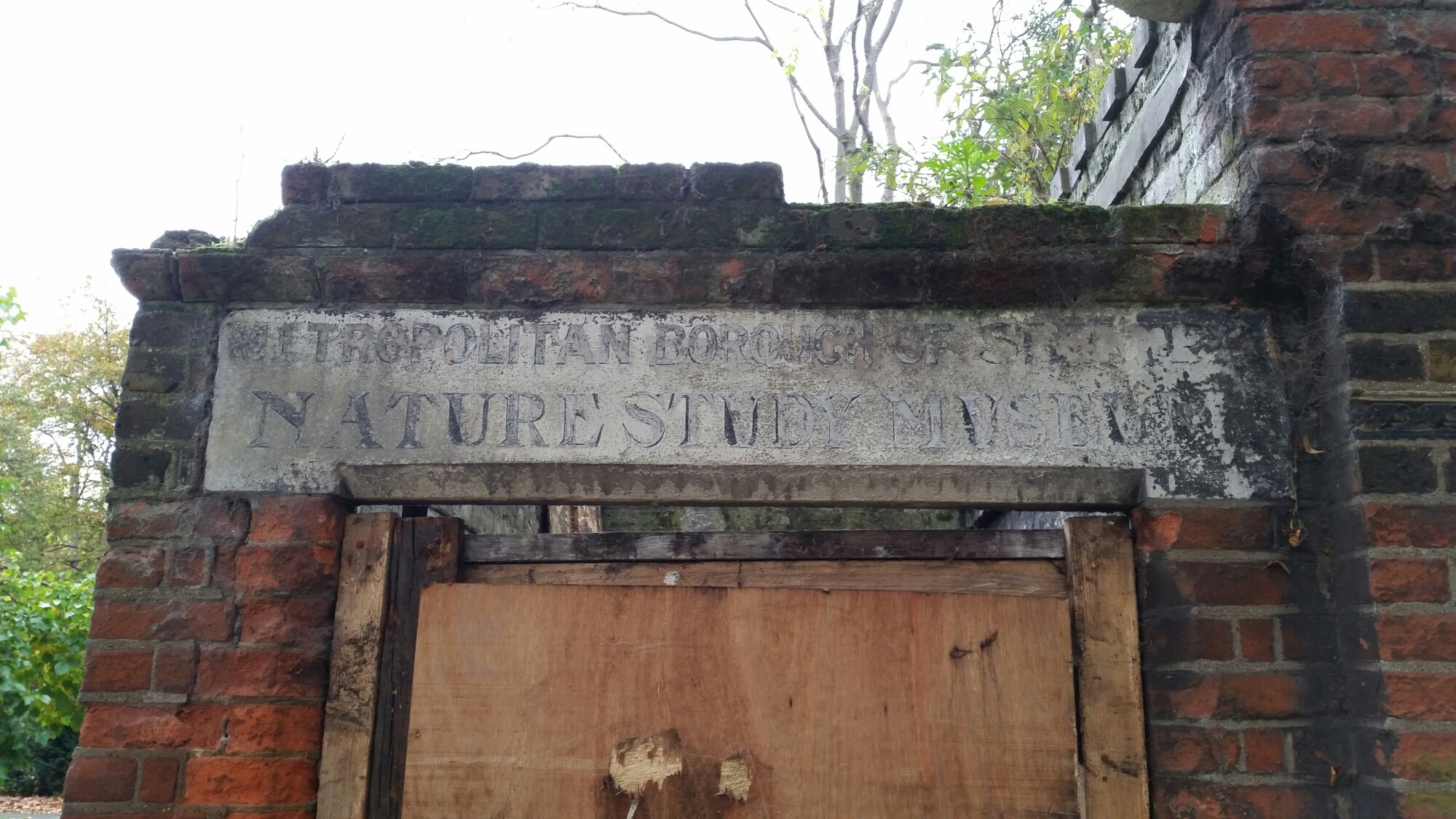
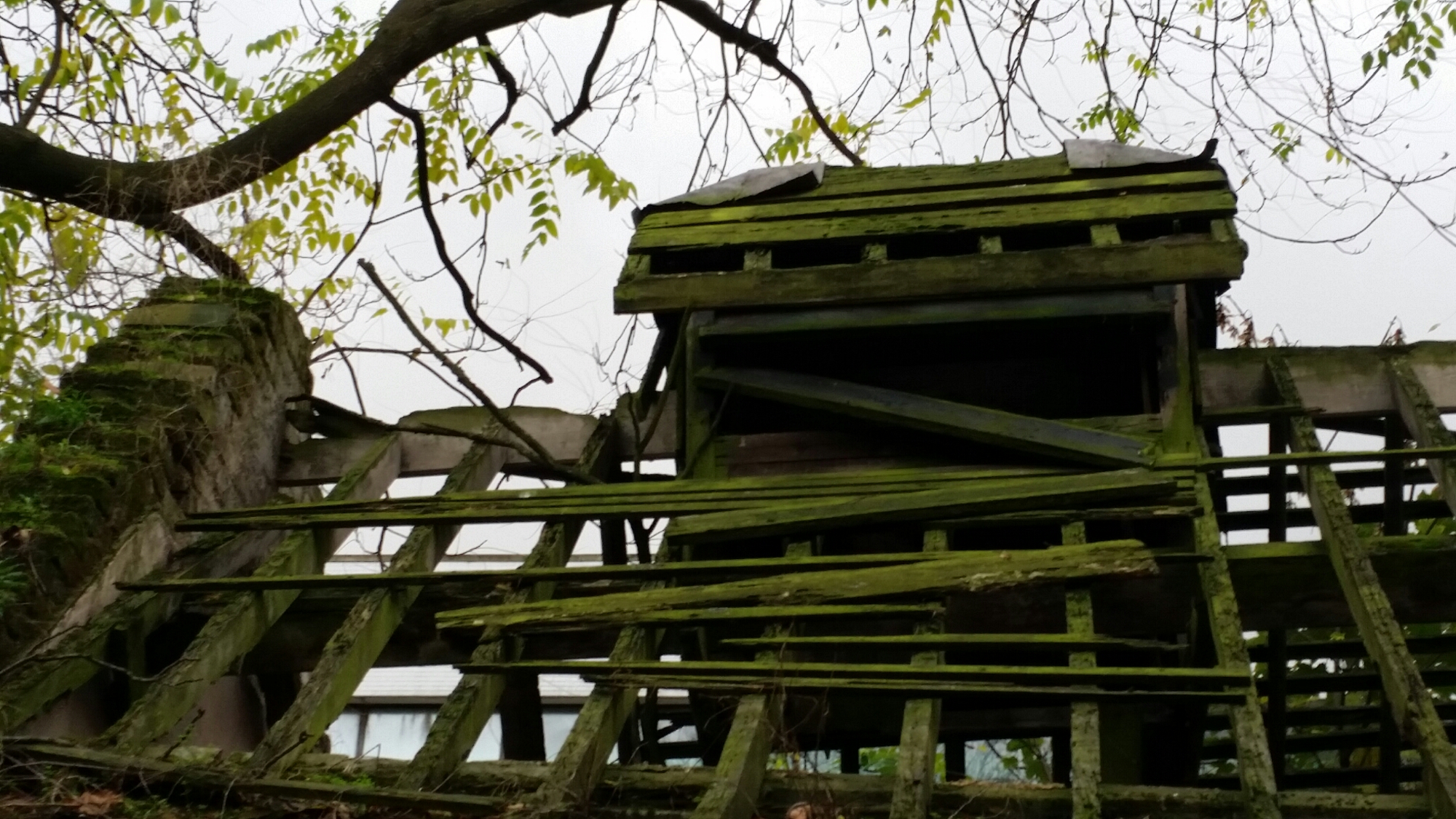
We took a detour today to have a look at the Nature Study Museum in the grounds of St. George-in-the-East, the great Hawksmoor church on the Highway. It’s an odd little building, nearly completely derelict, originally built as a mortuary chapel where coffins were put before transfer to a public cemetery. In 1904, it was converted into a Nature Study Museum by an eager young curator, Miss. Kate Hall, to introduce the local poor to the world of nature, including tanks of frogs, toads, newts and salamanders and beehives outside. When she died, the building was described as a ‘fairy house in an oasis’, but the monkey took to biting children and the Museum was closed during the second world war:
The Mission
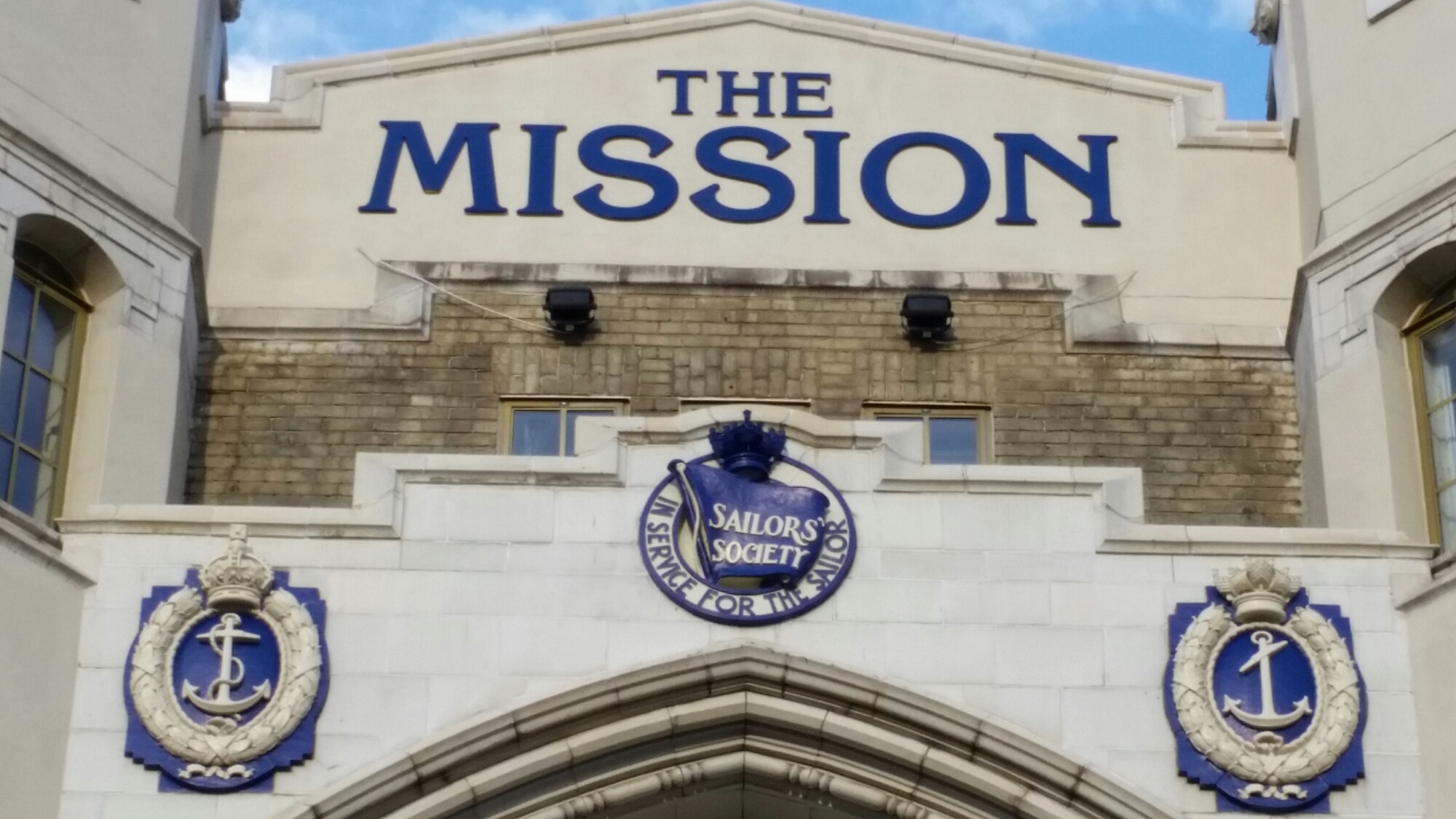
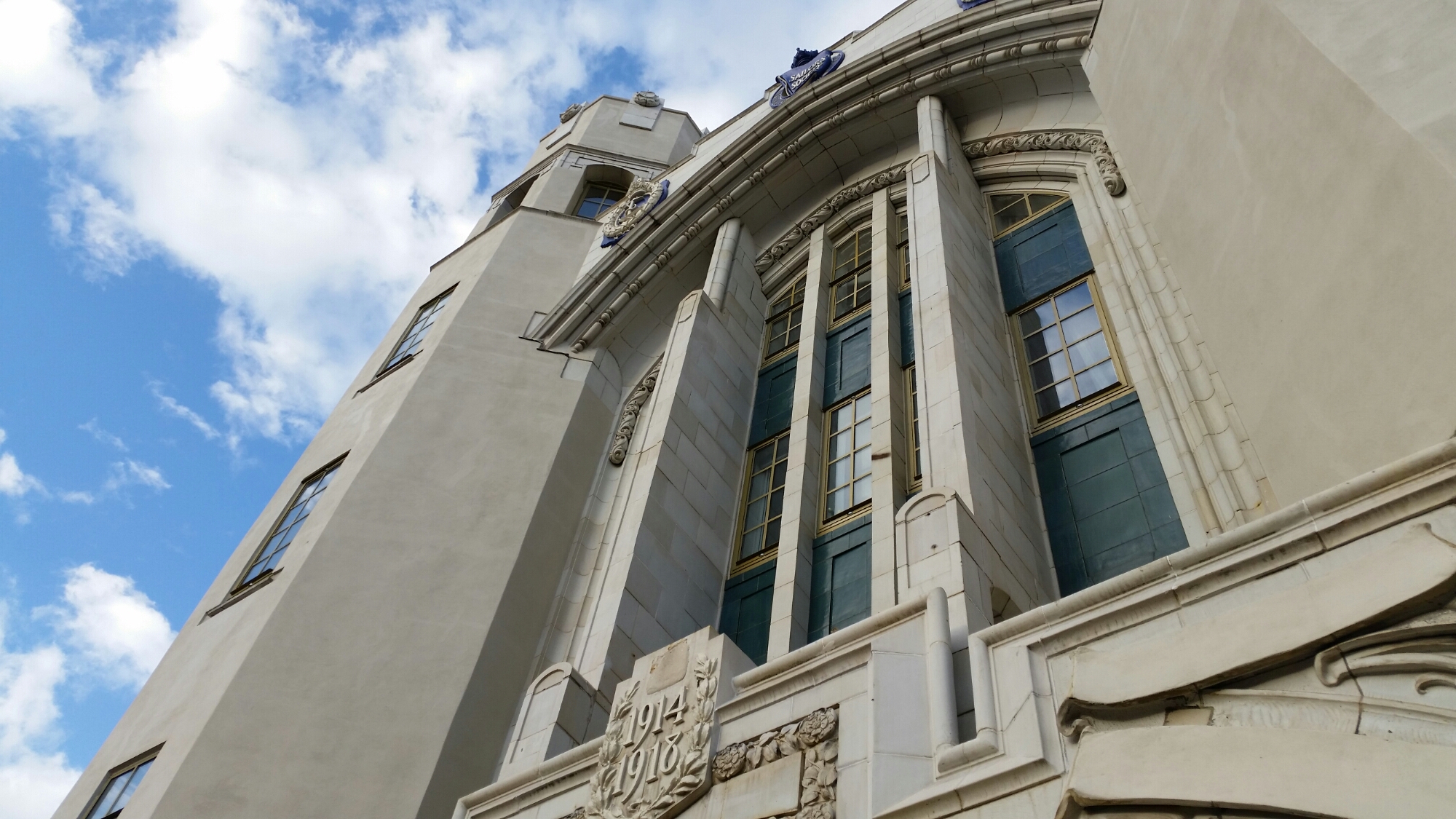
When we lived in Limehouse, we inherited the architectural drawing for the Empire Memorial Sailor’s Hostel, which was designed by Thomas Brammall Daniel and Horace W. Parnacott and opened in 1924 with beds for 205 sailors in cabins. It’s quite a fine building, with a grandiose frontispiece of stripped-down perpendicular and I hope the drawing survives in the Ragged School Museum to whom I donated it. Rather amazingly, in 1960 the building was the location for the 4th. Conference of the Situationist International, a group of revolutionary Marxists led by Guy Debord, who pioneered the study of psychogeography:
Stepney Municipal Baths
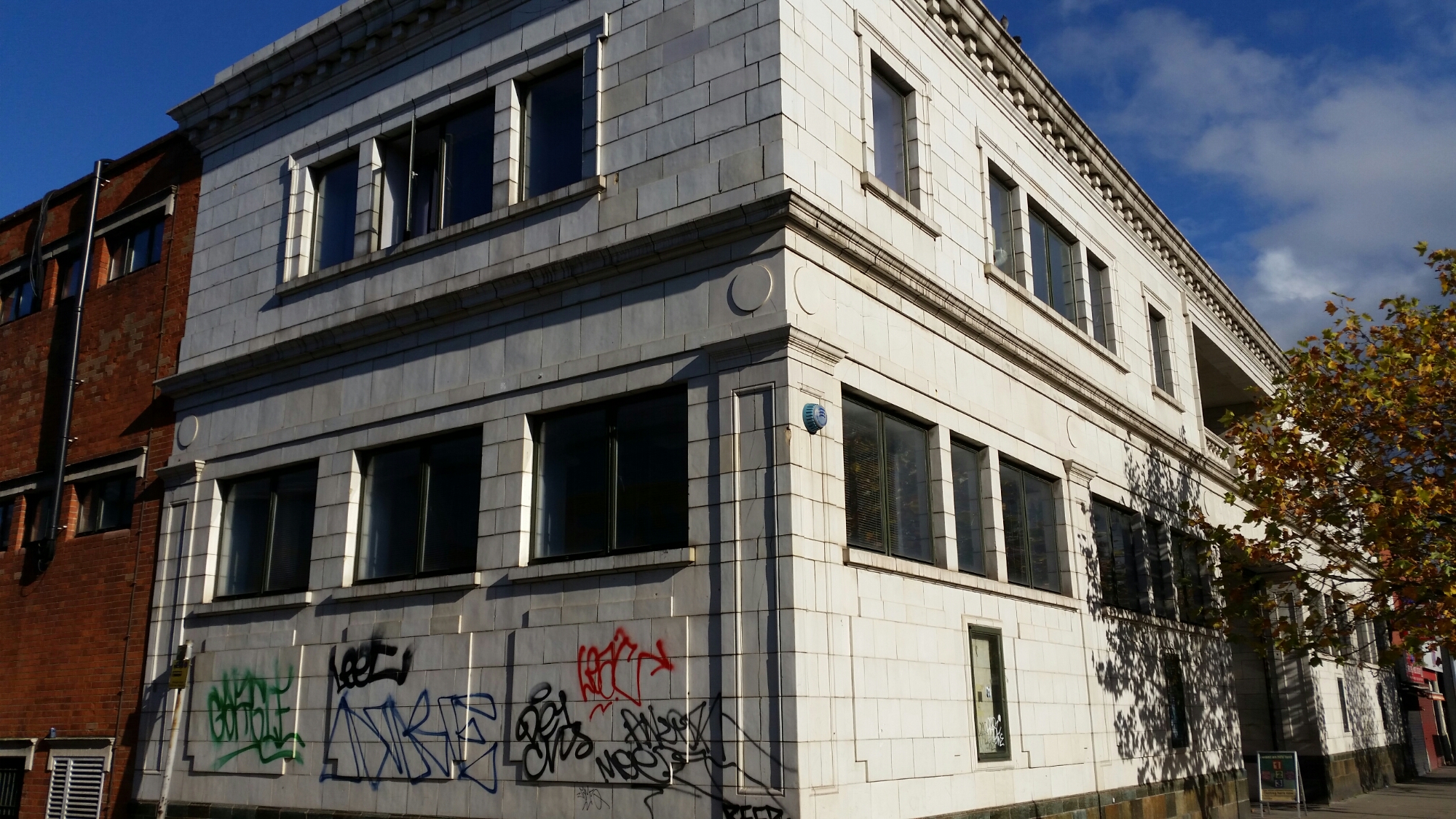
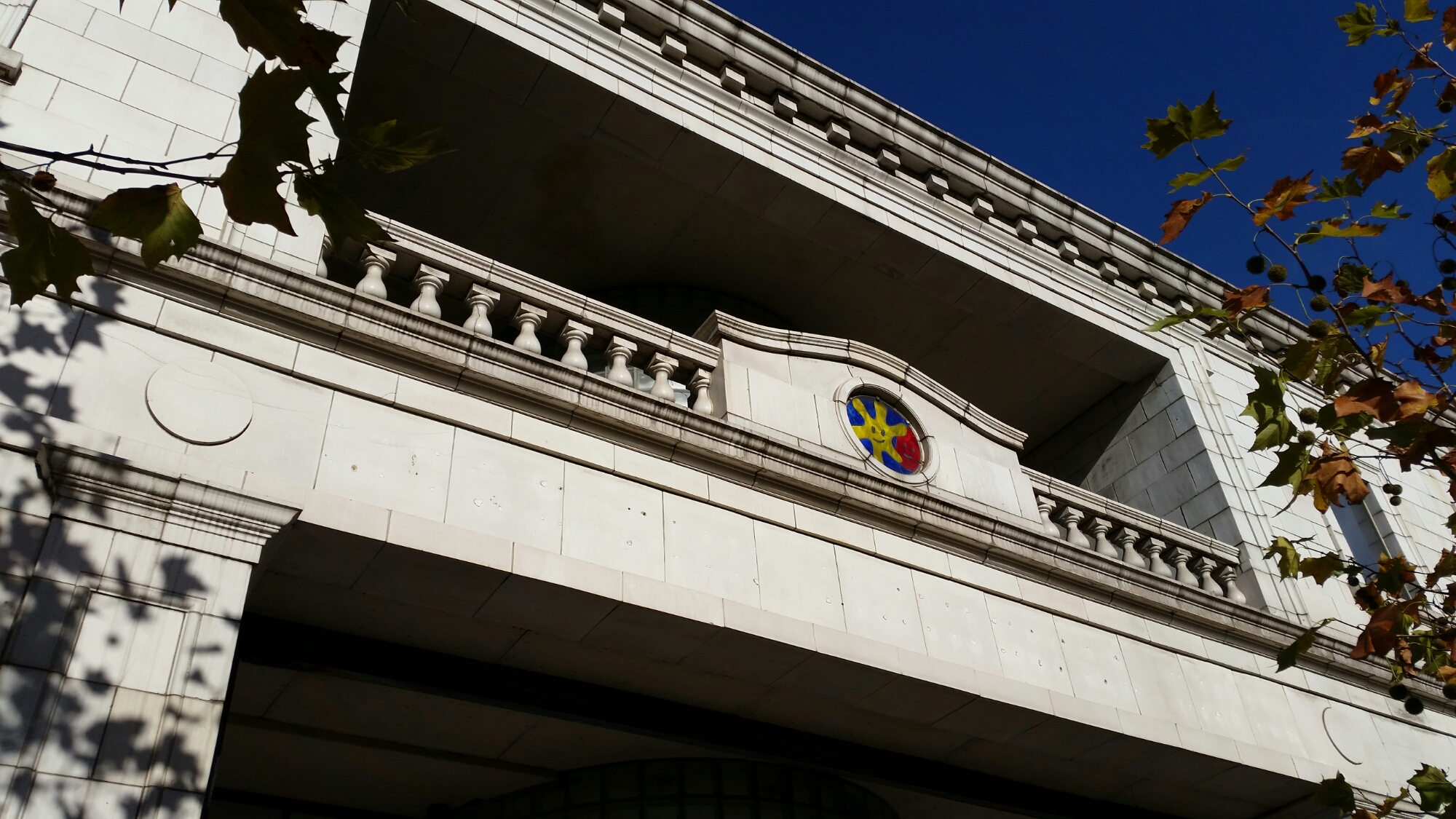
My attention has been called to the so-called ‘Moony Sipal’, the old Municipal Baths which were built before the war by the Stepney Borough engineer and converted in 1995 into the local centre for HIV. I walk past it twice a day on the way to the underground station and have never stopped to examine what Pevsner (or Bridget Cherry) describes as ‘a likeable, hygienic faience façade, with central recessed bay and loggia at first floor behind a balustrade’. Not a particularly distinguished building perhaps, but a relic of a pre-war era of civic improvement in the old east end, when you could buy a bar of soap for 1d. and have a bath for 6d:
Bancroft Road Public Library
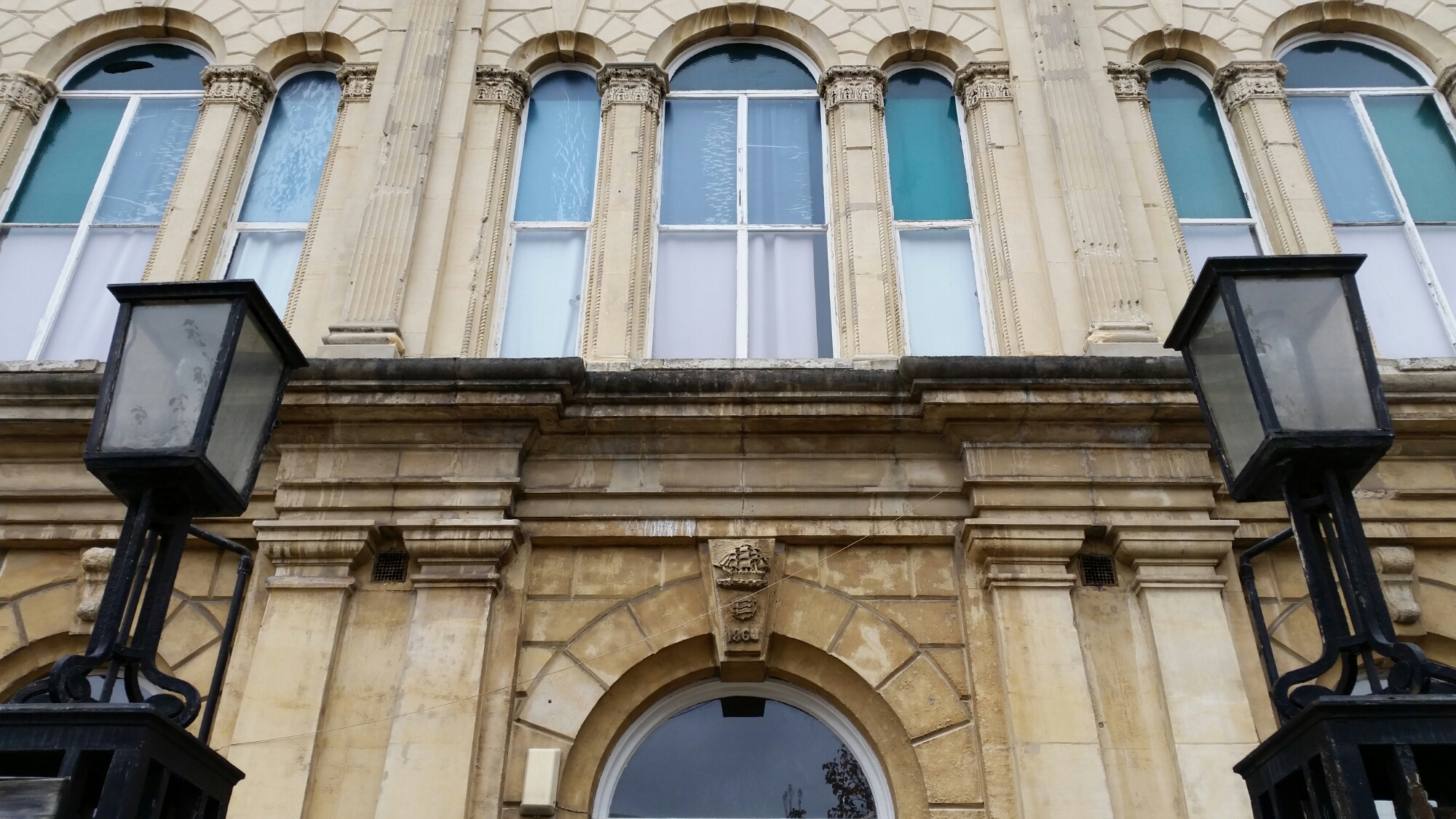
At the weekend I walked past Bancroft Road Public Library where a long time ago I used to do research on local history. It’s a fine building, designed in the 1860s as a Vestry Hall and converted into a public library with the help of funding from Carnegie. But it’s now looking run down and, like all the libraries in Tower Hamlets, has been at risk of sale (our old library in Limehouse has been sold as a restaurant). Let’s hope it survives:
Young Masters (2)
I spent the evening at the prize giving for the Young Masters art prize, which was established some years ago by the Cynthia Corbett Gallery and shows work at Lloyds Club in the City and Sphinx Fine Art in Kensington Church Street. It was an impressively international gathering. The first prize went to Juergen Wolf, a German artist and former Catholic priest. The equal second prizes went to Saskia Boelsums, a Dutch artist, for delicate and intense still lives, and to Marwane Pallas, a French artist, for works of photographic violence. All were influenced (but not dominated) by Old Master painting.
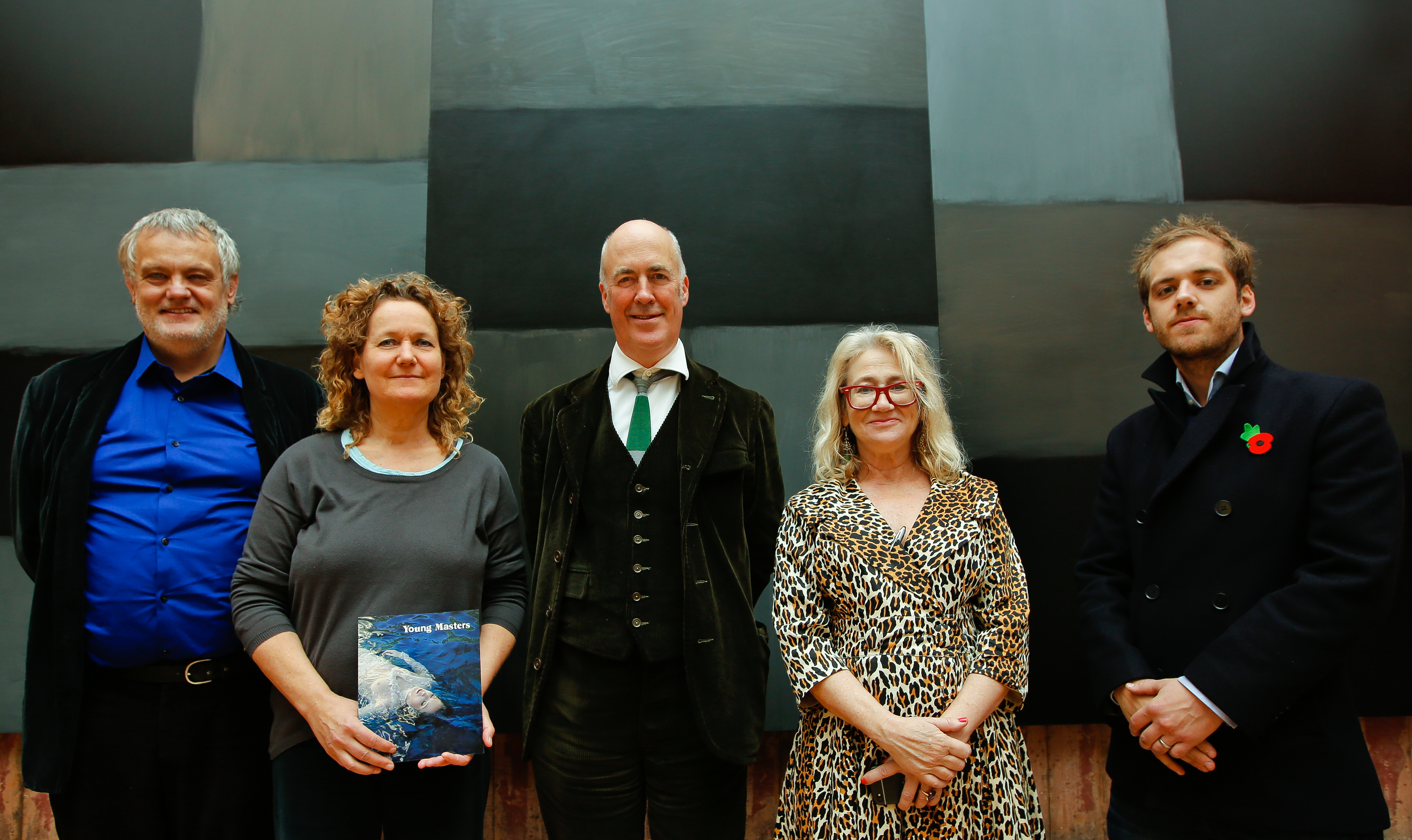
Jürgen Wolf, Saskia Boelsums, Charles Saumarez Smith, Cynthia Corbett, Oliver Jones
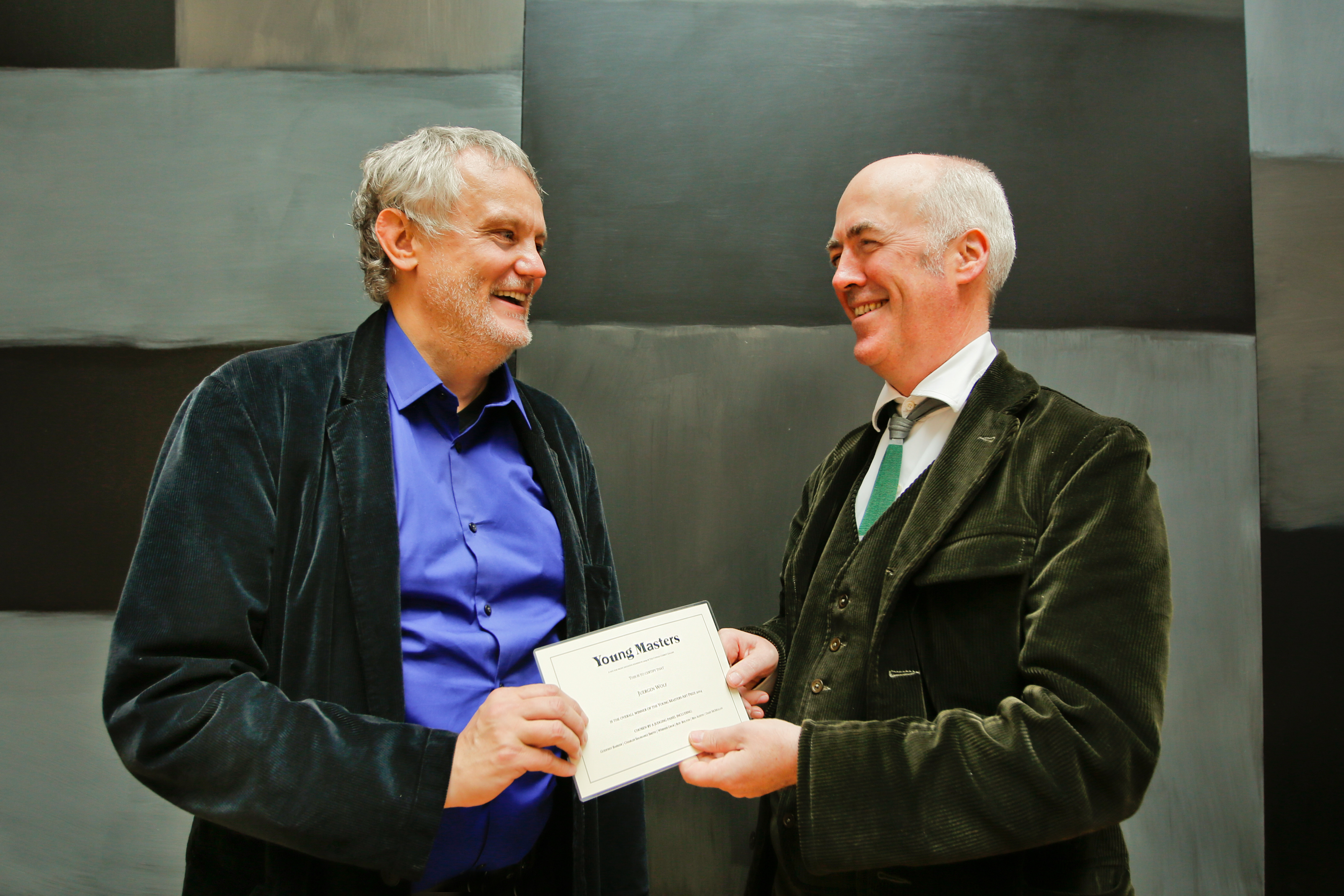
Jürgen Wolf and Charles Saumarez Smith
 | Charles | Saumarez | Smith |
You must be logged in to post a comment.