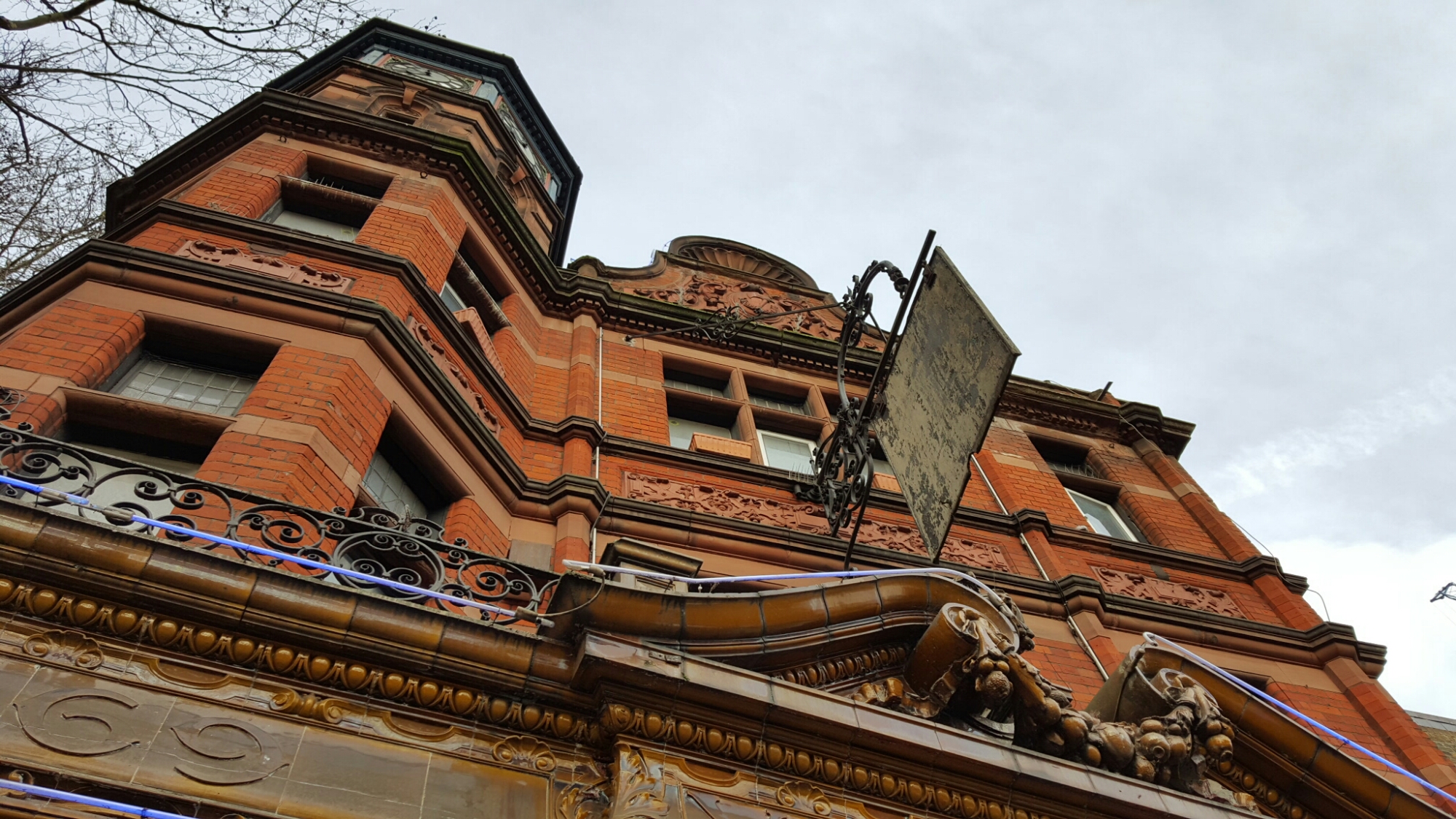
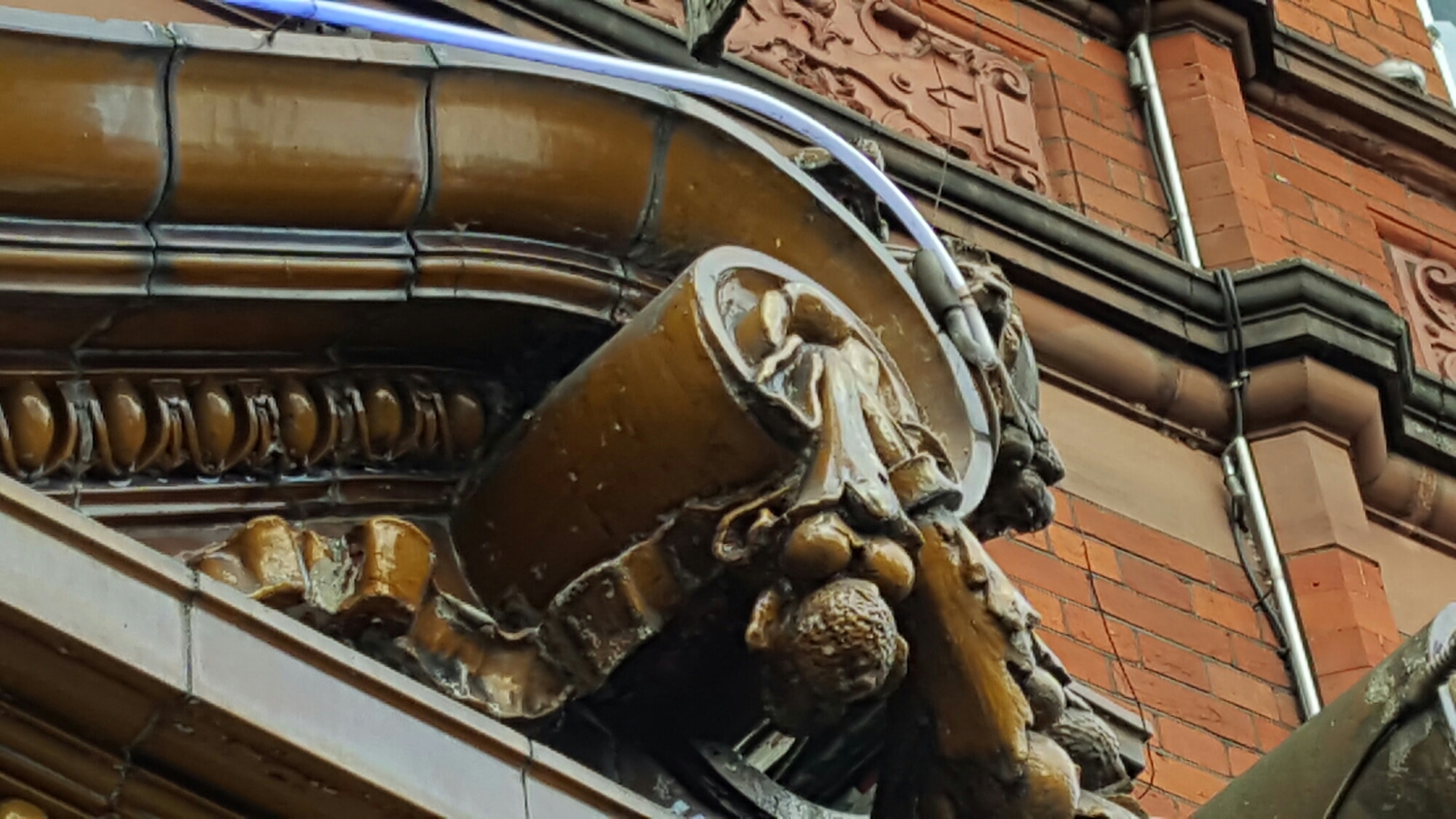
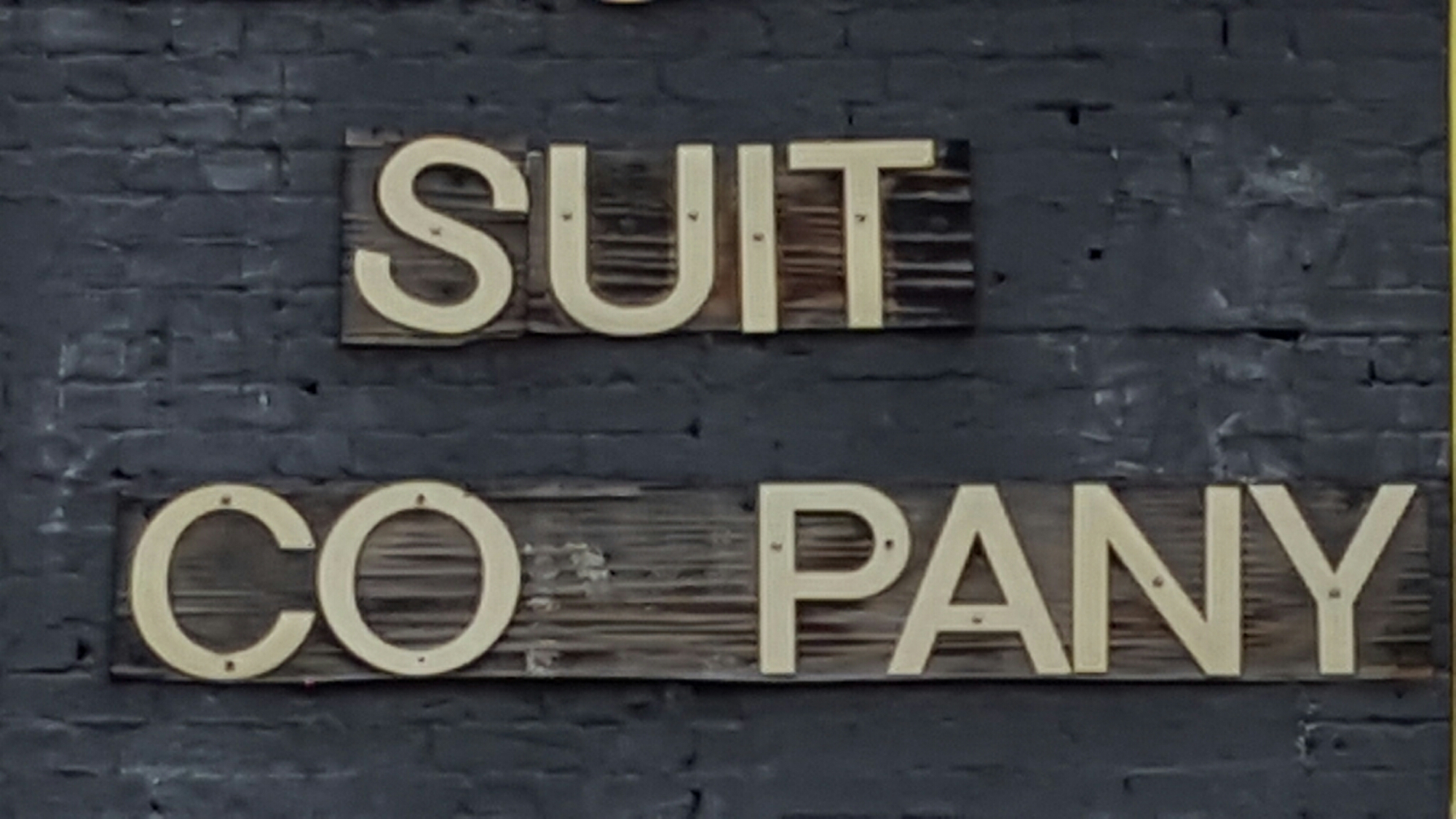
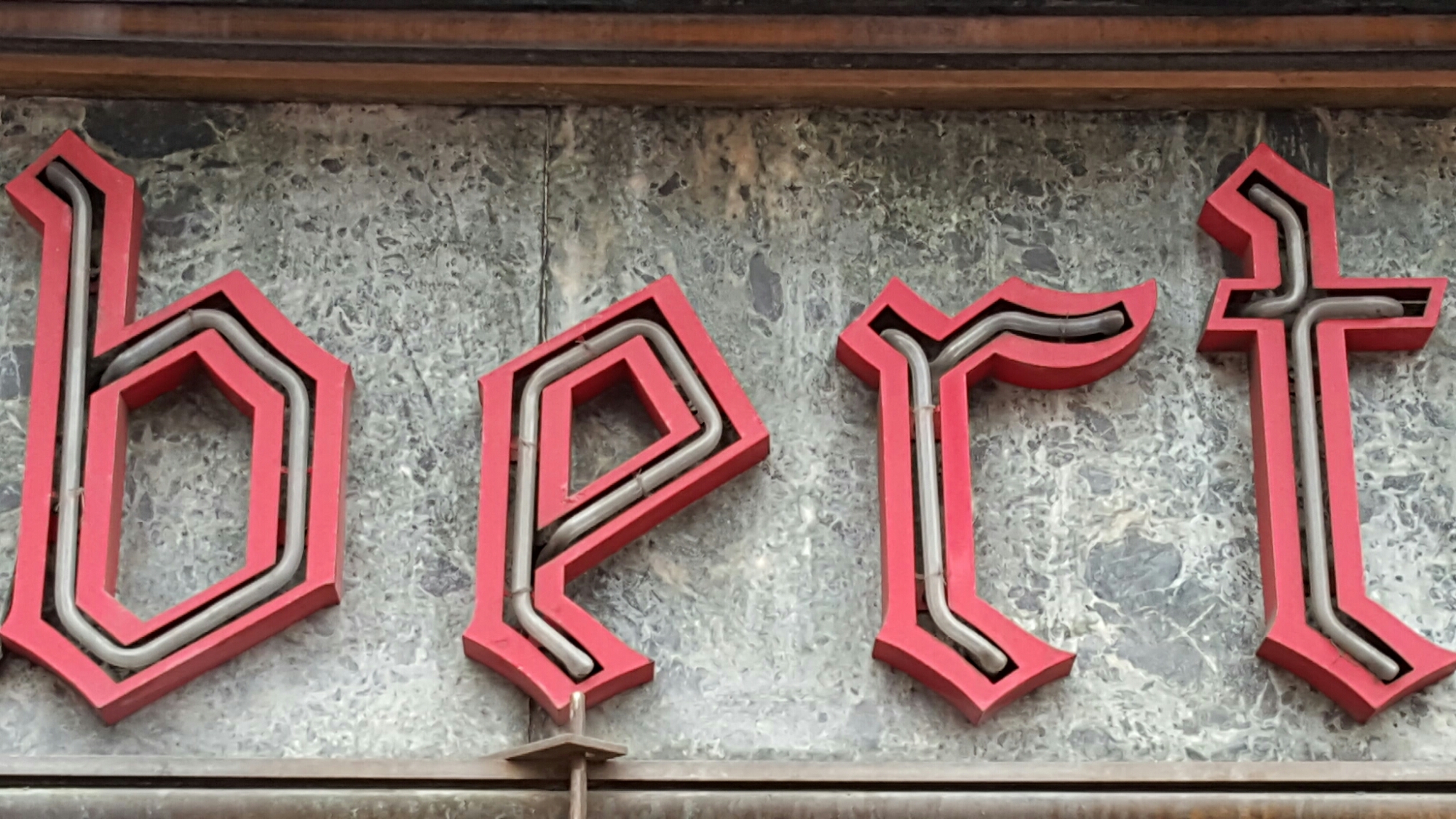
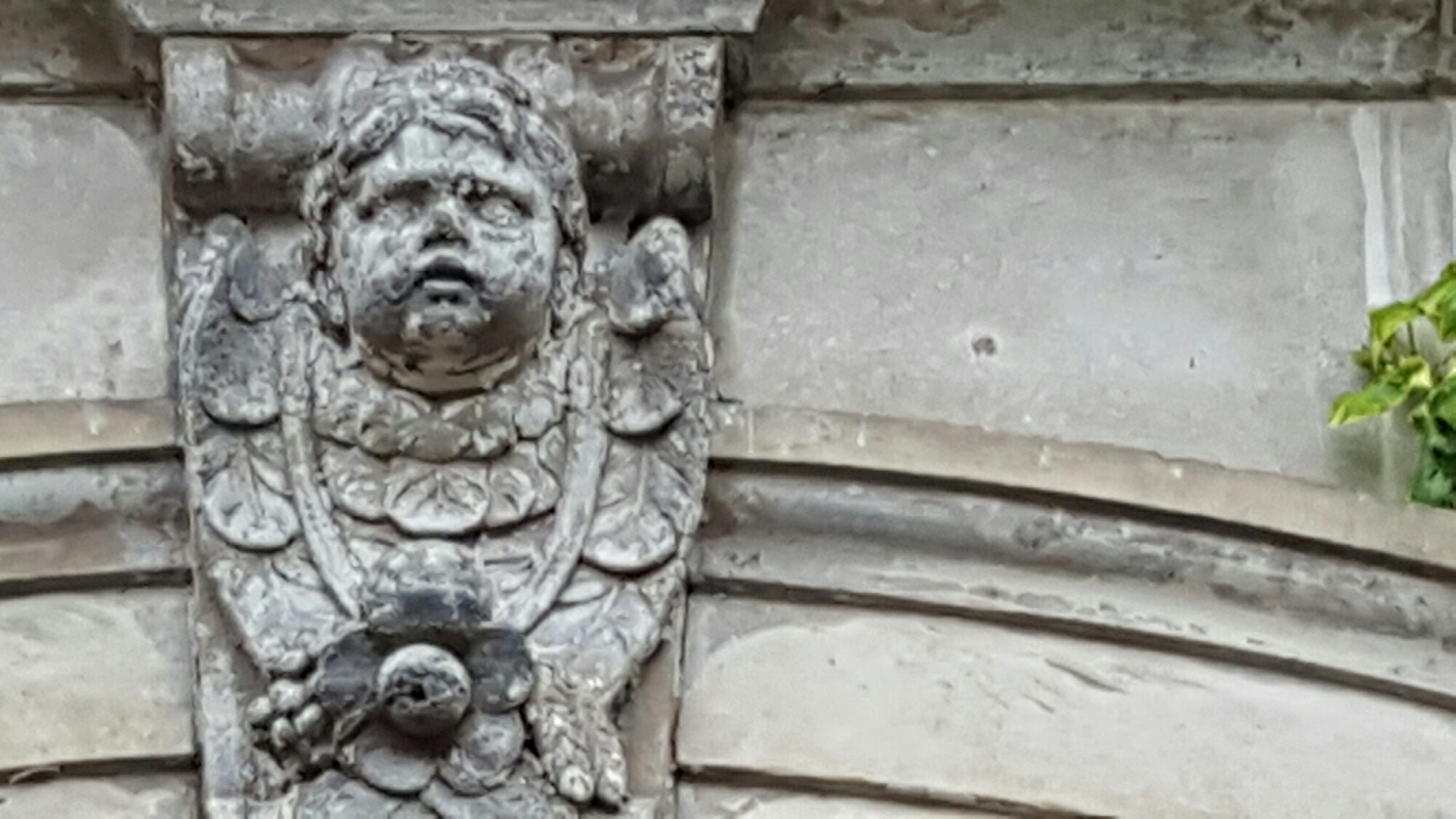
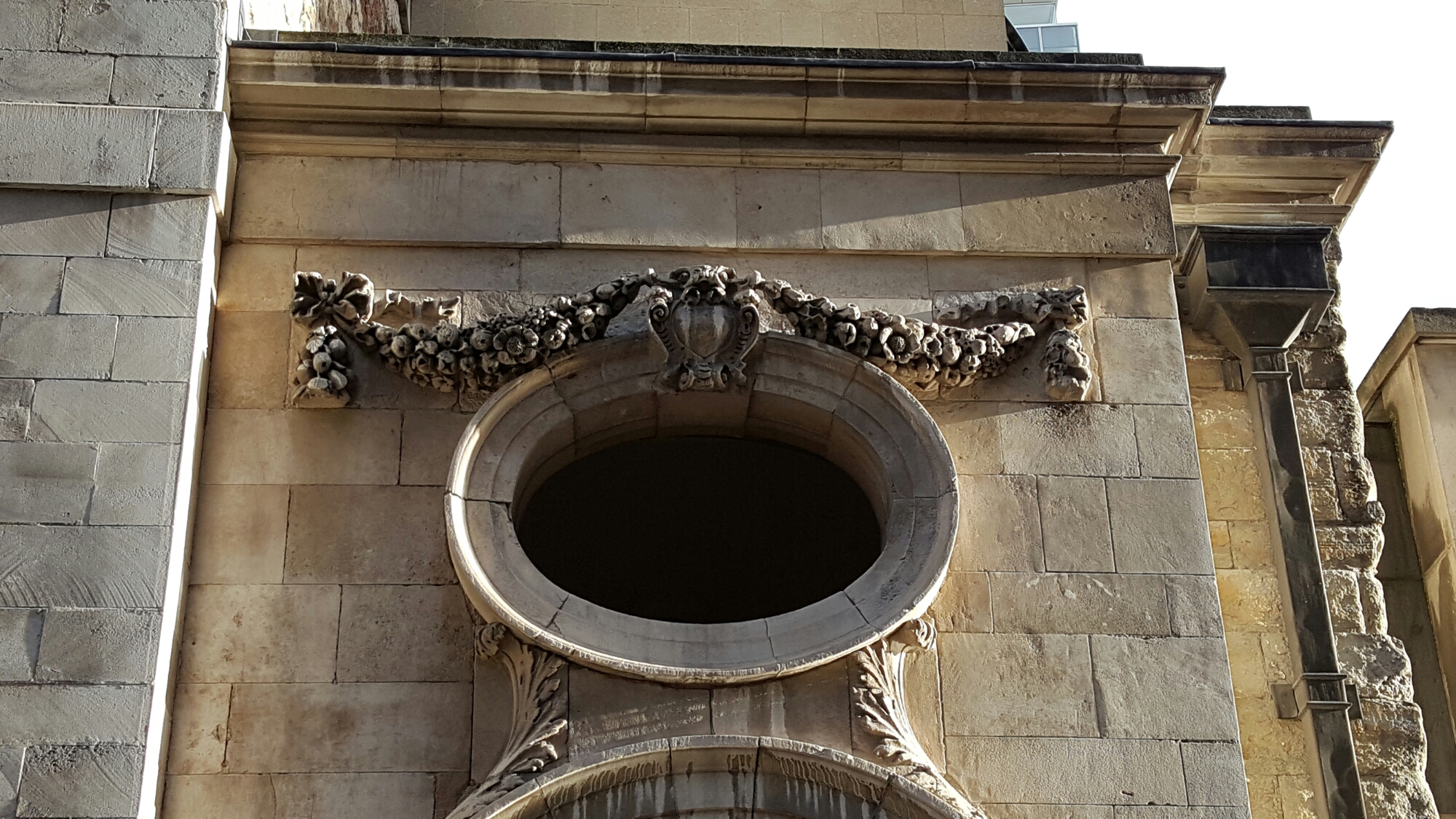
At the lower end of the Hackney Road where it meets Shoreditch, there is what I thought was a deserted pub, but turns out to be a striptease joint, called Ye Olde Axe, which looks slightly as if it belongs in the Wild West with its turret and pub sign swinging in the wind, but has good terracotta lettering and very fine capitals:-
Tag Archives: East London
Wells & Company
I have been meaning to do a blog about Wells & Company, the old commercial ironmongers opposite St. Leonard, Shoreditch. It was opened in 1877 for Edward Wells & Company, which sold stoves, gutters, pipes and decorative ironwork to the building trades. The building, designed by Fowler & Hill, is part-Gothic, part- Moorish, with a surviving mosaic inscription, ‘Wells & Company Commercial Iron Works’, in spite of the fact that it ceased trading in 1895 and became a bank:-
Norton Folgate (2)
I have been drawn, without particularly intending to, into the controversy surrounding the development of Norton Folgate, an ancient liberty immediately north of the City, where a group of old houses on what was once Ermine Street have been gradually bought up by the City for ruthless commercial development. Rather than the City developing the properties themselves through their architecture and planning department, they are doing it in conjunction with British Land. What is unusual is that the houses are nearly adjacent to a street of old industrial warehouses, relics of the industrial and trading roots at the fringes of the City. One street away is Elder Street, one of the most important historic streets in Spitalfields. An alternative plan for the development of the neighbourhood has been drawn up by Burrell Foley Fischer which respects its original mixed character. The plans drawn up by British Land were rejected by Tower Hamlets, but have now been passed by Boris Johnson over the heads of local planning. It’s a battleground between two forms of development, one monolithic and corporate and the other low rise and conservationist. The paradox is that the latter is almost certainly better at preserving the long-term prosperity and energy of the City as an engine of economic growth.
Royal Foundation of St. Katharine
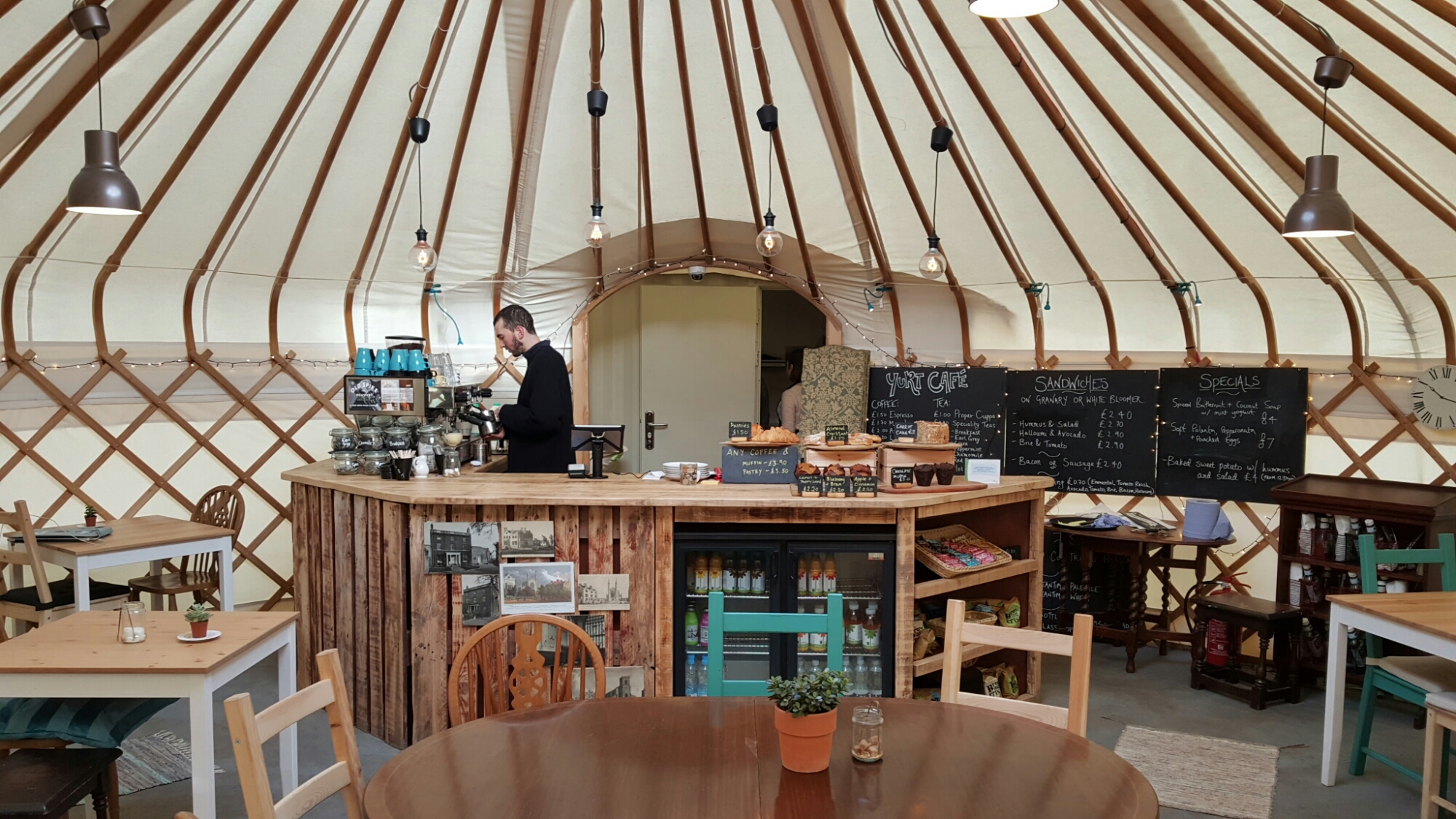
Ever since we first moved to Limehouse in the early 1980s I have been intrigued by the Royal Foundation of St. Katharine which occupies a large site on Butcher Row, but always seems impenetrable. Today I was told that they had opened a Yurt. They have indeed:-
Half Moon Theatre
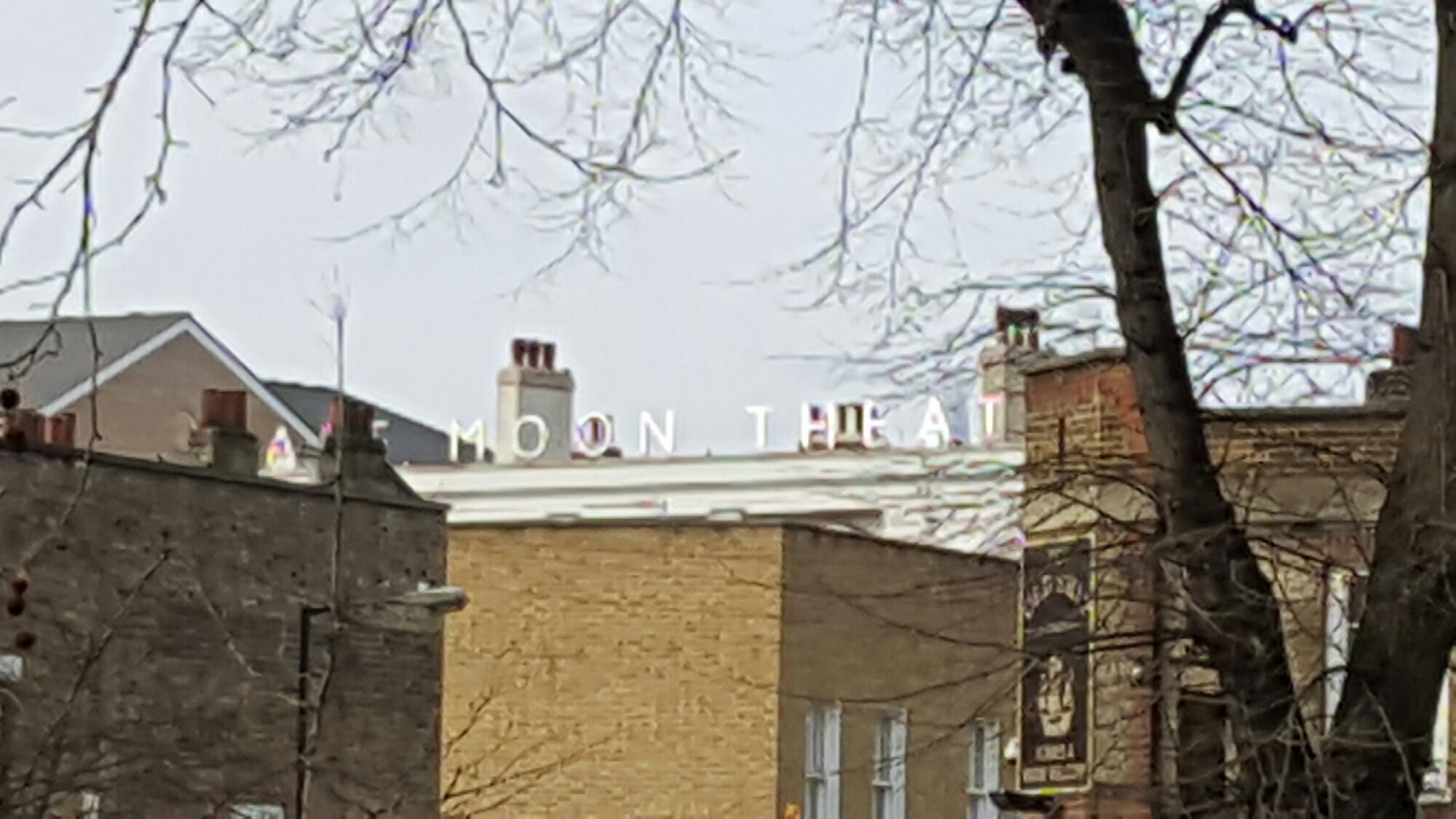
I was walking across York Square when I spotted in the distance the rooftop lettering of the Half Moon Theatre shining in the morning sun:-
I had never noticed it before. It’s what survives of the Half Moon Theatre which used to be in premises just beyond Stepney Green tube station, but was closed in 1990 and turned into a Wetherspoon pub. The building the Youth Theatre occupies in White Horse Road was originally the local District Board of Works, designed in 1862 by C.R. Dunch:-
Aldgate
In wandering around Aldgate at the weekend, I was struck by the ambiguity of it as a neighbourhood: forever on the threshold of the City; in the eighteenth century, bounded by the walls of the city to the north of Bevis Marks and Poor Jury Lane, intersected by Leaden Hall and Fenchurch Street. As pbmum, one of my correspondents, has pointed out, it used to be known as Gardiner’s Corner after a large neo-baroque department store at the junction of Whitechapel High Street and the Commercial Road (opposite the tube station) which sold clothes to mariners, from socks to an Admiral’s Hat. Now the boundary of the City is moving eastwards with huge new office buildings crowding out the old roundabout. What is odd and impressive is the way Petticoat Lane and the Sunday morning market survive, but only just, weaving their way northwards from the tube station nearly to Liverpool Street:-
Wapping Pumping Station (2)
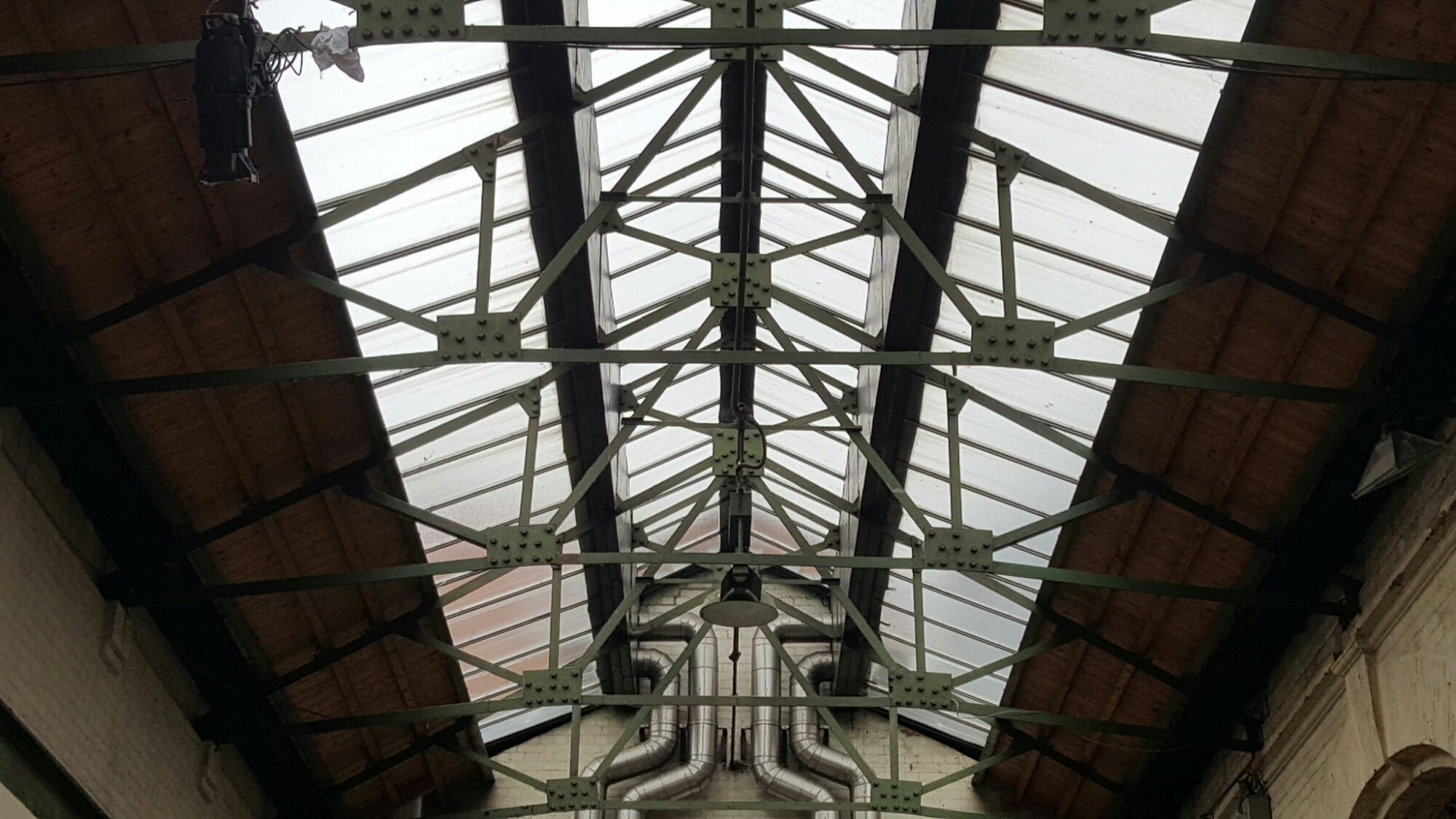
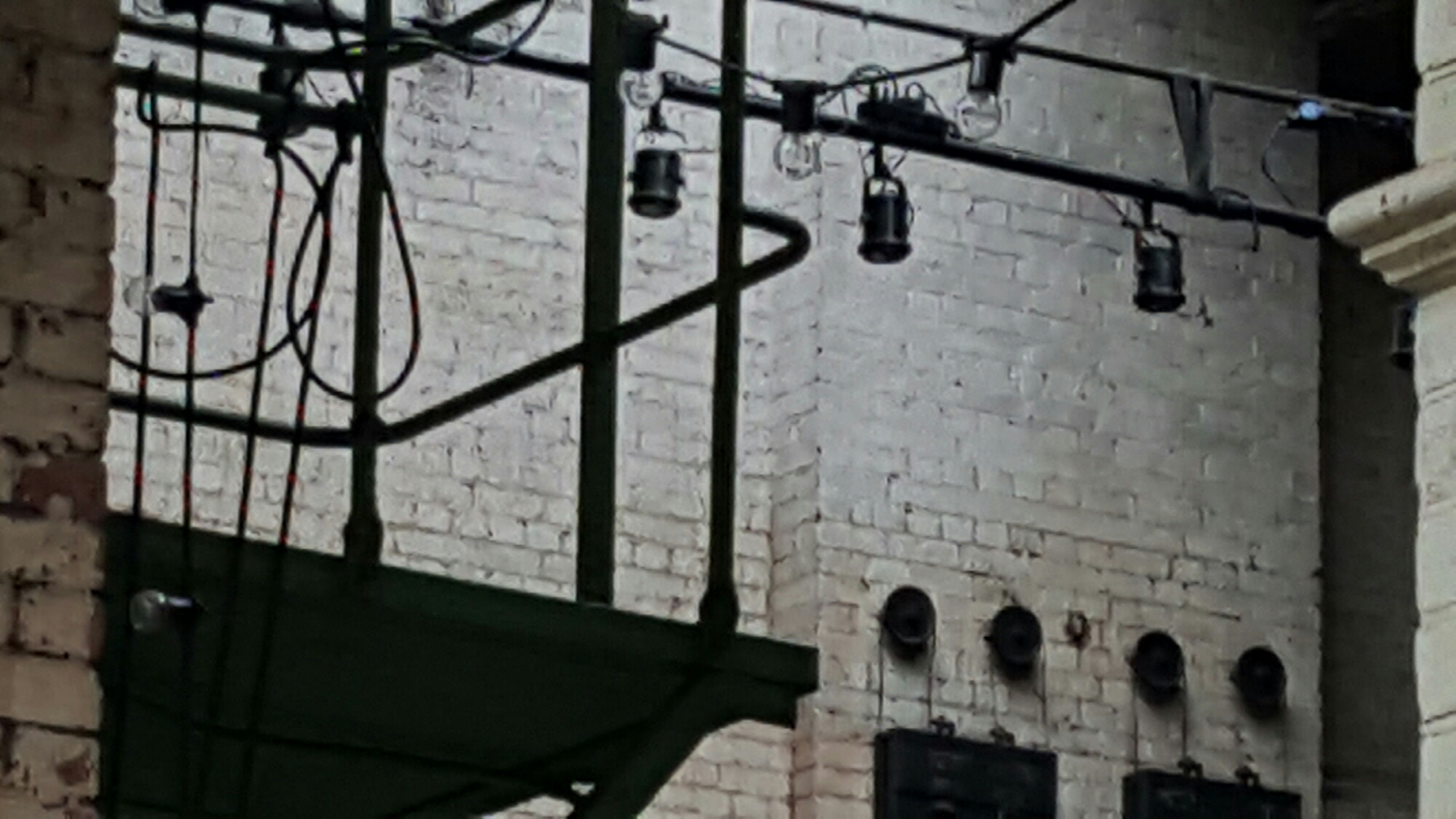
I thought I should go and see the Annie Leibovitz exhibition at Wapping Pumping Station for old time’s sake (my first exhibition at the NPG was of her Portraits in 1994) and also to see the interior of the old pumping station whilst it is still extant and semi-open to public view. It has lost none of its old industrial glory, built in 1890 by the London Hydraulic Power Company:-
Rotherhithe
I’ve never quite got to grips with Rotherhithe, but this morning walked through it along the Thames Path on the way to the Saturday morning market in Spa Terminus. St. Mary Rotherhithe, where the Mayflower was moored before setting sail in 1620, was rebuilt by John James in 1714 in a much less ornate style than the Hawksmoor churches north of the river:-
Bryant and May Factory
I wandered in to the old Bryant and May match factory, scene of the strike in 1888 and subject of an essay by Patrick Wright in A Journey Through Ruins. Wiĺliam Bryant and Francis May started importing Swedish matches in 1850. In 1855 they acquired a patent to manufacture safety matches from red phosphorus and potassium chlorate and in 1861 they opened the Fairfield Works, a massive factory, rather German in character with its red and black brick. The workers were first radicalised in 1871 in protest at the planned imposition of a tax on matches and again went on strike in 1888 led by the theosophist Annie Besant. It’s all quiet now after being converted into apartments in 1987:-
St. Stephen Walbrook
I also looked in on St. Stephen Walbrook, a curiously anonymous entrance for one of the largest and grandest of Wren’s City Churches, originally crammed in next to the old Stocks Market:-


You must be logged in to post a comment.