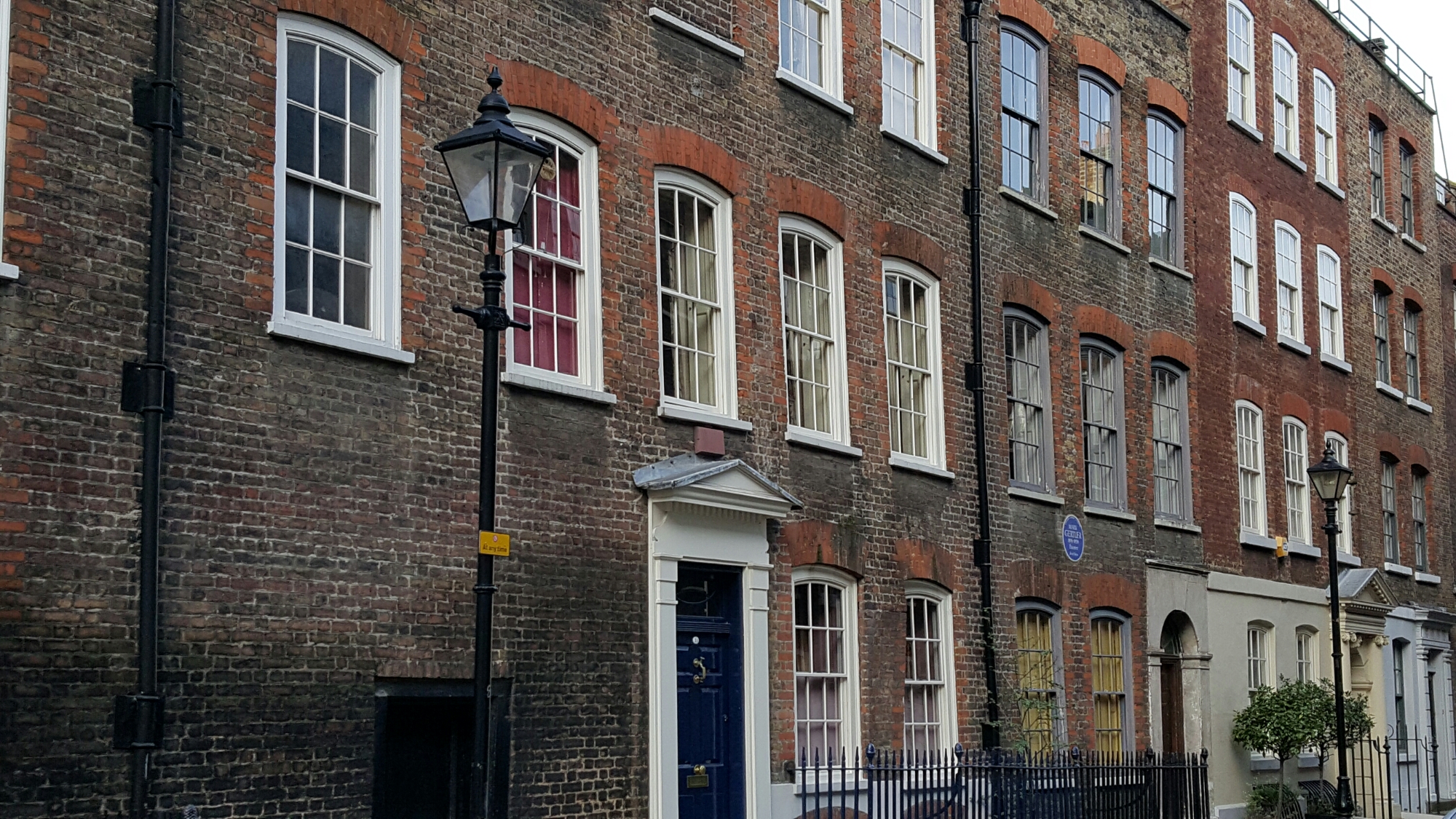
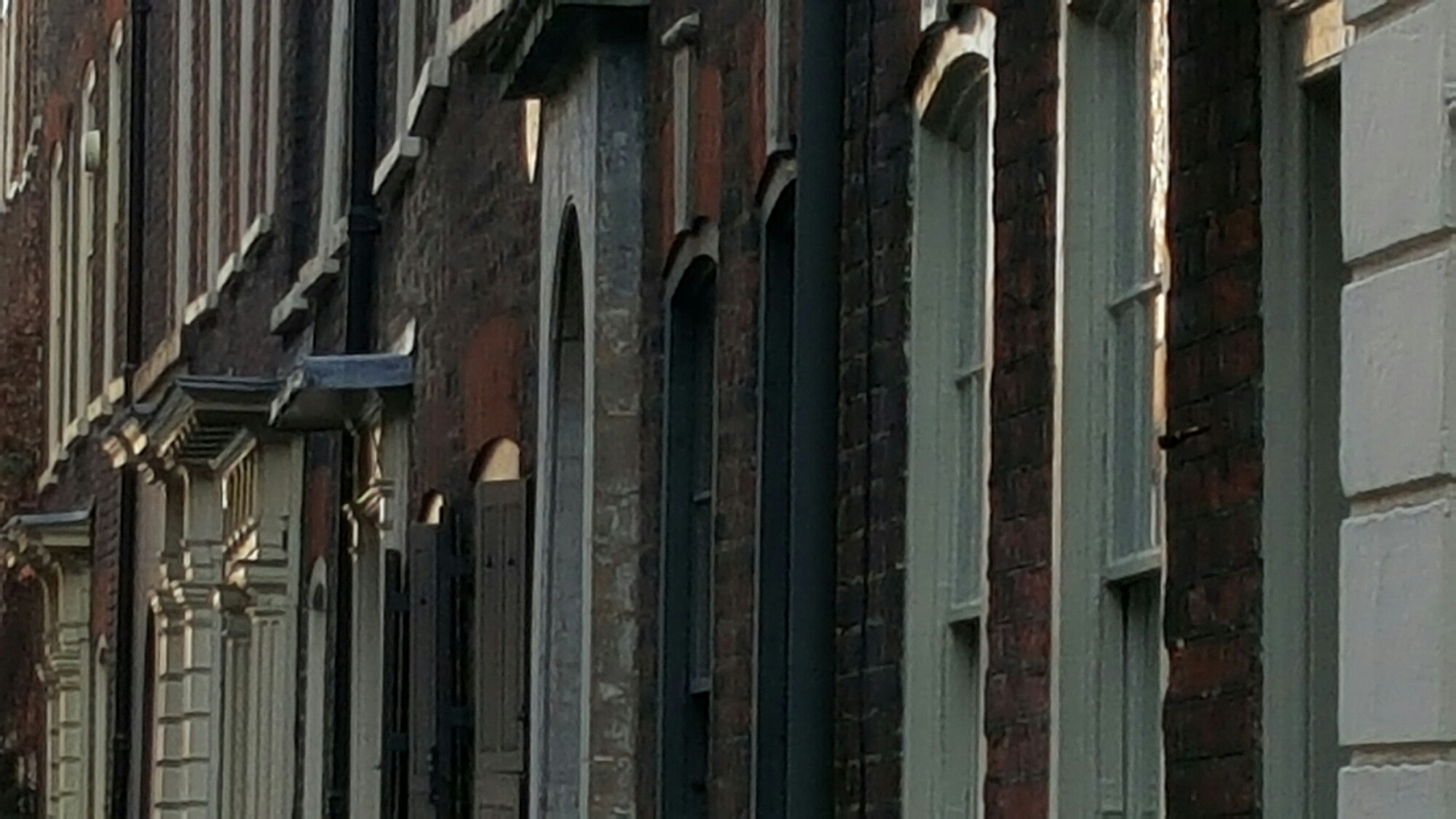
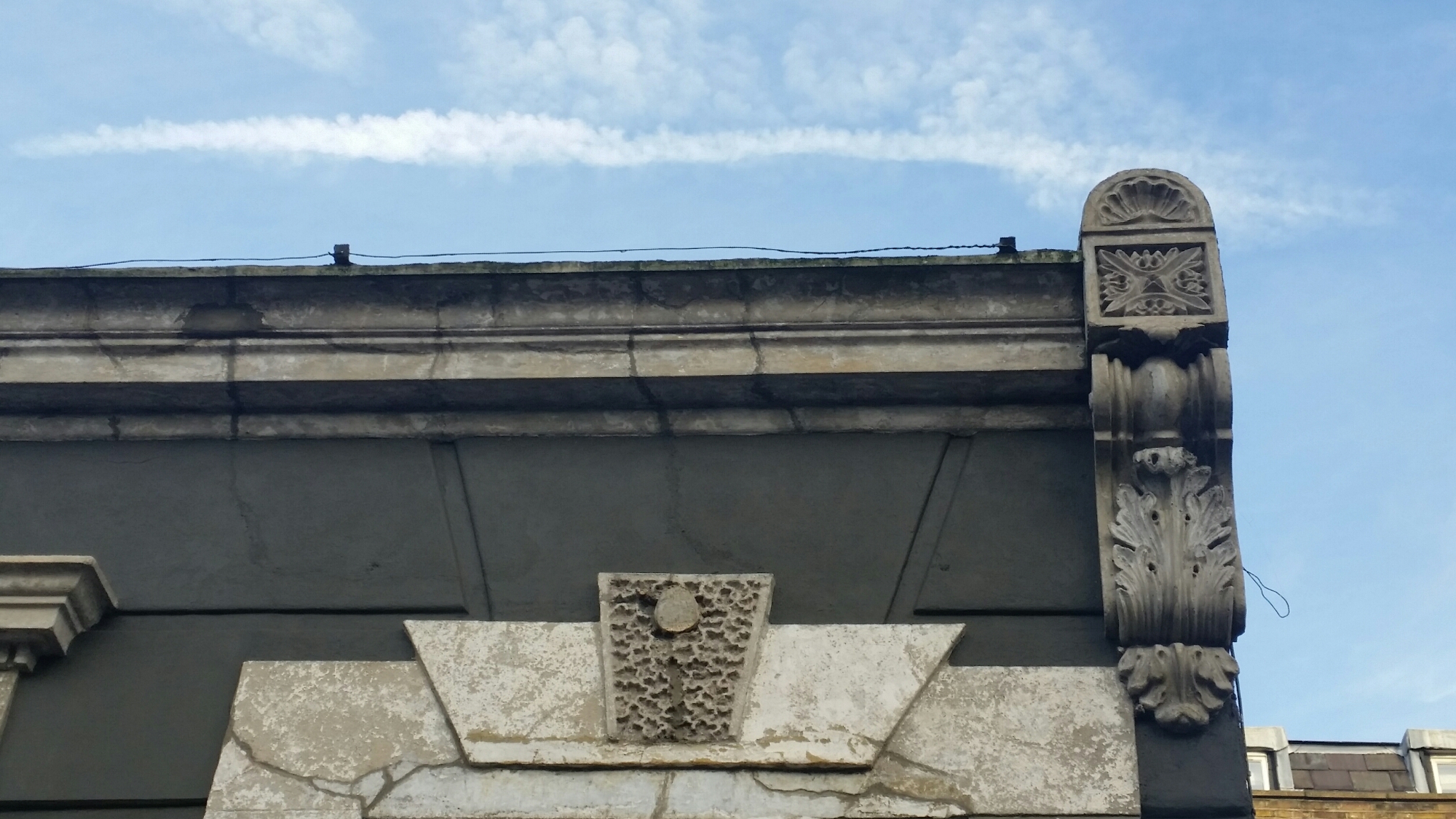
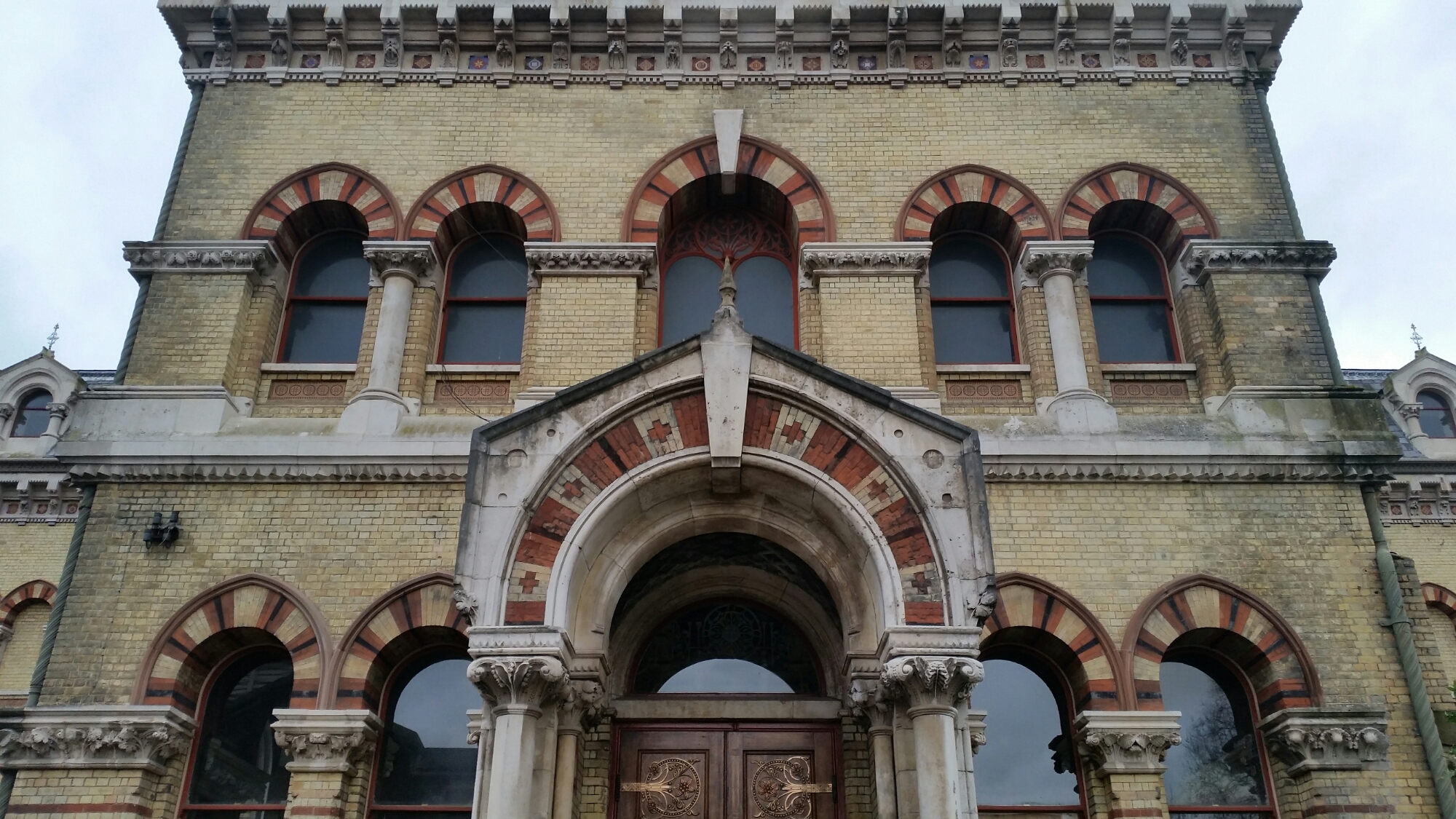
In order to understand the nature of the argument surrounding the development of Norton Folgate, it is important to see it in the context of Elder Street, one of the best of the surviving Spitalfields streets, where Mark Gertler lived and later Raphael Samuel and now Dan Cruickshank. The city looms nearby. But there is still a domestic presence resisting the incursion:-
Tag Archives: East London
Norton Folgate
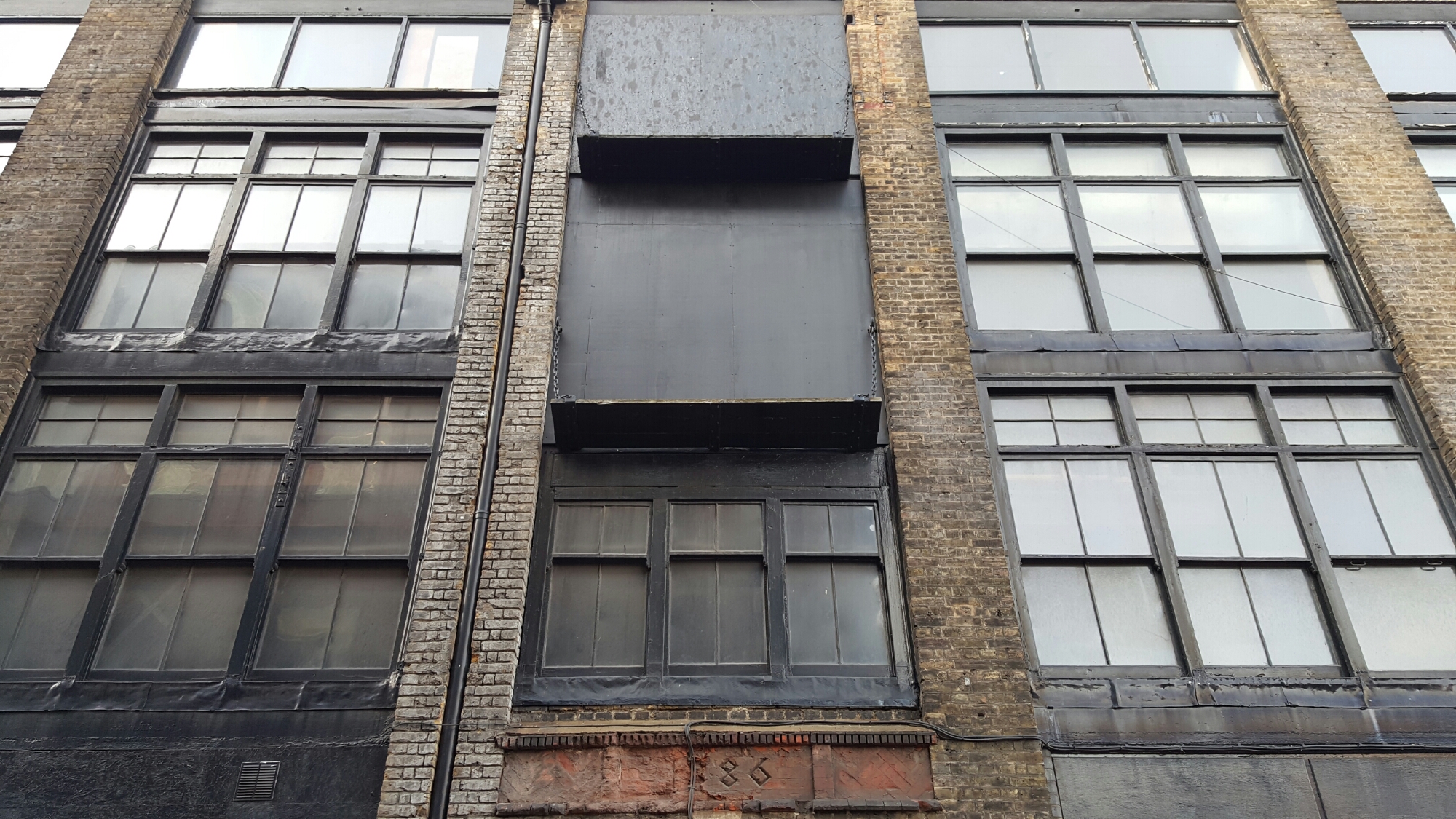
I have managed to miss out on the arguments surrounding the redevelopment of Norton Folgate, an area of semi-derelict warehouses on the edge of Spitalfields. So, on a sunny post-Christmas morning, I decided to investigate. Blossom Street is an unexpected cobbled street leading up north from Dennis Severs’s house in Folgate Street and is lined on its eastern side by a series of still surviving, well preserved, but currently unused industrial warehouses. The City and Bishopsgate are within spitting distance. It’s easy to see the development potential: another big office block. But equally easy to see why the development has been resisted and alternative plans put forward for the renovation of the warehouses.
These are the warehouses:-
St. Dunstan’s, Stepney
I don’t know if it was the wintry atmosphere or the sudden glimpse of the church tower through the trees which made me pay more attention to St. Dunstan’s than I usually do and appreciate the strange sense of it still being a rural parish church on the edge of a big city.
This was the view of the church through the trees:-
The back door:-
Stepney Meeting Ground
My eye was caught by the fragment of a tomb on the path I take every Sunday morning through the old burial ground of Stepney Meeting House:-
The burial ground is the residue of a Meeting first established in 1644 during the Civil War. A meeting house was built nearby in 1674 by Matthew Mead, the Puritan pastor and former morning lecturer at St. Dunstan’s (he was the father of Richard Mead, the great doctor and collector). The burial ground was opened in 1774 together with almshouses and a charity school. The almshouses were destroyed in the war:-
Shoreditch
It’s been a while since I’ve walked through Shoreditch. What struck me today and when I walked from St John Bread and Wine up to Old Street roundabout last weekend is the extreme rapidity of the process of urban change, the number of large vacant sites occupying spaces of buildings which were not especially memorable, but when gone leave a large hole. I am not anti-development. London, and most especially the east end, has benefitted from a process of rapid urban improvement and change, first begun long ago under the LDDC. But it’s the speed of it which is disarming and the way big new office and apartment buildings damage the ecology of mixed neighbourhoods. Artists move in. Then small fashion boutiques. Now there’s a branch of J. Crew in Redchurch Street. It happened long ago in Chelsea. Now it’s happening in Shoreditch:-
Hackney Road
I walked down the Hackney Road which shows all the signs of being gentrified, with new cafés at every street corner. I liked the decoration on the old doctor’s surgery:-
Broadway Market
It being the weekend before Christmas, I set off in search of Christmas shopping to Broadway Market:-
The market is getting smarter and smarter, not just a pseudo-old fashioned butcher called Hill & Szrok:-
Abbey Mills Pumping Station
Brendan Finucane very kindly arranged for us to have a private tour of Abbey Mills Pumping Station, the so-called ‘Cathedral of Sewage’ which stands proud in the valley of the river Lea on the site of a monastic water mill. It’s an amazing building, with so much decorative care and Byzantine and Gothic detail lavished on Sir Joseph Bazalgette’s powerhouse of engineering. Inside is full of hand dials and maps of London’s sewers and Piranesian vistas down to the big pipes which transport London’s sewage out to Beckton, all of it constructed after the Great Stink of 1858.
This is the grand entrance:-
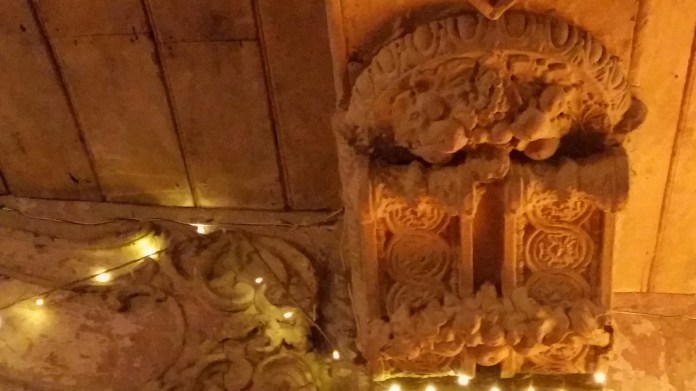
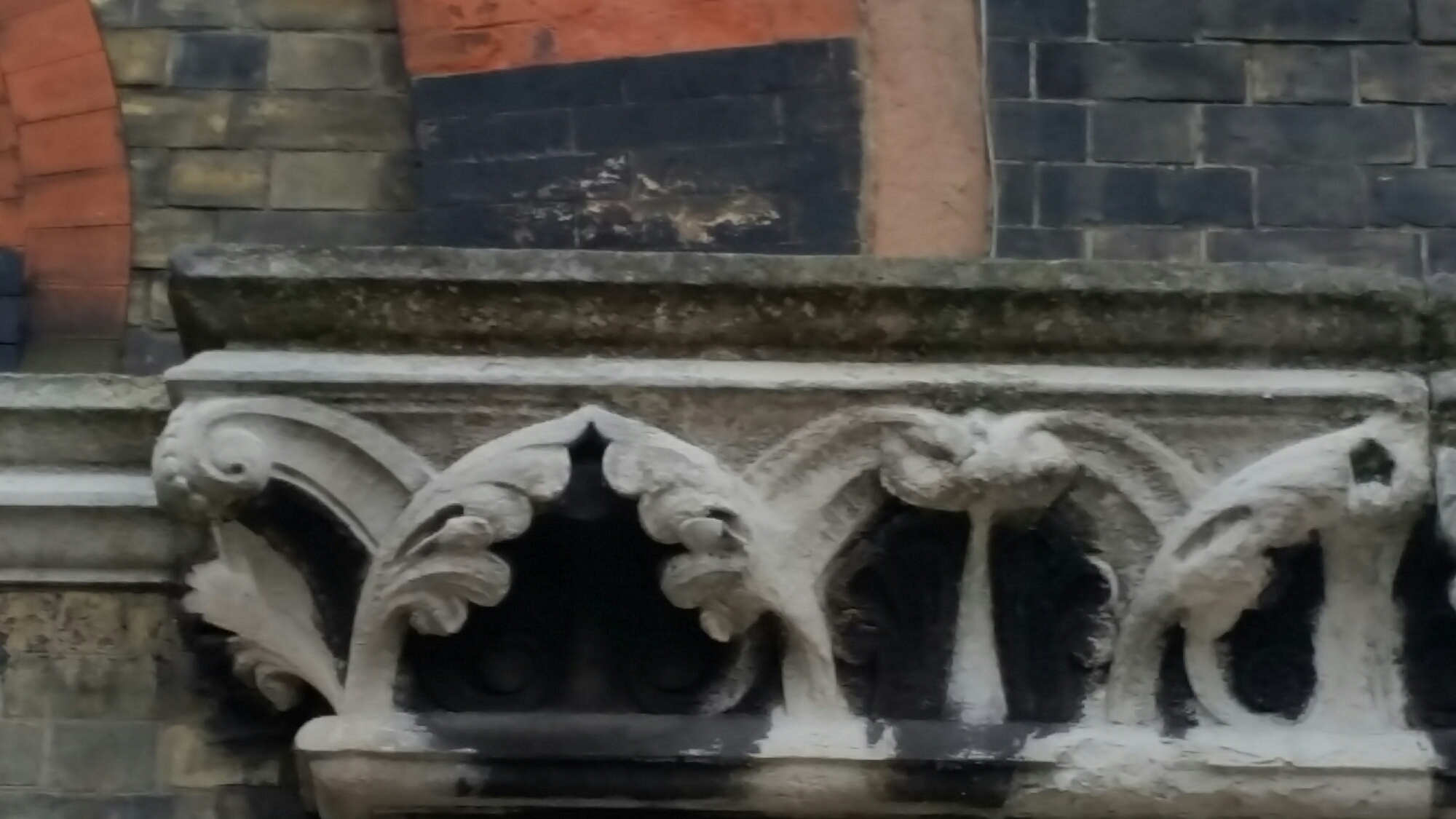
Details of the decorative carving:-
Wilton’s Music Hall
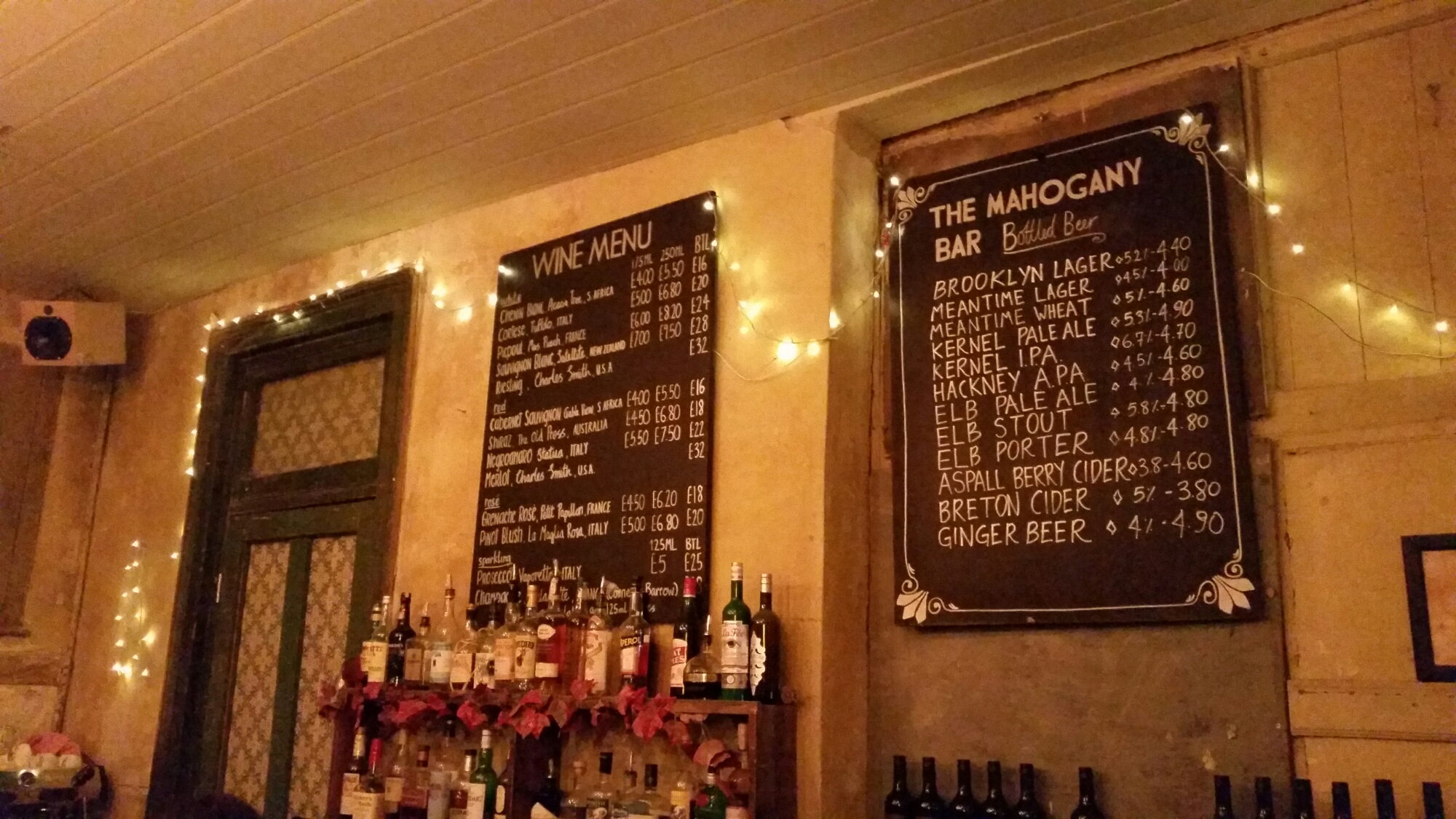
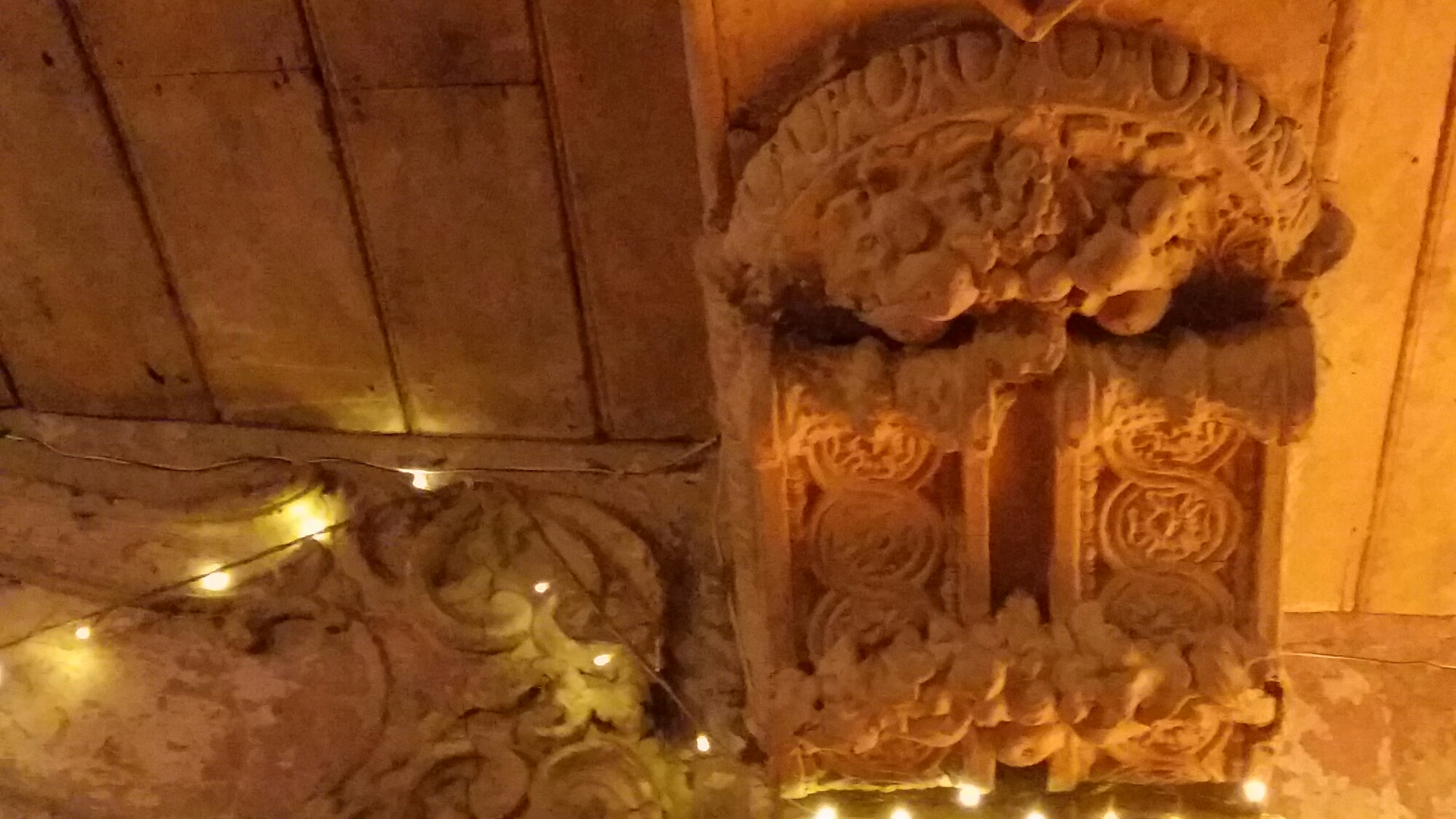
We went last night to a performance of L’Ospedale at Wilton’s Music Hall. It was the first time we had been back to it since its renovation by Tim Ronalds, funded by the HLF. We were worried, because nothing is harder to restore than crumbling magnificence (see what happened to Christ Church, Spitalfields). But, miracle of miracles, it is the same, only better, just as rundown and shabby, with a bar next door to the theatre and a mass of old wood and peeling paint, but now a lift (we were its first users). There was a performance of L’Ospedale, a hitherto unknown mid-seventeenth-century opera by an unknown composer on the problems of seventeenth-century medicine, performed as if it was the NHS: a brilliant production by a young and newly formed musical collective called Solomon’s Knot:-
Victoria Park
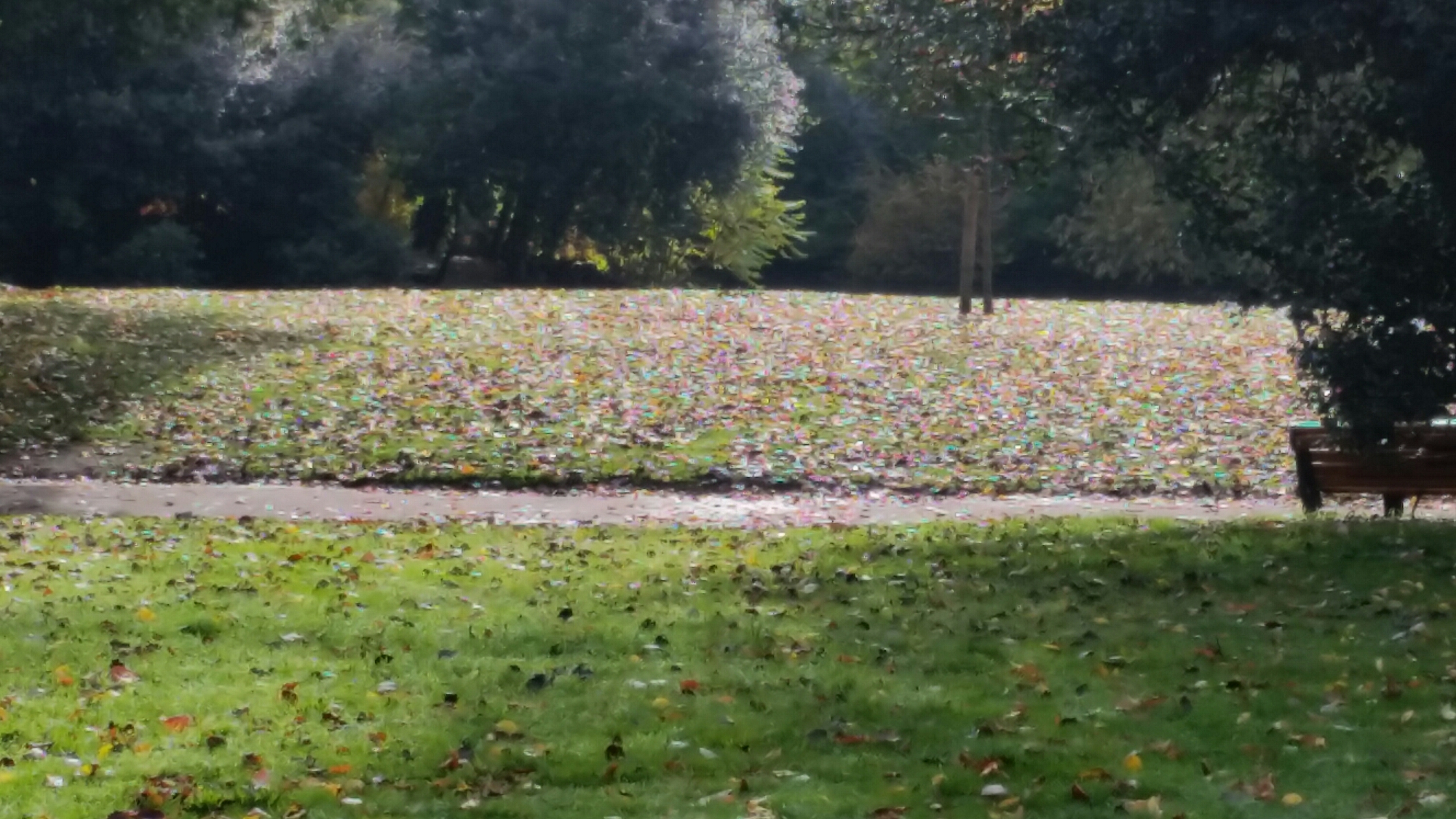
I could scarcely bring myself to record the appearance of Victoria Park today because it was so ostentatiously, flamboyantly and nearly nauseatingly autumnal, like some scene of the Fall in western Massachusetts which I’ve always thought was to be avoided. But in the end, amateur photographer that I am, I succumbed to a couple of shots:-


You must be logged in to post a comment.