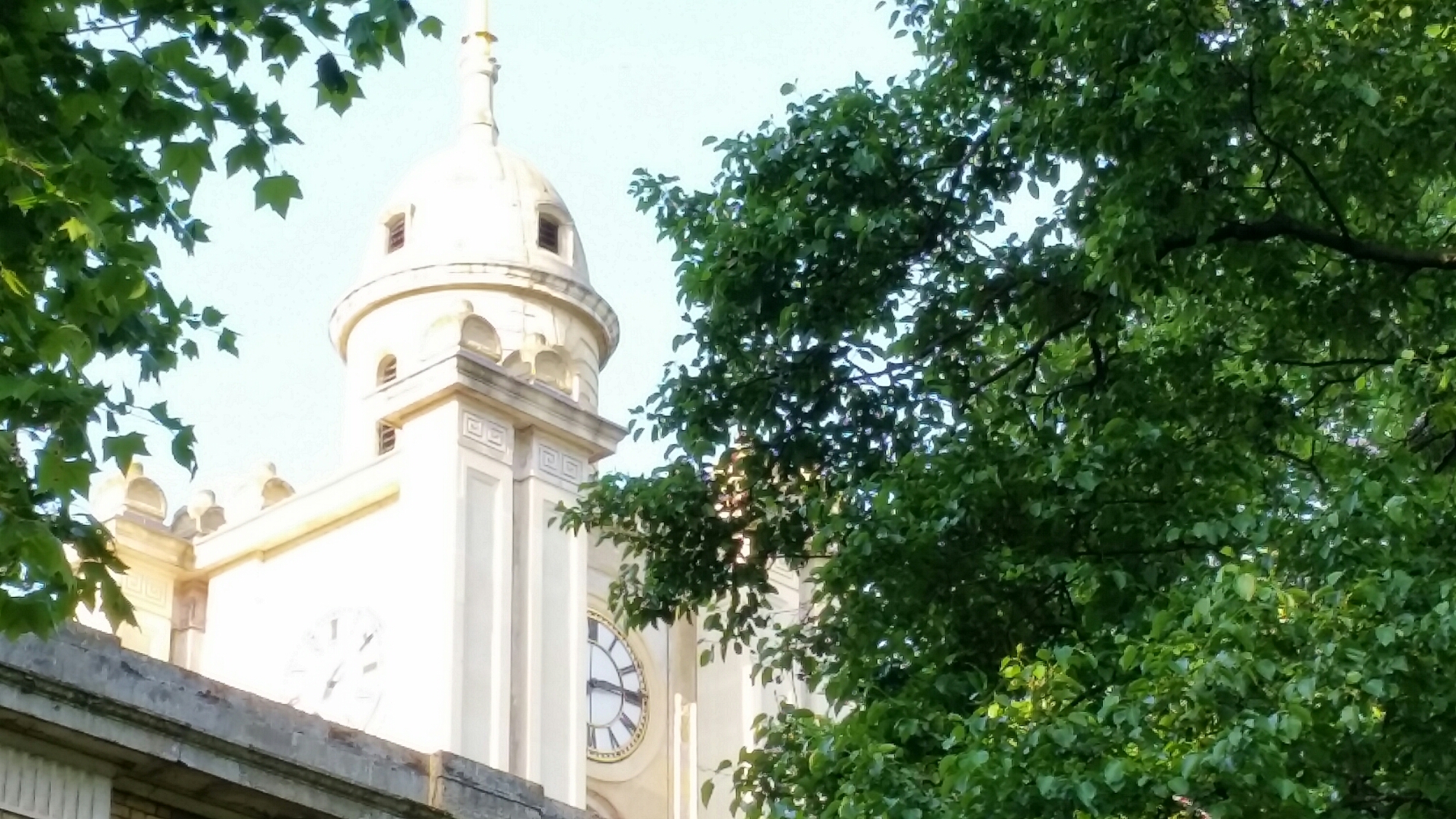
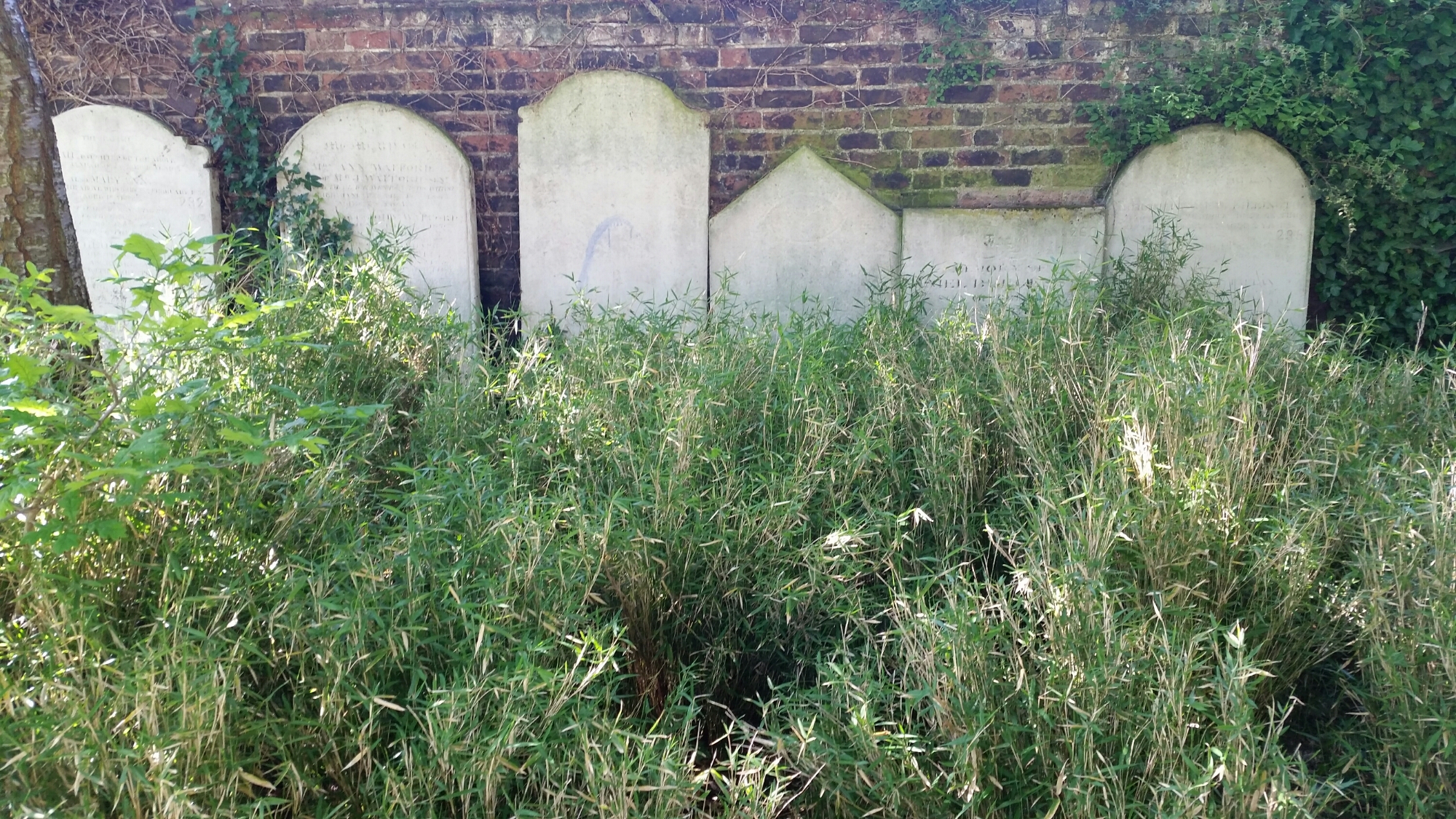
Stepney Green

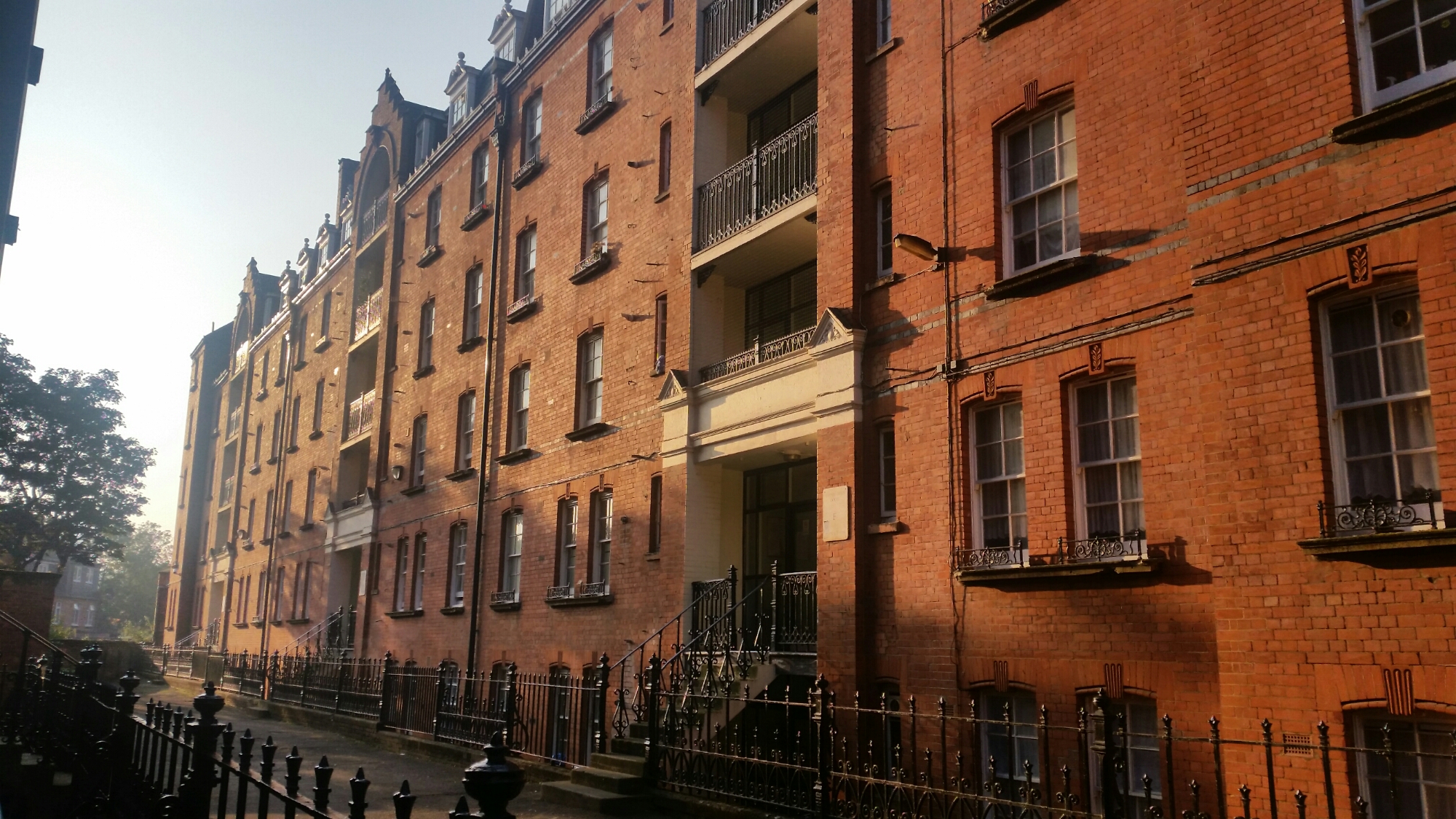
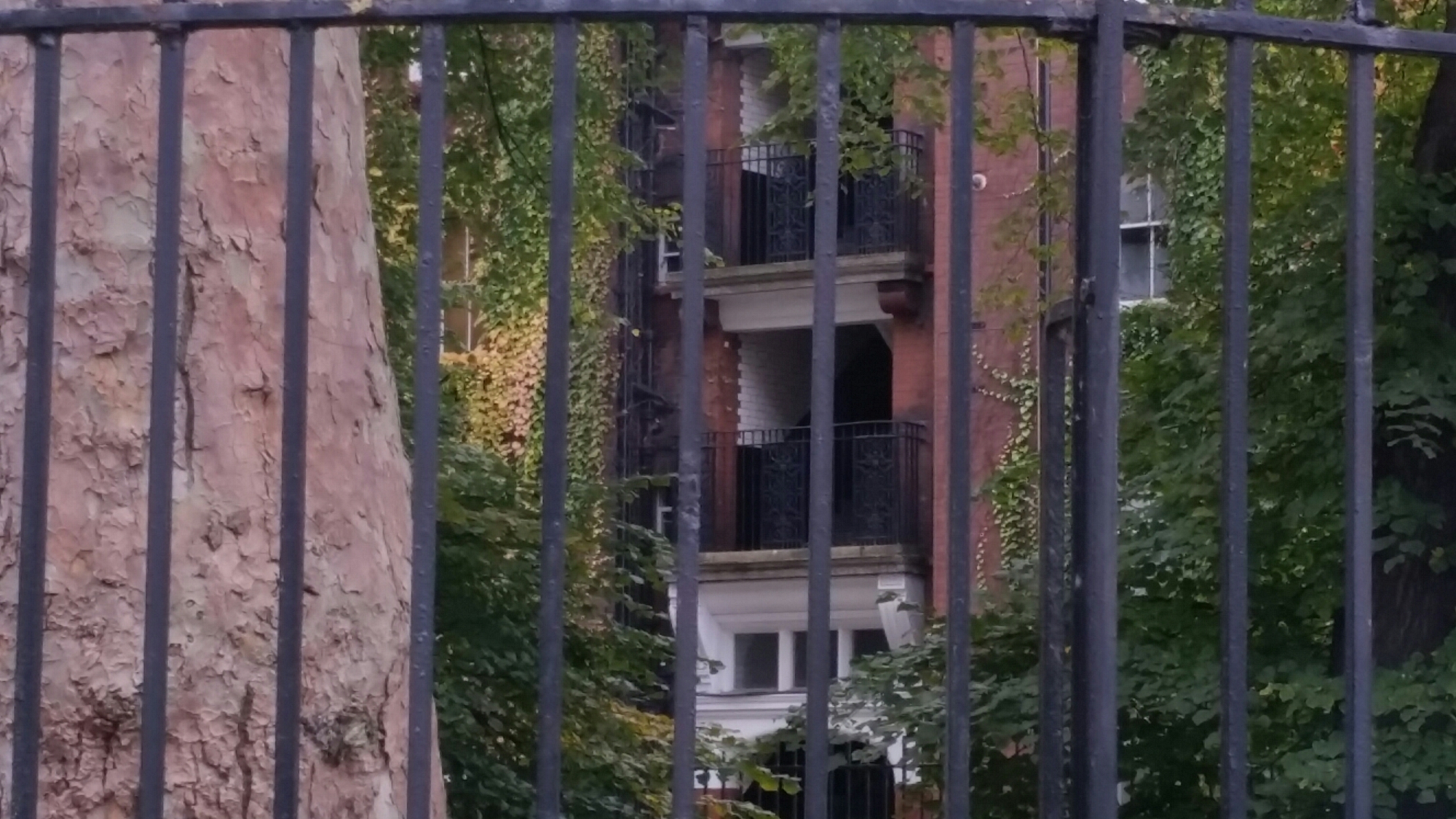
I walked down Stepney Green this morning, thinking (correctly) that it would look good in the morning autumn sun, including number 37, the local Manor House, originally built in 1690 for Dormer Shepherd, an East India Company sea captain, then owned by Mary Gayer, and by the Council after the war:-

image

image Continue reading

Standard

Stepney Green Court

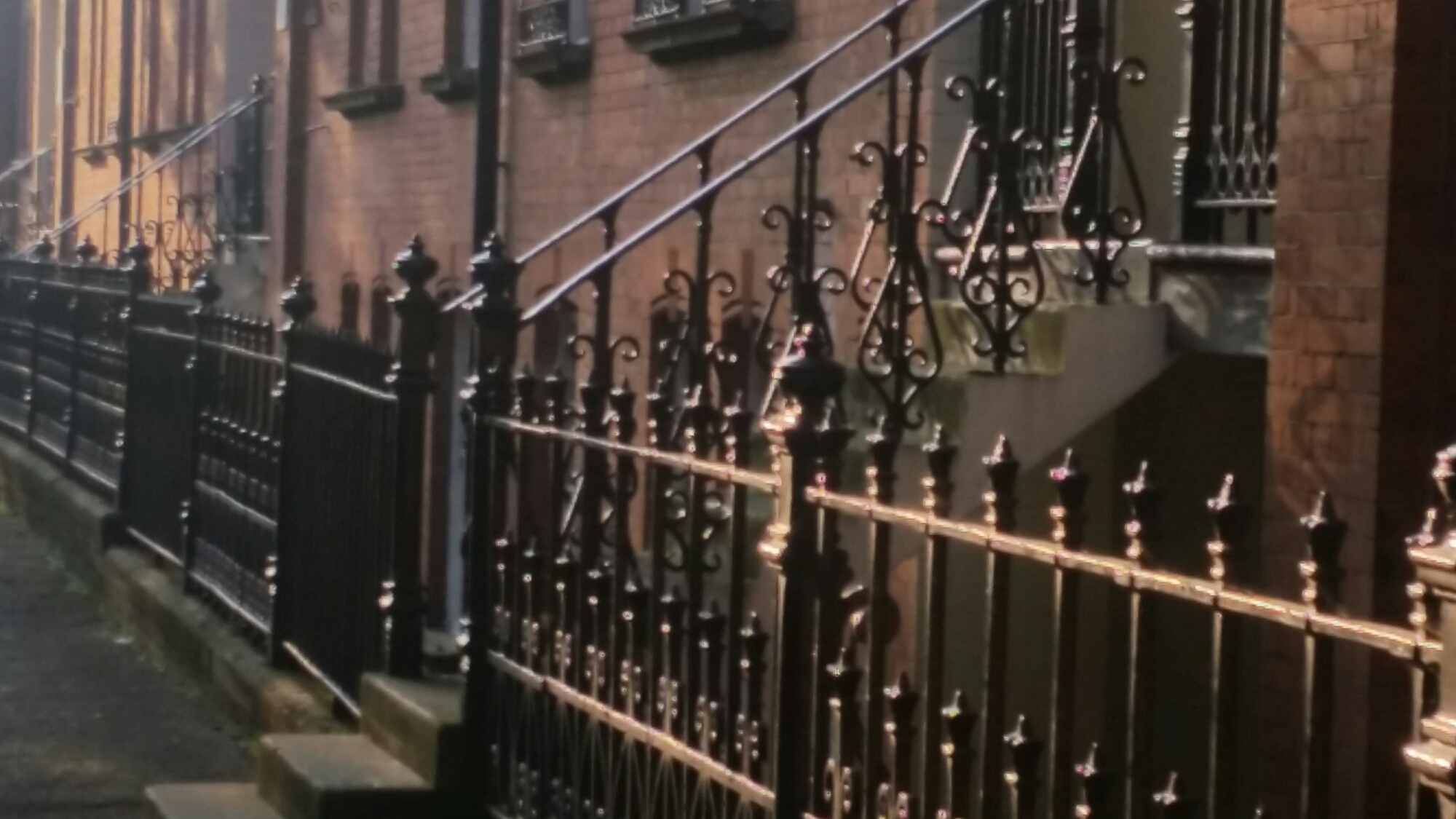
On Sunday morning I went on a casual search for Bert Irvine’s studio which I knew had been on Stepney Green in a Jewish School – I assume the old Stepney Jewish Primary and Infants School on the south end of the old village green which was converted into municipal gardens in 1872.   Instead, I found myself inspecting the back façade of Stepney Green Court next door, a noble set of artisans’ dwellings, designed by Solomon Joseph and built in 1895.   I’ve photographed the ironwork detailing on the street front before, but I haven’t previously appreciated the scale of the buildings in two parallel lines off the street:-

image

image Continue reading

Standard

Walthamstow Town Hall

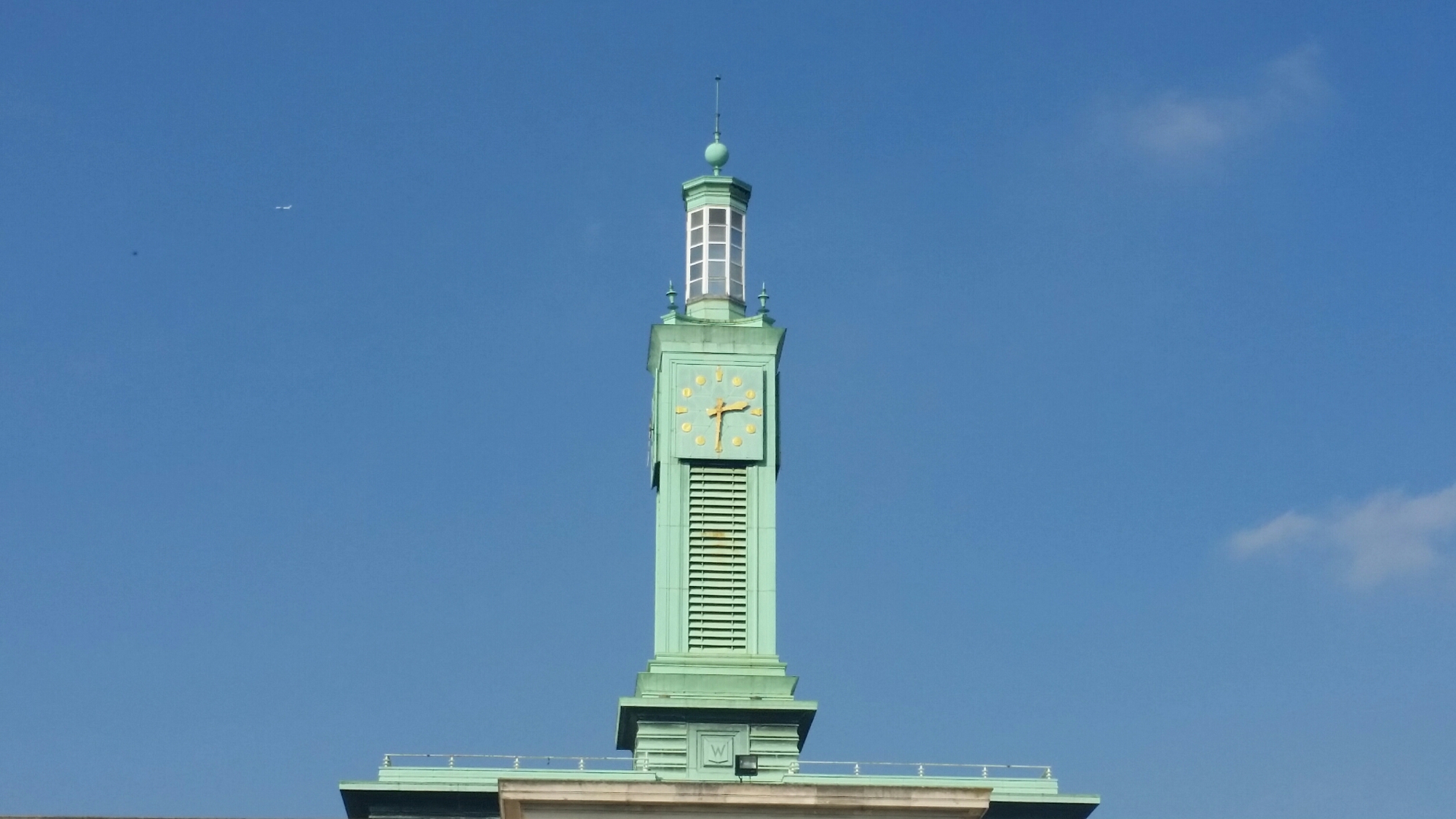
Walthamstow Town Hall looks uncannily like the Boijmans Museum, belonging to the same family of 1930s Scandinavian, stripped-down, civic classicism.    It was designed by Philip Dalton Hepworth who had been a student at the AA, had designed war memorials in the 1920s, and won the competition in 1932.   It opened in 1941.   Yesterday there was a rather wonderful Indian wedding, complete with horse and carriage:-

image

image Continue reading

Standard

Essex House

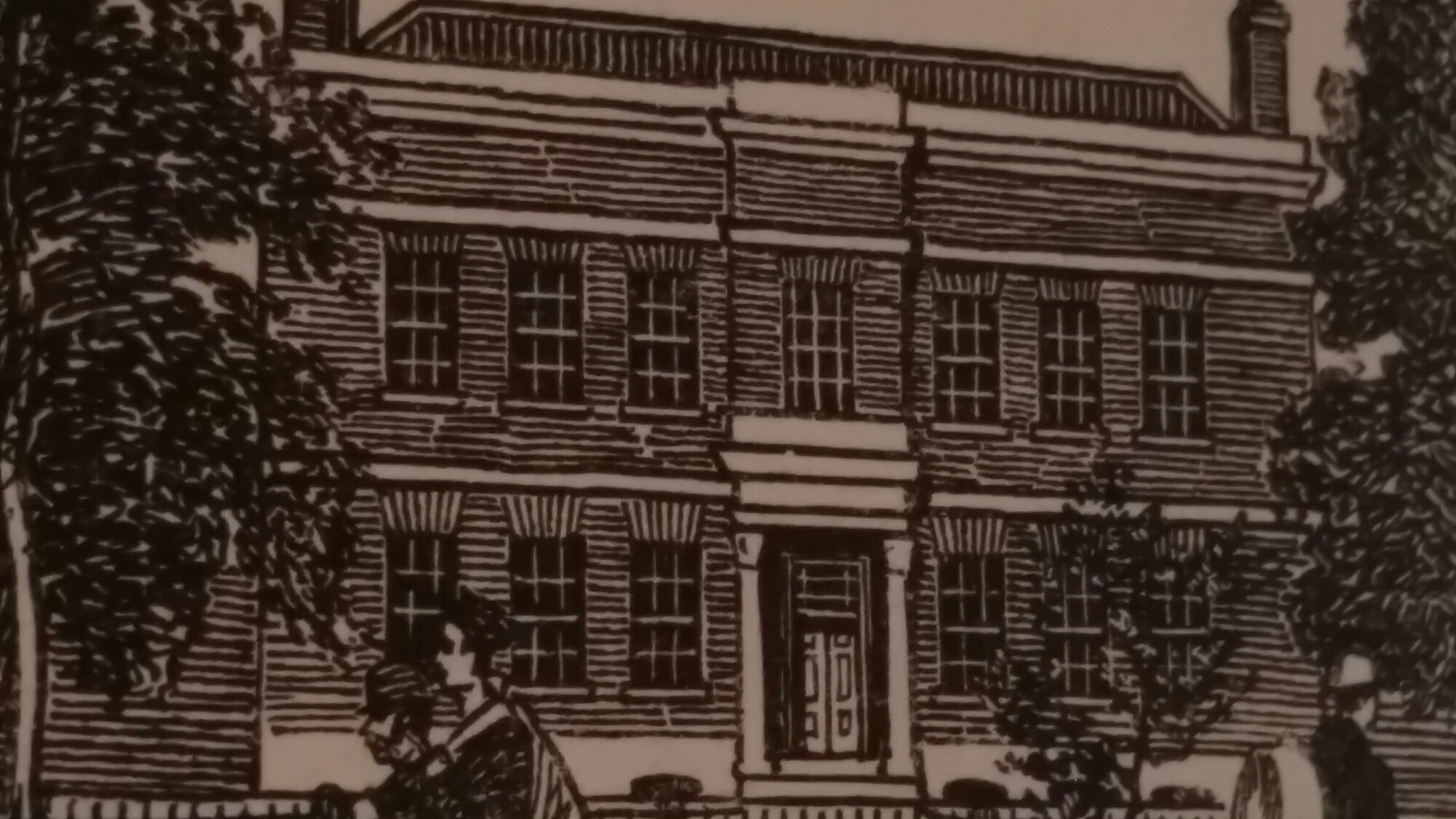
In the William Morris Gallery I noticed the frontispiece of C.R. Ashbee’s pamphlet An Endeavour towards the Teaching of John Ruskin and William Morris, which was published by the Essex House Press in 1901, employing workers and equipment from the Kemscott Press which closed in 1898.   Its frontispiece is Essex House itself, which was immediately opposite Mile End tube station:-

image

Standard

William Morris Gallery

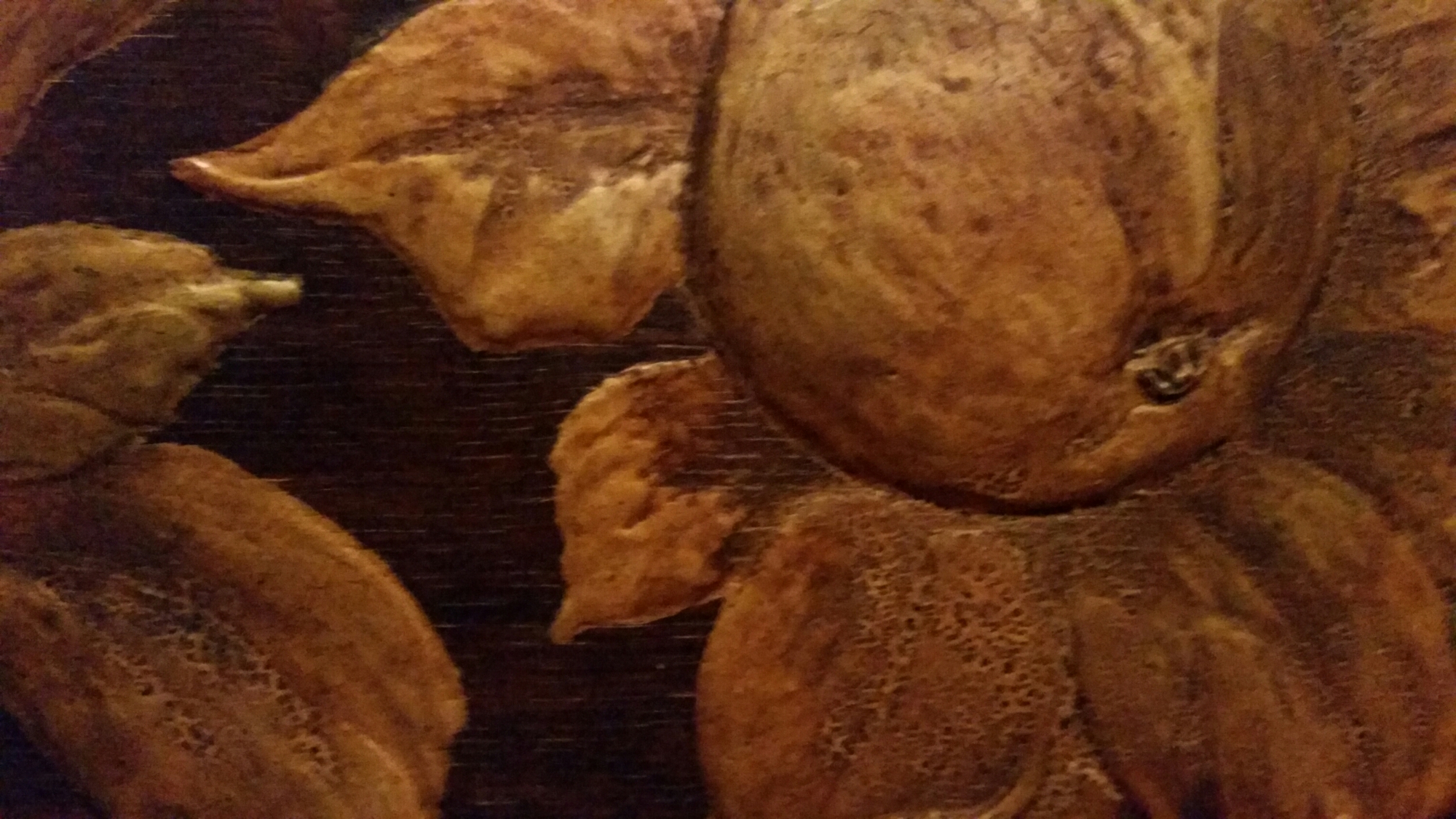
After walking in Epping Forest, we stopped off at the William Morris Gallery, which occupies Water House, the third house that Morris lived in in Walthamstow, after being born in Elm House in 1834, then moving to Woodford Hall in 1840, and to Elm House in 1847, following the death of his father.   I hadn’t been there since the exceptionally intelligent redisplay by Pringle, Richards, and Sharratt, which – deservedly – won Museum of the Year Award.   This was a detail of the wood carving on a Morris and Company bench:-

image

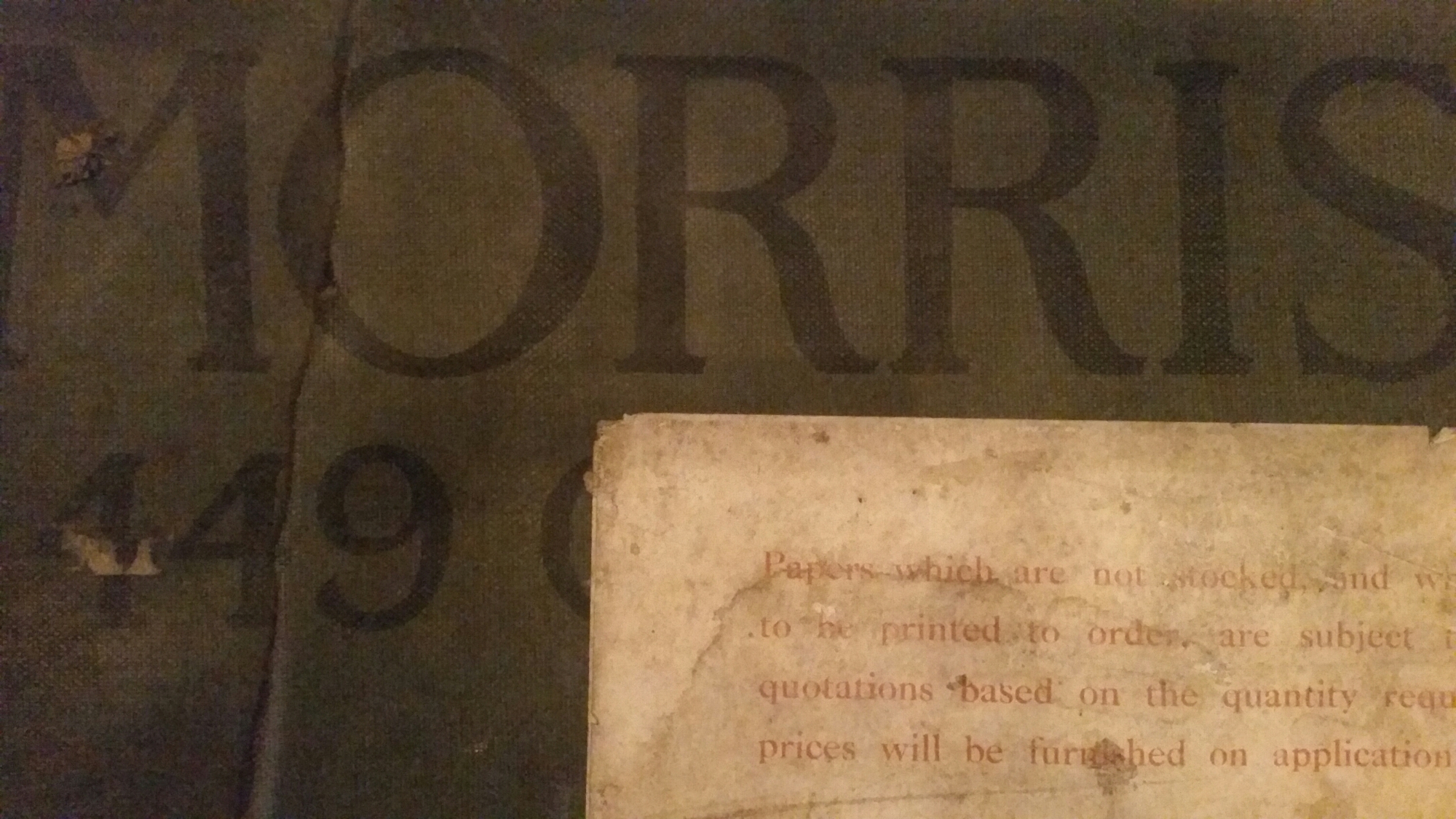
A detail of his sample books:-

image Continue reading

Standard

Epping Forest

After the glories of the trees in Devon last weekend, we decided this weekend to explore Epping Forest, that area of ancient woodland which connects Chingford to Theydon Bois.   We parked on Golding’s Hill and found it surprisingly easy to get lost in the rides through the woodland copses:-

image

image Continue reading

Standard

Mile End Road

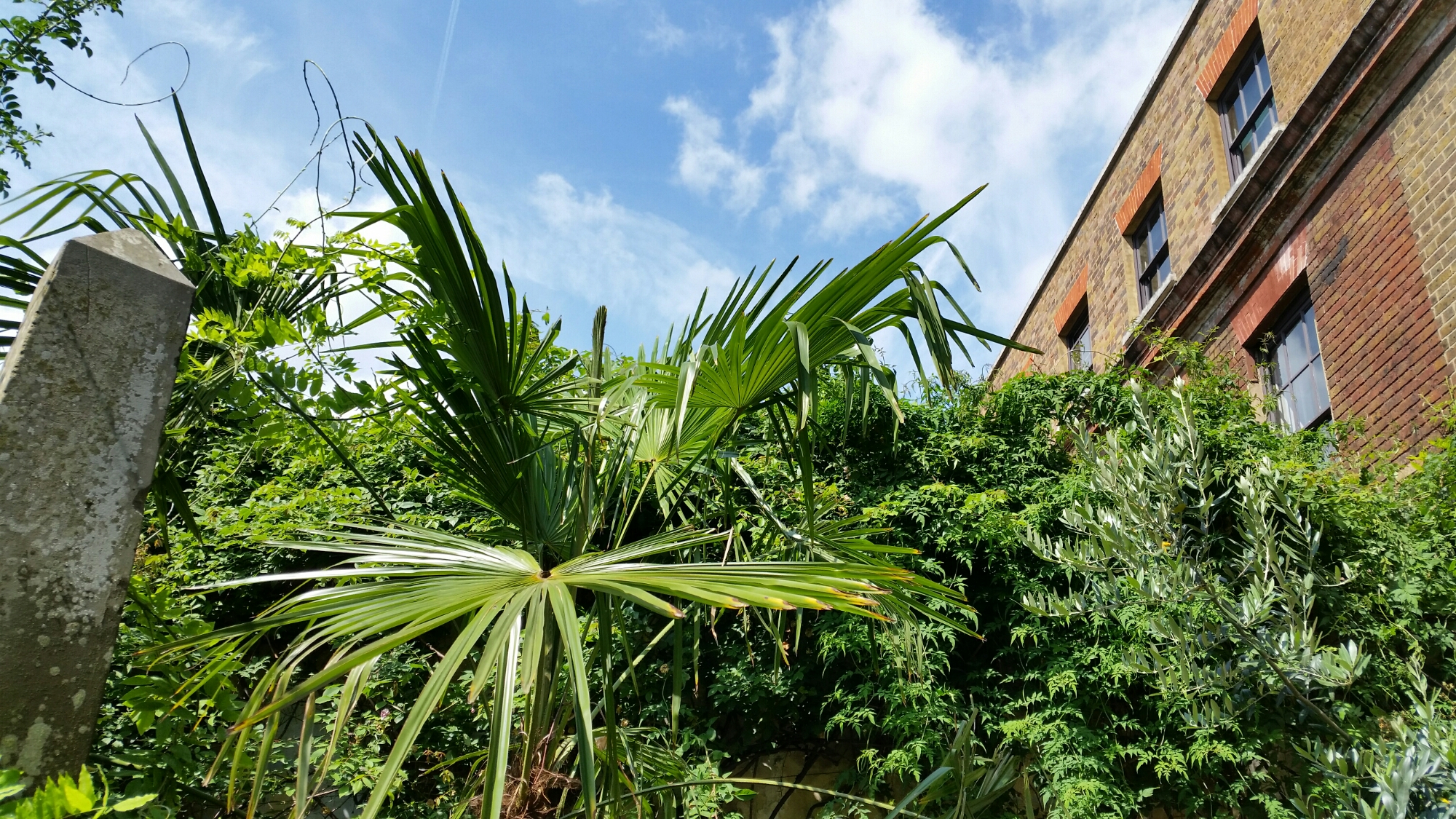
I was wandering past my neighbour’s garden and he kindly allowed me to take photographs of his jungle garden, complete with cenotaph, sub-tropical vegetation and the newly painted front door:-

image

image Continue reading

Standard

Stepney City Farm (1)

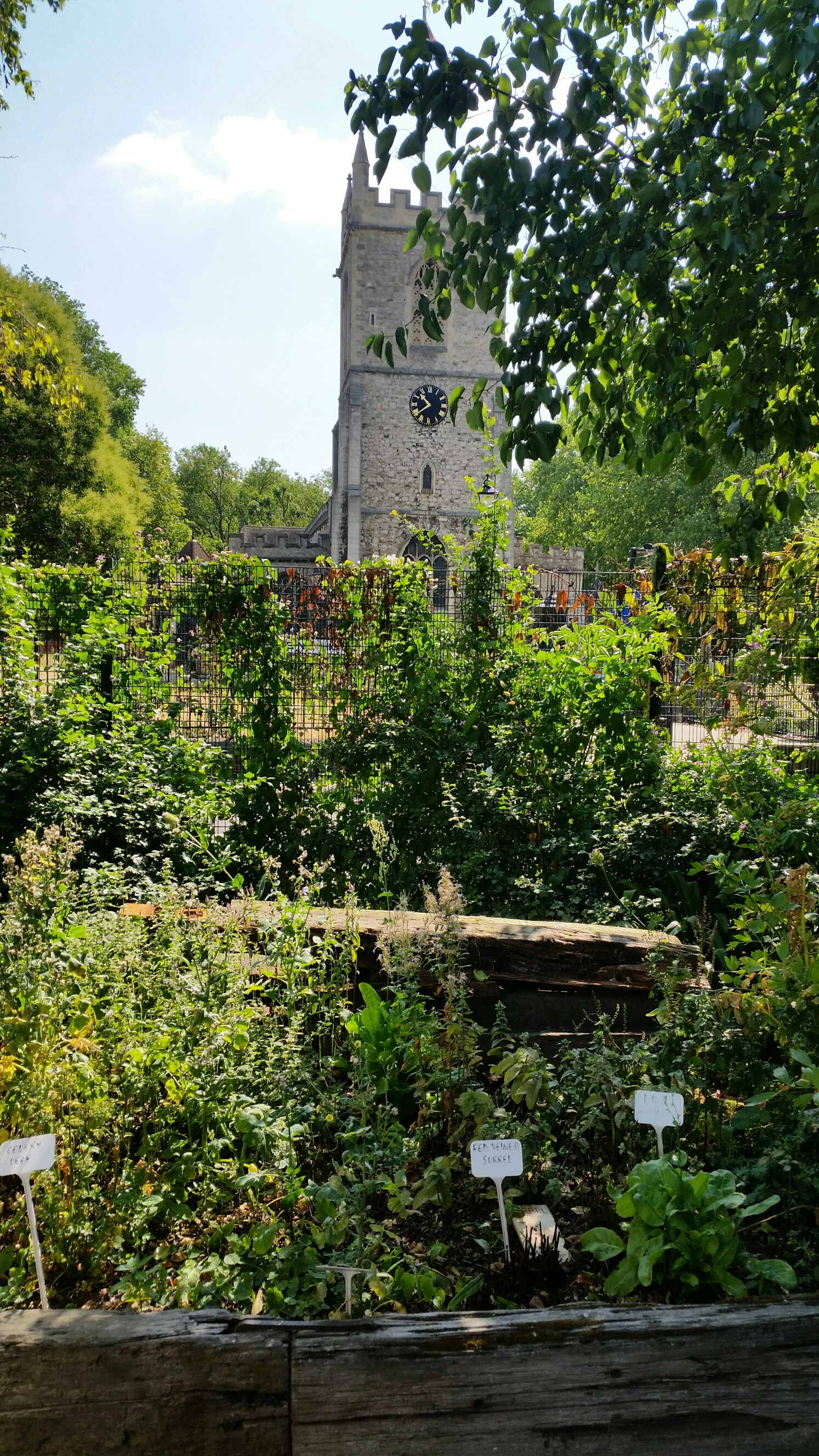
I don’t think I’ve done a post on Stepney City Farm.   Actually, I’m not sure that I’ve ever been to it properly, other than the Saturday Farmers’ Market, except maybe when the children were small to see the pigs.   It’s an unexpected piece of hippy rusticity next door to where they are doing the tunneling for Crossrail, with geese, donkeys and chickens wandering fairly freely amongst the lettuces:-

image

image Continue reading

Standard

St. John, Bethnal Green

A trip to the local polling station gave me a chance to document the church tower of St. John, Bethnal Green, designed by Sir John Soane in 1826 for the Commissioners of the 1818 Church Building Act at more or less the same time that he was designing St. Peter, Walworth and Holy Trinity, Marylebone.   It’s the standard model of Comissioners’ church:  a big, barn-like interior to maximise the number of pews;  ornament restricted to the church tower, which is characteristic of Soane with a small pepper pot, which was originally planned to be much higher:-

image

Standard

St. Thomas’s Burial Ground

In cutting through from St. John of Jerusalem to London Fields, I have several times been surprised by the survival of the burial ground behind the site of St. Thomas’s Chapel on Mare Street, where the Rev. W. Bates established a nonconformist chapel in 1672 on land owned by St. Thomas’s Hospital and where there is now a Greek Orthodox church:-

image

image Continue reading

Standard