The Black Friar

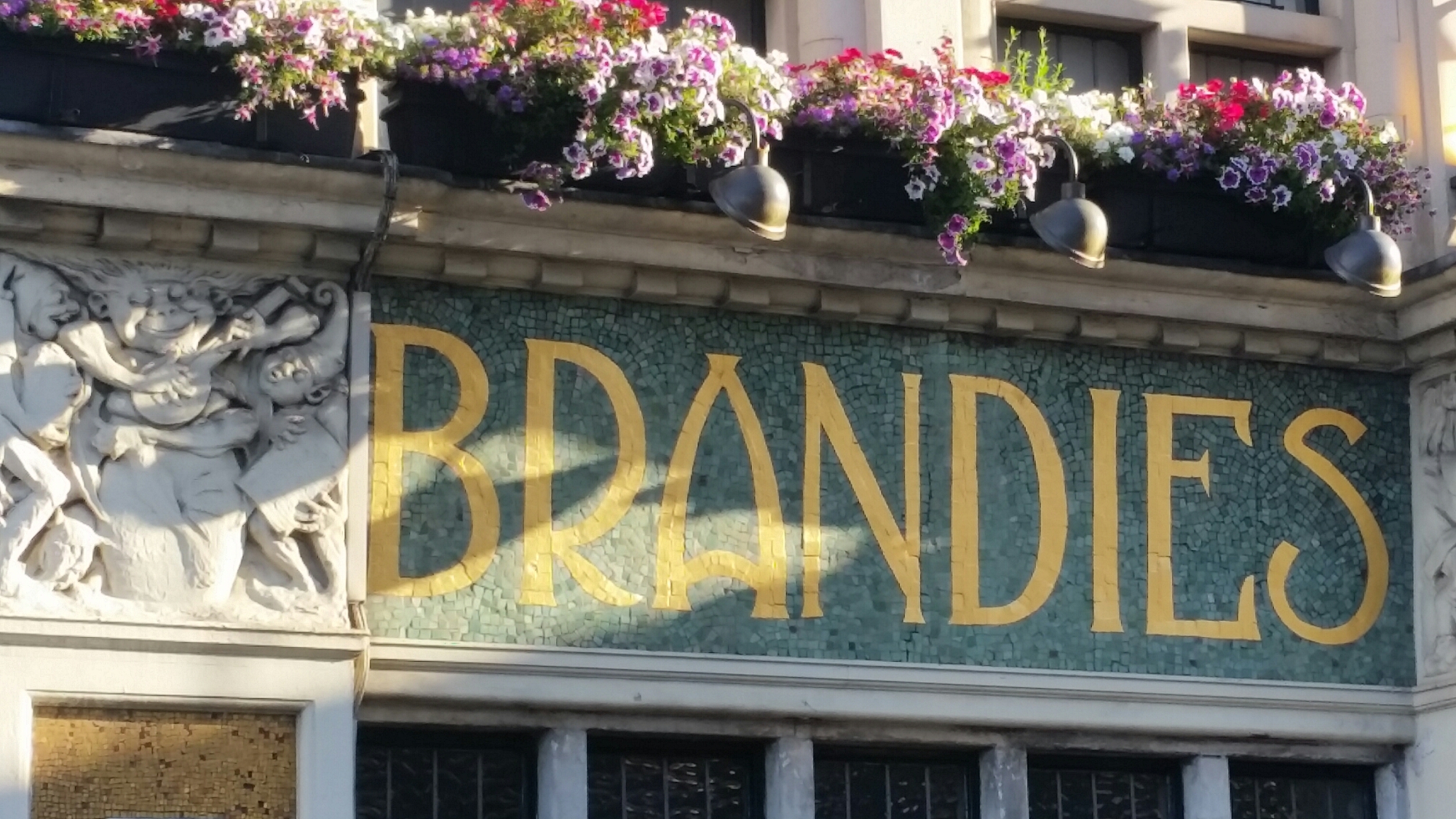
The nearest landmark to our new offices is The Black Friar, an astonishing, richly ornamented, still surviving Arts-and-Crafts pub, built in 1873, but magnificently revamped in 1905 with ample lettering and assorted signage outside and again restored in the 1980s by Jamie Troughton of Troughton McAslan:-

image

image Continue reading

Standard

Blackfriars

I am beginning to get used to working in Blackfriars, not Piccadilly.   It’s now mainly a railway station and pub, but it was once a Dominican monastery, founded in Shoe Lane in 1221 and given a bigger site by the river just outside the city walls in 1263.   It became extremely important, the seat of parliament and the repository of state records, until dissolved in 1538 when it was given to the Master of the Revels, which led in due course to the monks’ refectory being turned into a playhouse.   The theatre, which specialised in performances by boy actors (originally choirboys), was closed down in 1642.   Ben Jonson lived here and Van Dyck.   Now it’s just somewhere sandwiched between the City and Fleet Street.

Standard

Unilever House (2)

Today is Day 2 in our new offices in Unilever House.   Yesterday was a touch surreal, the moment of displacement when we all decamped from Piccadilly to the banks of the Thames.   At least it means that the building project is a reality as the contractors move in to Burlington Gardens.   Out of my window I see the Shard, tall and stately, outflanking Tate Modern.   I am told that on the ground floor I can buy cheap shampoo and on the top floor there is a garden (but we don’t have access).   This morning I explored the neighbourhood, which can be the subject of future blogs.

Standard

The Shell House

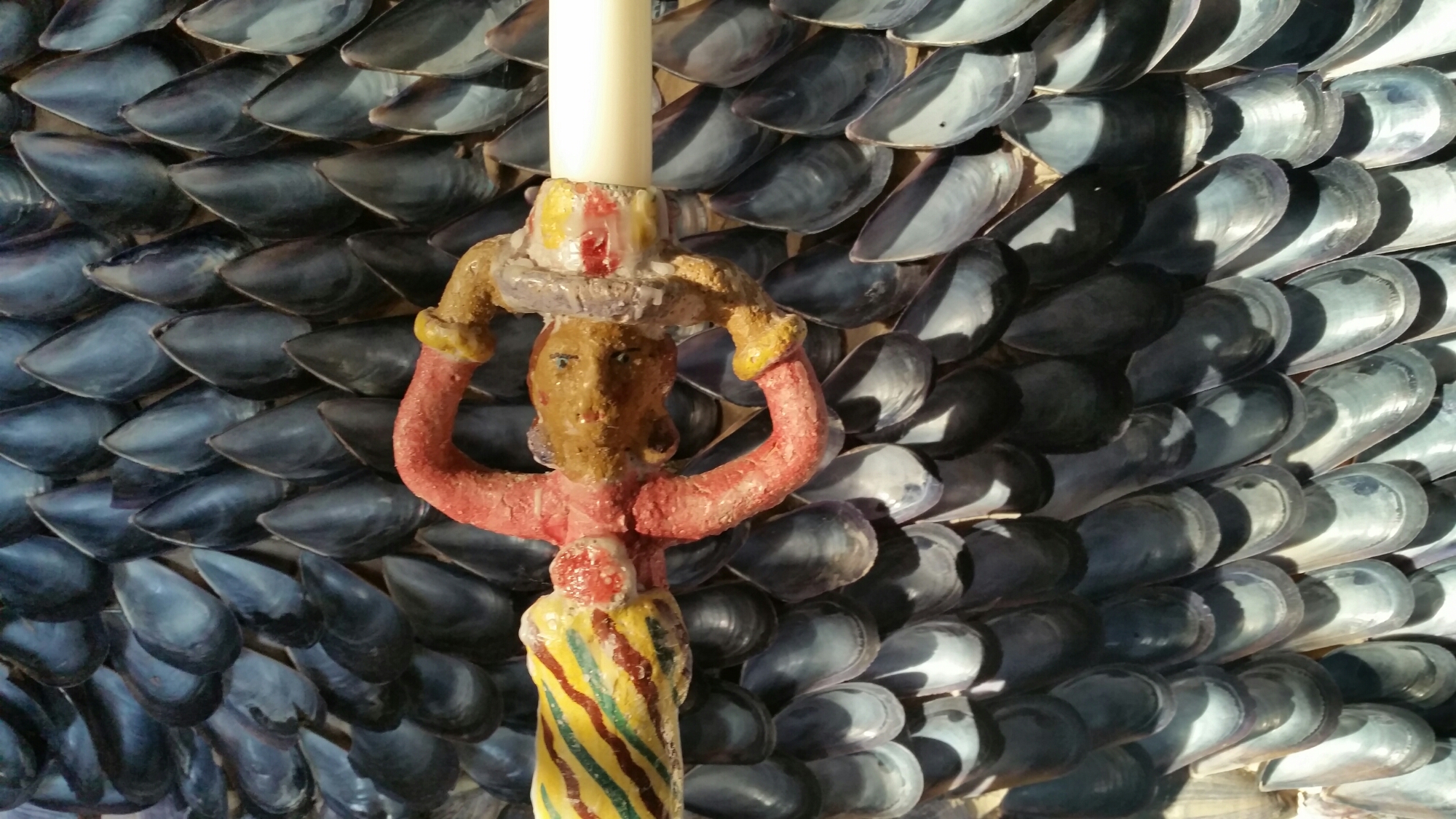
The last of my posts from rural Norfolk is of a Shell House which we saw last night in a garden looking out over fields, made in the last couple of years with mussels sent in boxes from Cornwall and set in patterns:-

image

image Continue reading

Standard

Binham Priory

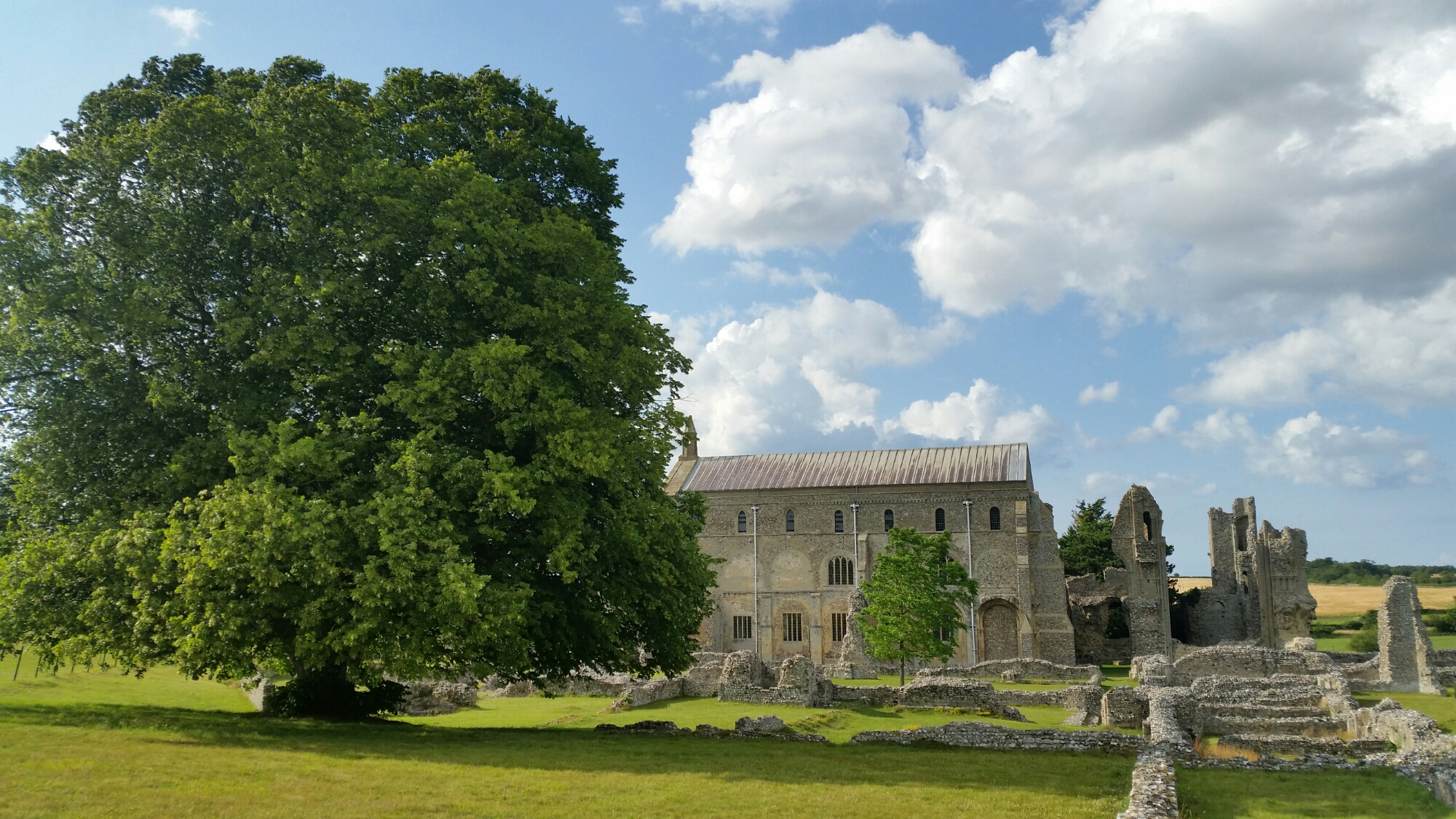
We were bumbling along the byways of north Norfolk when we came across Binham Priory in a field on the edge of the village, built in the time of Prior Richard de Parco between 1226 and 1244, looking much as it does in early nineteenth-century engravings:-

image

image Continue reading

Standard

Old Town Holt

No trip to Holt would be complete without calling in on Old Town in Bull Street to see Marie and any developments in the shop.   It was all very ship-shape, as ever, and I just had time to record it before Marie went off to the catch the last post:-

image

image Continue reading

Standard

Cold Press

Last time we were in Holt we discovered Cold Press, the nicest imaginable small gallery in a house in Albert Street which was previously a Methodist Chapel.   It shows the work of Japanese craftsman artists, including Takahashi Kougei whose wooden beakers we bought last time:-

image

image Continue reading

Standard

Houghton (1)

We called in at Houghton for lunch and to see the James Turrell exhibition, which is more extensive than any Turrells I have seen before.   The park was surprisingly empty as compared to two years ago for the Walpole exhibition, beautifully looked after, and still with the avenues laid out by Charles Bridgeman in the late 1720s.

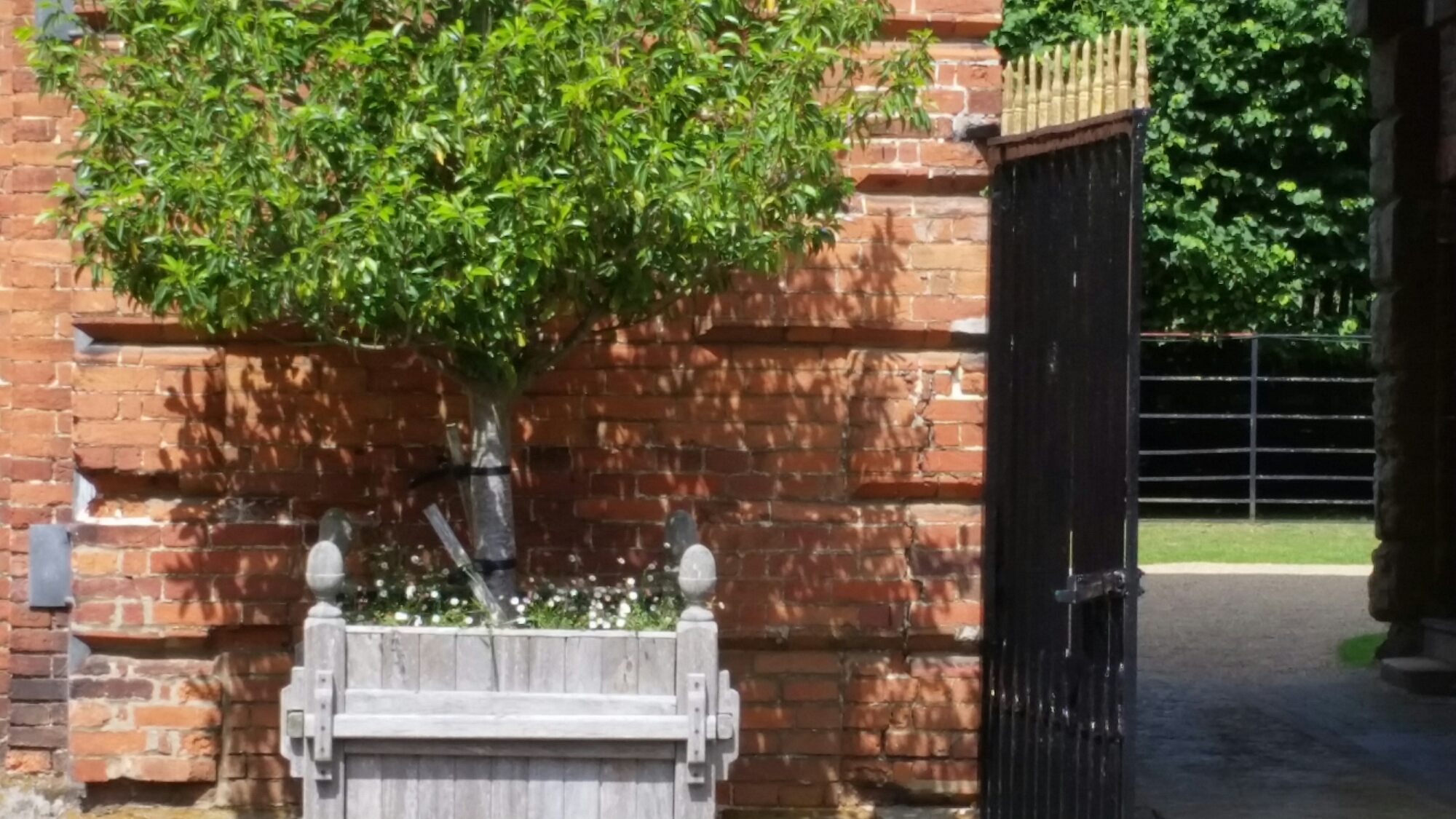
These are the stables:-

image

image Continue reading

Standard

Creake Abbey

We started our Norfolk tour at Creake Abbey, originally St. Mary of the Meadows, an Augustinian priory founded in 1227 by Sir Robert de Nerford.   There was a fire in 1484 and the Abbey was dissolved after a plague in 1506, but it has reasonably well-preserved monastic remains:-

image

image Continue reading

Standard