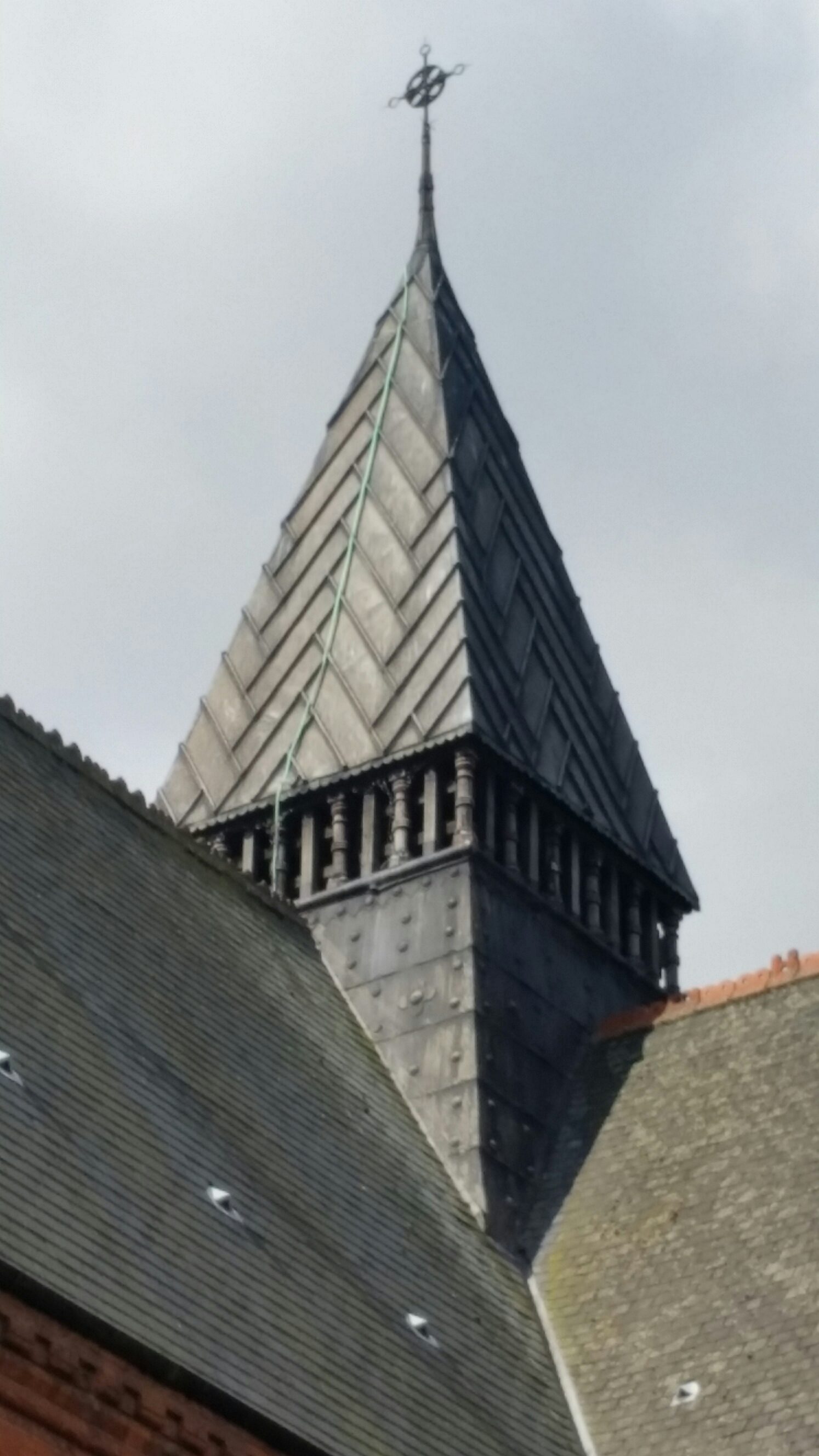
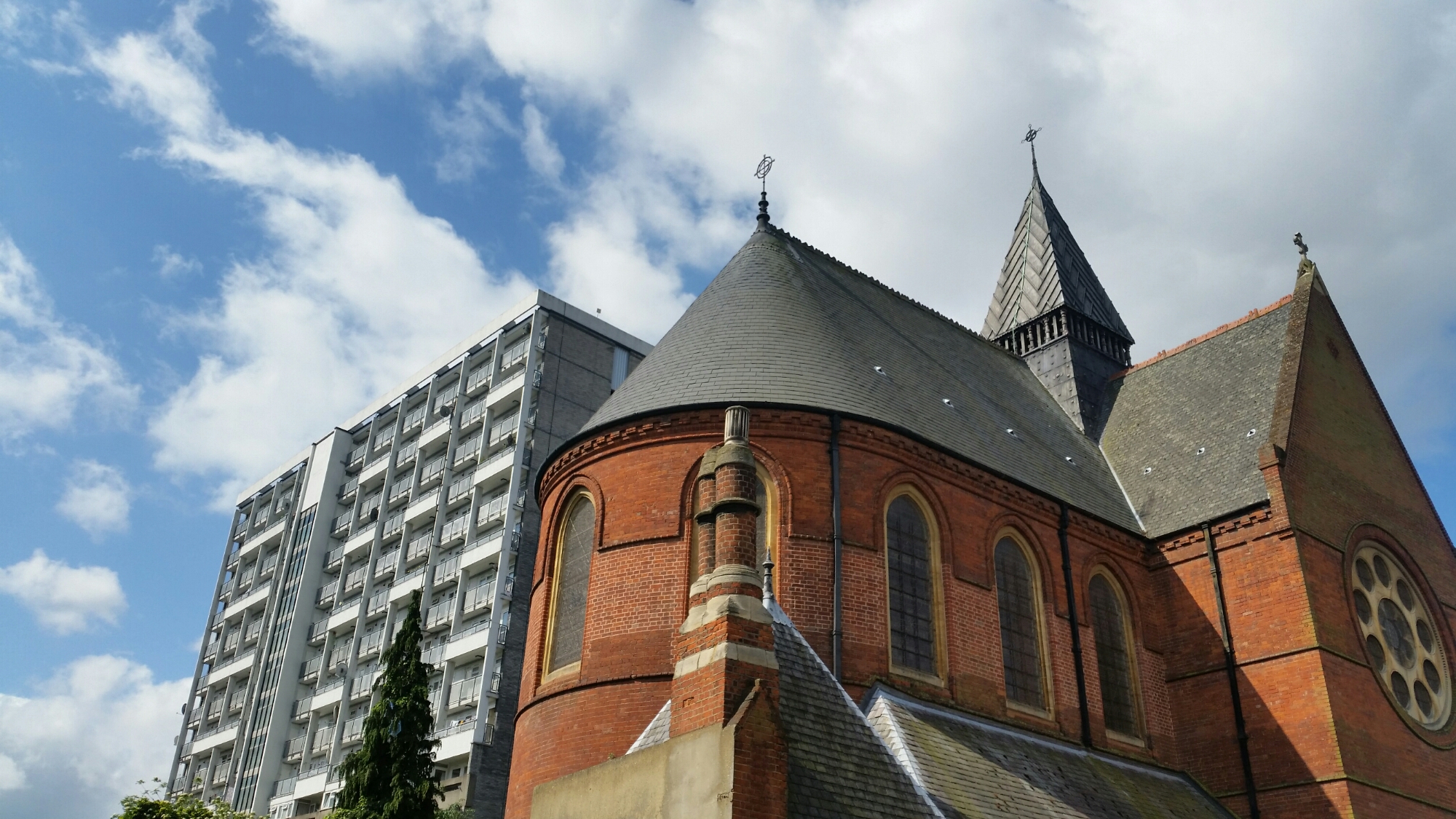
I failed to post photographs of St. Chad’s, a large barn-like church designed by James Brooks on a street just behind Haggerston School. Brooks became a student in the Royal Academy Schools, and set up in practice as an architect in Bloomsbury Square. In 1862, he moved to a house he designed for himself in Clissold Crescent in Stoke Newington. Commissions for east end churches, including St. Chad’s, came from fellow parishioners at St. Matthias’s, Stoke Newington who established the Haggerston Church Scheme. St. Chad’s is a good example of Brooks’s austere and muscular red brick Gothic, entirely appropriate to bring Anglo-Catholicism to Haggerston:-
Tag Archives: England
War Art
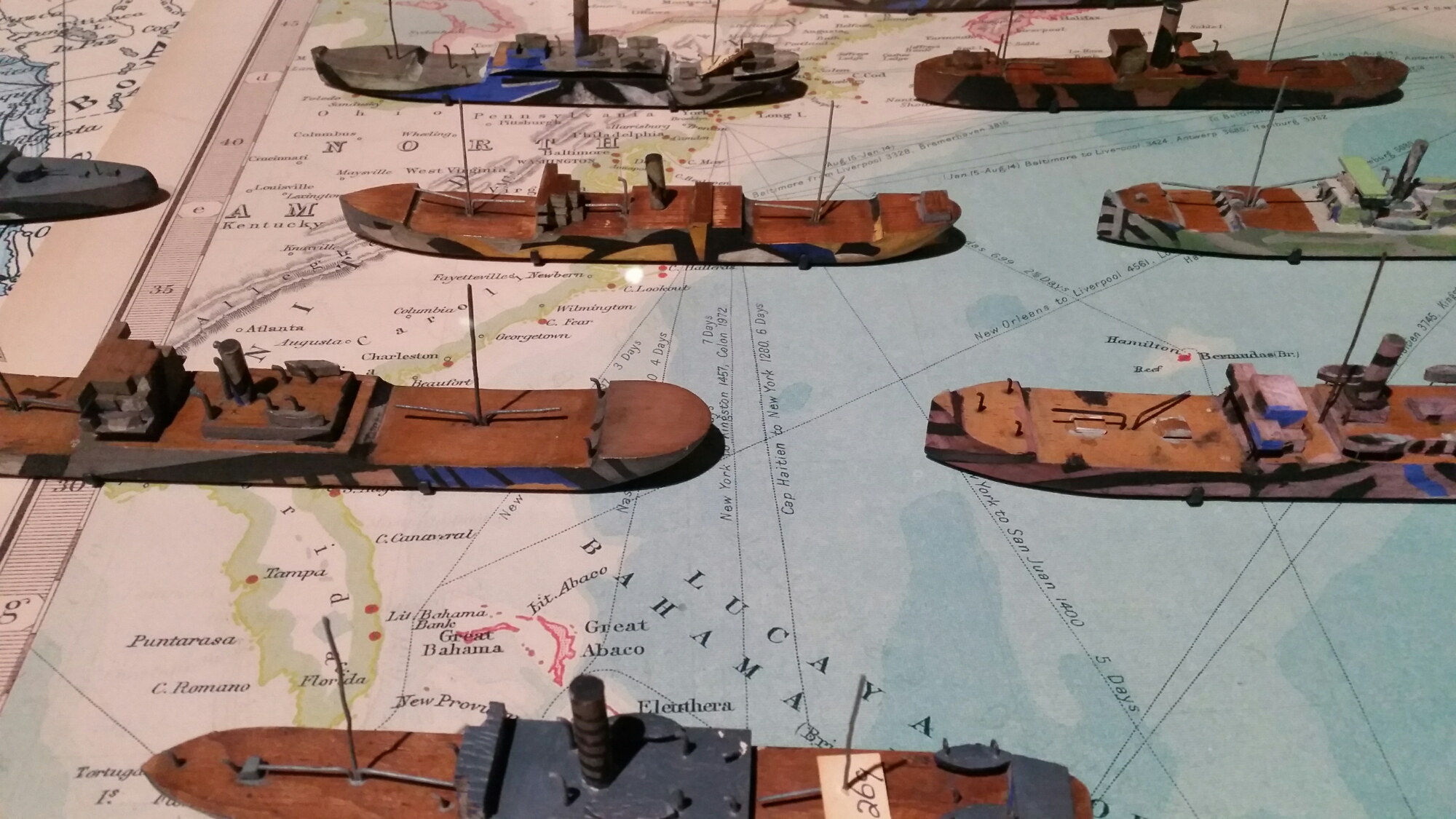
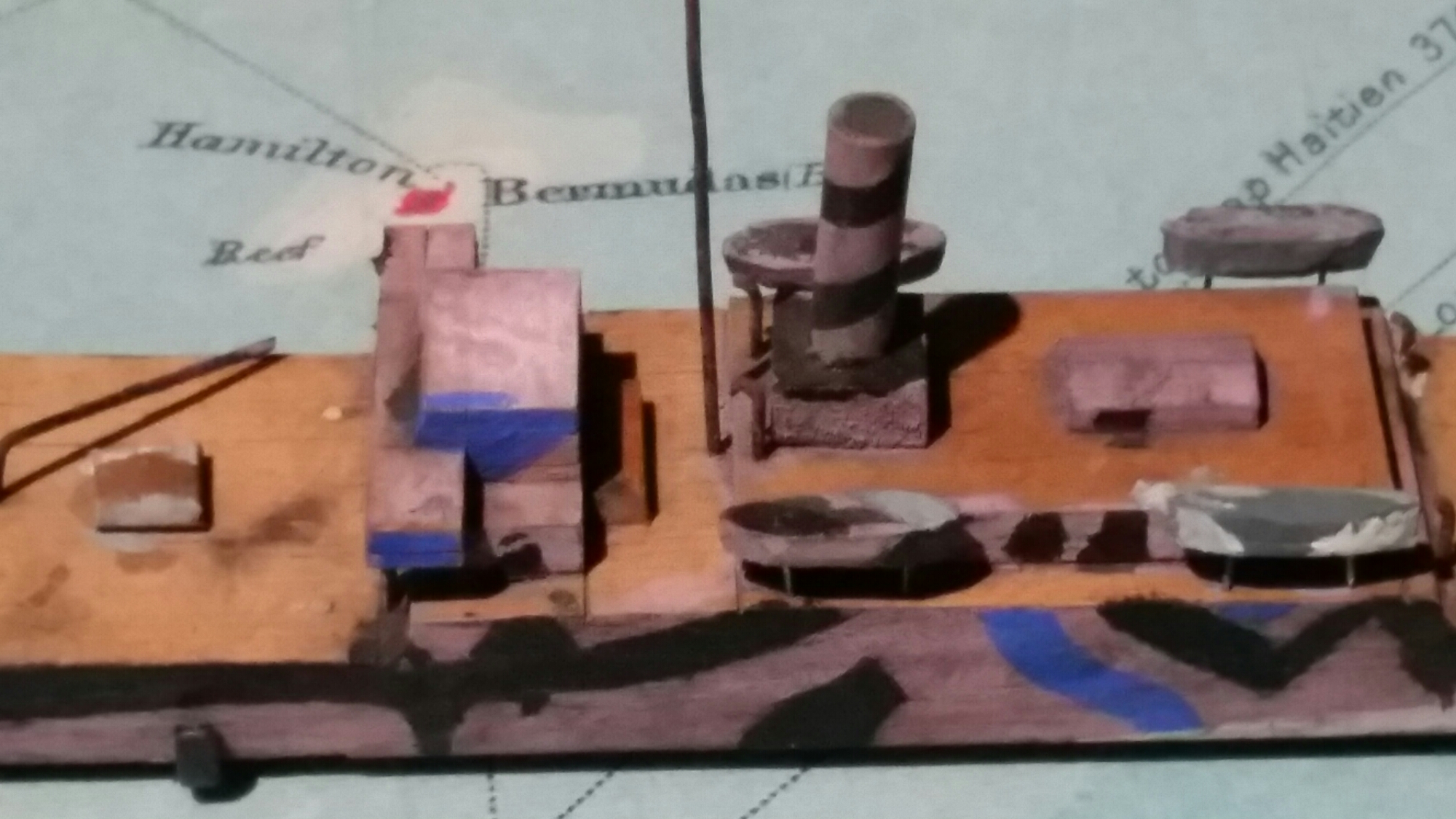
We went to a preview of a television film that Margy Kinmonth has made with Eddie Redmayne on the impact of the first world war on art. He comes across incredibly well – knowledgeable and unself-important, with an interest in the subject based on reading art history at Cambridge. The Royal Academy appears because of the memorial outside to the Artists’ Rifle Brigade and because the female students in the RA Schools were employed to paint the dazzle camouflage on the ships employing the pictorial devices of cubism. We were so inspired by the number of pictures shown in the storerooms of the Imperial War Museum – works by Nevinson, Bomberg, Sargent and both Nashes – that we set off to see them.
We found the dazzle boats which were apparently found in a store in Duxford:-
Haggerston
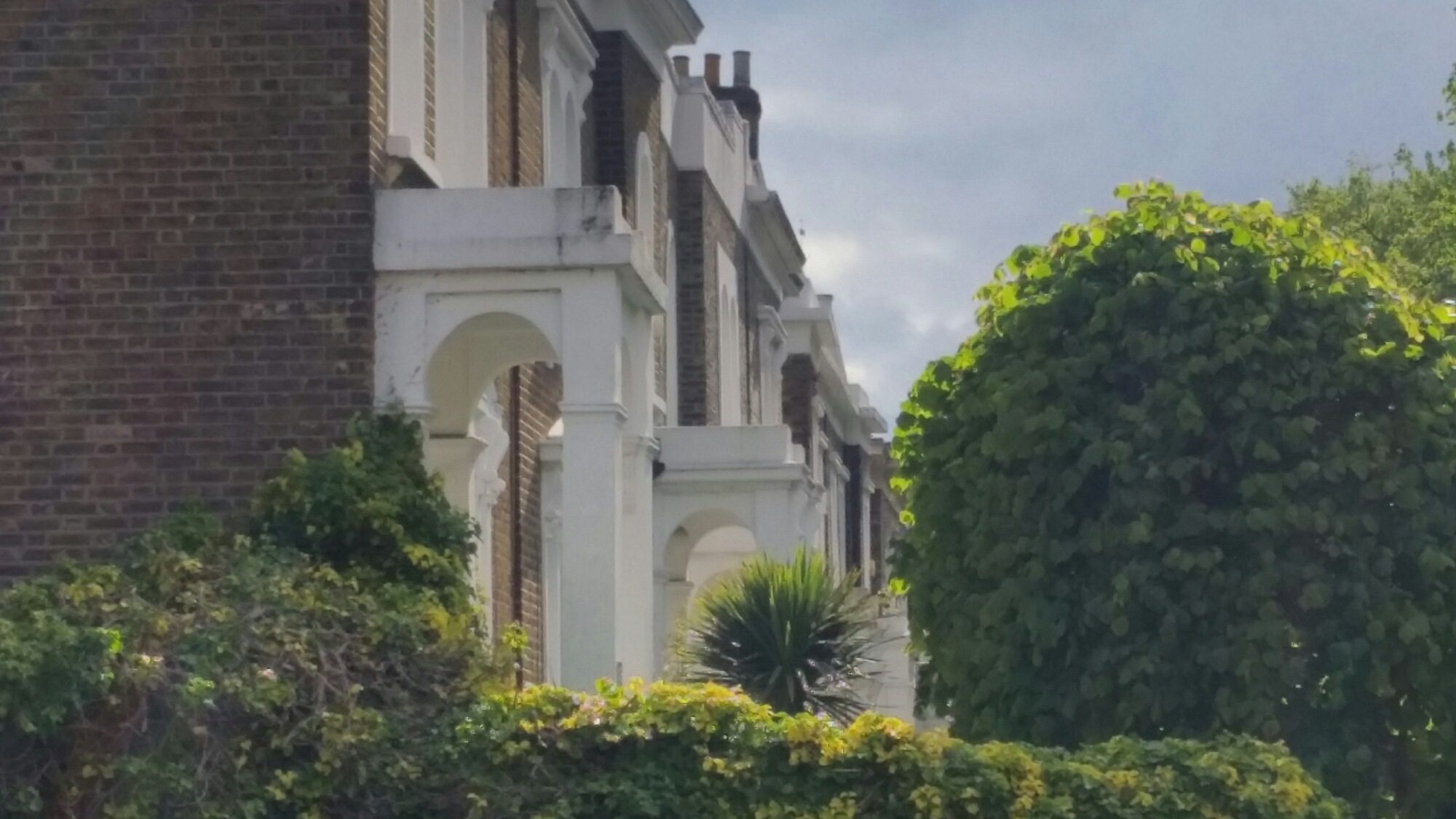
Our trip to Cambridge was cancelled, so I spent the morning trying to make sense of Haggerston instead. I had never been to Albion Square, laid out in the 1840s by Islip Odell, a brick-maker, and was surprised and impressed by its stateliness, its sense of municipal improvement, with drinking fountains and public gardens:-
A House in Norfolk
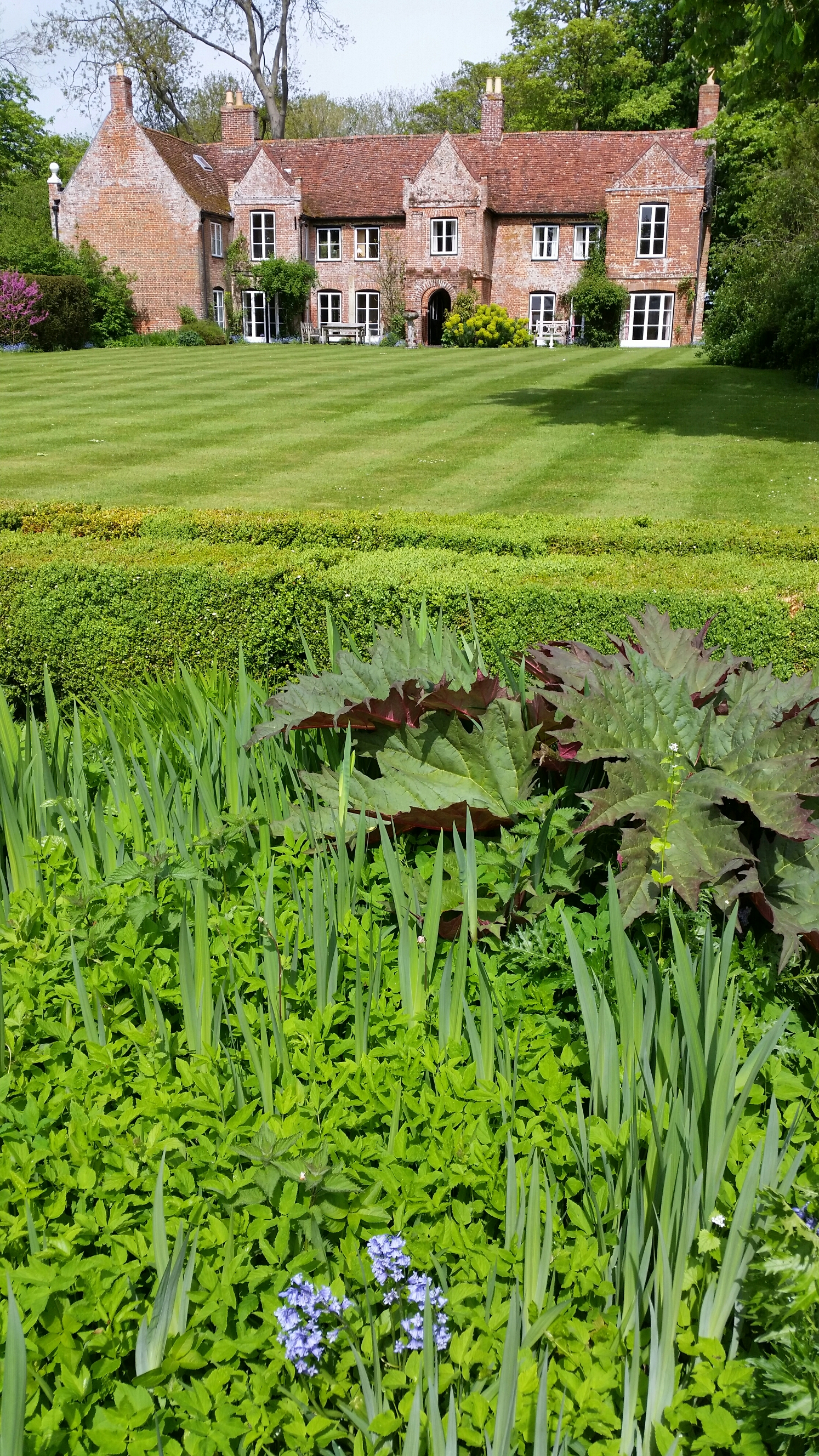
I’m not sure that I want to say where we had lunch because it feels like an invasion of privacy: only to say that it’s very nice to be able to visit an unrestored Tudor house, one room deep, with exemplary brick pilasters and remote from the twentieth century apart from the distant noise of the dual carriageway:-
UEA
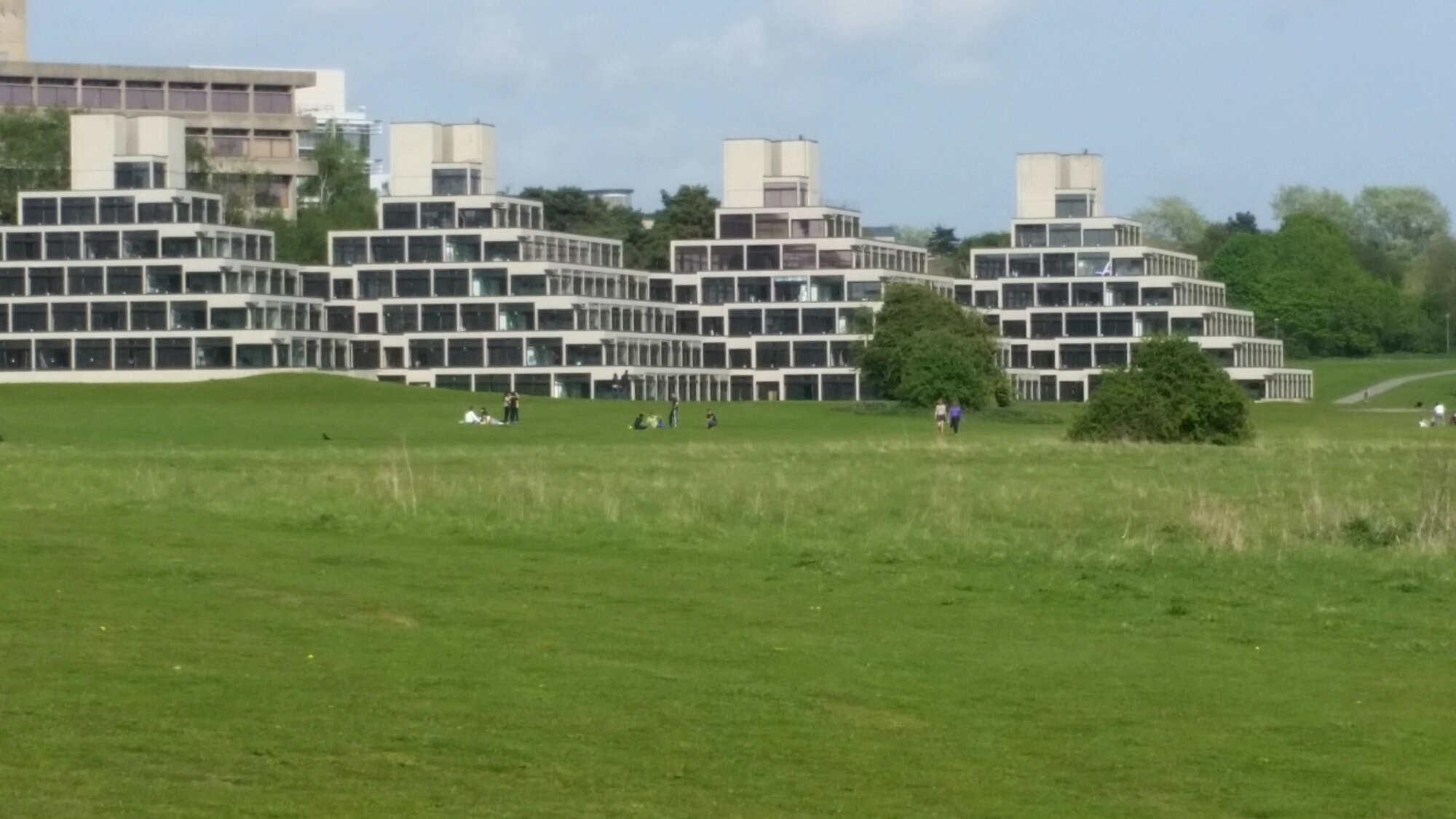
I love the campus at UEA with Denys Lasdun’s strange space age ziggurats rising out of the parkland and Norman Foster’s Sainsbury Centre still astonishingly modern in the way that it combines large-scale, semi-industrial space with the intimacy of examining small-scale objects from different visual cultures arranged informally in vitrines across the floor plane:-
Francis Bacon and the Masters
We went on a quick day trip to the Sainsbury Centre to see the exhibition Francis Bacon and the Masters: a wonderful exhibition not just because it helps to demonstrate Bacon’s astonishing visual eclecticism. It’s a completely convincing demonstration of the way his imagination fed on imagery of past art, not only Velázquez, but Titian and Van Gogh and Soutine and Hellenistic sculpture, never copying, but always adapting pose and composition. It’s also a wonderful exhibition for the wealth and range of work lent by the Hermitage, which Bacon never actually visited, but which is able to supply examples of every sort of art that Bacon might have devoured.
The Grafton Galleries
We went to the exhibition Inventing Impressionism at the National Gallery last night. I hadn’t realised how key to a knowledge of Impressionism in London was the comprehensive exhibition held by Paul Durand-Ruel and Sons in the Grafton Galleries in 1905, when Roger Fry became an advisor; nor how large and spacious the Grafton Galleries were, with top-lit exhibition galleries as grand as the galleries at the Royal Academy. Originally in Grafton Street, it is said to have moved to Bond Street, although there is a picture of its grand premises, described as being in Bond Street, in Building News on 6 May 1892 and it is still listed as being in Grafton Street in 1899. It held miscellaneous exhibitions, including Manet and the Post-Impressionists in 1910.
COLLECT
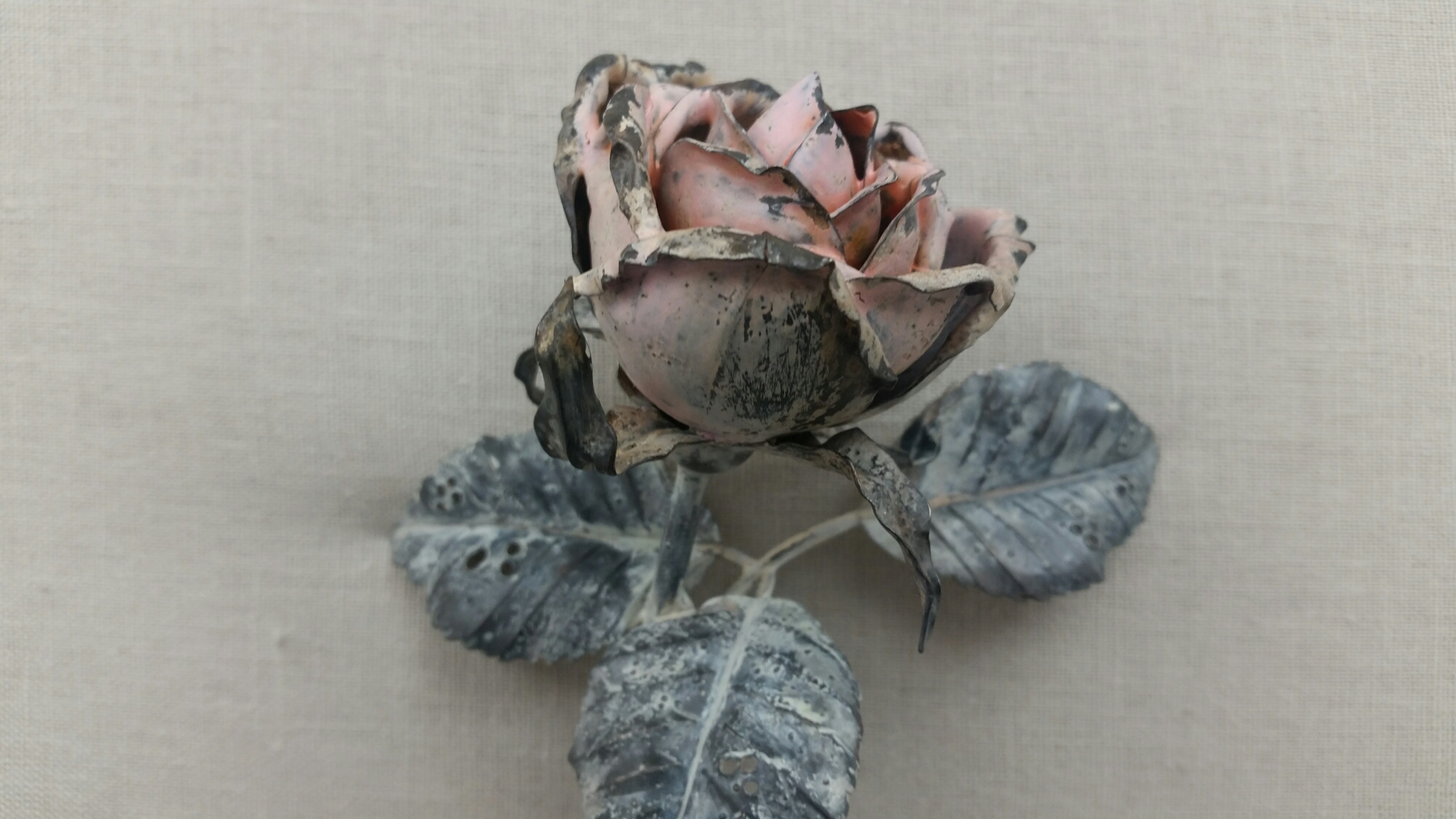
We went to COLLECT at the Saatchi Gallery, as we do every year. I have spent the week puzzling about where the boundary lies between the Crafts and Luxury Goods. It’s true the demarcation lines are being blurred as the Crafts go upmarket, are more expensive, are used for purposes of display, and lose the puritan and utilitarian tradition. It’s probably because there are high charges to exhibit, but I miss a gallery like Cold Press in Holt, which would introduce a touch of desirable austerity. We liked the work of a Japanese jeweller called Kimiaki Kageyama, represented by SO Gallery in Brick Lane:-
Colnaghi’s
I was asked by a friend where he could best see, and possibly buy, Old Master drawings. I thought the best place would be Colnaghi’s, one of the oldest established dealers. I hadn’t realised that it goes back to 1760, when Giovanni Battista Torre opened a shop in Paris which sold books and prints alongside barometers and fireworks. His son Anthony opened a print shop in London in 1767, just before the Royal Academy was founded. It was acquired by Paul Colnaghi in 1788. Originally based at 132, Pall Mall (in the eighteenth century the art trade was based round Waterloo Place and only moved north of Piccadilly when the RA opened in 1868), Colnaghi moved to Cockspur Street in 1799, where he held three o’clock levées for the world of fashion. In 1911, the firm moved to 144/6 New Bond Street when Otto Gutekunst was making a fortune, working with Berenson in supplying paintings to the great American collectors. They are still in Bond Street, but now upstairs.
Garrick Club
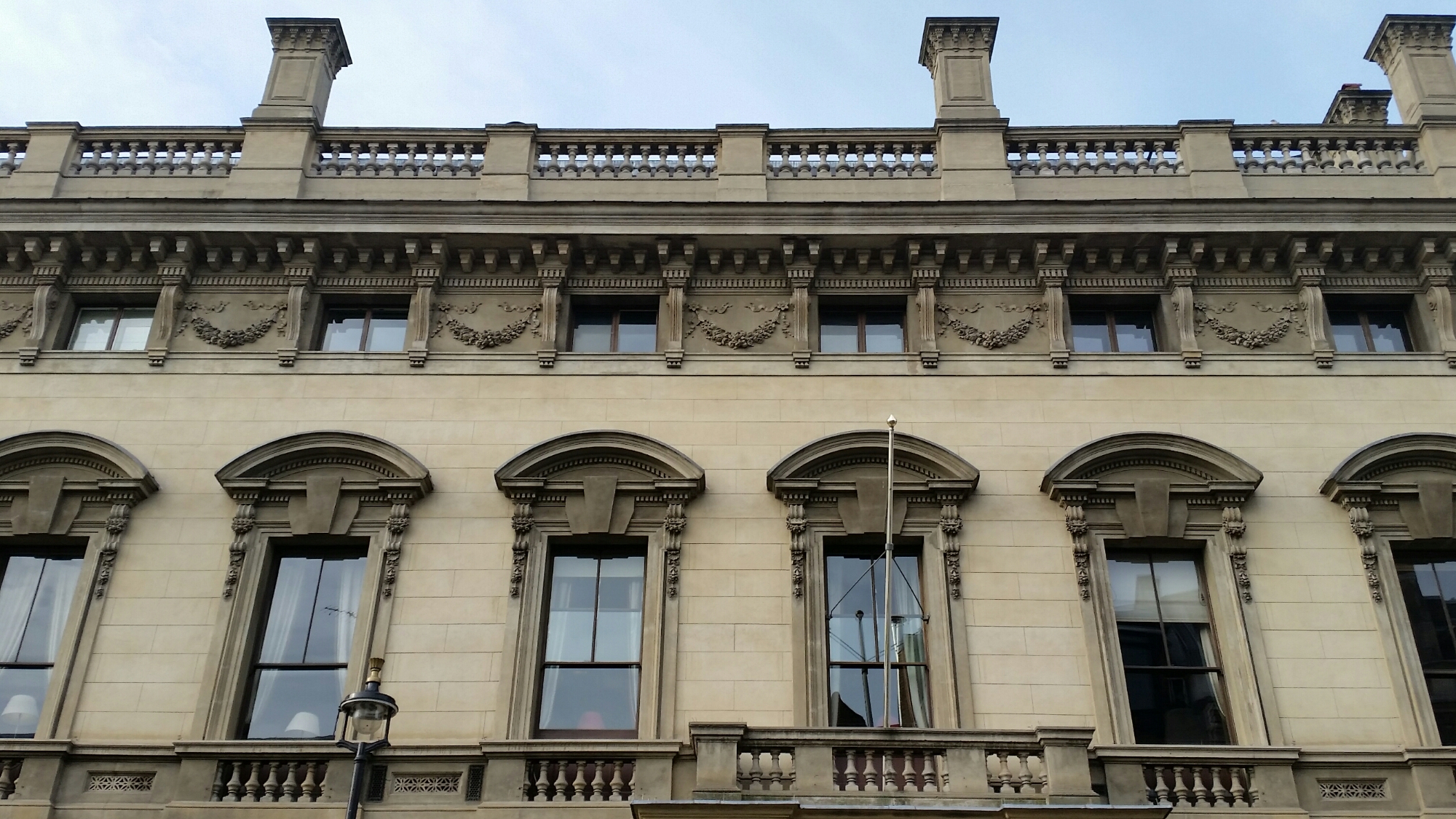
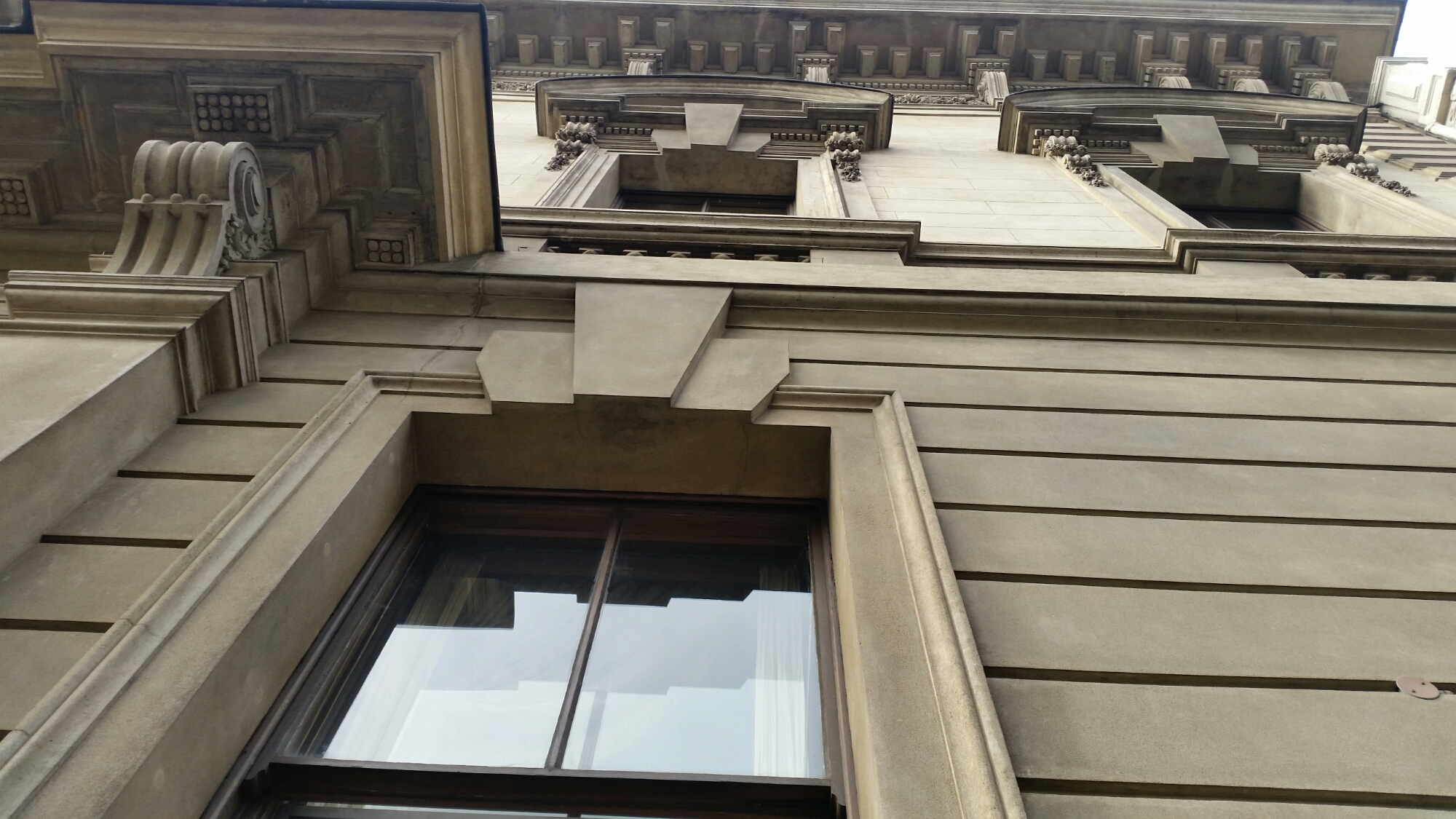
I was walking past the Garrick Club last week and stopped to admire the grandeur of its façade, now that it is no longer covered in soot and grime. It was no wonder that I could not identify its architect, a man named Frederick Marrable, a pupil of Blore. He was architect of the Metropolitan Board of Works, responsible for settling claims, laying out Burdett Road and the design of Holborn Viaduct. The Garrick is a more than halfway decent piece of Clubland classicism, with its high entrance, its dining room remote from the street and surprisingly good stone detailing:-


You must be logged in to post a comment.