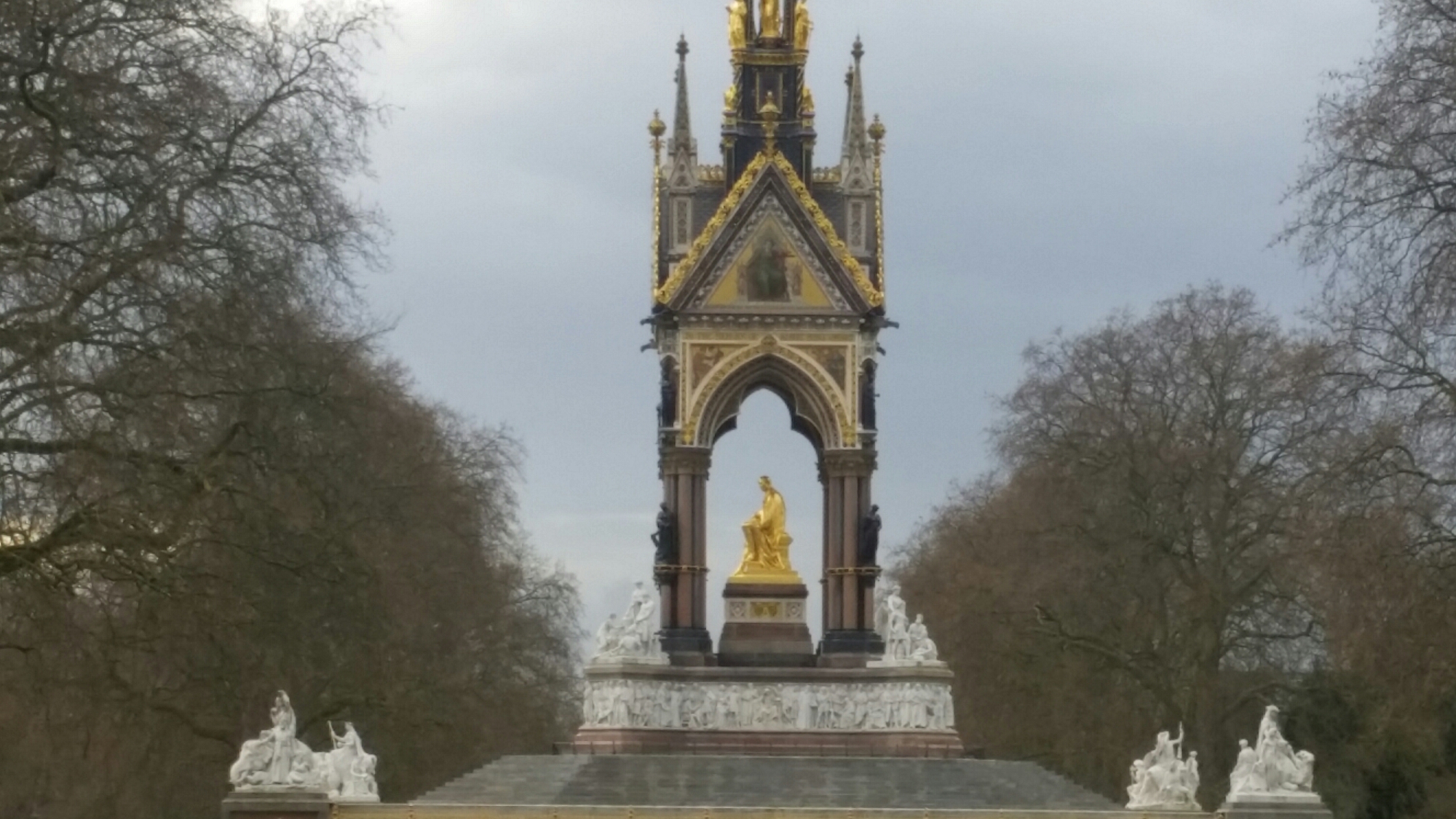
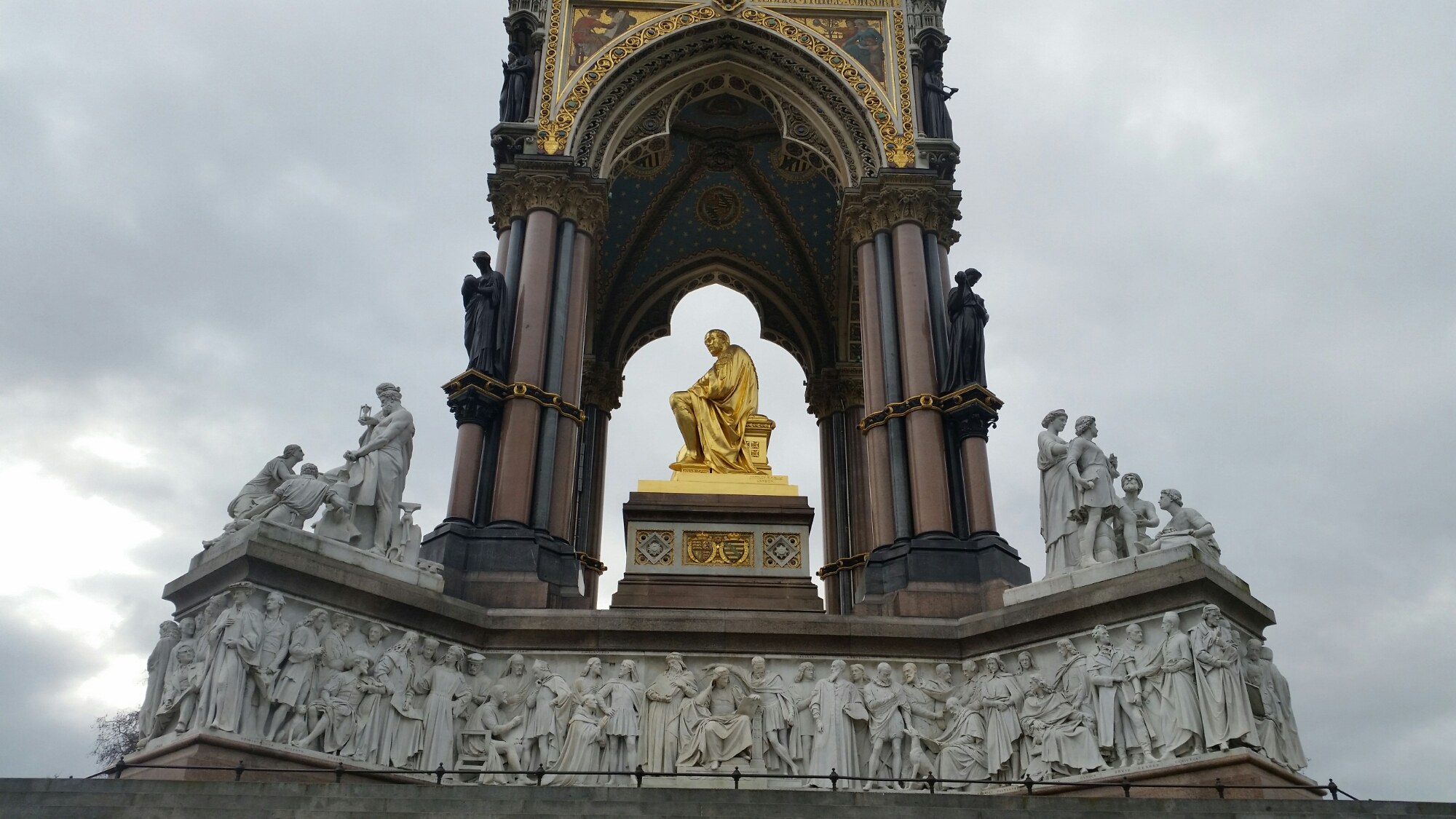
The Albert Memorial

I know that I’m not the first person to admire the Albert Memorial, but finding myself seeing it for the first time in a long while (it’s not my part of town), I couldn’t help but be impressed by its Victorian imperial pomp, solid and confident and gilt, thanks to Jocelyn Stevens, at the end of the grass sward.   I went up to it to pay my respects before a meeting at the Serpentine.   Odd to think how much it was hated and reviled:-

image

image Continue reading

Standard

Quadrant 3

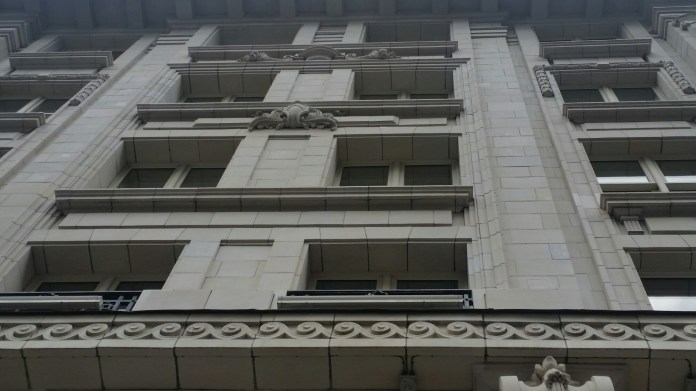
I went to the launch of a book about Quadrant 3, the unglamorous name for the conversion of the old Regent Palace Hotel by Crown Estate.   Many people may not register its scale and significance precisely because it is a combination of new and old, mixed use, combining shops like Whole Foods, Ugg Rapha and the Department of Coffee and Social Affairs at ground floor level (no more Jack Spade) with Zedel down below and offices above.   Jeremy Dixon, who was the architect for the project, gave a characteristically generous speech in which he praised the huge range of planners, consultants and builders who were involved, but I sometimes feel that he and his partner, Ed Jones, do not get enough credit for their very sophisticated approach to urban design, sensitive to history and context, but also capable of transforming the experience of a neighbourhood, as they did at Covent Garden.  No more ‘blood on the needles and steam on the urine’ as Graham Morrison is reported to have said.

image

image

Standard

55 Broadway

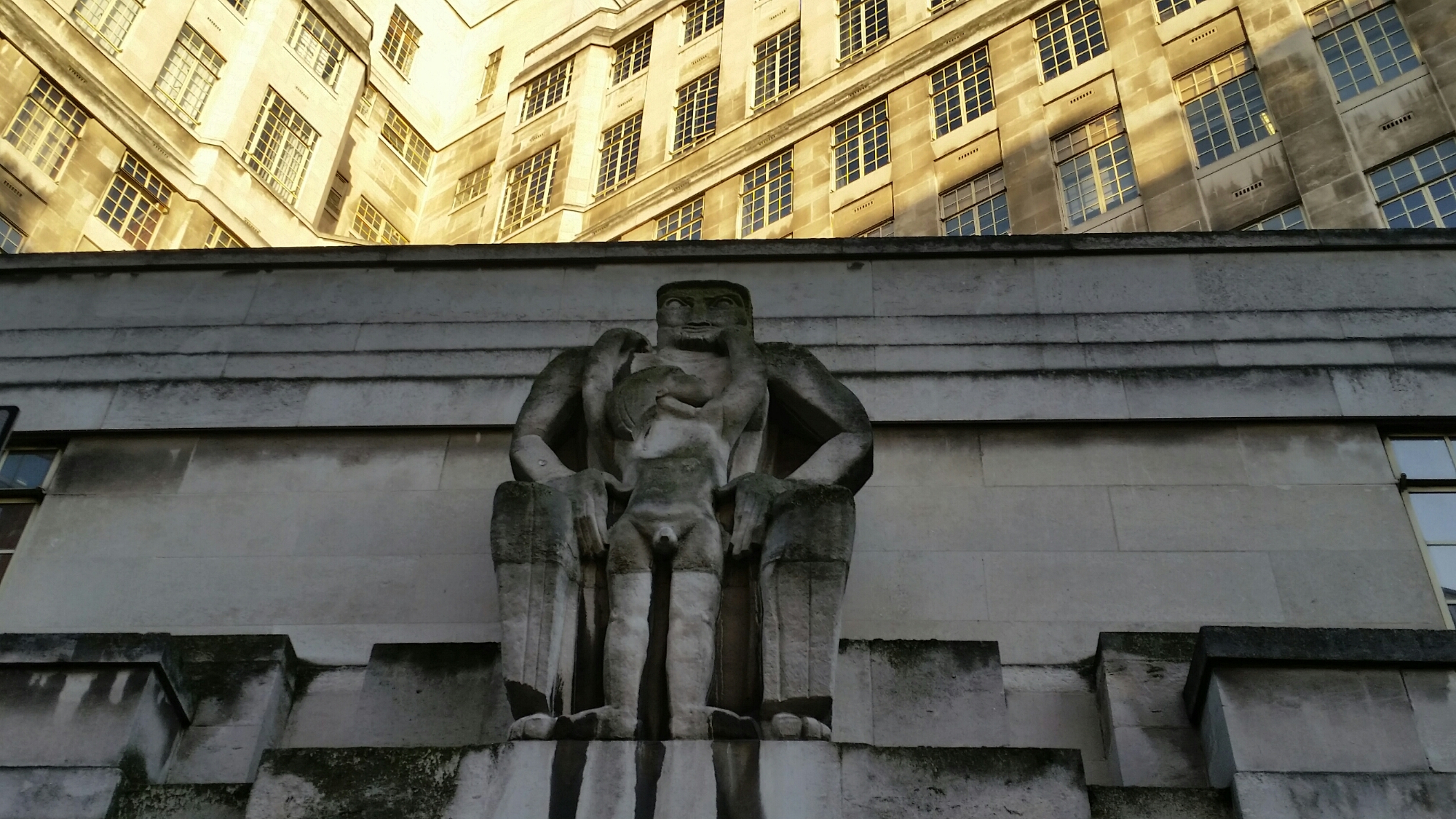
I was slightly shocked to discover that planning permission has been sought to turn 55, Broadway, the monumental headquarters of London Transport, into luxury flats.   For nearly a century, it has been the great temple of the Underground Electric Railways Company of London, designed by Charles Holden in the late 1920s, overseen by Frank Pick, and embellished with sculptures by Jacob Epstein which led to such an outcry that the size of the boy’s penis in Day was reduced (Pick offered to resign):-

image

This is Day:-

image Continue reading

Standard

Justice

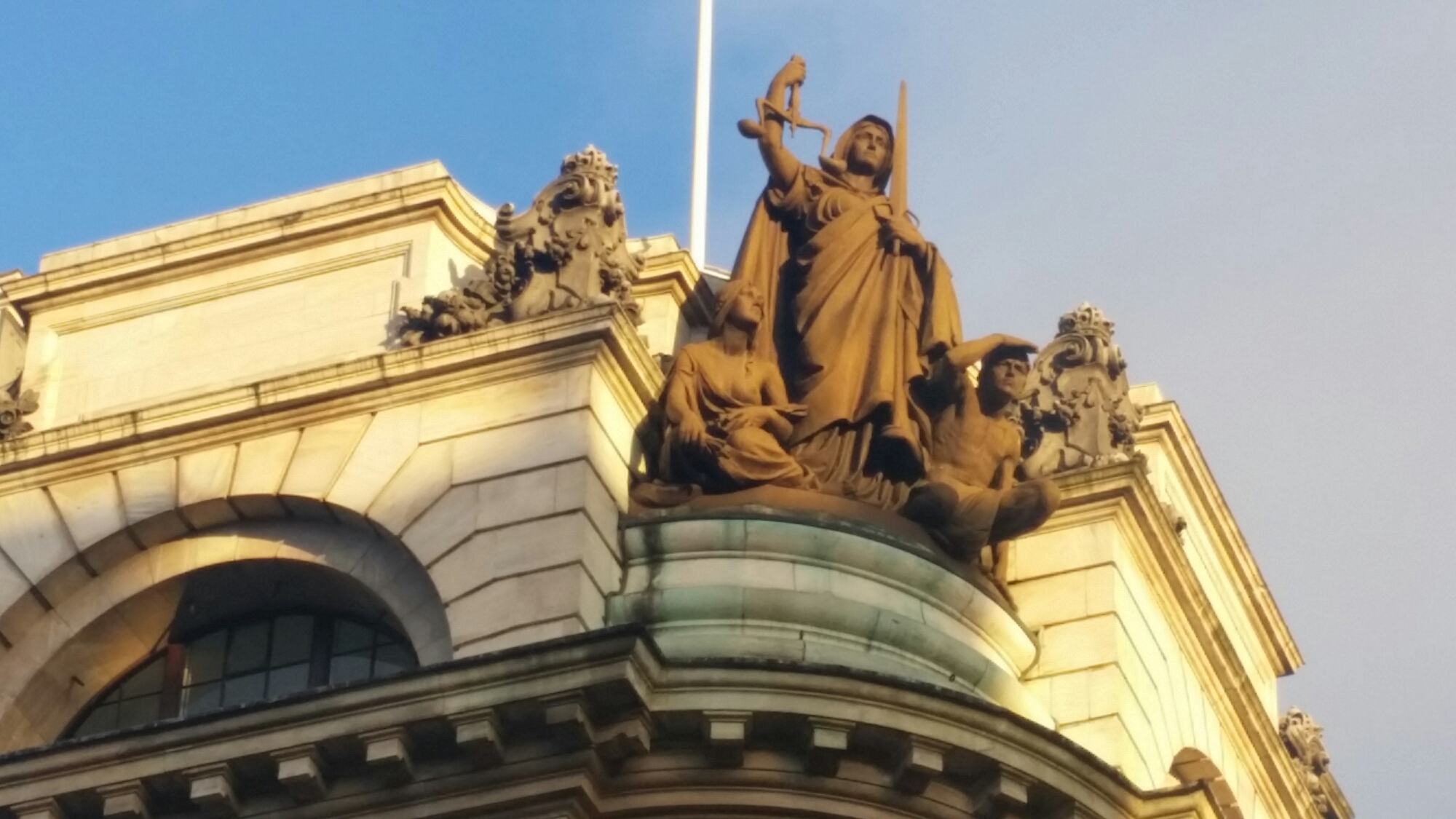
I have often wondered about the metallic figure of Justice which glowers over the building at the top end of St. James’s Street where it meets Piccadilly.   The building was originally designed in 1909 as the headquarters of the Norwich Union Life Insurance Society by Ernest Augustus Runtz and  George McLean Ford, architects who had previously worked with Norman Shaw on the design of the Gaiety Theatre.   Justice was the work of Hibbert Binney and is oddly butch.   She stands over a man and woman who symbolize foresight and prudence, appropriate emblems of the life insurance business:-

image

Standard

Summer Exhibition 1976

On Friday night we watched a film which was made by Jenny Barraclough about the Summer Exhibition made for the BBC in 1976.   Many aspects of the exhibition remain the same:  the way that television loves to track the hopes and aspirations of the unknown entrant, the policeman who claims his work was bought by the Queen, the cartographer who gets his work accepted, the lonely old lady who doesn’t, the man in a camper van who can’t find his way to the back entrance;  the role of the President is the same and of the committee;  but some things are surprisingly different, most especially how truly terrible a lot of the work looks, and how much less veneered people are on television, more hippyish, less self-aware, so many with untrimmed beards.

Standard

Sculpture Victorious

I missed the excoriating reviews of Tate Britain’s exhibition of Victorian sculpture.   I don’t understand why it should have attracted such odium apart from a general vendetta against Tate Britain and a high-minded aversion to an art form which was genuinely popular.   It seemed to me to be a perfectly coherent and well displayed attempt to get a modern audience to engage with the different varieties of Victorian scupture in all its aspects – medievalising, classical, reproductive and commemorative – and including the work of many now forgotten, but rather wonderful sculptors – John Gibson, Henry Armstead, Mary Fraser Tytler (who married Watts) and George Frampton – most of whom, I note, were trained in the Royal Academy Schools.

Standard

Mast Brothers

A few weeks ago I was sent some very delicious chocolate bars from Williamsburg in New York.   I have now discovered that their makers, Mast Brothers, have opened a gigantic chocolate emporium on Redchurch Street, where it is possible to buy not only their chocolate bars (at a price), but also see the great vats of boiling chocolate:-

image

image

Standard

Shoreditch Town Hall

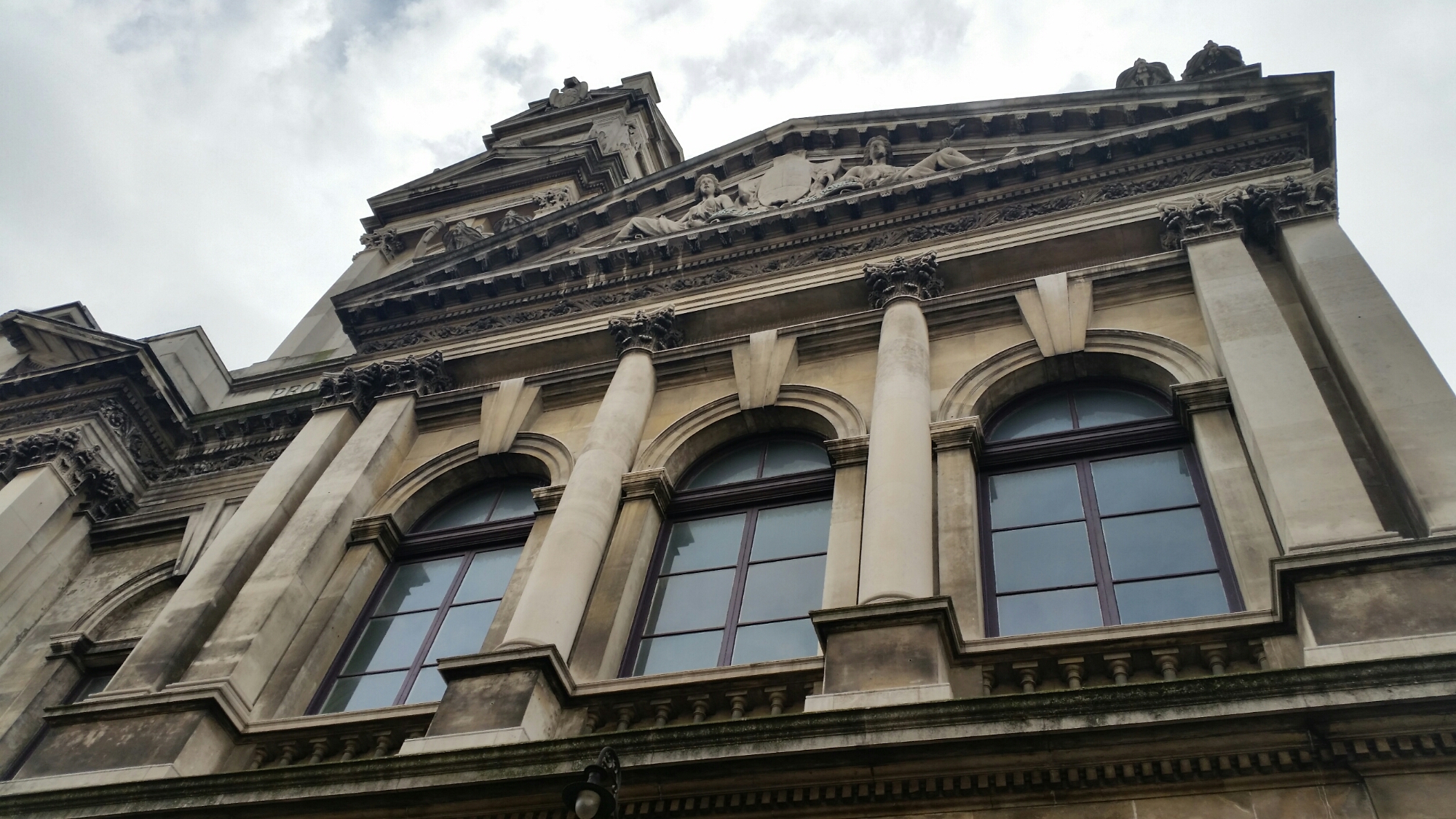
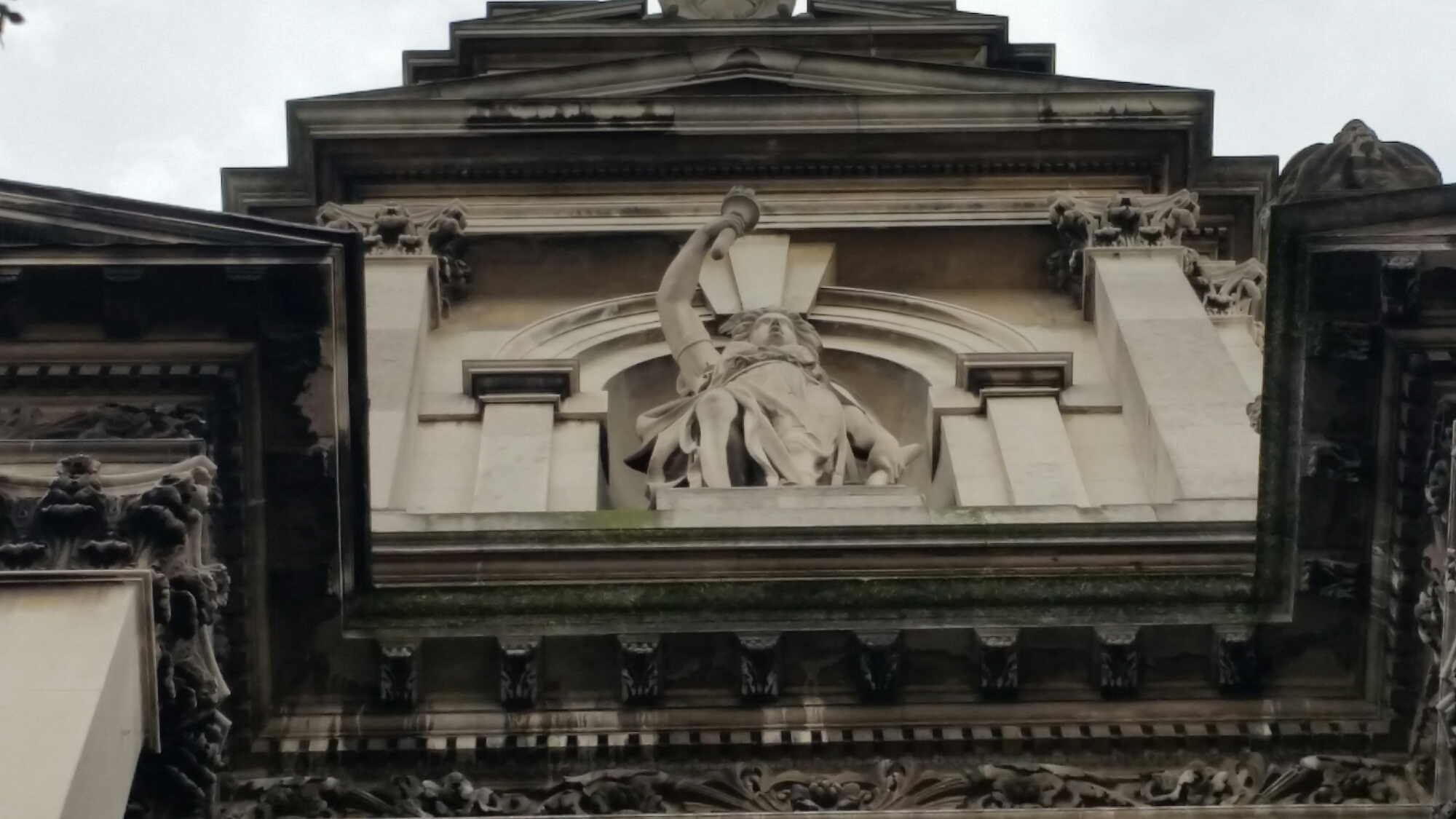
I normally only see Shoreditch Town Hall late at night when it is mobbed by teenagers, but, in passing it today, I realised how grand it is and how fine some of the detailing.   It was designed by a little known architect, Caesar Augustus Long, in 1866:-

image

image Continue reading

Standard

Hoxton

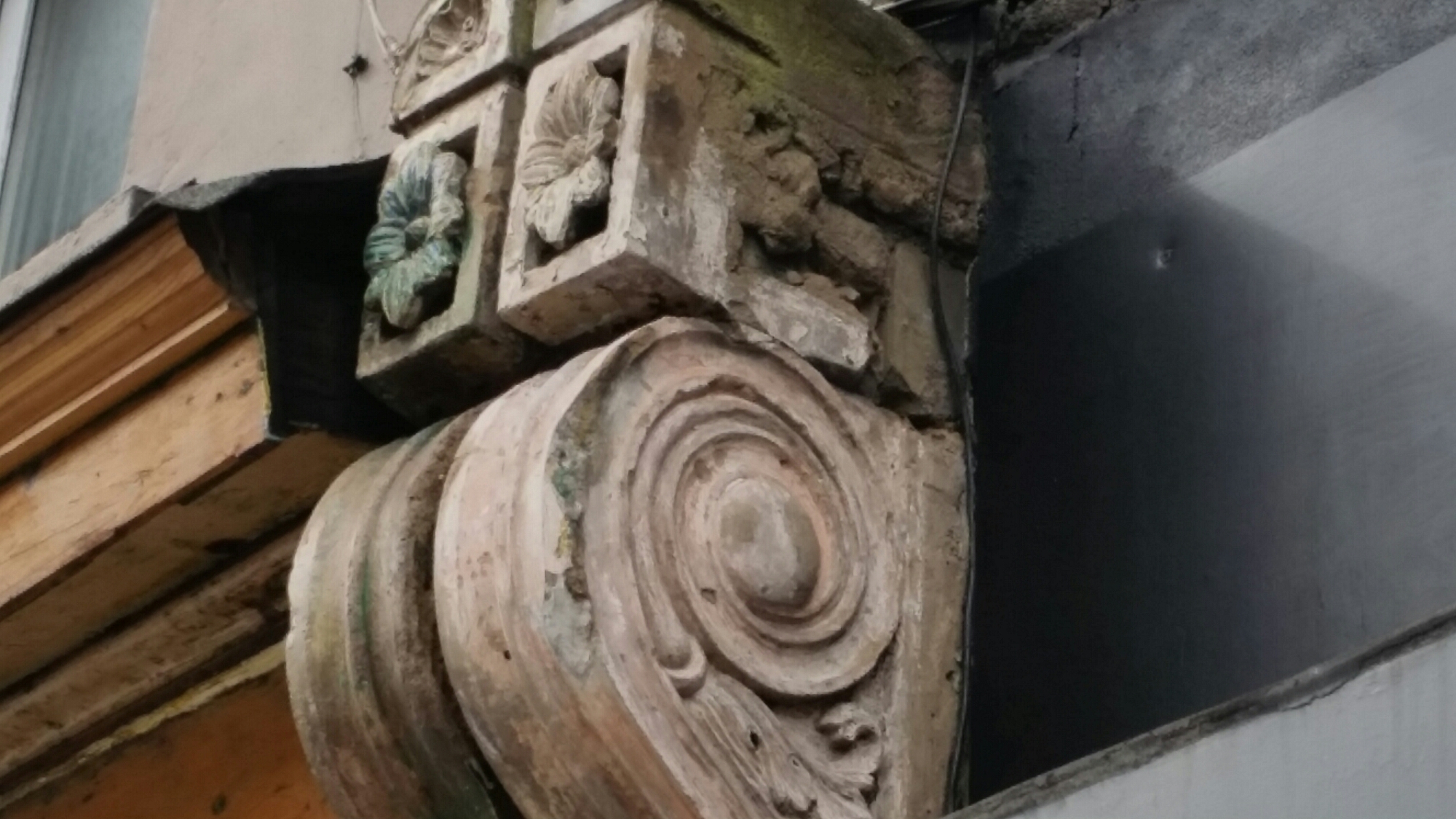
I went on a Saturday morning mooch round Hoxton having been told during the week how über-trendy the Kingsland Road now is.   All I could find on the Kingsland Road was some nice detailing:-

image

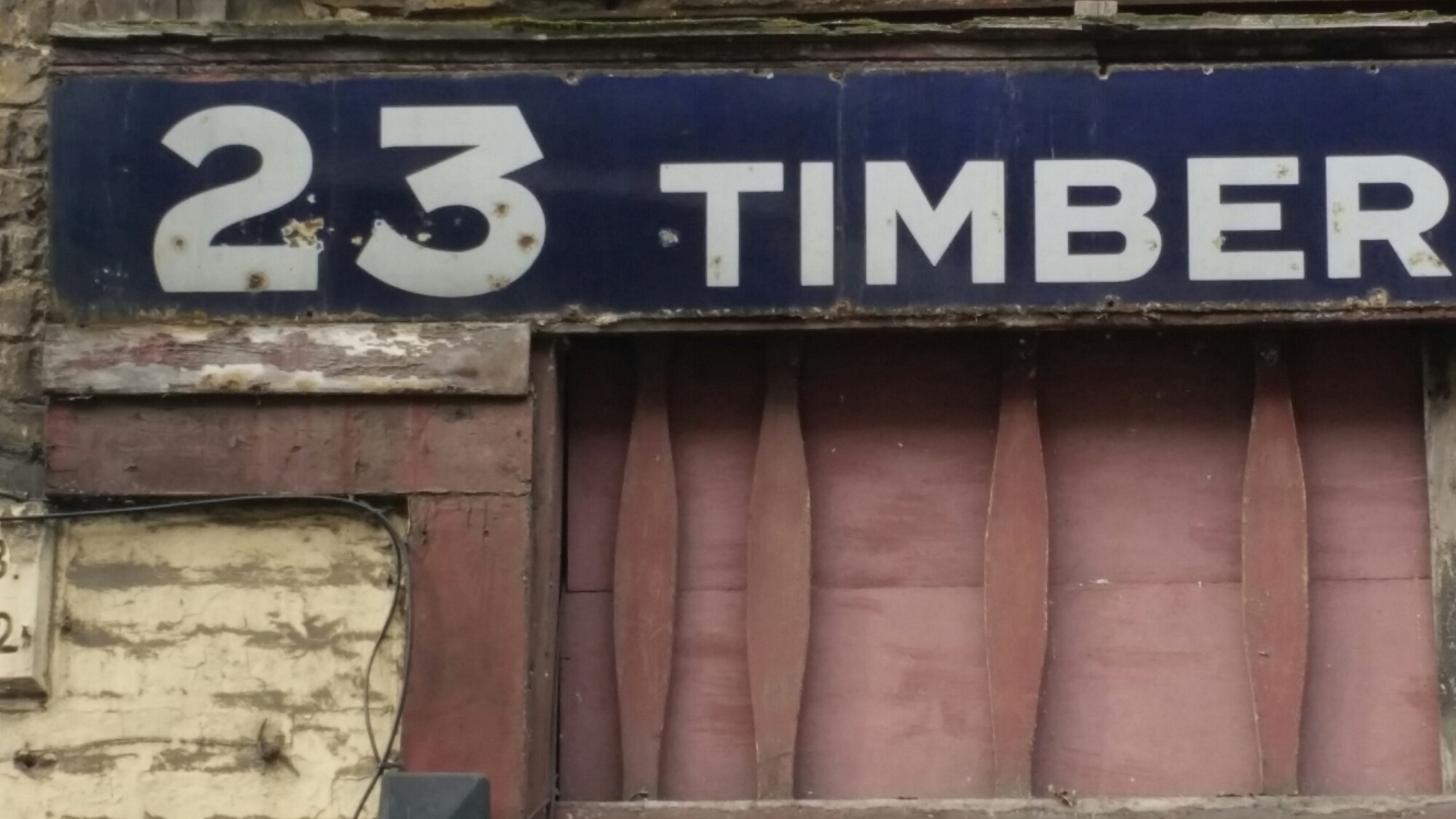
There are the remains of an old timber yard at the bottom end of Hoxton Street:-

image Continue reading

Standard

Eighteenth-century Drawing Schools

I spent the day at a conference in the Royal Academy Schools which explored the great variety of eighteenth-century drawing schools, mostly in London, but also the Foulis Academy, which was founded in Glasgow some time before the Royal Academy. What struck me was the range of opportunities which were on offer in eighteenth-century London for someone to learn to draw. There were drawing masters employed by the major schools, including Alexander Cozens at Christ’s Hospital and Eton. There was a movement to establish drawing schools at the ancient universities. There were individuals who advertised themselves as drawing masters. There were drawing prizes offered by the Society of Arts for girls as well as for boys. And the Duke of Richmond decided that it would be a good thing to offer facilities for boys to learn to draw at his newly established sculpture gallery on Whitehall. Why this great emphasis on drawing ? Part of it was a public recognition that for Britain to compete as a trading nation was going to need people who were good at designing objects and ornament, clocks, fabrics and all the things that stocked the shops on the Strand. Part of it was an understanding that drawing lay at the heart of all the fine arts, as was emphasised by Joshua Reynolds in his Discourses. But there was more to it. People understood that good quality drawing improved skills of invention, understanding and interpreting the world, as well as recording it for posterity.

Standard