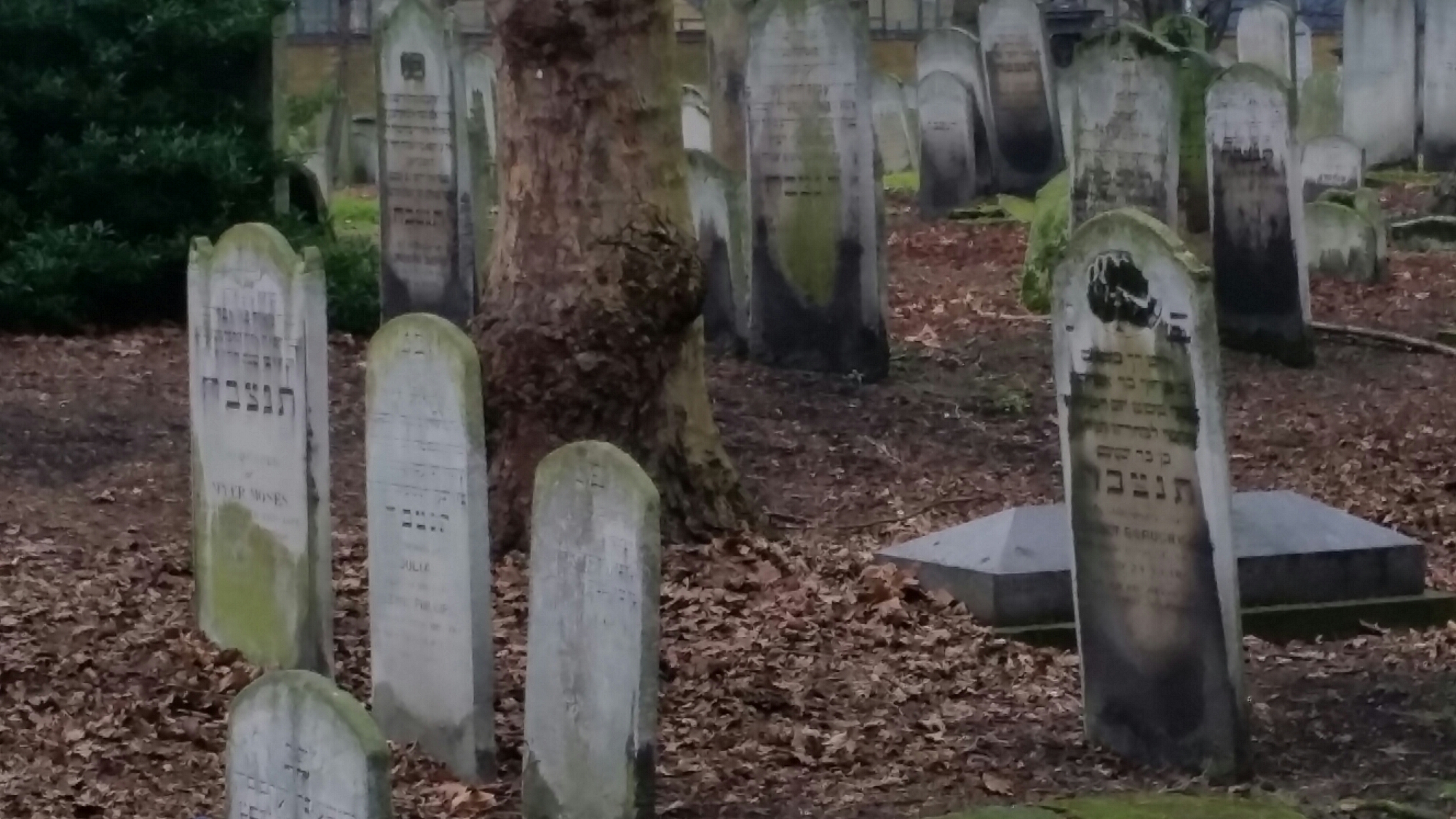
Brady Street Cemetery

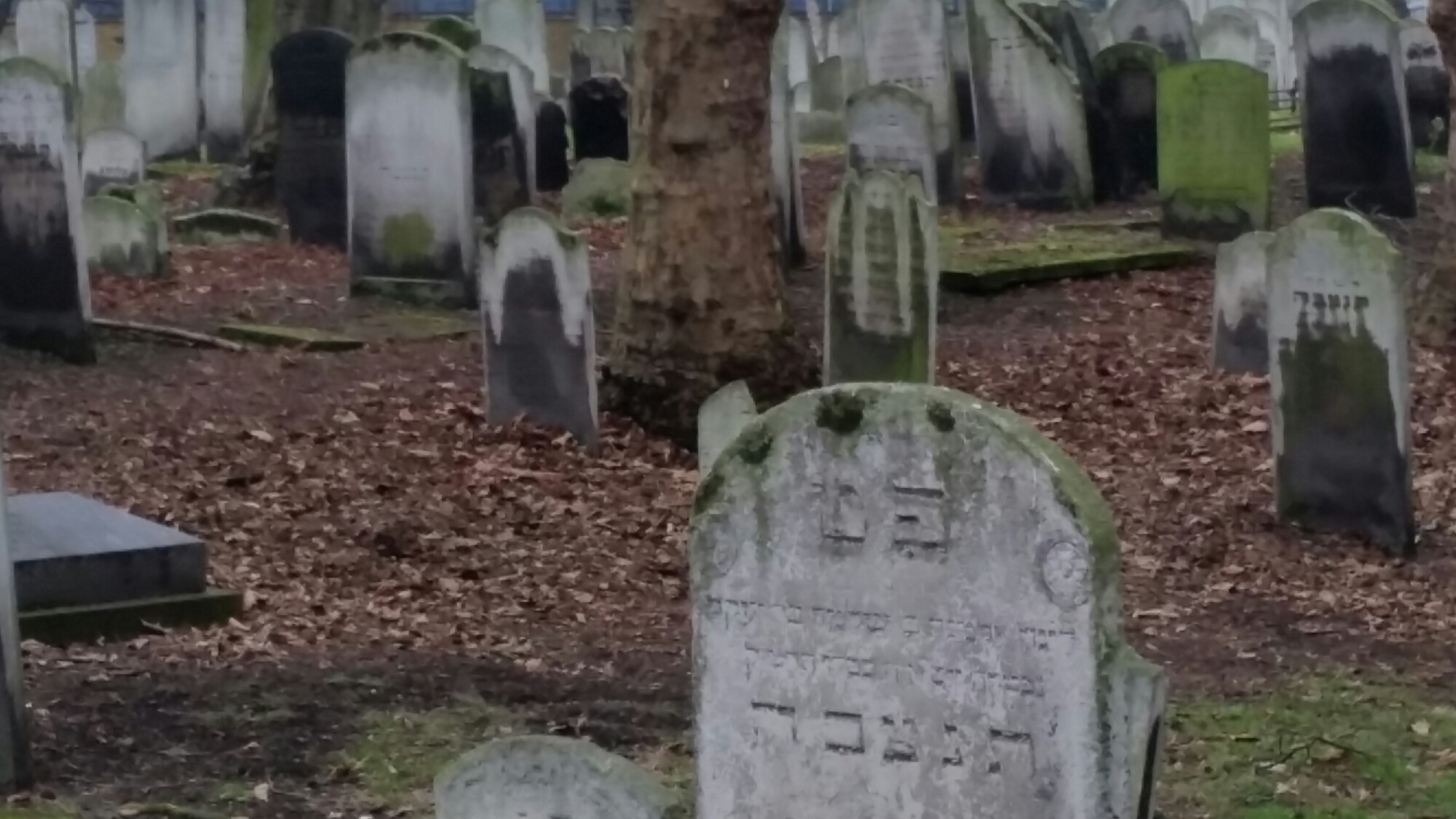
I have been meaning to investigate Brady Street Cemetery, one of the oldest and largest of the East End Jewish cemeteries, opened in May 1761 in what was then called Ducking Pond Lane and now sandwiched between Sainsbury’s and the railway tracks, an inaccessible piece of empty woodland not much more than a long stone’s throw from the City.   It was due to be redeveloped in the 1980s until Victor Rothschild, the bibliophile and founder of Heath’s think tank, was buried next door to his ancestors, Nathan and Hannah.   One is not allowed in:-
image

image Continue reading

Standard

Dalston

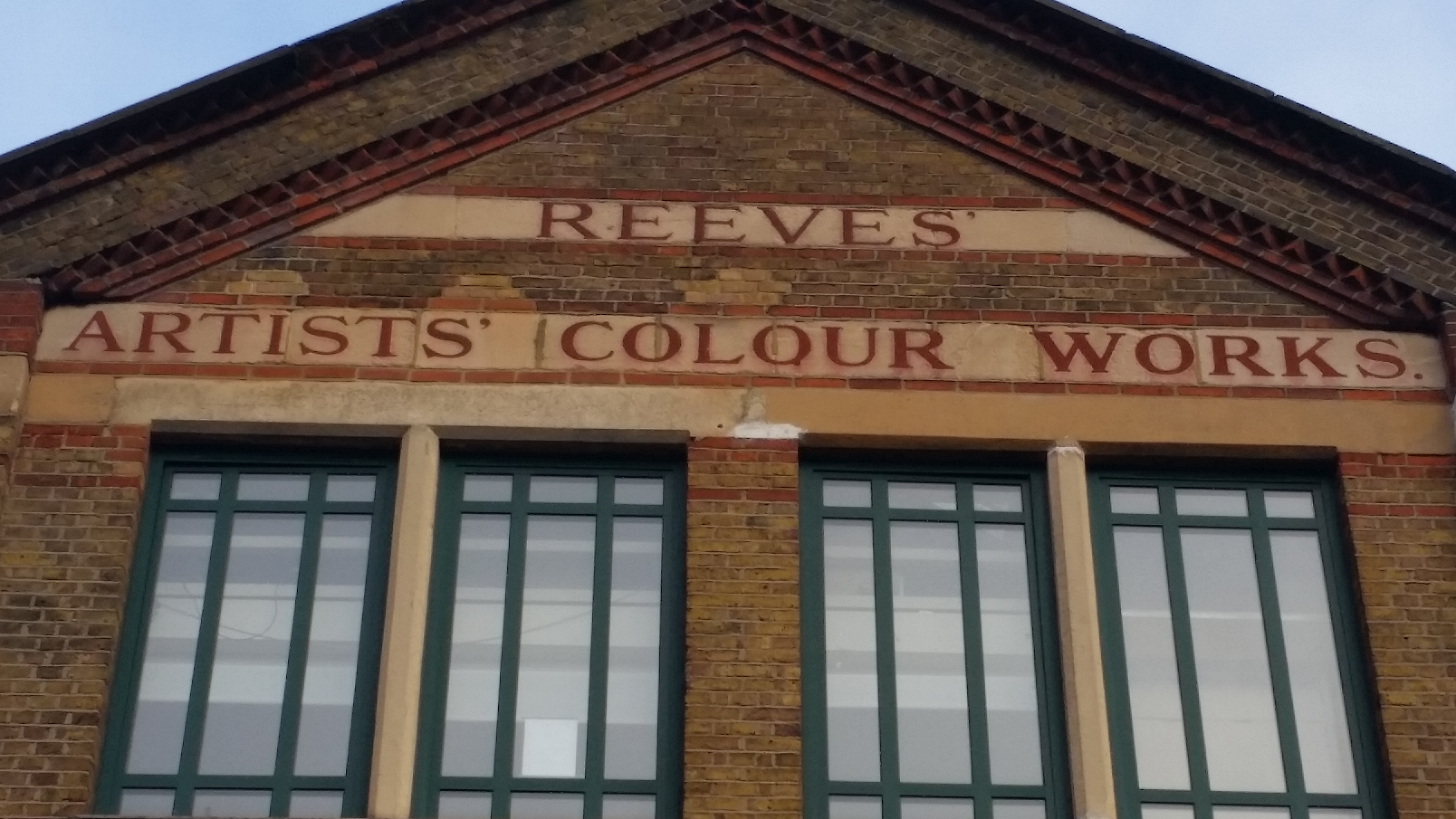
In the intervals of hospital visiting, I thought I would go on an expedition to Dalston.   As I emerged from the station, I was pleased to spot the old Reeves’ Colour Works, opened in 1868 when Reeves was expanding its exports into South America and developing cheap paints for use in schools:-

image

image Continue reading

Standard

St. George’s German Lutheran Church

I was wandering past the front door of the old-established Lutheran church on Alie Street and luckily realised that there might be someone able to let me in.   It’s an extraordinarily pure survival of the German community in eighteenth-century London, who came in search of work (they ran the local sugarhouses) or service at the Hanoverian court.   The church was consecrated on 19 May 1763.   It cost £1,802 10s 6d, most of which was provided by Dederich Beckmann, a local sugar refiner and father-in-law of the first pastor.   The builder was Joel Johnson who had a workshop nearby, had been involved in the construction of the London Hospital, and is said to have been the architect of the church of St. John in Wapping:-

image

image Continue reading

Standard

Fat Thursday

I forgot to say that yesterday we celebrated Fat Thursday, otherwise known as Tłusty Czwartek, which is the day that the Poles celebrate the day before the Great Fast of Lent by queueing up at their local bakery to buy the most delicious doughnuts (pączki), not too sweet and filled with rose jam.   Ours came from Polski Sklep in Dagenham.

Standard

The London Hospital

I have found myself spending the last twelve hours on the twelfth floor of the London Hospital, not a pretty building, but unexpectedly reassuring in a medical emergency.   At lunch-time I sneaked out for some Tandoori Chicken at Tayyabs, the best known of the local Indian restaurants which is nearly impossible to get into in the evening.   En route, I spotted the London Hospital’s museum with its examples of early medicine chests (note the availability of opium):-

image

I found the hat which the Elephant Man wore unexpectedly moving, together with the sackcloth mask to disguise his face:-

image Continue reading

Standard

James Lomax-Simpson

I have managed to verify that James Lomax-Simpson was, indeed, the designer of Unilever House.   His daughter confirmed last night that her grandfather, an architect in Bolton, had made friends with the original Lord Leverhulme who was godfather to her father.   Born in 1882, Lomax-Simpson trained as an architect in Liverpool, worked for the Wolverhampton Corrugated Iron Company, before becoming Head of the Architect’s Department of Lever Brothers in 1910 and joining the Board as a partner in 1917.   He was responsible for much of the design of Port Sunlight as well as a castle for Lord Leverhulme in Stornaway.   So, it was natural that he would do the design of the company’s grand new headquarters on the Embankment, while leaving it to Burnet, Tait and Partners to execute it.

Standard

Unilever House

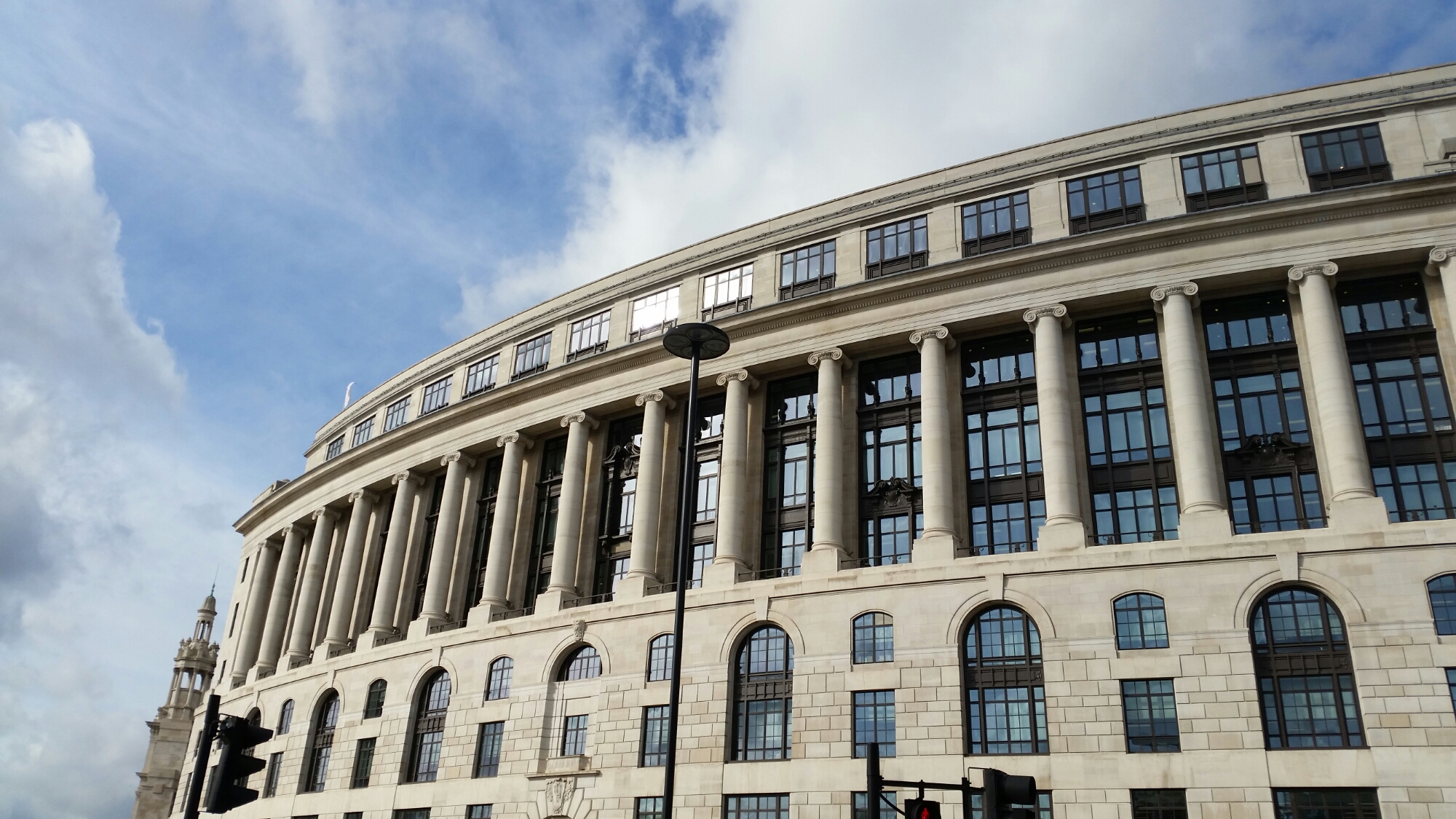
I have been doing background research on Unilever House where the majority of the staff of the RA (including me) are migrating when building work starts on Burlington Gardens later this year.   It’s an impressive building which I’ve only visited once before when it was the headquarters of the Leverhulme Trust.   Situated at the prow of Blackfriars Bridge, it was designed by James Lomax-Simpson, a member of the Lever Brothers Board, under the auspices of Sir John Burnet and Thomas Tait.   The drawings were exhibited in the Summer Exhibition.   Work began in 1929, the year of the Crash and flanking sculptures of horses (Controlled Energy) were added by Sir William Dick Reid, an ex-soldier and prolific designer of war memorials, who was elected an RA in 1928.   The lift cars were designed by Eric Gill.   The whole building was hollowed out between October 2004 and March 2007 by Kohn Pedersen Fox to create decks of offices overlooking a central atrium.   I like it (luckily):  grand, central, furnished by Vitra and half an hour’s brisk walk from the RA.

image Continue reading

Standard

Allen Jones

I have just been to an event at which Allen Jones was encouraged – and expected – to talk about sex in art, his own and Rubens.   He played the discussion with a completely straight bat, and it was hard for him to be drawn.   The most memorable part was irrelevant to sex, in which he compared the understanding of painting to the appreciation of skills in tap dancing:  you need a culture of skills to enable the painting of fur in Rubens.

Standard

Debrett’s

I went to an event last night organised by Debrett’s, which was established in 1769, the year after the Royal Academy, to help police the upper echelons of English society through the publication of The New Peerage.   Its chief executive gave a fine speech in which she denounced the tendency for people of so-called influence to be privately educated, which was an intriguing inversion of its original role, nowadays committed to the establishment of a free – but networking – meritocracy.

Standard

Old Chelsea

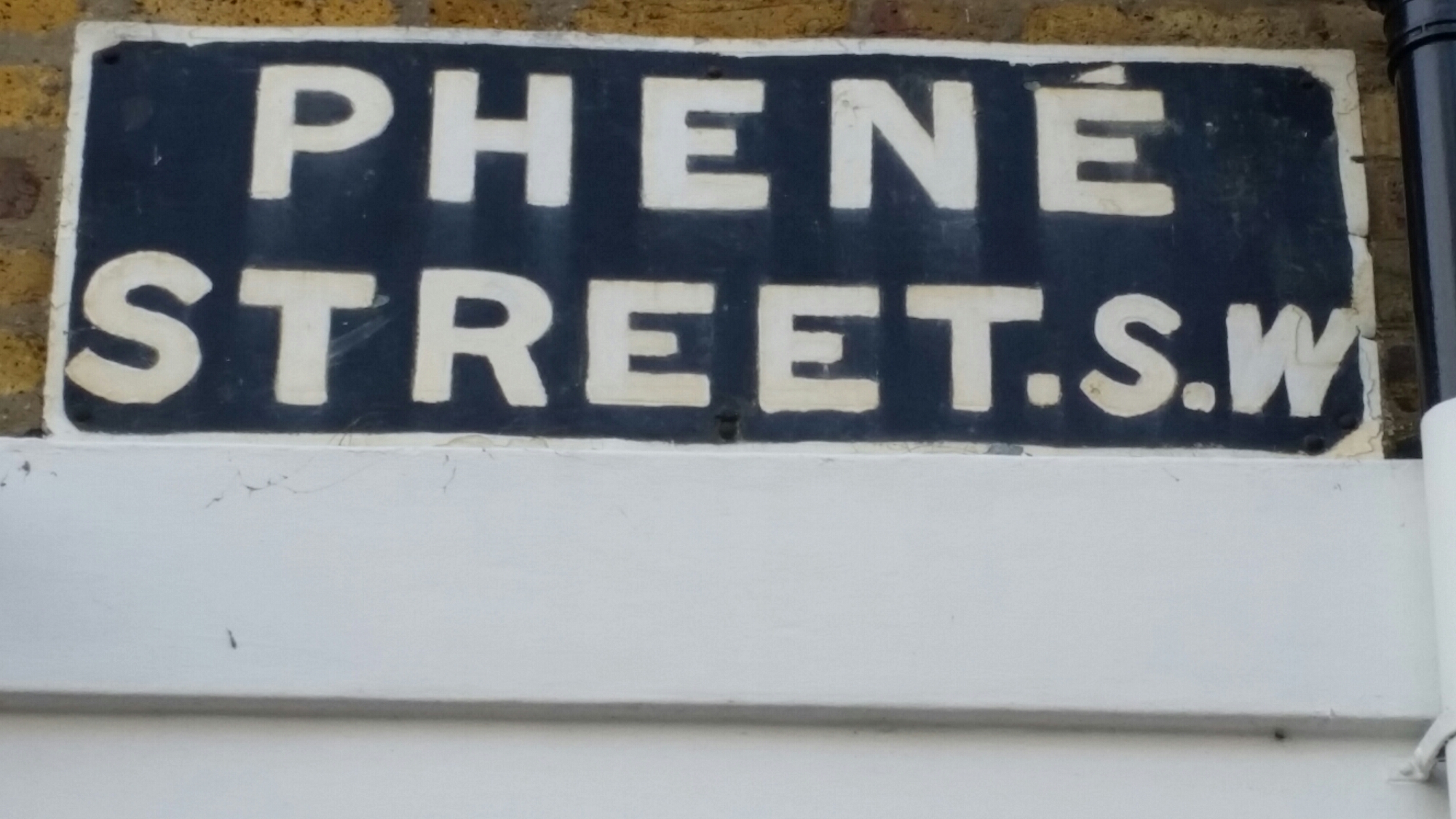
We arrived early for lunch in Flood Street, so explored the local neighbourhood:  Oakley Gardens, the home of George Gissing, and Phene Street, which is spelt on the street sign Phené after the local developer, Dr. J.S. Phené, a now forgotten archaeologist, collector, poet and recluse, who wrote about symbolism in literature, whose house at 32, Oakley Street was covered by shields and flags, and was a passionate advocate of trees:

image Continue reading

Standard