It was very autumnal at Waddesdon down the branch line from Marylebone by way of Harrow-on-the-Hill to Wendover and Aylesbury. The house looked, as always, magnificent and faintly surreal, a version of Chambord in the Vale of Aylesbury, its yellow sandstone melting into the surrounding yellow trees. I had forgotten how many wonderful Reynolds’s and Gainsboroughs there are which were bought at top dollar by Ferdinand de Rothschild to hang amongst the fine French furniture.
Tag Archives: England
The Blue Cupboard (2)
I’ve now read The Blue Cupboard, initially in short gulps and then in one long chunk. I recommend it. It’s very beautifully written, poignant in places, particularly good on the experience of nature whether in the Worcestershire copses or the paintings of Patrick George. It’s not surprising that she made friends with W.G. Sebald by correspondence and provided the illustrations for his book of poems For Years Now. I particularly like the chapter in which she describes staying in The Grand Hôtel Villa de France in Tangiers in order to experience looking out of the same window as Matisse and it is only when she is leaving that she realises it is a brothel.
‘Pataphysics
I was introduced today to the idea of ‘pataphysics, the idea of a science beyond metaphysics (maybe a pseudo-science) developed by Alfred Jarry in Paris in the 1890s in his play Ubu Roi as ‘the science of imaginary solutions, which symbolically attributes the properties of objects, described by their virtuality, to their lineaments’. The ideas apparently influenced Dada, surrealism and situationism and are maintained nowadays by the Collège de Pataphysique in Paris, founded in 1948 and whose members have included Marcel Duchamp, Man Ray and, more recently, Umberto Eco.
The Blue Cupboard (1)
The other book launch I went to last night was for Tess Jaray’s The Blue Cupboard, a wonderfully observant volume about her childhood, her mother and more recent memories together with deliberately miscellaneous chapters, some about the work of fellow artists. An emigré with her parents from Vienna just before the second world war, they settled in a cottage in Worcestershire. She writes precisely and pithily about her experiences.
Codpieces
I have discovered that I am not the only person to have spotted the scale of the codpieces in the work of Moroni (a cod is middle English for a scrotum). Jock McFadyen asked me about them last night. And Jonathan Jones draws attention to them in his review in the Guardian. What is odd is that they go unmentioned in the texts of the captions and catalogue entries, although it is by far the most striking feature of the portrait of Podestà Antonio Navagero from the Brera, a man who is otherwise of the utmost respectability, described at the time as ‘truly a very intelligent and prudent gentleman’, depicted impassively holding a letter and ignoring his codpiece of impressive proportions. So, the question is: is it a symbol of virility or was it because he had venereal disease ?
100 Buildings 100 Years
I have just been to the launch of a small exhibition at the RA to celebrate the publication of a book published by The Twentieth Century Society in which members of the society have picked one building to mark every year of the last century. It’s an intriguing choice. I had no idea that H.P. Berlage had designed a building in London (Holland House in Bury Street in 1915). I was pleased, if surprised, to find the wacky ‘House in the Clouds’ in Thorpeness listed for 1923. What’s missing ? No work by Raymond Erith. No St.Paul’s Bow Common (1960) nor Architects’ Co-Partnership’s Durham University Student Union Building (1965) nor Essex University. Liverpool Cathedral is listed for 1978, which is a touch eccentric given that it was started in 1907, and the Brunswick Centre for 2006 when it was refurbished, not 1961 when it was built. But, of course, the point of the book is to provoke dispute.
Giovanni Moroni (2)
I was asked yesterday to speculate what it might have felt like to have been one of Moroni’s sitters, based on the experience of sitting for my portrait. I’m not sure any modern painter paints in the way Moroni did partly because so much of modern portraiture is based on the idea of psychological insight, whereas Moroni strikes me as having been at least as interested in the trappings and appurtenances of the nobility, who mostly stood rather than sat for him, nearly all of them bearded. What I have to say on the subject is now available at http://www.royalacademy.org.uk/article/point-of-view-what-its-like-to-sit
Michelin House
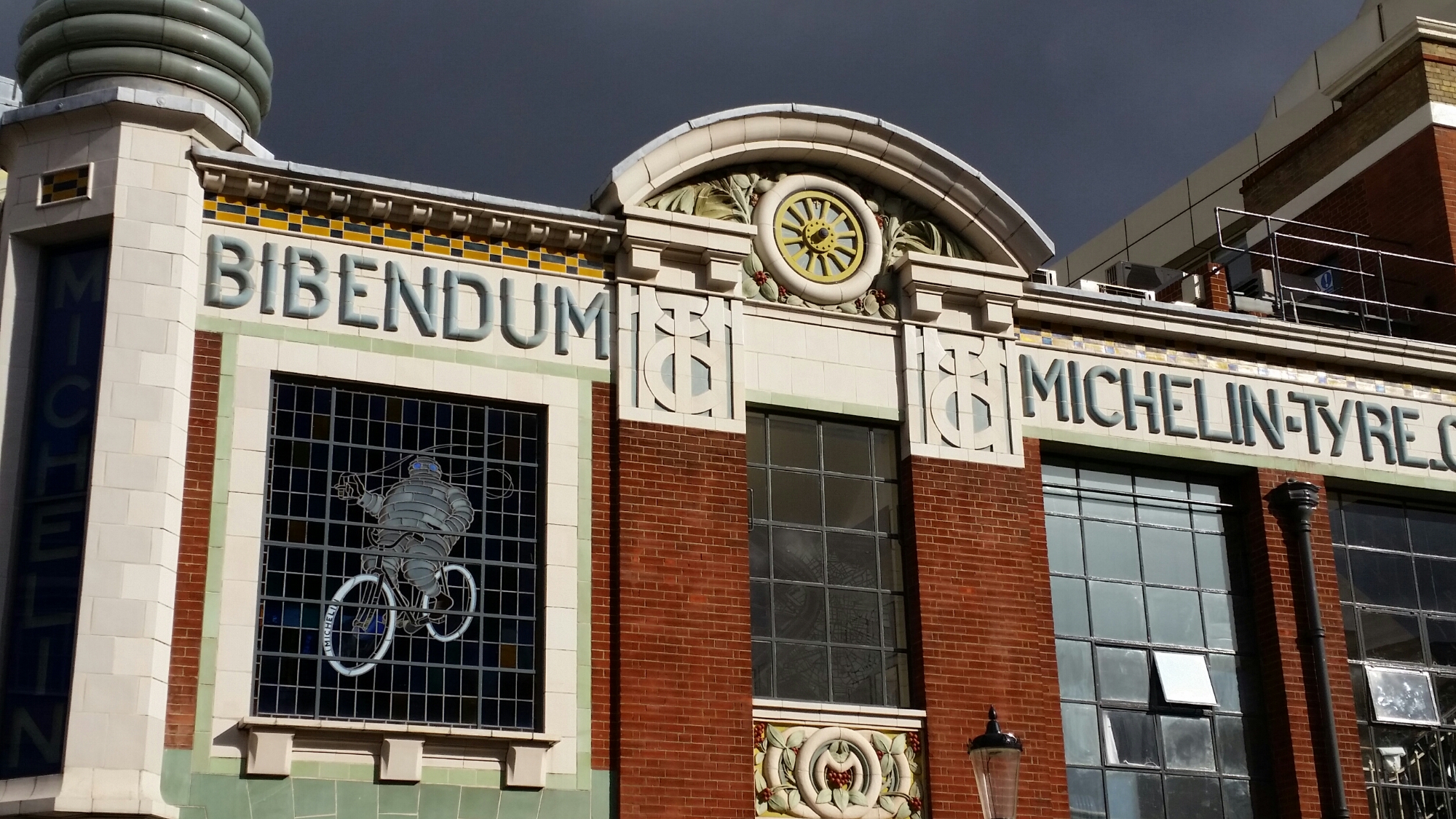
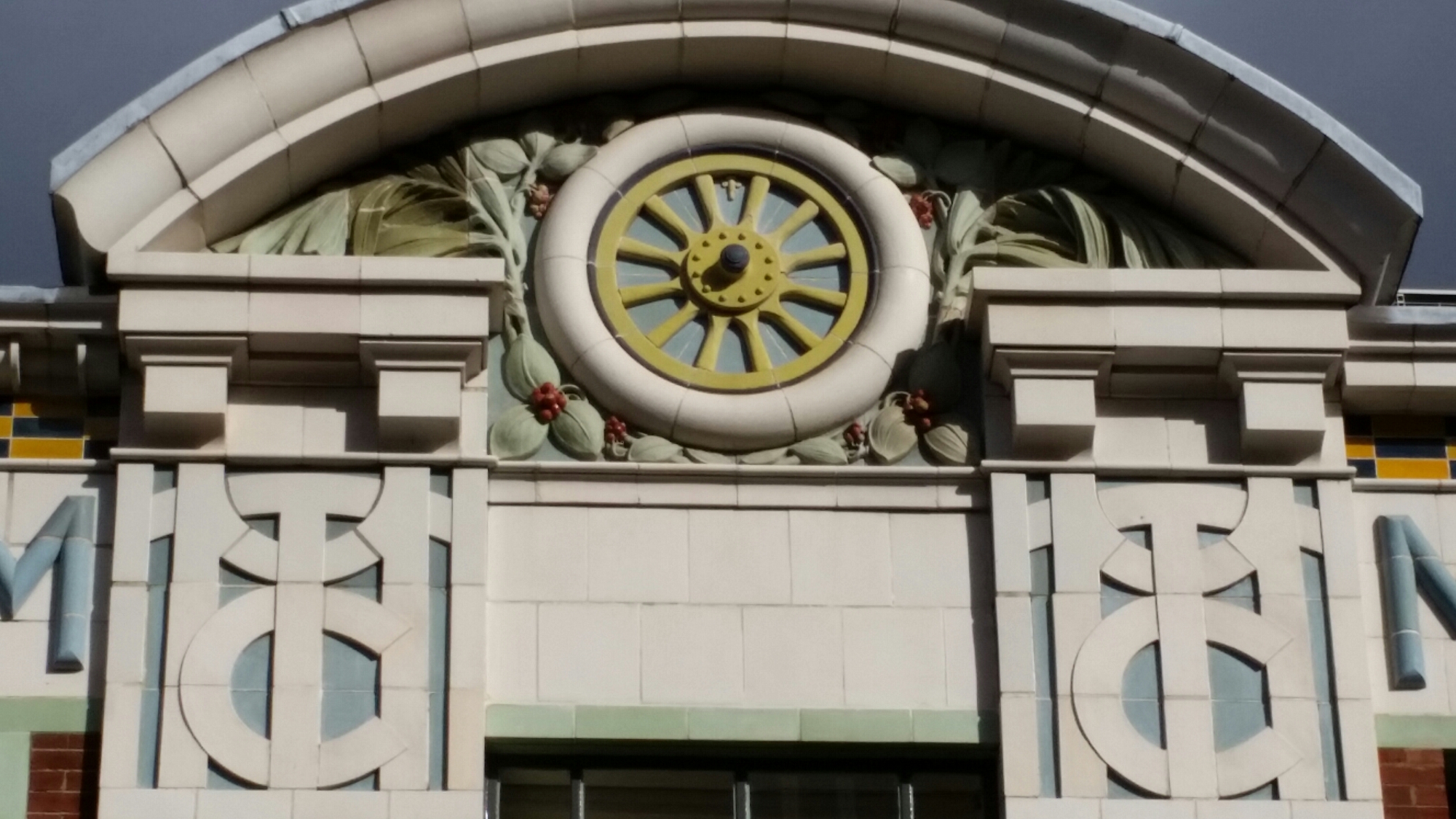
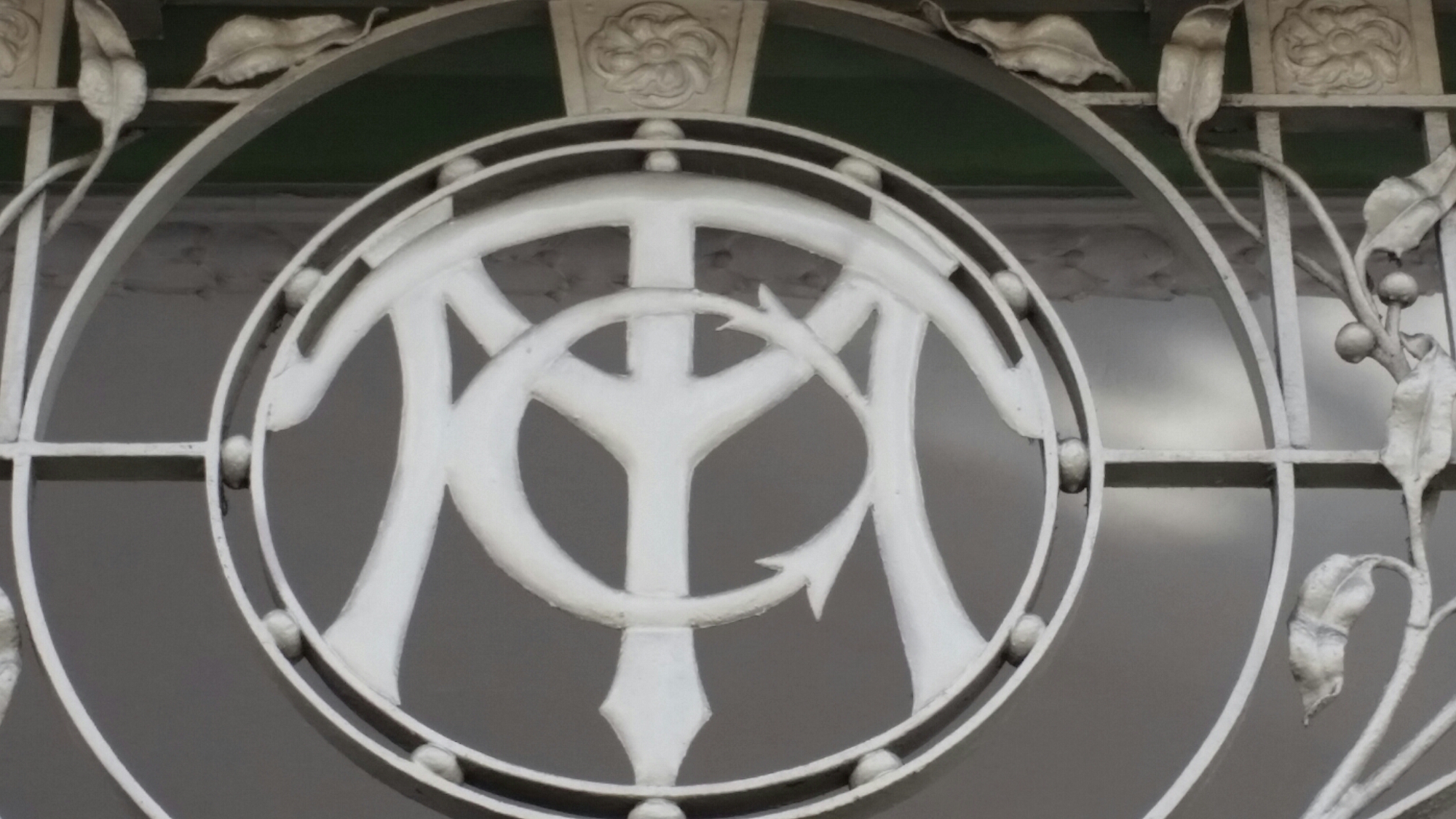
Michelin House is one of the great buildings of London. Designed by François Espinasse, a Michelin employee, as a visible advertisement for Michelin’s wares, it was built out of ferro-concrete in five months and opened for business on 20 January 1911. It could have been designed by John Outram:
Pelham Crescent
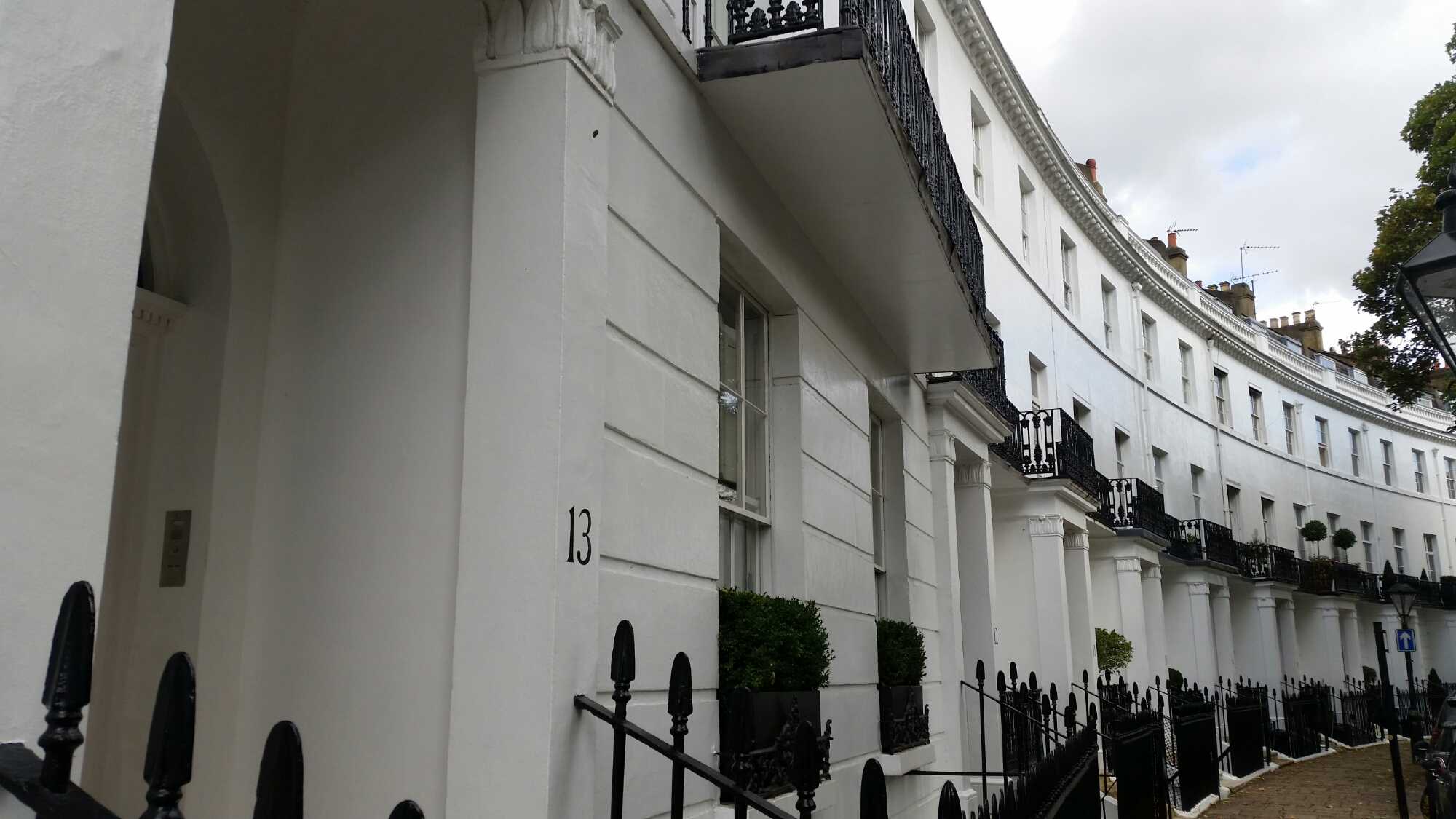
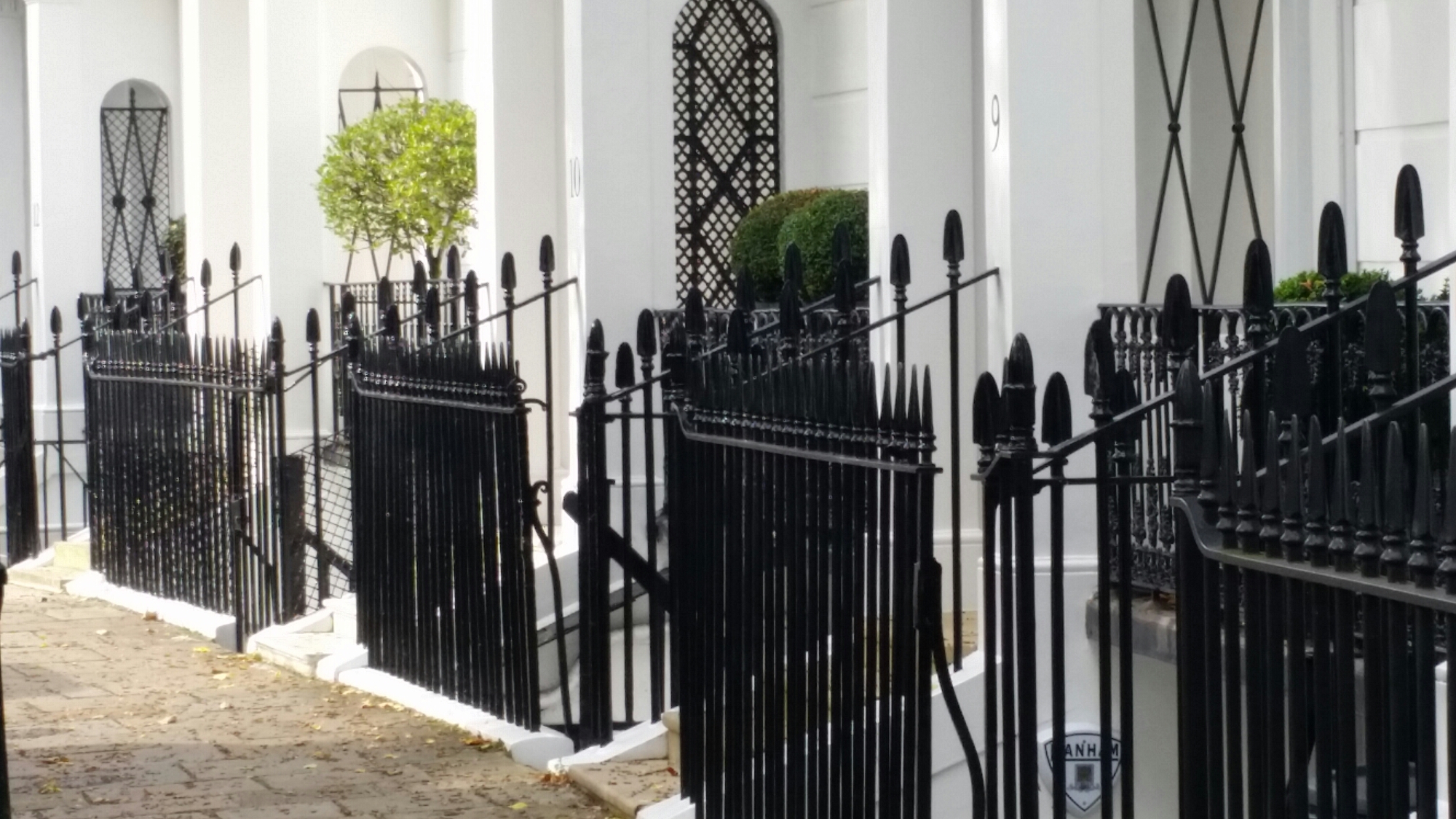
One of the pleasures of having lunch at Bibendum yesterday was the opportunity to walk down Pelham Crescent which I used to do often when I worked at the V&A. It was designed by George Basevi in the early 1830s for Smith’s Charity Estate, following the bankruptcy of Samuel Harrison and William Bristow in 1832 who ran the Brompton Nursery. Built by James Bonnin, houses originally cost
£1,000 and were occupied by clergymen, clerks and a private tutor. No more. But it remains the epitome of west London suavity:
Snowdon
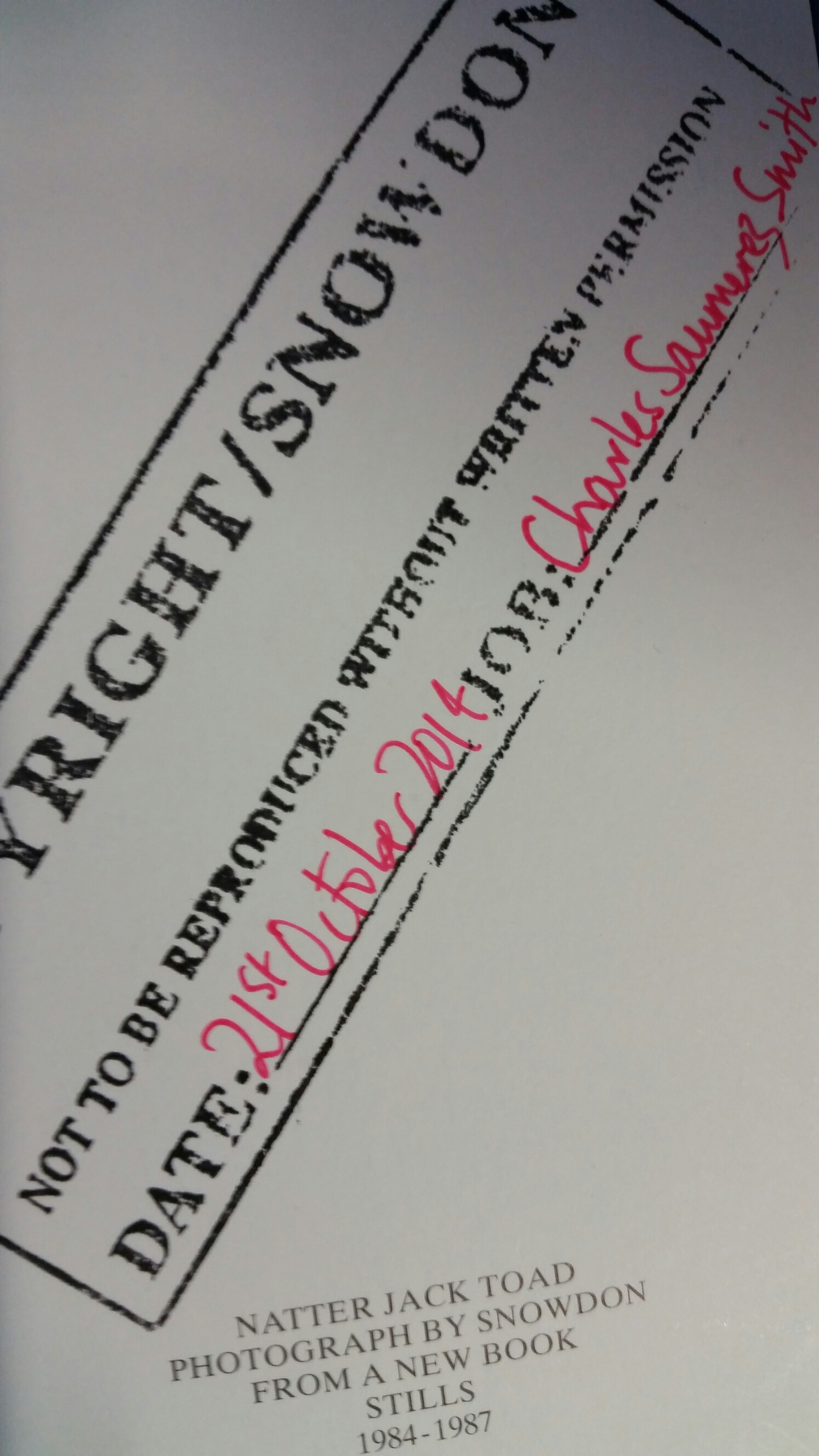
I was invited to lunch today at Bibendum to celebrate the publication of a big book about Tony Snowdon, A Life in View, which has been put together by his daughter, Frances, and published by Rizzoli. It included lots of people of Tony’s generation – Terence Stamp wearing a green corduroy suit he acquired from Far from the Madding Crowd and had remade by Cerruti ten years later – and lots of Frances’s as well. Lucy Snowdon reminded me of what it was like to sit for Snowdon: the old blue shirt one was forced to don, the stiff leather arm chair. I was photographed with a battered green leather suitcase on my lap.


You must be logged in to post a comment.