
I gave myself a sneak preview of our Moroni exhibition which opens to the public later this week. He was a great favourite of the Victorians, including Eastlake and Morelli, is strongly represented in British collections, and best known for his Portrait of Faustino Avogadro (A Knight with his jousting helmet) and Portrait of a Tailor, both in the National Gallery (the hero of Henry James’s The Liar thought the Tailor one of the half dozen greatest paintings in the world). His work looks beautiful in the austere spaces of the Sackler galleries, a concise exhibition which shows off the great strengths of this Bergamese painter, particularly his portraits with their spectacular furs, ruffs, brocades and codpieces.
Tag Archives: England
Brogdale Farm
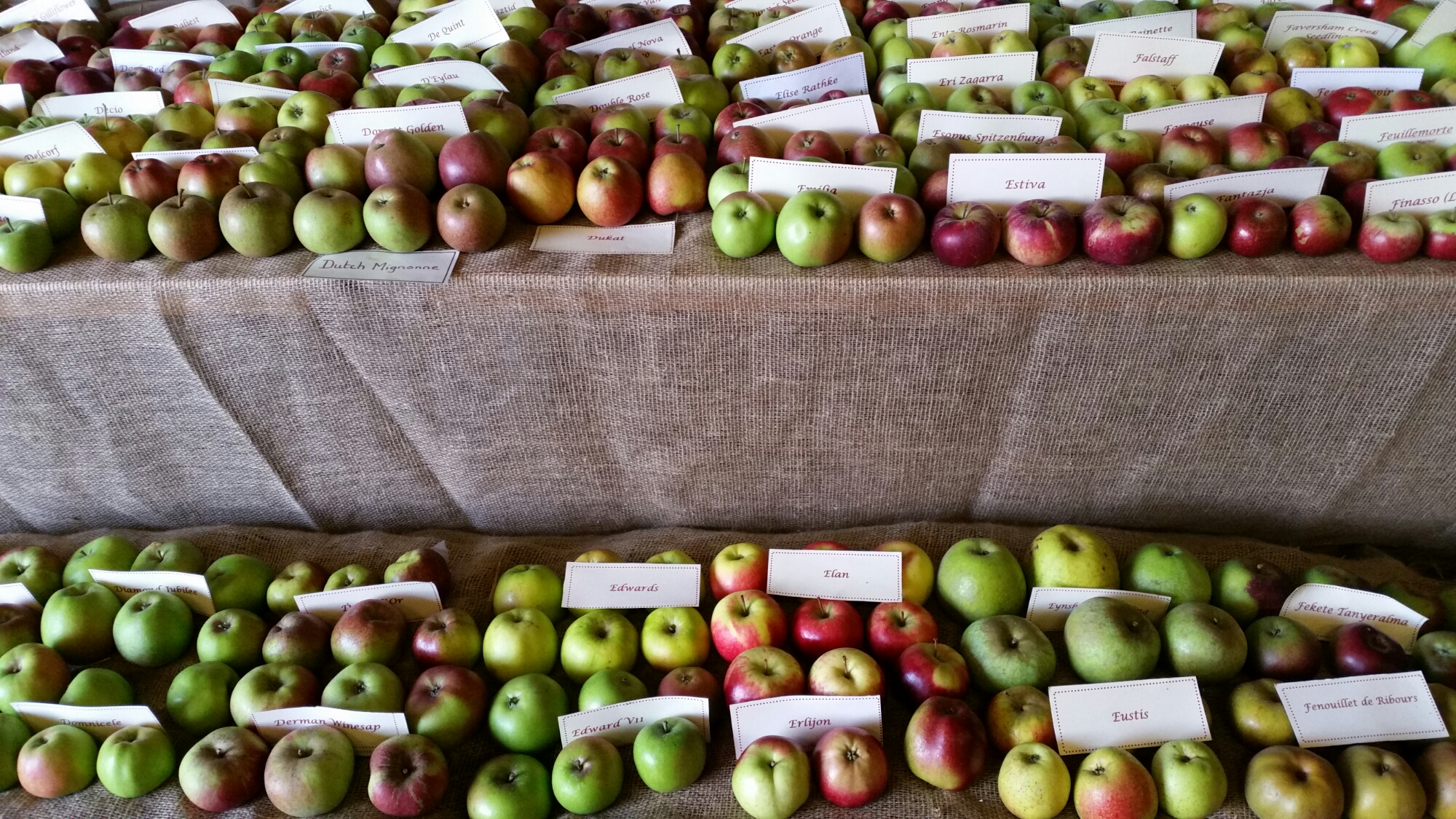
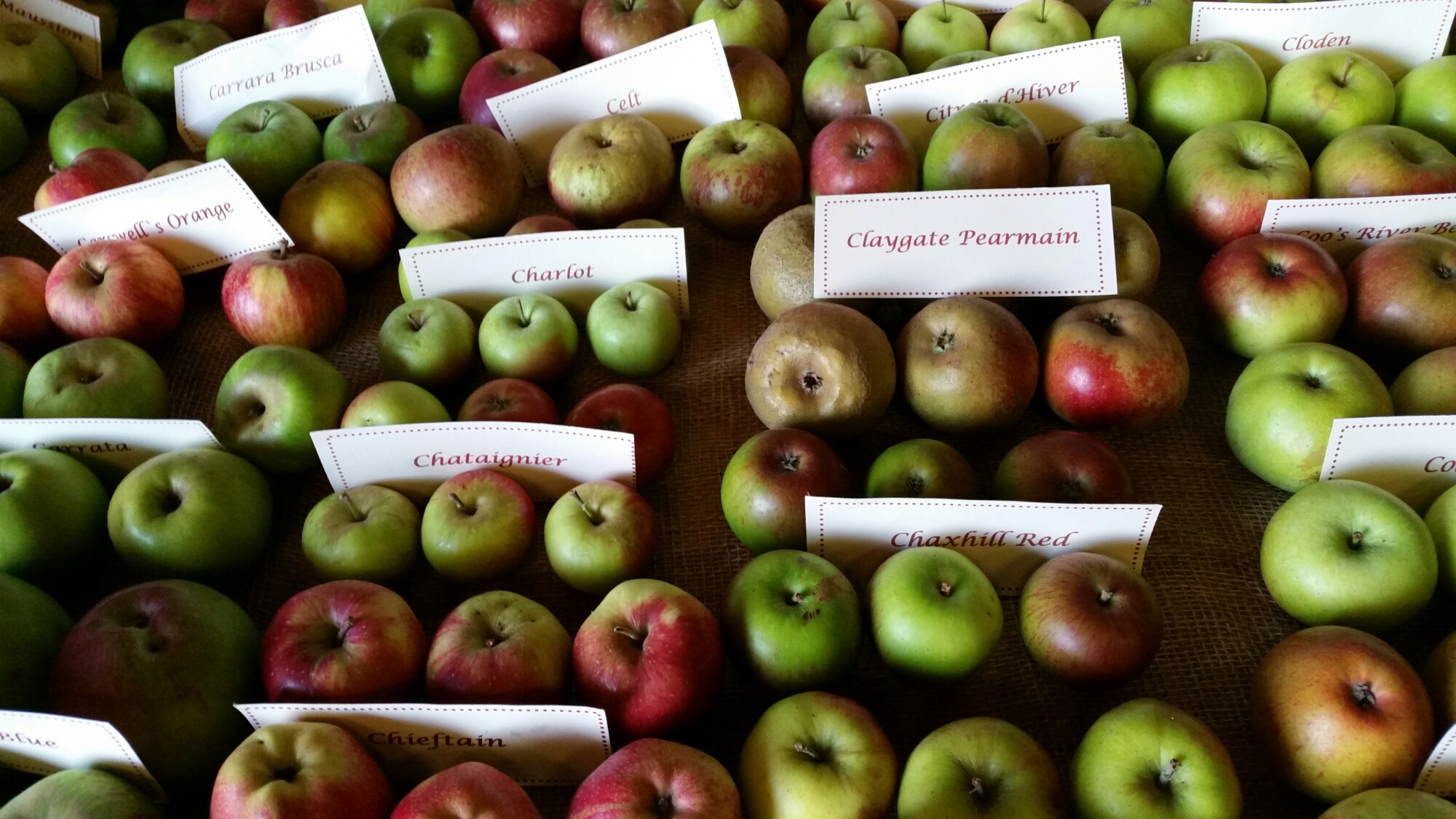
On the way back from Whitstable yesterday afternoon, we called in at Brogdale Farm, which is apple heaven. The headquarters of the National Fruit Collection and run by the University of Reading, it had a large barn full of every variety of apple displayed alphabetically:
Whitstable (2)
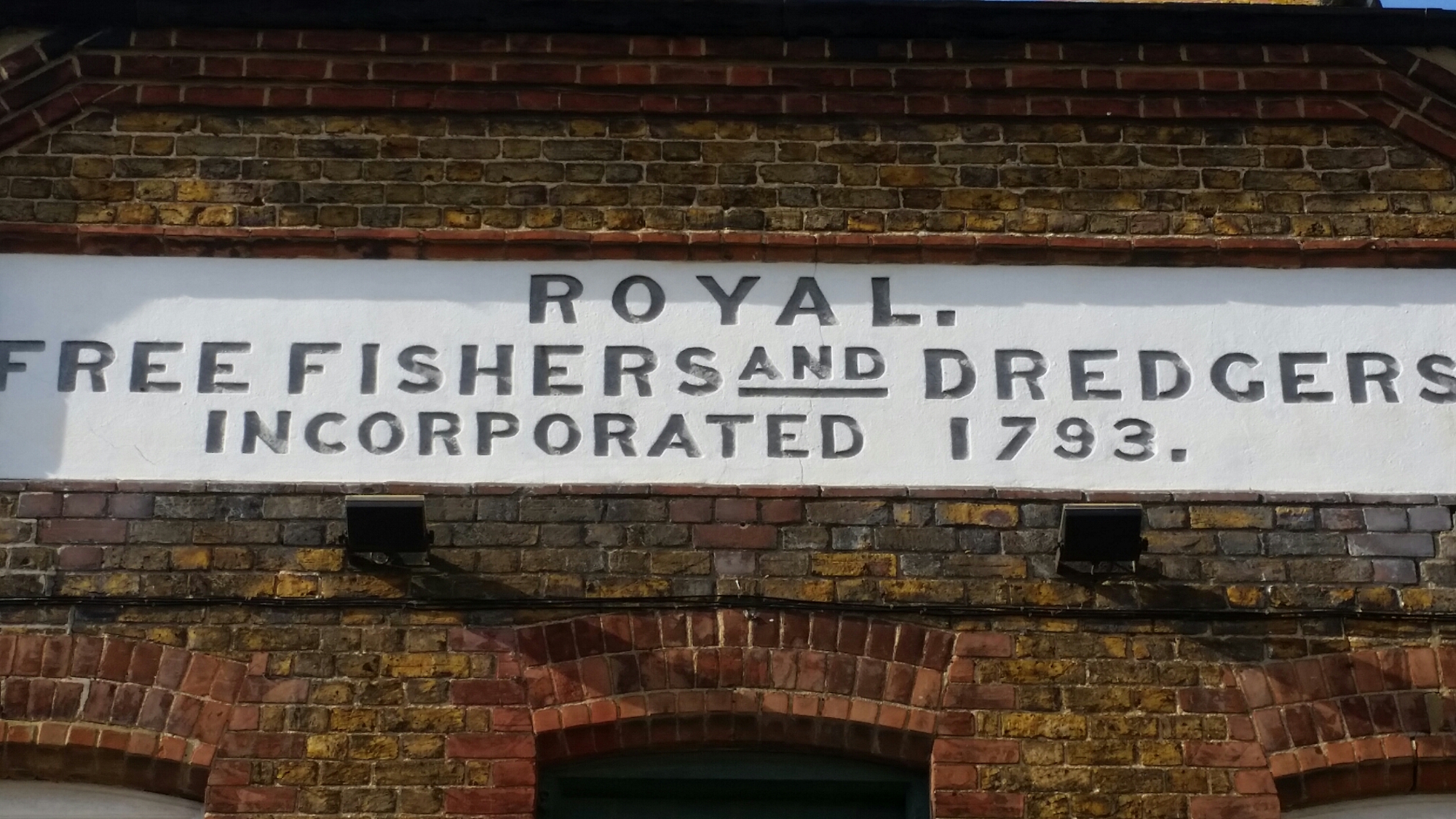
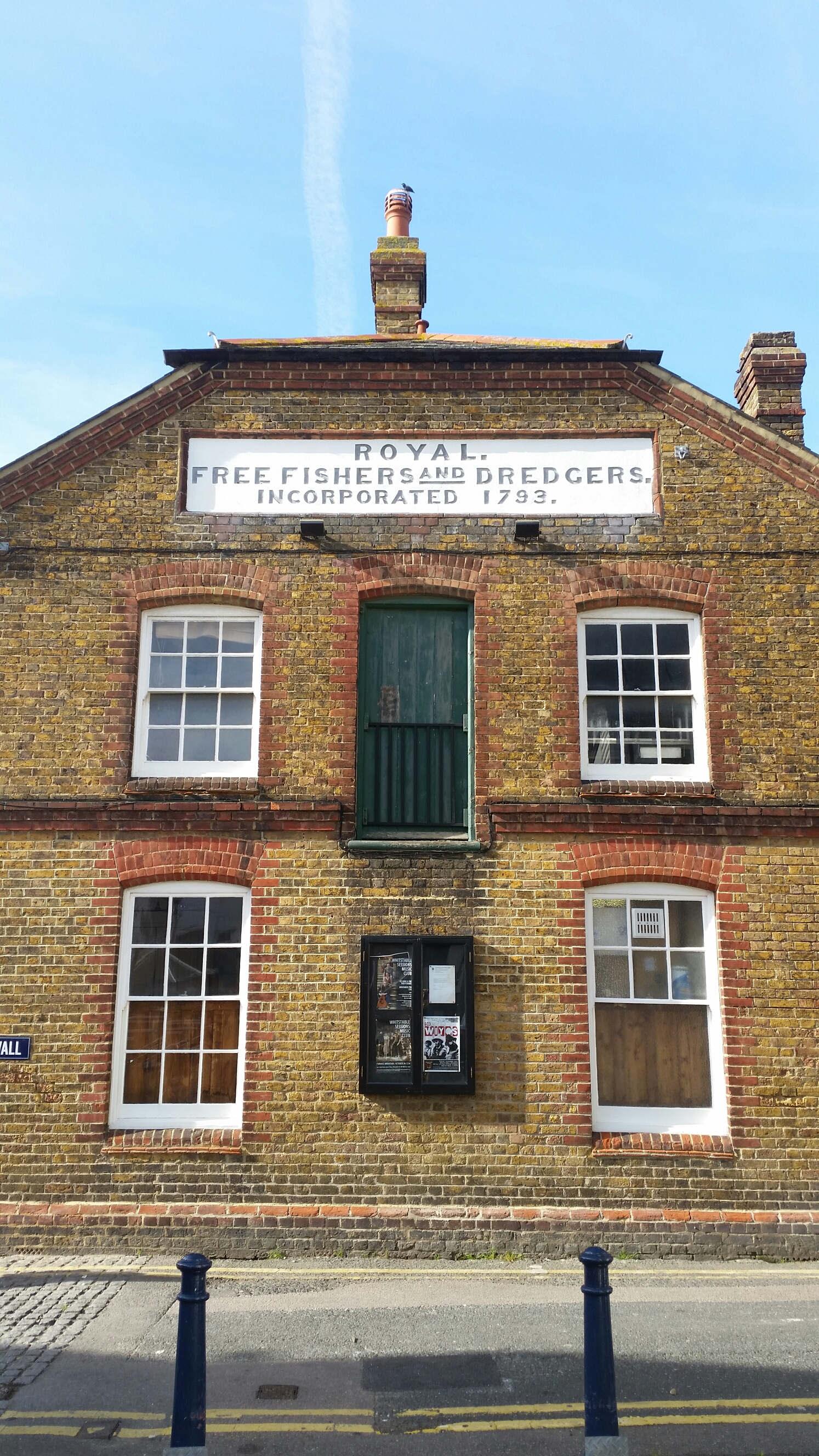
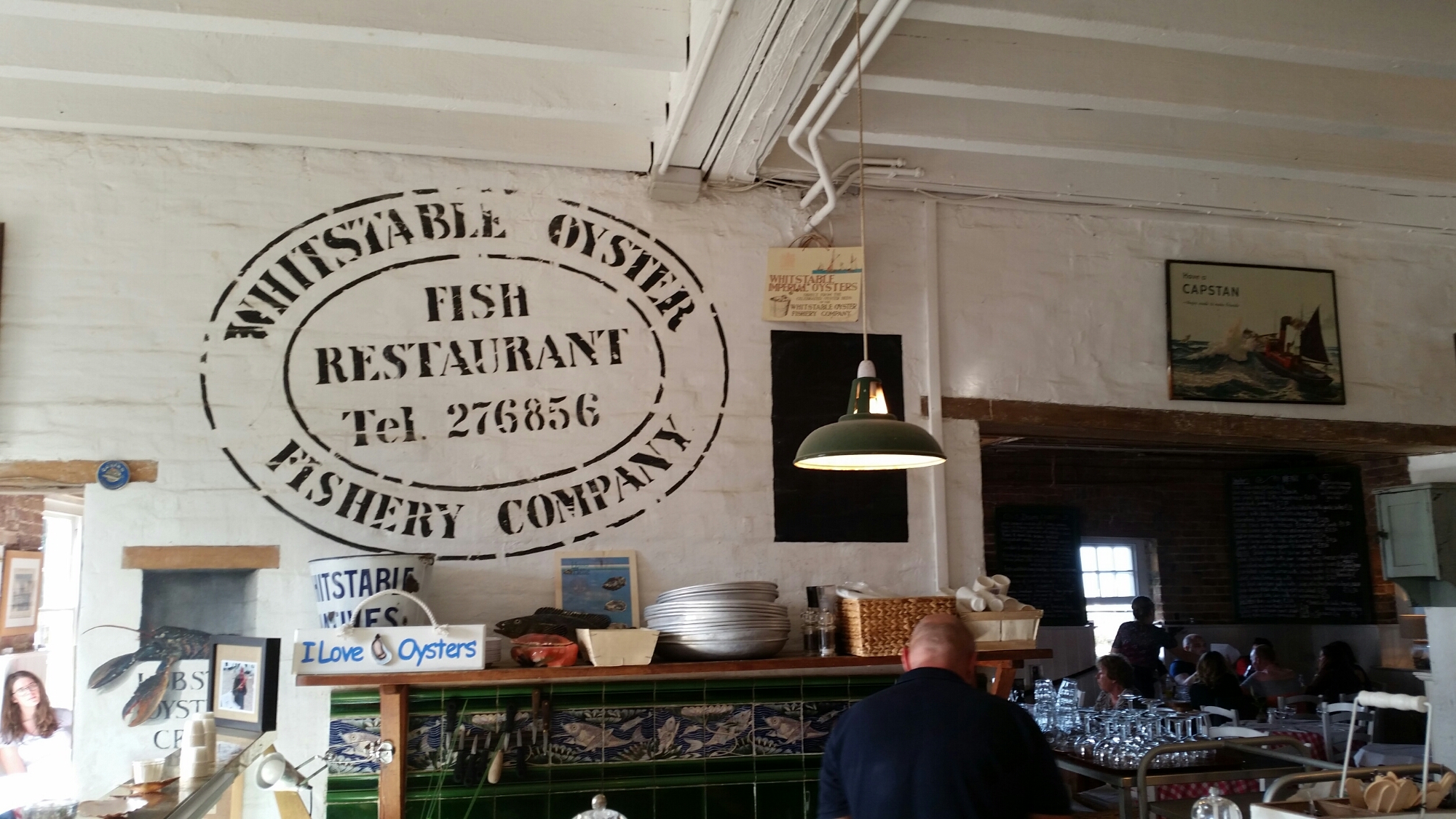
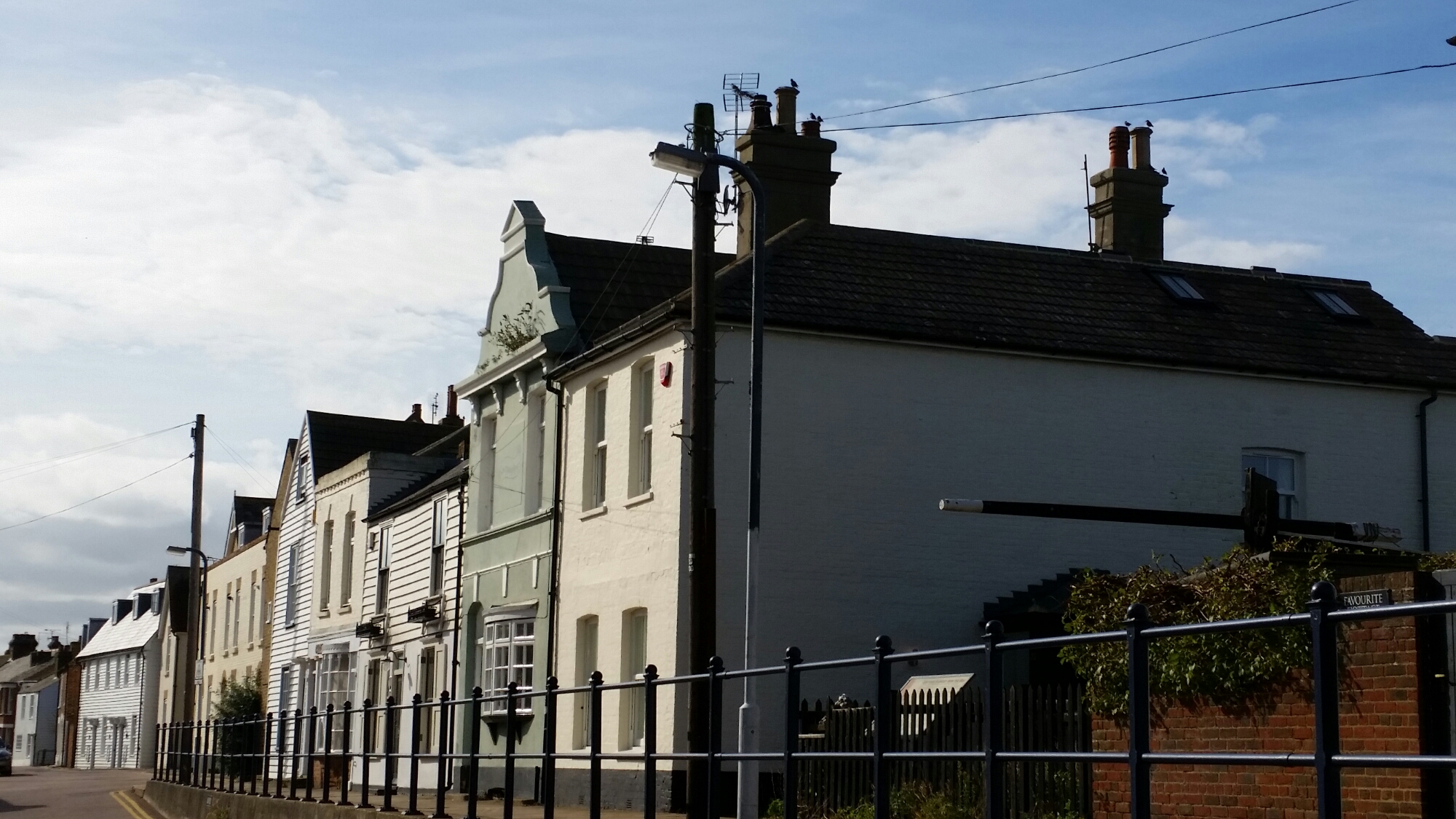
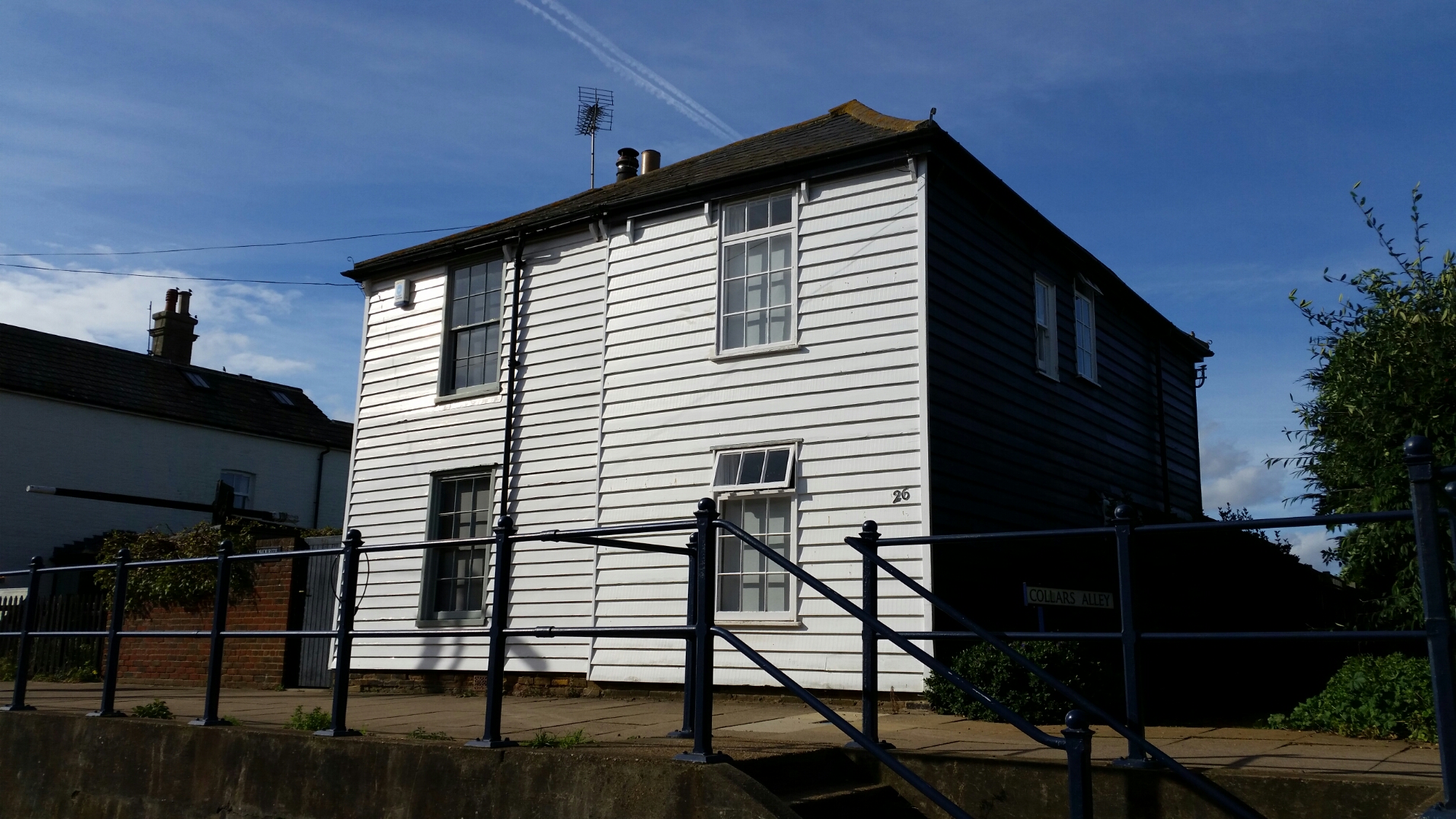
We had lunch today in the Royal Native Oyster Stores, with excellent fresh crab, Whitstable oysters and local India pale ale, full of people eating all afternoon looking out across the Thames Estuary towards Essex:
Tyburnia
I’ve been asked to explain my use of the term Tyburnia to describe the area of shabby chic streets and squares that lie between Paddington and Bayswater, from Craven Hill to Cleveland Square. The term derives, of course, from the fact that public executions used to take place at the Tyburn Tree near the junction between the Bayswater and Edgware Roads where a grandstand was set up for people to watch the hangings. Paul Sandby lived in the semi-rural St. George’s Row and so did Dominic Serres. The area, once owned by the Bishop of London, was developed in the early nineteenth century by Samuel Pepys Cockerell and George Gutch as surveyors to the Paddington Estate. They were responsible for the layout of its streets and squares, including the grand houses of Hyde Park Gardens. It retains an attractively nondescript character of boarding houses and cheap hotels.
Kinninmont
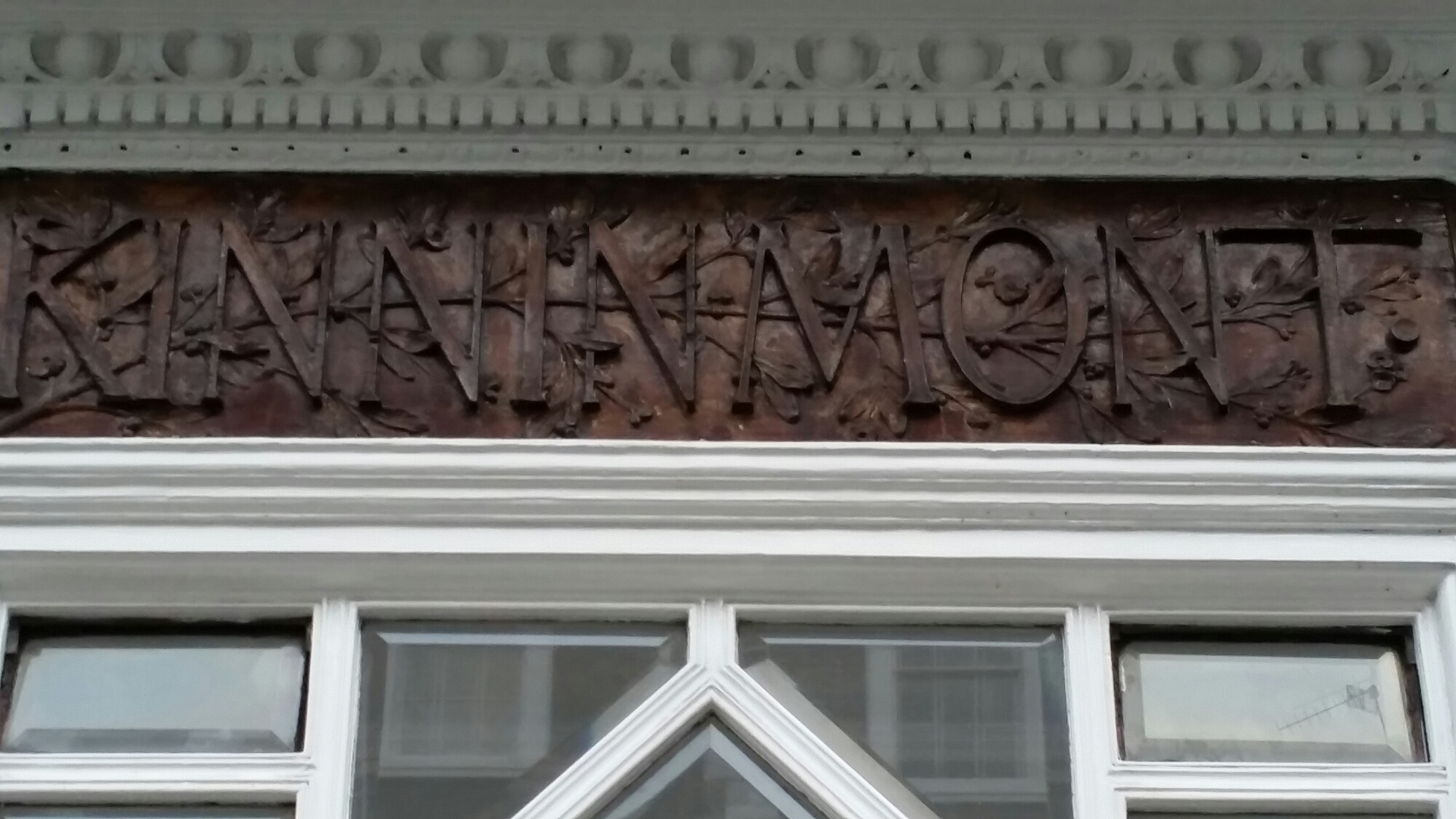
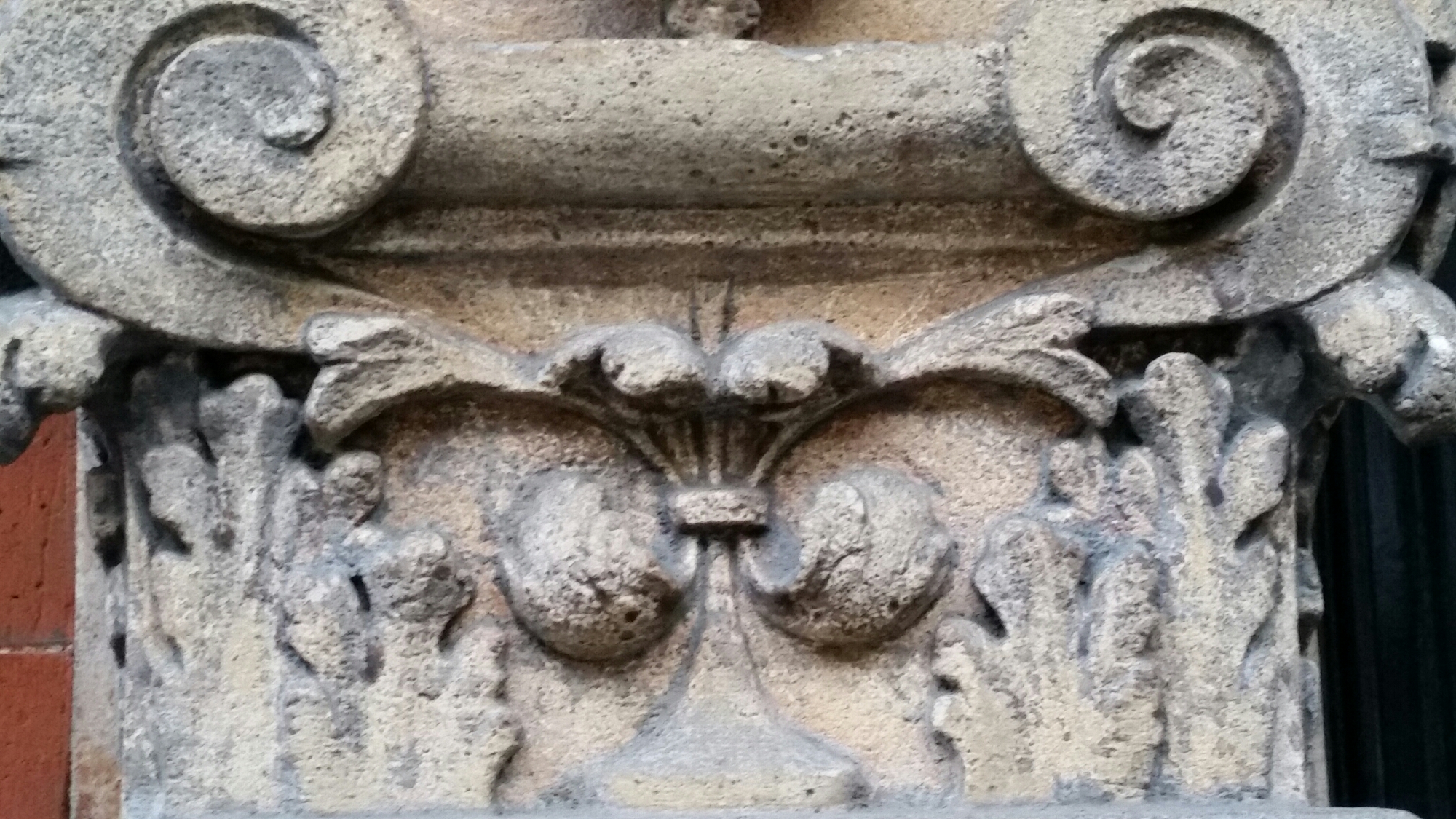
I went to the barber today and noticed for the first time, which I should have noticed before, the elaborately carved inscription over the window. It was apparently an advertisement for the wood turner’s craft alongside the ornate brick decoration and, once upon a time, rich plasterwork in the interior. Nothing could be nicer or more therapeutic than a haircut and capuccino as the sun rises over the back streets of Tyburnia.
Young Masters
I spent the day helping to judge an art prize called Young Masters, which is based on the principle that it’s good for artists to be interested in the art of the past. It wasn’t at all straightforward. The works were split between two venues, one in the city, the other in Notting Hill. Artists whose work looked strong in one venue before lunch looked less so in the second venue, and vice versa. We didn’t all agree. The work of photographers was strong, but not necessarily original. We were asked which individual works were the strongest which gave a different answer to which artists were the strongest. We couldn’t decide whether tastefulness was good or bad. Eventually we reached a decision which wasn’t the one which would have been predicted from the discussion. But we agreed in the end.
Ai Weiwei (3)
Back to Blenheim for another tour of the Ai Weiwei exhibition in preparation for a tour later in the day for patrons of Frieze Masters. Not a good day to be there for an event because of the death of the 11th. Duke in the early hours of the morning. The flag was at half mast.
This time I saw the handcuffs on the bed on which Winston Churchill was born:

I found the installations worked better with fewer people about. They were more serenely surreal, particularly the crabs:

Bonhams
Yesterday, the President and I were taken on a tour of the not-so-new Bonhams by Alex Lifschutz of Lifschutz Davidson Sandilands, who suggested that they could hollow out a house at the top end of Bond Street to provide a grand ceremonial entrance to their auction rooms. Nothing could more obviously demonstrate the transformation of the art world into a sleekly modern business than his conversion of the higgledy piggledy old Phillips building. It now has intelligently curved staircases and hyper serviced auction spaces and a small restaurant about to open in Haunch of Venison Yard.
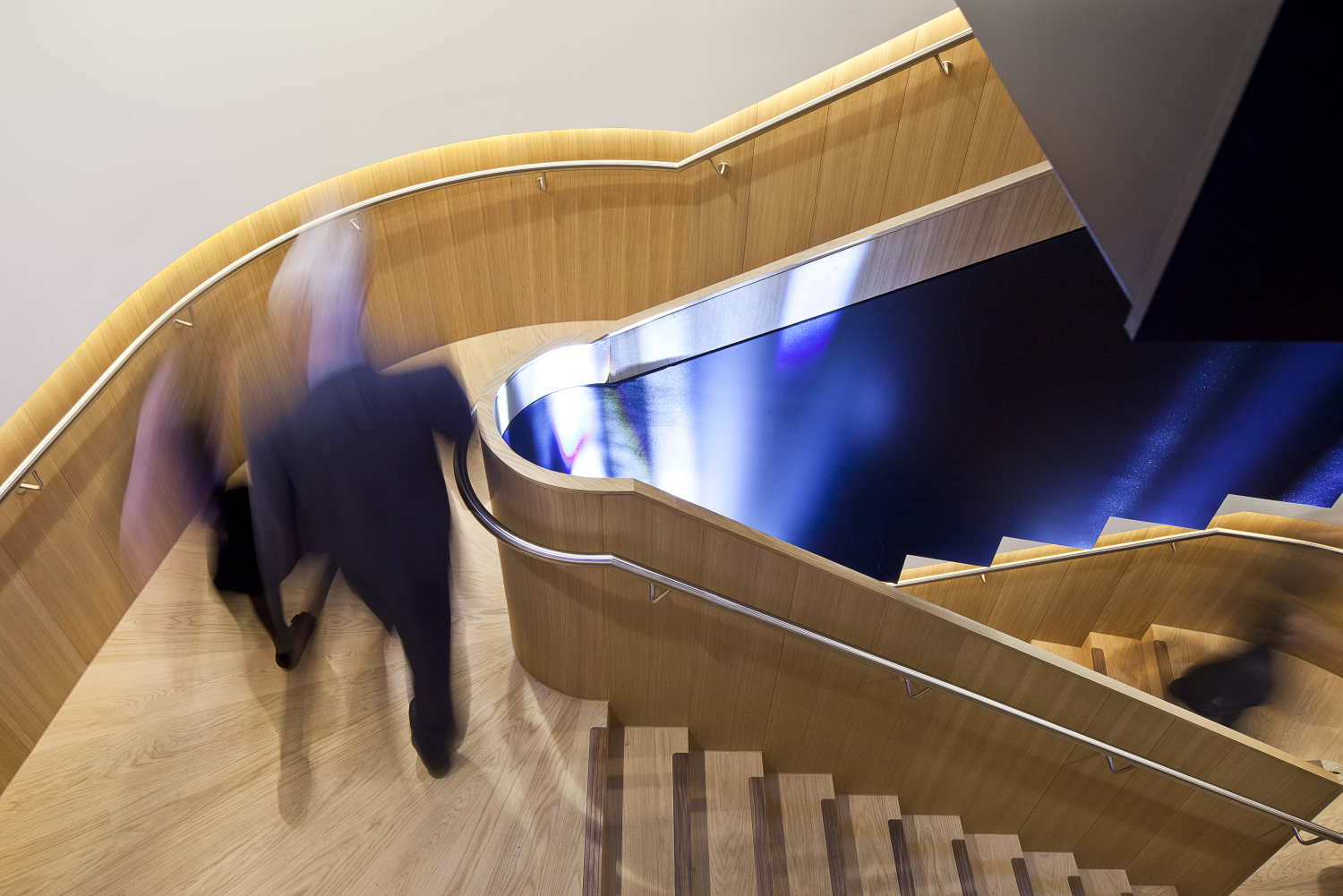
Ⓒ Hufton and Crow

Ⓒ Hufton and Crow
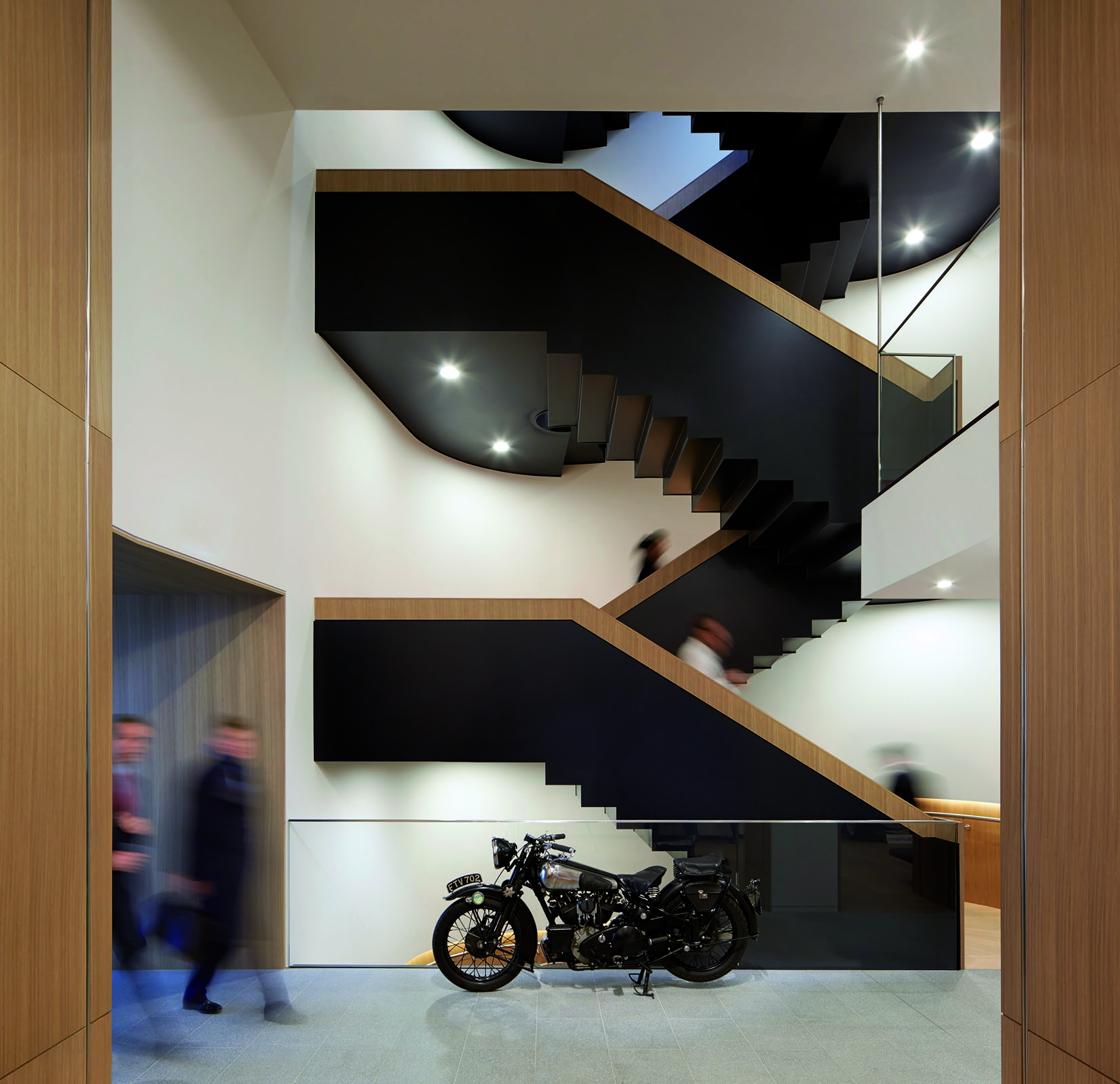
Ⓒ Hufton and Crow
PAD
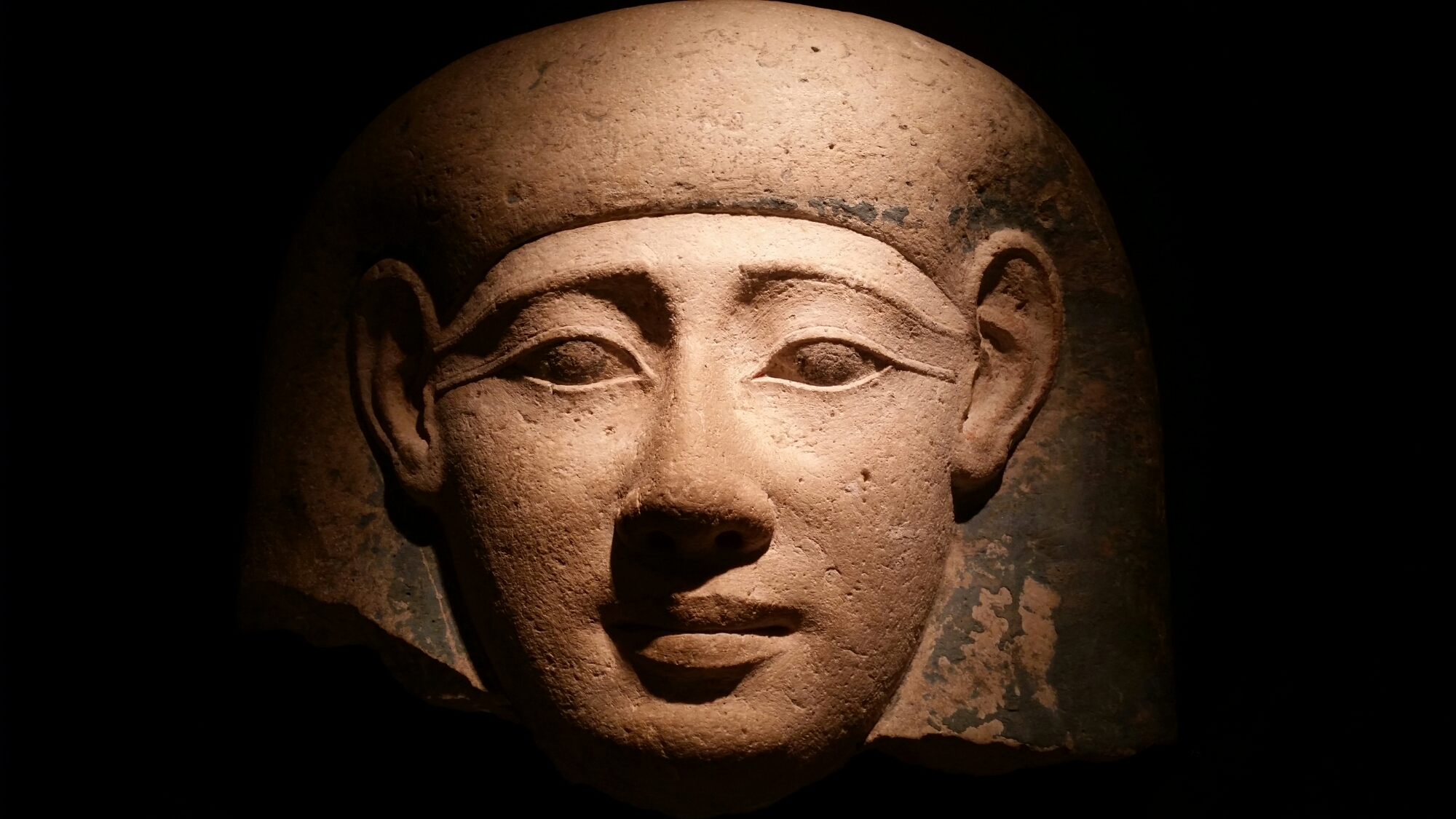
En route to dinner, I discovered that PAD (the Pavilion of Art and Design) was still open at the top end of Berkeley Square. It was packed with people, all admiring the strange mixture of haut luxe – furniture of the mid-century which is anti-modernist, all in bronze and fur. I found myself admiring the antiquities, wondering where they come from:
The Shard
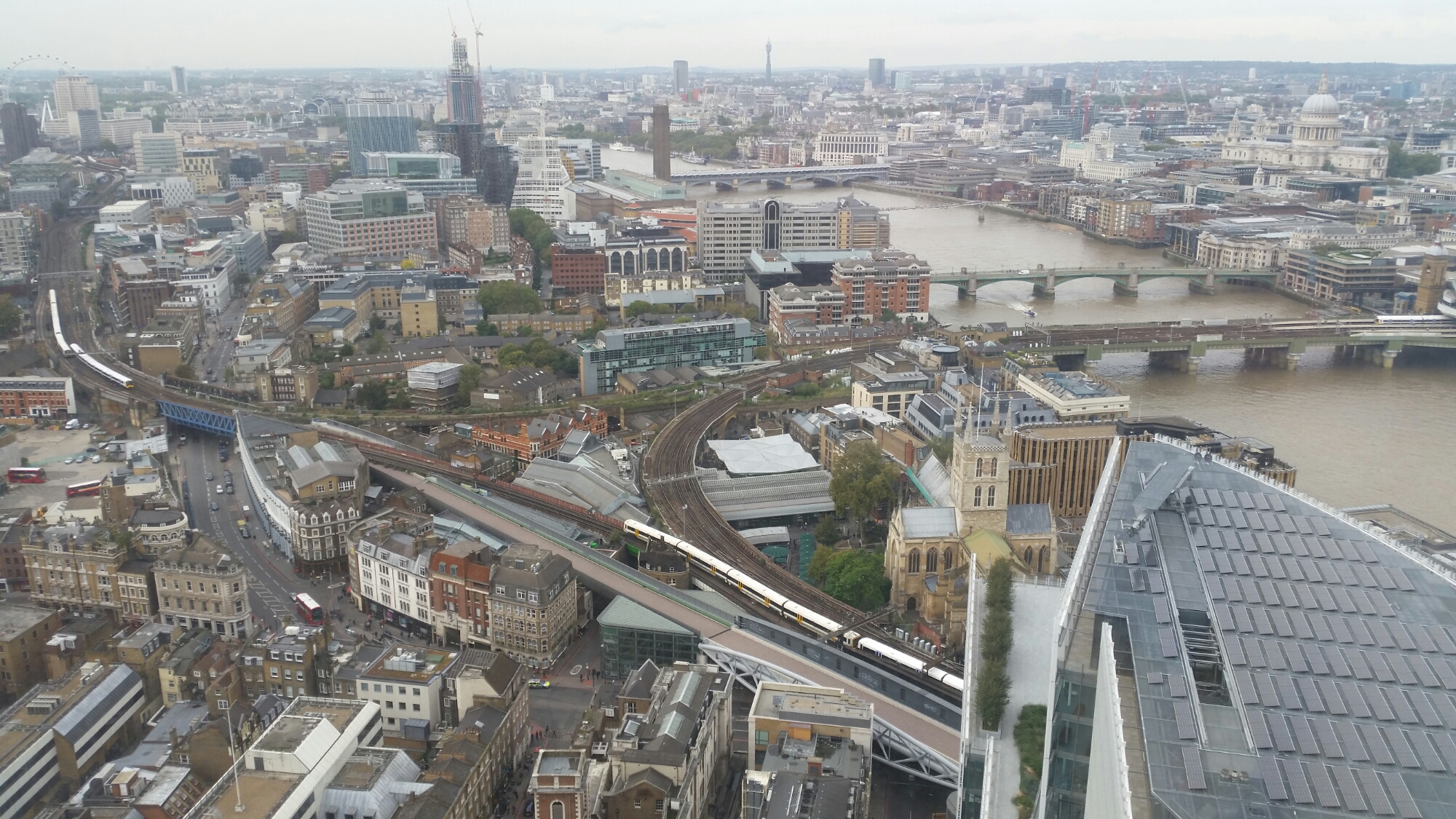
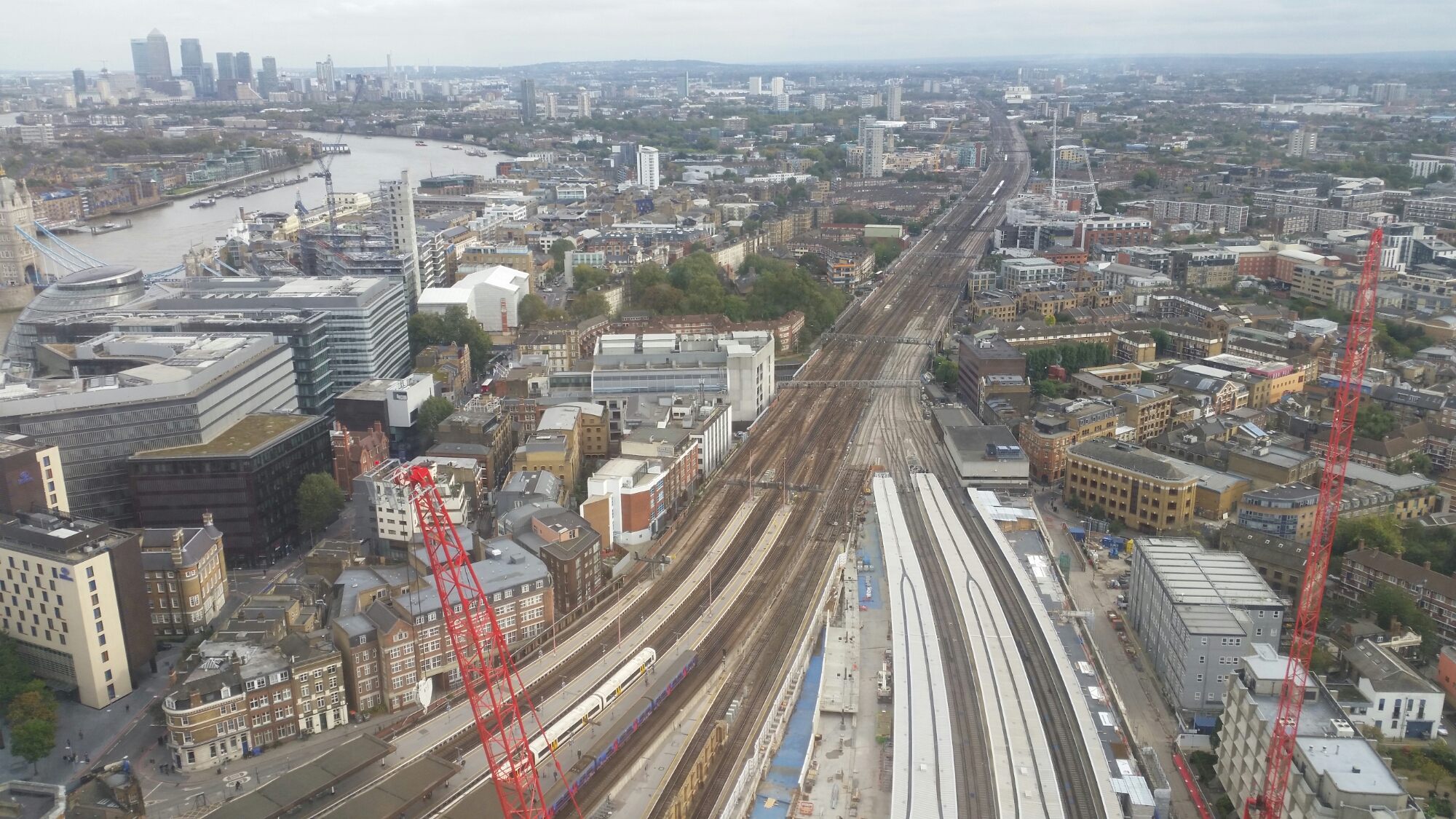
We had lunch yesterday halfway up the Shard, delicious dim sum and Peking duck. In the week when the Shard is a candidate for the Stirling prize, it was good to see what it is like from the inside. The jury will have difficulties ignoring it because whether one likes it or not (I do like it), it has so obviously changed the grammar of architecture in London. What I particularly like are the distant views from far away as one enters London on the M11 or the A2 beyond Blackheath. Inside, it has amazing views of central London along the railway tracks east and west and the massing of the City northwards round the Cheesegrater. Oddly, the buildings which catch one’s eye in aerial perspective are those of Renzo Piano’s other major project in central London at Central St. Giles, so brightly coloured in the dense massing of historic London.
This is the view west:
East towards Canary Wharf:
 | Charles | Saumarez | Smith |
You must be logged in to post a comment.