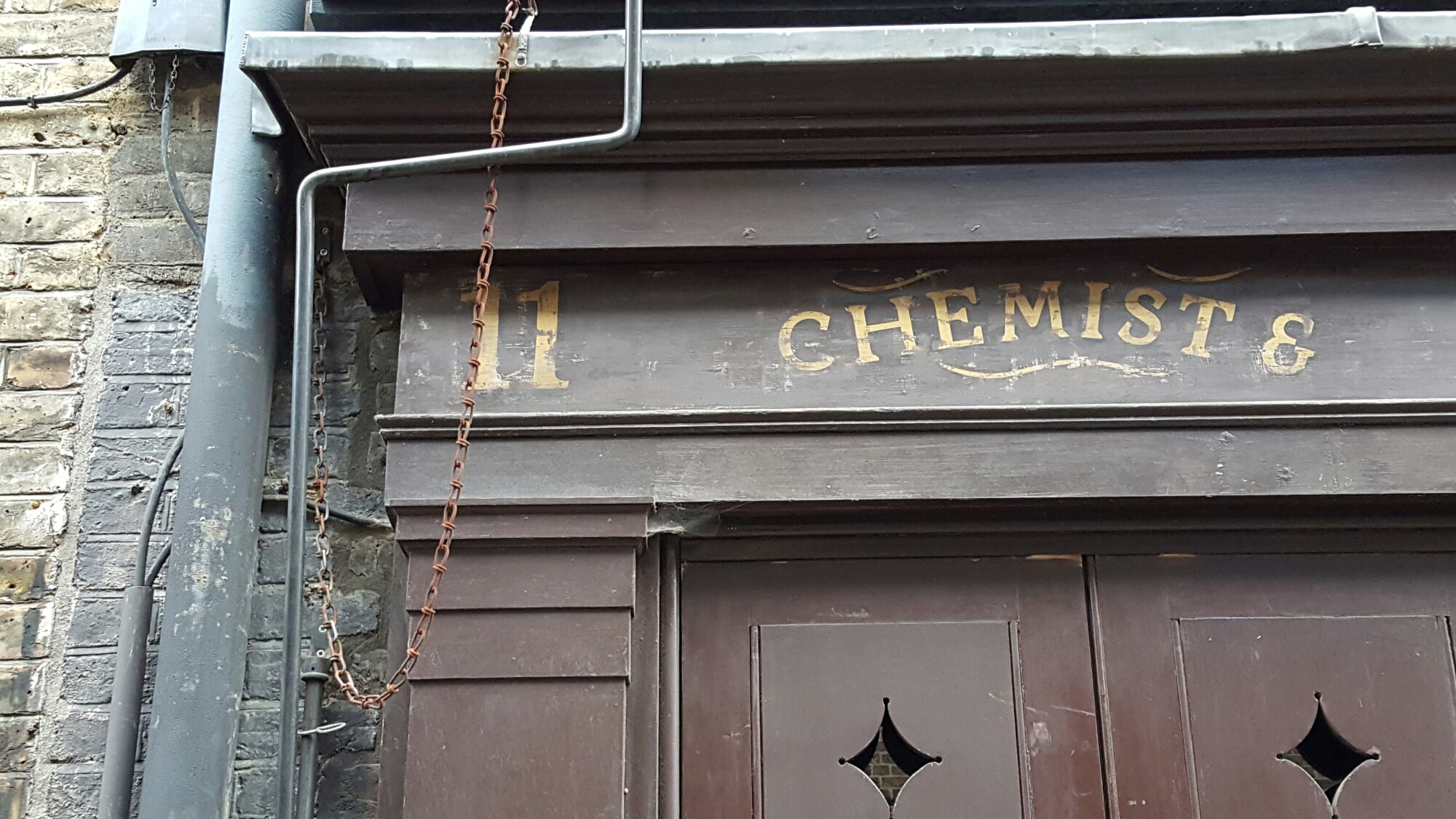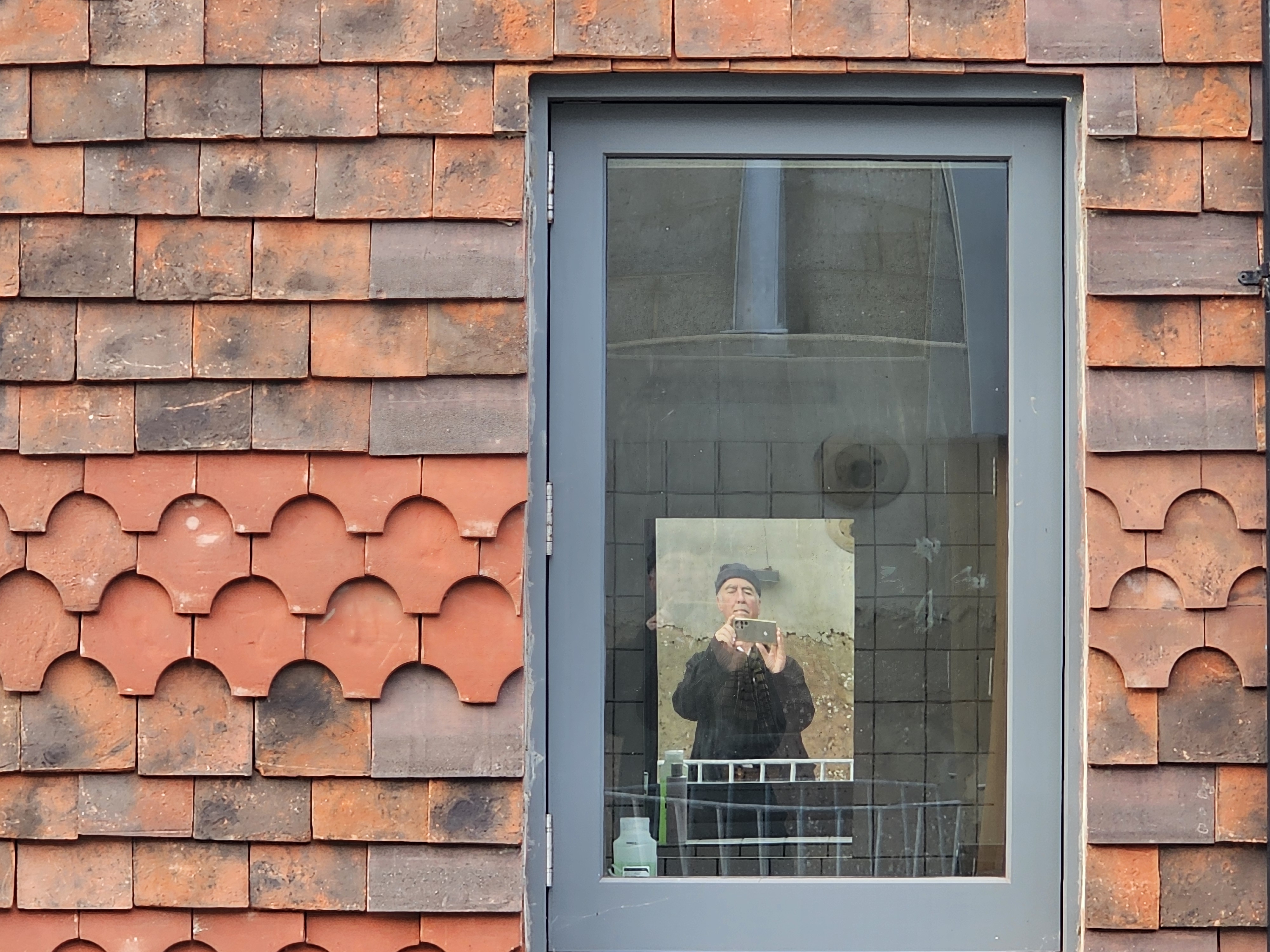
Burlington Gardens

We had a meeting yesterday of the trustees of the Royal Academy Trust in the empty space due to be occupied by our new lecture theatre.   It was faintly surreal sitting in the cold uninhabited space wearing high visibility vests whilst discussing the finances:-
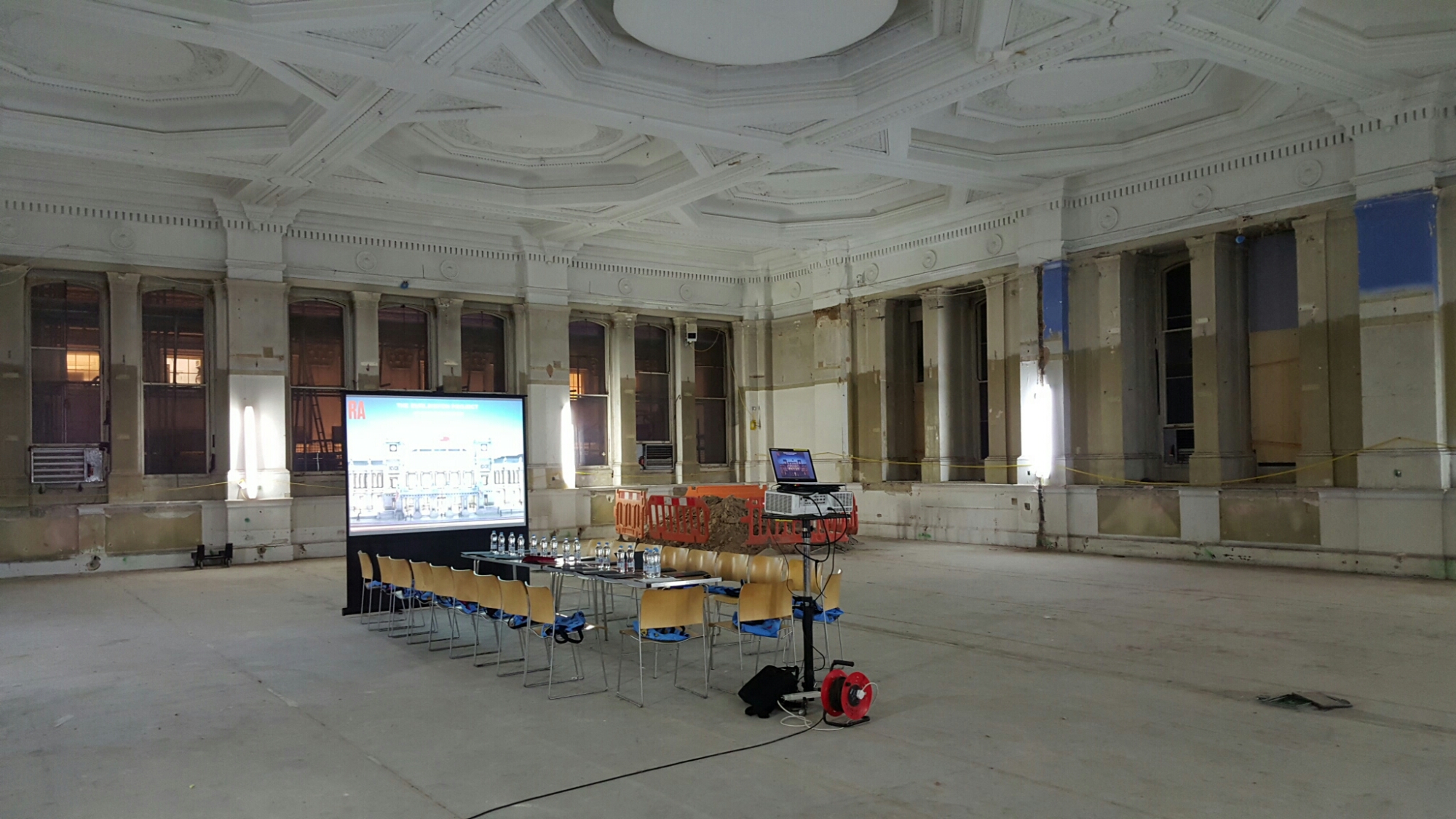
image

Meanwhile, the British Academy Room has been stripped to the bone.   I felt the ghost of Sir Mortimer Wheeler, with his large moustaches, who used to smoke his pipe by the fire:-
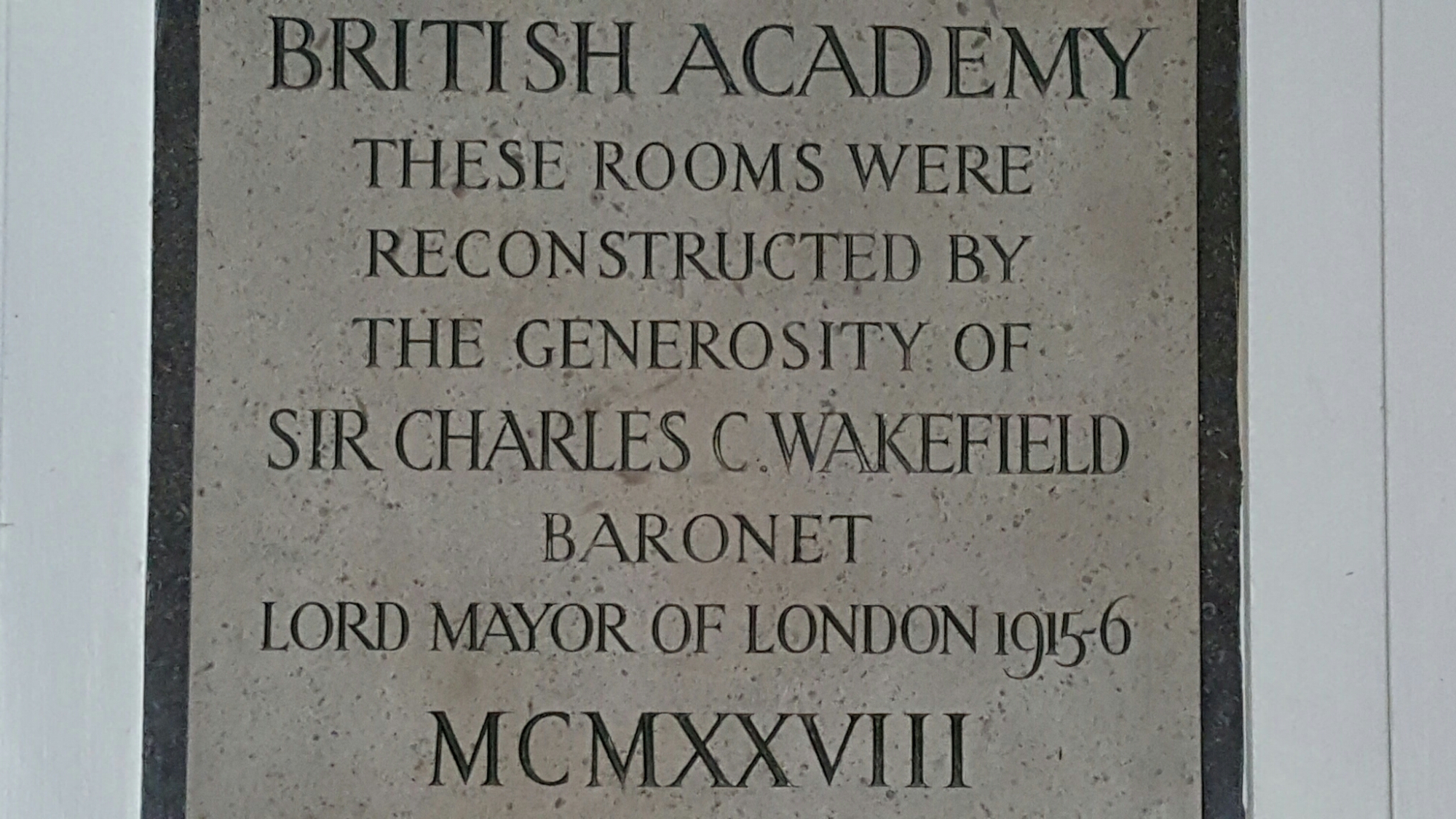
image Continue reading

Standard

Burlington House Façade

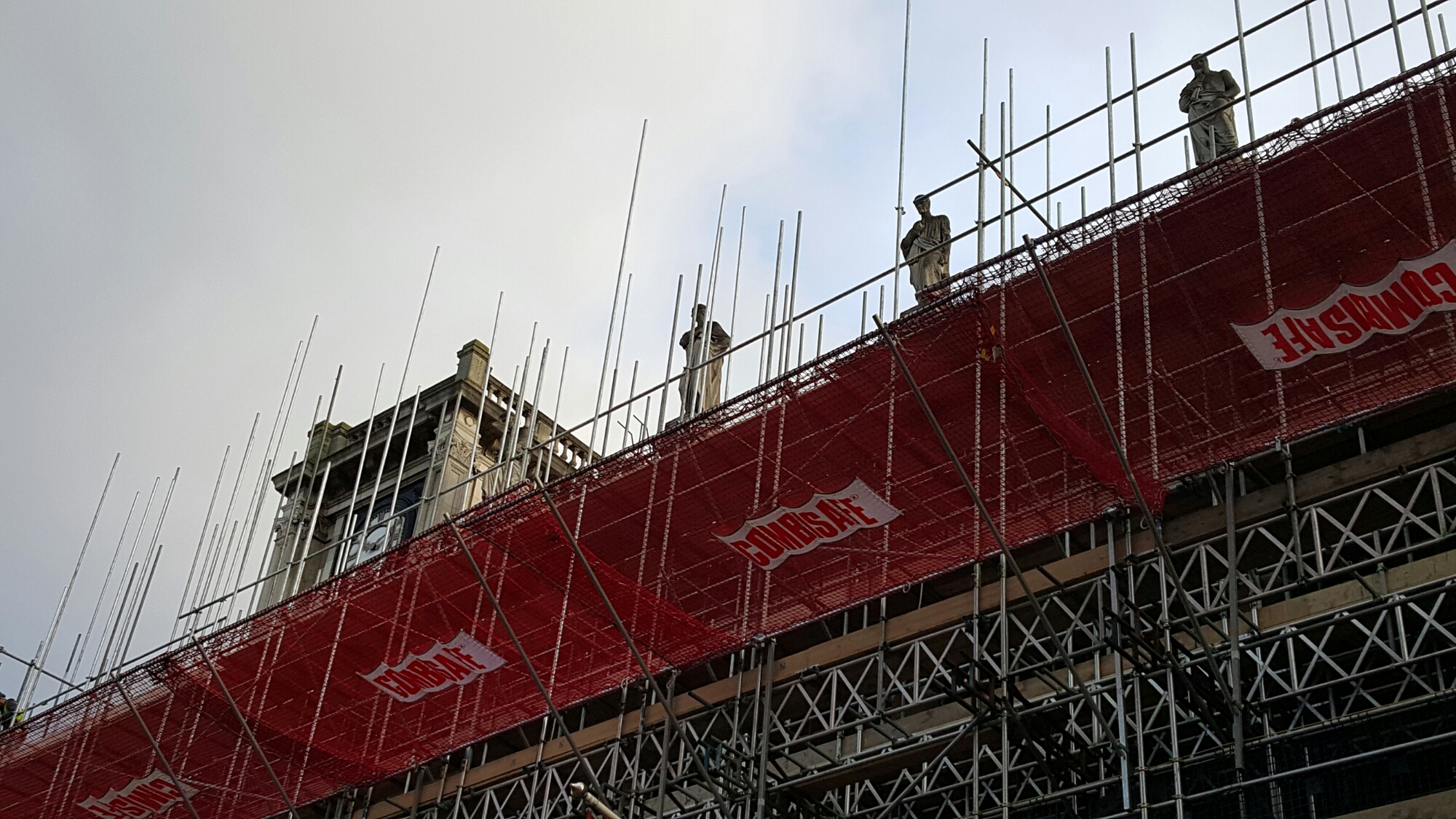
The absence of a large poster for Ai Weiwei – or, indeed, for Painting the Modern Garden, our next major exhibition – means that the full breadth of the Burlington House façade is visible, including the figures who were placed in niches on the attic storey when Sidney Smirke added an extra floor to Lord Burlington’s piano nobile.   They are those who were regarded as the greatest artists of the time.   Reynolds, of course, and Wren, both by Edward Stephens (although where did Stephens get this idea of Reynolds as a robust young figure in an academic gown ?):-

image

Continue reading

Standard

Bryant and May Factory

I wandered in to the old Bryant and May match factory, scene of the strike in 1888 and subject of an essay by Patrick Wright in A Journey Through Ruins.   Wiĺliam Bryant and Francis May started importing Swedish matches in 1850.   In 1855 they acquired a patent to manufacture safety matches from red phosphorus and potassium chlorate and in 1861 they opened the Fairfield Works, a massive factory, rather German in character with its red and black brick.   The workers were first radicalised in 1871 in protest at the planned imposition of a tax on matches and again went on strike in 1888 led by the theosophist Annie Besant.   It’s all quiet now after being converted into apartments in 1987:-

image Continue reading

Standard

Adelaide House

I was walking past Adelaide House last night on the north side of London Bridge and was impressed by the American style of its façade, designed by Burnet and partners at more or less the same time that they were working on Unilever House.   When built, it was the tallest building in London (hard to believe) and it has an Egyptian style entrance, as well as sculpture by Sir William Reid Dick.   Apparently there used to be a golf course on the roof:-

image

Standard

Burlington Gardens

I went on a site visit of our building project in Burlington Gardens for only the second time since building work began in late October.   It’s a strange experience seeing a building stripped to its bones, like an old lady seen in corsets.   The volumes change.   With all the later accretions removed, one can see how grand the big spaces are going to be.

This is the view of Pennethorne’s north façade:-

image

image Continue reading

Standard

Courts of Justice

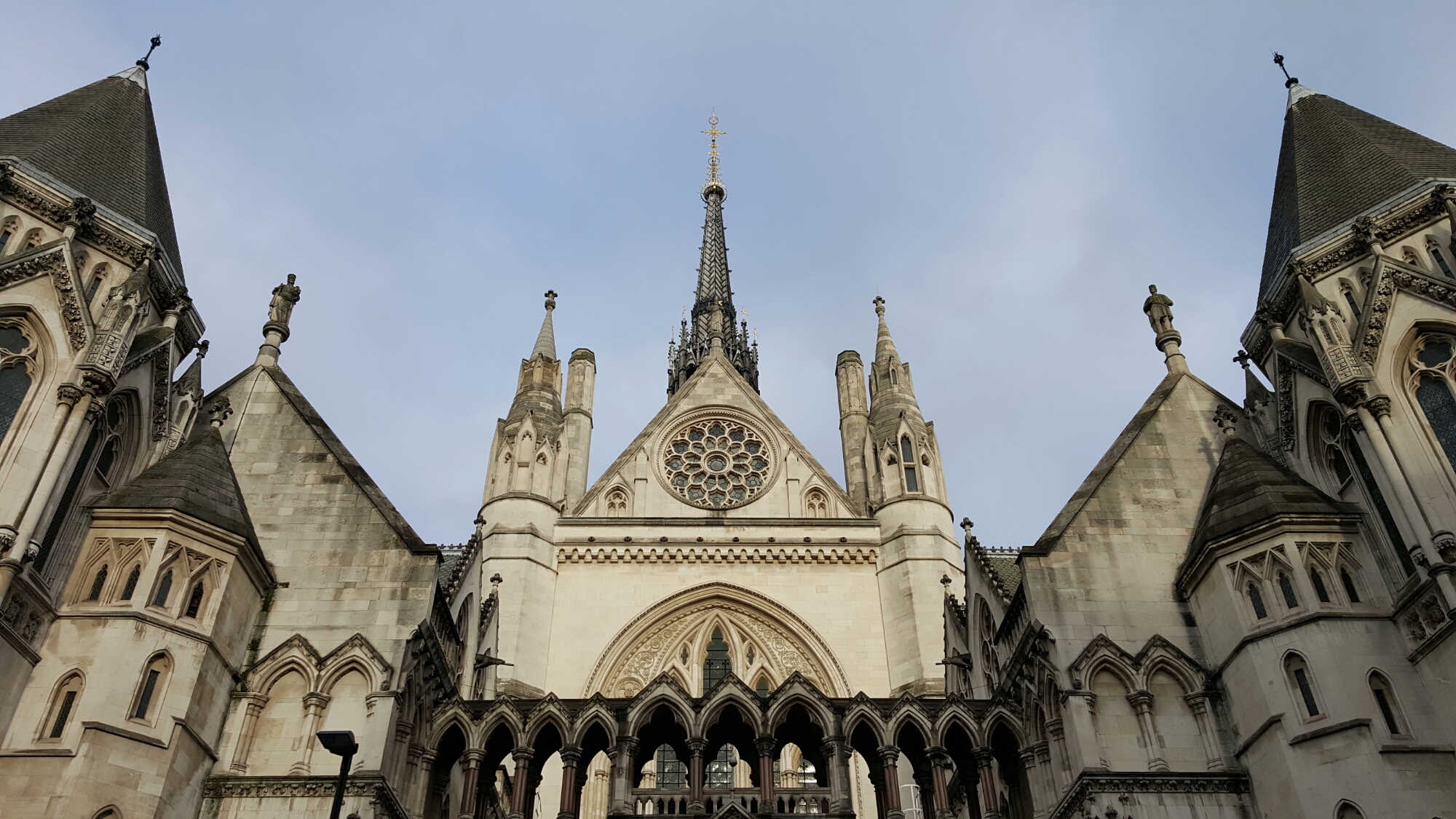
I’m not normally a great fan of G.E. Street, regarding him as at the dour end of the Gothic Revival, and have never previously warmed to the Courts of Justice, which have always struck me as cold and monumental;  but, crossing the street opposite them yesterday (no pun intended), I realised that they do have a certain grandiosity, as well as being very convincing in the way they use the historical language of the Gothic Revival:-

image

image

Standard

St. Stephen Walbrook

I also looked in on St. Stephen Walbrook, a curiously anonymous entrance for one of the largest and grandest of Wren’s City Churches, originally crammed in next to the old Stocks Market:-

image

image Continue reading

Standard

St. Mary Woolnoth

I tried to visit St. Mary Woolnoth between Christmas and the New Year.   But it was closed.   So, I slipped in instead at lunchtime  today.   It’s the Hawksmoor church I know least well, just behind the Mansion House, above Bank Station (one of the ticket halls is immediately underneath) and the survivor of several nineteenth-century attempts to demolish it.   It’s quite intense, grandiose on a very confined site, cuboid, with huge Corinthian columns which press in on the space for the congregation and a fine pulpit, with an elaborate sounding board which feels redundant:-

image

image Continue reading

Standard

Stepney School Board

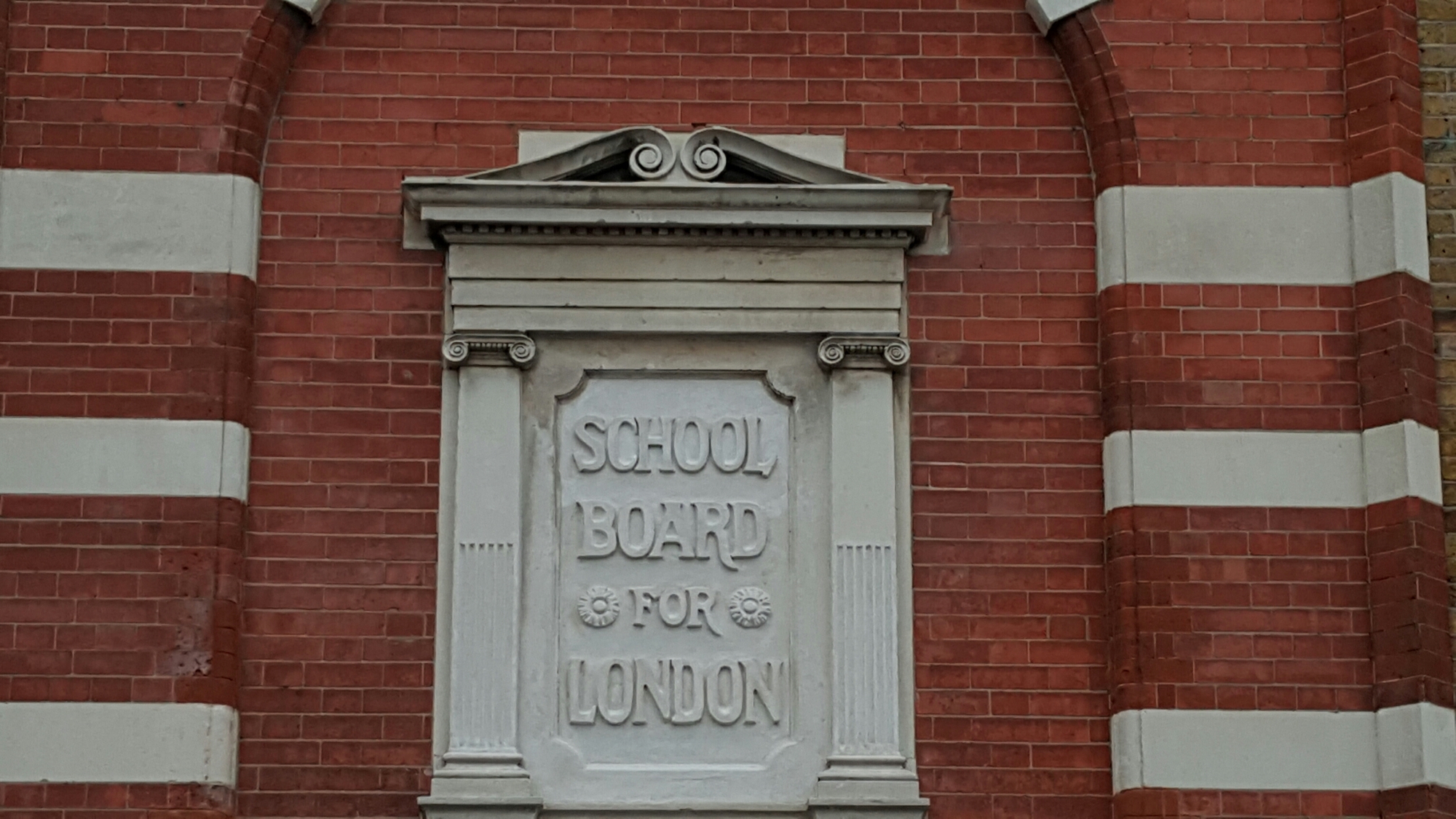
I took a minor deviation from my normal Sunday morning route and spotted that an old Board School on the far side of Shandy Park had been converted into luxury flats.   It is described in the sales particulars as ‘dating back to the second world war’ which shows how much estate agents know of architectural history as it so obviously dates back to the Queen Anne Revival.   It is the surviving wing of the original Ben Jonson School, constructed in 1872 on the Prussian model, and contained the original Cookery and Laundry Centre added in 1895, as well as the local School Board’s Divisional Offices:-

image

image Continue reading

Standard

11, Princelet Street

I have never previously walked past Chris Dyson’s architectural practice in Princelet Street when it has been closed, so have not had an opportunity of admiring its fine shop lettering, nor its fine fire insurance plaques (first introduced by Sun Fire Office in 1710), nor the poster recording its history:-

image

image Continue reading

Standard