I am beginning to get used to working in Blackfriars, not Piccadilly. It’s now mainly a railway station and pub, but it was once a Dominican monastery, founded in Shoe Lane in 1221 and given a bigger site by the river just outside the city walls in 1263. It became extremely important, the seat of parliament and the repository of state records, until dissolved in 1538 when it was given to the Master of the Revels, which led in due course to the monks’ refectory being turned into a playhouse. The theatre, which specialised in performances by boy actors (originally choirboys), was closed down in 1642. Ben Jonson lived here and Van Dyck. Now it’s just somewhere sandwiched between the City and Fleet Street.
Tag Archives: London
Mile End Road
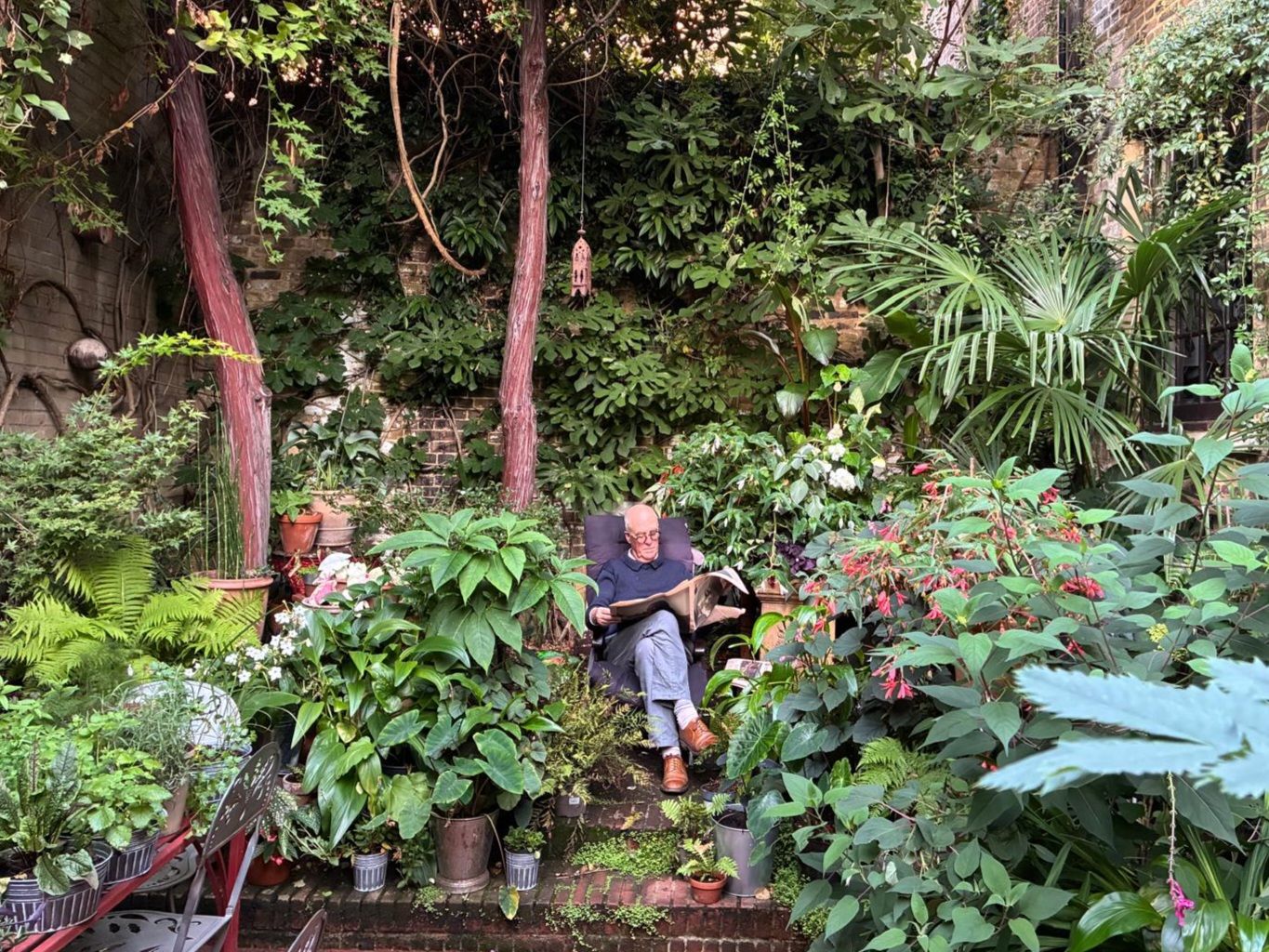
I was wandering past my neighbour’s garden and he kindly allowed me to take photographs of his jungle garden, complete with cenotaph, sub-tropical vegetation and the newly painted front door:-

Stepney City Farm (1)
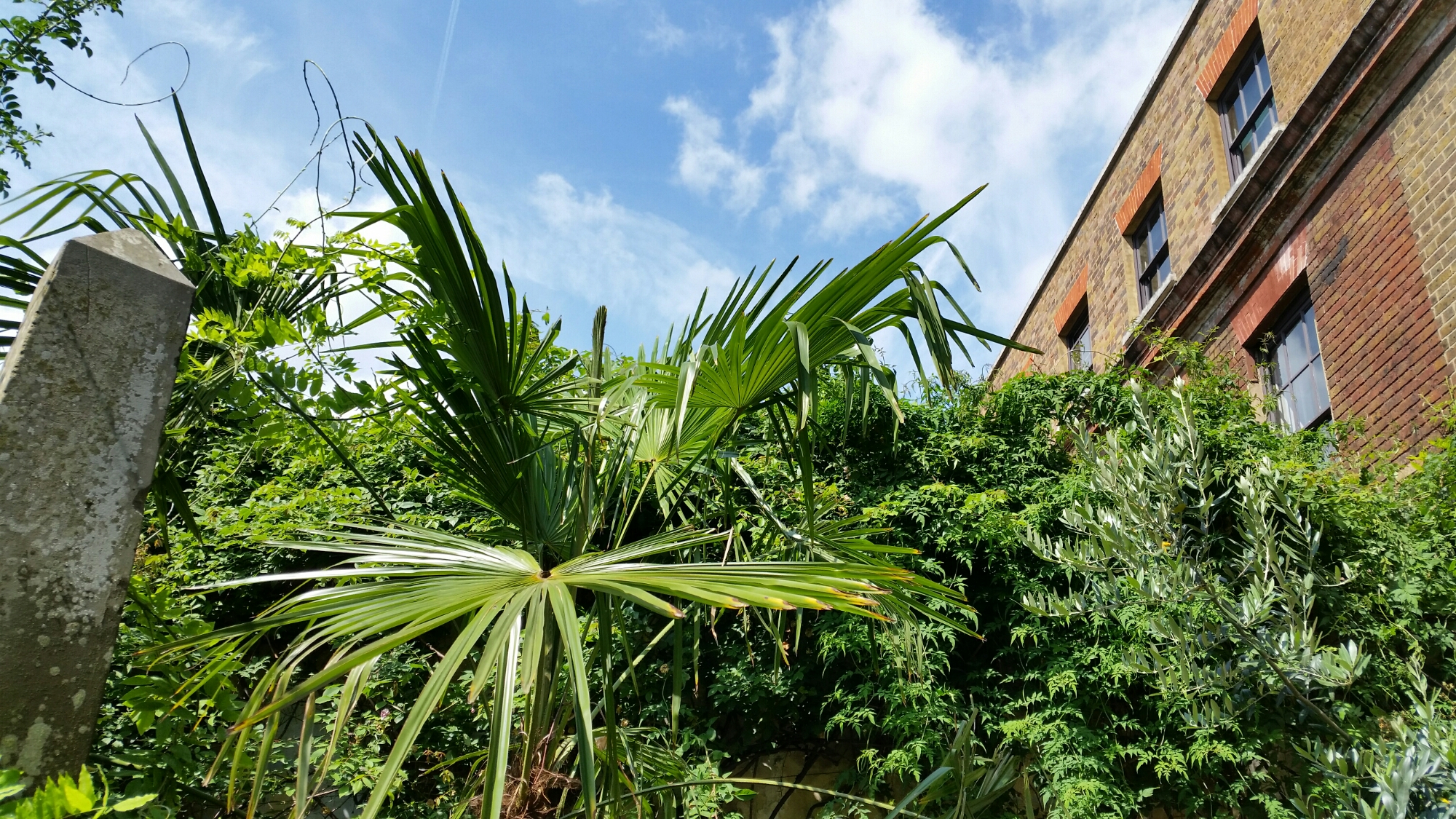
I don’t think I’ve done a post on Stepney City Farm. Actually, I’m not sure that I’ve ever been to it properly, other than the Saturday Farmers’ Market, except maybe when the children were small to see the pigs. It’s an unexpected piece of hippy rusticity next door to where they are doing the tunneling for Crossrail, with geese, donkeys and chickens wandering fairly freely amongst the lettuces:-

Whitebait Dinner (2)
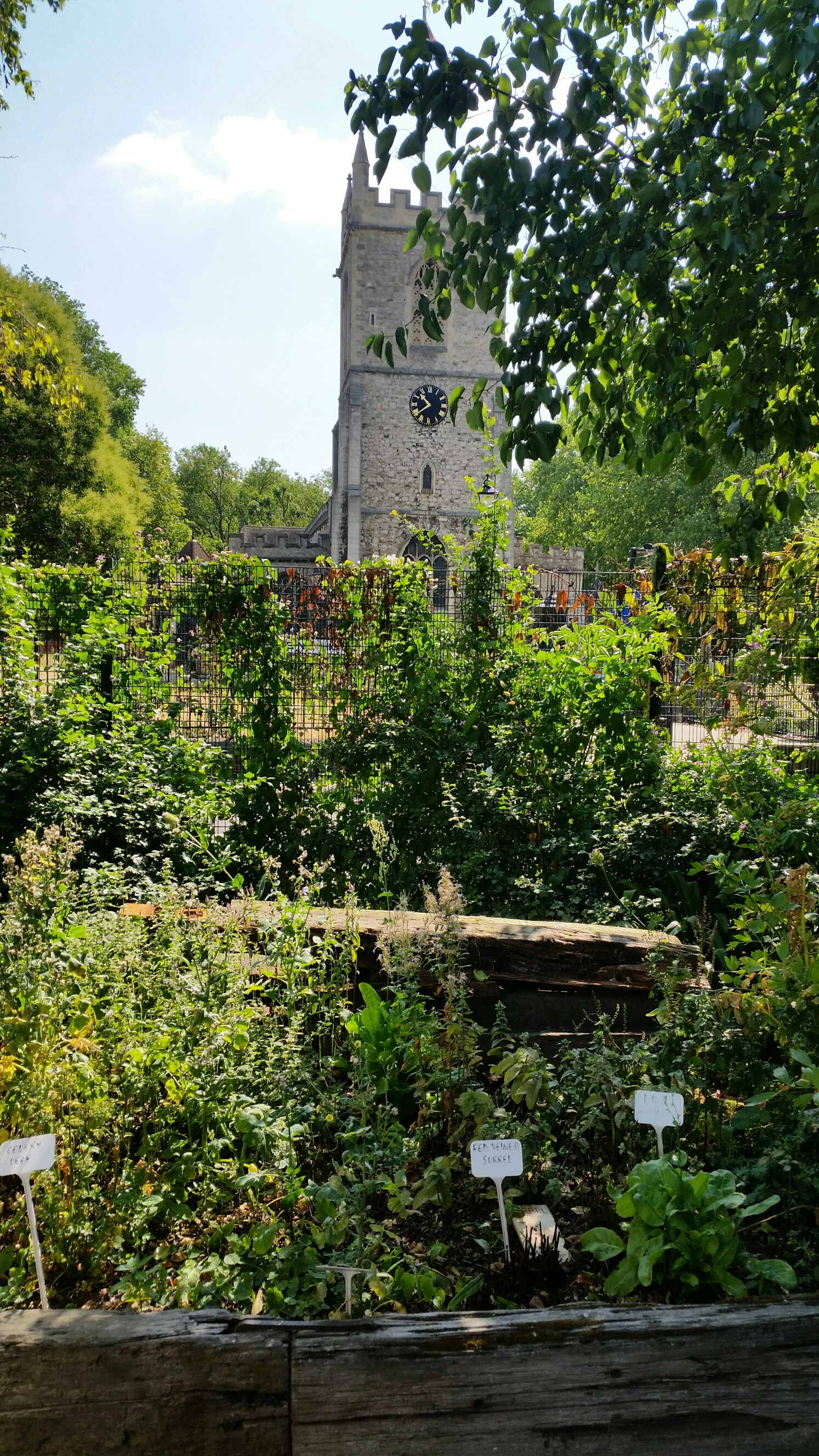
This year’s Whitebait Dinner was held at Trinity Buoy Wharf, far downriver beyond the baroque magnificence of the Royal Naval College, past the Trafalgar Tavern where the Academy Club first held its whitebait dinners on the first Monday in May, past the curious mixture of new development and old style industrial dereliction on Greenwich Reach, past the Dome and Richard Wilson’s A Slice of Reality, underneath Wilkinson Eyre’s grand cable car, until we docked alongside the Trinity Buoy Wharf, with its lighthouse built in 1864 and its mixture of industrial architecture, shipping containers and art installations.
The Dome from the river:-

Foreign Office
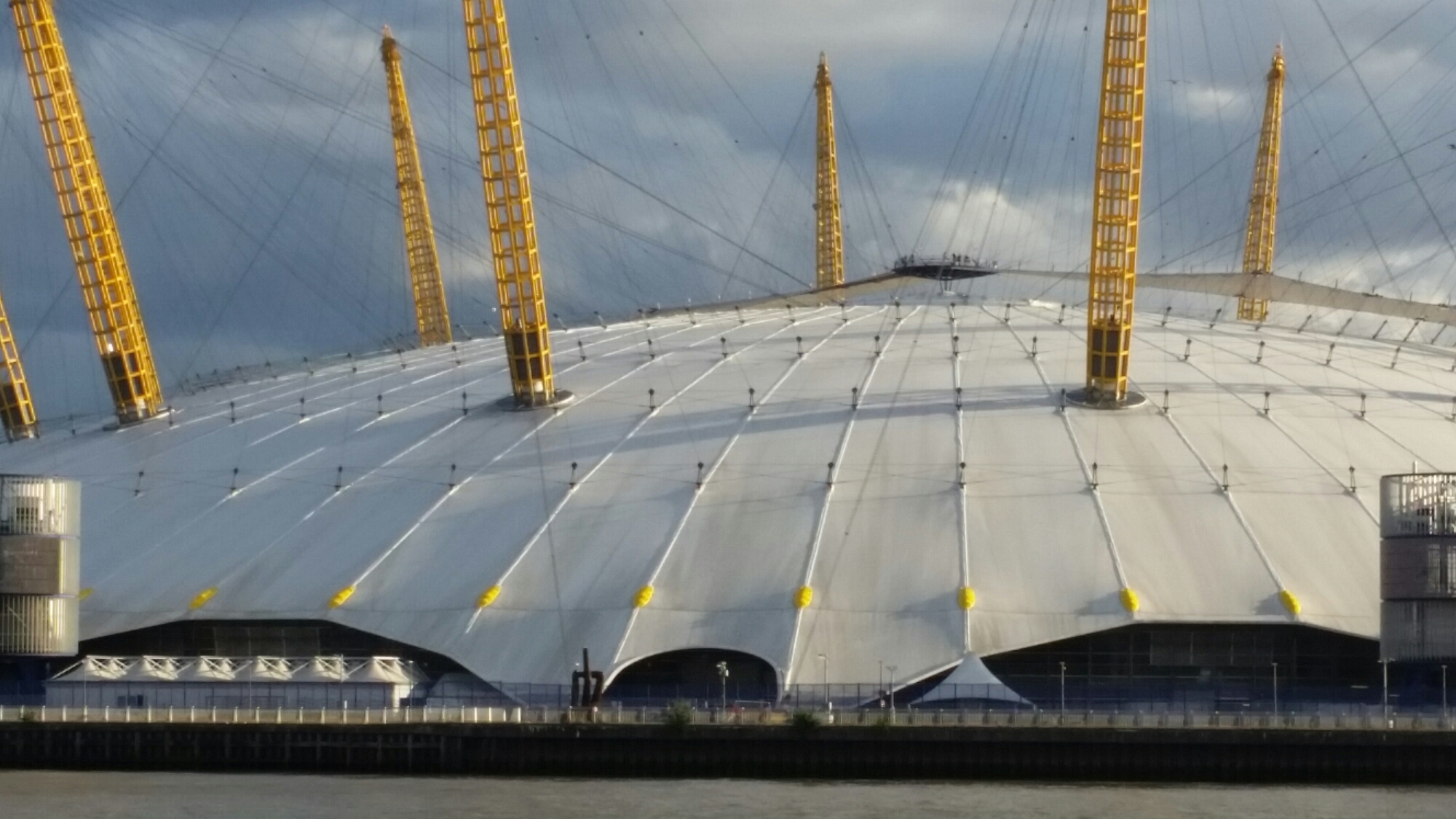
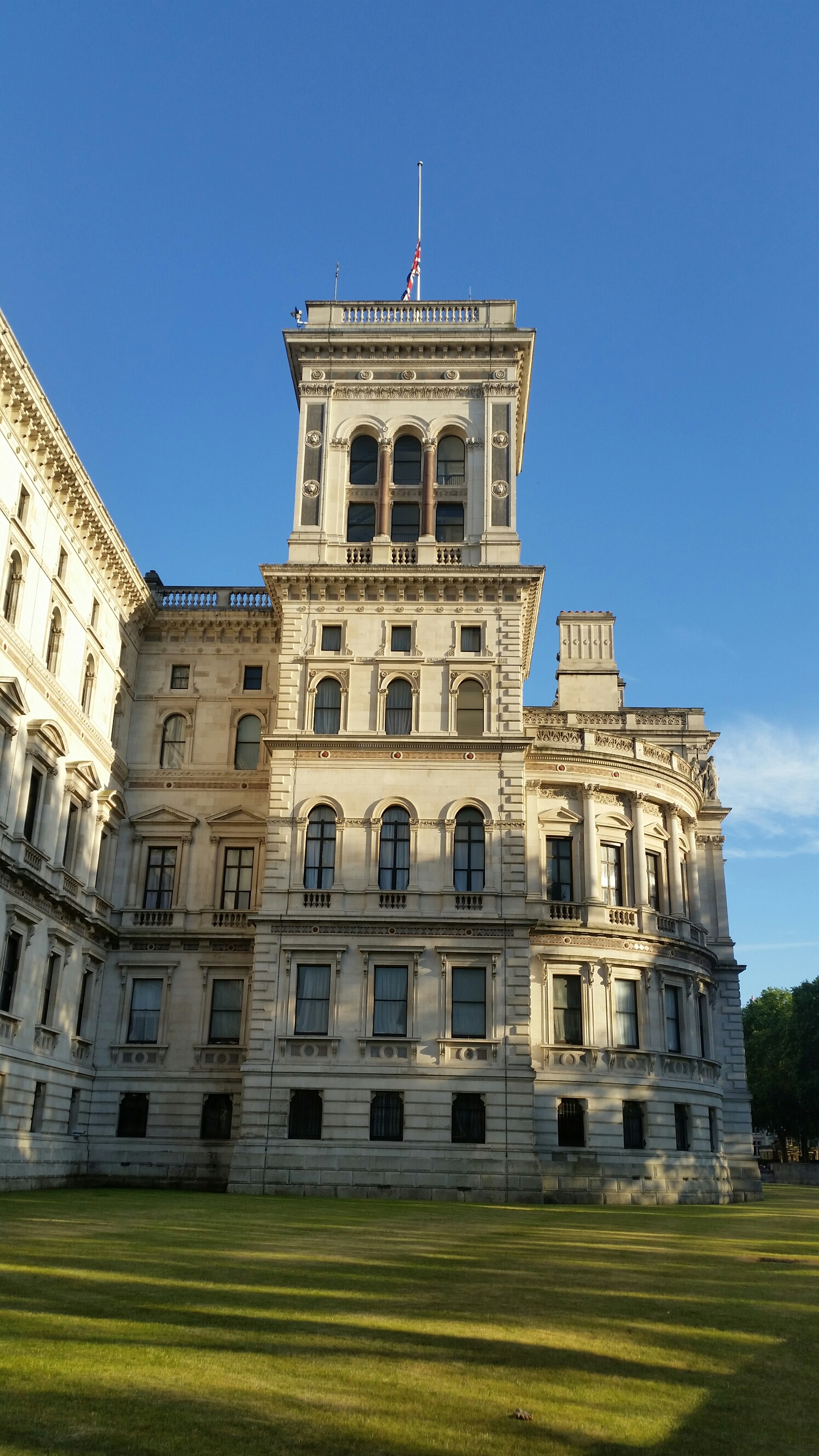
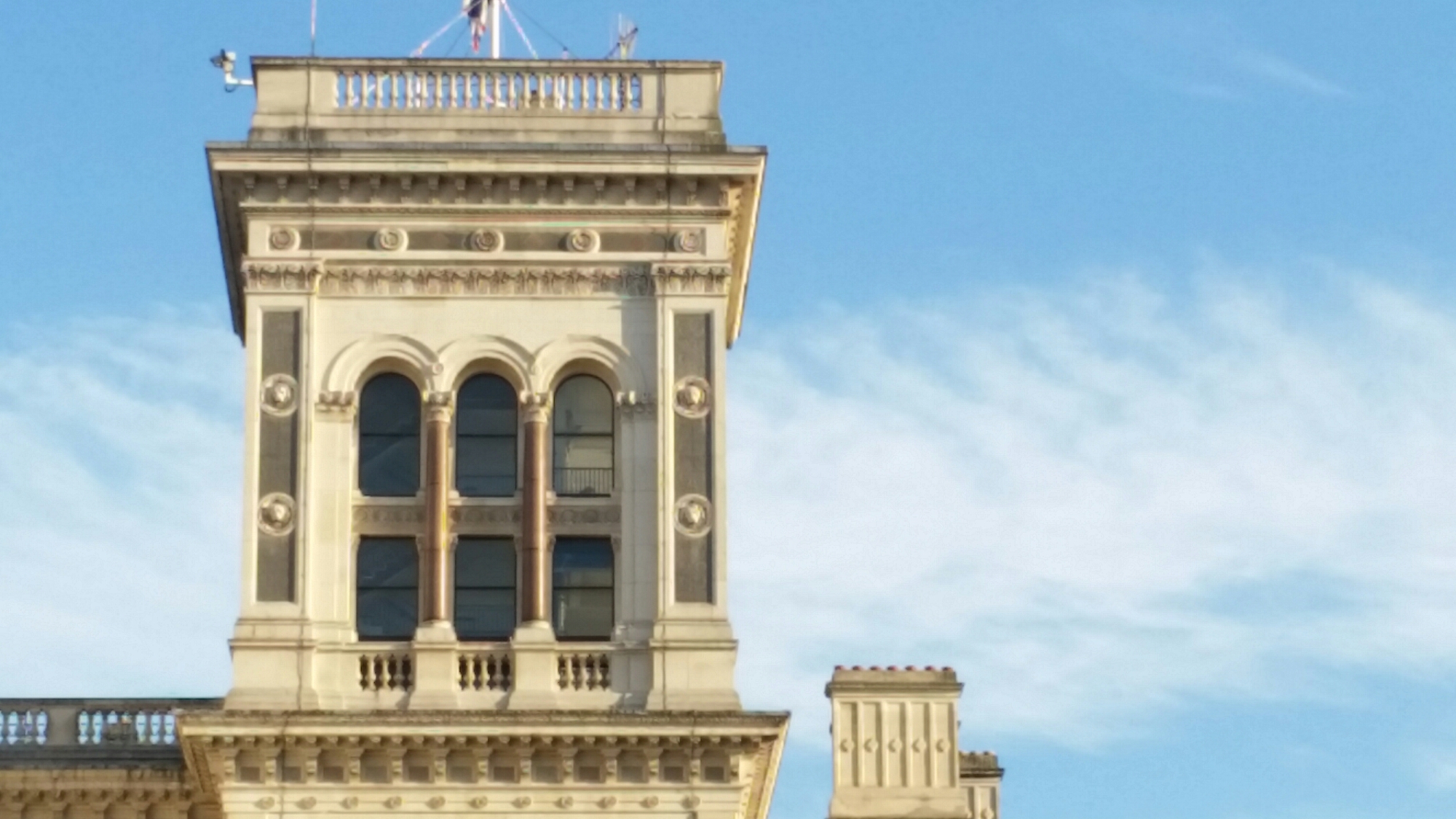
Immediately south of the Horse Guards Parade and normally monumentally reticent is Sir Gilbert Scott’s great building for the Foreign Office which ended up being a victory for the Neo-Renaissance in the Battle of the Styles after Lord Palmerston rejected the first gothic designs:-
Horse Guards
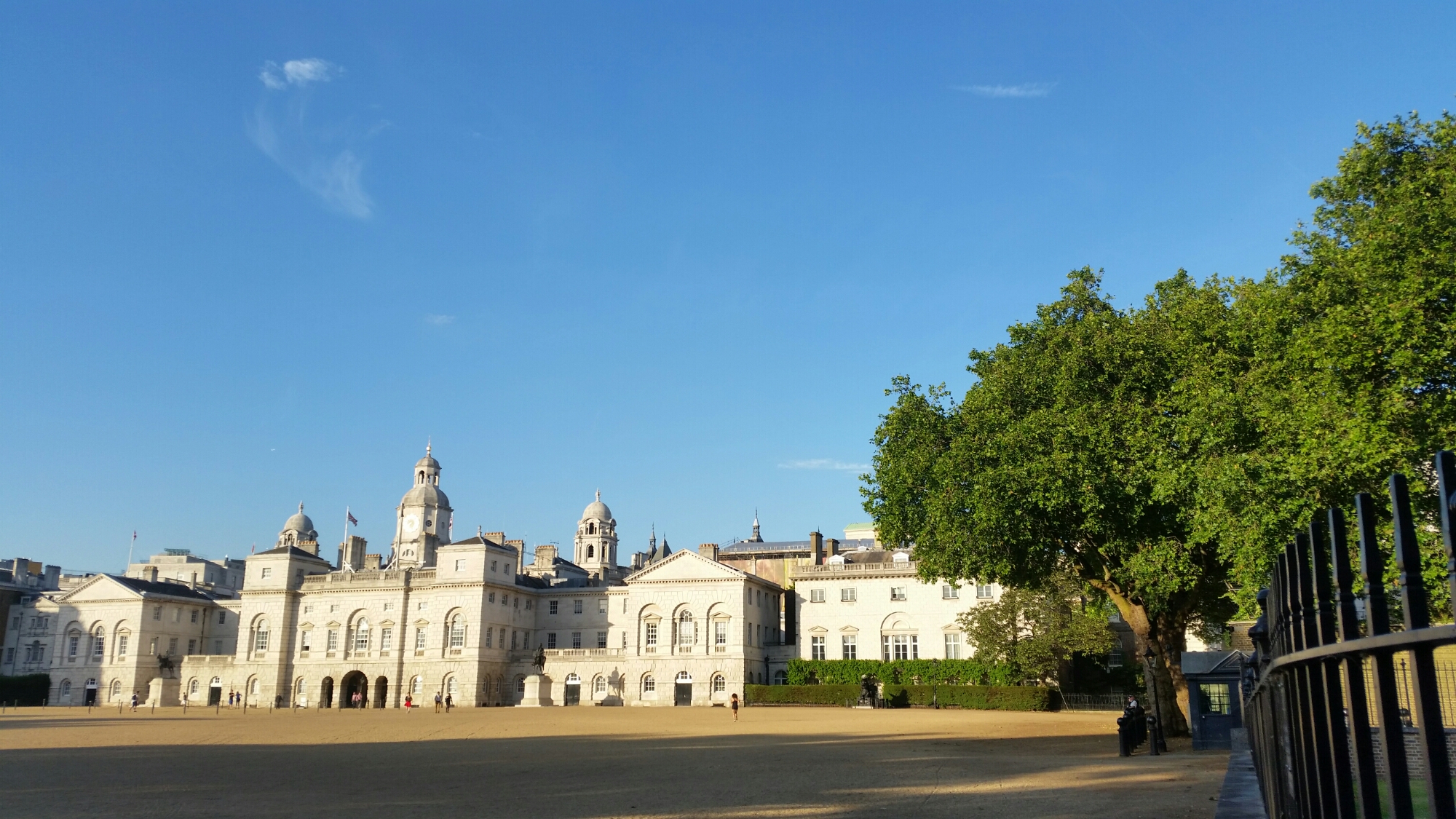
Every so often I can half imagine the scene which Canaletto painted when he depicted the Horse Guards Parade from the south west, full of picturesque incident, the pond in St. James’s Park much less lush than it is now. The Horse Guards itself is not an especially distinguished building, designed by William Kent right at the end of his life (he died in 1748), a piece of flat, patternbook Palladianism, aggregated out of distinct parts like a children’s toy. But tonight it looked good in the evening sun:-
Hanway Street
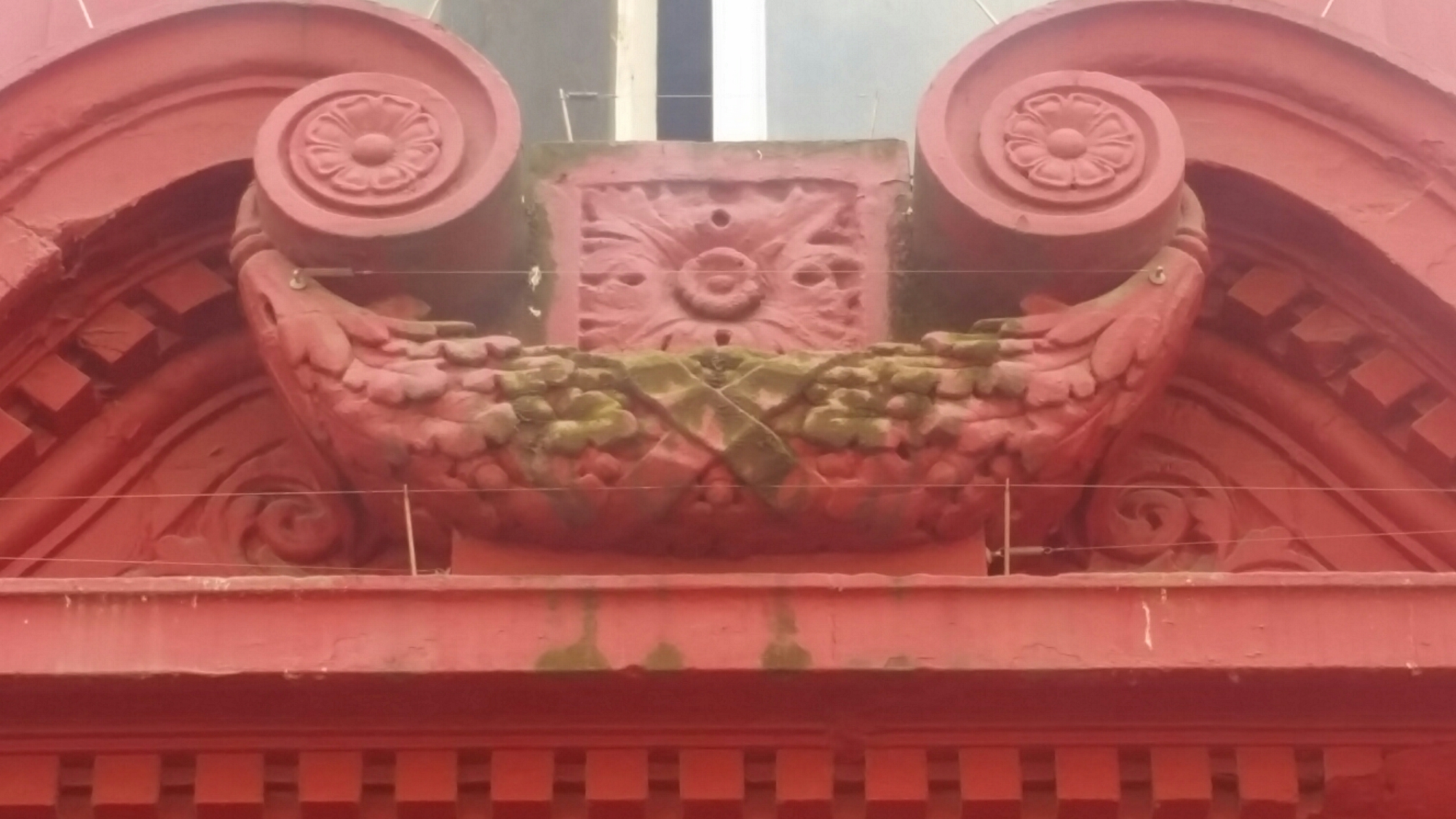
In walking down Hanway Street yesterday I was struck by this bright red oversize door surround. But I have been unable to find out anything about it. Hanway Street was developed in the early eighteenth century by Major John Hanway, who translated the odes of Horace and whose nephew Jonas invented the umbrella:-
Pullens Yard
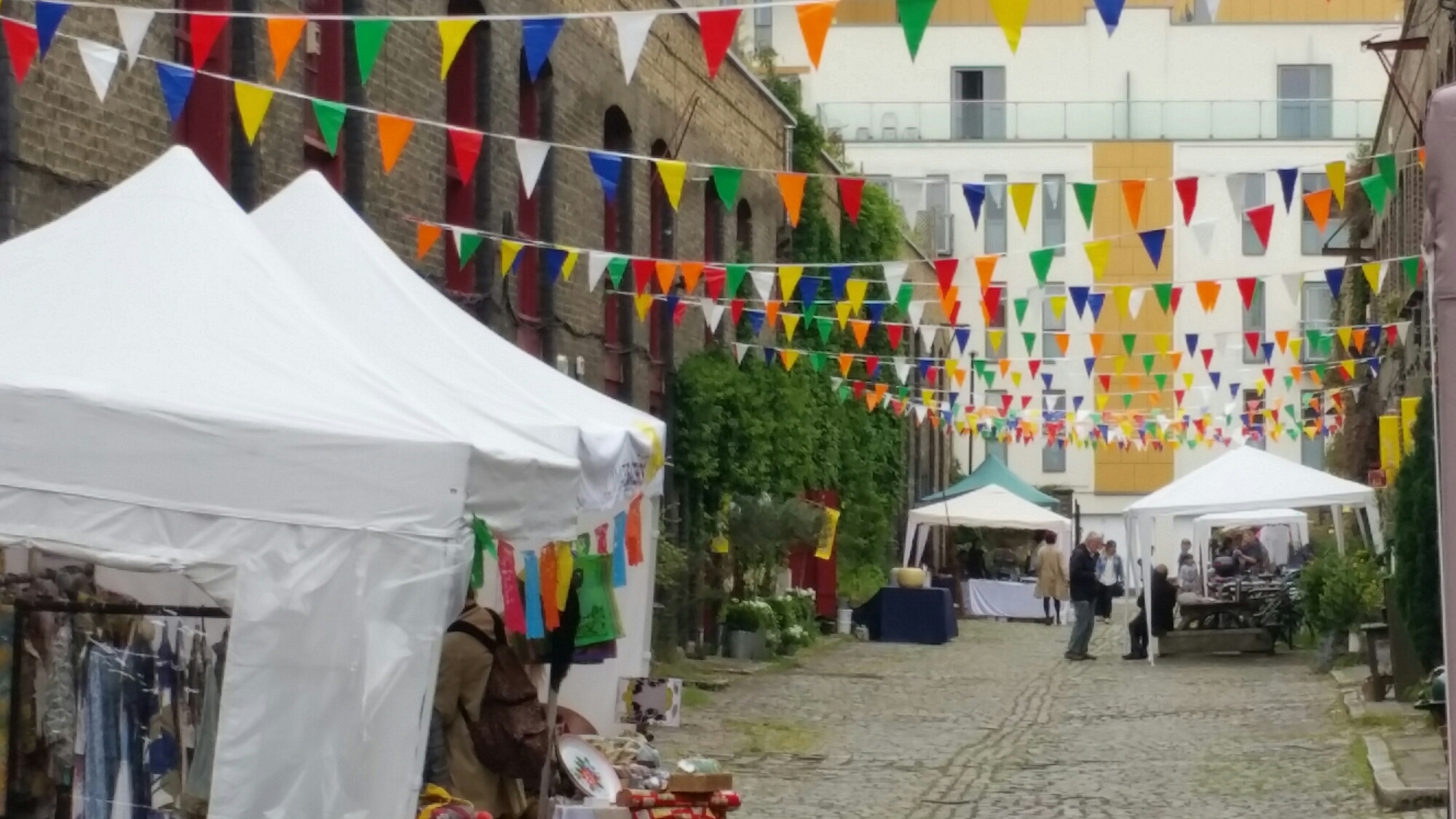
We made a short excursion this morning to see the Pullens Yard Open Studios, a bit of unexpected late nineteenth-century urban development just south of the Elephant and Castle where James Pullen, a local builder, created an estate of 12 blocks intersected by workshop yards, now occupied by a miscellaneous collection of artists, writers, clothesmakers and a florist, serviced by the Electric Elephant Cafe:-

Ideal House
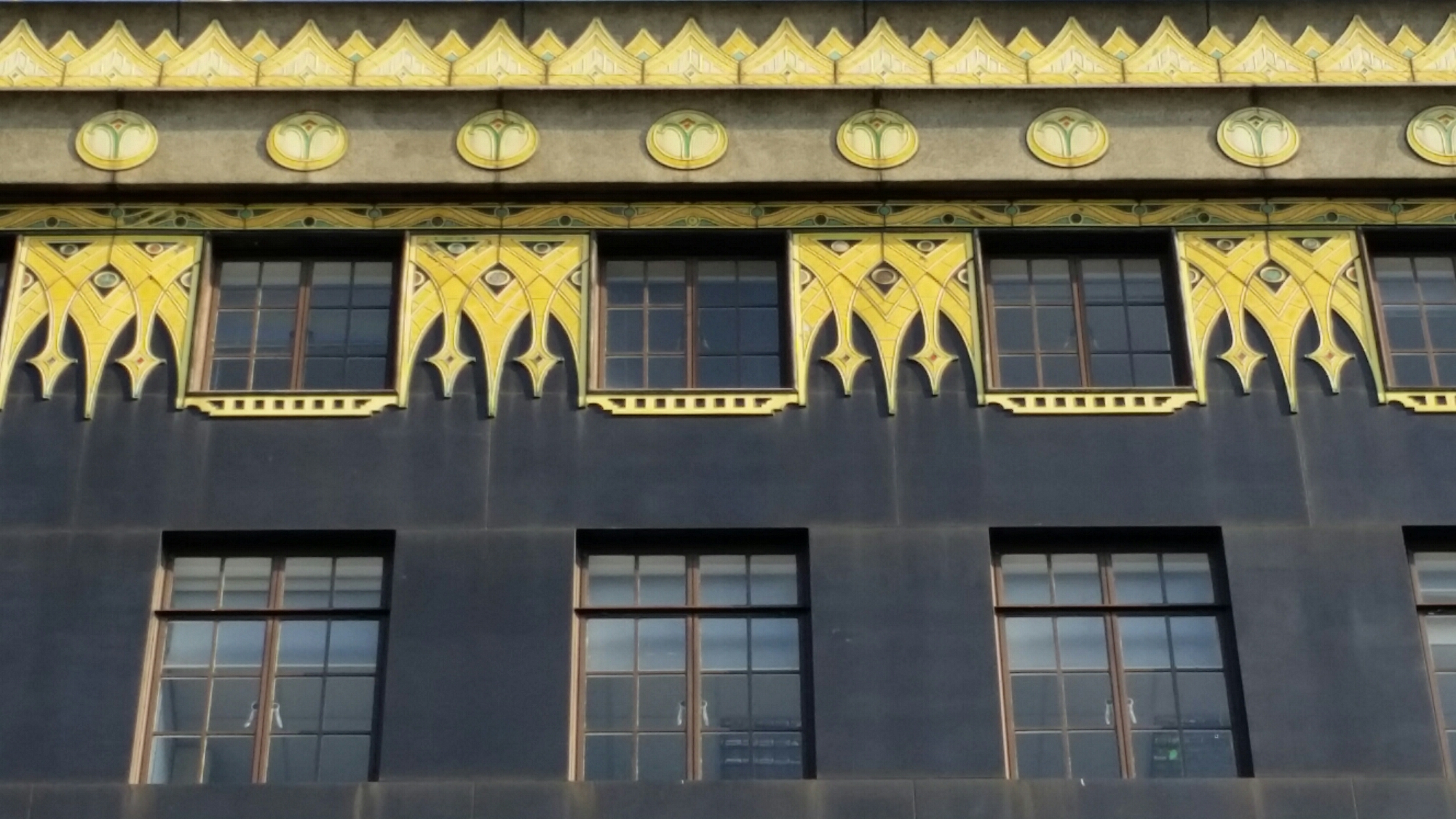
I don’t know why I’ve never previously registered the grand black polished façade of Ideal House, just down the street from Oxford Circus tube station and immediately opposite Liberty’s. It was designed by an architect called Gordon Jeeves, a Scot (all early twentieth-century architects seem to have been Scottish), working with the American art deco architect, Raymond Hood. It’s not surprising that it looks as if it’s strayed from the streets of New York because it is a small-scale copy of Hood’s building in New York for the American Radiator Corporation:-
St. John, Bethnal Green
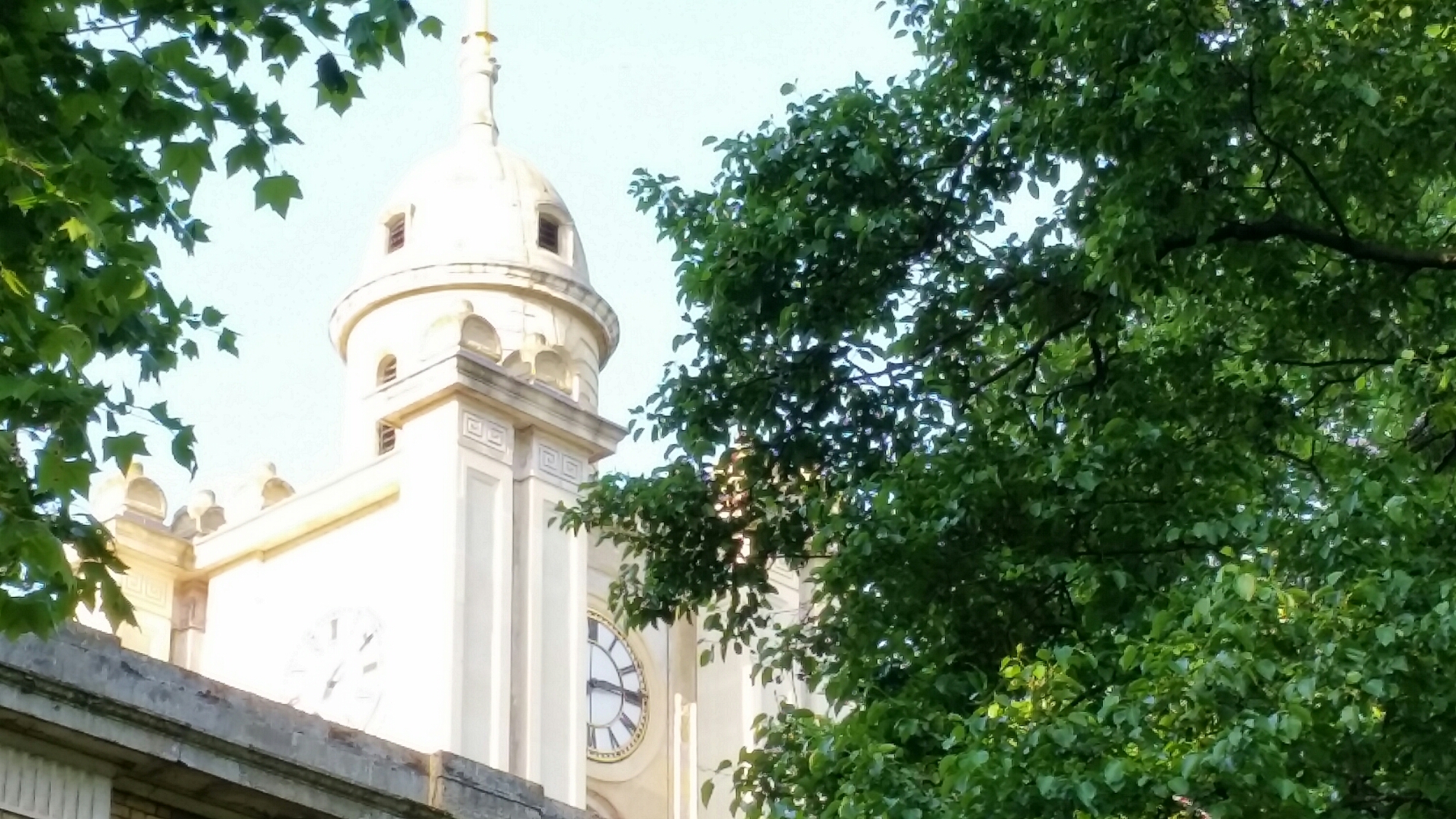
A trip to the local polling station gave me a chance to document the church tower of St. John, Bethnal Green, designed by Sir John Soane in 1826 for the Commissioners of the 1818 Church Building Act at more or less the same time that he was designing St. Peter, Walworth and Holy Trinity, Marylebone. It’s the standard model of Comissioners’ church: a big, barn-like interior to maximise the number of pews; ornament restricted to the church tower, which is characteristic of Soane with a small pepper pot, which was originally planned to be much higher:-
 | Charles | Saumarez | Smith |
You must be logged in to post a comment.