
I have just been on Sky News talking about the new government report which details the success of the cultural industries: the growth not just of film, IT and computer gaming, but the ways in which these are related to art, design and architecture and creativity more generally. The report reveals how much these industries have grown (10% in 2013) and how much they contribute to the British economy (5%). So, the question is: what is the government doing about this ? The answer is, buggering up arts education.
Tag Archives: London
Lascars
I was asked for a definition of Lascar and realise I got the answer wrong. They were Indian sailors who were employed on ships travelling out to Asia and back, particularly by the East India Company, although their numbers were restricted by the Navigation Acts and there were anxieties about the numbers of them in London which led to the Committee for the Relief of the Black Poor in 1786, intended to help lascars as well as ex-slaves. Large numbers of them came to London in the late nineteenth century which is why they figure so prominently in the literature of the east end.
Winterreise (2)
We went to a performance of Winterreise at the Barbican, with Ian Bostridge singing and Thomas Adès accompanying. It’s hard to imagine a more fiercely intelligent combination of singer and pianist or a more deeply thought and felt performance. They came to the Barbican having performed it in Hamburg, Warsaw, Budapest and La Scala in white tie. There must have been 3,000 people in the hall, so it was not exactly a chamber performance, but charged. Afterwards, Bostridge talked about the book which he has just published on Winterreise and which he has performed so many times since turning to singing full time from eighteenth-century witchcraft. A pity Adès wasn’t on the rostrum with him.
Greenwich Peninsula
In looking across at Greenwich Peninsula yesterday morning, I thought of something I was told about Michael Heseltine earlier in the week: that he had not minded the failure of the dome because his primary interest had always been in the opening up of the Greenwich Peninsula to new development through a programme of decontamination; and that he, more than anyone in government, had been responsible for the gradual opening up of, first, the Isle of Dogs, then Greenwich Peninsula, and so on to the Lea Valley beyond:-

Limehouse
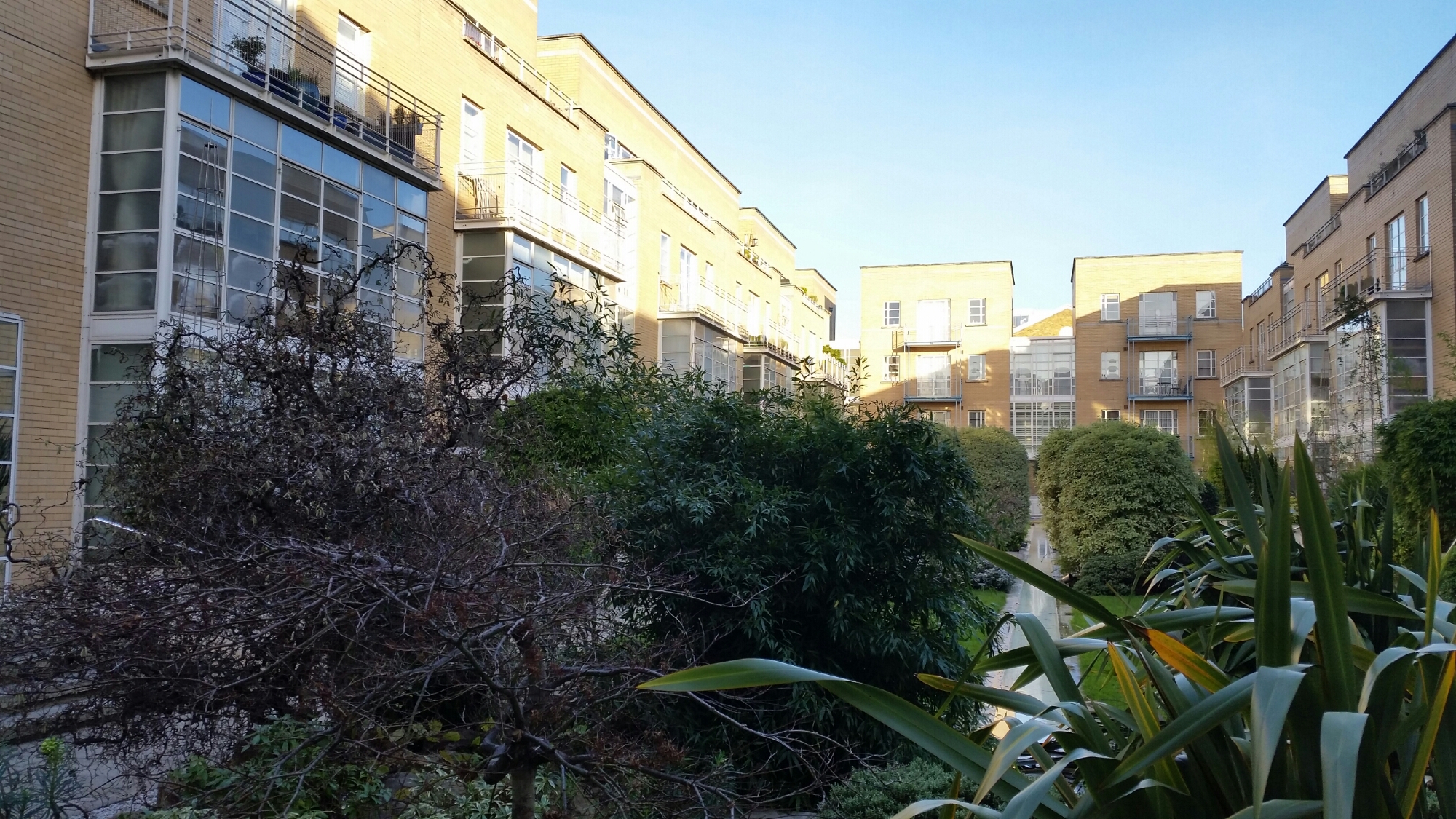
In wandering round Limehouse this morning, I found my way into Roy Square (originally named after its developer and now coyly called The Watergarden), another of the early examples of docklands housing, designed by Ian Ritchie in 1986. It wasn’t helped by being used for the displacement of tenants from the Barleymow Estate five years later:-
Limehouse Basin
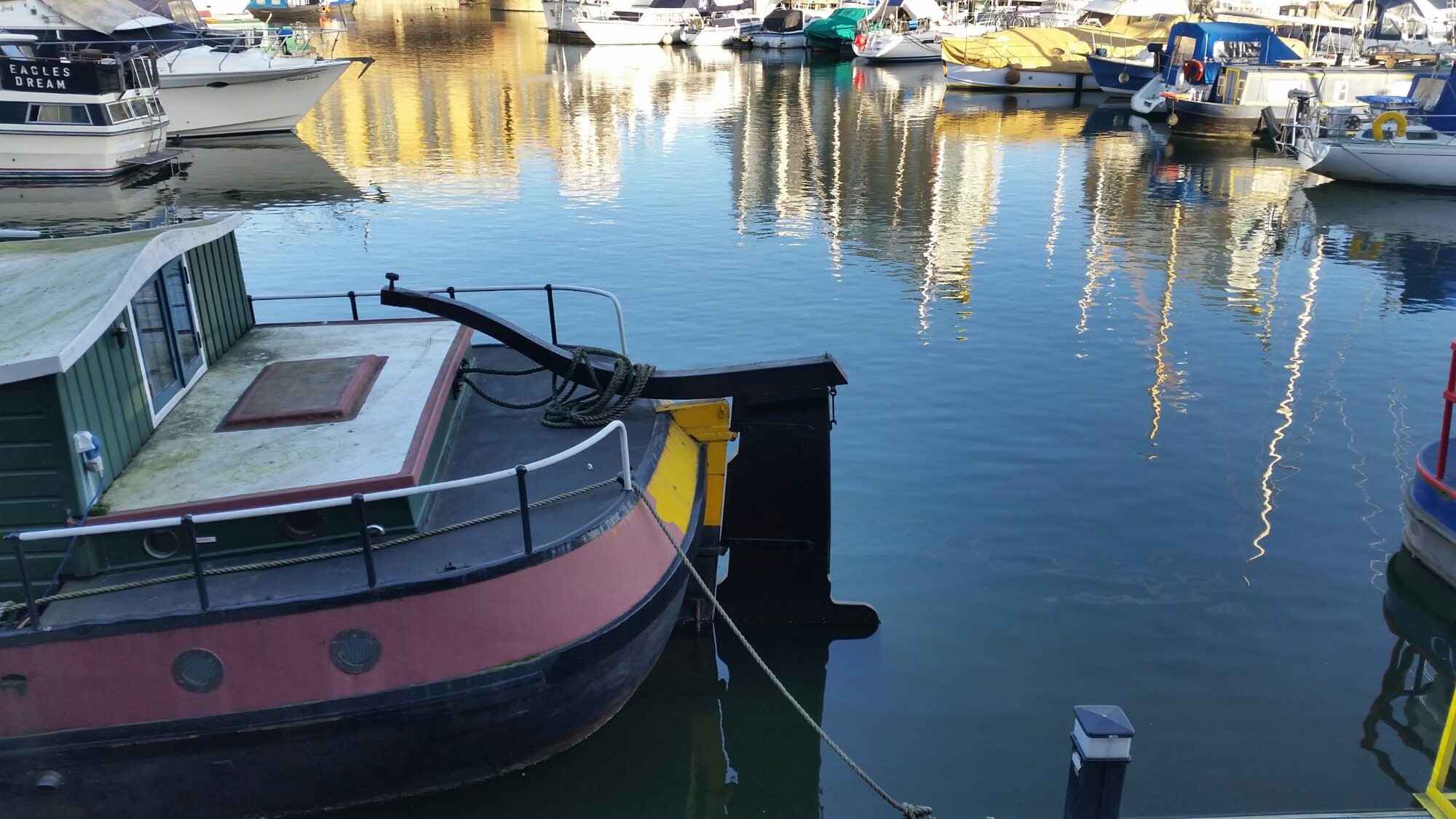
Limehouse Basin is much shrunk from what it once was. It was originally constructed as the Regent’s Canal dock in 1812, but the Regent’s Canal itself was not completed for another eight years, by which time the dock had been enlarged to accommodate the coasters which brought food and coal from East Anglia and the north of England to feed and heat the greedy capital. By the mid-nineteenth century, it was already too small for the new steamships and so was used instead for the construction of lifeboats. When we moved to Limehouse in the early 1980s, it was much larger than it is now, a disused expanse of vacant water, subsequently filled in and converted into a marina:-
Isle of Dogs
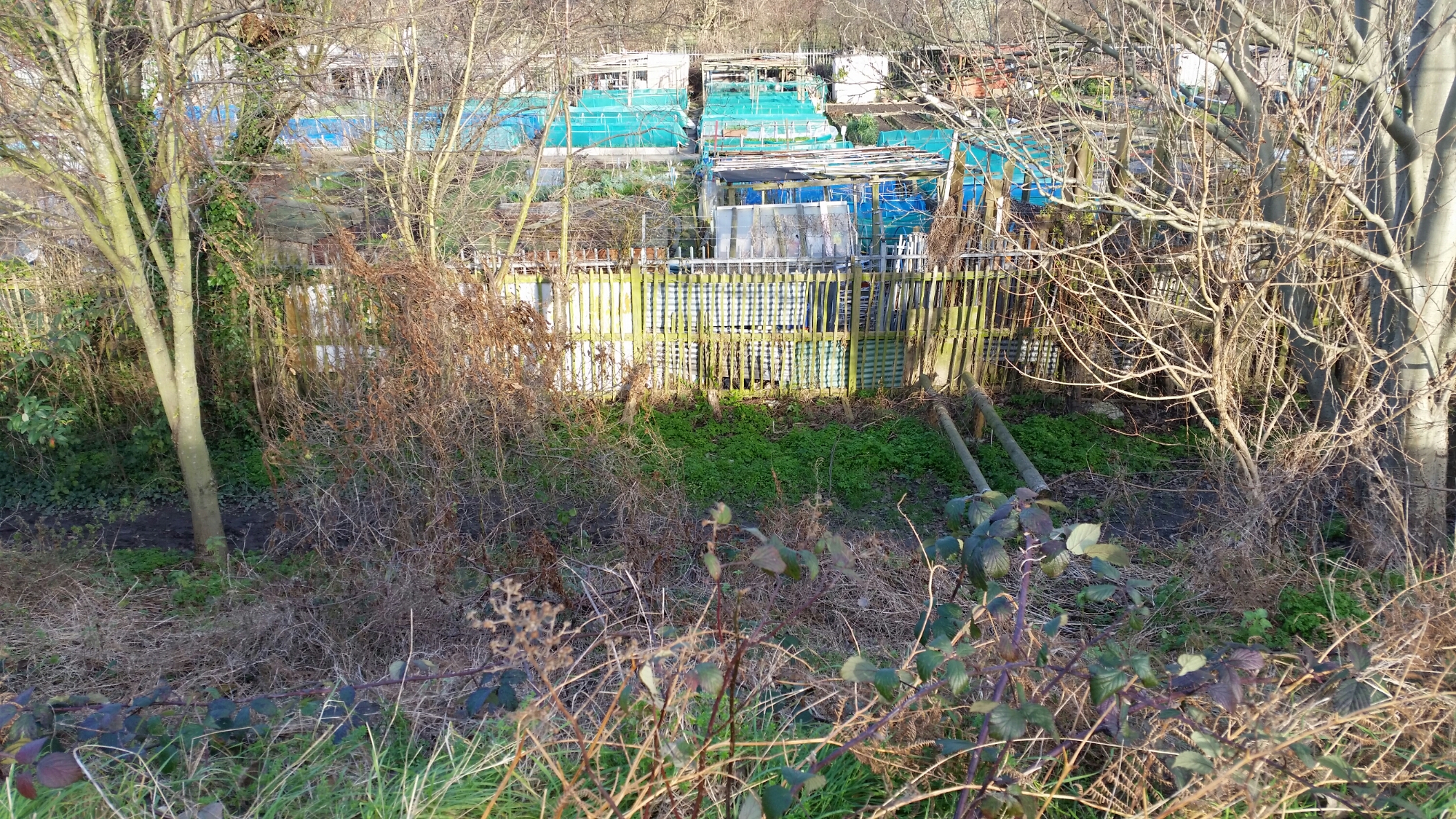
I took myself on a giro round the Isle of Dogs this morning. Partly because it’s a while since I’ve travelled on the squeaky Docklands Light Railway as it winds its way through the tower blocks. Partly because I wanted to remind myself of the false rusticity of the Mudchute (actually, at least in its allotments, a remarkably effective illusion of rusticity):-
Thomas Okey
One of the people I wasn’t familiar with in the William Morris exhibition was Thomas Okey, whose portrait is shown when he was Master of the Art Worker’s Guild and who remembered Morris lecturing at Toynbee Hall. What I hadn’t realised in seeing the portrait is that Okey was an early product of an east end education: the son of a basketmaker in Spitalfields, he was educated at St. James the Less National School in Sewardstone Road. Whilst working as a basket maker, he taught himself French, German and Italian, attended evening classes at Toynbee Hall, and began to write books about Italian architecture, as well as An Introduction to the Art of Basket-Making, published in 1911. In 1919, he was appointed as the first Serena Professor of Italian at Cambridge. Quite a career.
Boundary Estate
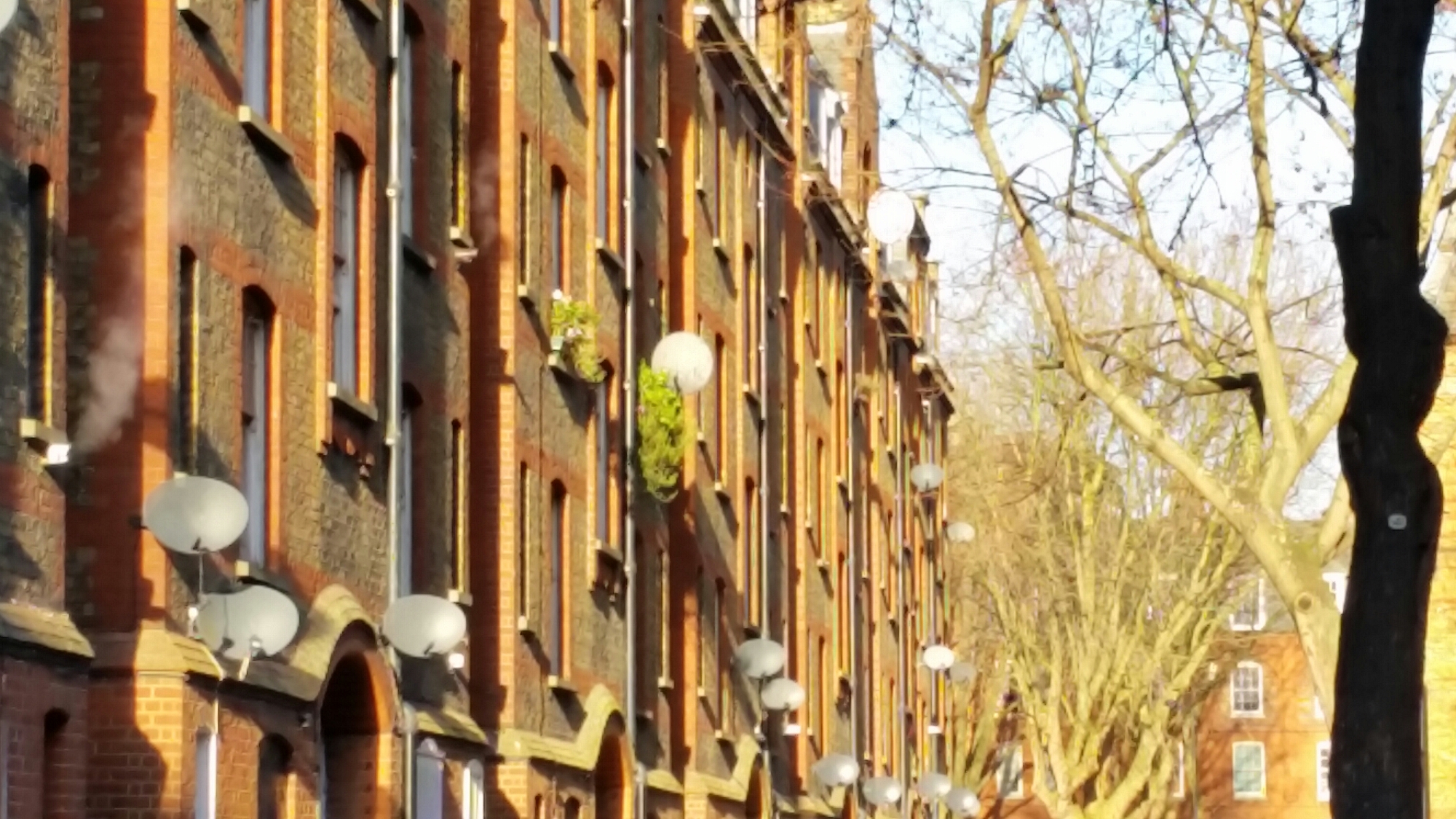
The Boundary Street Estate was built in the 1890s by the London County Council as a way of clearing out The Nichol, a largely criminal district which was the subject of Arthur Morrison’s A Child of the Jago, published in 1896, and Raphael Samuel’s classic East End Underworld. It was the first big estate designed by the Working Classes Branch of the Architect’s Department at the LCC and has blocks designed by different architects, all of which are centred on Arnold Circus and its bandstand. I hadn’t previously noticed the quality of some of its Arts-and-Crafts detailing, including the lettering:-

Moths
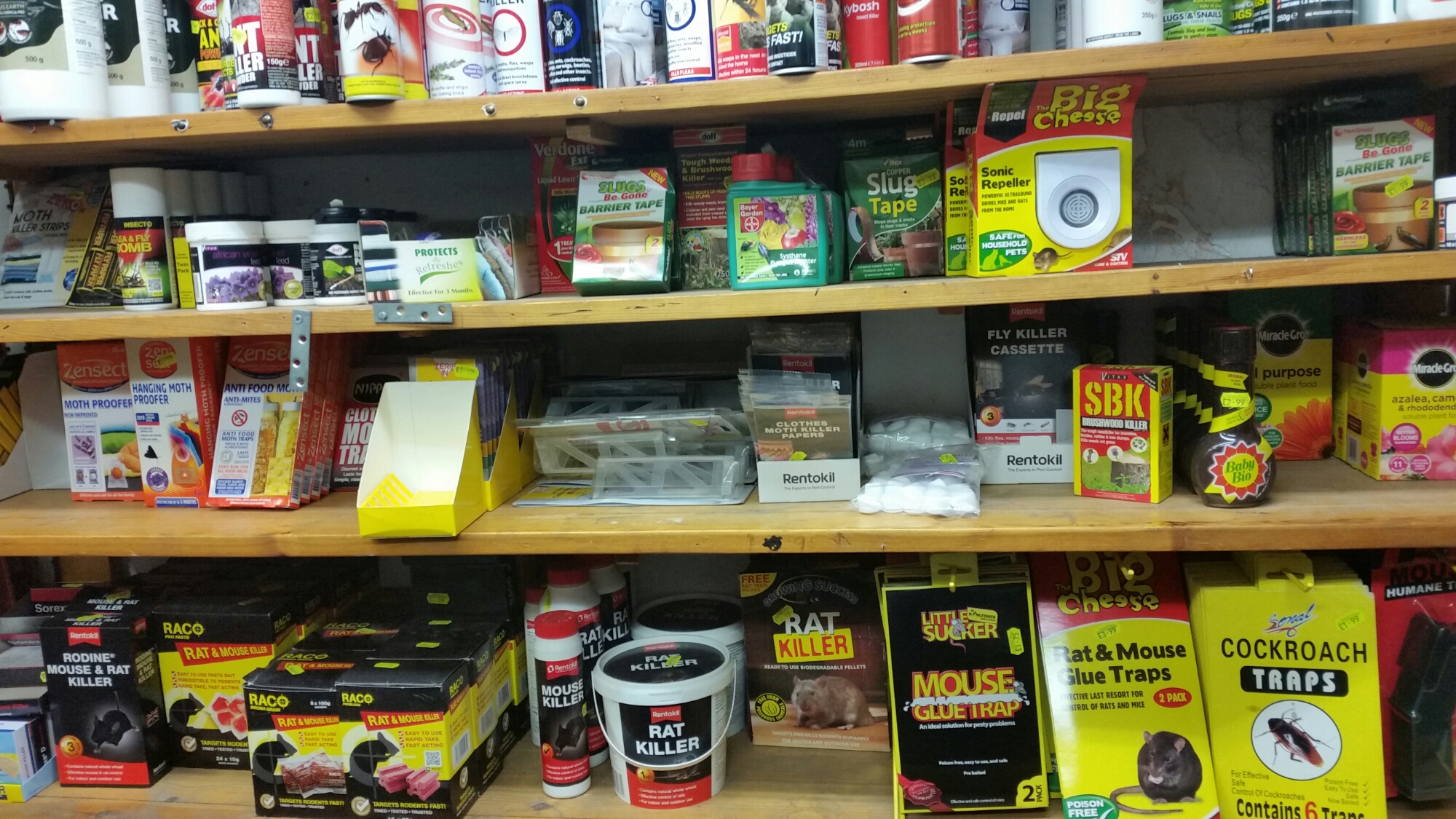
As the season of moths approaches, I was tipped off that the best place to buy all sorts of moth repellent, including moth balls, is an old fashioned hardware shop called A.W. Bradbury at the top end of Broadway market. There, indeed, just inside the door on the left, is a whole section devoted to the destruction of moths – balls, spray and traps. I plan to use them all.

 | Charles | Saumarez | Smith |

You must be logged in to post a comment.