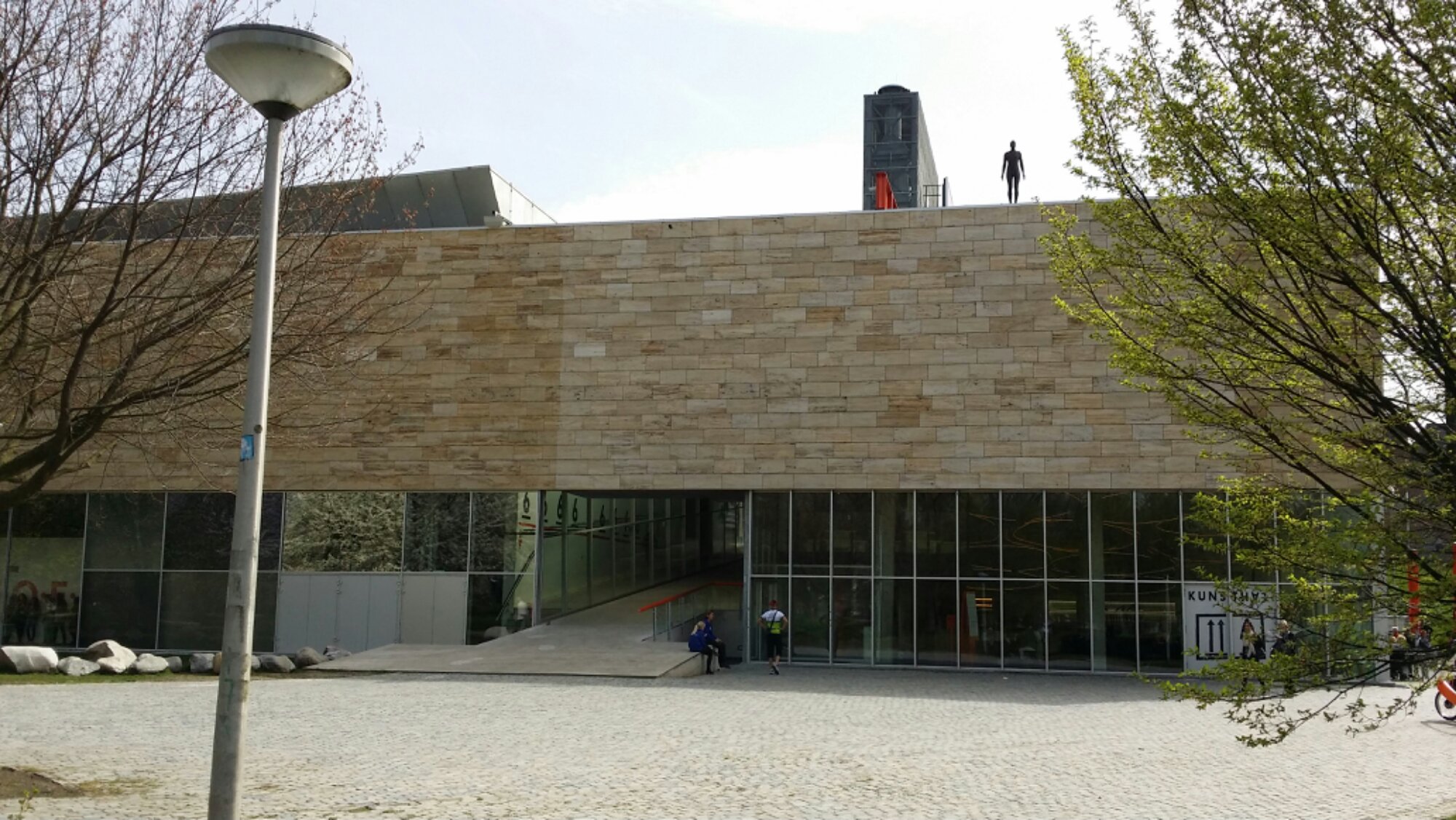
Am in Rotterdam for the first time since I came in 1968 as the third player in a school performance of Hamlet. The Kunsthal is an interesting model: 25 exhibitions a year; only 23 staff; fast turnover, including fashion and photography; a building designed by Rem Koolhaas in an ad hoc style. Currently showing an exhibition of Shoes involving crowdsourcing (but not crowdsourcing in the selection of the shoes) and a very busy exhibition of 100 objects representing the history of the second world war, packed with schoolchildren and including the marbles which belonged to Anne Frank. The energy costs and maintenance costs are covered by a long-term contract with a local energy company ENECO (sorry, this is a slightly geeky comment). Interestingly, they accept no sponsorship from fashion companies for their fashion exhibitions.
Monthly Archives: April 2014
Gillian Naylor (1)
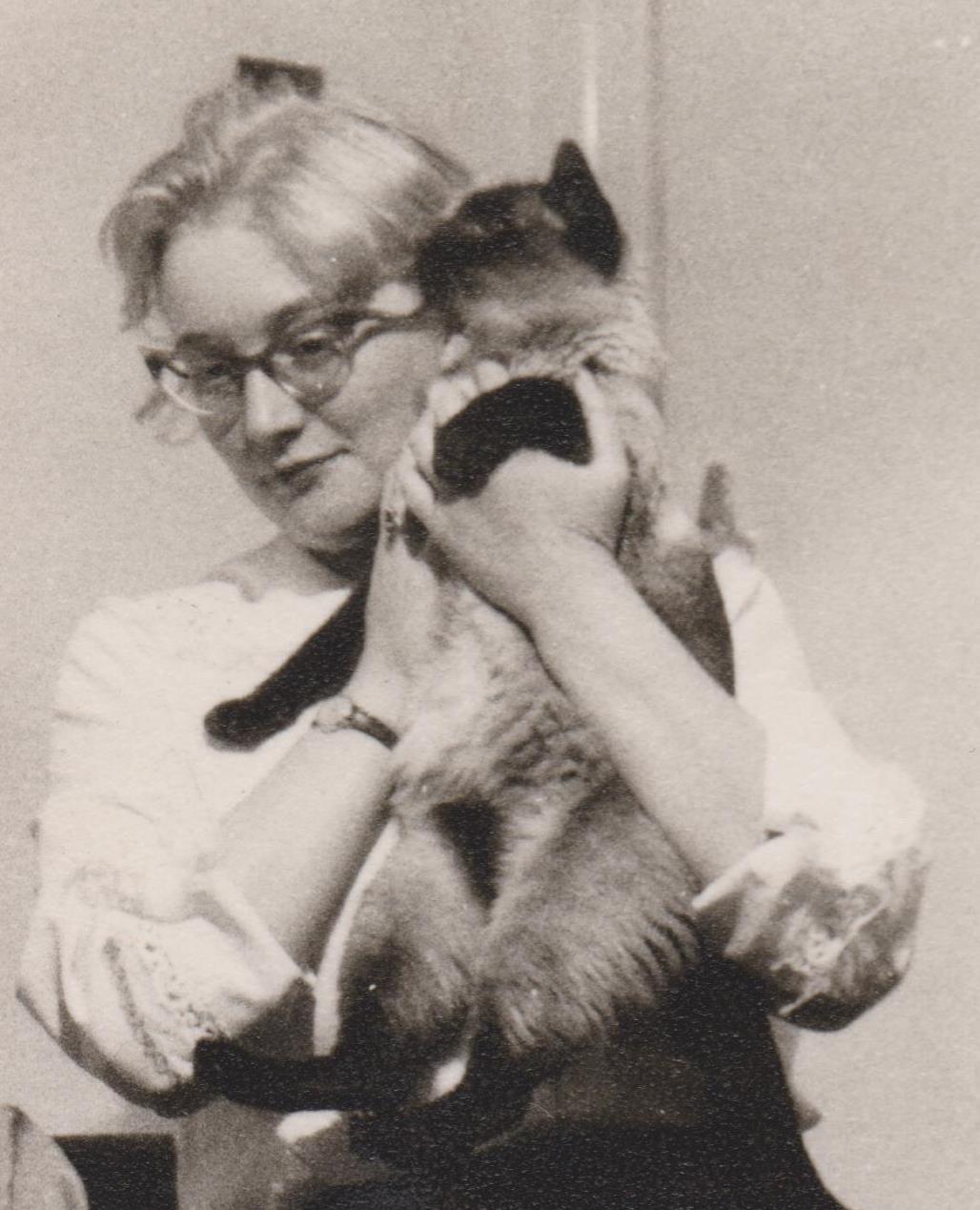
I’ve just been to the funeral of Gillian Naylor, with whom I worked very closely all through the 1980s when I was at the V&A and she was Senior Tutor in the Department of Cultural History at the Royal College of Art. It’s odd how much one finds out about someone, but only after they die when friends from different stages of their life come together. She read modern languages at Somerville in the early 1950s, then worked for Design Magazine in the late 1950s. The shocking aspect of her life was that she had to resign from her job at the Council of Industrial Design when she became pregnant in 1962. The father of her child was never revealed and the great tragedy was that her son Tom drowned in the Thames on his seventeenth birthday. This must have been in 1980. They played In Paradisum from Faure’s Requiem which had been played at Tom’s funeral and we then carried her coffin through the Crematorium to another chapel. I couldn’t understand why the coffin was so heavy. It had apparently been filled with Tom’s books.
Anselm Kiefer (1)
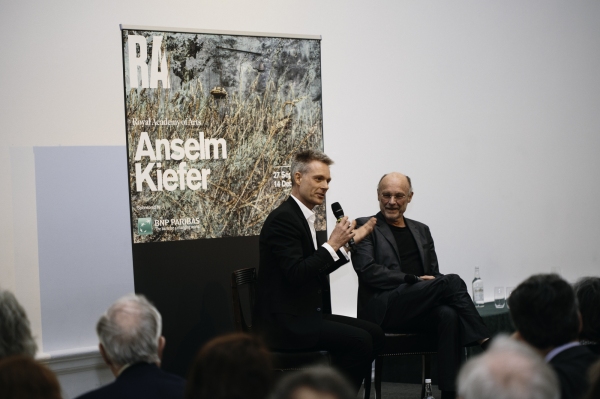
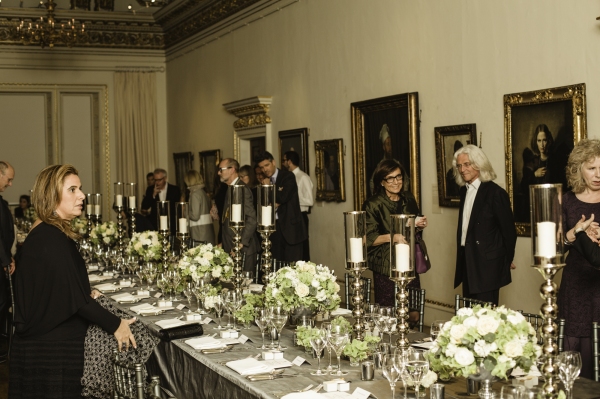
We had Anselm Kiefer to dinner tonight. Tim Marlow interviewed him about his life and his forthcoming exhibition at the Royal Academy. It turned out that in his childhood, he had wanted to be first Jesus and then the Pope and then decided that it was better to be an artist. Born close to the Rhine, he studied constitutional law at university, influenced by the writings of Montesquieu, and only subsequently attended art school. In other words, he came across as an intellectual first, and an artist only to realise his intellectual vision. Tim asked him if he was a painter of the Sublime in the Burkean tradition. He denied this, but there is surely some truth to it. At least I discovered that the exhibition I remembered of his work at the Riverside Studios in the 1980s did really exist and wasn’t just an effect of false memory.


You must be logged in to post a comment.