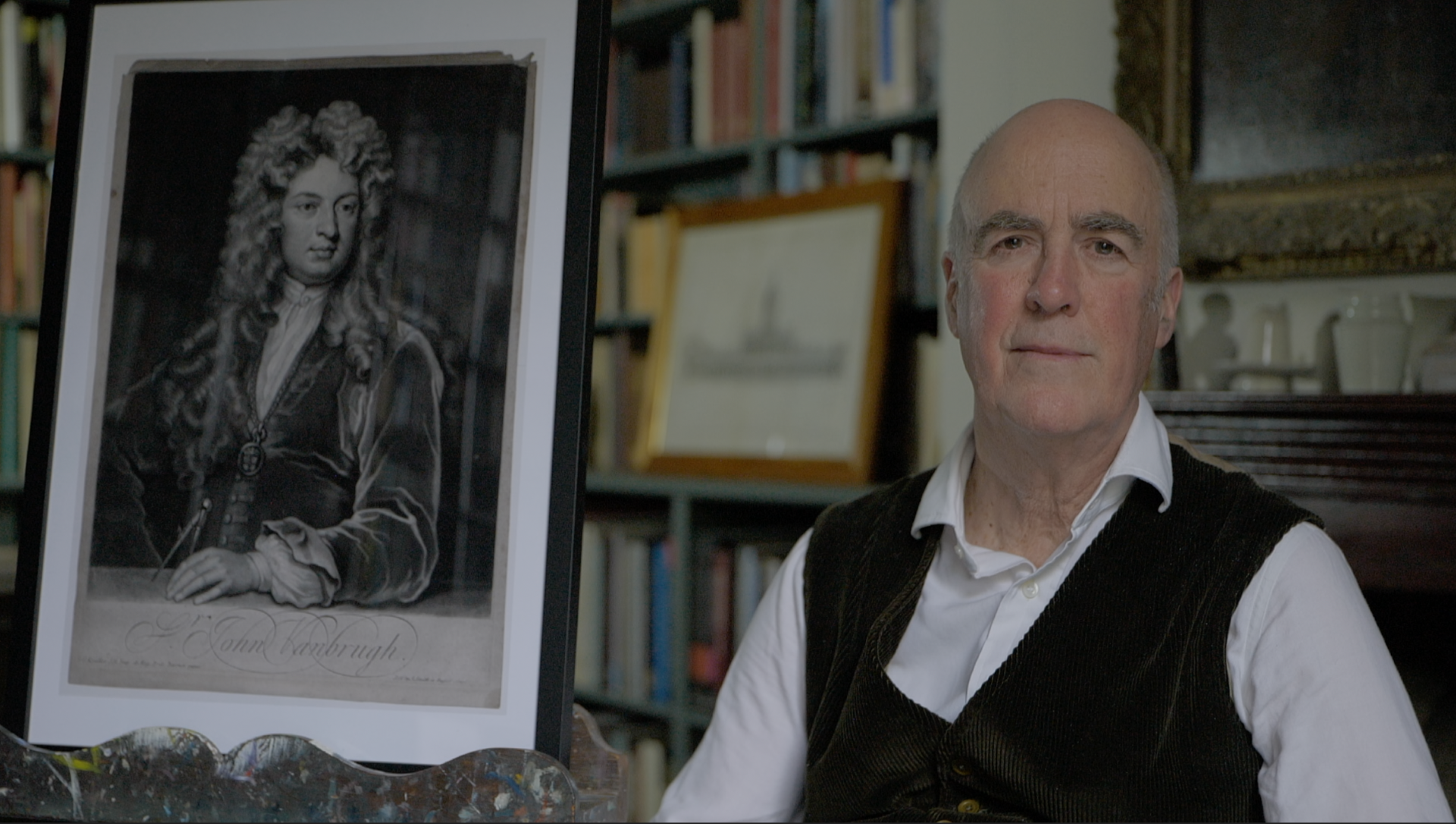
I was summoned to the bedroom yesterday morning to listen to the voice of Jeremy Hutchinson, aged 99 and the Emeritus Professor of Law at the Royal Academy, being interviewed by Helena Kennedy. It was the authentic voice of Bloomsbury (his mother Mary was Clive Bell’s mistress): strong, clear, sceptical and anti-establishment, speaking up for the rights of the poor and the criminal justice system. I knew that he had defended Lady Chatterley. I hadn’t known that he had defended the man who stole Goya’s portrait of Wellington from the National Gallery and who got off scot free for the theft, but was put in gaol for destroying the frame.
Monthly Archives: August 2014
Newborough
I like the fact that Newborough, our local village/town, was new in 1303 when Dafydd ap Gwylim described it as ‘Tref Nibwrch, tref llawn obaith’ (Newborough town, town full of hope). It was originally the site of a royal court – a lys – and it’s been downhill ever since, although according to the Companion Guide to Wales, it was ‘once the centre of a thriving mat, cord, and net-making industry’. Not in our time, it hasn’t been. When we started coming in the 1970s, it had a garage, a butcher, a post office, two grocers and two small supermarkets. Now there’s a single supermarket and so far the post office. But this year a café has opened in what was the butcher’s:

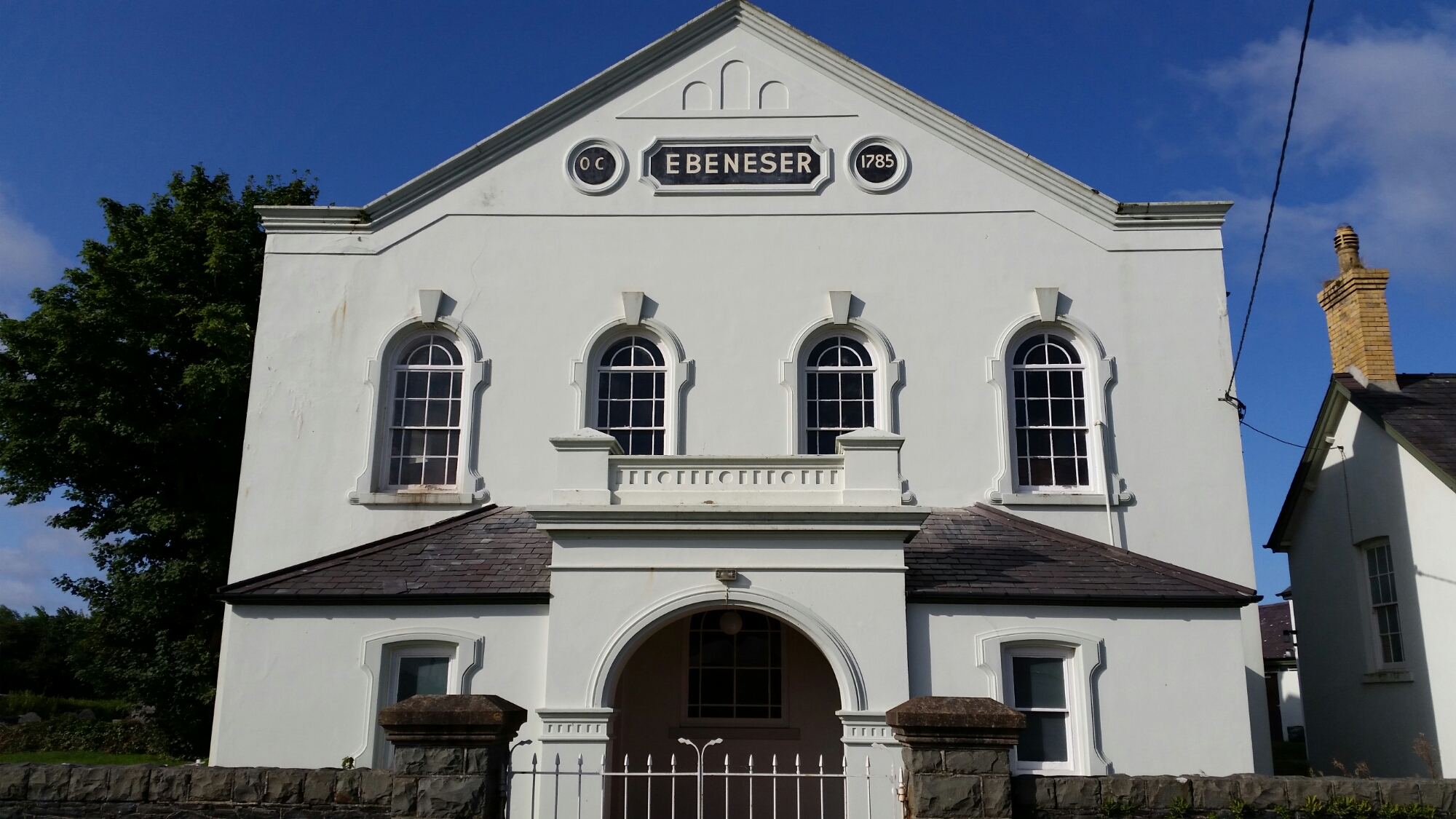
There’s the Ebeneser Wesleyan Methodist Chapel, which says 1785 prominently on the façade, but dates from the mid-nineteenth century:
Maurice Wilks
We are staying, as we always stay, in the cottage where Maurice Wilks designed the land rover. He worked for Hillman Motor Car Company in Coventry in the early 1920s and then spent two years with General Motors. After returning to work for Hillman, he was appointed chief engineer at Rover in 1930, where his older brother was already works manager (he had previously been managing director of Hillman) and was to become managing director in 1934. Wilks bought a smallholding on Anglesey and used an American army jeep to travel round it during the war. He and his brother had the idea of designing a version of the jeep for British farmers which they decided to call a Land Rover. The first land rover rolled off the assembly line on 11 March 1948. It’s clear that Wilks belonged to a peculiarly British strand of manufacturing, strong in engineering and technical invention, more interested in high quality production than in volume, good with his hands and at carpentry. He had the idea for the Range Rover in 1952. So, next time I see a great Chelsea tractor, I will think of Maurice Wilks bumping around in a prototype over the boggy fields of south-west Anglesey. Continue reading
Gallinioch Bach
One of my favourite things in Anglesey is the little stall which is placed outside the gate of a local farm from which one can buy vegetables, including small tomatoes and huge cucumbers and occasionally eggs, on the basis of trust. I like the unpredictability of it (it’s on a back road down to the Straits). We try and go every day in order to buy something of what’s on offer.

Llanddwyn Beach
I got up early in order to be able to walk out to the beach. It was stormy (the remains of Hurricane Bertha), with the wind blowing high. But it never disappoints, the great stretch of sea from Caernarvon Castle round Abermenai Point to the ruined lighthouse on Llanddwyn Island.
This is my first view of the beach:

I had forgotten that my morning walk to buy the papers was six miles long:

Anglesey
The second half of our holiday is a retreat to Anglesey where I have been going every year for the last 41 years and Romilly for longer. It’s not exactly Martha’s Vineyard, but has been gradually coming up in the world since the 1970s when it was hard to get to and consisted only of small seaside towns and caravan sites. I’ve always liked it for its slightly nondescript character, flat fields and the views across the Menai Straits toward Snowdonia, and, above all, for Llanddwyn beach in the south-west corner.
We took the slow road through the mountains, up the Vale of Llangollen where the Ladies lived, along the road laid out by Thomas Telford of which some of the toll booths still survive.
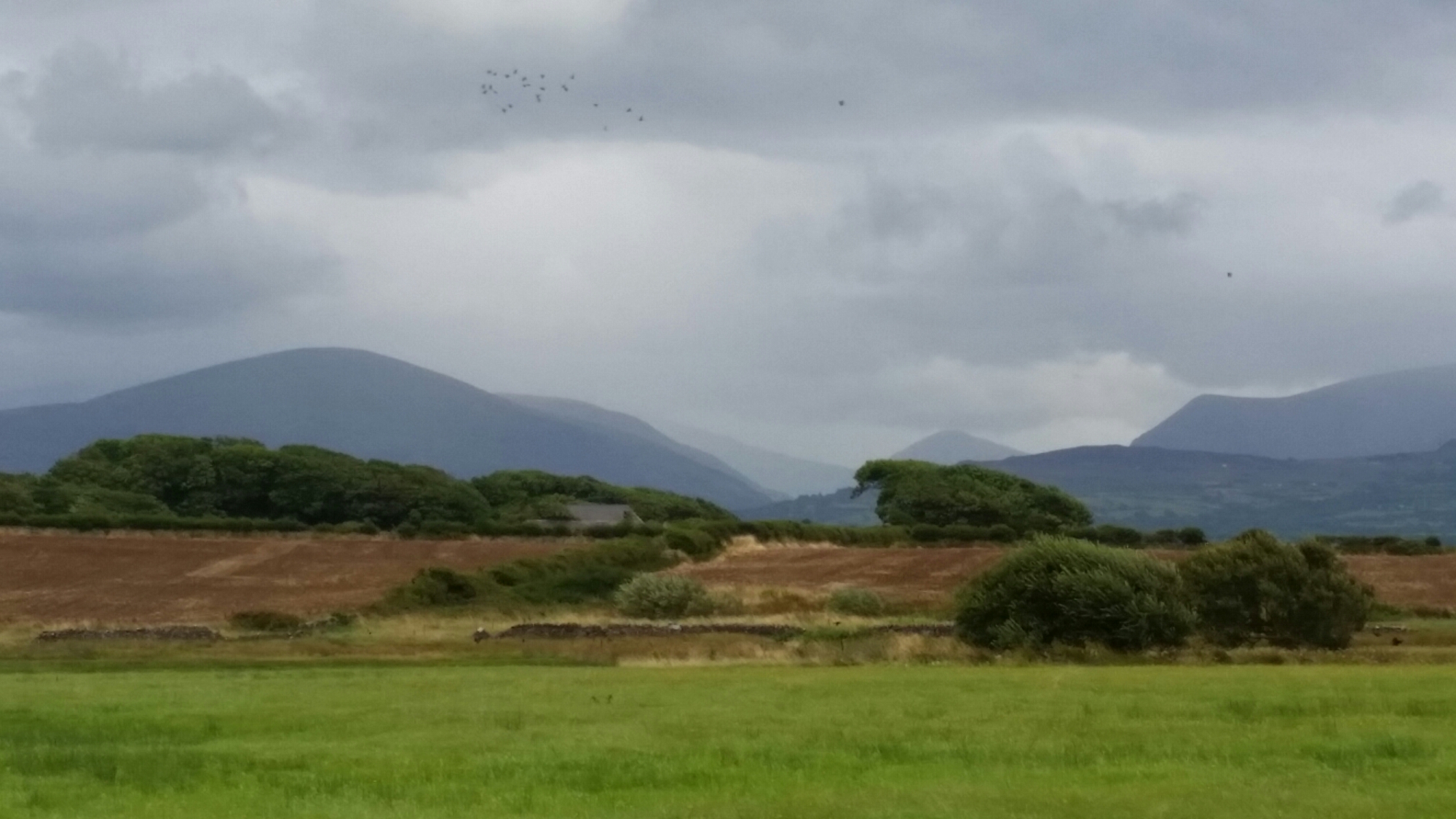
This is our first view of the mountains:

London
Loyal readers of my blog will realise that I have gone uncharacteristically silent. This is not because I have gone AWOL, but because I am suffering from the usual post-holiday withdrawal symptoms: the return to London; the return to reality; the feeling that the Mile End Road is not quite as interesting as Route 8. London looks so crowded by comparison to the US, the cars so small, the streets so densely inhabited. But this feeling has never been stronger than when we returned from Newfoundland and looked out of the train window in horror at the streets of south London.
Stonington
We stopped at Stonington, remembering (correctly) that it is a pattern book New England town, reflecting the prosperity of this part of the Connecticut coast in the late eighteenth century, based on fishing, whaling and, most especially sealing, and full of affluent merchants’ and sea captains’ houses. This is the town library:


Jamestown RI
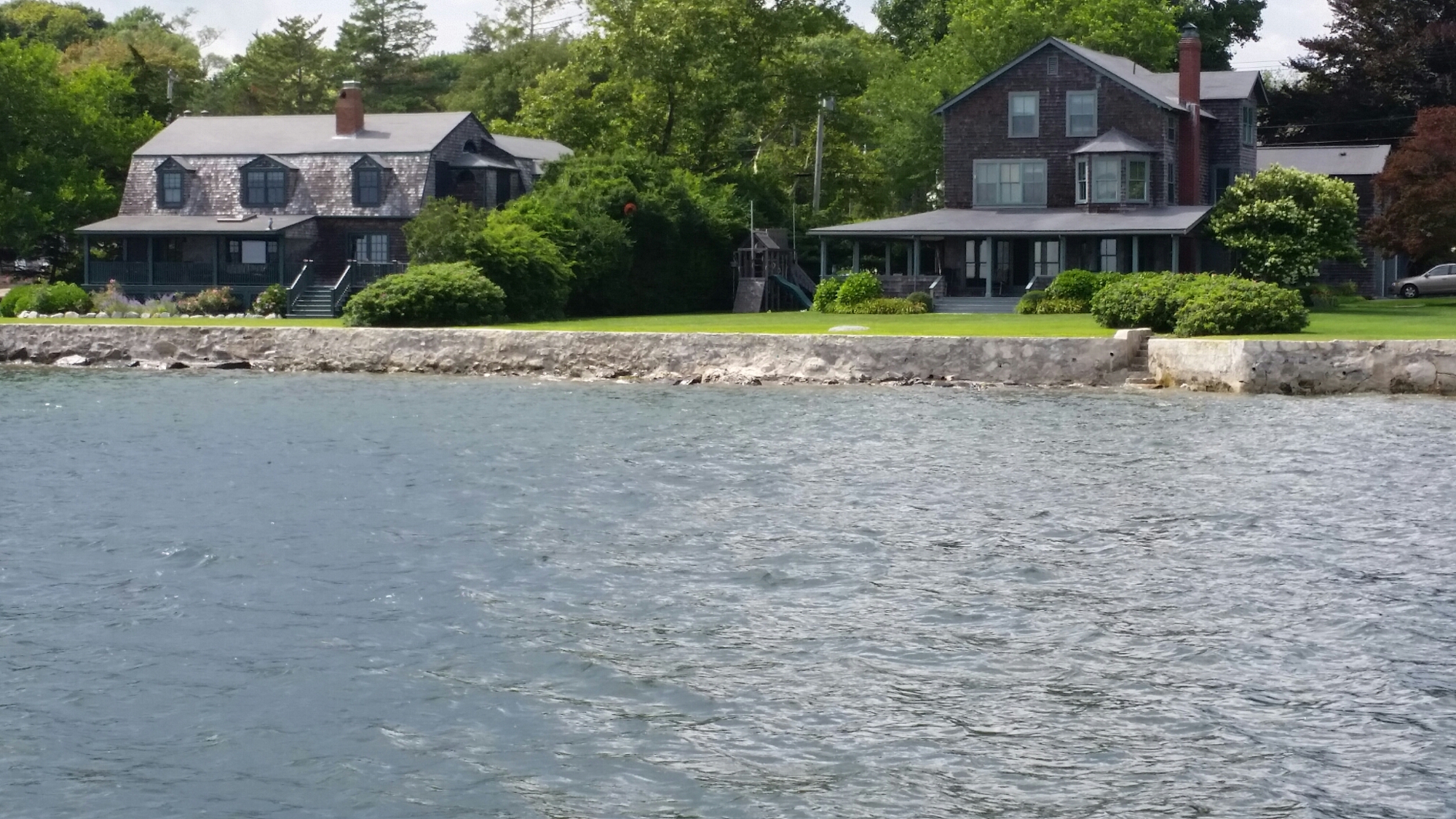
Our last port-of-call was Jamestown on Conanicut Island sandwiched between Newport and Providence, Rhode Island in the middle of Narragansett Bay. It’s low-key, half rural, half suburban, a small-town, civic-minded community of playgrounds and health food stores, an arts center in an old boat shed with a pottery and exhibition of art based on paper. Retired bankers and investment analysts live where they used to have their summer homes and where they can get their daily skinny latte and focaccia.
Paul Rudolph
With a little bit of time to spare in New Haven, I thought I would walk to the building I remember most vividly from our last visit: the Temple Street parking garage by Paul Rudolph, designed in 1961 in a style of tough and rhythmic, free style brutalism. It’s a hymn to the age of the car park:


 | Charles | Saumarez | Smith |
You must be logged in to post a comment.