Thomas Goode

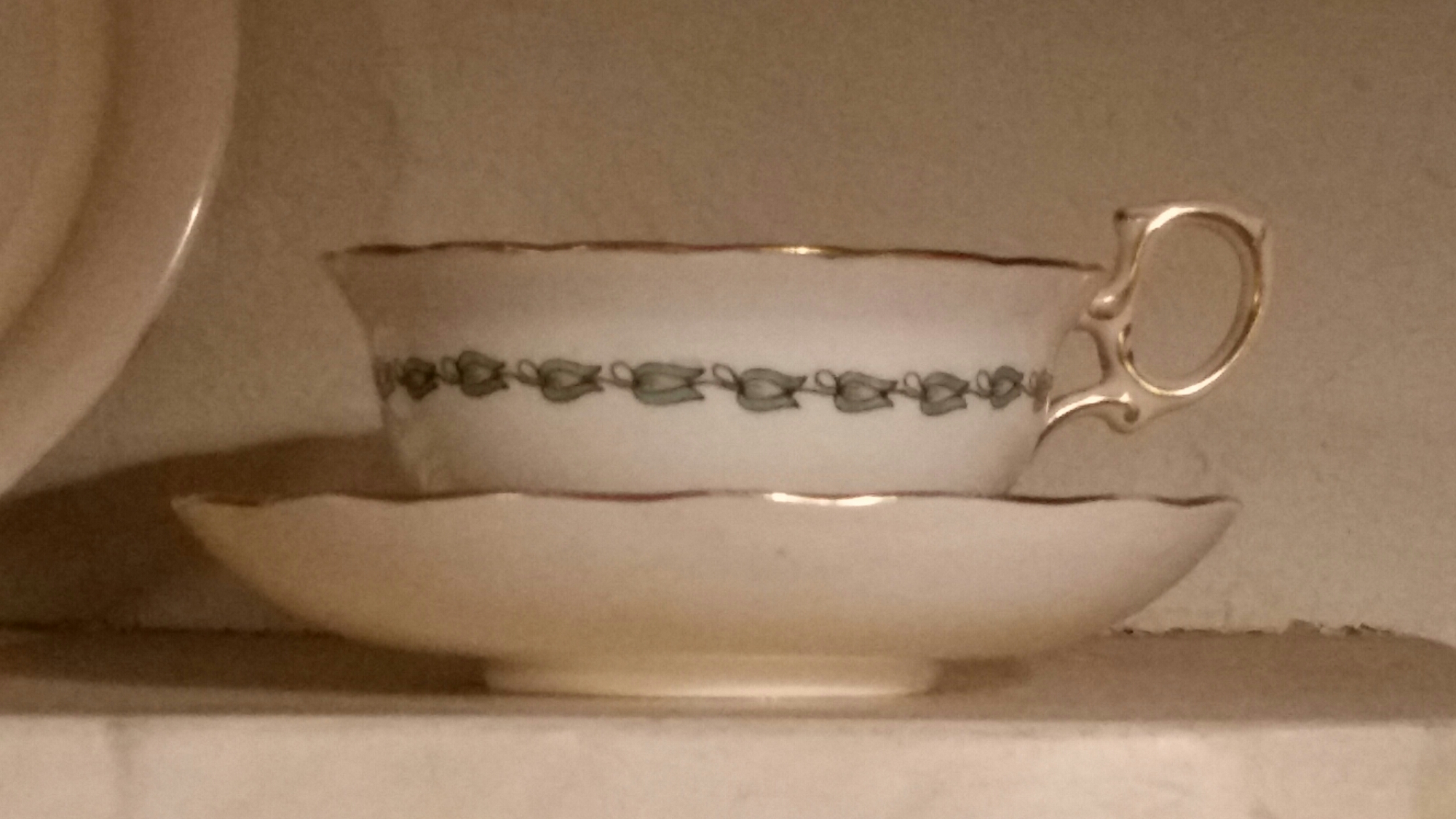
We had a cup of tea last night in teacups which I’ve barely used before.   They were bought by my parents in August 1940 from Thomas Goode, then as now on South Audley Street, as wedding presents to be shipped out to India by way of the Cape as the Suez Cansl was closed.   My mother never liked them and thought they were deeply impractical, too broad so that the tea got cold.   I took it that they were redolent of everything she disliked about imperial India – the exaggerated ceremony, the false display.   So, we never used them as a child and I have never liked to use them since:

image

Standard

Stepney Green Court

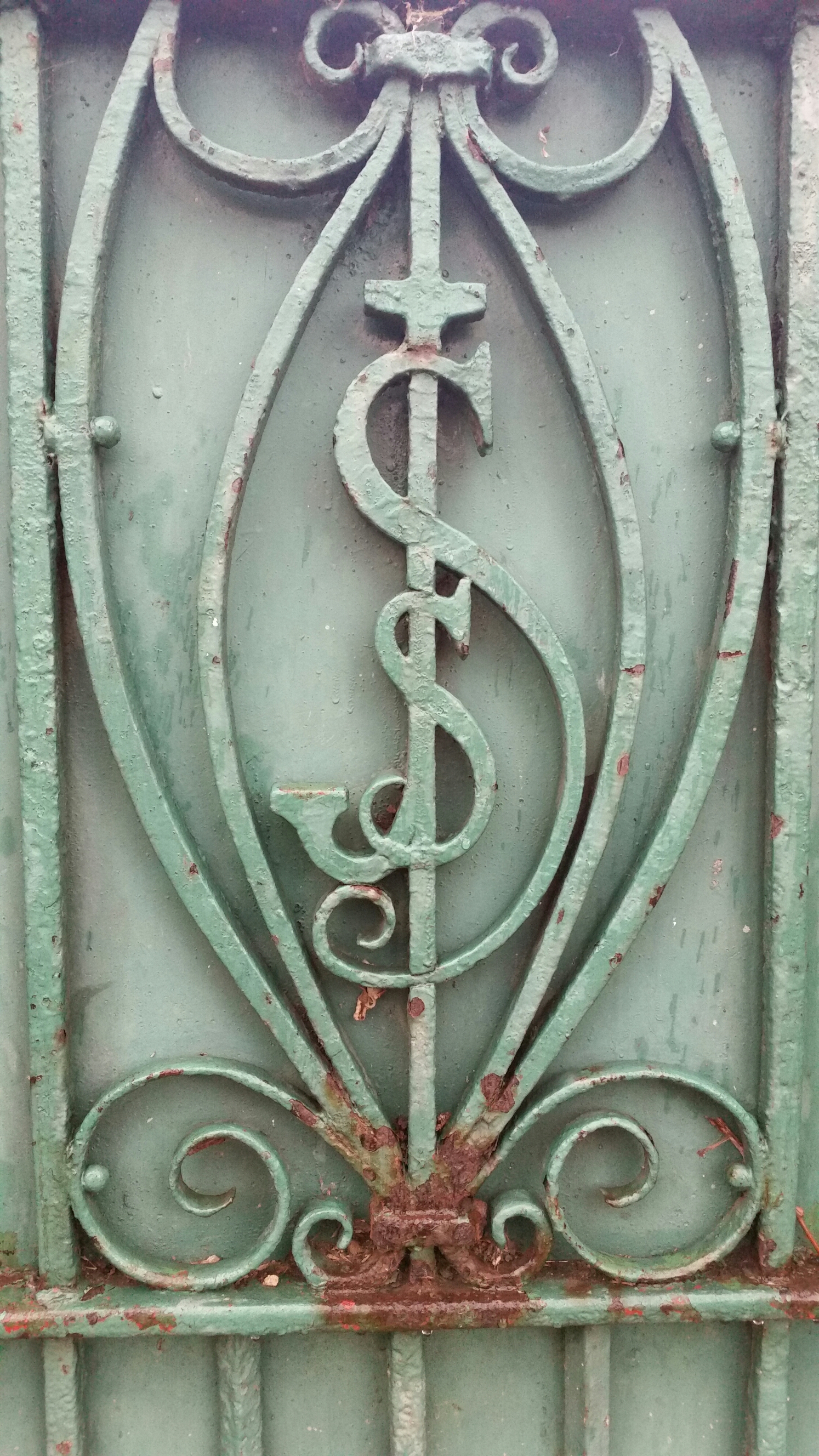
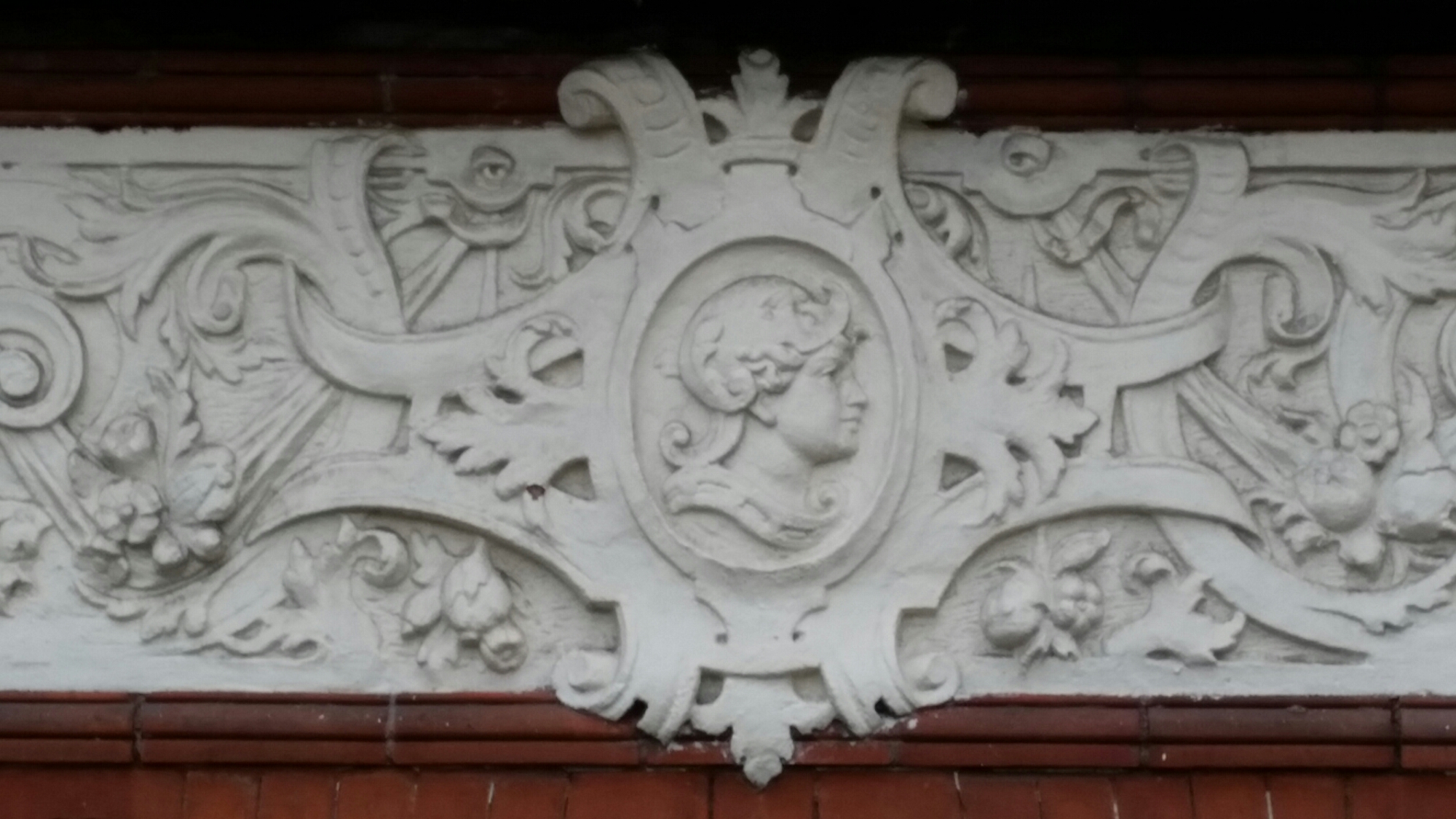
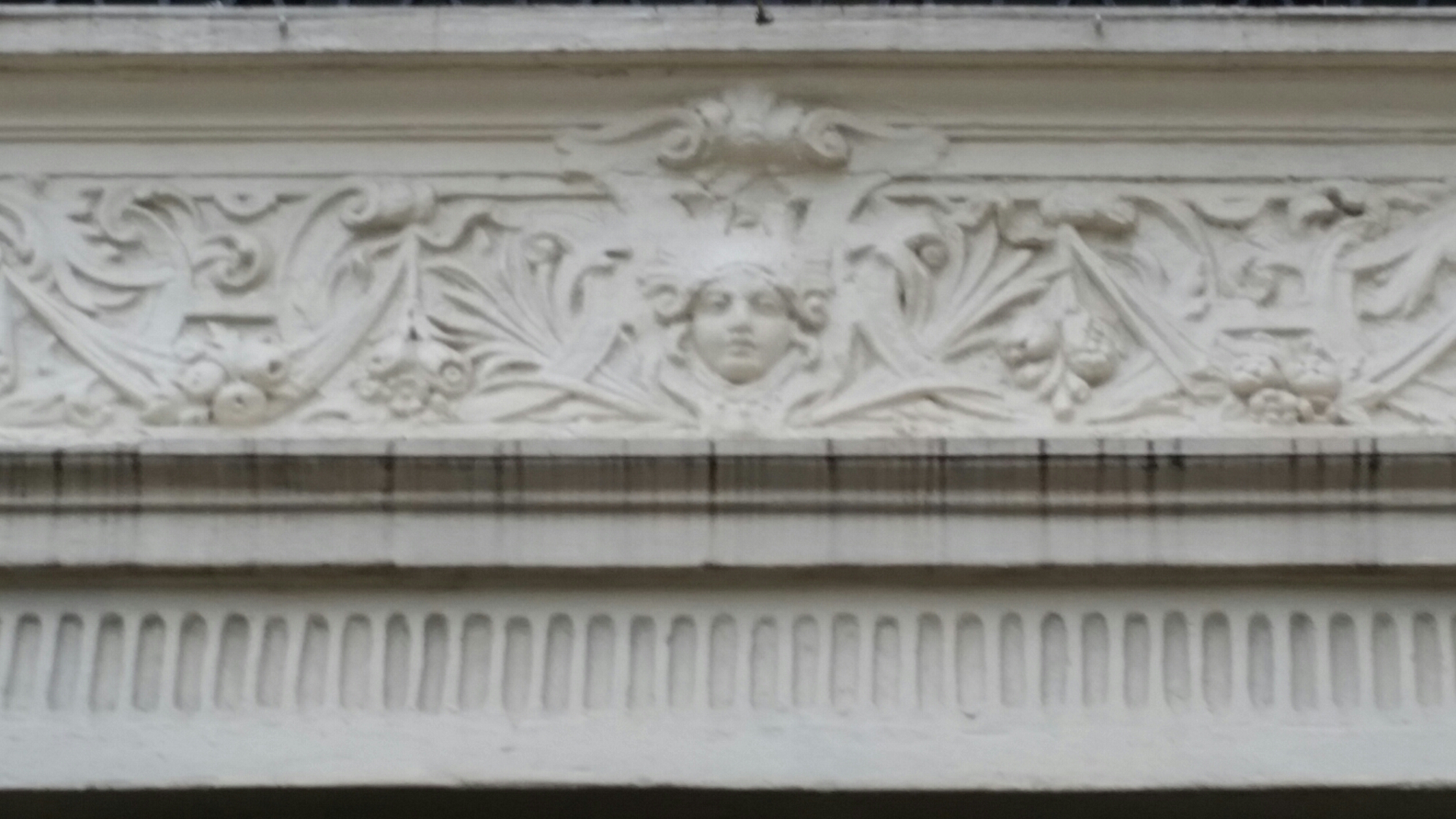
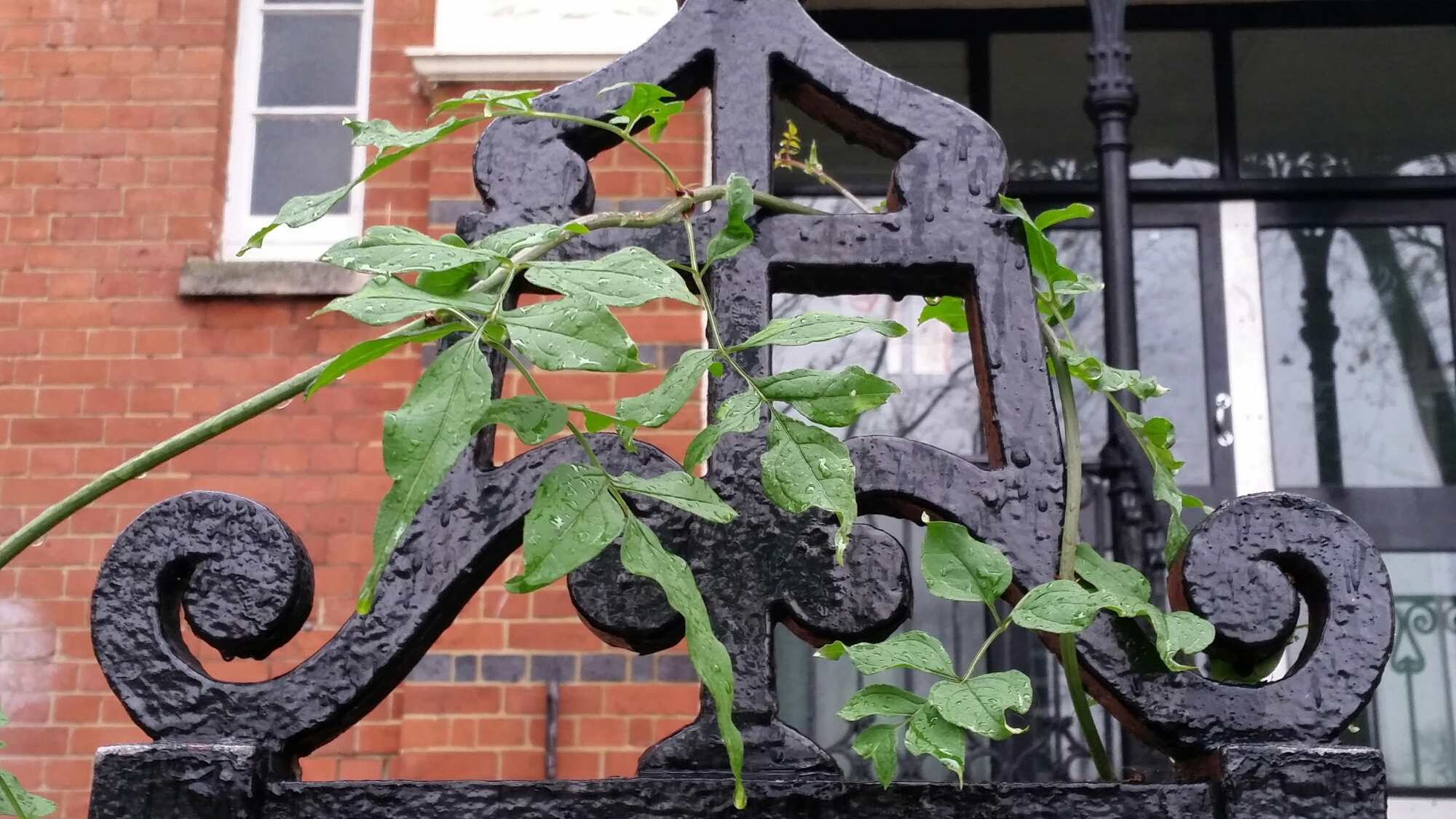
I was walking down Stepney Green this morning past the slightly dour working class dwellings at the south end beyond the manor house when I realised what fine ironwork and stucco detailing they have.   They were built in 1895 by Solomon Joseph for the Four per cent Industrial Dwellings Company, founded in 1885 by Nathan Rothschild after an enquiry by the United Synagogue into ‘spiritual destitution’.   It provided ‘the industrial classes with commodious and healthy Dwellings at a minimum rent’.    Each of the flats had two rooms only and a shared wc and kitchen, together with a communal club, reading room and baths.   The original tenants were mostly Jewish artisans and there was a large synagogue next door, now converted into flats:

image

image

image

image

Standard

Jonas Burgert

I have just had a (staged) conversation with Jonas Burgert, the German artist, at Blain Southern at their smart gallery on Hanover Square. It was a pleasure talking to an artist who is intelligent, thoughtful and unpretentious about the sources of his art. Born and brought up in west Berlin, he is the son of a painter who trained at the Berlin Academy just after the second world war, when all the Nazi professors had been fired and an older generation of German expressionists were brought back to teach; he himself attended the Academy just after the fall of the Wall and began to explore forbidden territory in art, which is about depiction, but not realism, creating subject matter with an invented half-narrative, which is suggestive rather than descriptive, as dangerous to practice in the Berlin Academy as it would have been in Britain. He spoke beautifully about exploring the psychological recesses of the visual imagination, the middle ground between painterliness, subject matter and abstraction, inspired as much by the inarticulacy of Egyptian art as by surrealism or expressionism.

Standard

Creative Industries

I had breakfast yesterday with the chieftains of the creative industries – the heads of Channels 4, Hearst and Penguin, and Sir Peter Bazalgette on his home turf.   It was in advance of the launch on Monday of a Creative Industries Federation to draw attention to the role that the creative industries play in British life, having broadly replaced manufacturing as a source of prosperity.   The issues were:-  the interconnectedness of public and private, as argued by David Abraham in his MacTaggart lecture;  the benefits of a £3 billion subsidy of creative programme-making;  the role of education in encouraging creativity (but, of course, the current government has been trying to do the opposite);  and the importance of copyright to publishing.   But I wasn’t convinced that anyone answered James Purnell’s question as to what the creative industries are seeking from government.

Standard

J. Comyns Carr

I knew about Joseph Comyns Carr by name, but not the story of his life:  barrister turned drama critic, friend of Rossetti and passionate advocate of the Pre-Raphaelites and the work of Blake, he was co-director of the Grosvenor Gallery, where he exhibited the work of Whistler (who called him Jo), Rossetti and Burne-Jones as a way of challenging ‘the sleepy complacency of the dwellers in Burlington House’.   He left in 1888 to establish the New Gallery on Regent Street, where he remained a Director till 1908.   He was apparently a brilliant after-dinner speaker and an expert fly-fisherman.

Standard

Libraries of the World

I went to a lecture organised by the Association of Pall Mall Libraries on the subject of great libraries of the world.   It was by James Campbell, a Cambridge architect turned architectural historian, who published a book, The Library: a world history, last year.   It’s a wonderful subject, beginning with the early chained libraries like Trinity Hall, and going on to the more grandly architectural libraries, including Wren’s great library for Trinity, the Radcliffe Camera and the Codrington.   Some I knew, like Asplund’s Stockholm City Library.   Many I didn’t, including Jože Plečnik’s National Library of Slovenia.   What I hadn’t anticipated was the extraordinarily strong showing of American libraries, including the George Peabody Library in Baltimore, the reading room of the New York public library, a library designed by Frank Furness for the University of Pennsylvania (now the Fisher Fine Arts Library) and, most extraordinary of all, the library of Phillips Academy in Exeter, with individual carrels for every pupil, designed by Louis Kahn.

Standard

121 Regent Street

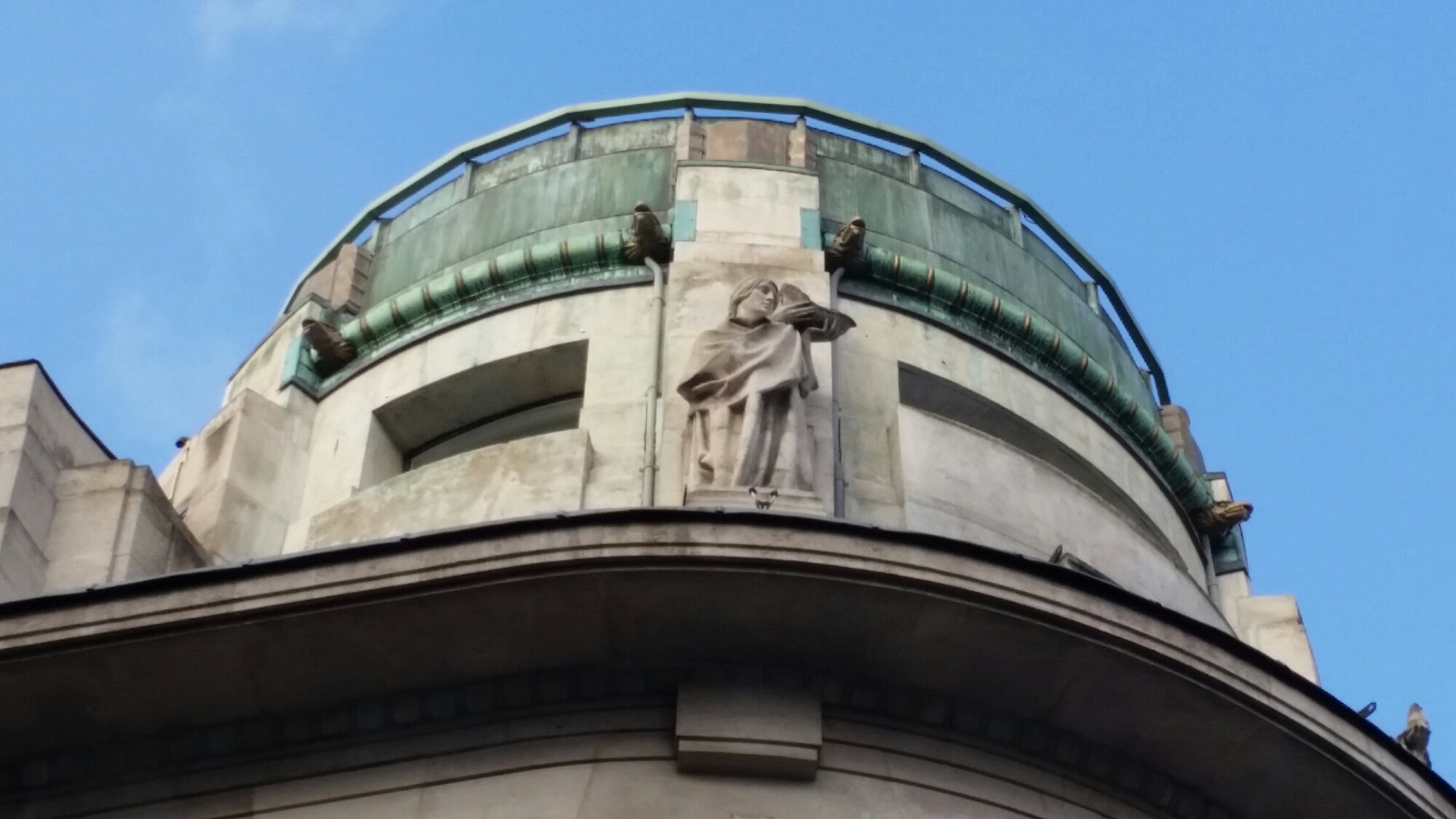
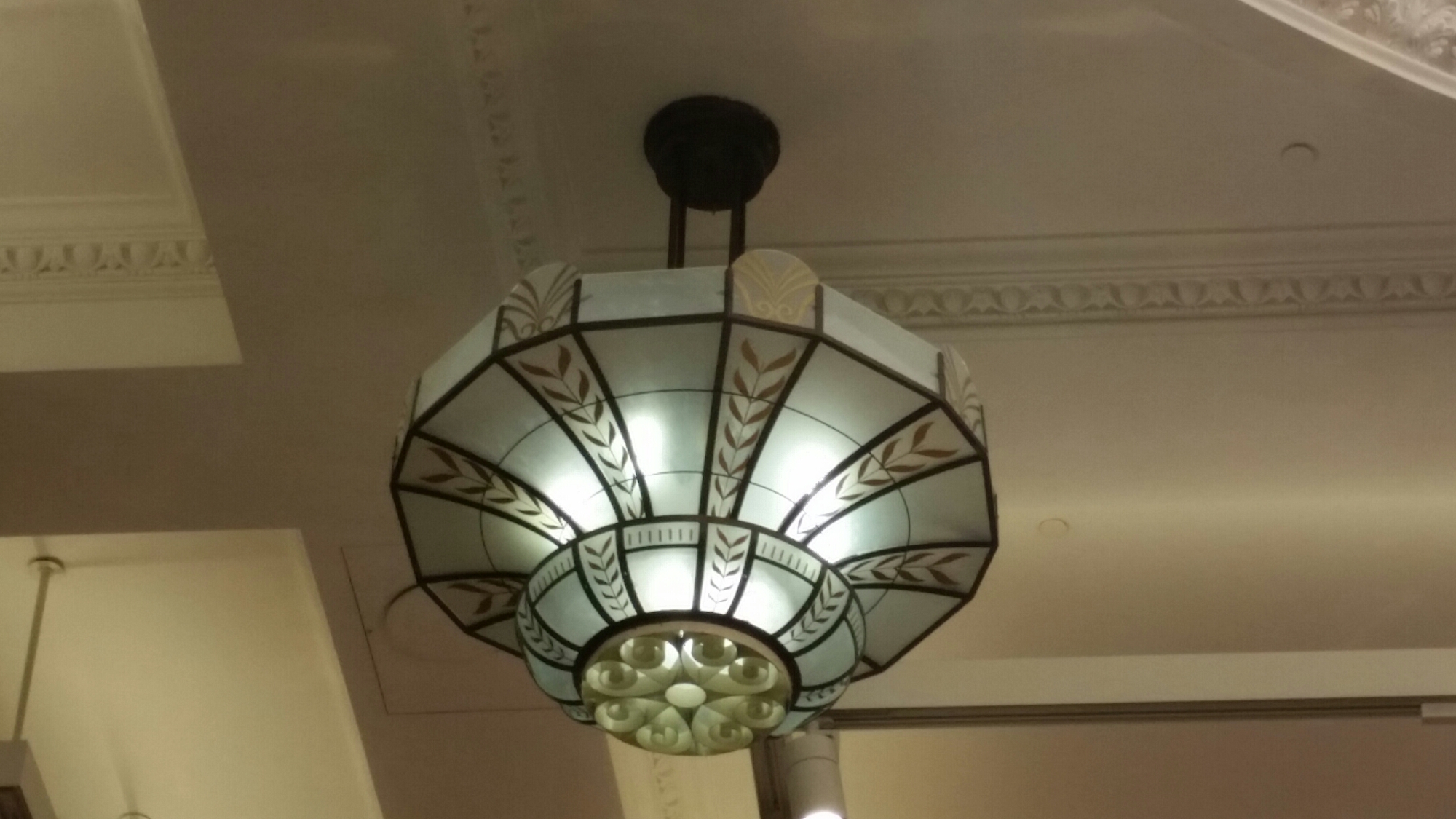
In walking along Vigo Street towards Soho, I remembered being told that the new branch of Burberry on the corner of Vigo Street and Regent Street had previously been a cinema and that the Crown Estate, who are the landlords, had insisted on the cinema being preserved.   I was sceptical of this, but discovered, to my surprise, that the heart of the shop, which was once upon a time the New Gallery, founded by J. Comyns Carr and Charles Edward Hallé in 1888, was indeed converted in 1913 into the New Gallery Kinema, was altered and enlarged in 1925, and remained a cinema until 1953, when it was converted into a Seventh-Day Adventist church, complete with Wurlitzer organ.   This is what gives the store its Busby Berkeley feeling:

image

image

image

Standard

Anselm Kiefer/David Chipperfield

I started the day by attending a discussion between Anselm Kiefer and David Chipperfield (mediated by Tim Marlow) about their attitudes and responses to architecture.   Sitting in a gallery dominated by an image of Albert Speer’s Berlin Chancellery in monumental, but picturesque, decay, it was obvious how much Kiefer’s art is preoccupied by the architecture of the past, including pyramids and ziggurats, and how much, as an artist, he is free to invent buildings which don’t necessarily work as buildings, towers which are piled up and do not, and never will, pass the tests of engineers;  whereas the poor architect – even one as great and inventive as David Chipperfield – is never accorded the time and the space for such freedom of invention, except at the Neues Museum in Berlin which mixes history and memory in a Kiefer-ish way.   I particularly liked the comment which was apparently made by Norman Foster about the German percent for art scheme that it was ‘lipstick on the gorilla’.

Standard

The Magnasco Society

I assumed that Gerald Wellesley, who was responsible for the interiors of the Italian Embassy, must have been a member of the Magnasco Society which was founded by the Sitwells in 1924, the year of the publication of Sacheverell Sitwell’s Southern Baroque Art, to promote their love of Italian painting.   Indeed, he was.   He was its first President, taking the chair at their first annual dinner, held in a private room at the Savoy Hotel, when Walter Sickert was the speaker;  and he arranged the loan of paintings from the collection of his brother, the Duke of Wellington, as well as lending paintings himself, for their first exhibition, held at Agnews in November 1924.   It was organised ‘for the purpose of furthering the study and appreciation of what, for the lack of a more precise term, we may call Baroque Painting’.   There were annual exhibitions thereafter, ending with a Canaletto exhibition at Spink in June 1929.

Standard

St. James’s Palace

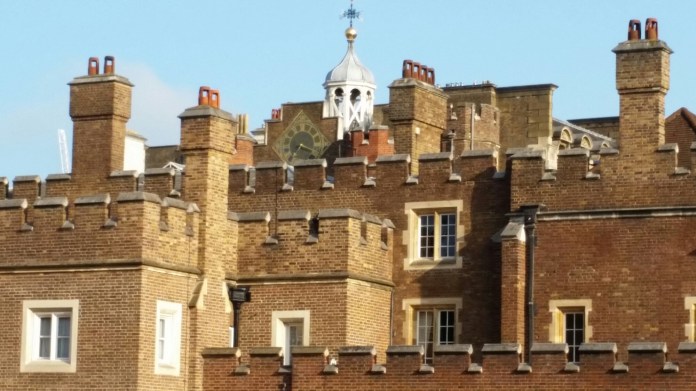
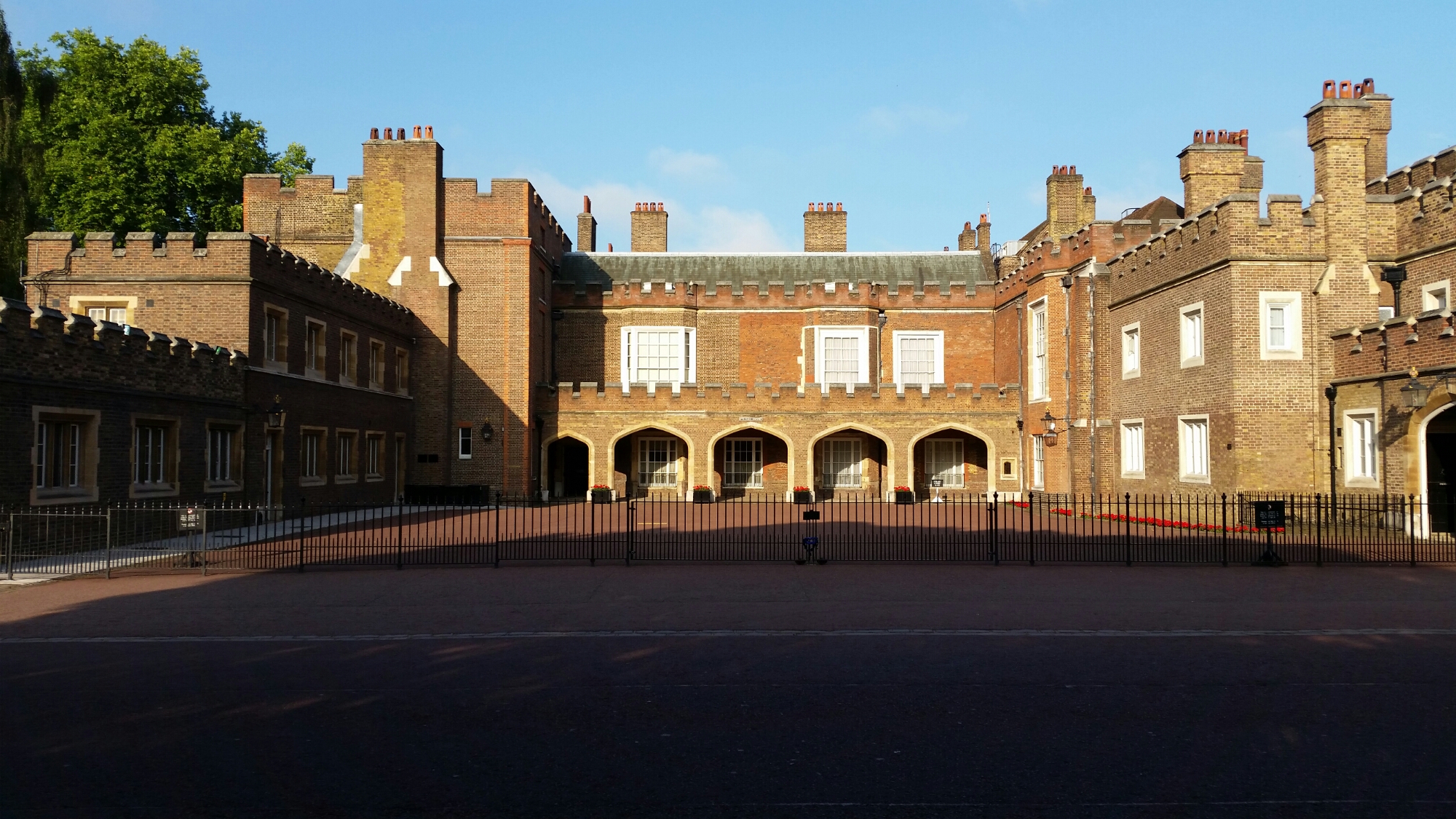
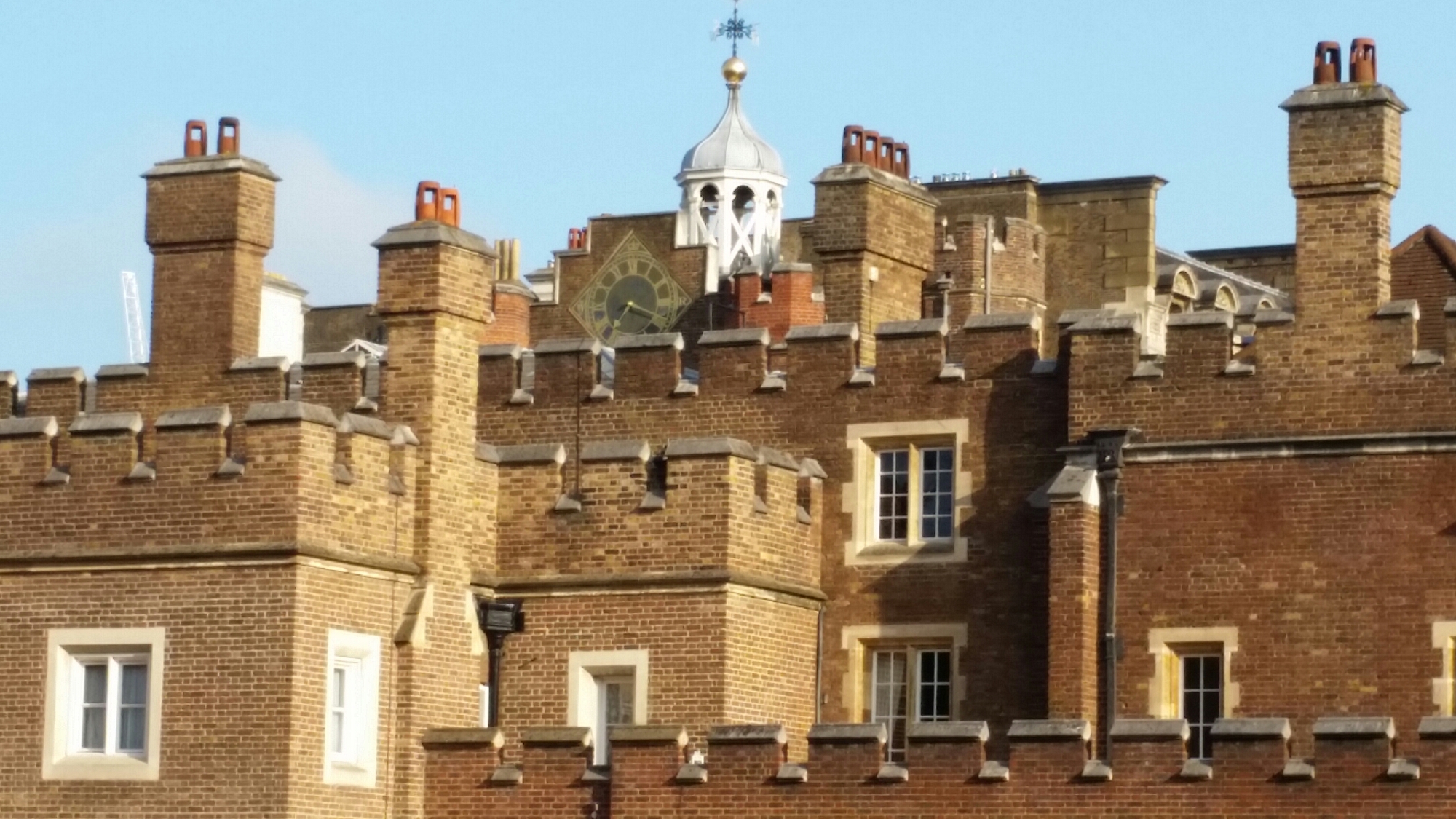
I have been doing some background reading on St. James’s Palace, partly because I pass it every day and partly because it was where the Royal Academy celebrated its foundation on 10 December 1768.   Vanbrugh drew up grandiose plans for its reconstruction early in George I’s reign, but these were not implemented.   The only alterations were made to accommodate the King’s tailor, his Turkish servants and dwarf and, in the next reign, the creation of a library for Queen Caroline. Meanwhile, there was an endless litany of complaints as to its inadequacy, particularly when compared to the state palaces of Europe.   Defoe described it as ‘really mean, in comparison of the rich furniture within’.  Baron Bielfeld, the Prussian ambassador, described it in 1741 as a ‘lodging-hous;  crazy, smoky and dirty’ and ‘to the last degree spiritless’.   But when his letters were translated in 1768, William Hooper, the translator, provided a footnote in which he described how ‘the glory of a British monarch consists, not in a handful of tinsel courtiers, or in expensive and pompous festivals;  but in…the freedom, the dignity and happiness of its people’.   Today, it’s the same:  modest and old-fashioned outside;  but with rooms for the court indoors.
image

image

Standard