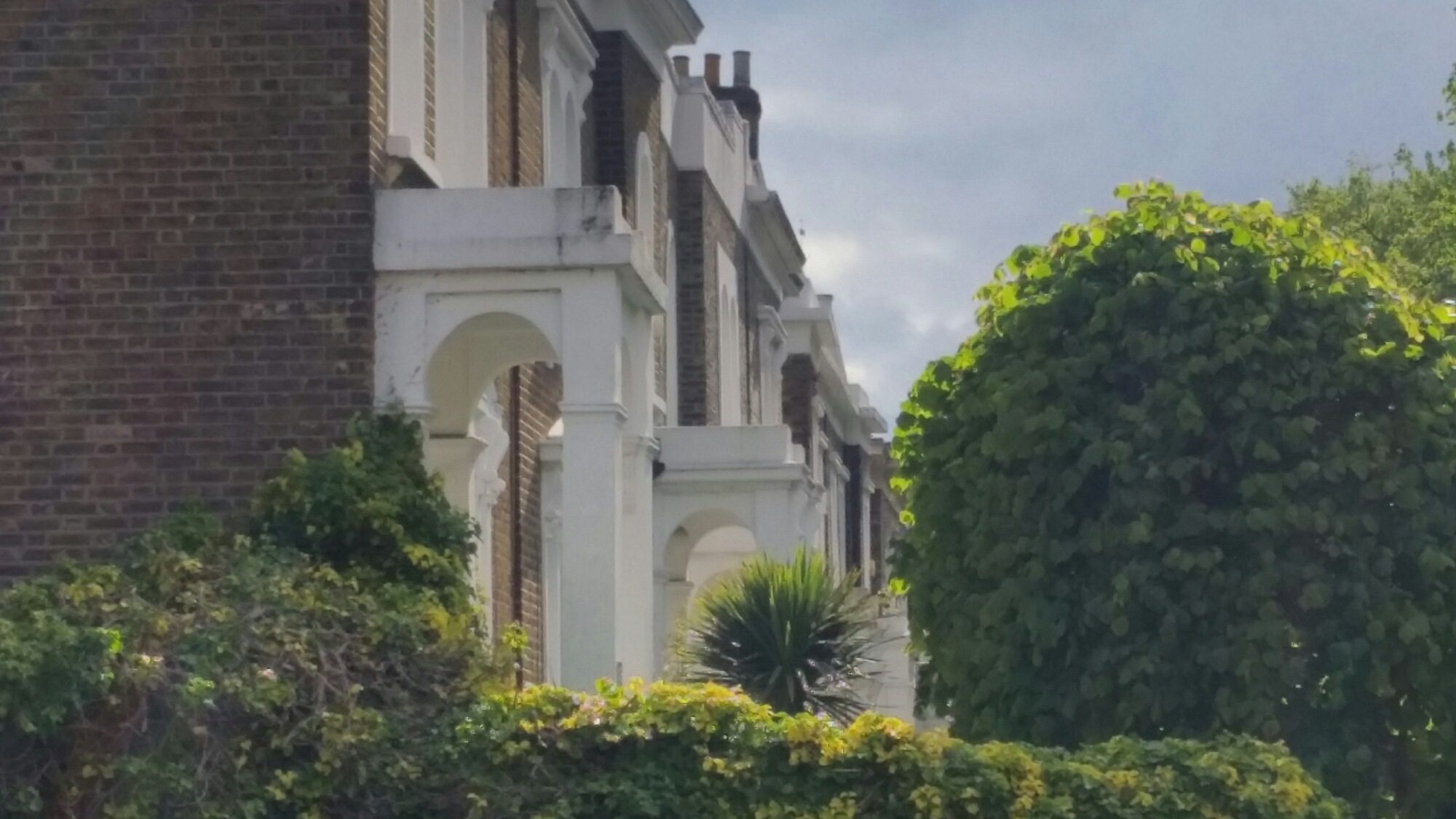
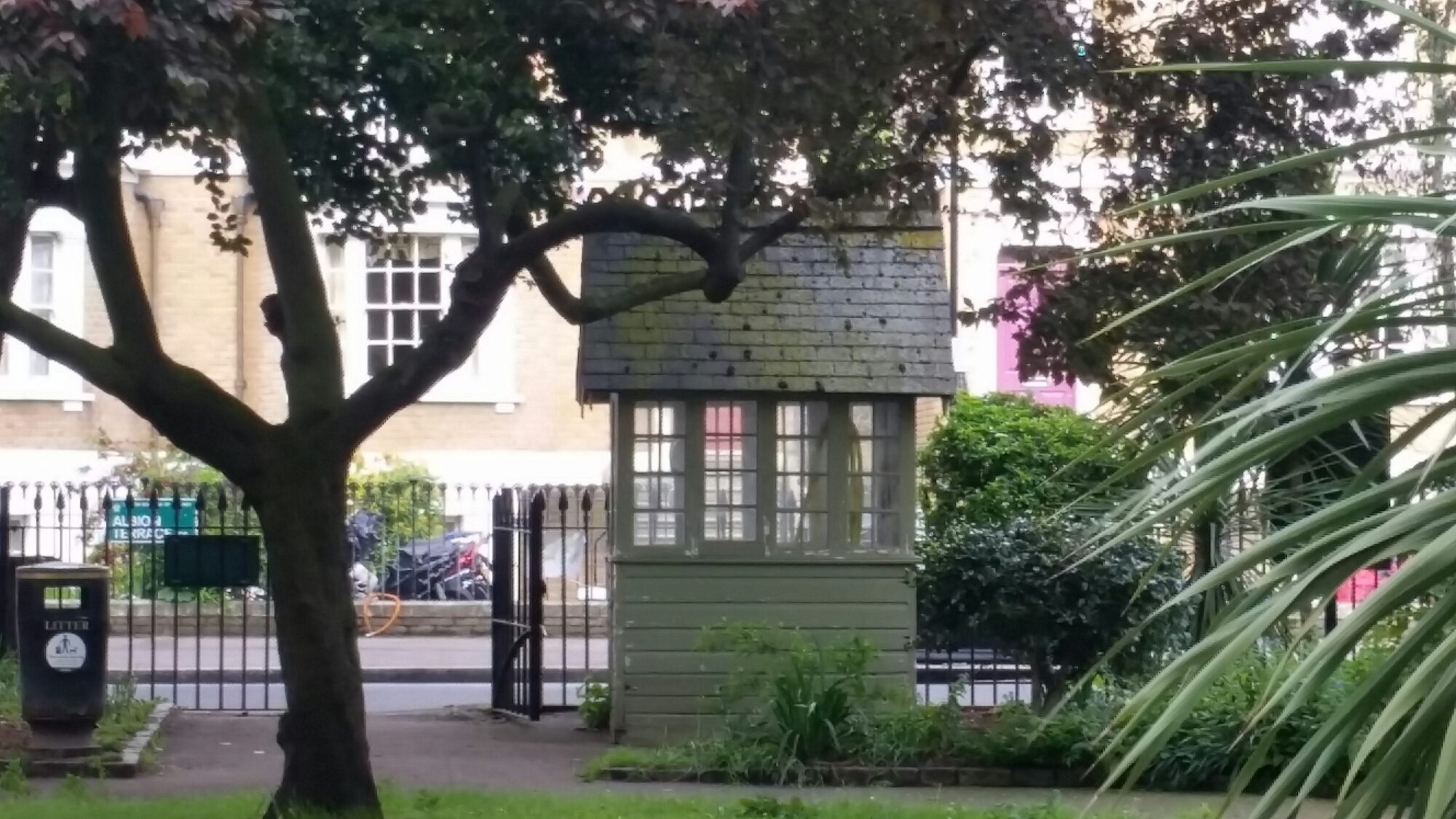
Our trip to Cambridge was cancelled, so I spent the morning trying to make sense of Haggerston instead. I had never been to Albion Square, laid out in the 1840s by Islip Odell, a brick-maker, and was surprised and impressed by its stateliness, its sense of municipal improvement, with drinking fountains and public gardens:-

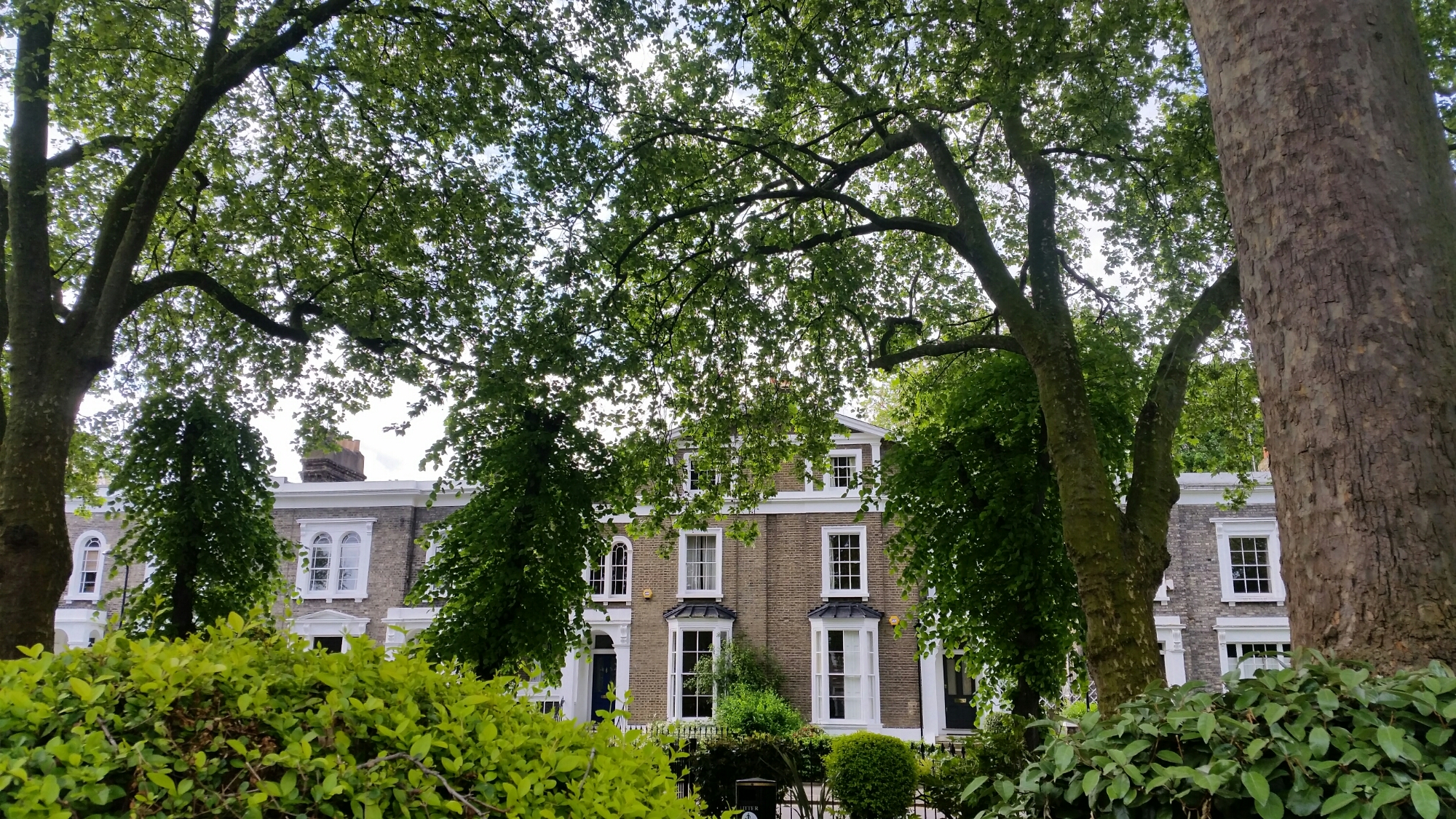
Beyond is the De Beauvoir estate, named after its original owner, the Rev. Peter Beauvoir, and laid out by William Rhodes to designs supplied by James Burton, father of Decimus and designer with Nash of the houses round Regent’s Park. This must explain the generosity in the layout of the streets and the quality of some of the detailing. These are examples of the houses in Northchurch Road and Southgate Grove beyond:-
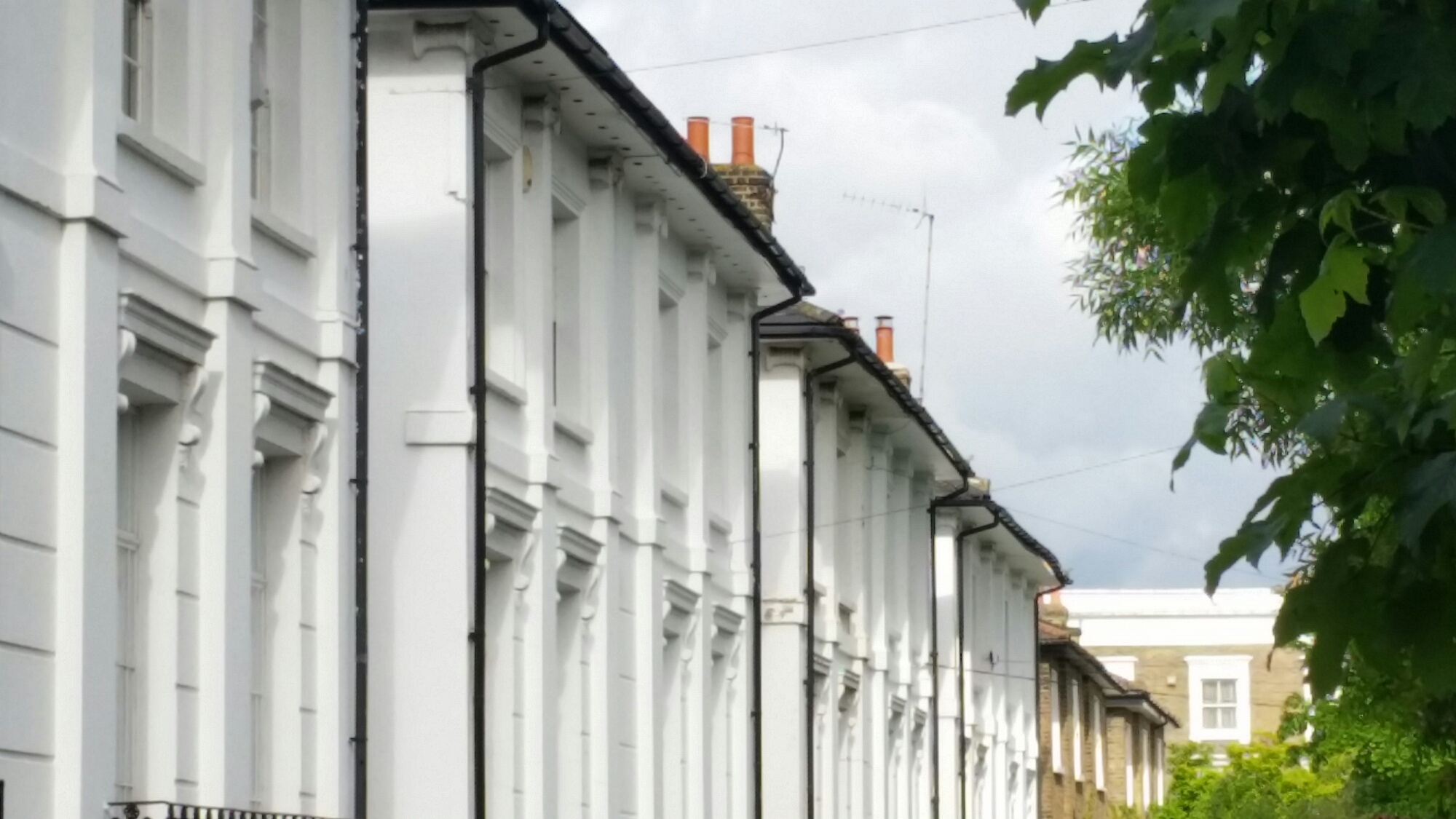
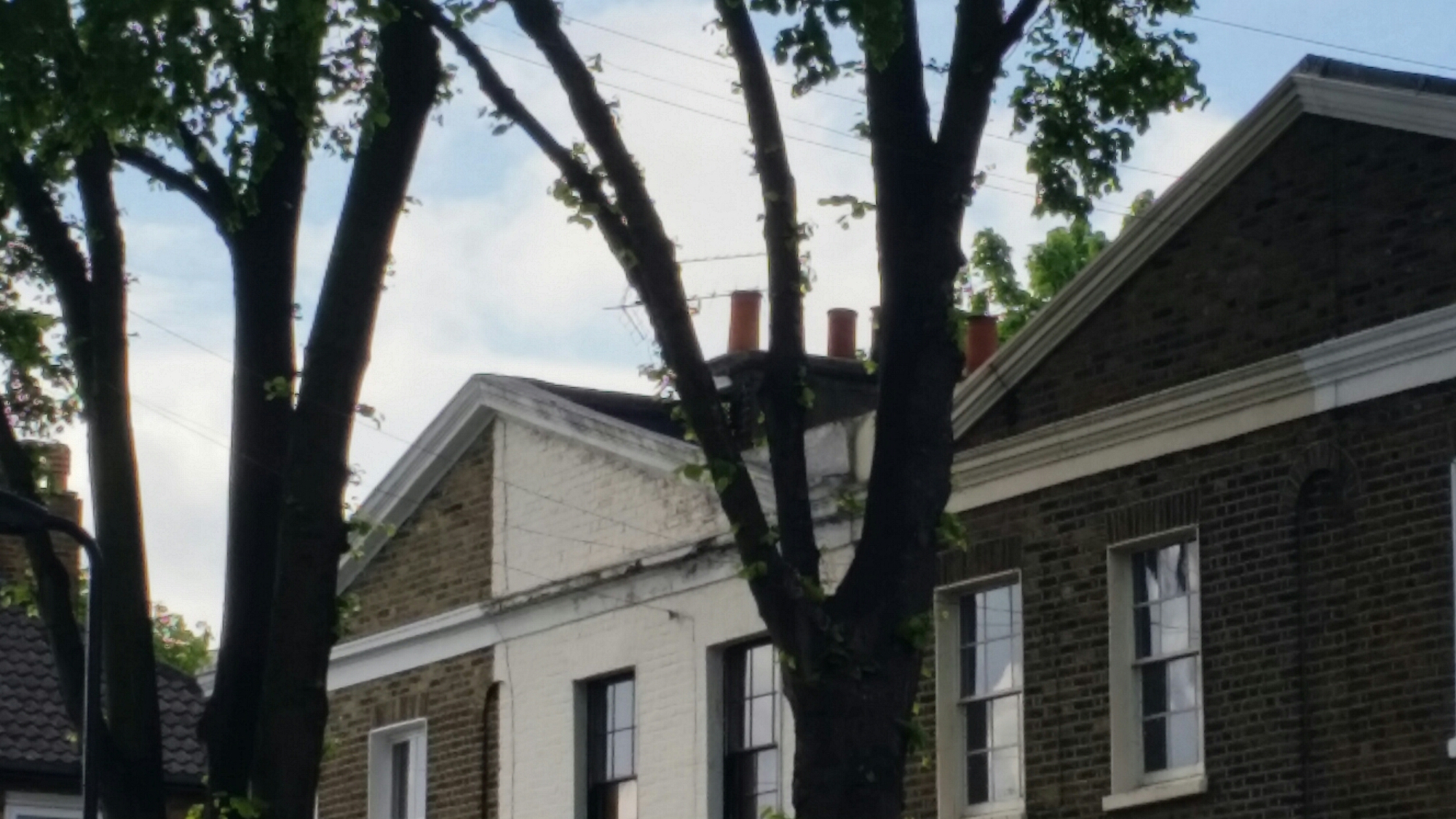
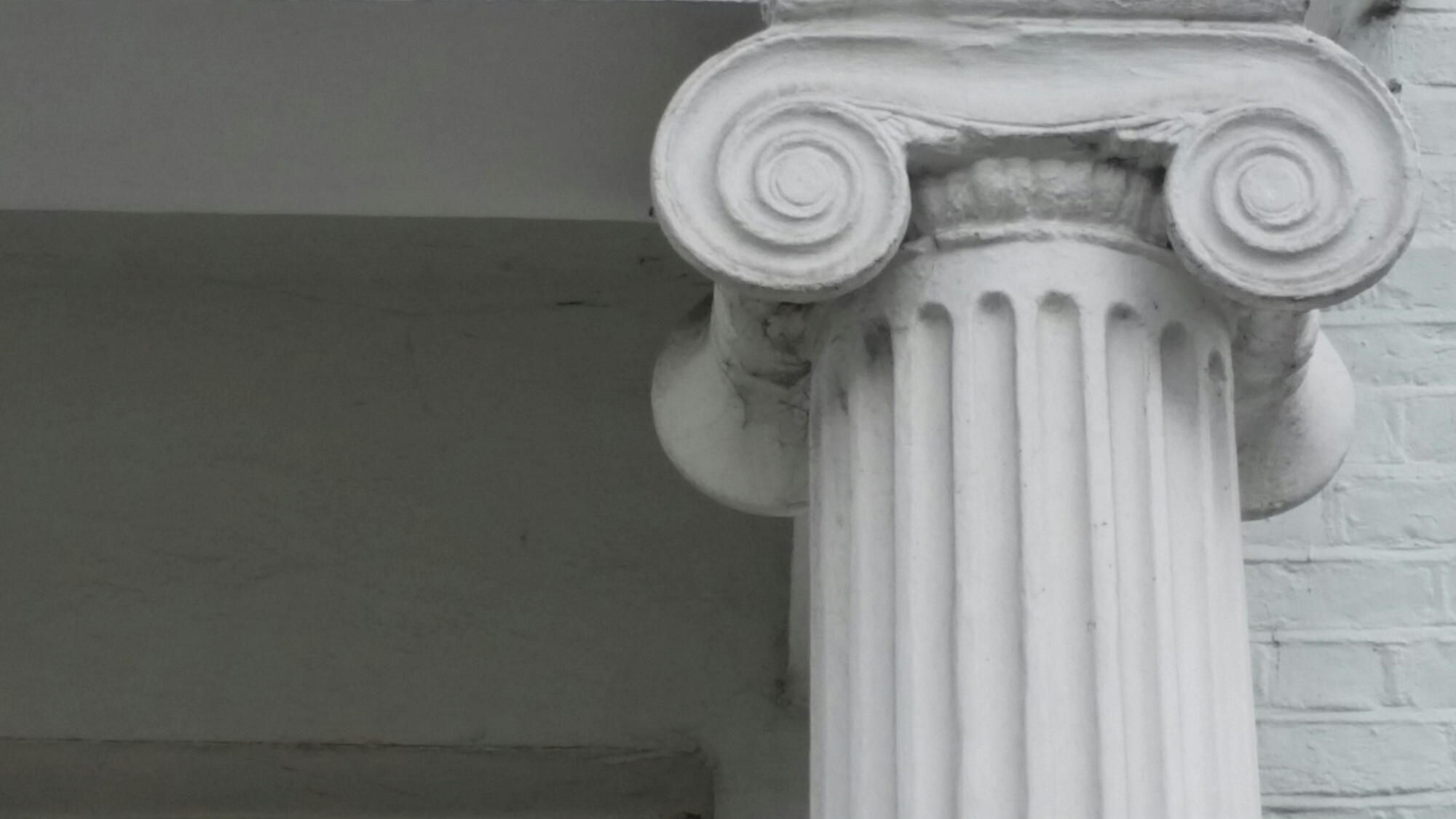
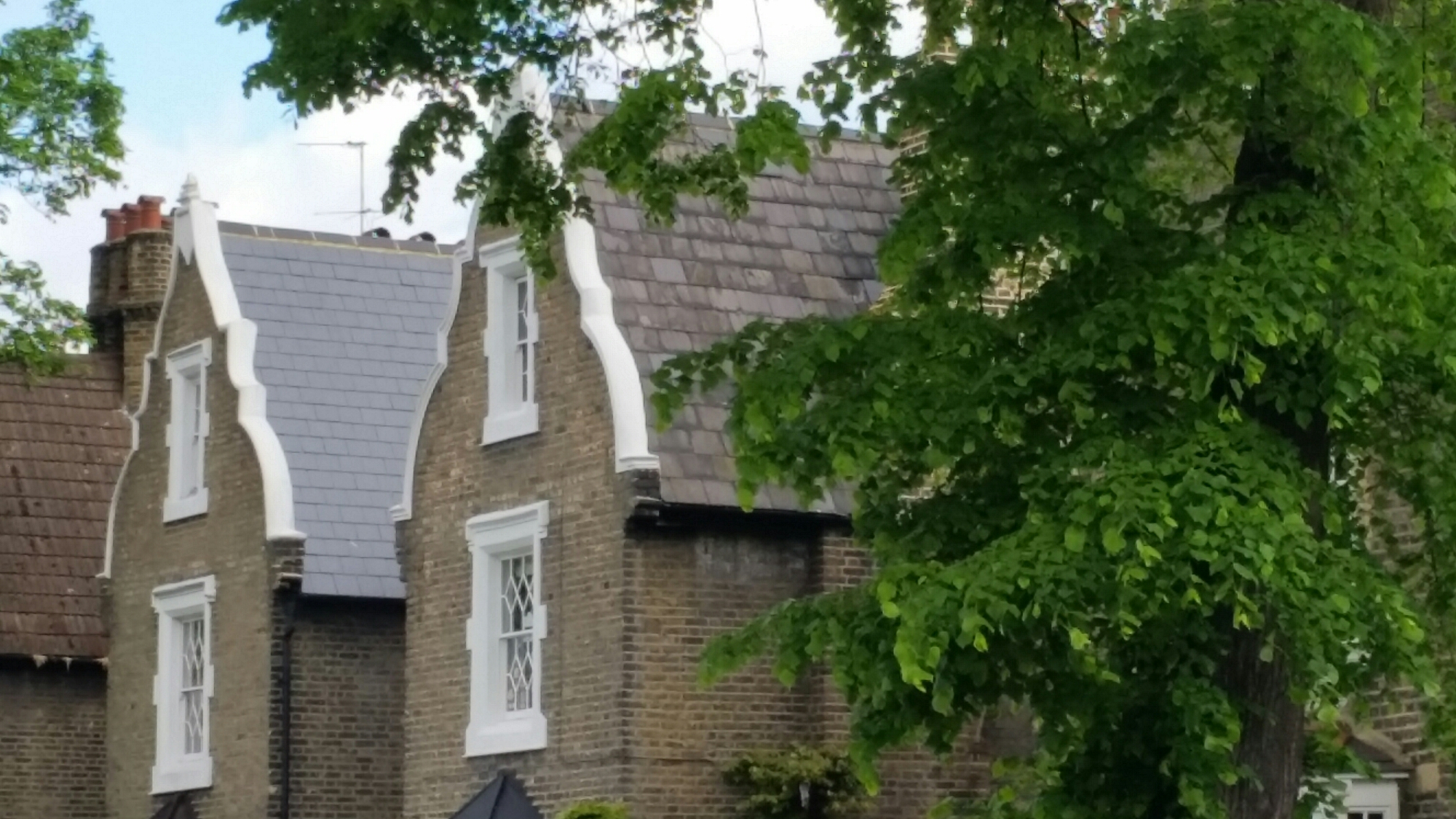
A second phase of building took place during the 1840s after Richard Benyon had inherited the estate. The Jacobethan houses in De Beauvoir Square itself are attributed in The buildings of Hackney to Robert Lewis Roumieu and Alexander Dick Gough:-
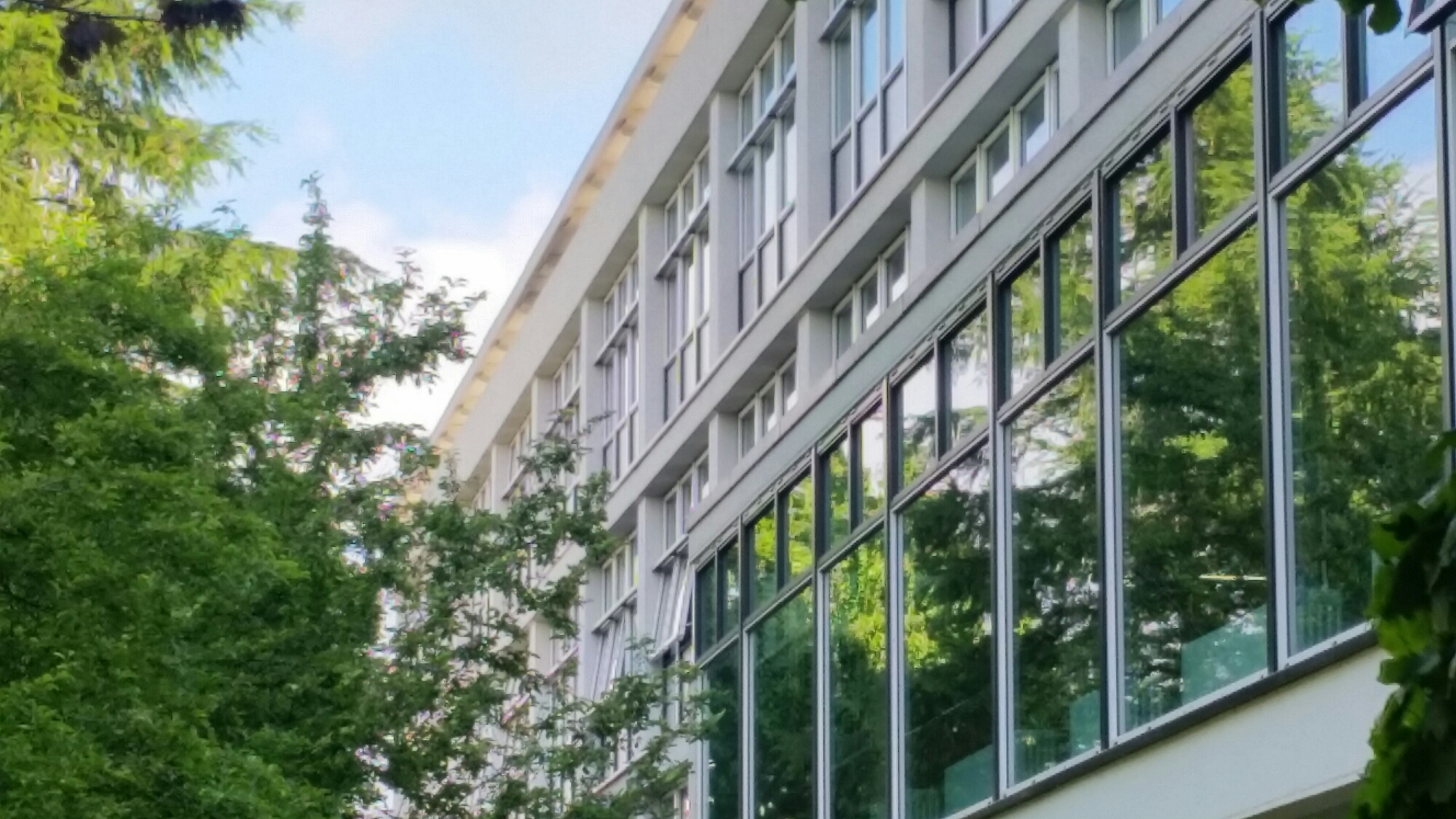
I ended up looking at Haggerston School, a piece of 1960s utopianism, designed by Ernö Goldfinger in 1964:-

 | Charles | Saumarez | Smith |
Dear Charles
The by-ways of London that you are exploring sharpen my impatience for your book : Haggerston and the wonderfully named Islip Odell especially.
Are you going to do Hoxton ? Richard Rogers and I did a chapter in A NEW LONDON on the horrors of the Arden Estate.
Are they going to give you enough images? It’s your amazing eye for detail that raises the Blog to the heights.
M x
Interesting background to two London squares I’ve long enjoyed visiting. I read some time ago that the fourth side of De Beauvoir was originally built in 1823 – though is now rather spoilt by modern flats. I wonder if they had suffered bomb damage as can’t think why they would have been rebuilt otherwise and so unsympathetically. Also just by Albion Square is a small triangle of green park that is the remnant of Stoneybridge Common and a nice reminder of when the area must have been more rural.
I can’t easily find the answer to this. I think the horrible truth is that more was destroyed by postwar development than by Hitler.