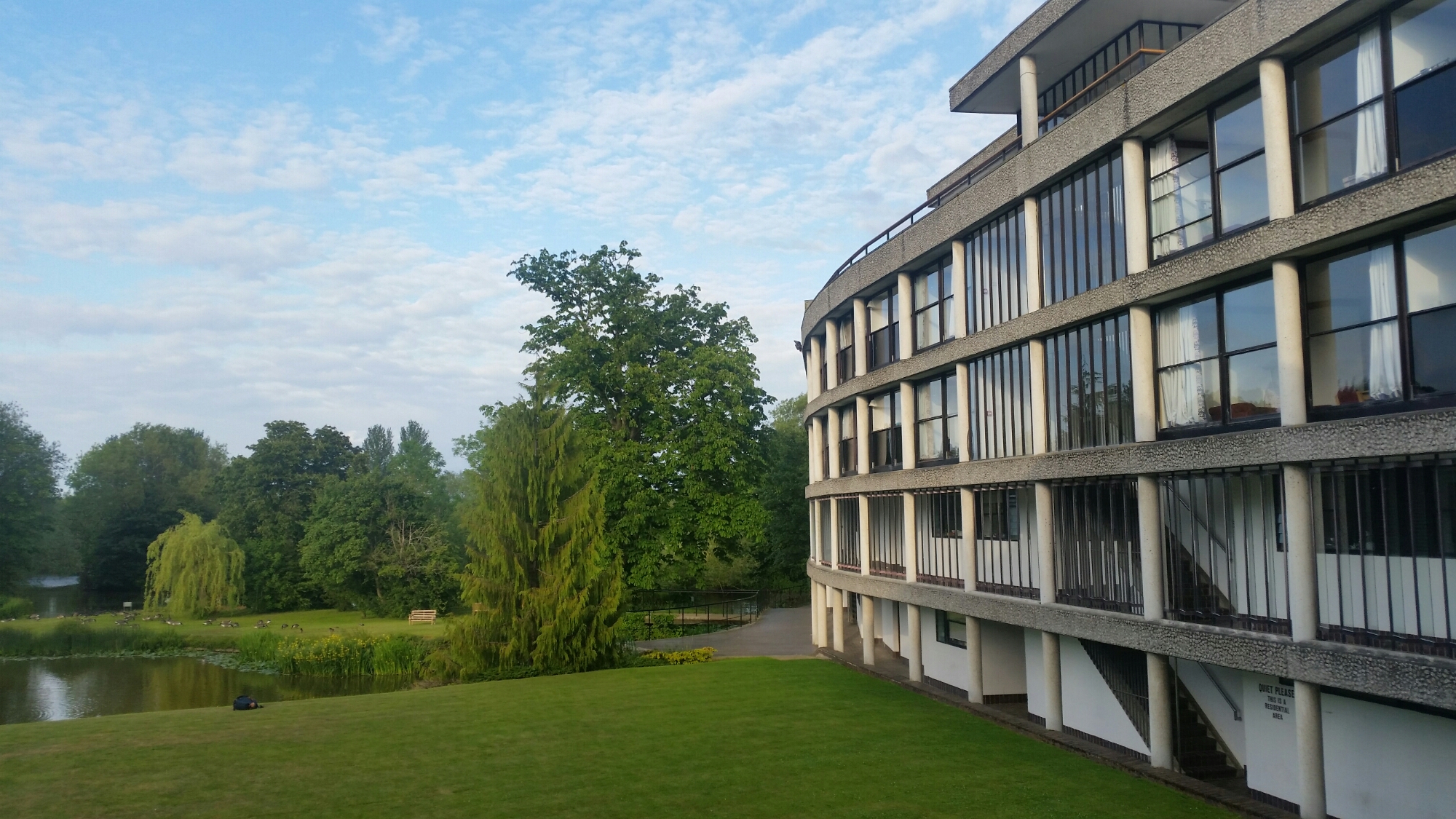
Wolfson College

I have just been to a lecture by Neil MacGregor at Wolfson College, Oxford to celebrate the 60th anniversary of the Wolfson Foundation.   It managed to weave together poverty in Hogarth’s England with the development of obstetrics in the Gorbals, the importance of William Hunter as a collector and the role of Sir Hans Sloane in the foundation of the British Museum, ending with the importance of museums in the development of global citizenship and the ways in which the Wolfson Foundation has supported health in the body and in the mind.

I had never actually been to Wolfson College which must have been under construction when I lived outside Oxford.   It was designed by Powell and Moya in the late 1960s, when they were also doing Blue Boar Quad for Christ Church after the success of their design for Christ Church Picture Gallery.   I was told to admire the view of the Cherwell which I did:-
image

Standard

St. Thomas’s Burial Ground

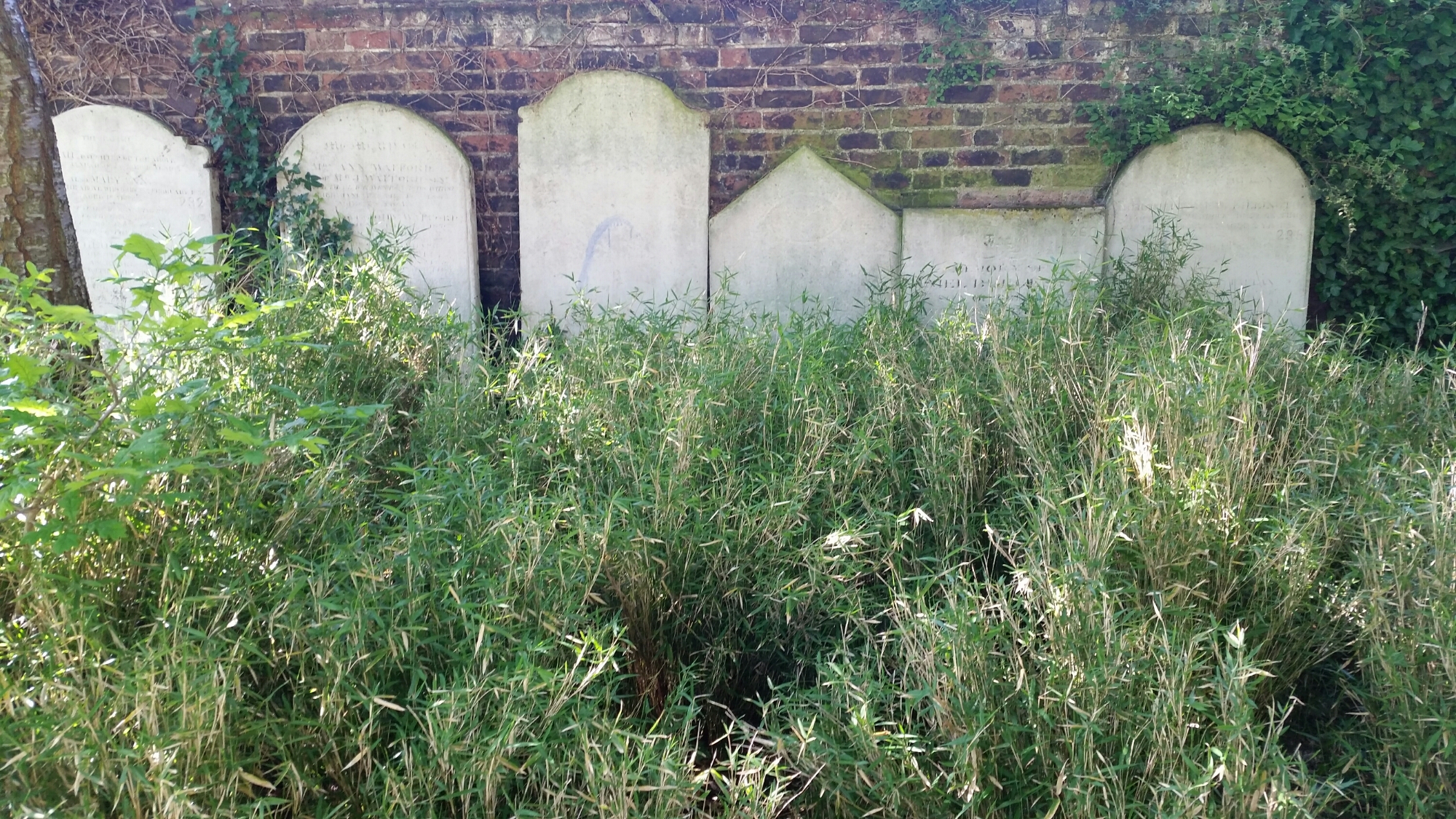
In cutting through from St. John of Jerusalem to London Fields, I have several times been surprised by the survival of the burial ground behind the site of St. Thomas’s Chapel on Mare Street, where the Rev. W. Bates established a nonconformist chapel in 1672 on land owned by St. Thomas’s Hospital and where there is now a Greek Orthodox church:-

image

image Continue reading

Standard

In the garden

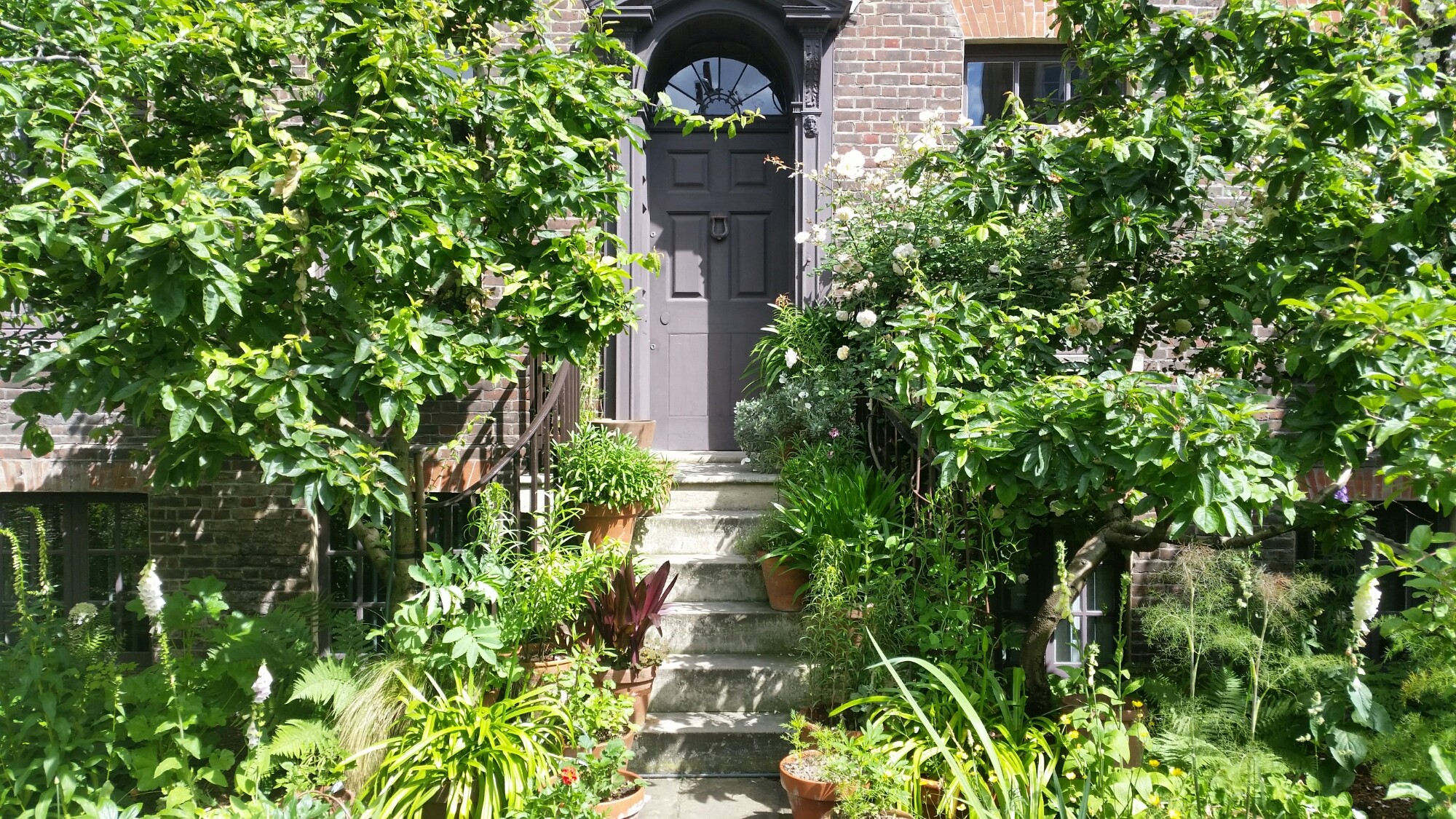
It was extremely nice, and rather unusual, to have a day at home, sitting in the garden and listening to, first, Lisa Jardine, magnificently forthright about her life on Desert Island Discs, immediately followed by the PRA talking about his life, his paintings, the Summer Exhibition, and his deep knowledge of early twentieth-century music on Private Passions.   The garden looks good at this time of year:-

image

image Continue reading

Standard

The Bargello

I benefitted from the fact that the Bargello, like the Uffizi, opens at 8.15 so that it is possible to have a contemplative hour with some of the greatest Renaisssnce sculptures before taking a taxi to the airport.   I like the way that the sculptures are displayed, as if outside, with the windows open, in a building which is itself of considerable significance as the first town hall and then its prison.   This is it from outside as I waited on the church steps opposite for it to open:-

image

The sun was falling on Donatello’s David:-

image Continue reading

Standard

The Oltrarno

I’ve always liked the Oltrarno, ever since staying in the Casa Browning a decade or so ago.   It’s slightly more down-at-heel than the other side of the river, full of old antique shops and people faking the antiques in the side streets, print shops and florists, small wine bars, run down palazzi and views across the river.

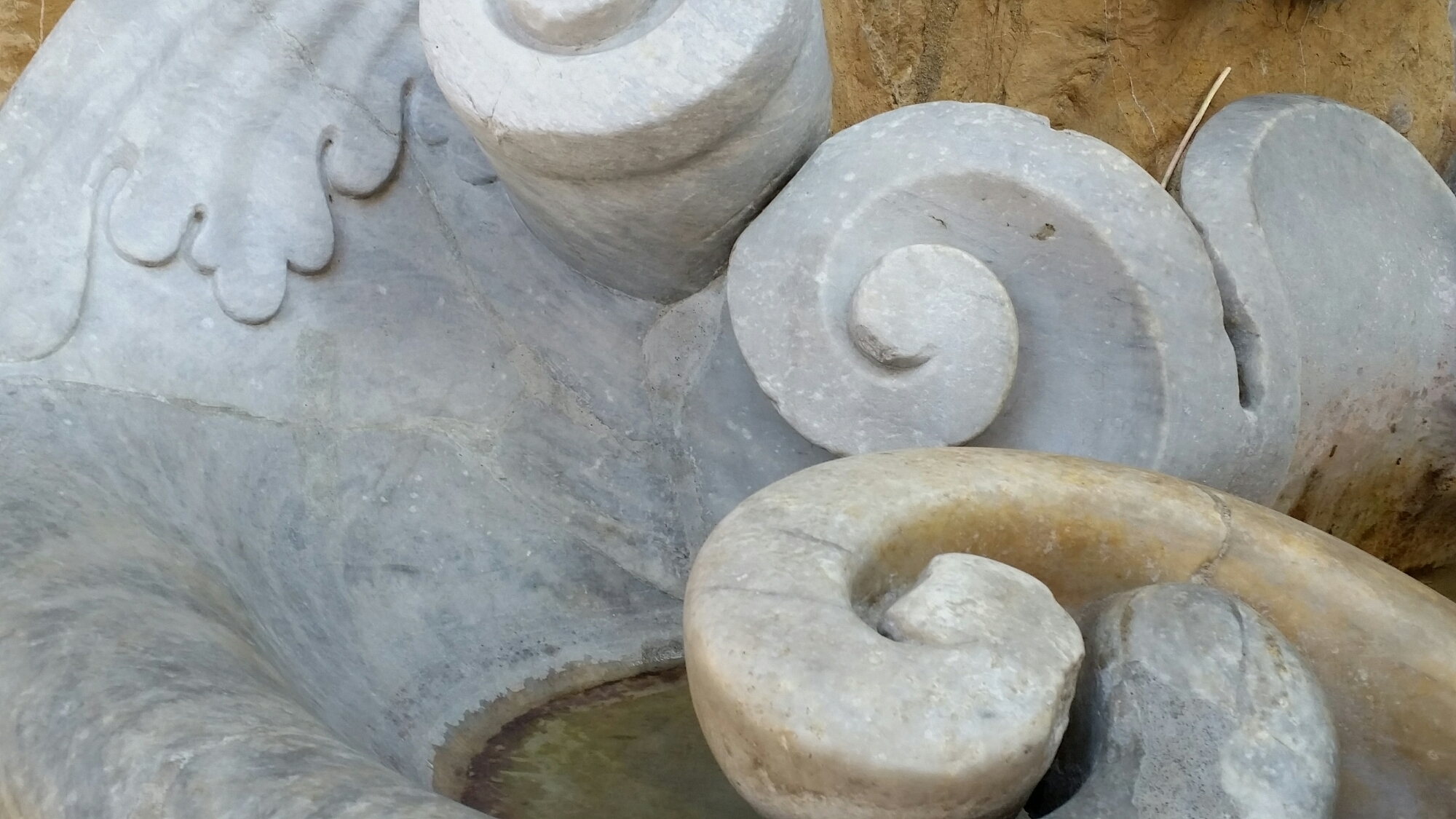
This is the carving on the baroque Fontanella Buontalentiana in the corner of the Piazza Frescobaldi:-

image

image Continue reading

Standard

Palazzo Bartolini-Salimbeni

Just south of the Palazzo Strozzi on the Piazza S. Trinita is the Renaissance façade of the Palazzo Bartolini-Salimbeni.   It was designed and built by Baccio d’Agnolo between 27 February 1520 and May 1523 and in the nineteenth century was the Hotel du Nord:-

image

image

Standard

San Gaetano

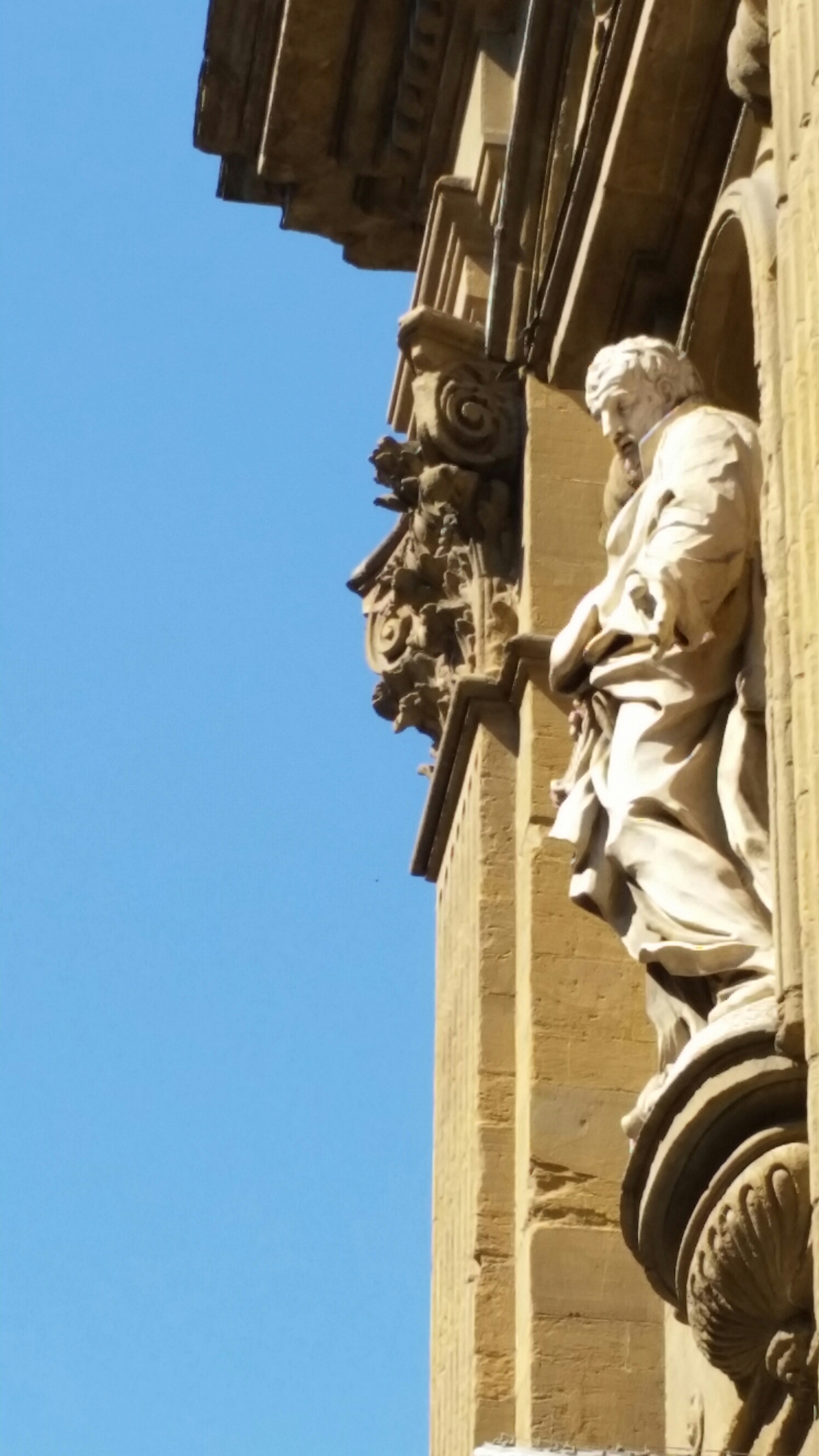
Just up from the Palazzo Strozzi on the Via Tornabuoni is San Gaetano, an early baroque church, designed in the early seventeenth century for the Theatines and with statuary on the façade from later:-

image

image Continue reading

Standard

Hellenistic Bronze Sculpture

James Bradburne’s latest exhibition at the Palazzo Strozzi is Power and Pathos: Bronze Sculpture of the Hellenistic World.   He encouraged me to see it, but I wasn’t able to make it to the opening.   It’s an extraordinary exhibition, wonderful bronze sculptures which are normally scattered amongst the regional archaeological museums where they were unearthed, like the bronze discobolos discovered in 2004 off the island of Kythnos and now in the Museum of Underwater Antiquities in Athens.   The portraits are of great intensity, strongly characterised because of the fluidity and strong expressiveness of the medium, some slightly idealised like the Aristocratic Boy from the Metroplitan Museum, some more tragic like the Young Ephebe from Heraklion in Crete.   Most of them have been discovered in the twentieth century, mostly by accident, so are not nearly so well known as those statues which are part of the classical canon.   It ends with divinity, but divinity is less moving than humanity.

Standard

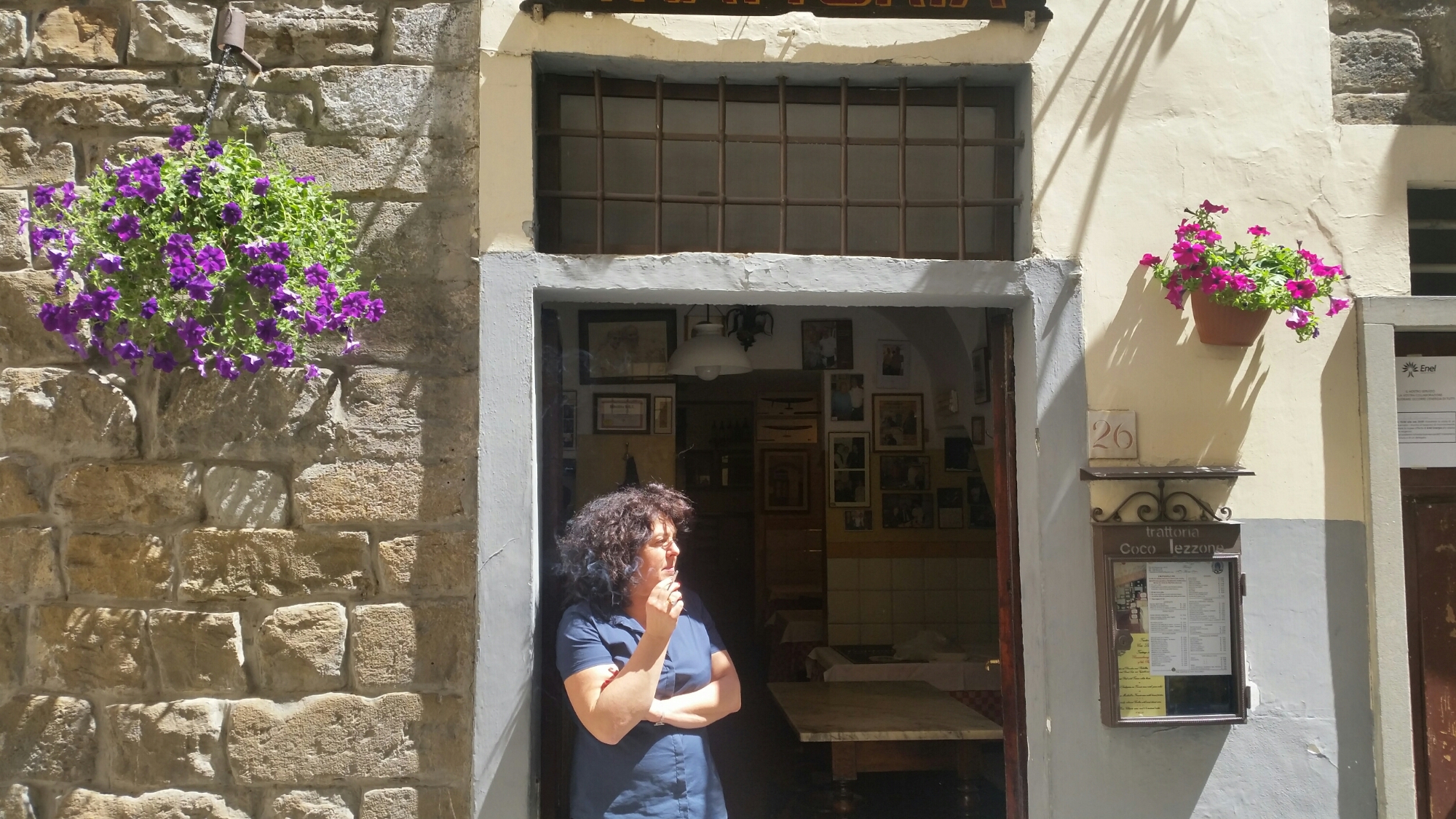
Coco Lezzone

We had lunch at Coco Lezzone, an old-established trattoria not far from the centre of Florence, which serves three excellent courses at speed, very good seafood risotto, meatballs and fresh cherries, no menu, no coffee.   It sports a faded photograph of the Prince of Wales from the early 1970s:-

image

image Continue reading

Standard

Burlington Gardens

For the last three years I have paid scant attention to the three figures who stand meditating outside my office window.   But as we prepare to decamp to Blackfriars whilst Pennethorne’s great building in Burlington Gardens is renovated, I thought I should record their appearance in all its sooty magnificence.   Like the philosophers outside the Sheldonian Theatre in Oxford, they stand sentinel, as guardians of learning:- image image

Continue reading

Standard