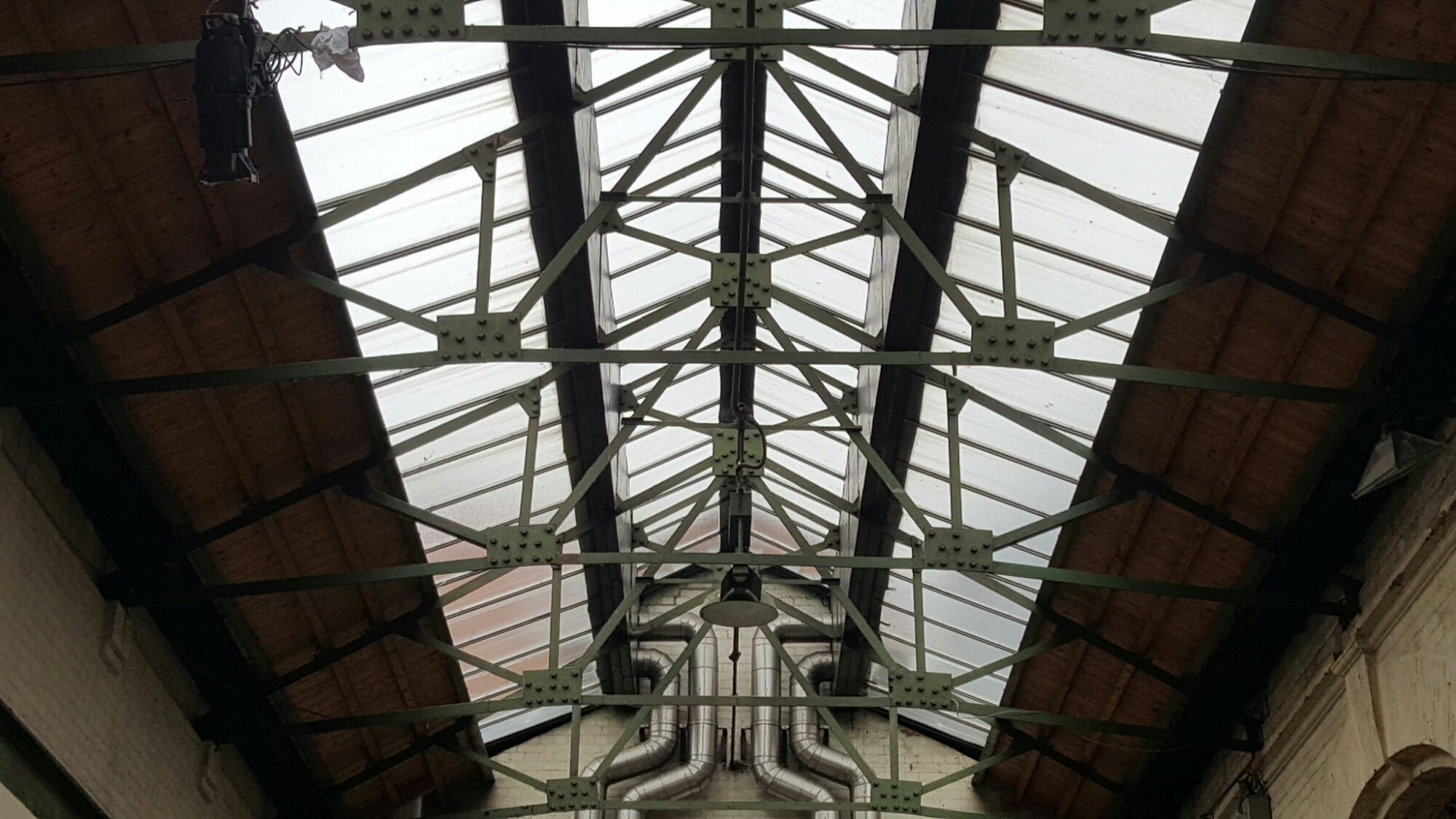
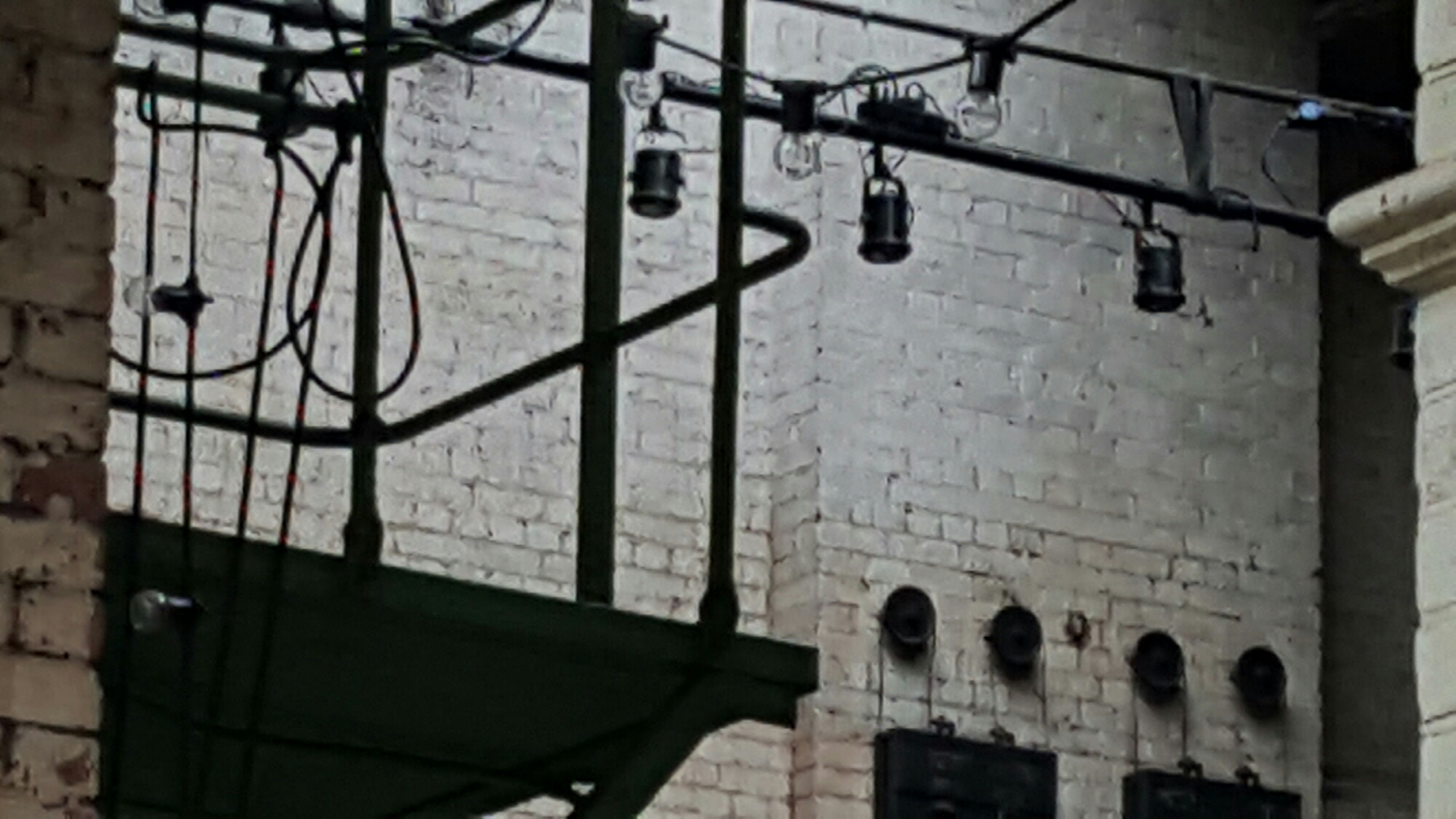
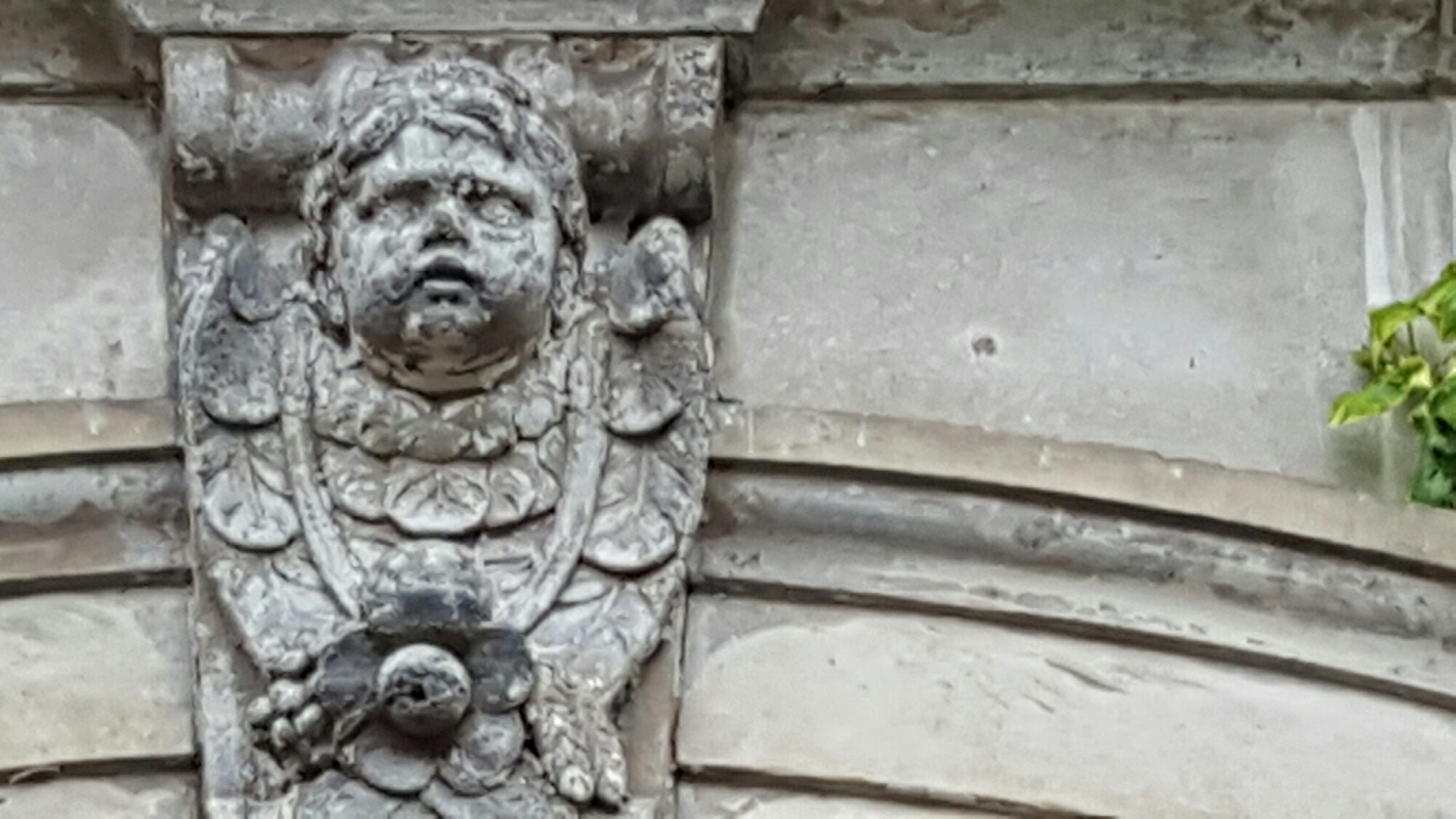
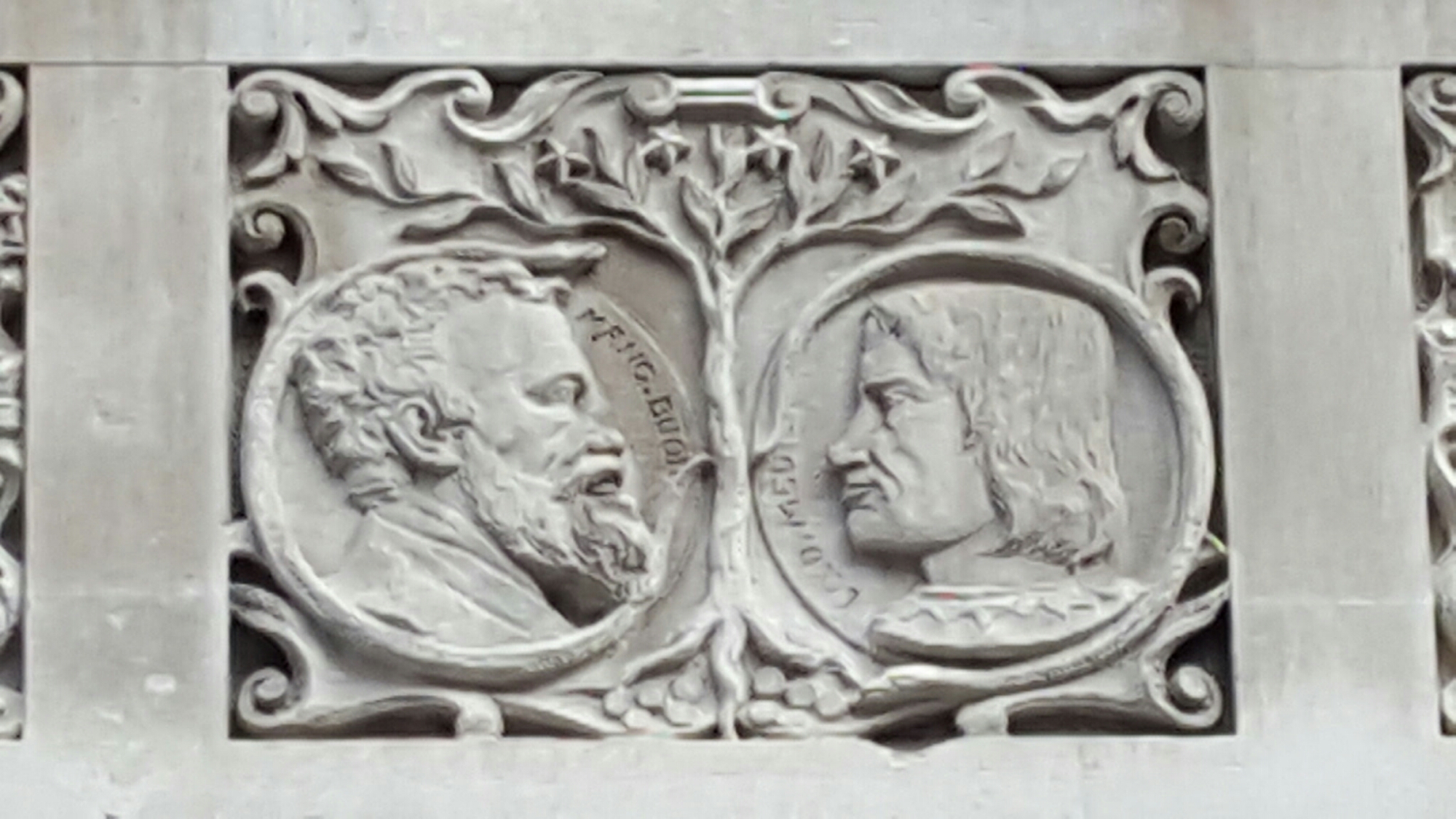
I thought I should go and see the Annie Leibovitz exhibition at Wapping Pumping Station for old time’s sake (my first exhibition at the NPG was of her Portraits in 1994) and also to see the interior of the old pumping station whilst it is still extant and semi-open to public view. It has lost none of its old industrial glory, built in 1890 by the London Hydraulic Power Company:-
Monthly Archives: February 2016
Rotherhithe
I’ve never quite got to grips with Rotherhithe, but this morning walked through it along the Thames Path on the way to the Saturday morning market in Spa Terminus. St. Mary Rotherhithe, where the Mayflower was moored before setting sail in 1620, was rebuilt by John James in 1714 in a much less ornate style than the Hawksmoor churches north of the river:-
The Heong Gallery
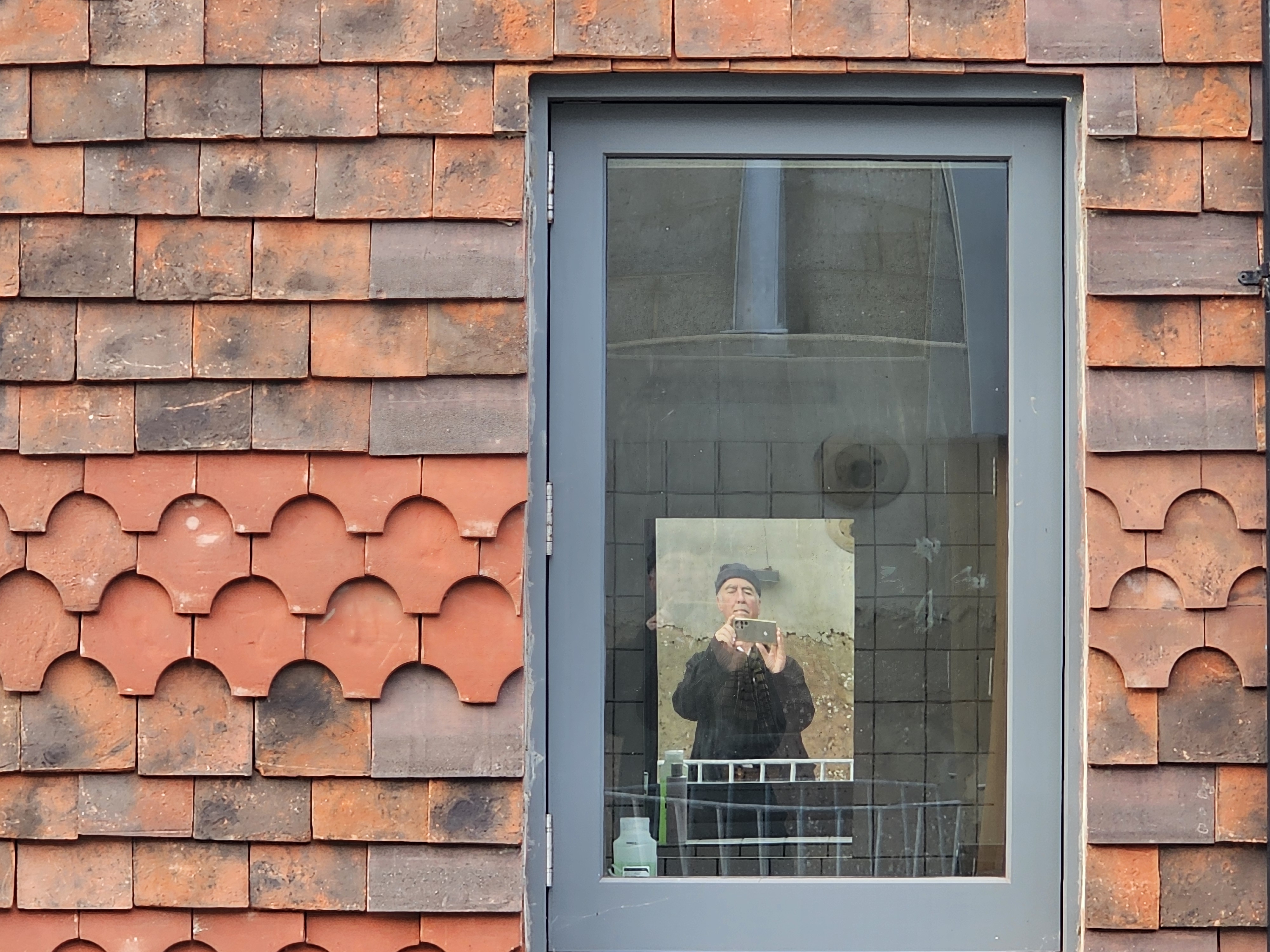
I went to the opening of the new Heong Gallery in Downing College, Cambridge, partly because I was keen to see the new gallery space in the old Edwardian stables, later turned into bicycle sheds and now adapted into a well-judged gallery space by Adam Caruso of Caruso St. John; and, equally, to see and admire its first exhibition of works from the collection of Sir Alan Bowness, the former Director of the Tate, inventor of the Turner Prize, son-in-law of Barbara Hepworth and, like Michael Baxandall, a graduate of Downing (he read modern languages). The gallery space is austere and quite minimal, not just in its scale, with a steeply pitched roof light and dark encaustic tiles. Bowness’s collection is, as one would expect, strong in the St. Ives School – Lanyon, Scott, Terry Frost, a particularly beautiful Patrick Heron. Then there’s a Kitaj, who he describes as sharing an anarchist background, not how I think of either of them.
46, Essex Street
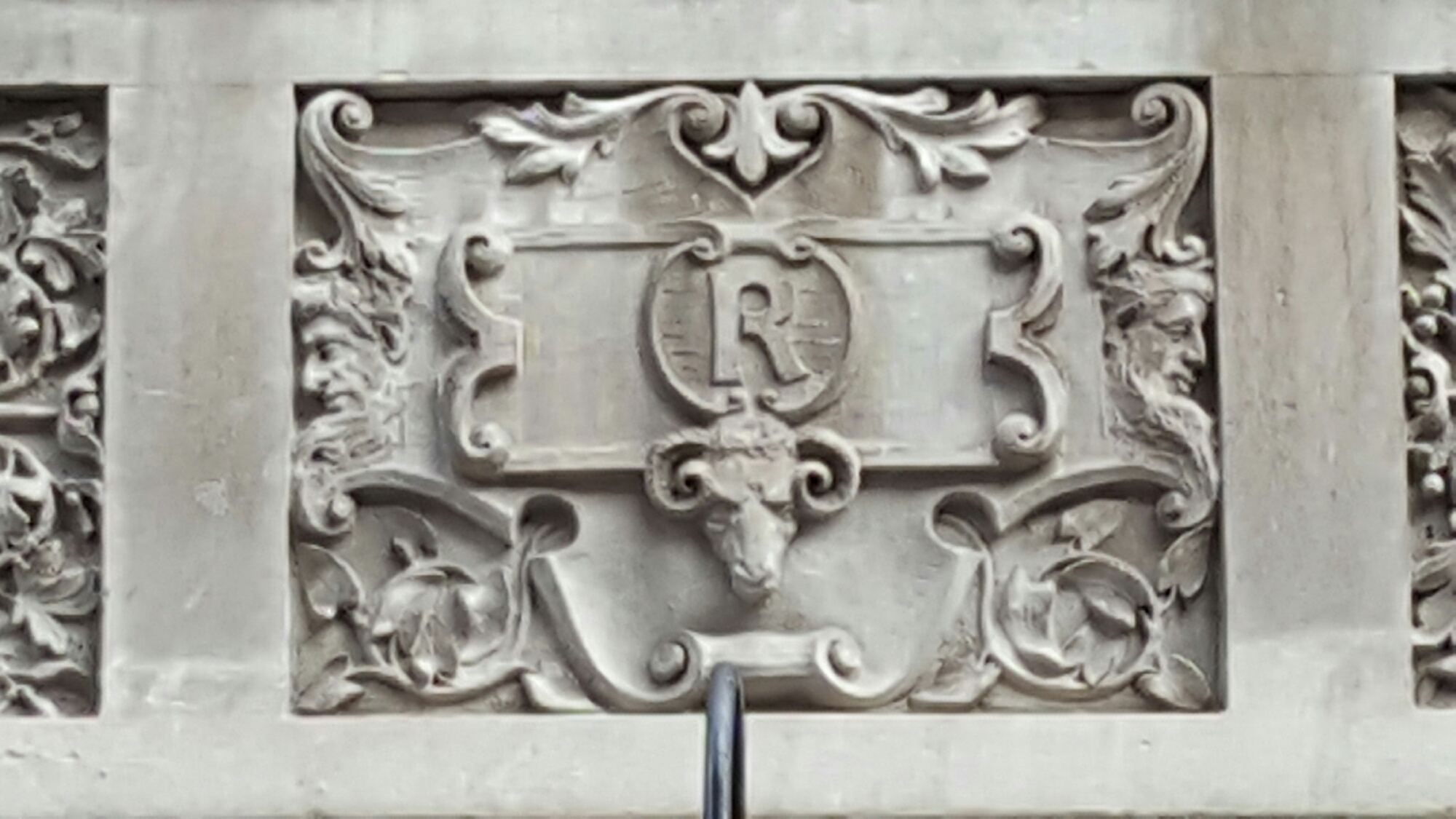
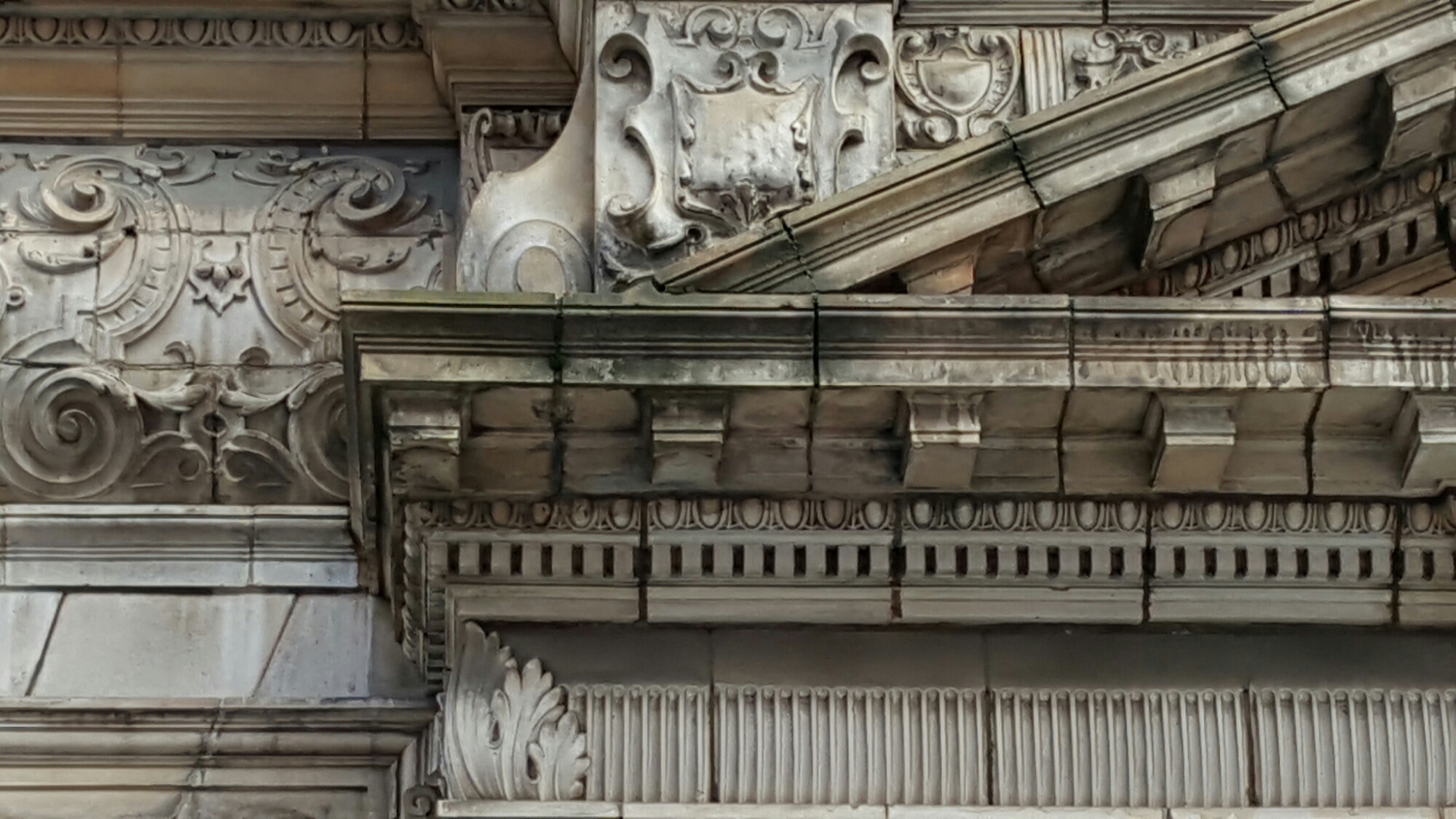
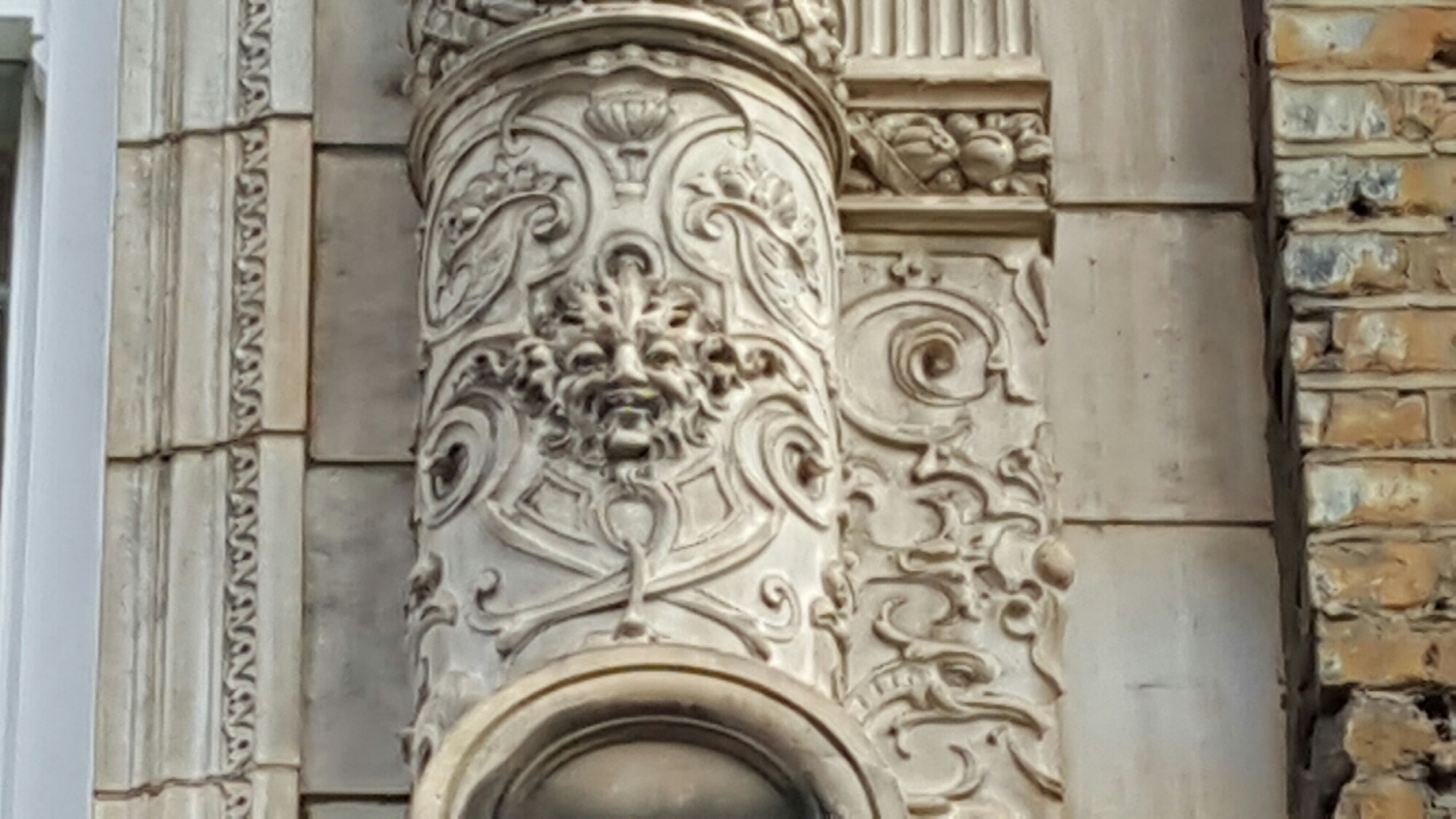
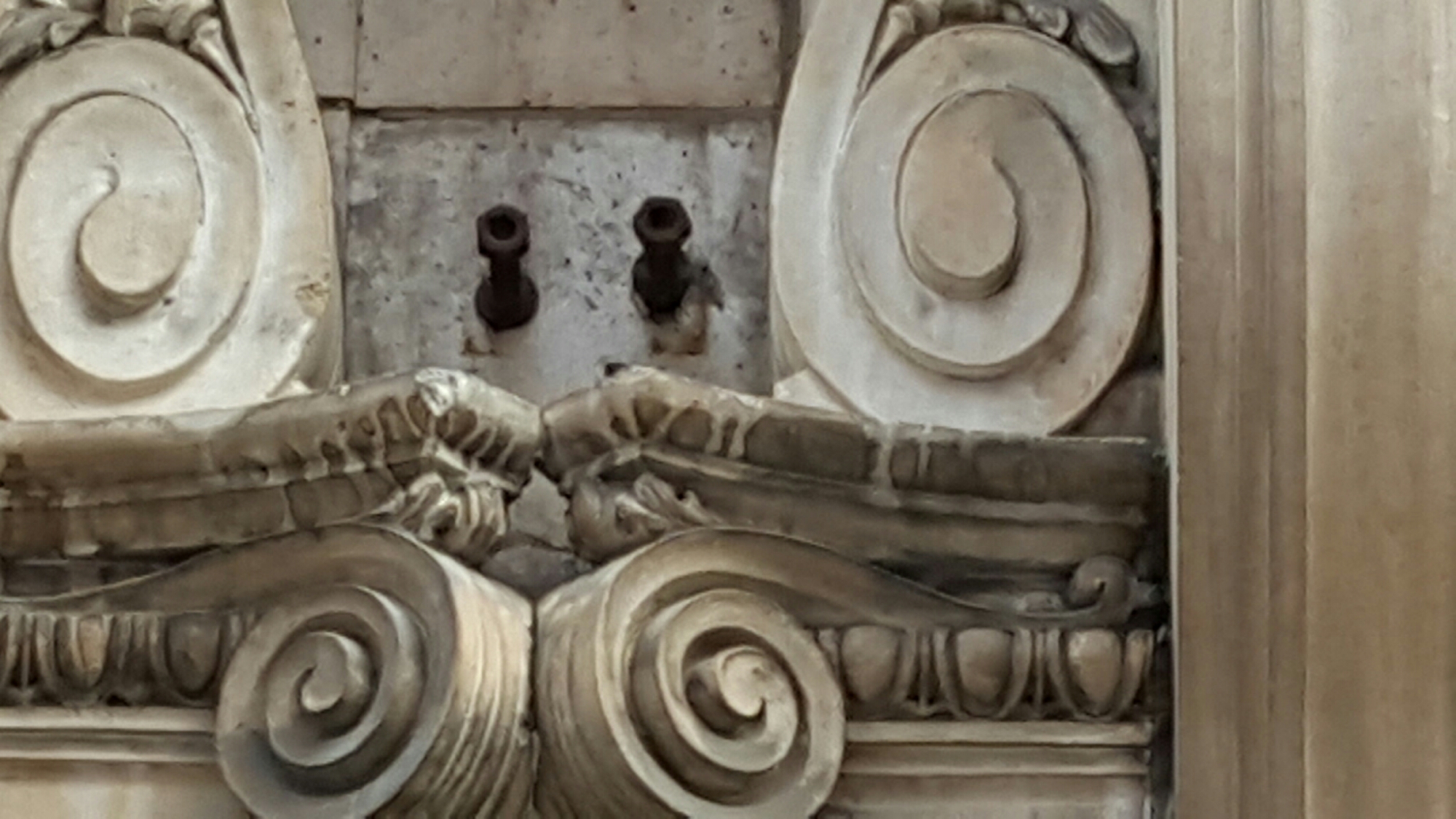
I have been slightly neglectful of the architectural side of my blog in the post-Christmas period. But today I was walking up Essex Street, which is a survivor of Nicholas Barbon’s London (he bribed the lawyers to allow him to develop the site of Essex House) and my eye was caught by some of the detailing. First, on no.46, above a microbrewery (I can’t find any information about this):-
And then, a bit further down the street, at nos. 36-39, the terracotta decoration:-
Jubilee Street
I was looking up some information about Jubilee Street and was intrigued to discover its revolutionary associations. Stalin, then known as Joseph Dzhughashvili, stayed at 77, Jubilee Street in May 1907 when he came to London to attend the 5th RSDLP congress, after initially lodging in a local doss house in Fieldgate Street. He was fed toffees by a young boy called Arthur Bacon who later became a hospital orderly, knew him as Mr. Ivanovich, and always remembered his big bushy moustache. Stalin accidentally paid him half a crown to run errands instead of a halfpenny which was the more normal rate. Meanwhile, Lenin was having tea at the worker’s club up the street at no. 165. But Lenin preferred to lodge not in Stepney with his fellow revolutionaries, but in Bloomsbury to be close to the British Museum.
Cliveden
I went tonight to a talk about Cliveden, that grand country house on a hill above the Thames, where the grounds are owned by the National Trust and the house is run as a luxury hotel. The book is by Natalie Livingstone and is about its chatelaines, beginning with the Countess of Shrewsbury in the 1660s, mistress of the Duke of Buckingham, succeeded by the Countess of Orkney, who was mistress of William III (but I thought he was gay), then Augusta of Saxe-Gotha, mistress of Prince Frederick, then the Duchess of Sutherland and Nancy Astor (she ate an apple to distract her from sex). Christine Keeler, much the best known mistress of Cliveden, was scarcely mentioned. Her ghost was left in the swimming pool.
Peter Cook RA
I went tonight to see Kate Goodwin, the RA’s Drue Heinz Curator of Architecture, be made an Honorary Fellow of the RIBA; and to hear Sir Peter Cook give the Gold Medal Week lecture. I had never heard him speak before; and now find it easy to understand why he is such a cult figure as an agent provocateur since the days of Archigram in the 1960s, showing a picture of himself with long side burns and multiple red dark glasses in 1968 and going on to draw and design humorous and anarchic buildings all over the world, including his Kunsthaus in Graz and yellow law faculty building in Vienna, all described, as his lecture was called, as ‘the Stuff of Dreams’.