Llantrisant

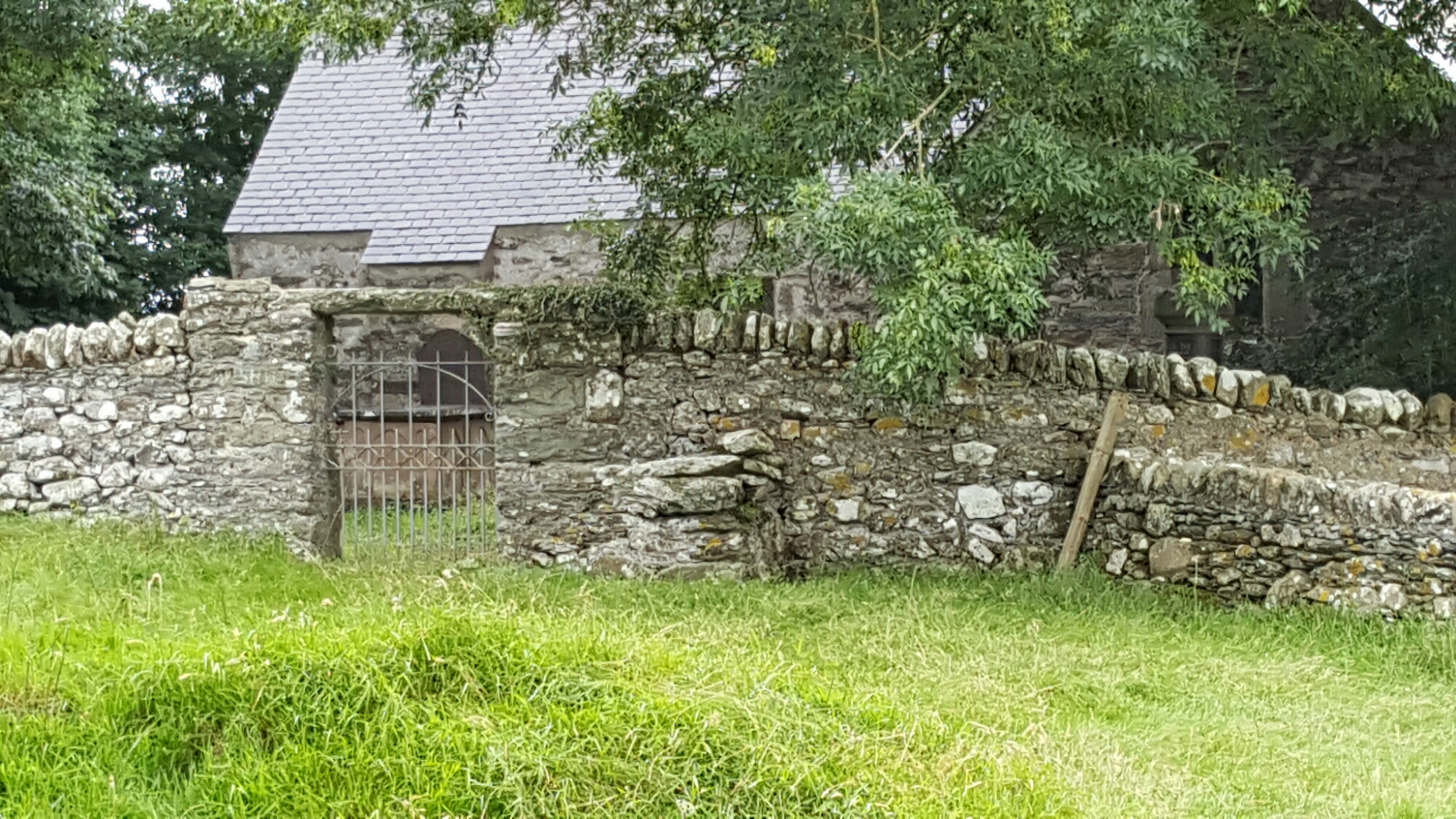
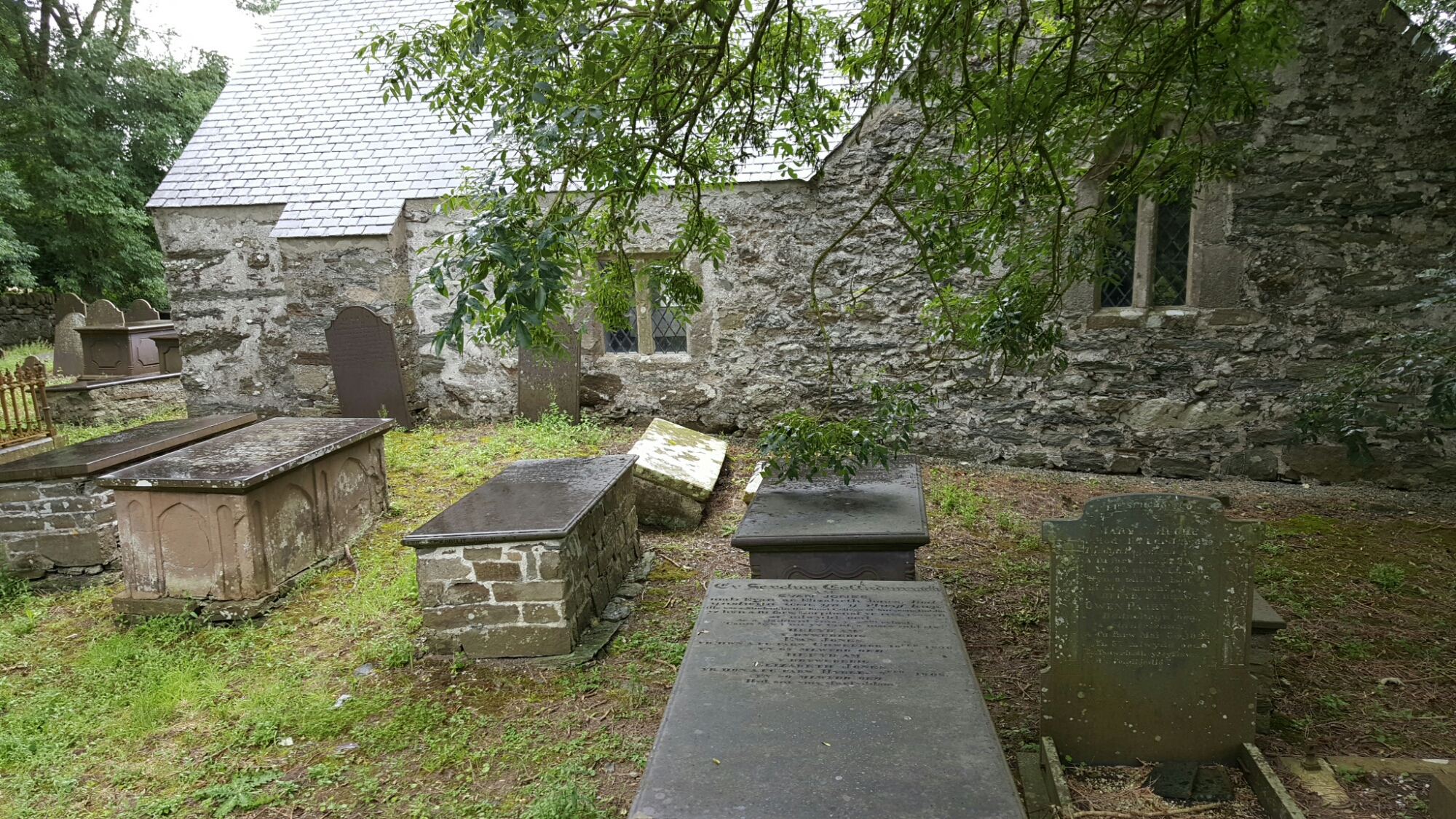
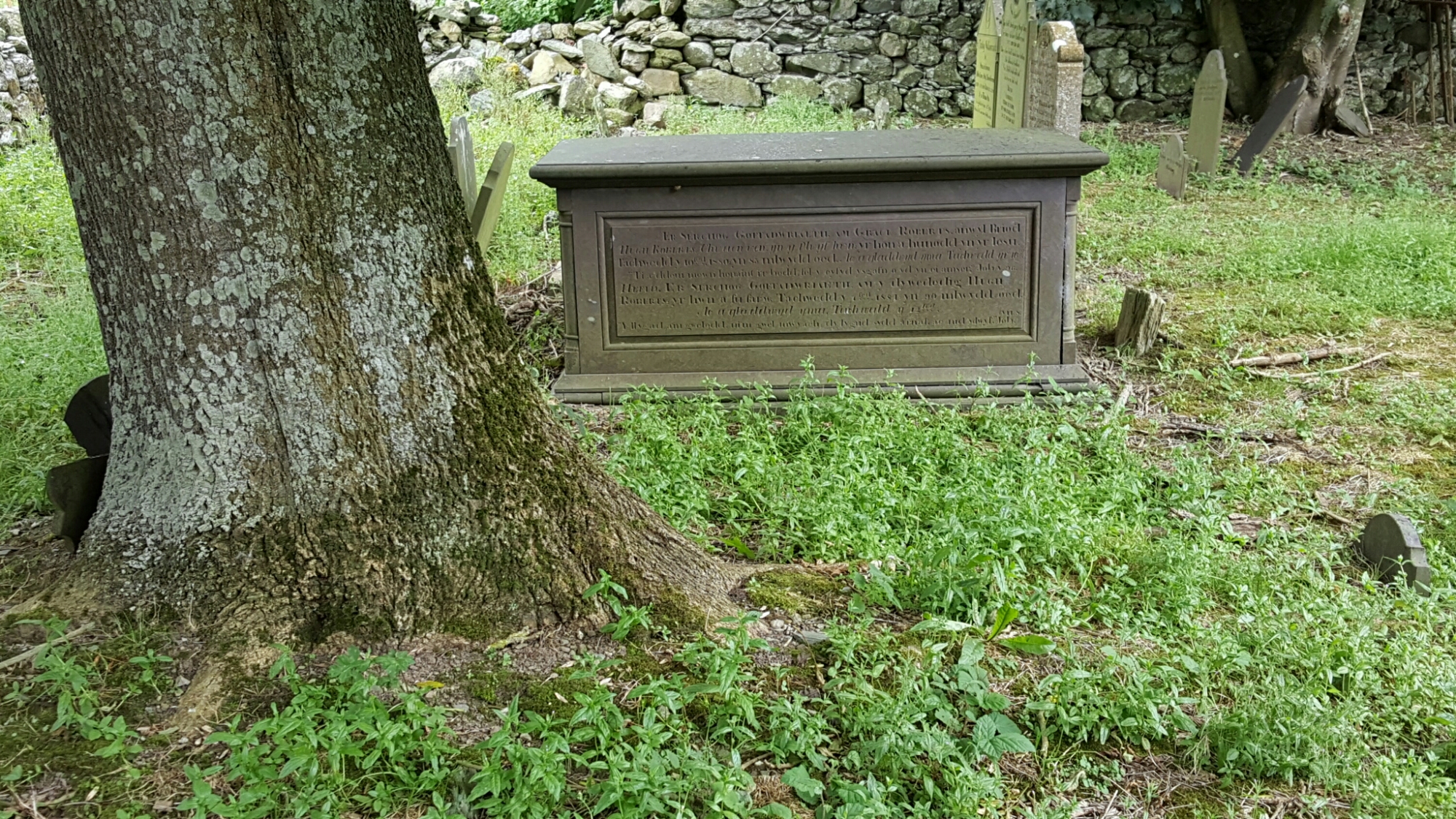
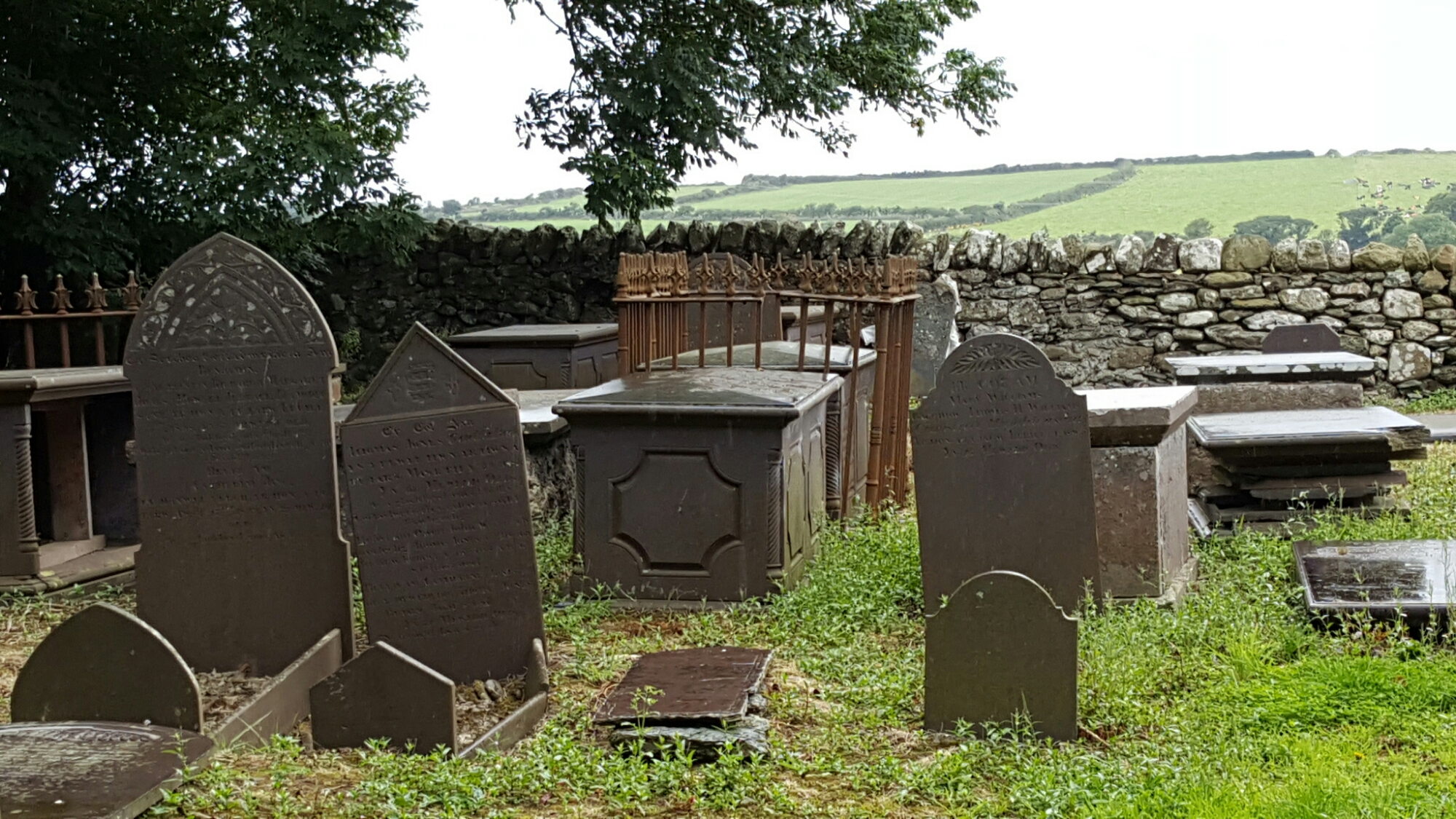
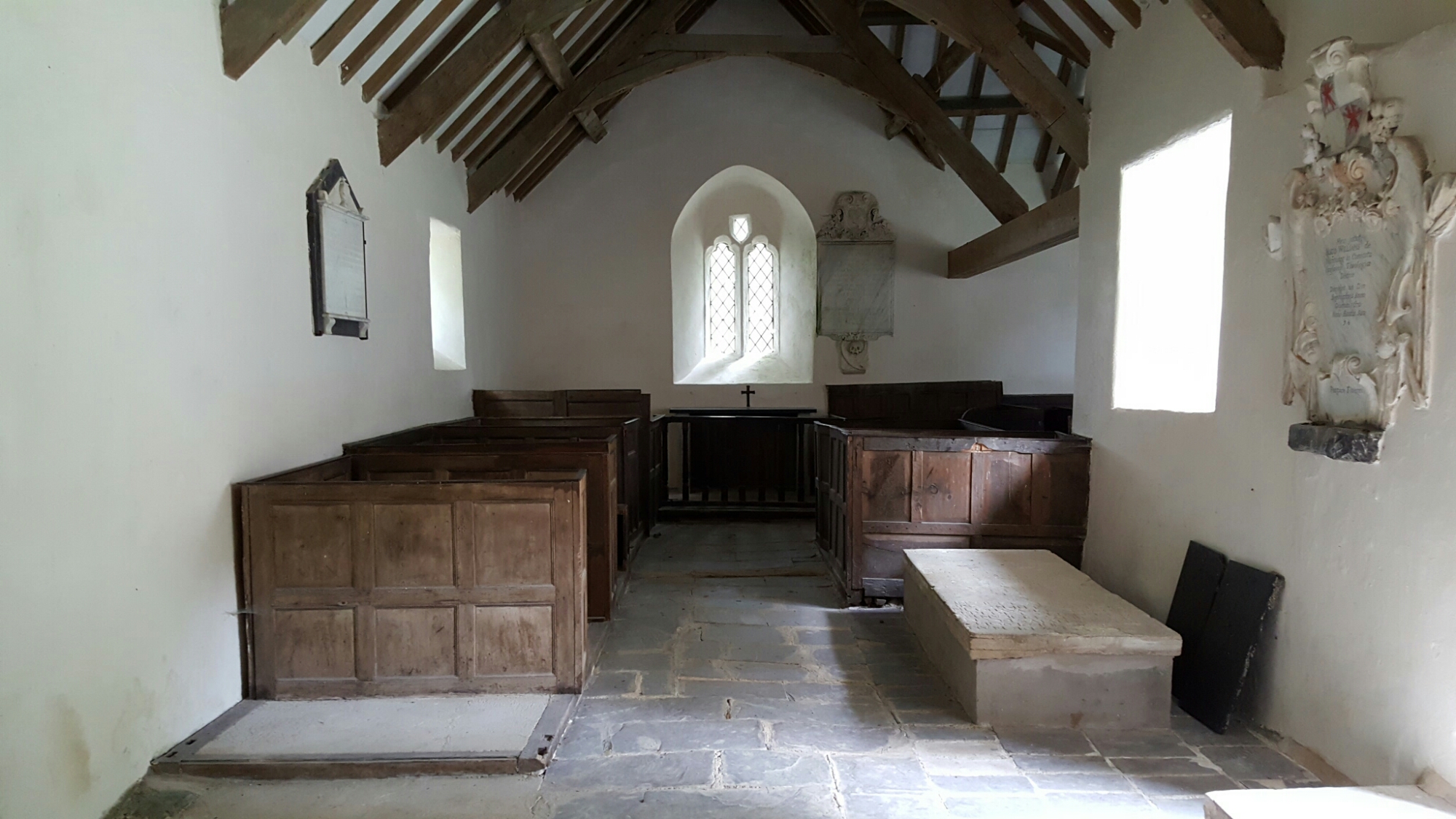
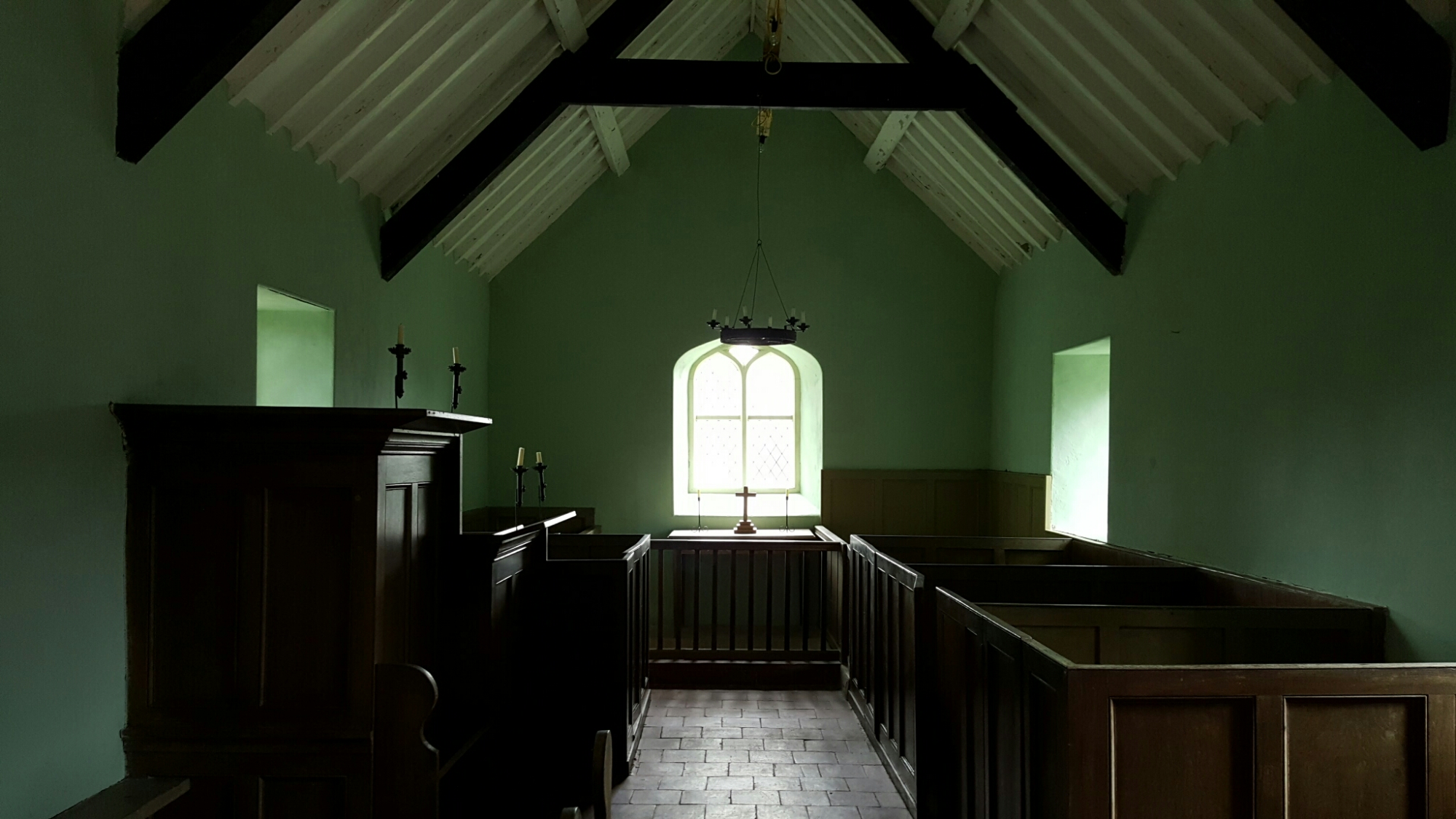
The second church we went to was SS. Afran, Ieuan, and Sannan in Llantrisant.   It was of truly spectacular remoteness, down a farm track, across a field, down another track, and there it is:-

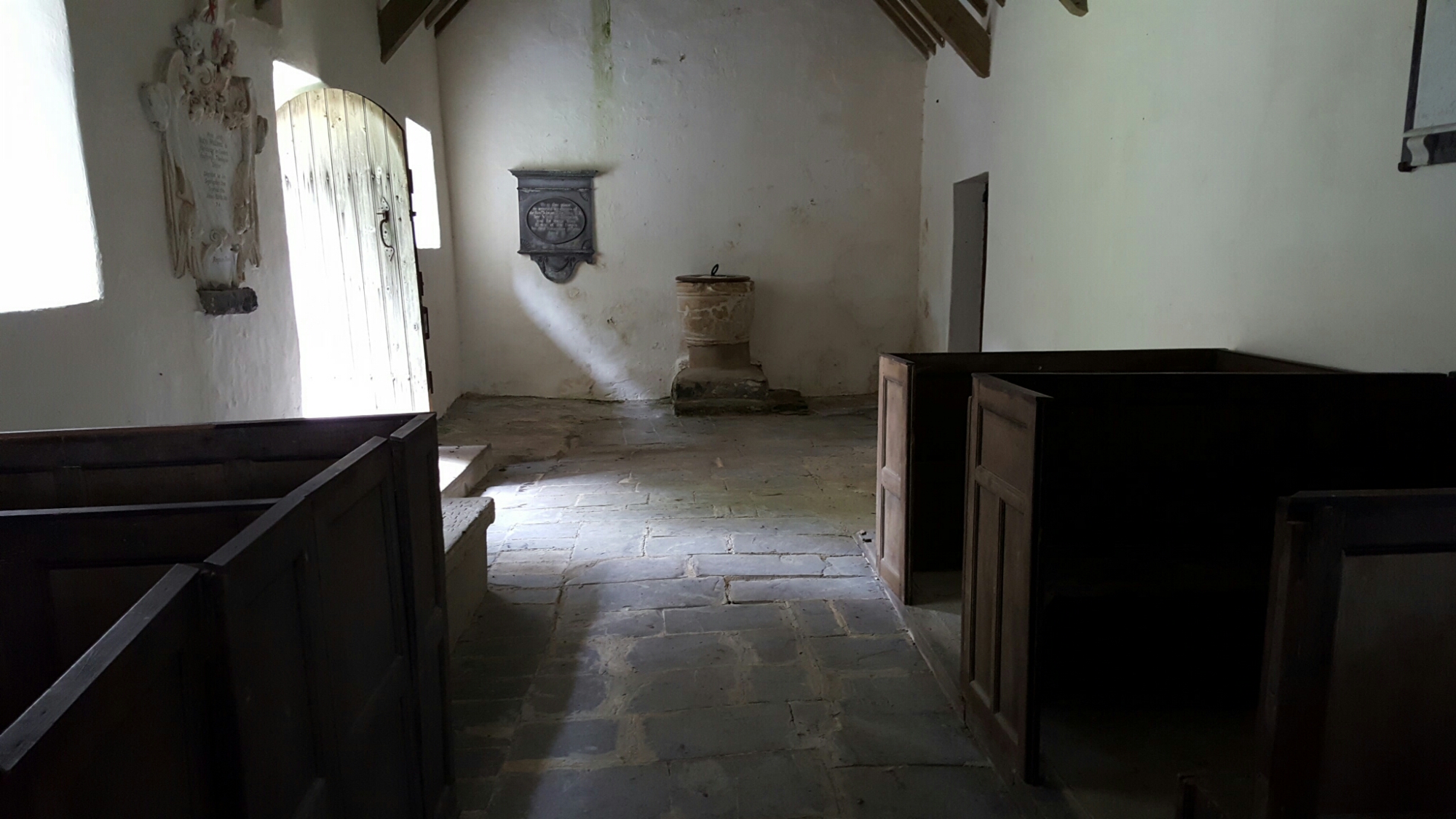
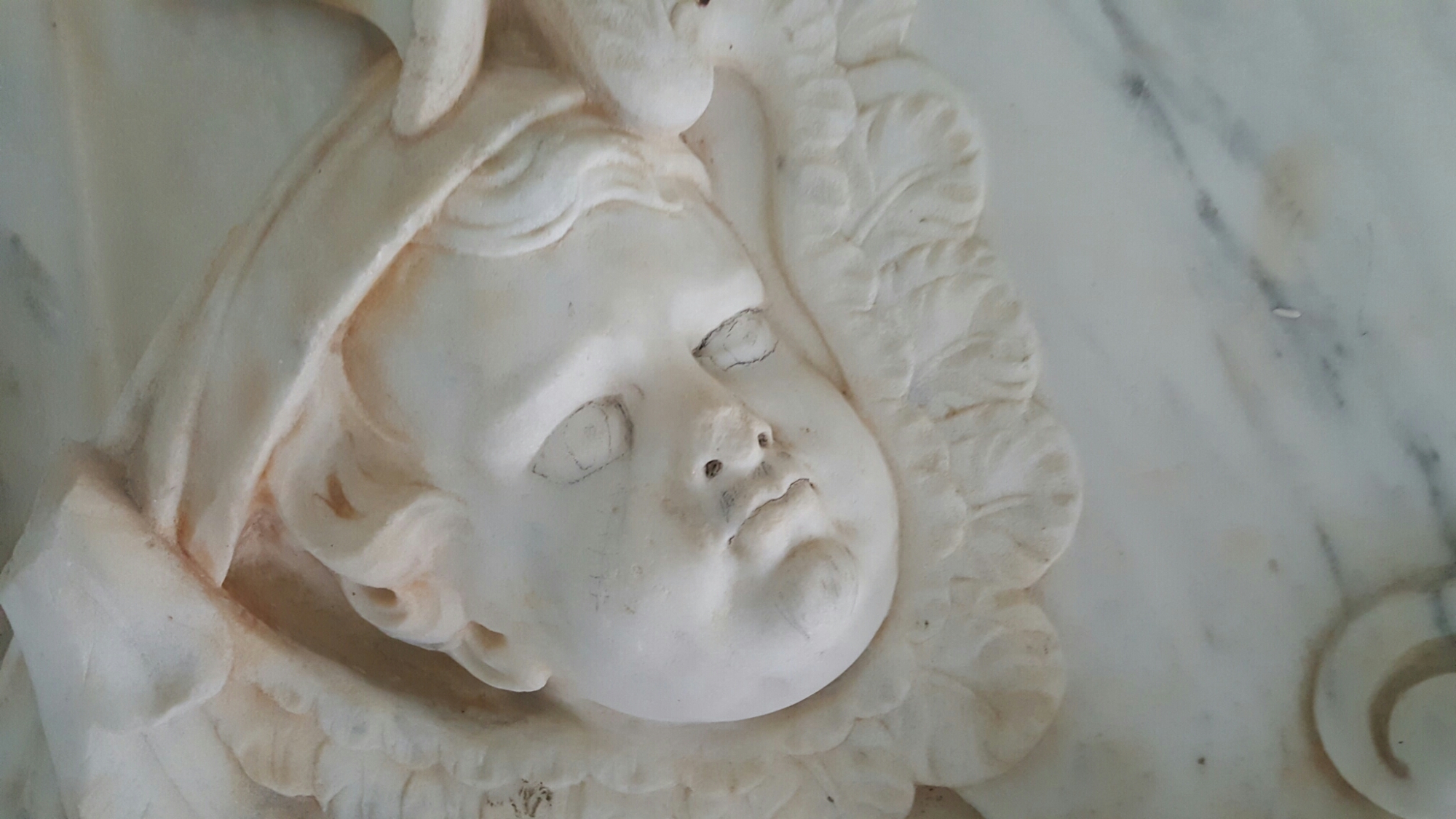
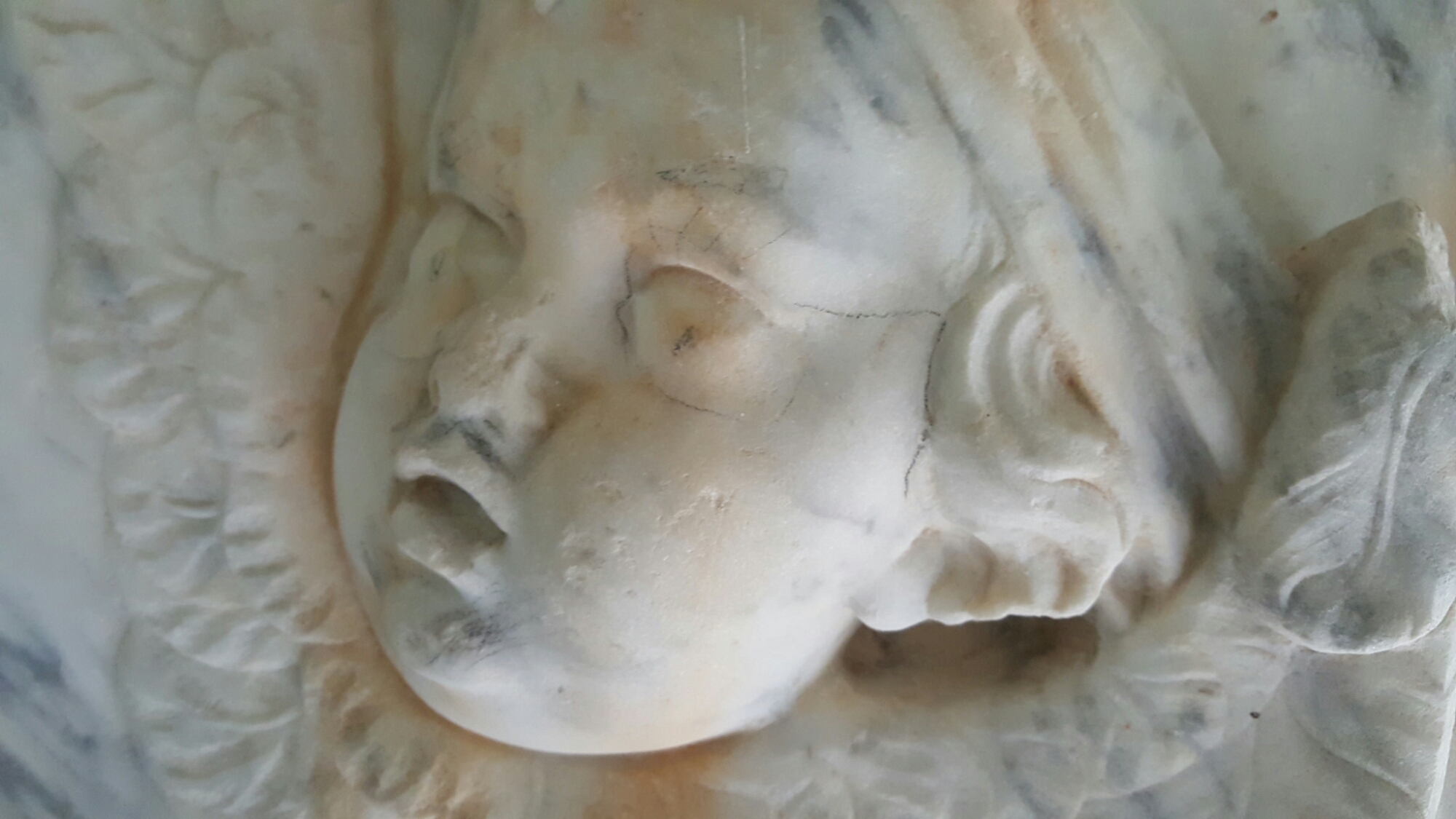
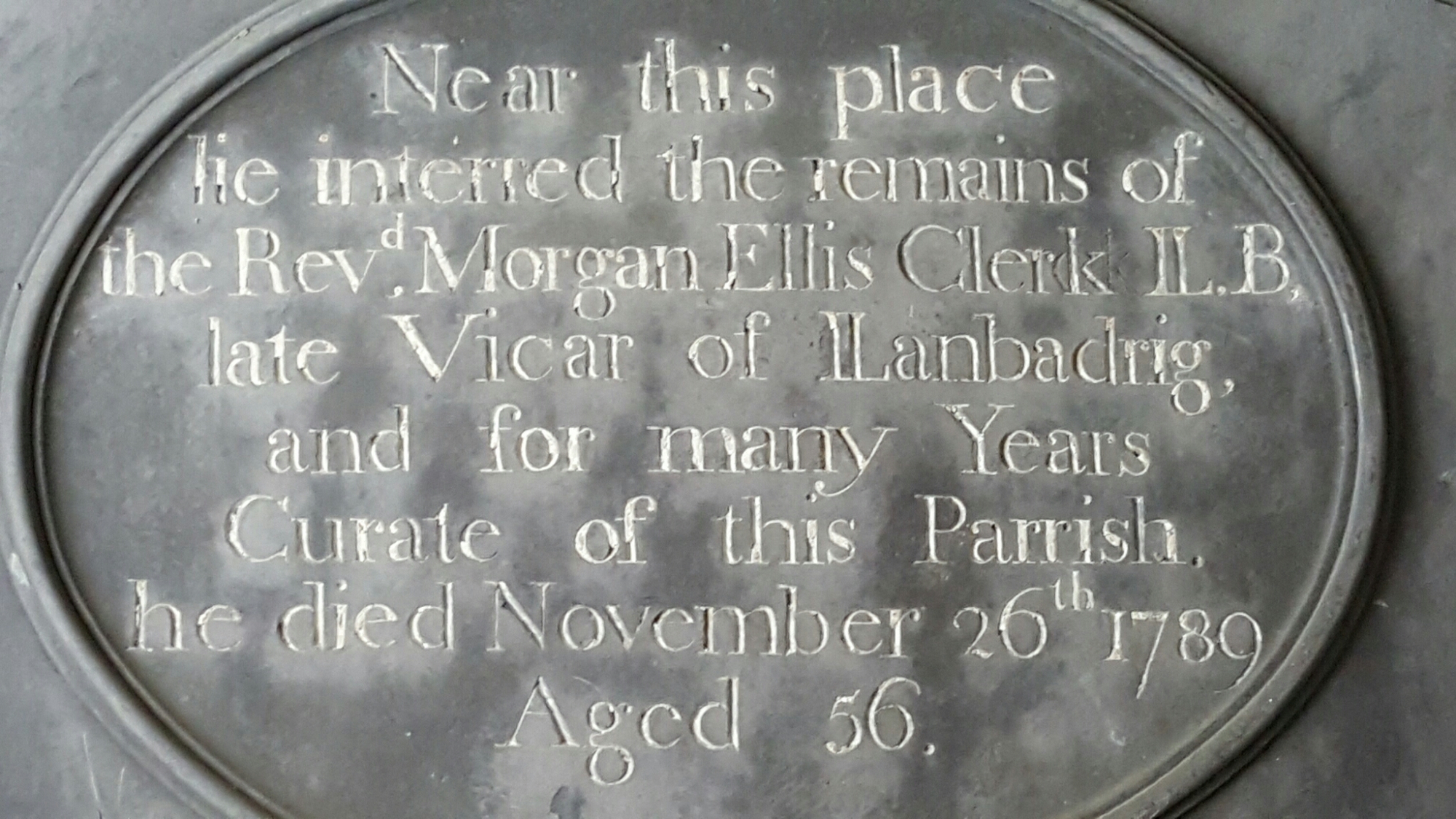
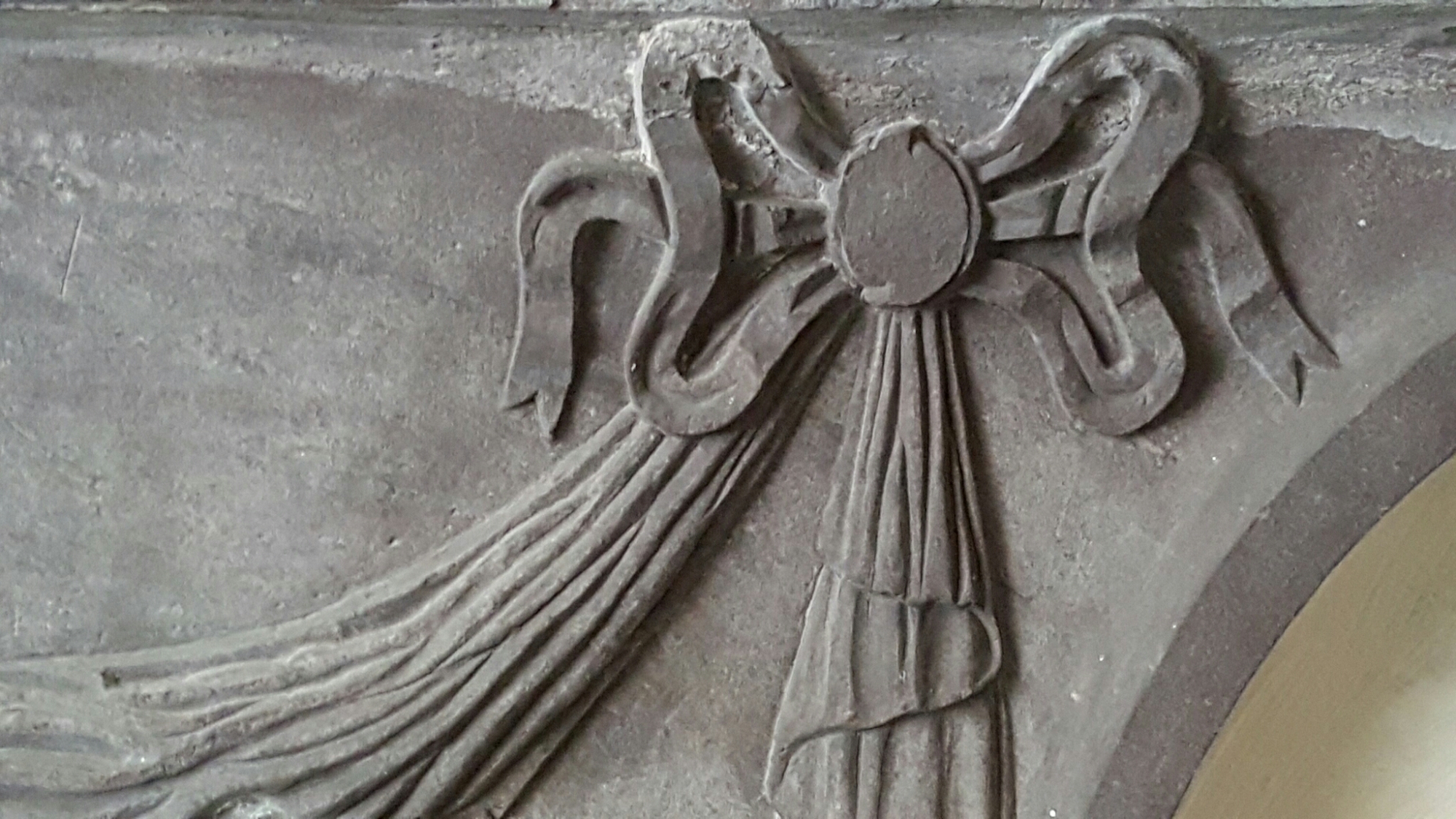
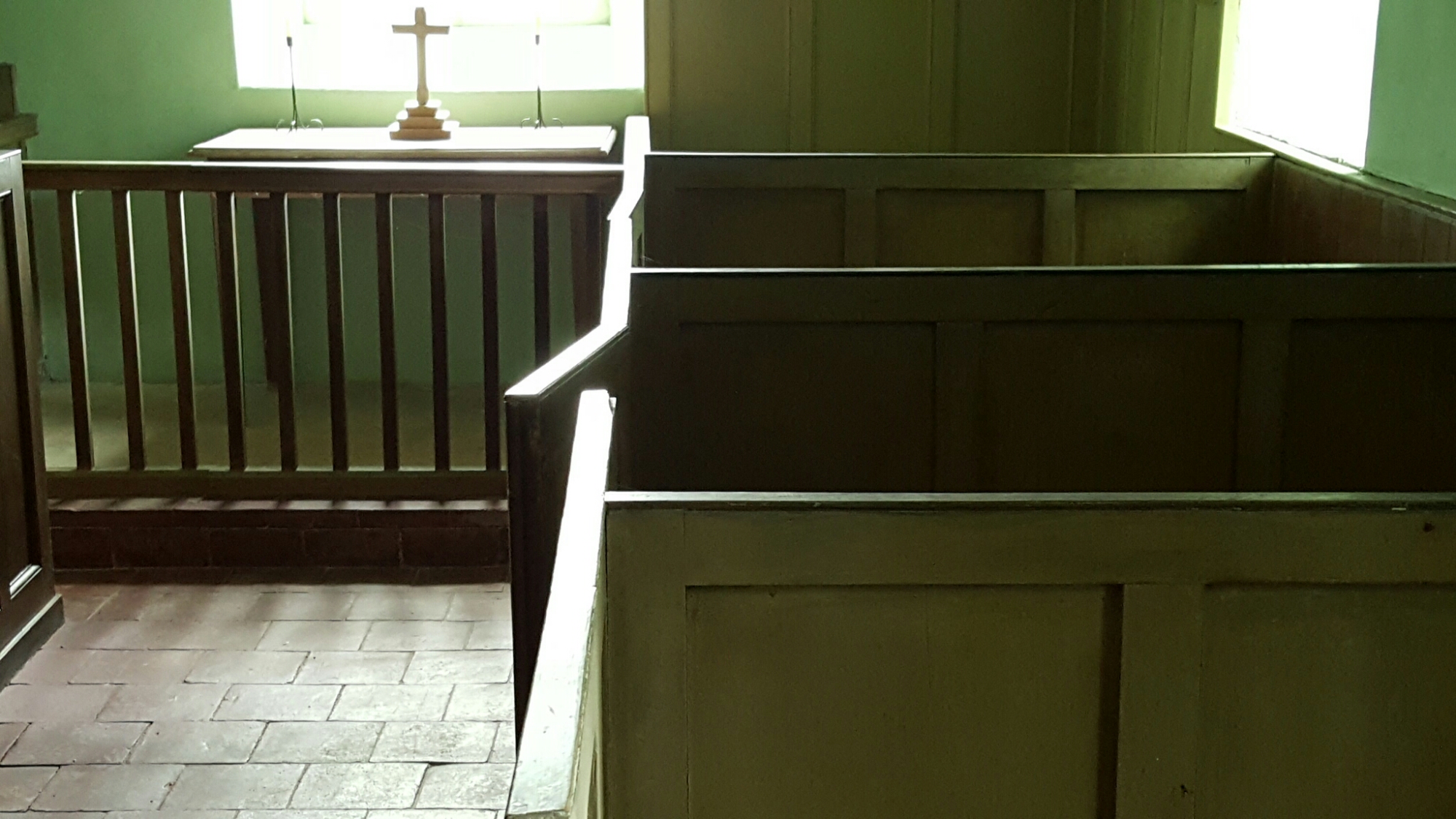
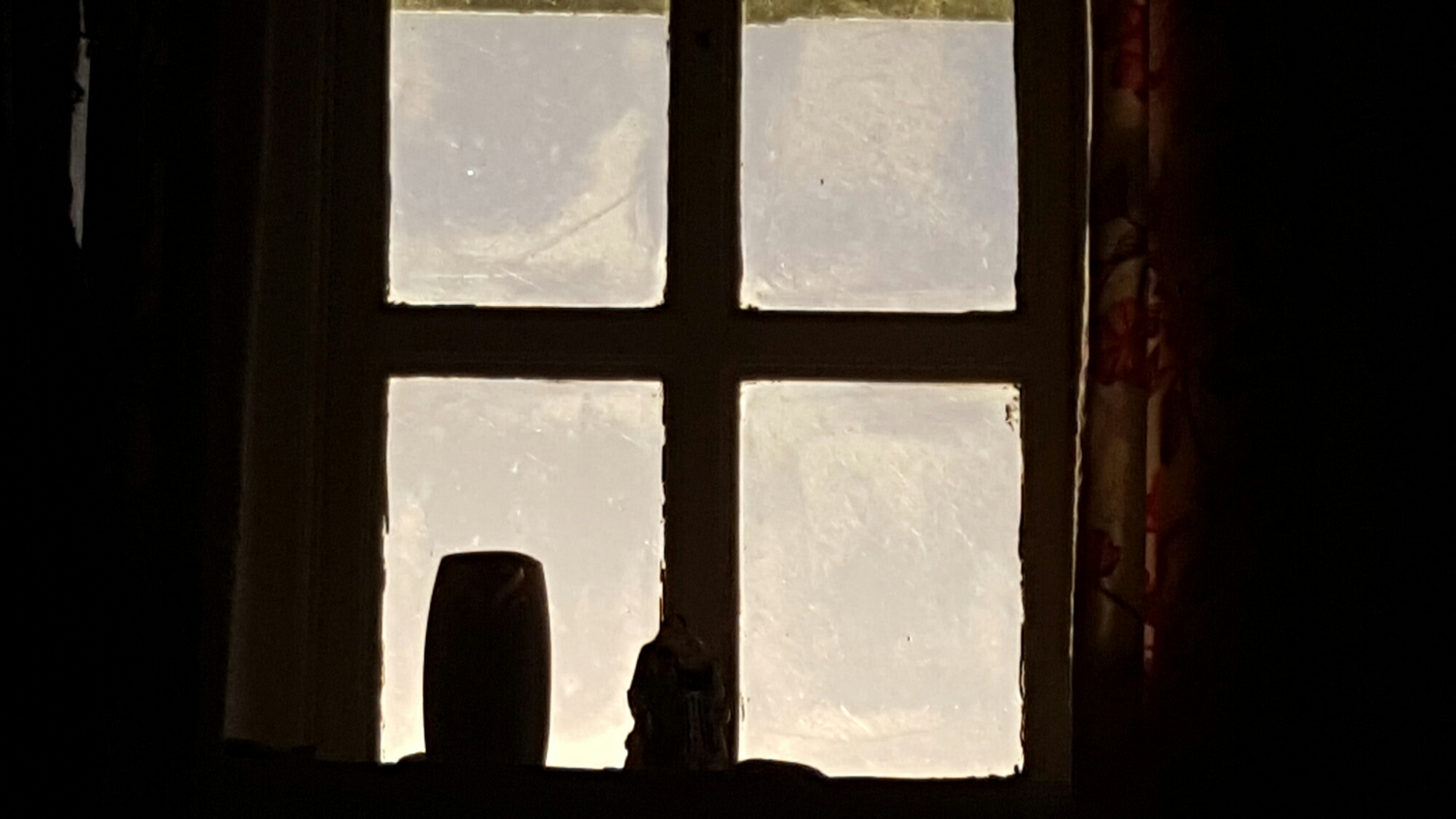
Inside is L-shaped, bare apart from box pews, but with two unexpectedly fine wall monuments, a baroque one  with cherubs and a neoclassical one in slate:-

Standard

Llanfigael

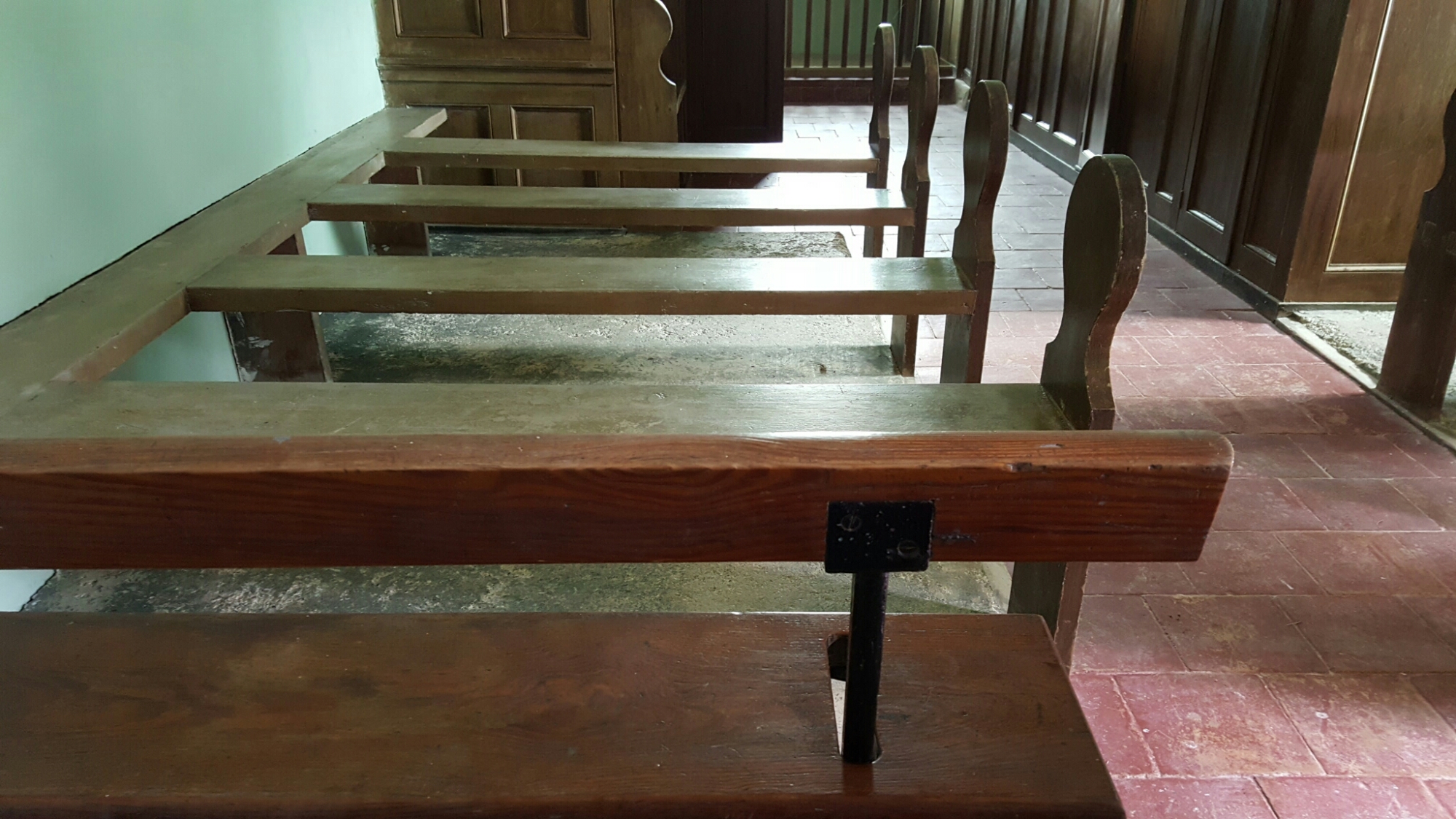
Instead of going to the Anglesey Show, we went in search of redundant churches.   First on the list was St. Figael in Llanfigael, north of Bodedern.   It’s a very nice, simple interior with plain box pews, fitted out in the eighteenth century by the local squire who was called William Morris:-

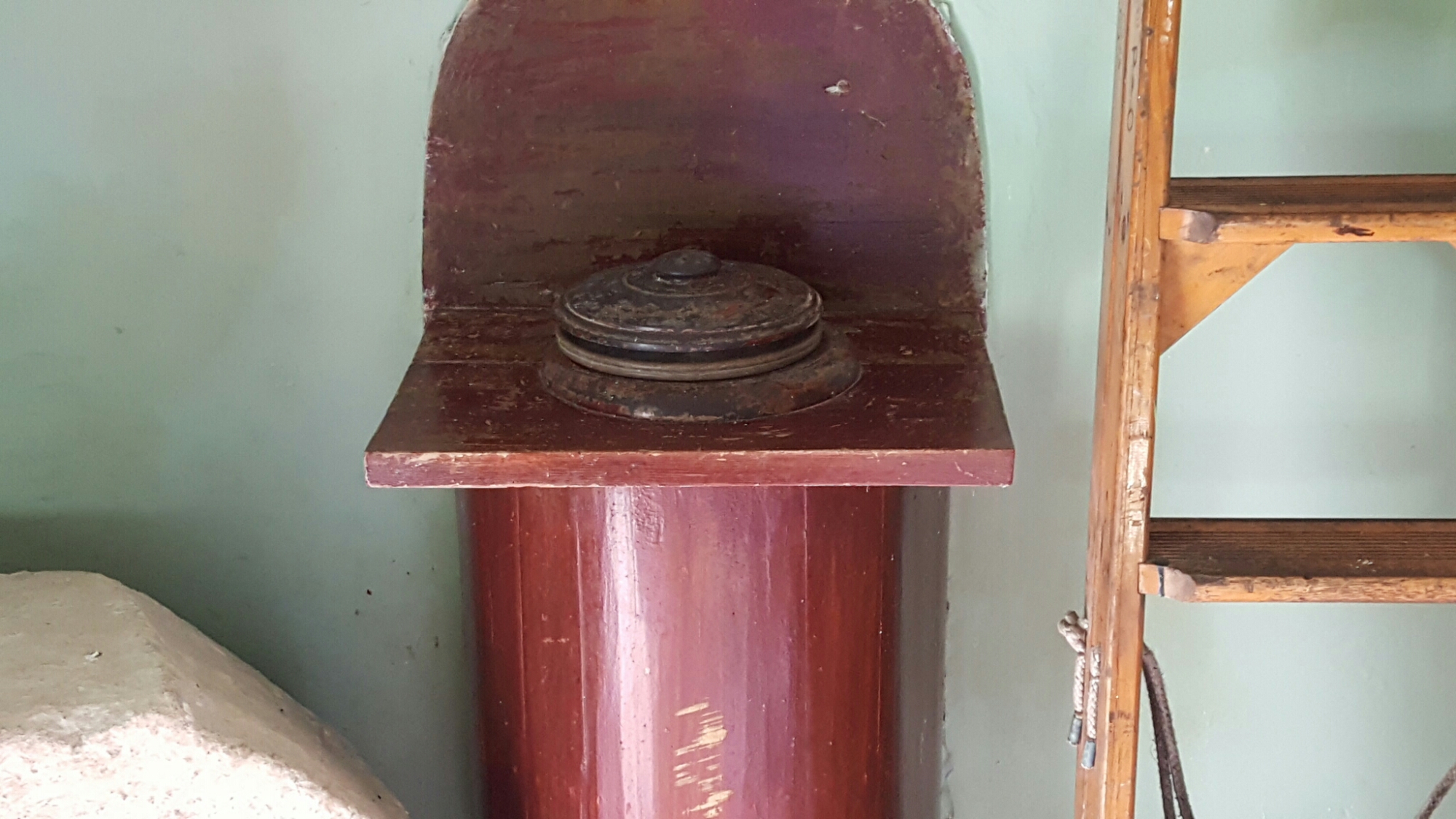
We liked the travelling font:-

Standard

E.T. Jones

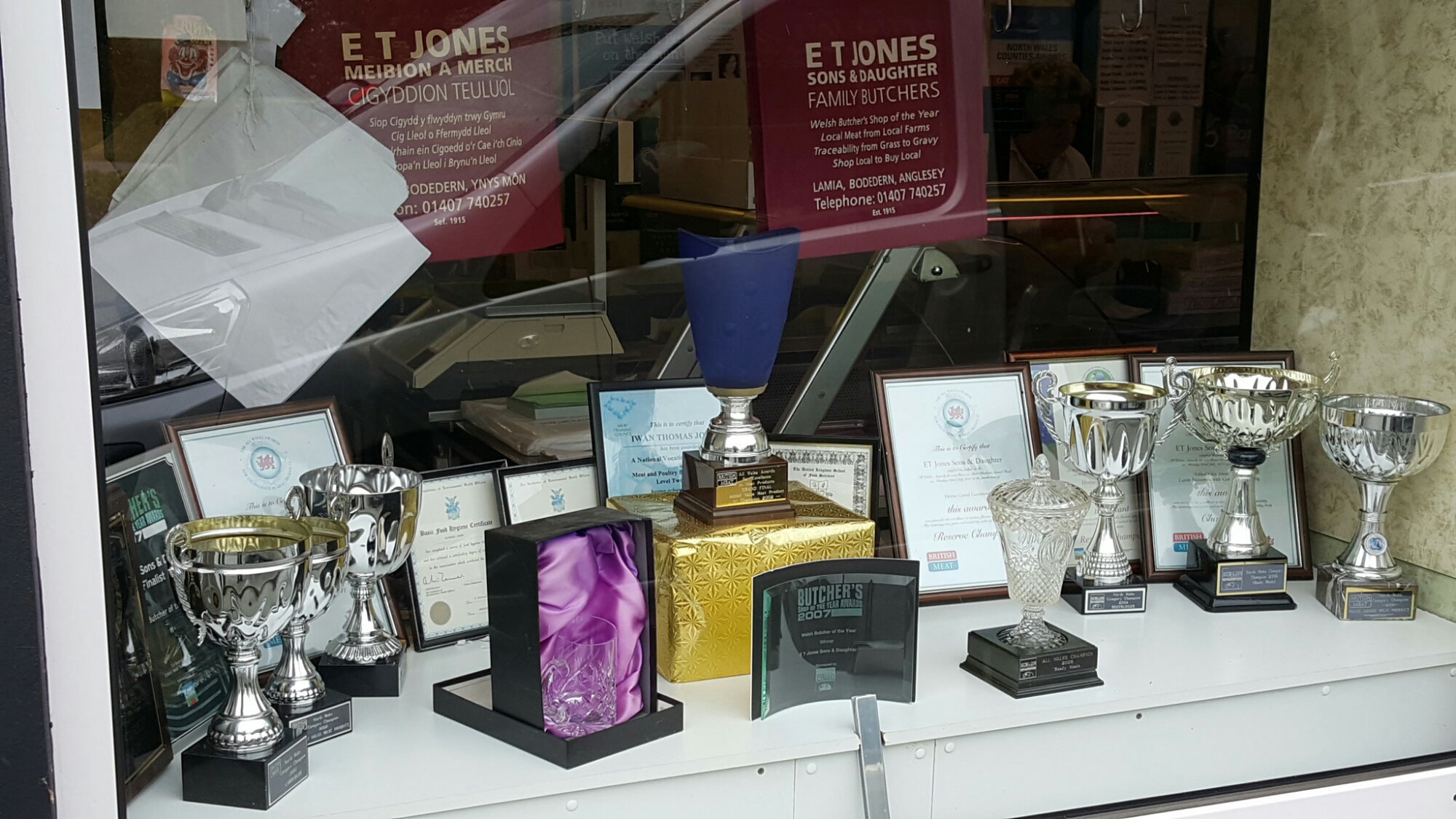
In pursuit of Anglesey gastronomy, we went to visit E.T. Jones, the prize-winning butcher in Bodedern, which I had read about online.   No salt marsh lamb, but they have their own abattoir, as well as home-made Scotch eggs and pork pie:-

Standard

Llanddwyn Beach

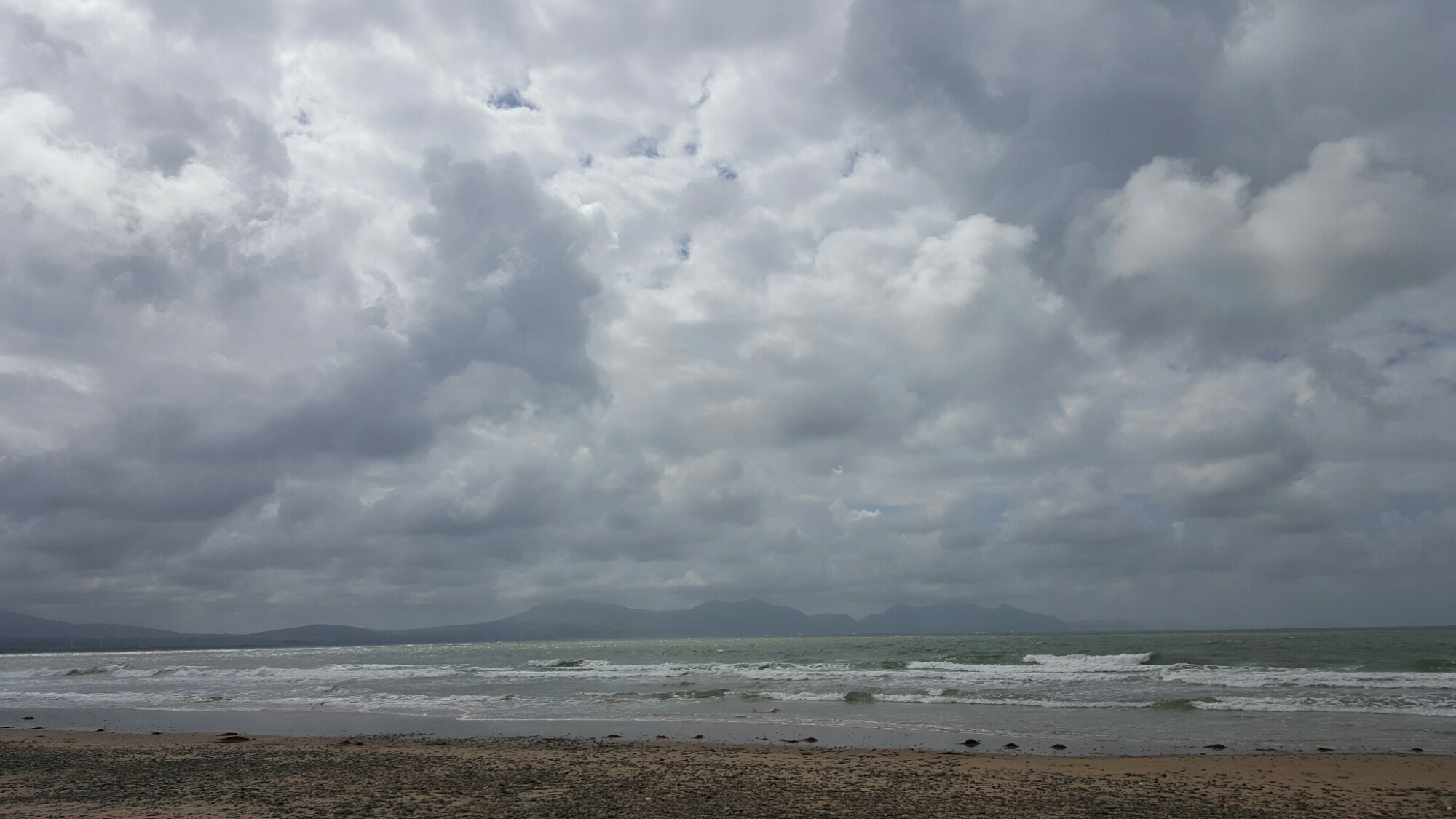
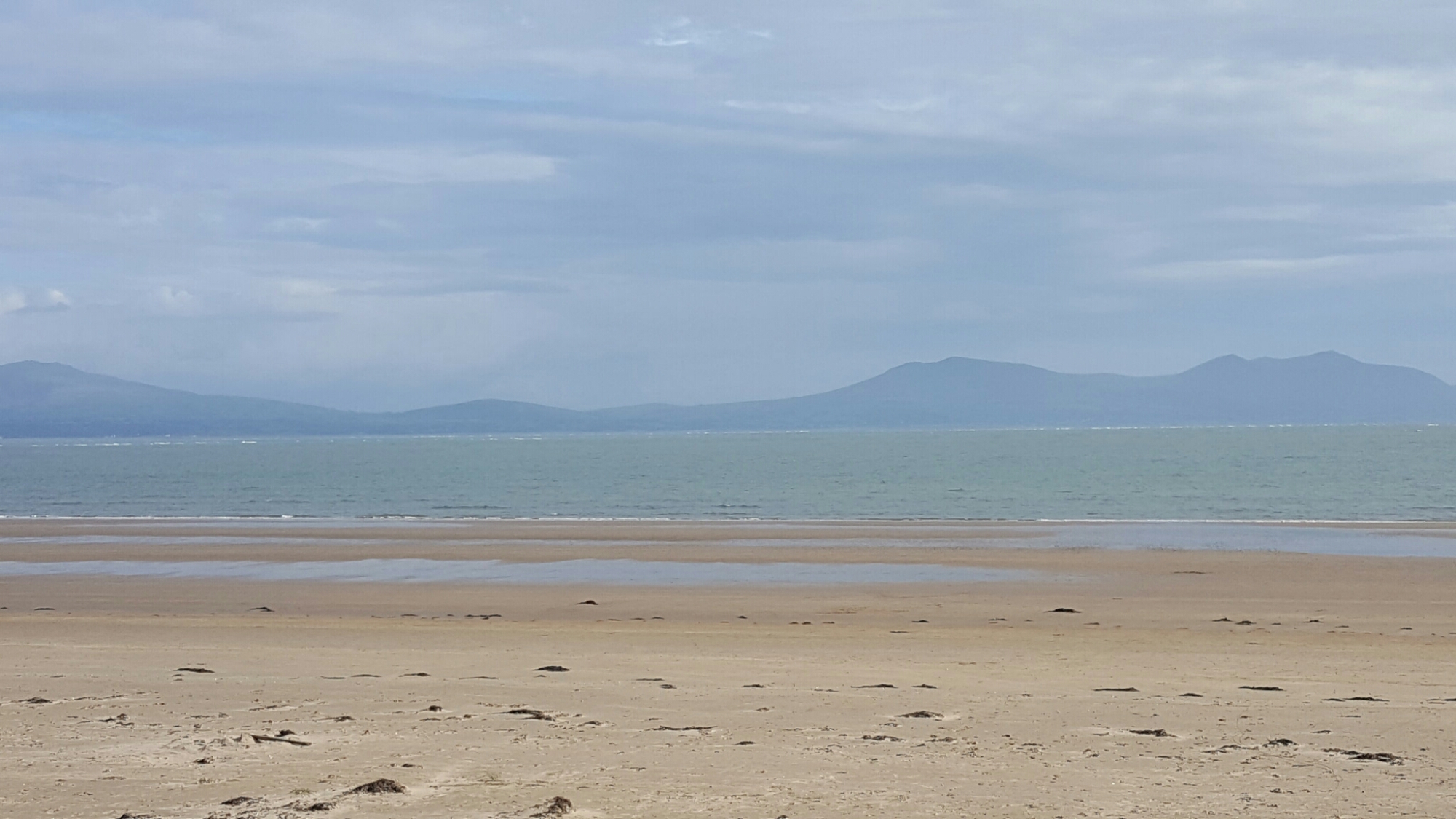
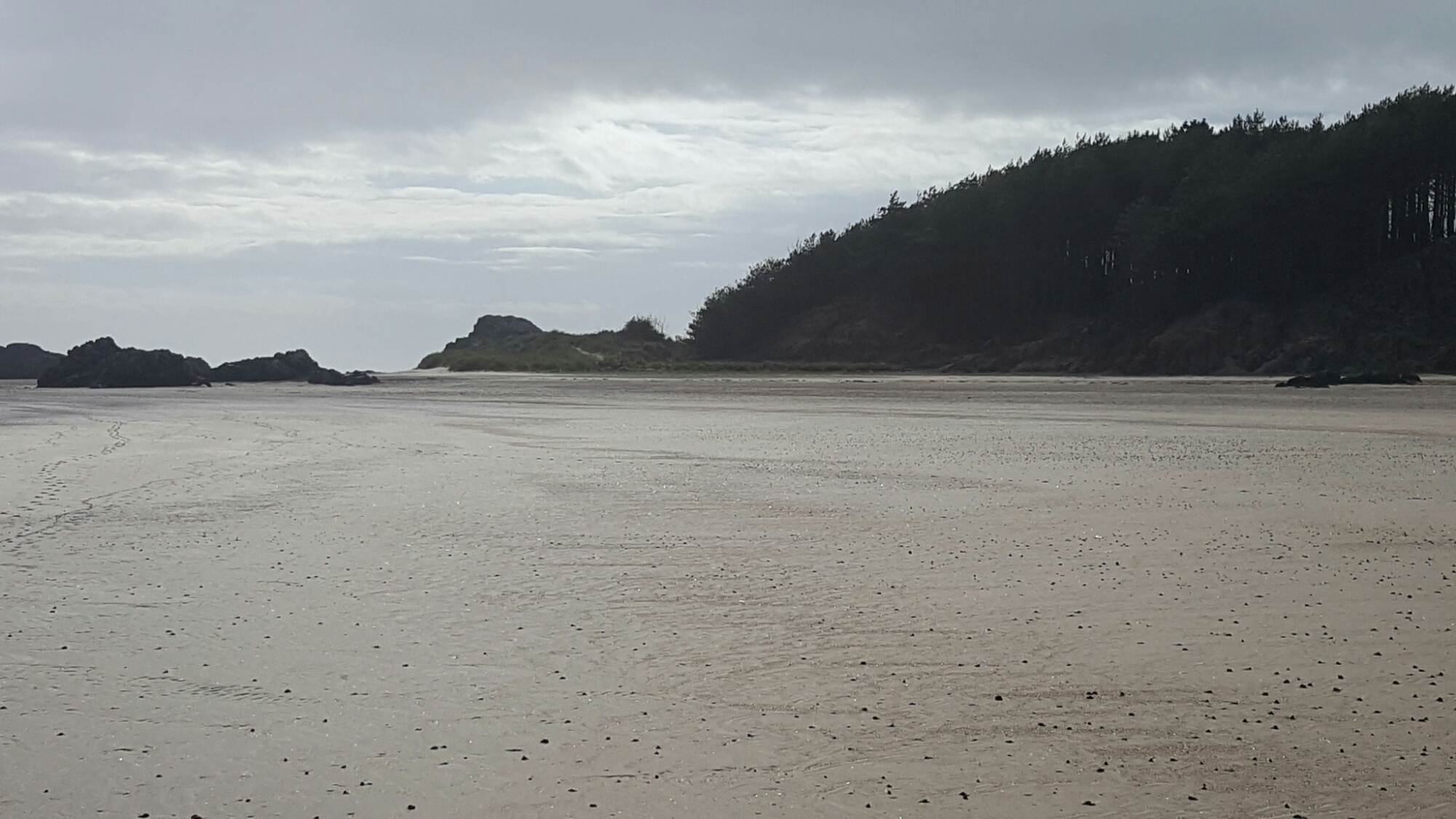
I have been trying to take convincing photographs of the great and beautiful expanse of Llanddwyn beach, so far not completely successfully.   Yesterday I crossed the dunes near Abermenai Point.   The clouds look better than the beach:-

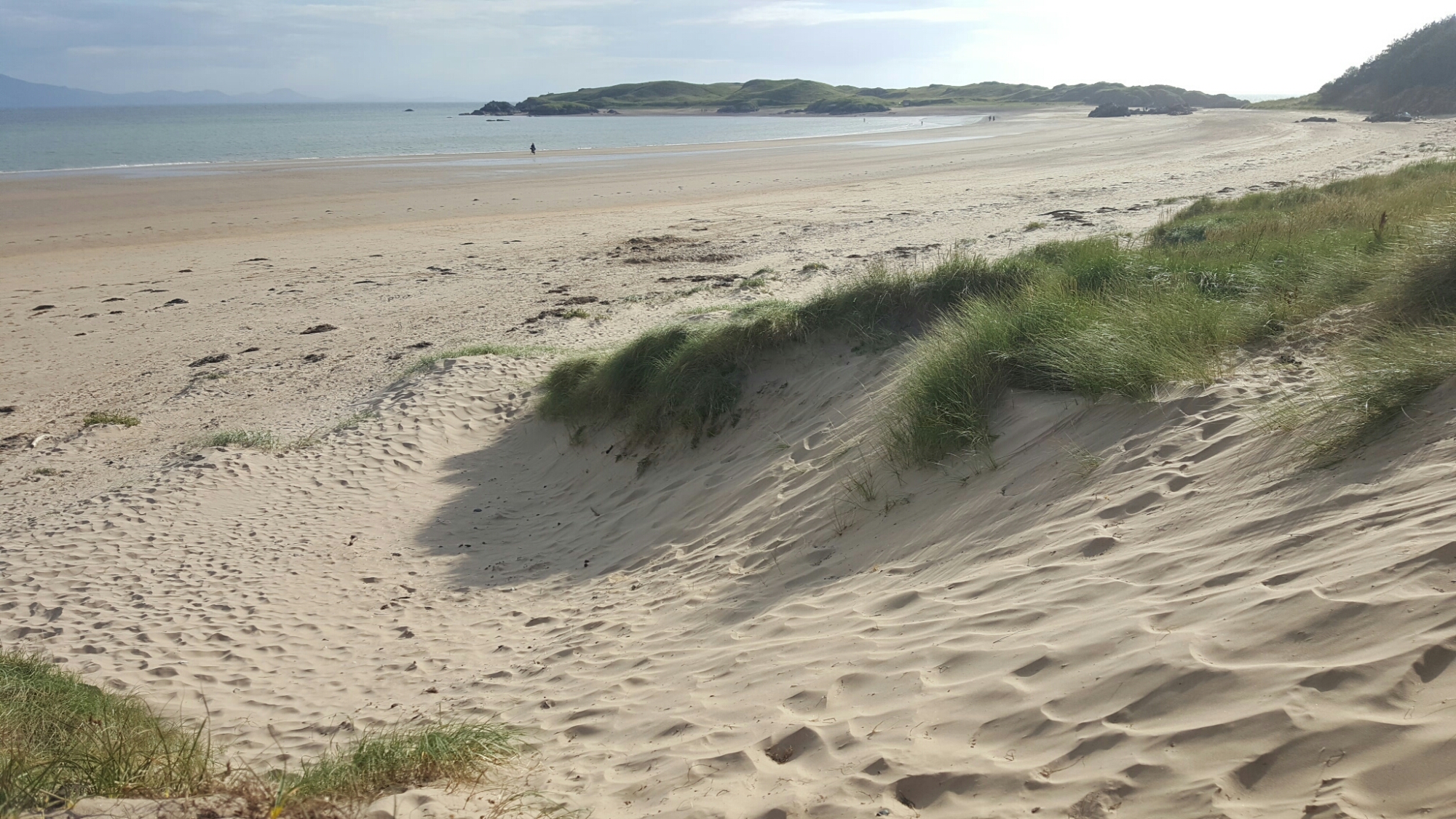
In the evening, we go down to the other end of the beach when the families are packing up and going home:-

Standard

Newborough Forest

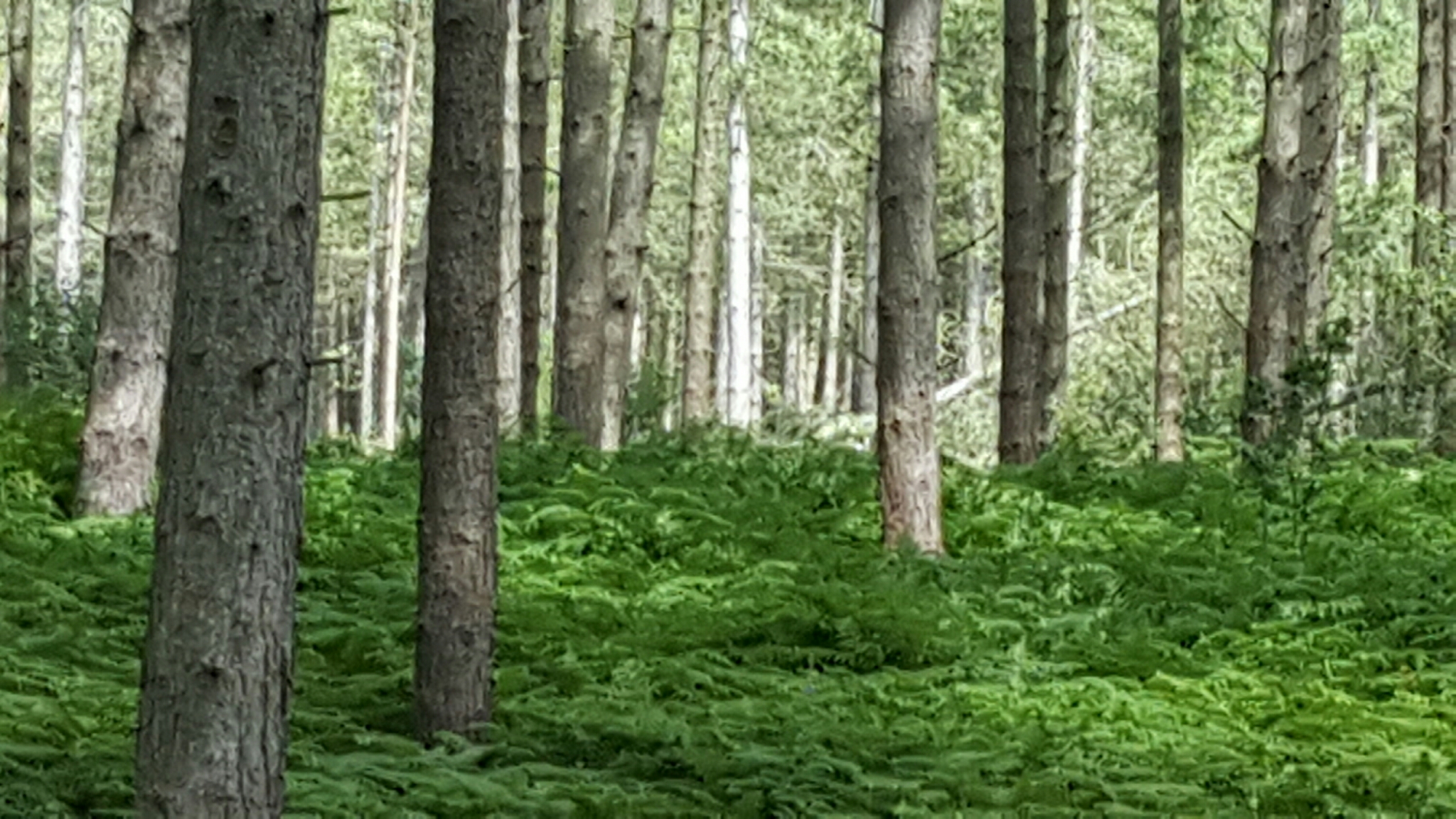
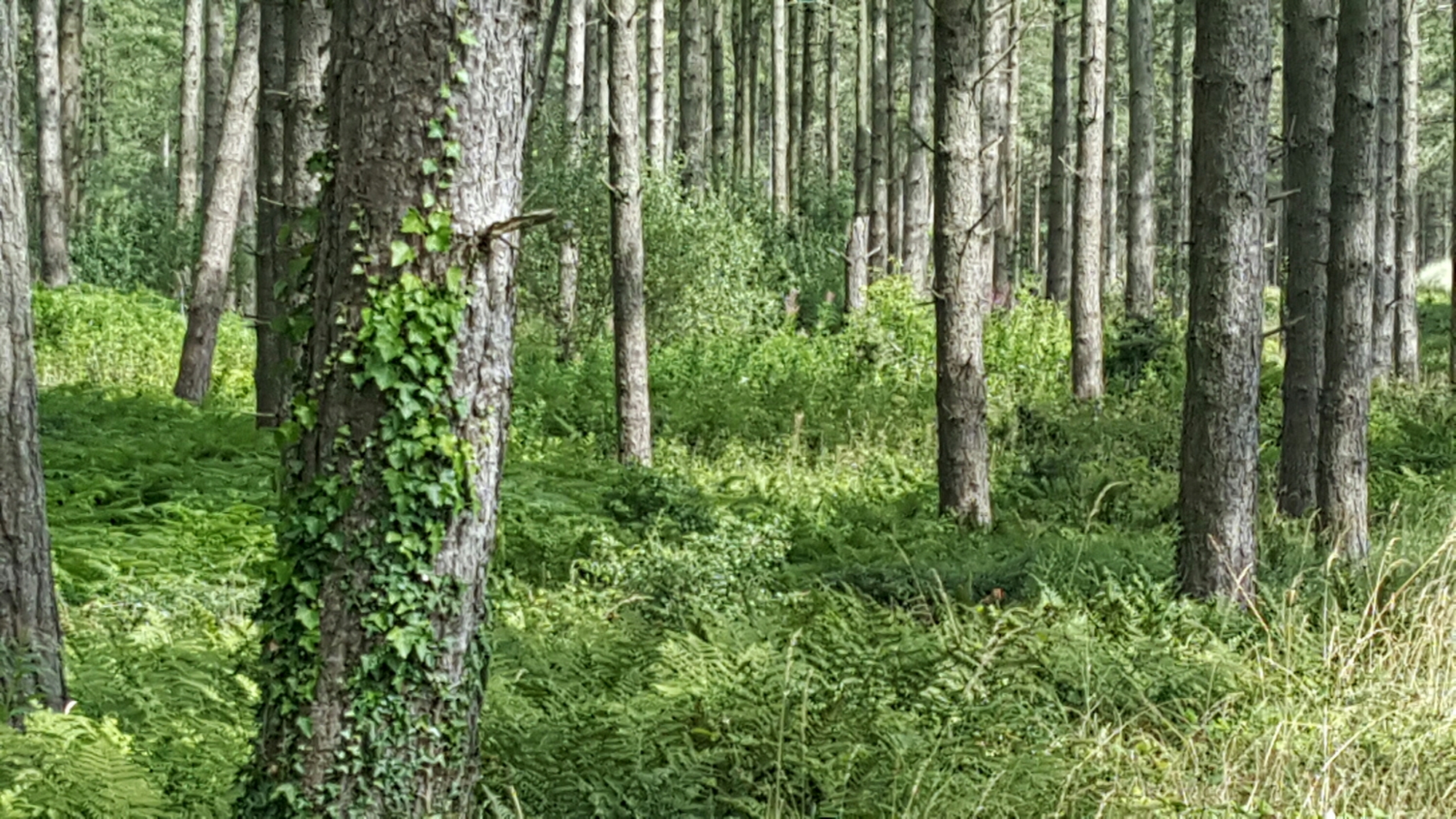
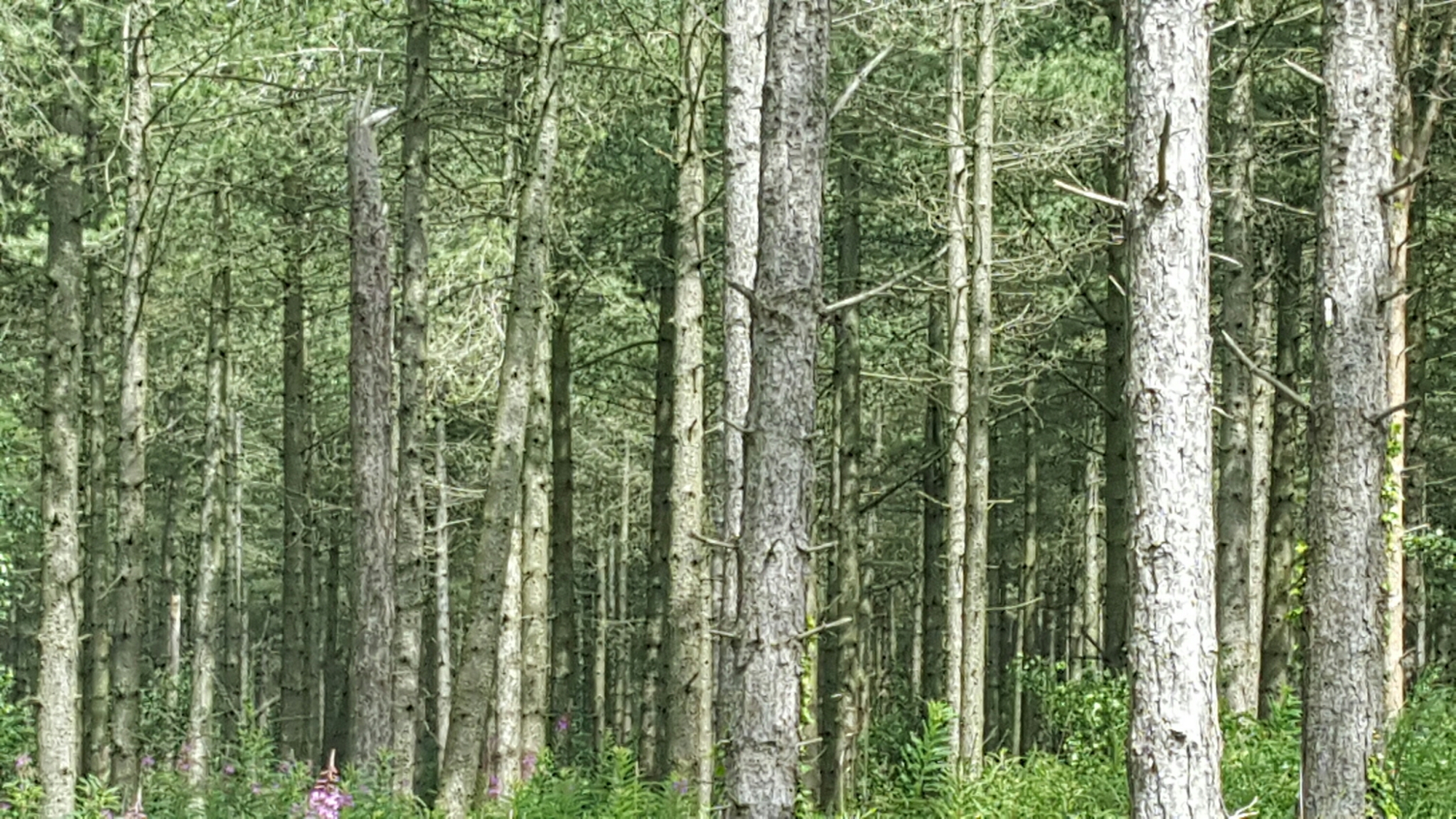
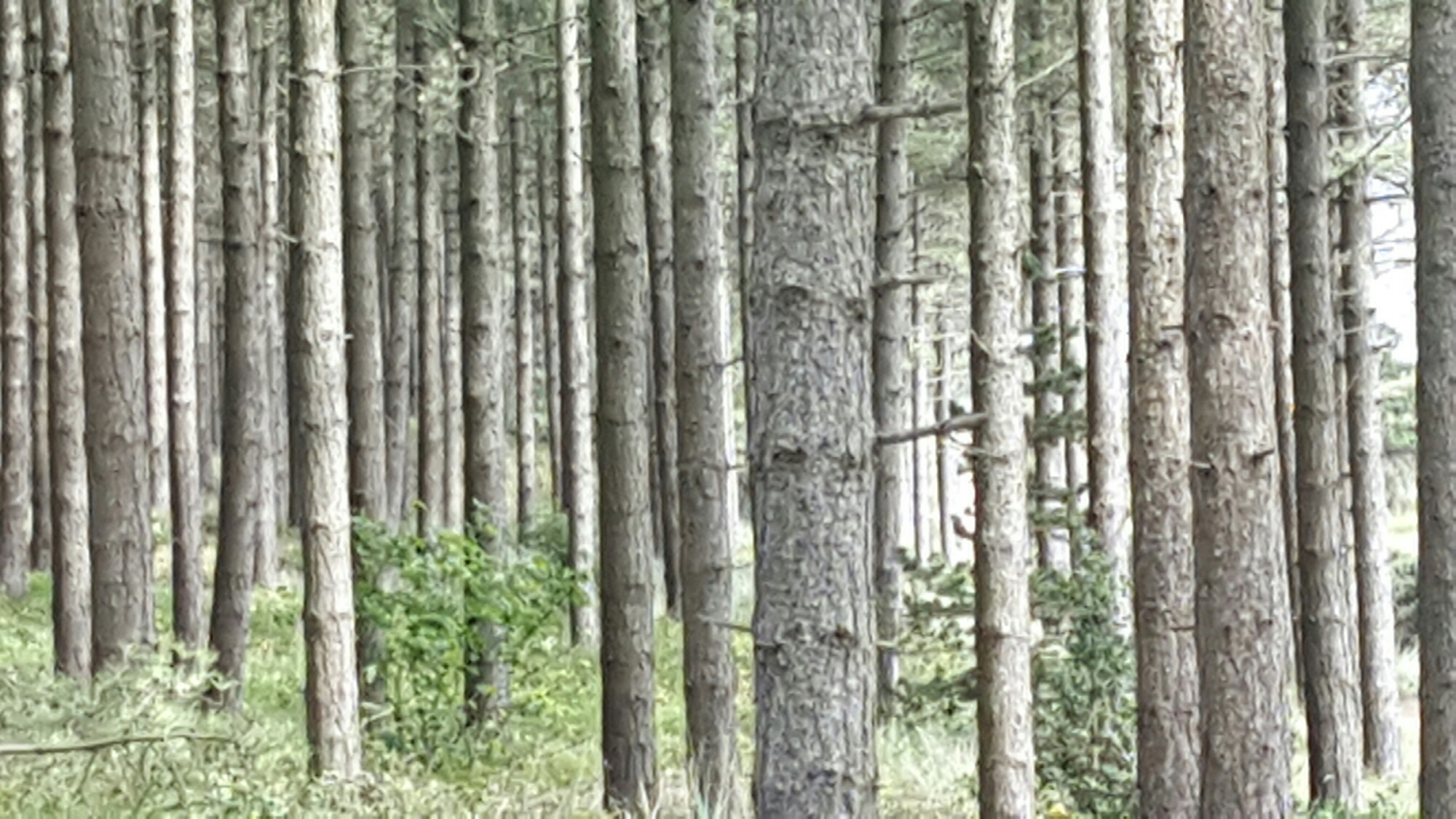
I was brought up not to like pine trees, regarding them as non-natives, too fast growing, invaders.   This was particularly true of the post-war plantations of the Forestry Commission which were all over England and particularly in Wales.   There was a sense that they were too regimented, too dark, too immune to changes in the seasons.   But as Newborough Forest, which is a classic example of its type, first planted in 1947, has been gradually thinned, allowing a bit more light and variety, I find myself liking it more, as I did walking through it this morning:-

Standard

More about Oysters

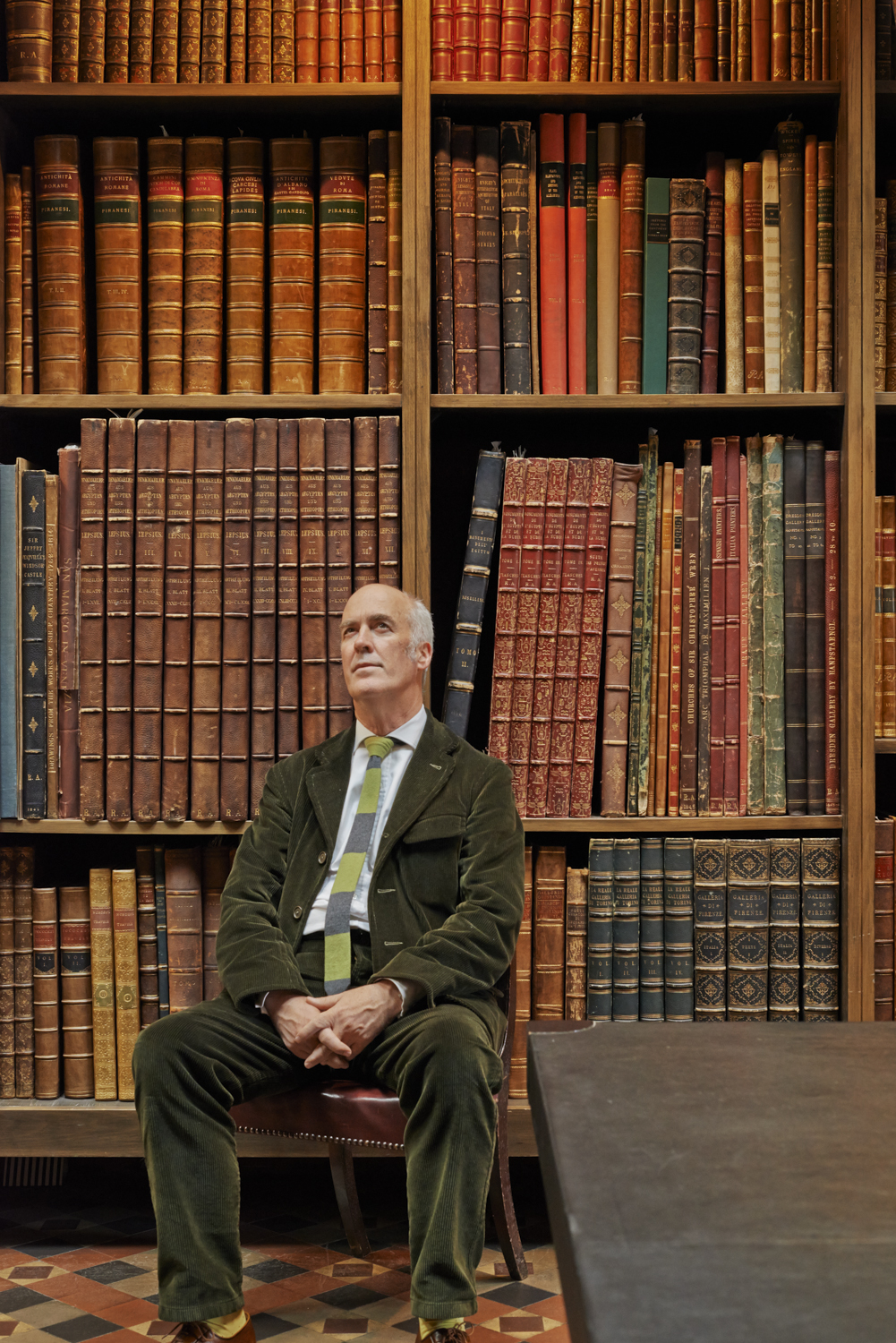
Stimulated by the correspondence about oysters on my Comments page, I ordered a copy of Drew Smith’s book Oyster: a gastronomic history.   Here I have learned more of what I did not know:  that oysters have a heart;  they are bisexual and can change sex during the course of a single season;  they feed on plankton;  food arrives through their lips and is extruded through their rectal chute; and the nutritional value of a dozen oysters is equivalent to that of a steak.   The presence of oyster beds was crucial to prehistoric trade and over a million oyster shells were discovered while Silchester was excavated.   Pepys ate oysters out of a (small) barrel and Dr. Johnson fed oysters to his cat.   By the eighteenth century, there was a small industry round the oyster trade, particularly north of the Thames estuary, in Mersea, Brightlingsea and Mersea and, to the south, Faversham and Whitstable.   But in the nineteenth century, when they were cheap, the oyster beds were destroyed by overfarming and, in the twentieth century, by disease and pollution.   So, it’s good that the trade is being revived.
Standard

Menai Oysters (2)

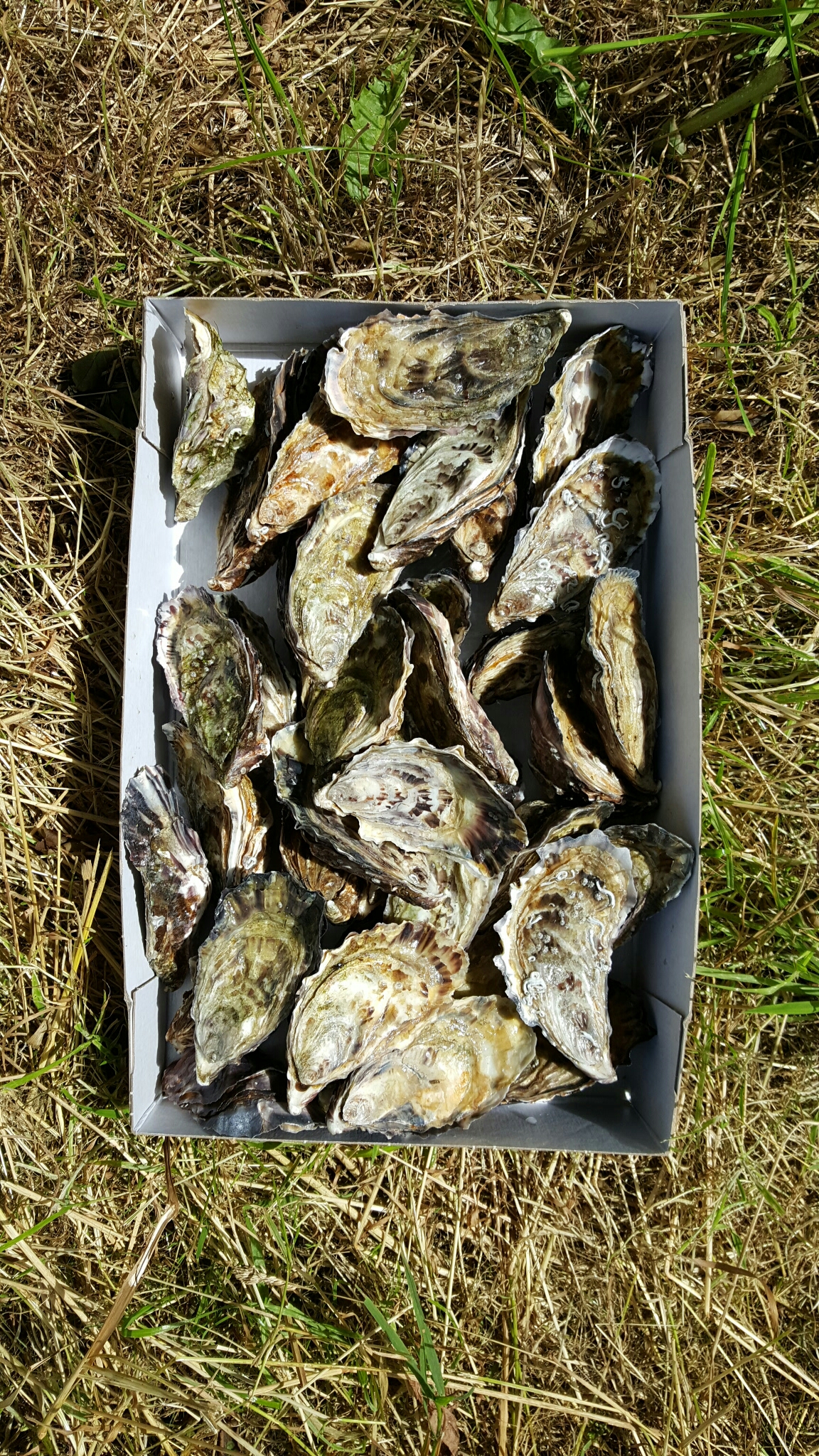
In a fit of wild enthusiasm, we went back to Menai Oysters to collect 3 dozen (£7 a dozen).   The founders of Toast undertook the shucking.   The oysters were delicious:-

Standard

The Marram Grass

We went last night again to The Marram Grass, the restaurant at the local caravan site, which we unfortunately did not know was a great centre for gastronomy and only went to for breakfast and wi-fi until it appeared in this year’s Good Food Guide since which it has been almost impossible to book.   It’s a very nice combination of exceptionally good local food – baked oysters and fish and chips (others had lobster) – with extremely friendly casualness.   I wish we had been going all those years when we didn’t know that it’s a mecca.

Standard

Llanddwyn Island

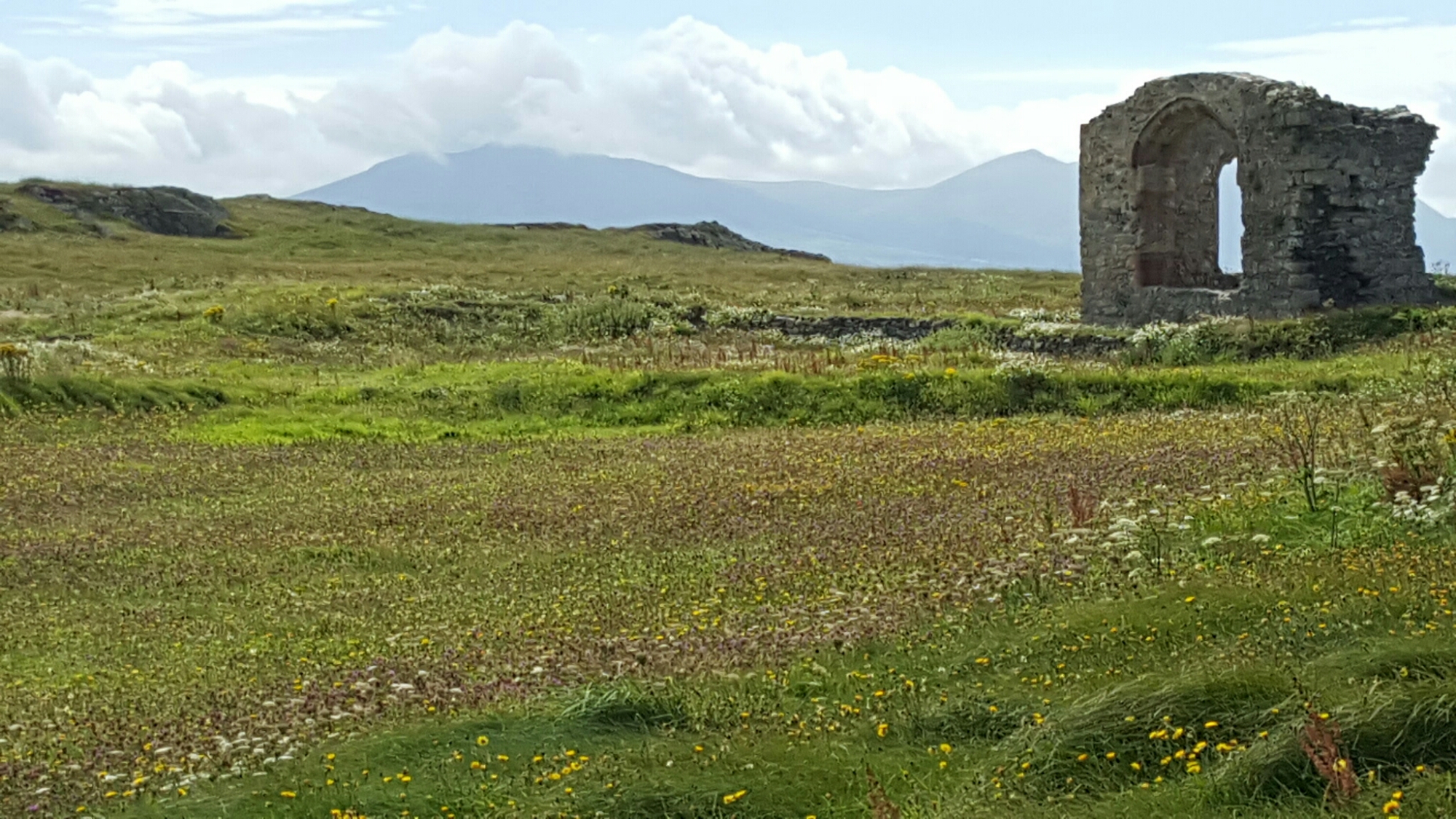
I still get a frisson walking across the narrow isthmus between Newborough Forest and Llandwyn Island along the path overlooking Bodorgan, to the ruins of St. Dwynwen which Clough Williams-Ellis proposed reconstructing:-

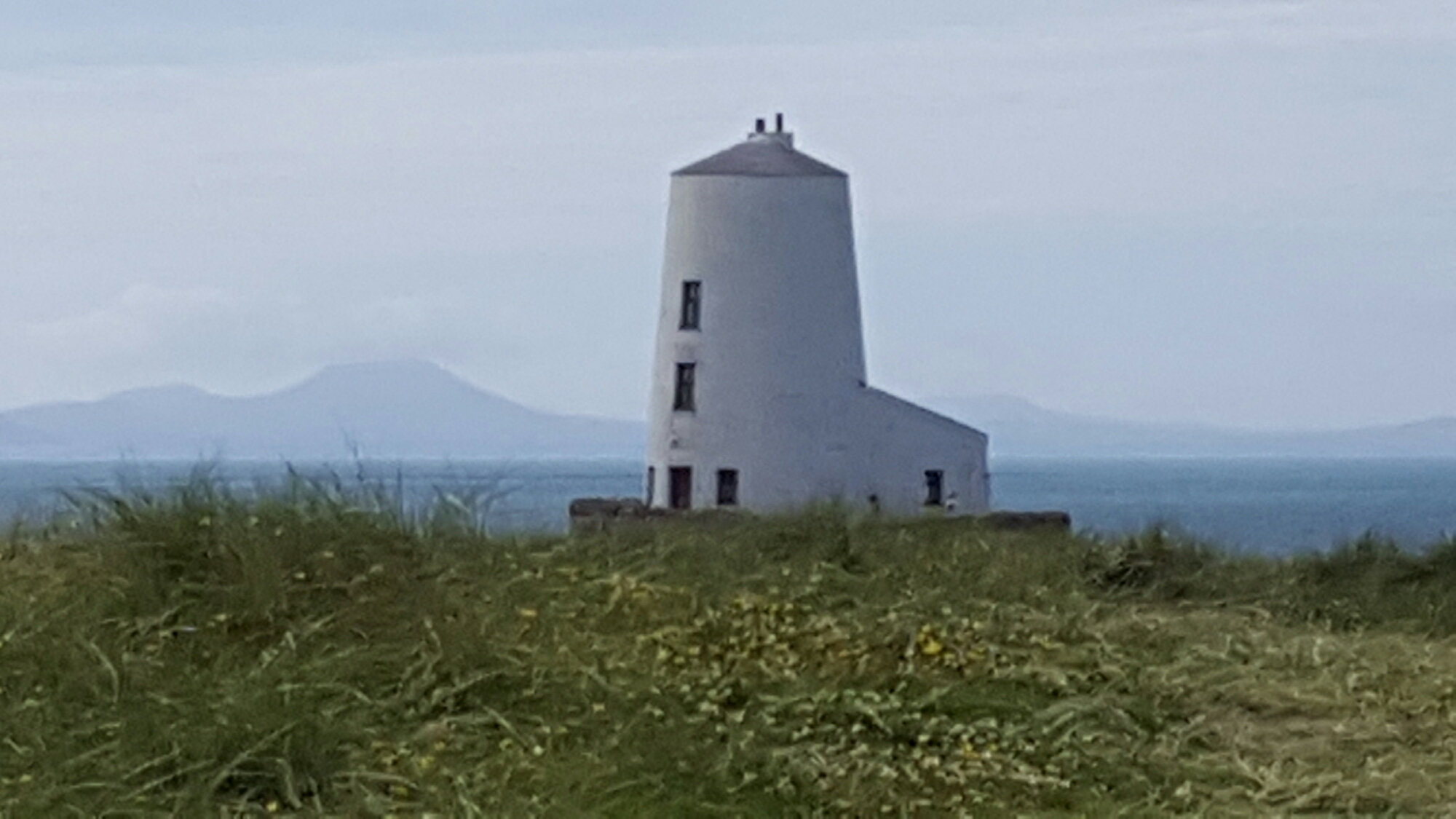
Up a small mound, one sees for the first time Twr Mawr, an early nineteenth-century lighthouse which has been disused at least since 1973:-

Continue reading

Standard