I went to see Anthony Eyton’s exhibition at Browse and Darby tonight. I love his work – the sense of long and continuing visual study, aged 94, not just in the churchyard of St. George in the East or looking out on the steeple of Christ Church, Spitalfields, but also in the street markets of Mumbai, still going out every morning to try to depict the world in drawings and oil sketches. In amongst the oil studies is a Self Portrait, hung with characteristic modesty behind the desk, but a small masterpiece, showing the intensity of his gaze and the ambiguity as to whether he is a boy or man:-
Monthly Archives: September 2016
Burlington Gardens
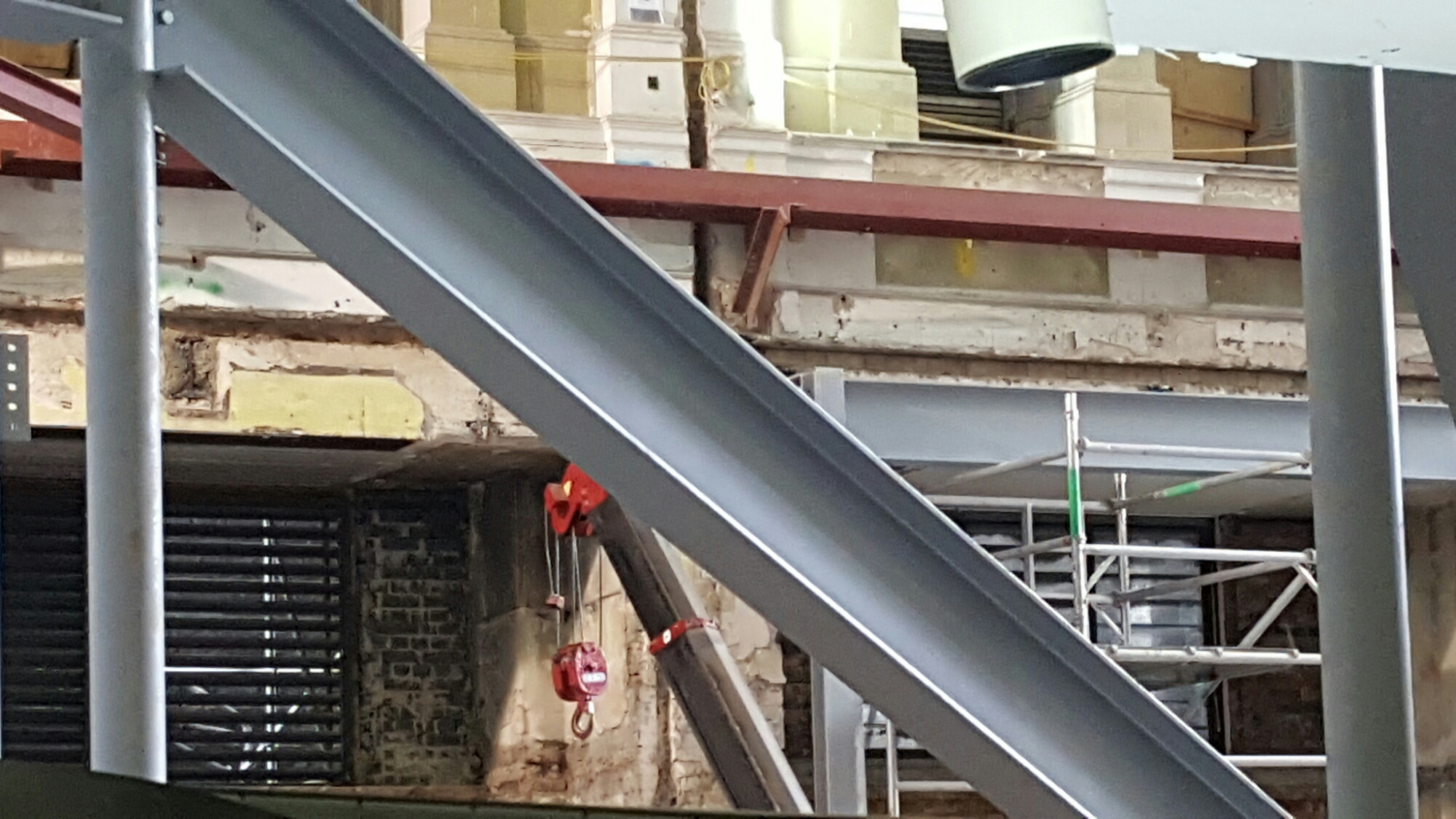
I had my first trip round Burlington Gardens since getting back from holiday. It’s amazing how much work has been done in the interval.
This is the steel girder which will support the amphitheatre of seats in the new Lecture Theatre:-
This is the view through to the RA Schools where the new bridge connecting the two buildings will be built:-
Biophilia
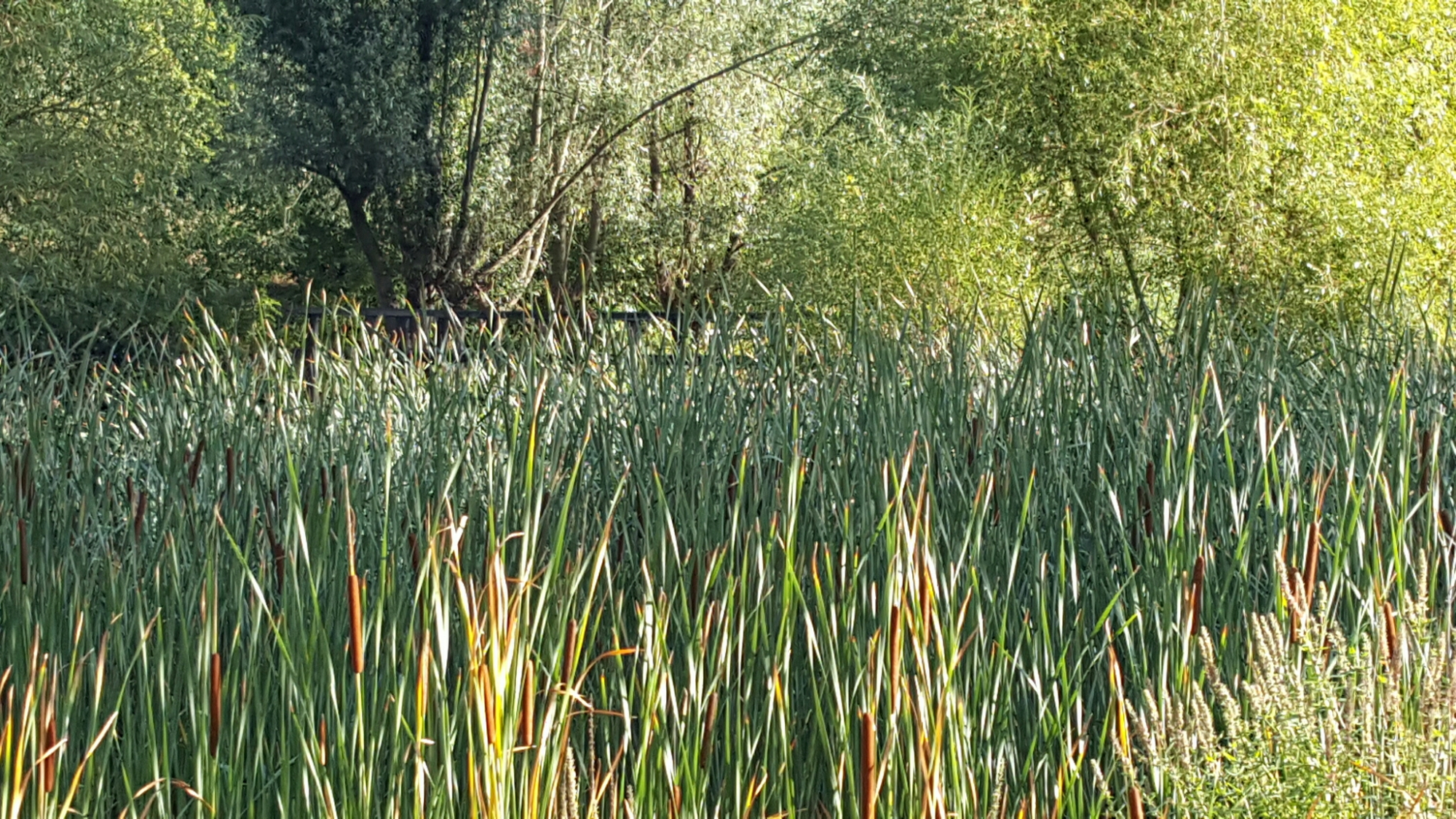
I have been reading about biophilia in a book called Happy Cities. It’s the idea, first proposed by Edward O. Wilson (actually, there must be seventeenth-century, if not Greek, antecedents) that humans are hardwired to find nature restorative and, as documented by environmental psychologists, that cities should have ample access to trees. I thought of this as I walked past Mile End park and thought how surprising it is to find such a scene in Bethnal Green:-
The Towpath Café
We have apparently been talking for a long time about going to the Towpath Café for Sunday morning breakfast and finally made it this morning, which felt like the first day of autumn – not just the leaves, but the longer shadows and less intense sun.
Up the canal:-
Charlton House (2)
I spent the day at a conference to discuss the future of Charlton House (hence my visit last weekend): a Jacobean mansion which was given to the Council in 1925 and been used by the local community for nearly a hundred years, with a branch of the local library in the ground floor chapel, a cafeteria in the great hall, a rental arrangement for the middle floor, the Grand Saloon used for meetings of the local bridge club and the long gallery for event hire. Should it be turned back into a historic house when all the original furniture has been dispersed and most surviving Jacobean furniture is apparently fake ? How does one retain community use ? Could the original Jacobean gardens be restored ? And what about the banqueting house ? For the answer, we were recommended to read the Anarchist’s Guide to Historic House Museums.
St. Paul’s
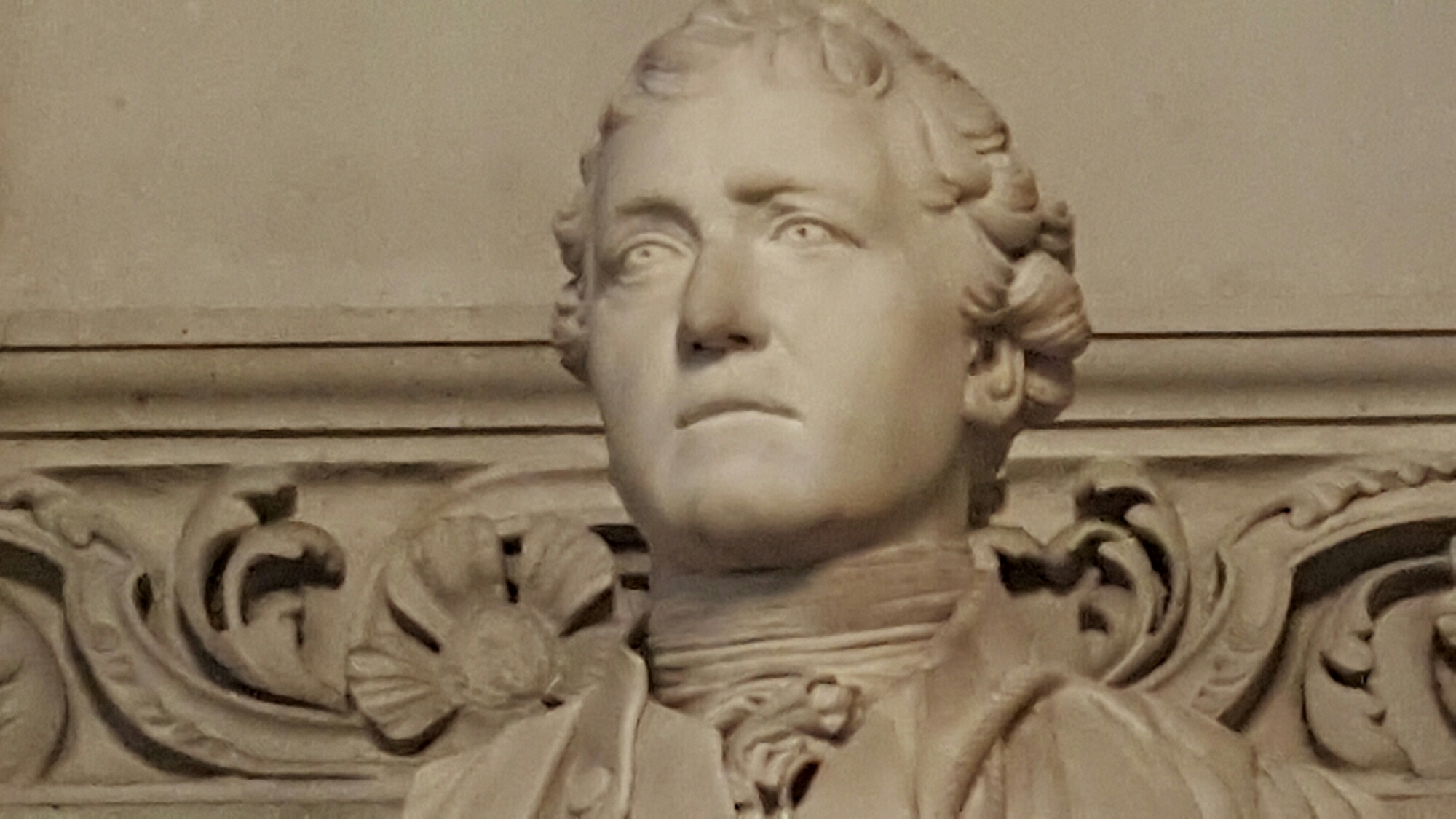
I went to the installation of the new work by Bill Viola in the north quire of St. Paul’s Cathedral, which is the result of a thirteen-year project to seek the approval of the Dean and Chapter for a piece of video art on permanent display, although owned by the Tate (one of the Deans is said to have thought that it was better for the church to align itself not with the Medicis, but the Borgias). Since I assumed that I wasn’t allowed to photograph the work itself, I found my eye wandering to the extraordinary array of funerary monuments.
Reynolds, completely unrecognisable, in a statue by John Flaxman under the dome (supposedly close enough to the pulpit to hear):-
Michael Manser RA
I have just been to the memorial event for Michael Manser who died after a dinner at Brooks’s in early June – a very young and well preserved 87-year old. What was clear was how much everyone had liked, admired and respected him, not just for his architecture so little of which – because it was domestic – was well known, but as an architectural writer in the 1960s, as President of the RIBA in the mid-1980s, where he both designed and paid for disabled access into the building, and latterly as an RA, active in the architecture committee and the General Assembly to the end.
John Gibson RA
I annoyingly missed the opening of our small John Gibson exhibition last night. Born in Gyffin in the hills just above Conway Castle in north Wales, the son of a market gardener, Gibson’s family were due to emigrate to America, but stayed in Liverpool instead, where he was first apprenticed to a firm of cabinet makers and then worked for the marble masons Samuel and Thomas Franceys. His obvious talent was recognised by a group of collectors, including William Roscoe, the banker, who encouraged him to study ‘the Greeks’ simple actions and pure forms’ and to attend lectures at the Liverpool Academy. He had a dream that he would travel to Rome on the back of an eagle and his supporters organised a subscription to send him there. In Rome, he had an introduction to Canova who allowed him to work in his studio until he set up his own in the via della Fontanella. With Charles Eastlake and Joseph Severn, he helped establish the British Academy of Arts in Rome and remained in Rome for the rest of his life, living simply, but working grandly, in spite of occasional visits to England and the support of the Queen and Prince Consort. As he said, ‘I thank God for every morning that opens my eyes in Rome’. But he left the contents of his studio to the RA and most of his fortune.
1960s
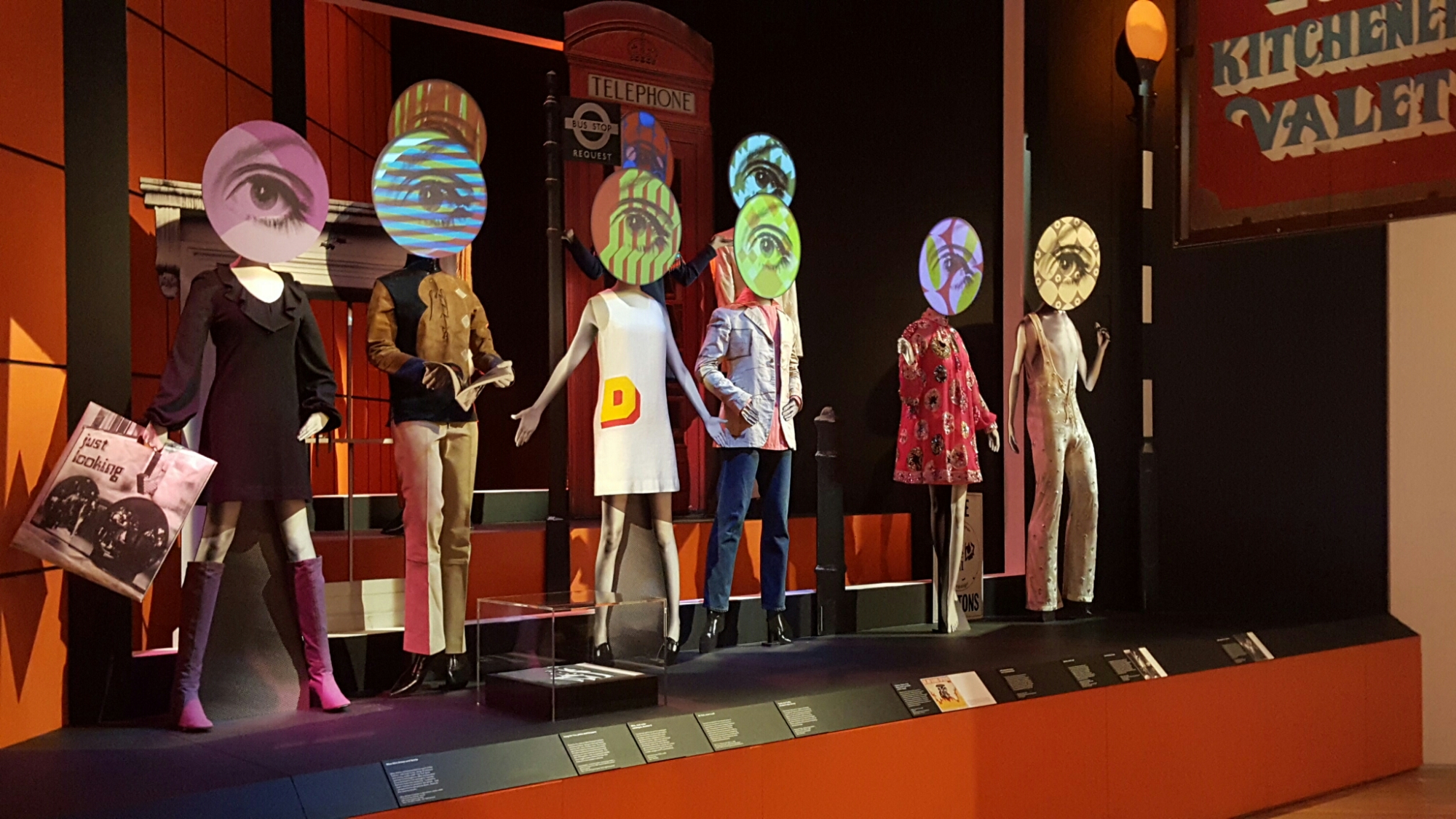
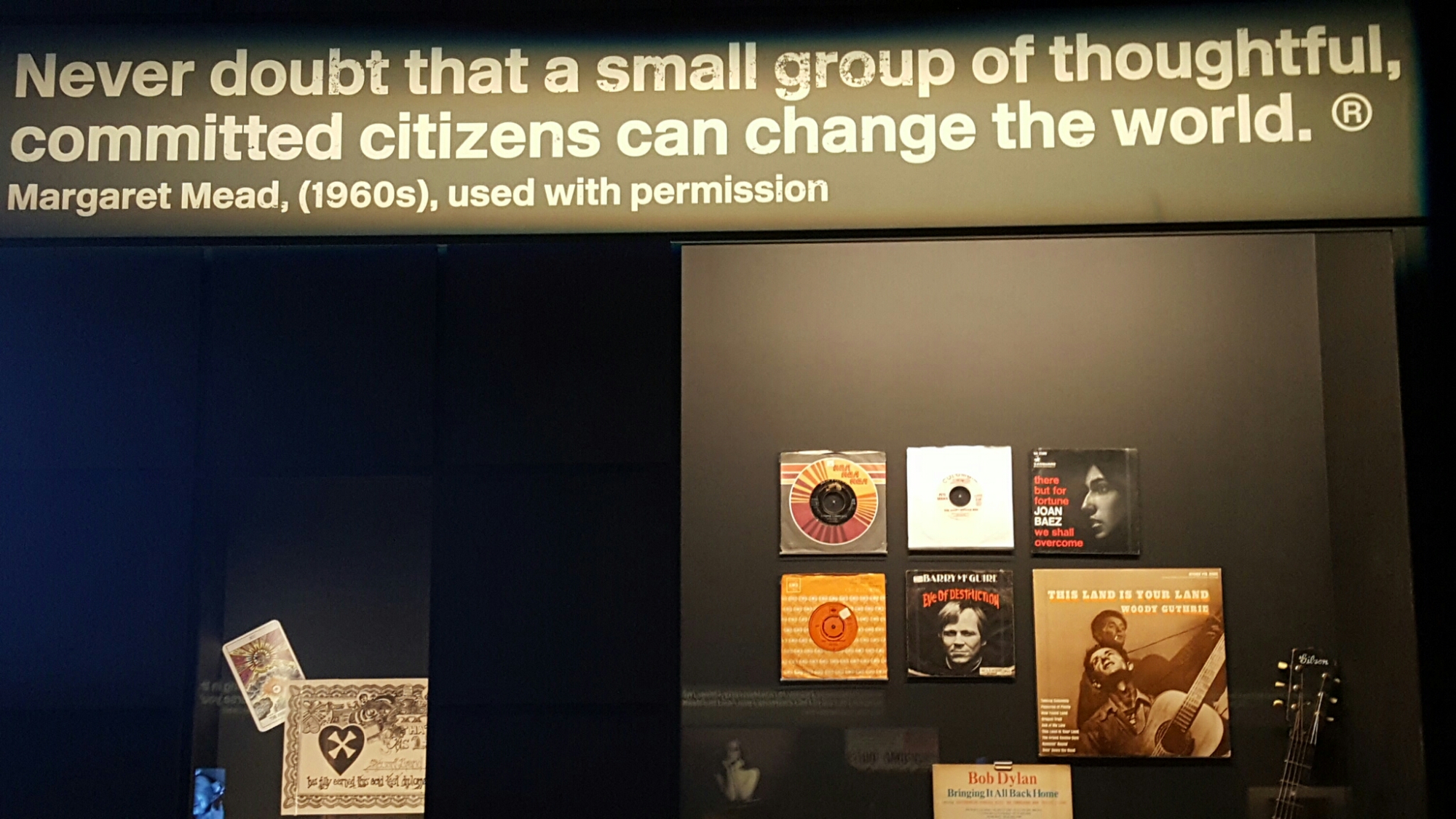
I had a very enjoyable time at the opening of the V&A’s 1960s exhibition, going round with Jon Savage, the historian of 1966 and lender of some of the arcana to the exhibition. Everything was there: the Beatles, psychedelia, Carnaby Street, Blow-up, the album cover of Sgt. Pepper and the first computer mouse. It’s about music, drugs and performance more than art, architecture and design, but none the worse for that:-
The Weald
We had lunch deep in the Weald. It’s rather reassuring that it’s still possible to take a turning off the M20 and find oneself negotiating small country lanes. We were near Grafty Green:-
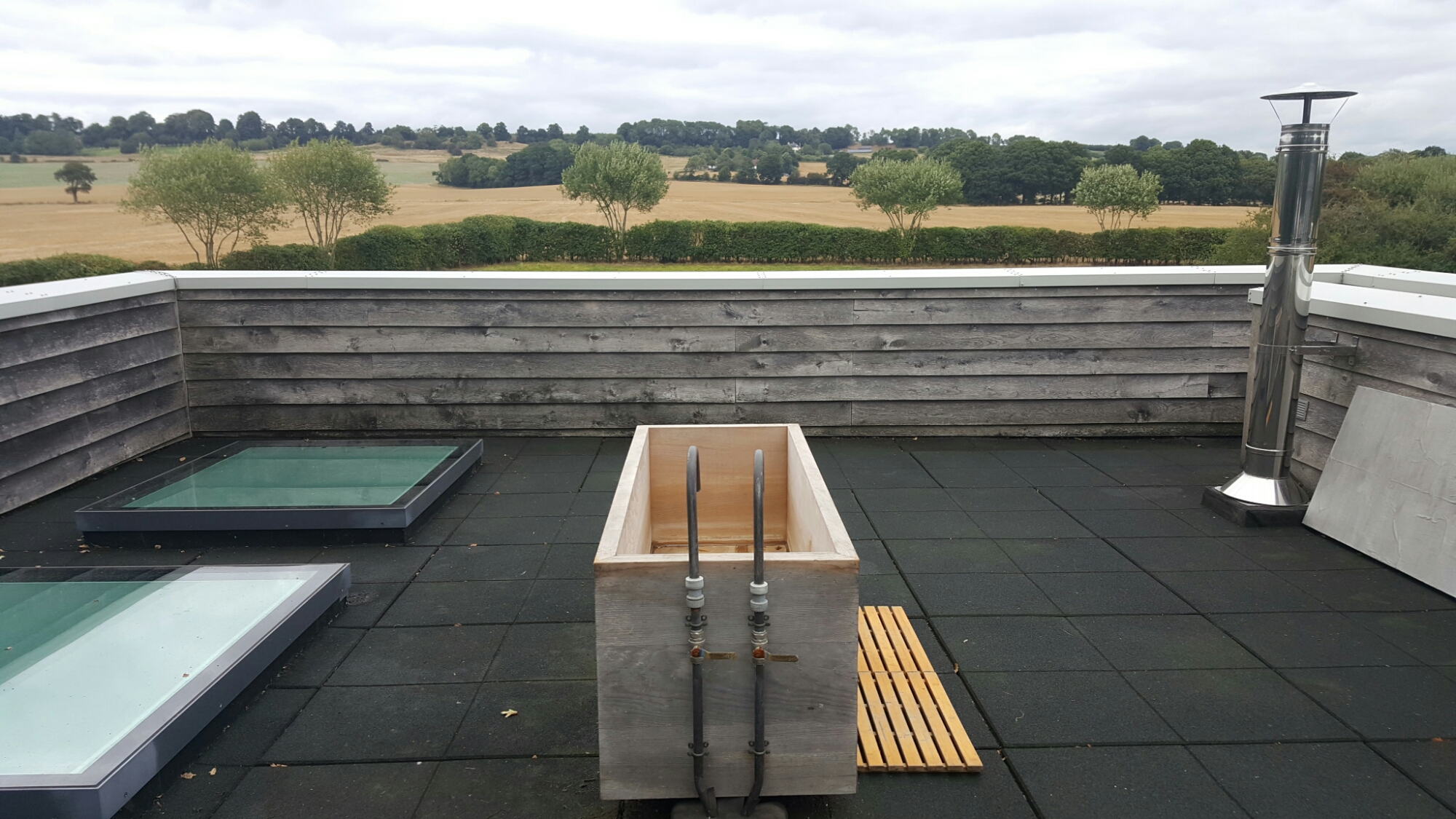
I particularly liked the Japanese wooden bath on the roof overlooking the view:-


You must be logged in to post a comment.