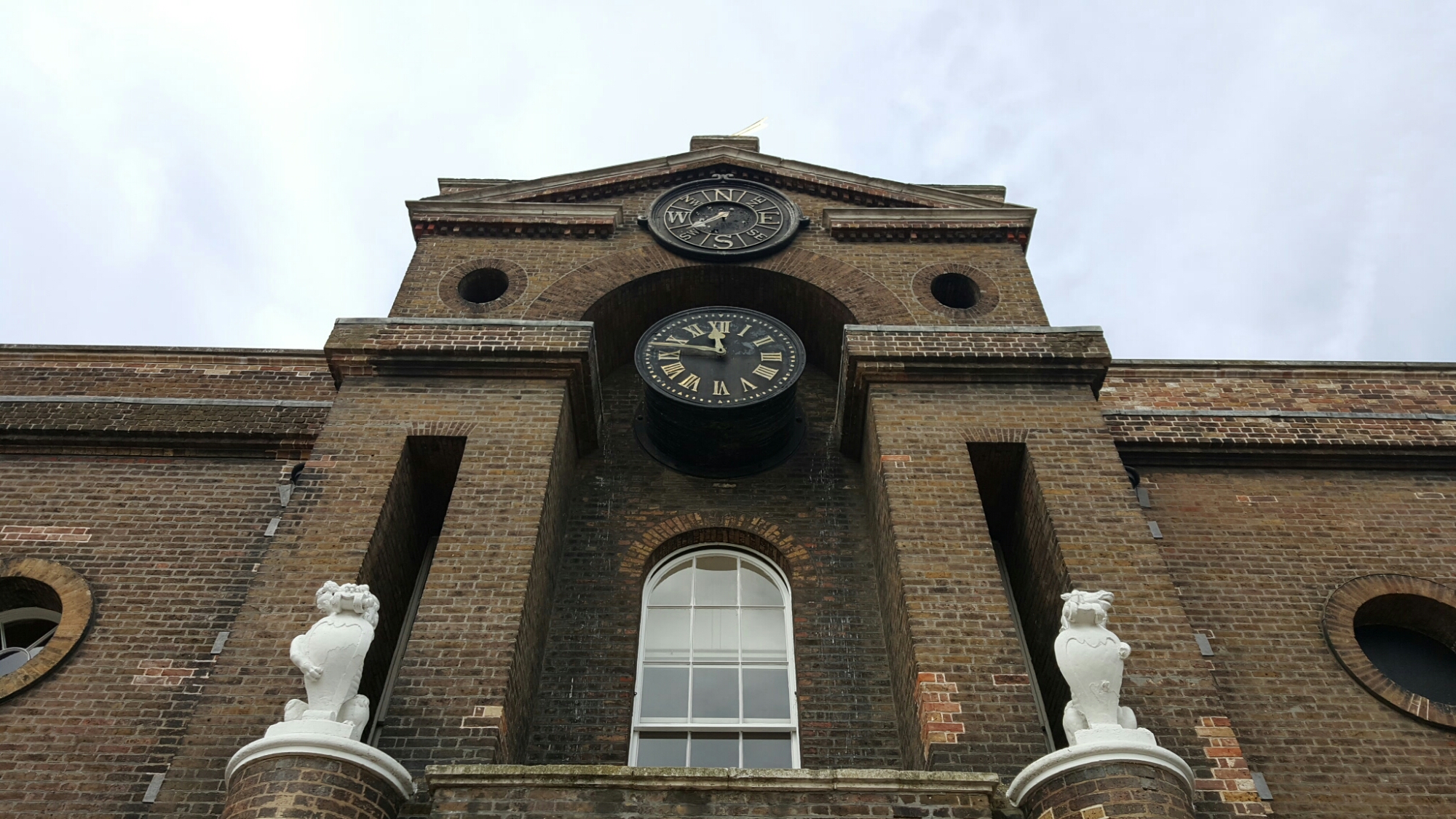
I called in at Wooolwich Arsenal, on the edge of the town, mainly in order to see the Offices of the Master of the Ordnance, which housed the Board Room of the Board of Ordnance and, on its left hand side, the Academy established in 1720 to train young officers, later used as a Model Room (hence the different ways the building is described). It has a long-standing attribution, undocumented, to Vanbrugh, who lived nearby on Maze Hill and had after all served in the army in the early 1690s, but it is now, according to the recent Survey of London, thought more likely to have been designed by Brigadier General Michael Richards, who had been appointed Chief Engineer in 1711 and became Surveyor General in 1714. It dates from a period when the dockyard was expanding, following the end of the war with France. It certainly is reminiscent of the work of Vanbrugh, sharing many of his mannerisms in the brickwork, freely inventive like the Carrmire Gate at Castle Howard which was designed at more or less the same time:-
Monthly Archives: September 2016
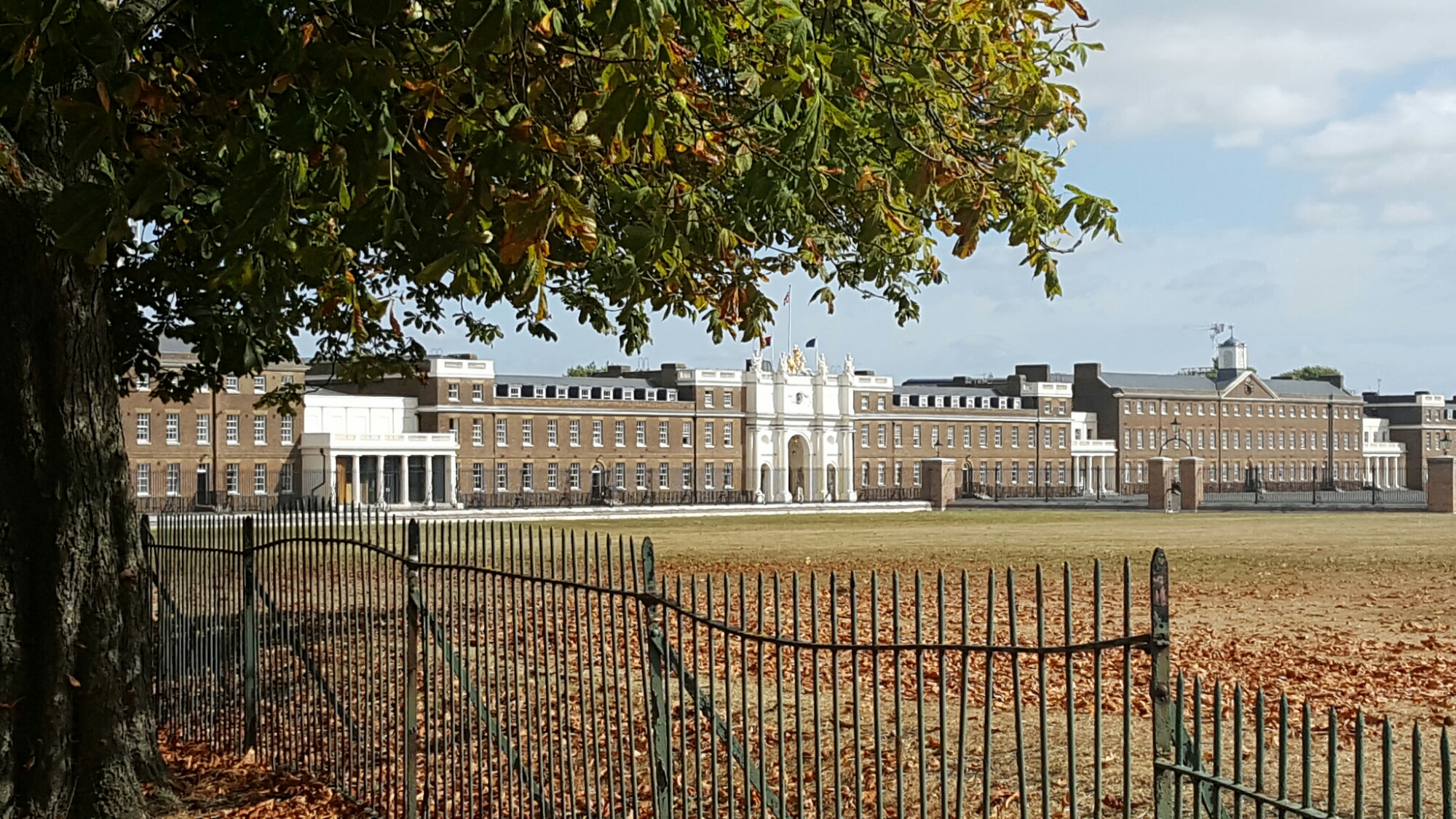
Royal Artillery Barracks
The Royal Artillery Barracks, with its monumental façade and gigantic parade ground, is, as Nairn says, the nearest place to Leningrad in South London. The first phase to the east was constructed in 1776. Twenty five years later James Wyatt doubled it in size to over 1,000 feet. Behind was accommodation for 4,000 men. Nothing more obviously reveals the scale of the eighteenth-century military state:-
Rotunda Museum
I had been looking forward to seeing the Rotunda Museum again, the tent which was erected in St. James’s Park in 1814 to celebrate Wellington’s victories and then converted by John Nash into a permanent structure with a lead roof which was turned into an Artillery Museum alongside Woolwich Arsenal in 1820:-

It’s now apparently no longer open to the public and used by the King’s Troop as a boxing ring:-
Charlton House (1)
I set off early in order to visit Charlton House, the Jacobean mansion halfway between Greenwich and Woolwich which I haven’t visited since the early 1970s, Nairn in hand.
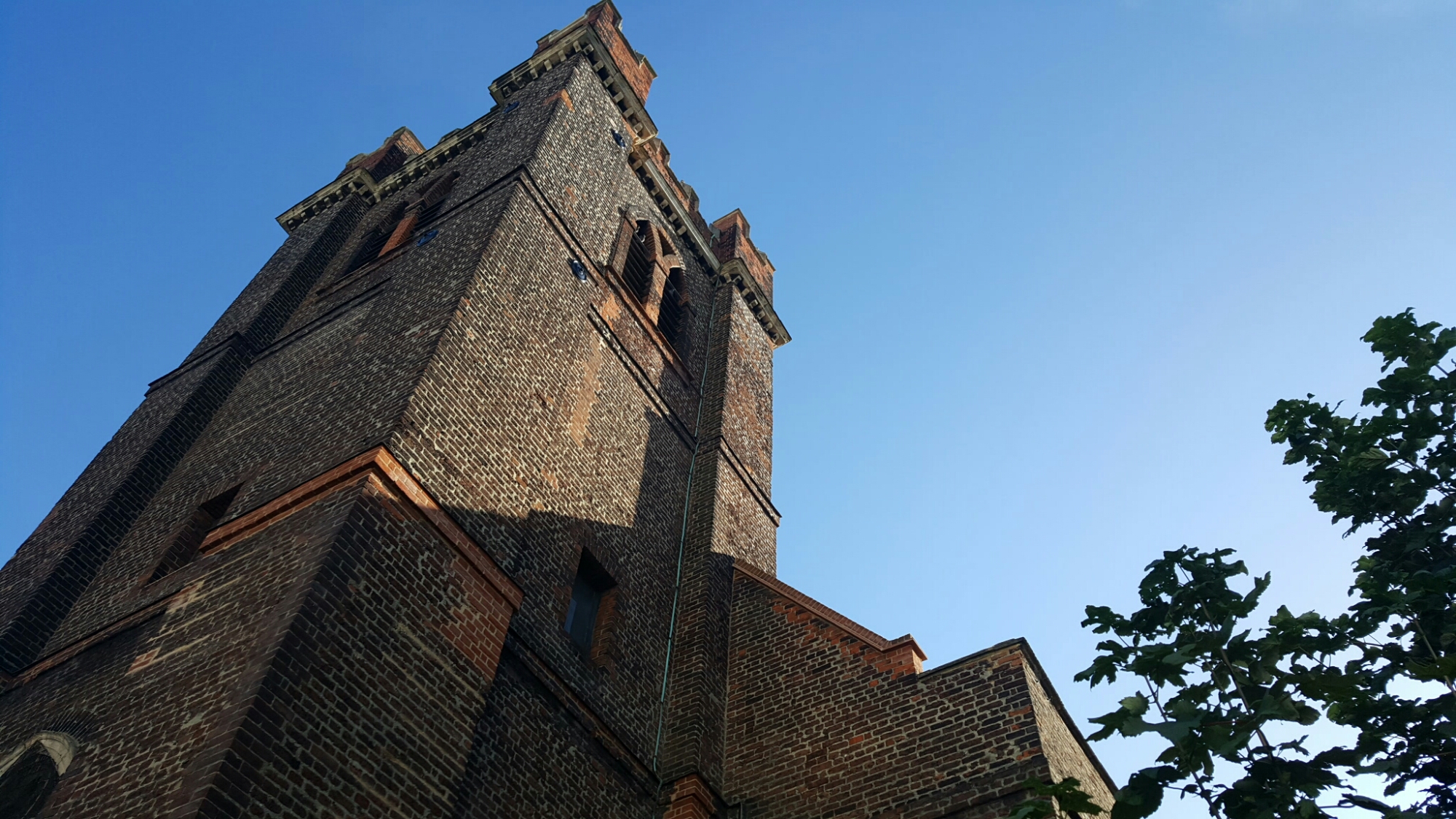
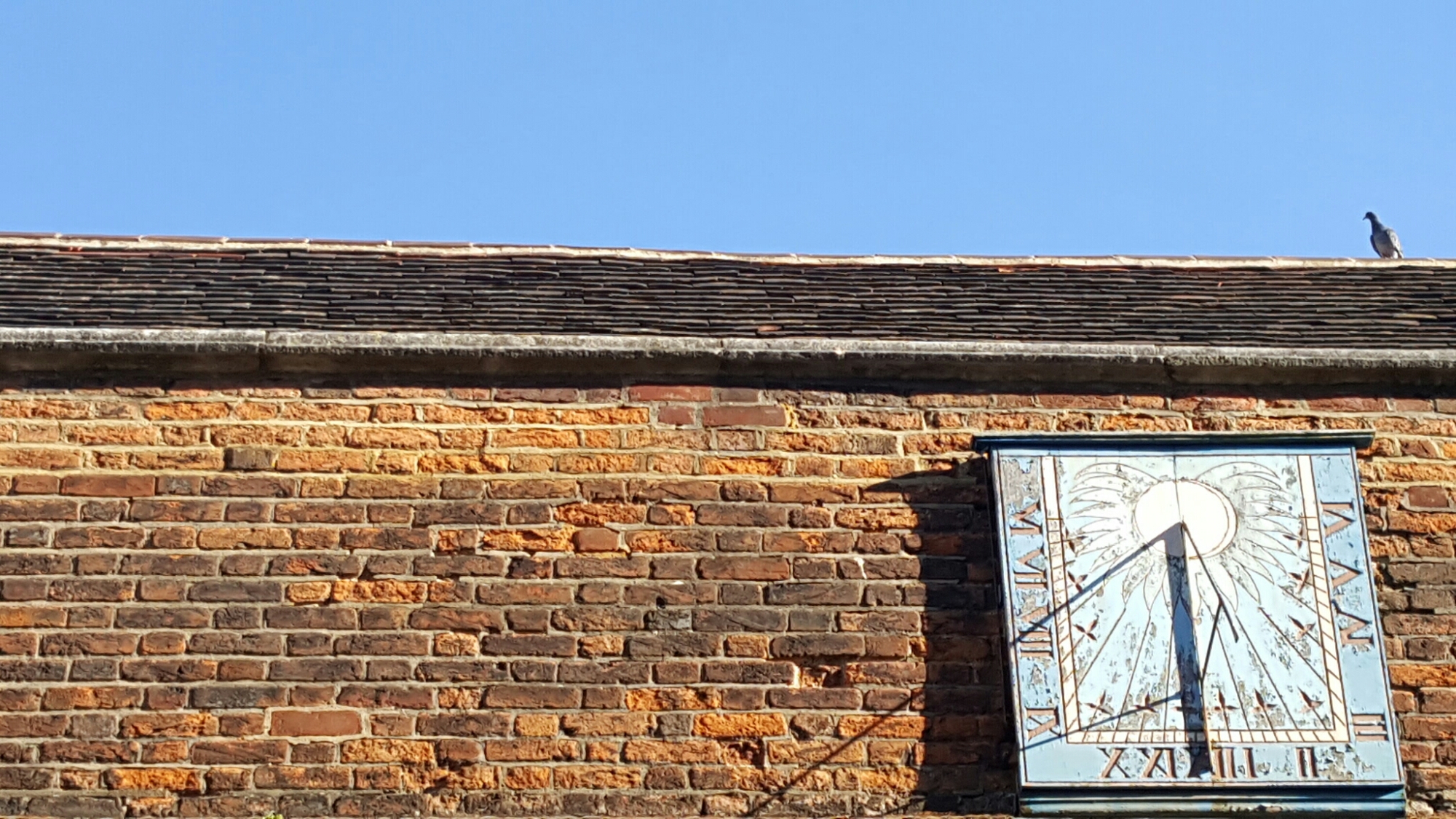
One climbs up the leafy suburban street from the railway station and finds, first, the old parish church of St. Luke, built, as was the house, by Sir Adam Newton, tutor to Henry, Prince of Wales. Nice Jacobean tower and entrance porch:-
Veronica Scanner
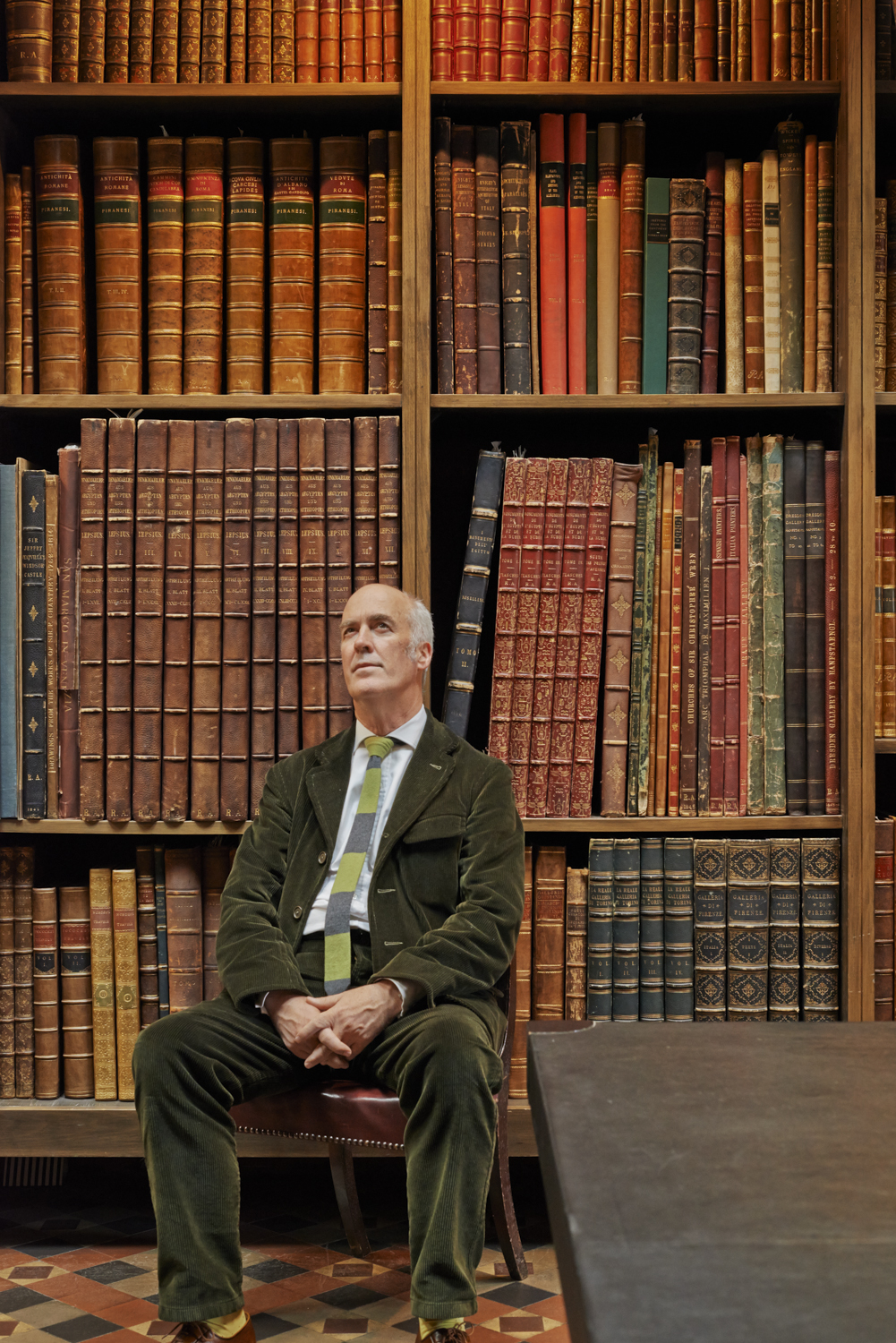
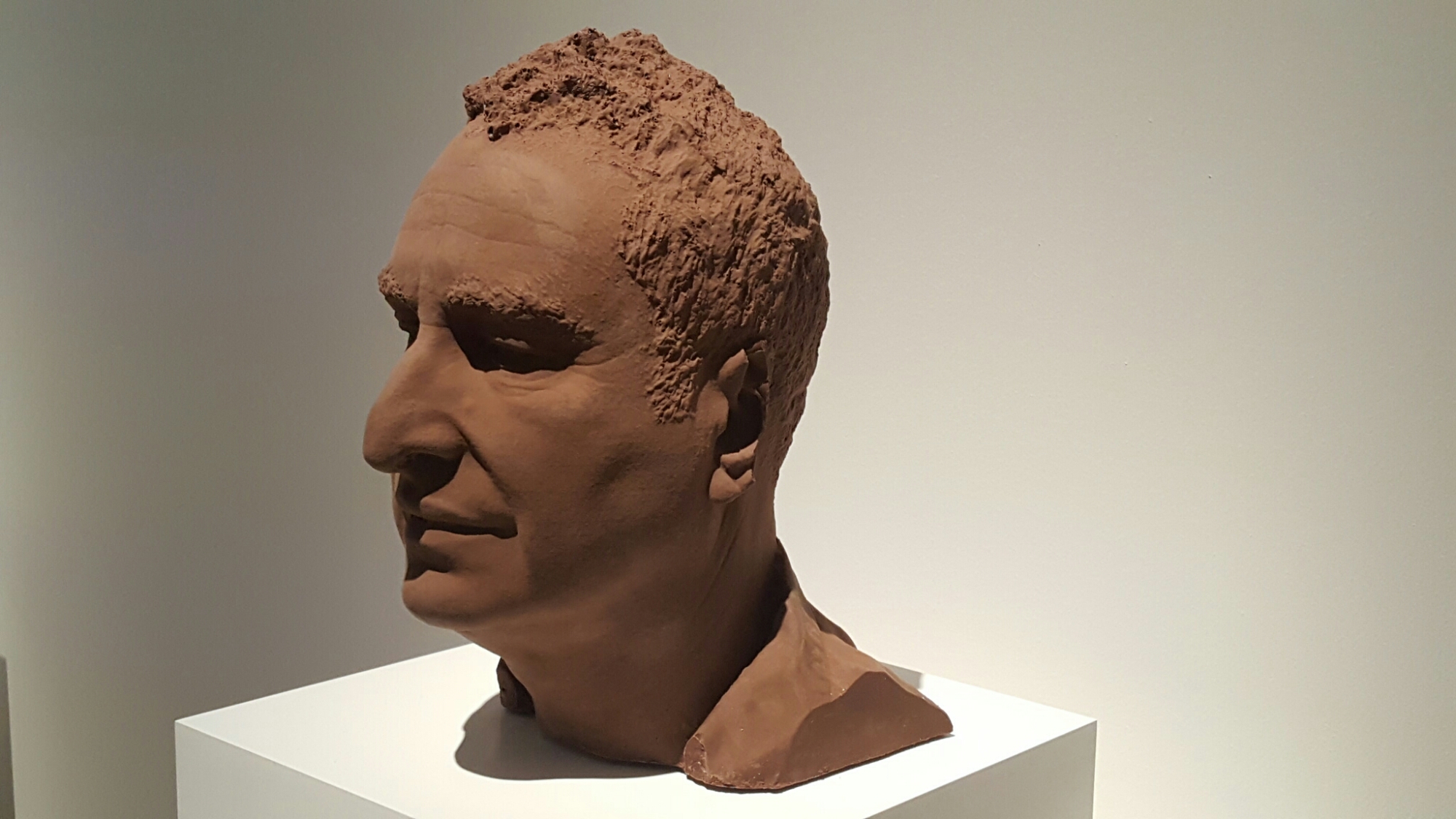
The big event today has been the launch of our display of the so-called Veronica Scanner, a system of 3-D digital scanning which enables a very precise record, and hence replica, of a head. I had seen the result once before in the head of Jacob Rothschild which was shown in Masterpiece in June. But it is much more impressive to see the technology in action and then to see the results, including the head of Stephen Rubin QC made out of red wax, glass, chocolate and scagliola. I particularly admire the chocolate head for its combination of precision and extreme fragility (it has already lost an ear):-

RA in 2017
Back to work properly today, just in time for the launch of our 2017 programme, which includes exhibitions in the Sackler of 1930s American realism (an exhibition which is currently on at the Art Institute of Chicago), the relationship between Matisse’s art and his collection, and, next autumn, an exhibition about the unlikely friendship between Salvador Dalí and Marcel Duchamp, not to mention a big exhibition in the spring of Russian Art post the Revolution. Much to look forward to.
 | Charles | Saumarez | Smith |
You must be logged in to post a comment.