Post-election America

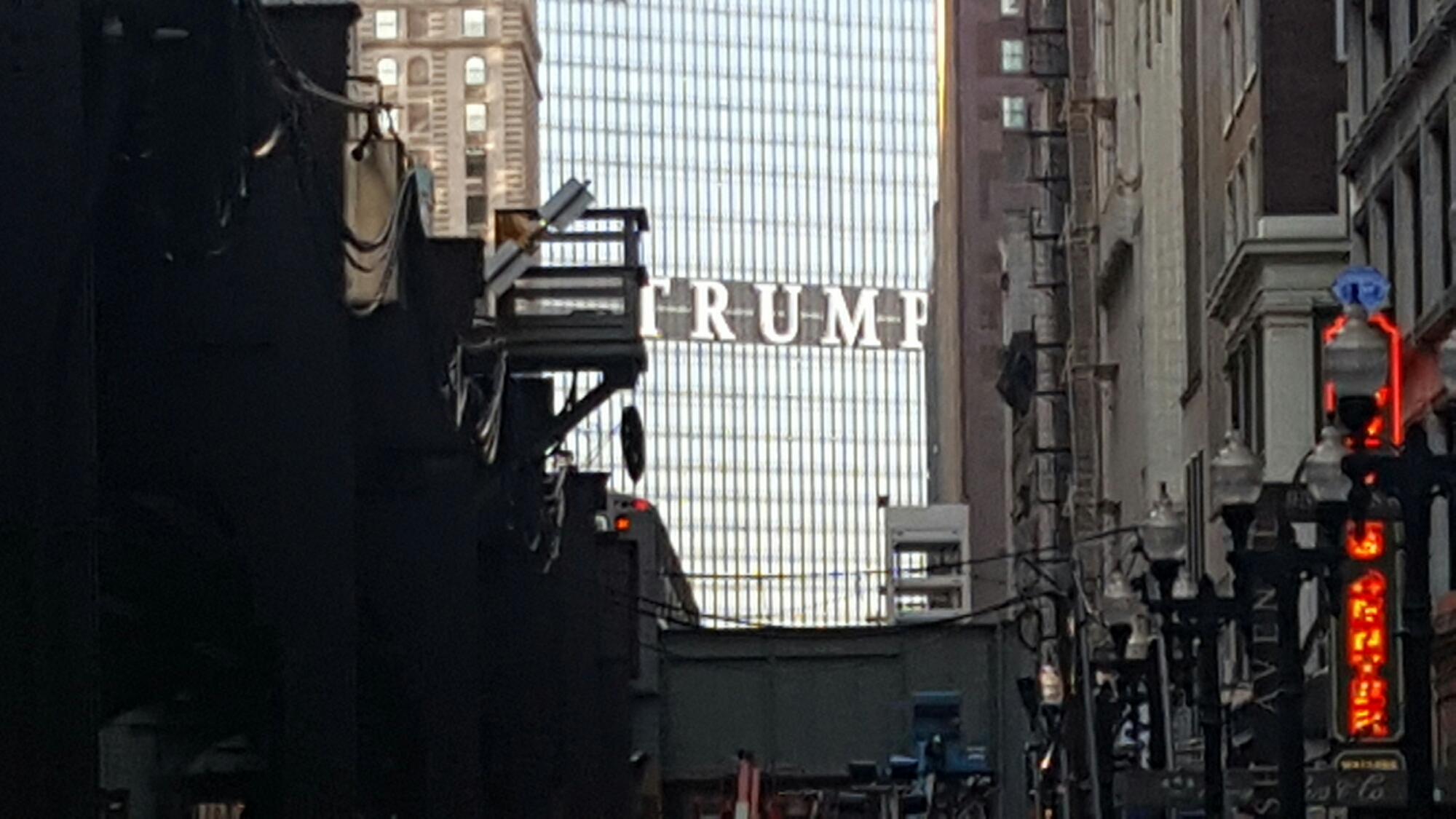
I notice from emails from friends in the UK that it is assumed that I will have some special insight into the mood of post-election America by virtue of being this side of the Atlantic.   I don’t, apart from encountering massed ranks of riot police, but no demonstrators, alongside Trump Tower in Chicago.   The mood amongst the people we have been meeting has been a combination of anger, anxiety and uncomfortable resignation:  a recognition that the professional classes on the east and west coasts now have no sway over the frustrations and need for hope of bluecollar, middle America, which was all red on the electoral map:-
Standard

James Charnley House (2)

We ended up at the Charnley House, where its building history was clarified.   Charnley was a good businessman, who had already employed Sullivan in the design of a house in Mississippi.   Having bought five building plots in north Chicago, he wanted to hire Sullivan again to design a house, but he was preoccupied by other major building projects, including the Auditorium Building, so, instead, got Wright, who was working in the office, to supervise the detail, allowing him to claim responsibility for the design, and its significance, after Sullivan’s death:-

Standard

Chicago (2)

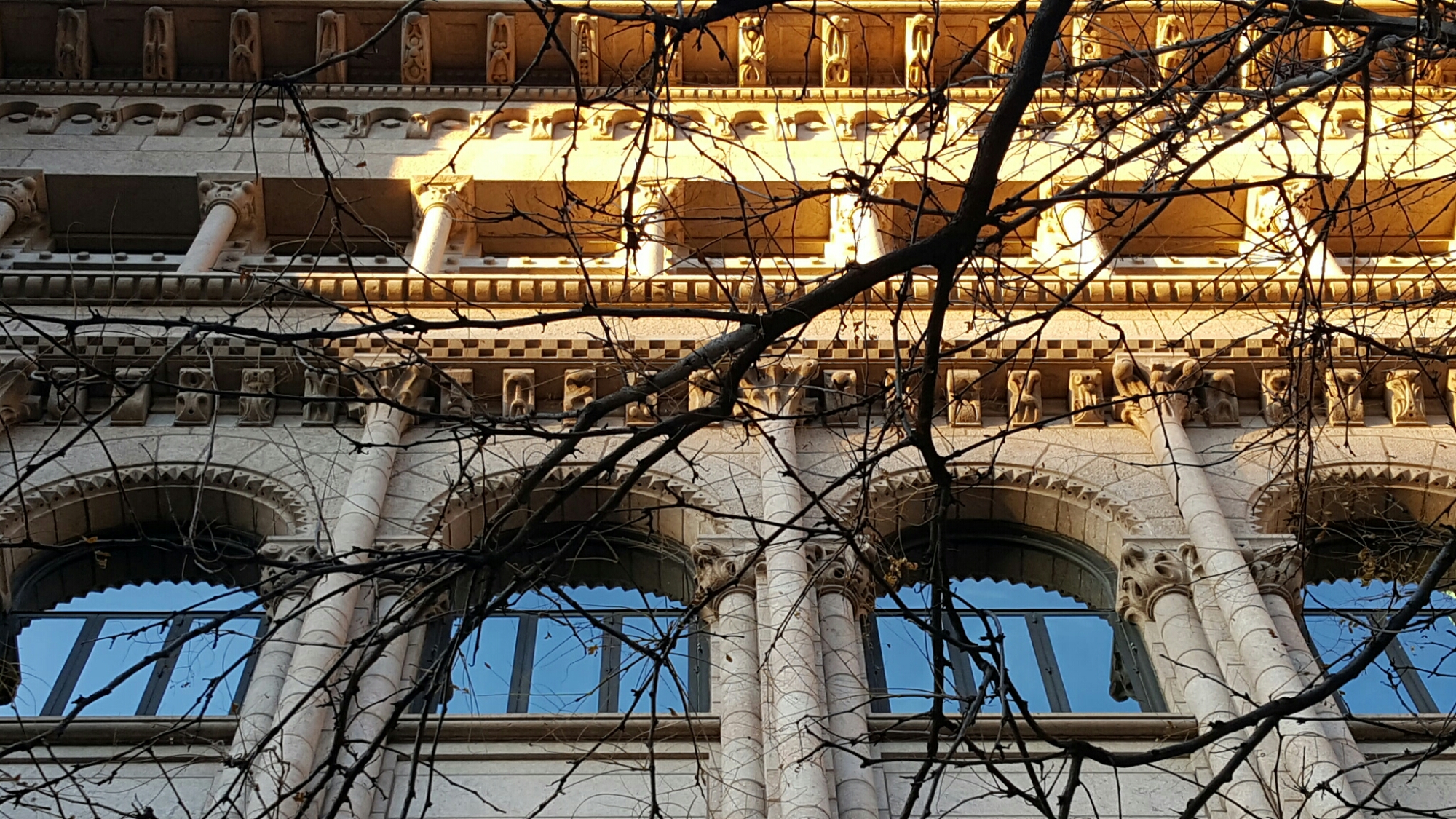
I attach some images of Chicago, rather arbitrarily selected from a couple of days wandering round with the AIA Guide to Chicago in hand or back in the hotel for reference.

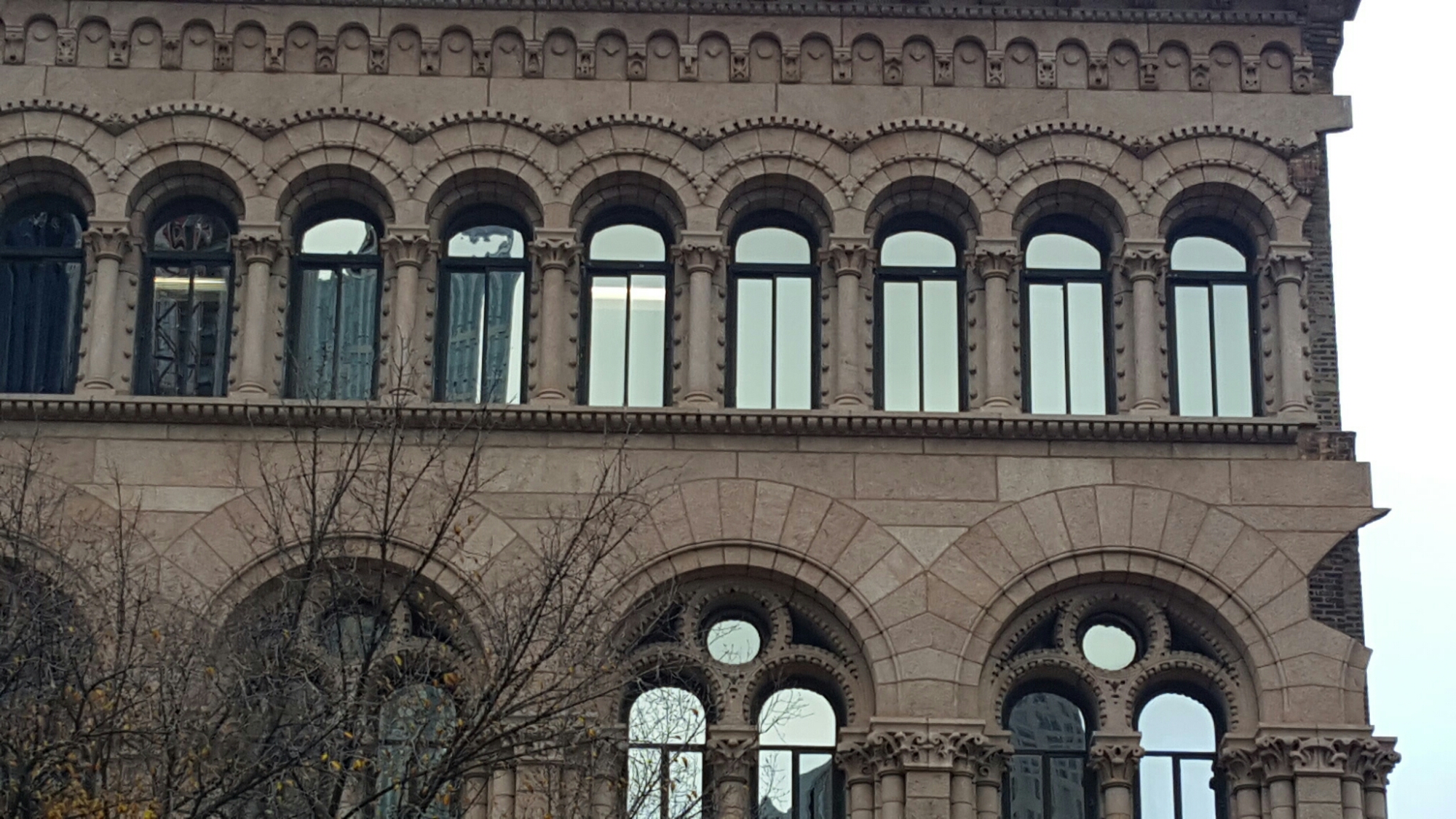
The Newberry Library by Henry Ives Cobb, which is only half as large as it was intended to be, so is truncated at the back:-

Continue reading

Standard

Ornament in Architecture (2)

After the discussion about the role of ornament in architecture, I was pleased to discover that the Art Institute of Chicago displays fragments of historic ornament on the walls of its entrance staircase, including a capital from H.H. Richardson’s Marshall Field Wholesale Store (1885-6):-

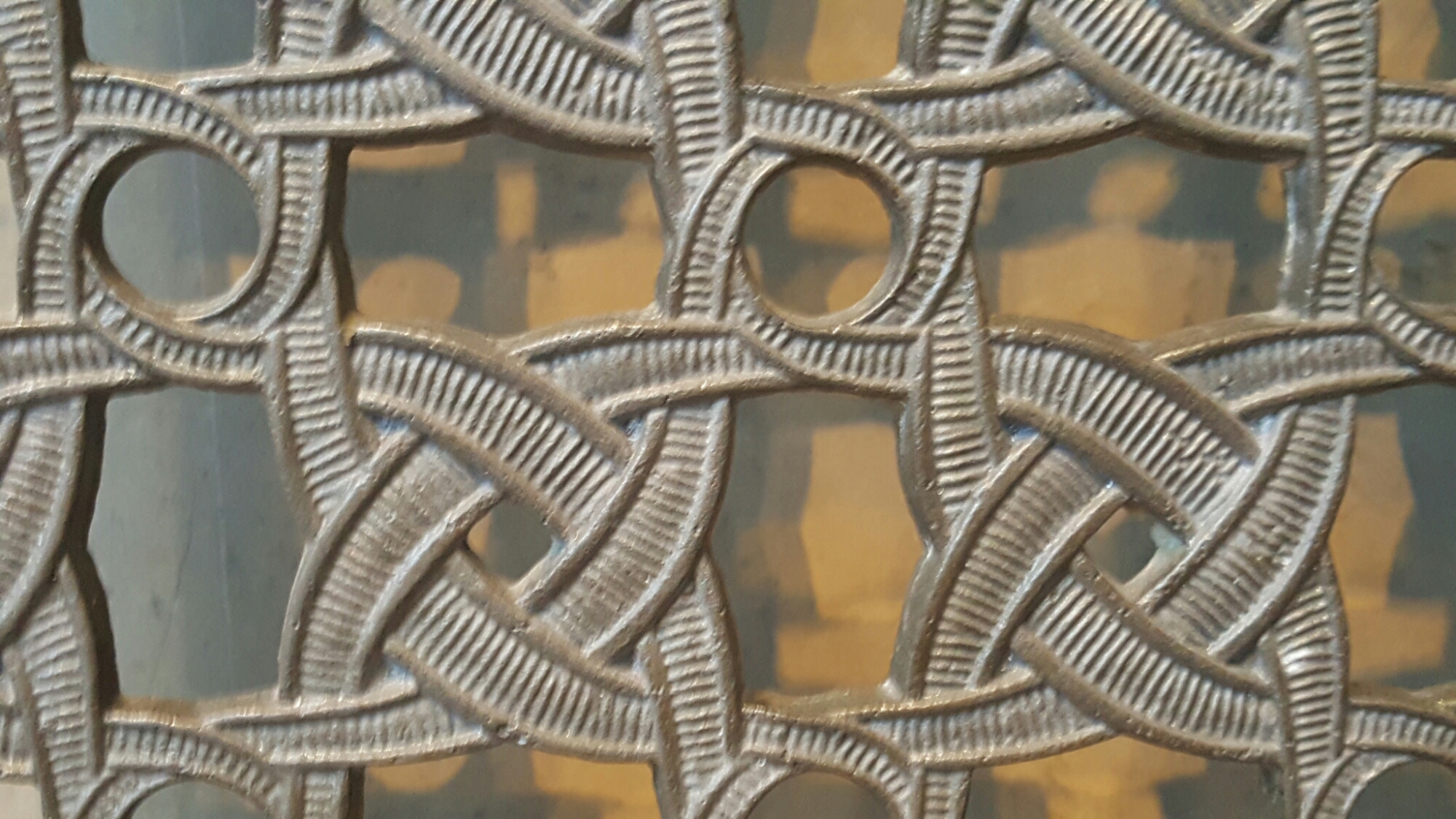
A grille from the interior of Burnham and Root’s Rookery:-

Continue reading

Standard

Frederick C. Robie House

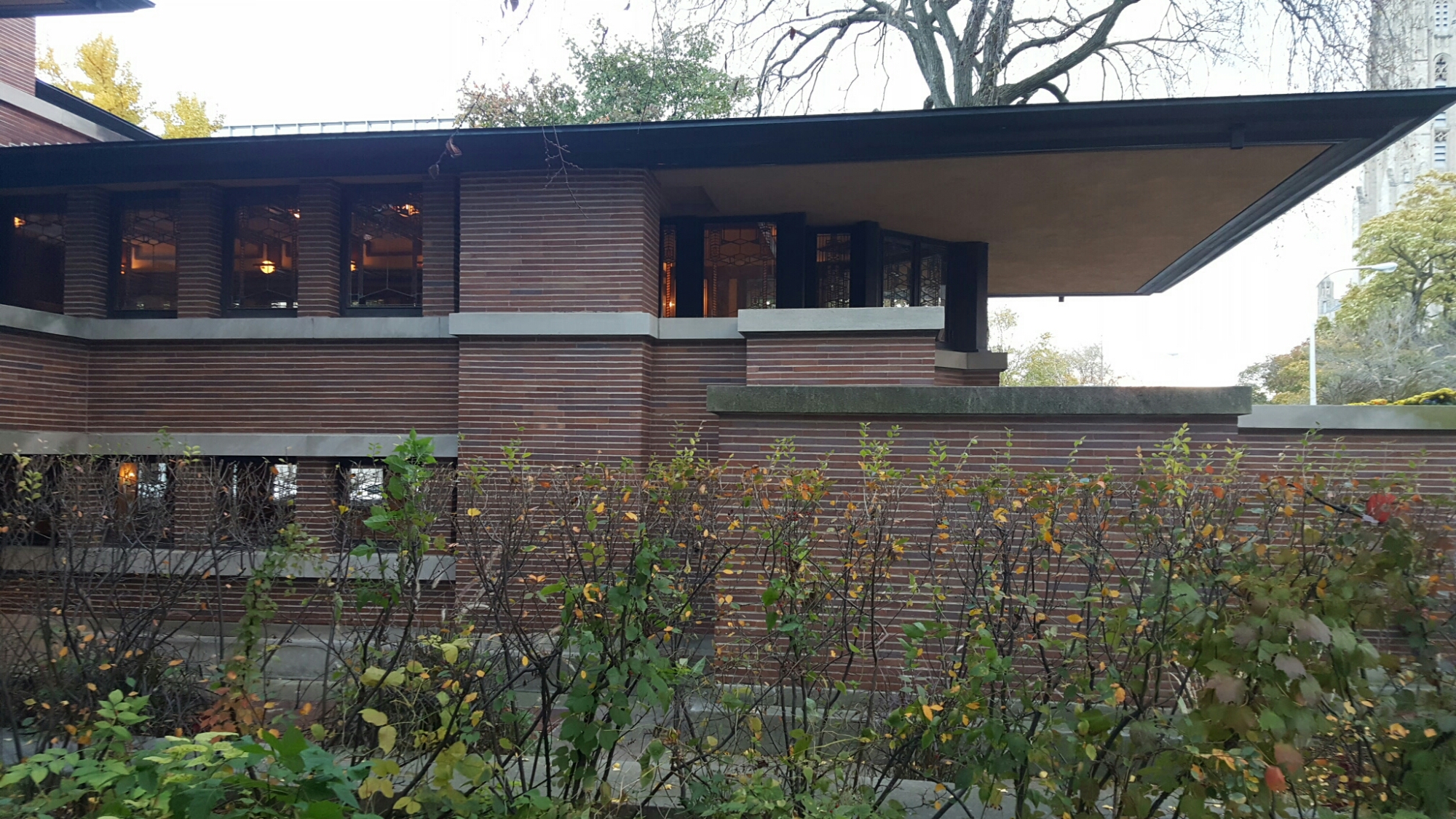
Last stop was the Robie House, built by Frank Lloyd Wright for Frederick C. Robie, the assistant manager of the Excelsior Supply Company, and his wife, Lora Hieronymus Robie, and stuffed full of new technology, including multiple bathrooms, an automatic vacuum system and a three-car garage.   It seemed a curious mixture of functional efficiency and ornate, highly decorated opulence, with dividing walls removed and unexpectedly low ceilings to maintain the vigorous horizontality of the overall, low-slung, Prairie School design, Frank Lloyd Wright’s last work in Chicago, immortalised in his Wasmuth Portfolio:-

Continue reading

Standard

University of Chicago

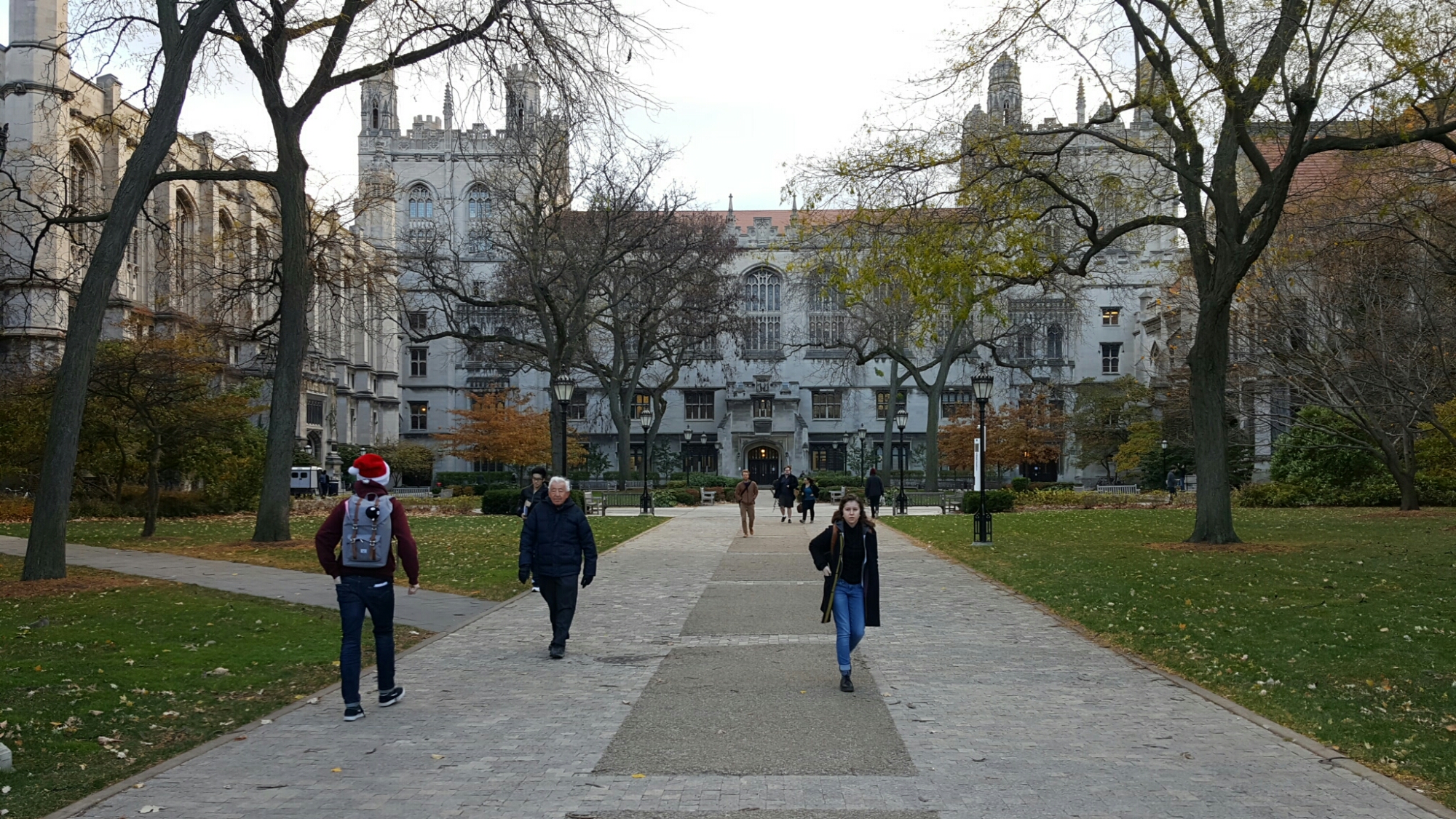
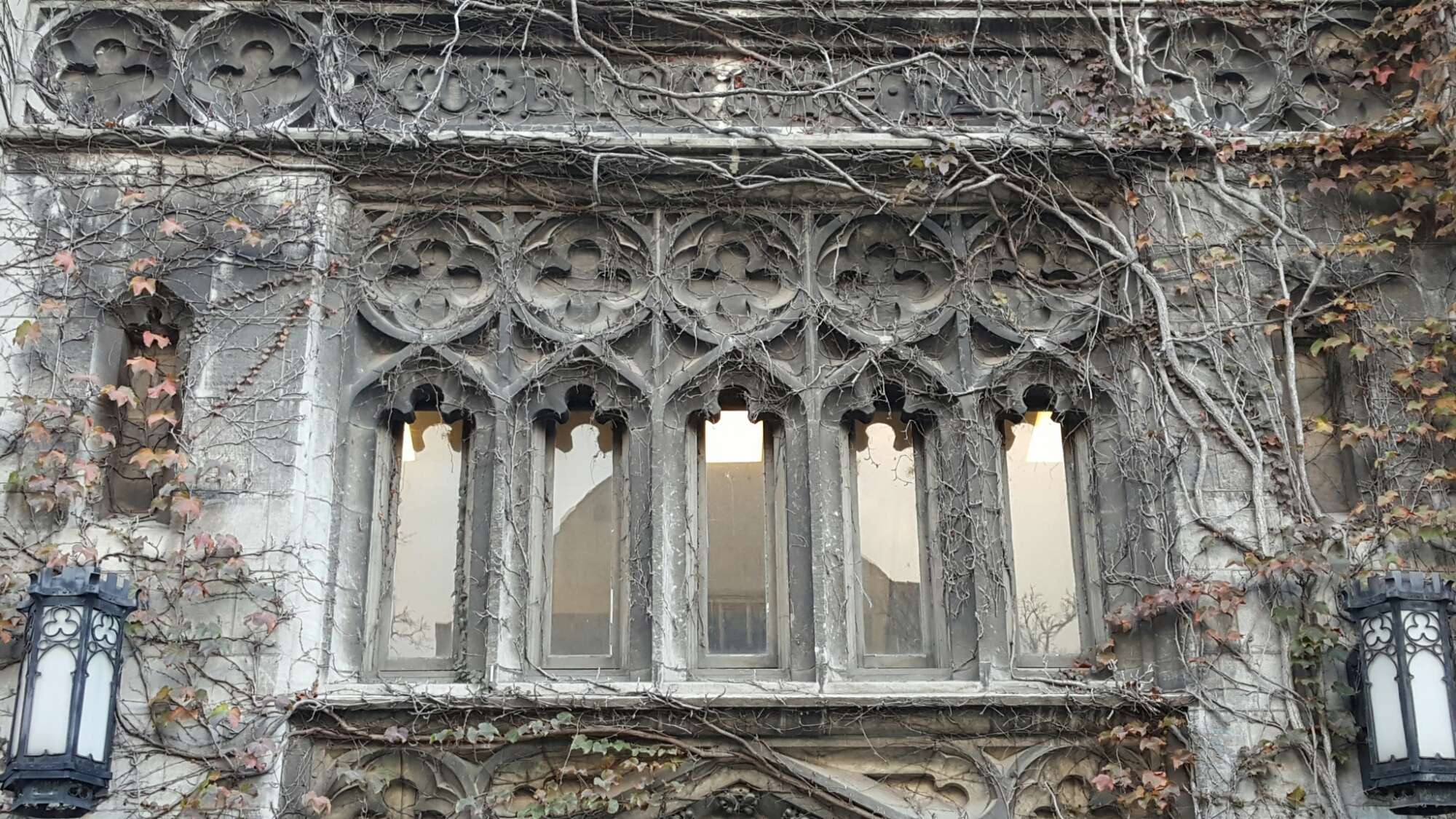
We spent the afternoon wandering round the campus of the University of Chicago campus – an unexpected experience of ivy-clad Gothic given that it is known for its right-wing economics and pioneering social science research:-

Continue reading

Standard

Theaster Gates

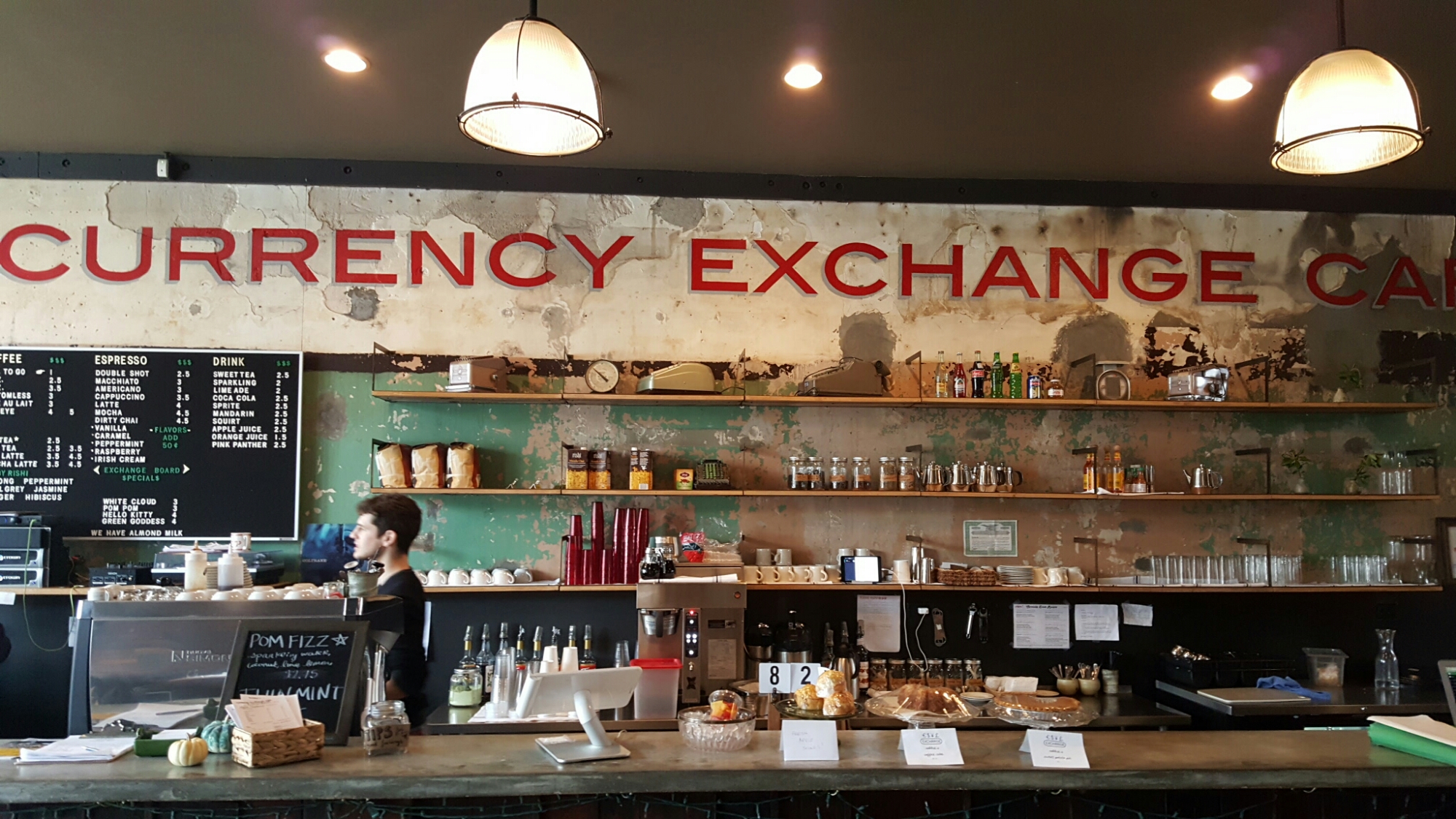
We had lunch next door to the Currency Exchange Café, one of Theaster Gates’s projects in Washington Park, in what had been a secondhand bookshop.   He spoke over jambalaya of his extraordinary work of art, social activism and urban regeneration, pouring the money he makes from his art back into local projects in Dorchester:-

Continue reading

Standard

Chicago

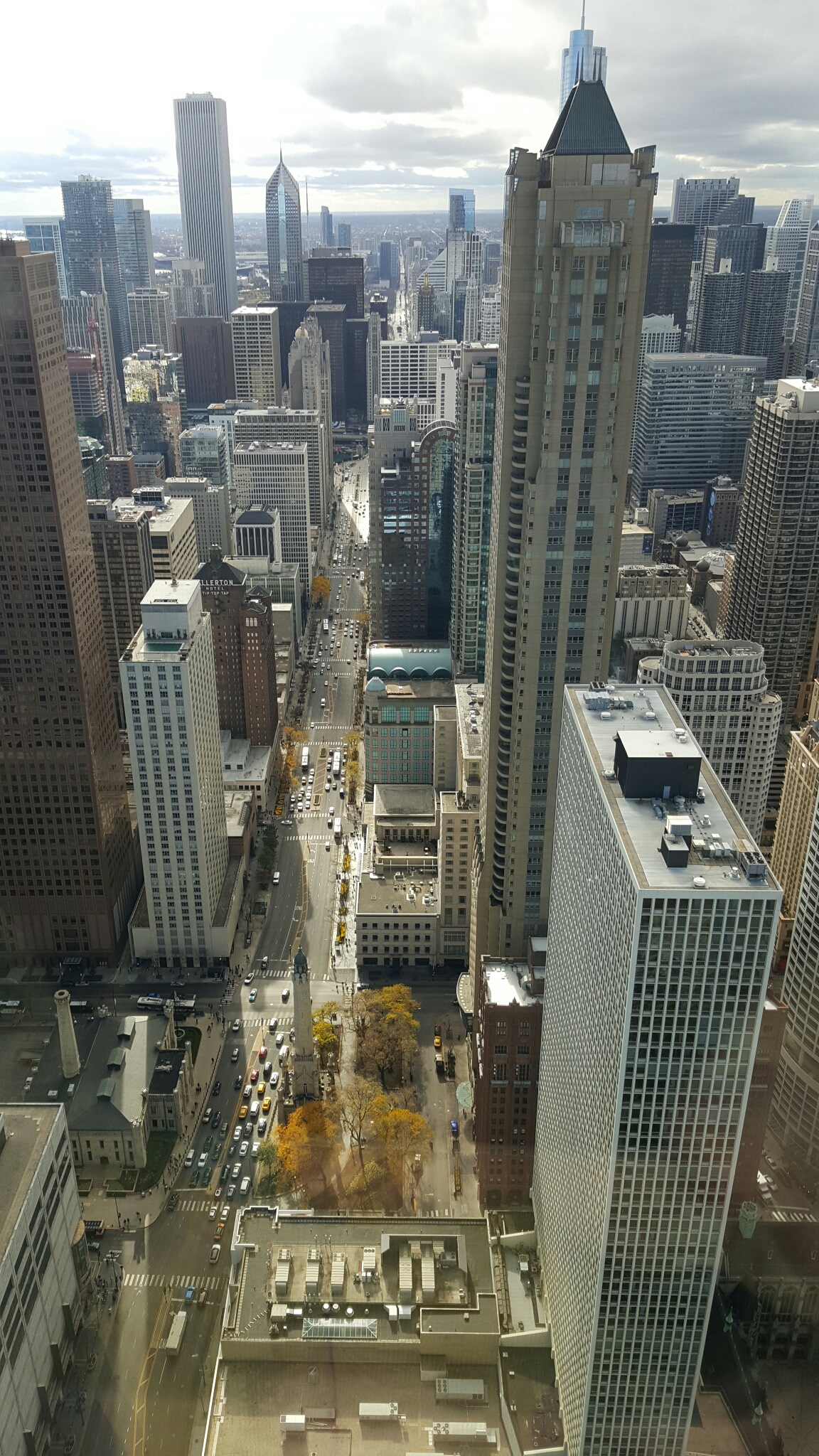
Chicago is not an easy place to see and appreciate out of the windows of a tour bus or wandering early in the morning round its streets, looking up at the skyscrapers.   So, it was a pleasure to visit an apartment in the Four Seasons building which gave us an apocalyptic view straight down Michigan Avenue:-

Standard

Ornament in Architecture

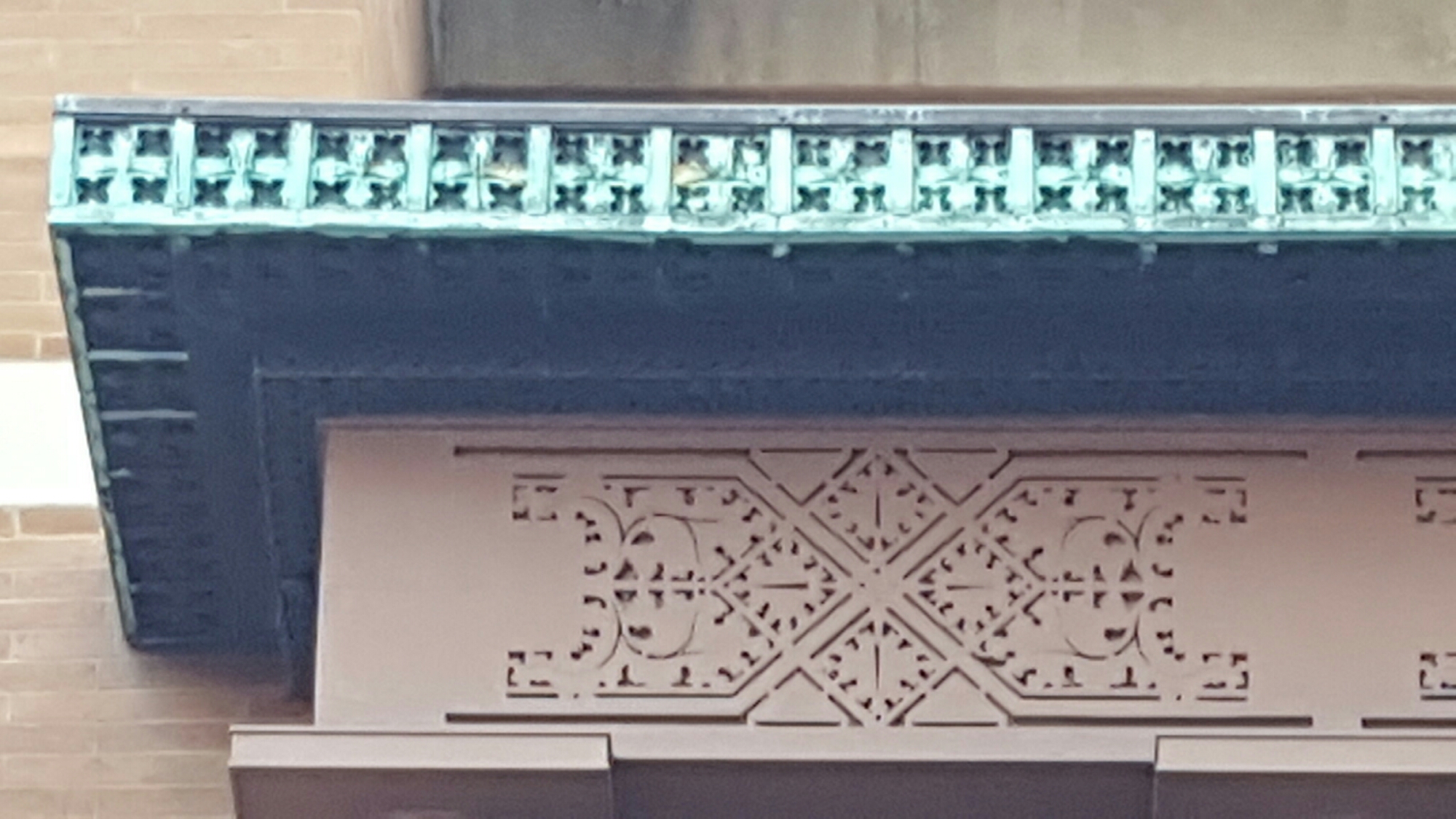
The comment by Oliver Domeisen on my blog about the Charnley House has made me realise the extent to which the role and function of ornament is a live topic in Schools of Architecture.   Domeisen himself has taught the history of ornament at the AA and now at the Bartlett, based on Owen Jones’s The Grammar of Ornament (1856) and Louis Sullivan’s A System of Architectural Ornament (1924), as well as doing an exhibition ‘Re-sampling Ornament’ at the Swiss Architecture Museum in Basel and then at the Arkitekturmuseet in Stockholm.   Of course, I was aware that ornament was creeping back into architecture, as in Caruso St. John’s new façade to the Bethnal Green Museum of Childhood and the façade of their Nottingham Art Gallery and in the work of Farshid Moussavi.   But I wasn’t aware that the debate goes back to whether or not one interprets the Charnley House as an example of Louis Sullivan’s approach to ornament or as a proto-modernist composition.

Standard

James Charnley House

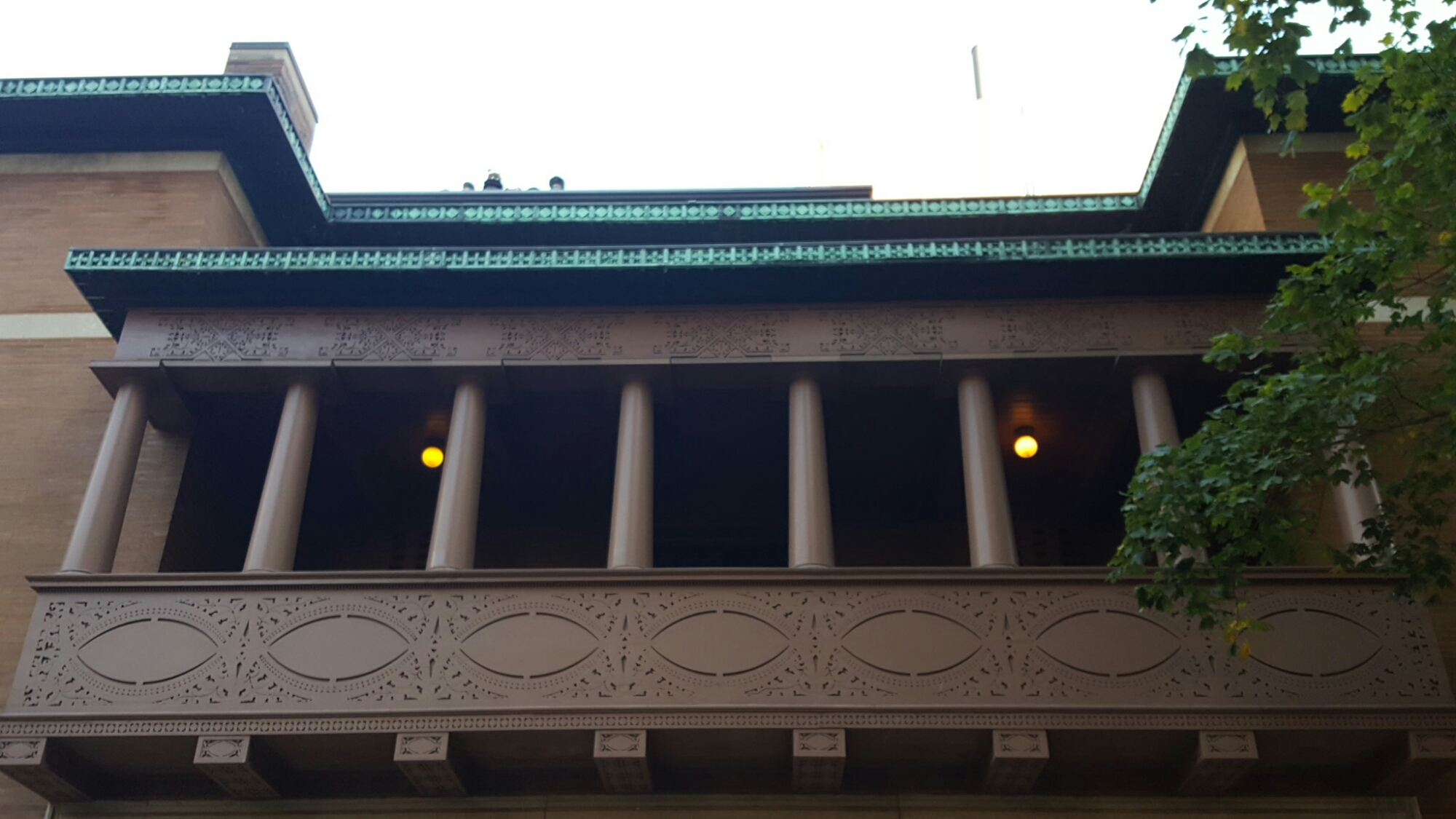
The best 0f the houses on Astor Street is the James Charnley House, designed by a combination of Louis Sullivan (‘form follows function’) and Frank Lloyd Wright, who from 1887 was a draughtsman in the office of Adler and Sullivan, for Charnley, a prosperous lumberman:-

Continue reading

Standard