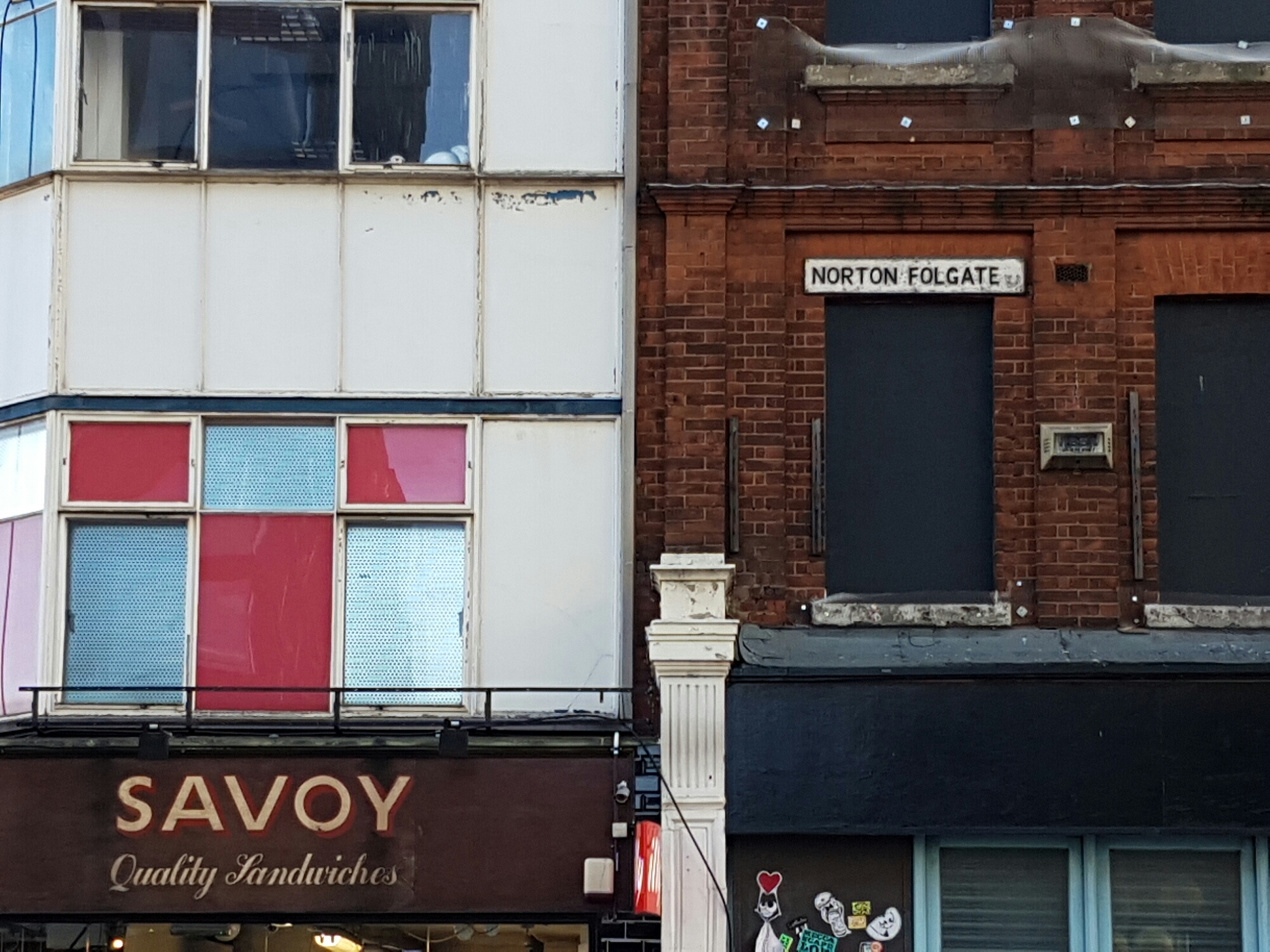
I walked past Norton Folgate today which still stands derelict, awaiting redevelopment after Boris gave the new scheme planning permission as one of his last acts as Mayor. Like the Whitechapel Bell Foundry, it’s a reminder that London’s prosperity was once industrial as well as commercial and is the reason why Dan Cruickshank’s recent book about Spitalfields ends so pessimistically. After forty years of fighting to save the historic character of Spitalfields, he feels the battle is now lost:-
Monthly Archives: January 2017
Spitalfields
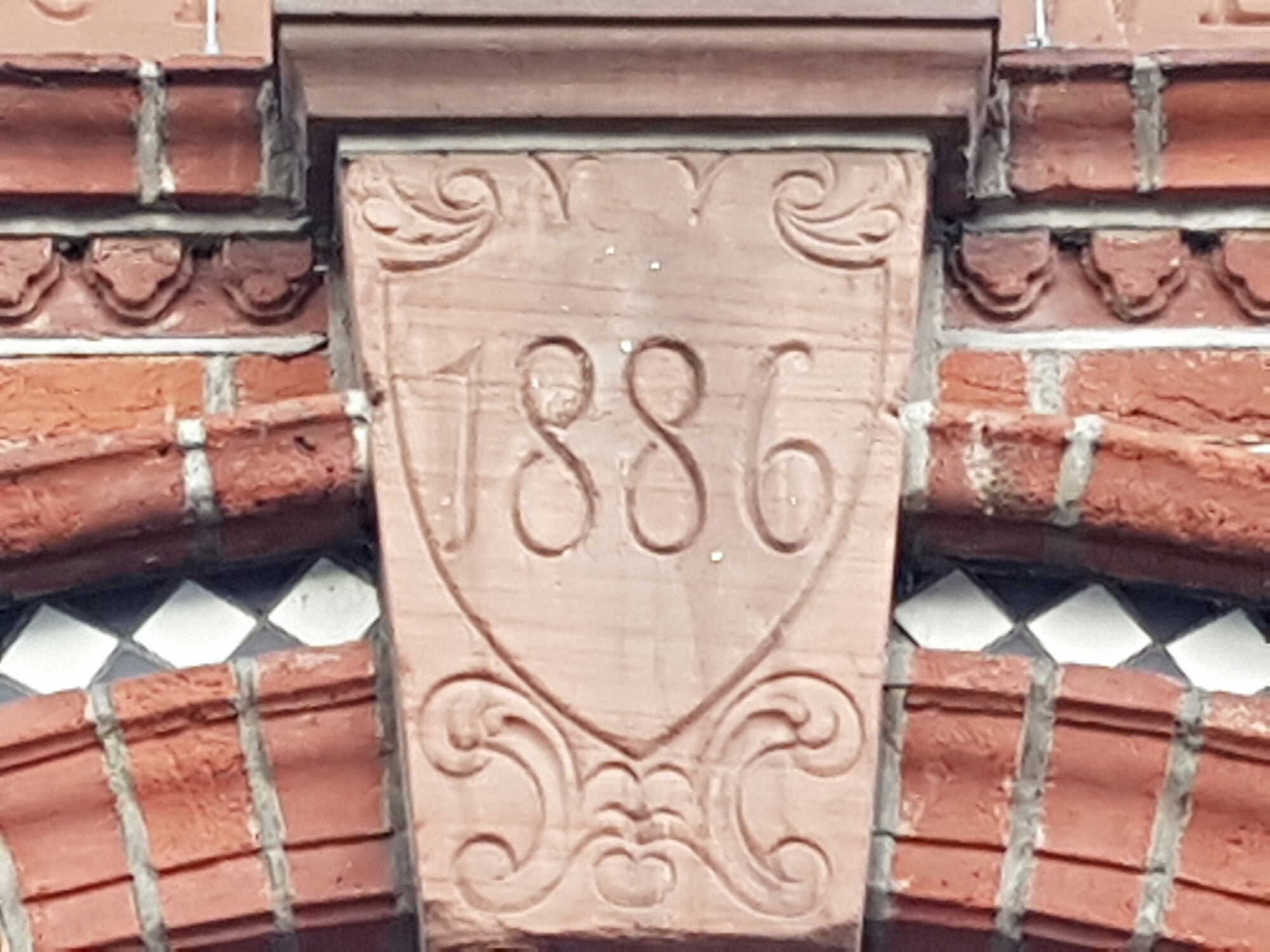
Since the weather was so fine, I walked up from the Whitechapel Bell Foundry into Spitalfields, passing the surviving entry to model dwellings constructed in 1886 by Nathaniel Rothschild’s Four per cent Industrial Dwellings Company:-
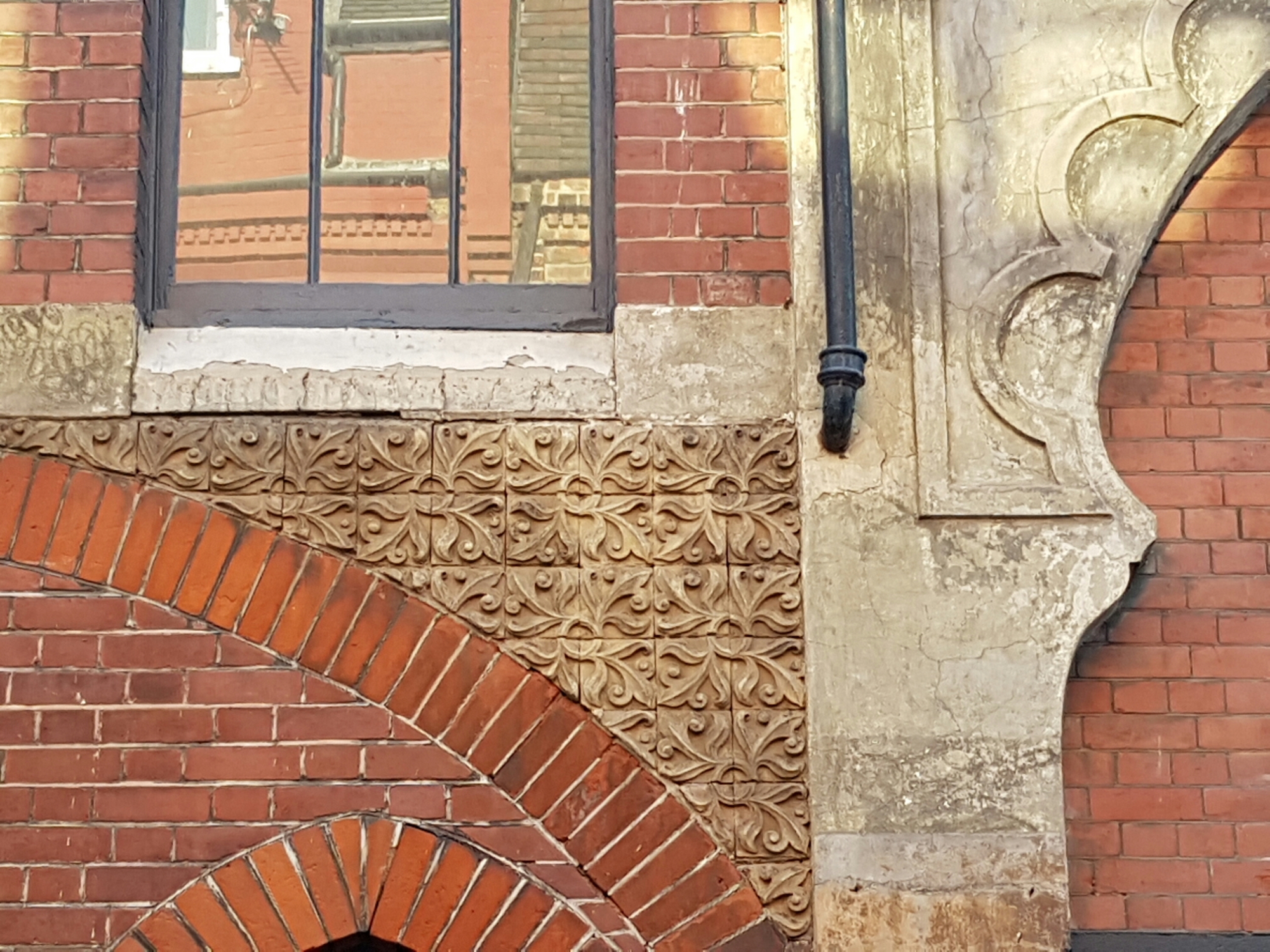
I had never actually walked down Fashion Street before, with its Moorish-style arcade of 1905:-
Whitechapel Bell Foundry (1)
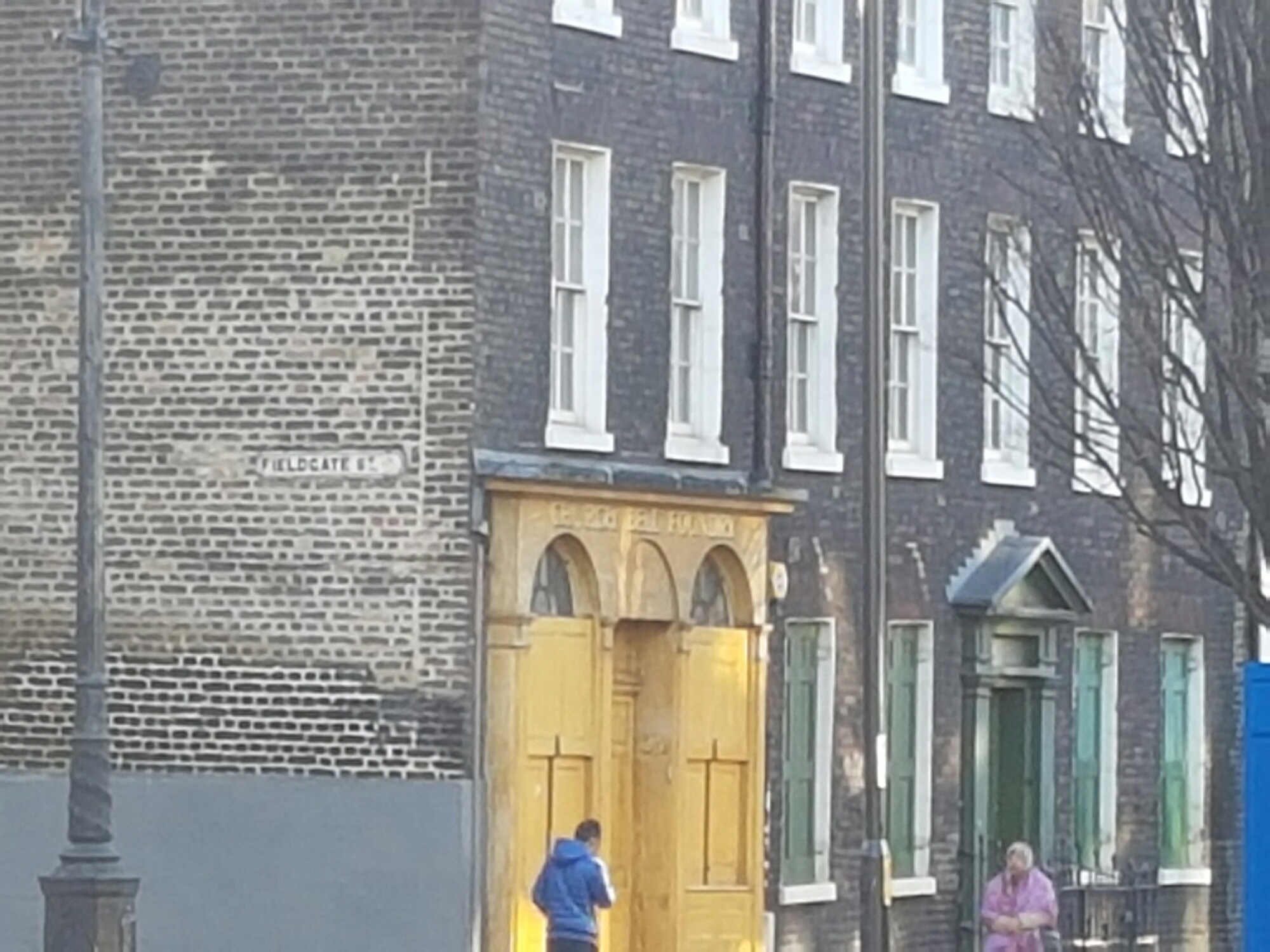
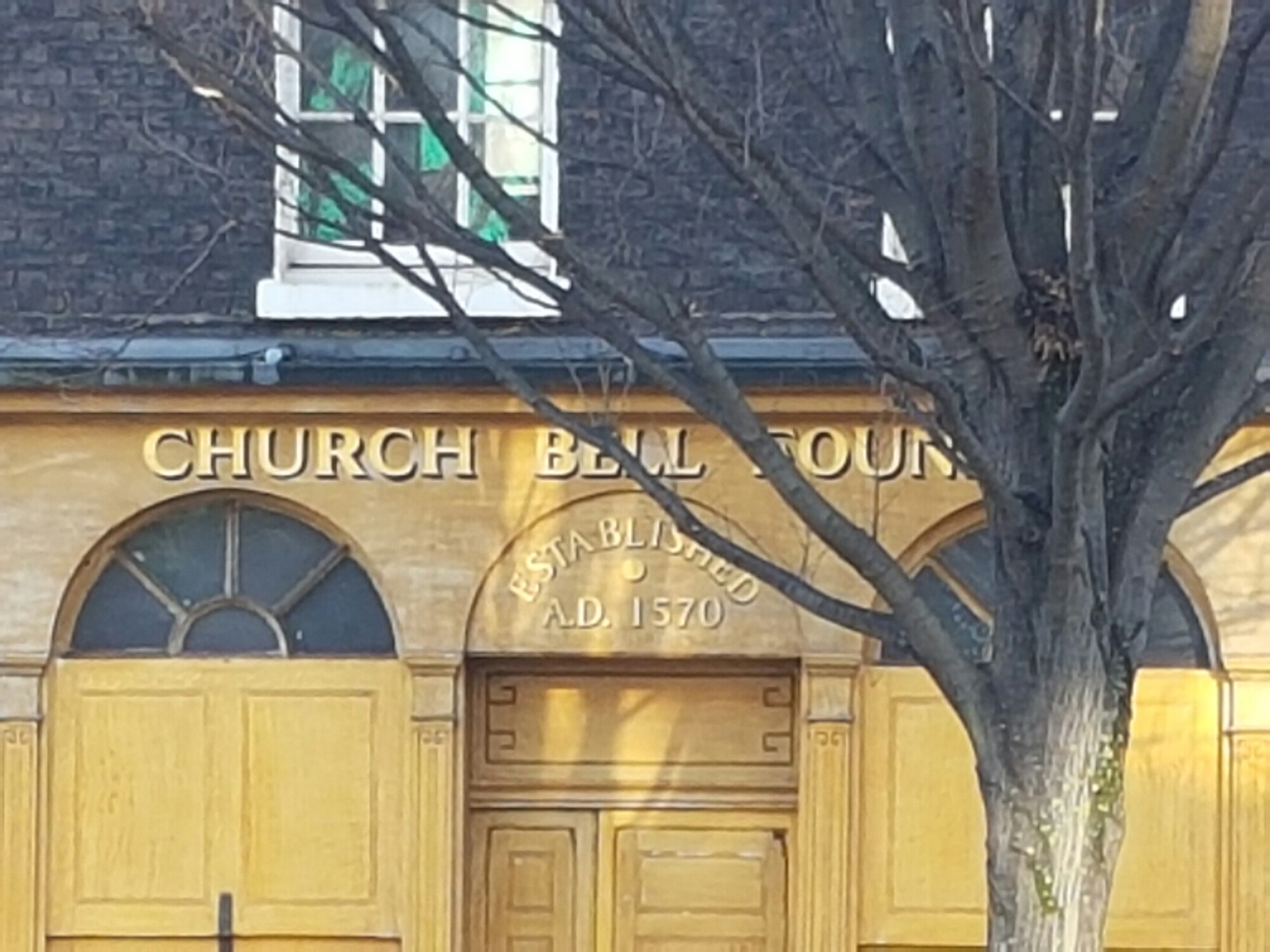
Having spent the morning writing about the fate of the Whitechapel Bell Foundry which is due to be either closed or moved in May this year, I thought I should go and have a look at it, even though I knew it would be closed. It’s always been said to be a building of 1738, owing to an entry in the company history, but recent research by the Survey of London has discovered that the lease on the so-called ‘Old Artichoke Alehouse’ was advertised in the Daily Advertiser on 31 August 1743 and it was only in 1747 that the site was described as ‘a new built messuage’. It’s a remarkably well preserved piece of industrial architecture and good if it can be preserved as a working museum, as the SPAB apparently plan:-
Victoria Park Lido
Stimulated by reading Roger Deakin’s Waterlogged, I remembered that I had friends who used to go swimming every morning in Victoria Park. But where ? The answer must have been in the Lido, designed in 1934 by H.A. Rowbotham and T.L. Smithson with a shingle beach and diving boards and opened in May 1936 by Herbert Morrison as part of a three-year ‘Labour Plan for Health for London’. Re-opened after war damage in May 1952, with accommodation for a thousand swimmers, it was closed (dates vary) in 1989, demolished in 1990 and not re-instated when the Park was recently revived.
John Nash RA
I have been trying to figure out the relationship between Paul Nash and John Nash, apart from the fact that they were brothers and exhibited together at the Dorien Leigh Gallery in Pelham Street in November 1913. It is Paul who gets the retrospective at the Tate and John who, so far as I could see, goes unmentioned. But it was John who lived longer, till 1977, became an RA, and had what is described as the first retrospective by a living RA in 1967. I think the answer must lie in a photograph of the two brothers taken in 1937 by Lance Sieveking and now in the NPG, which has a large collection of photographs of John Nash, donated by Ronald Blythe, who now lives in Nash’s house, Bottengoms Farm, in the Stour valley. John is dressed conventionally and looks a bit quizzical. Paul has wide lapels, is wearing a bow tie and lives in Hampstead. The only clue I can find to what they thought of one another is in Ronald Blythe’s obit. of John in which he says that they hated being described, as they were in their first exhibition, as ‘the brothers Nash’.
Happy New Year !


You must be logged in to post a comment.