The statue of Reynolds

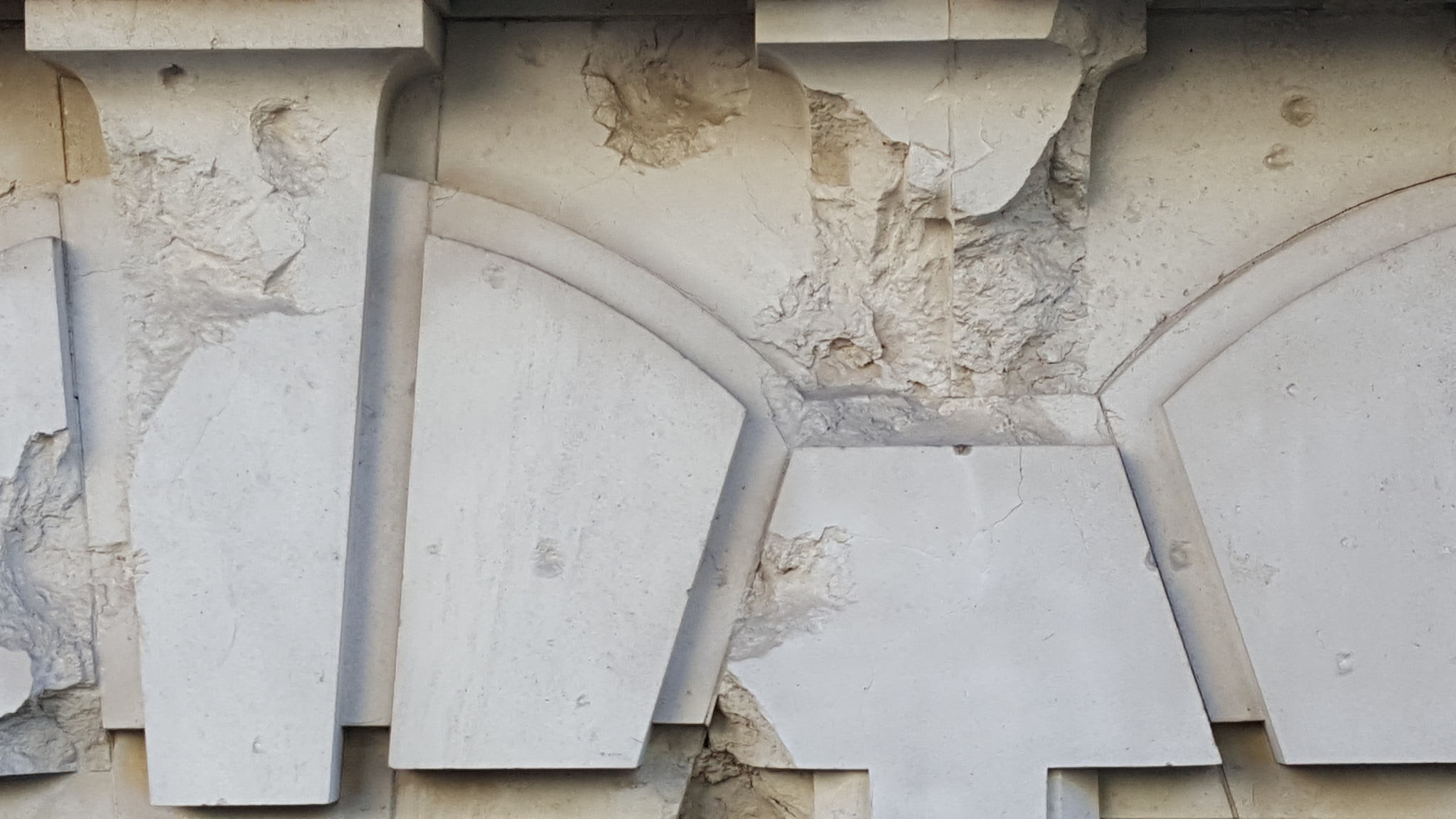
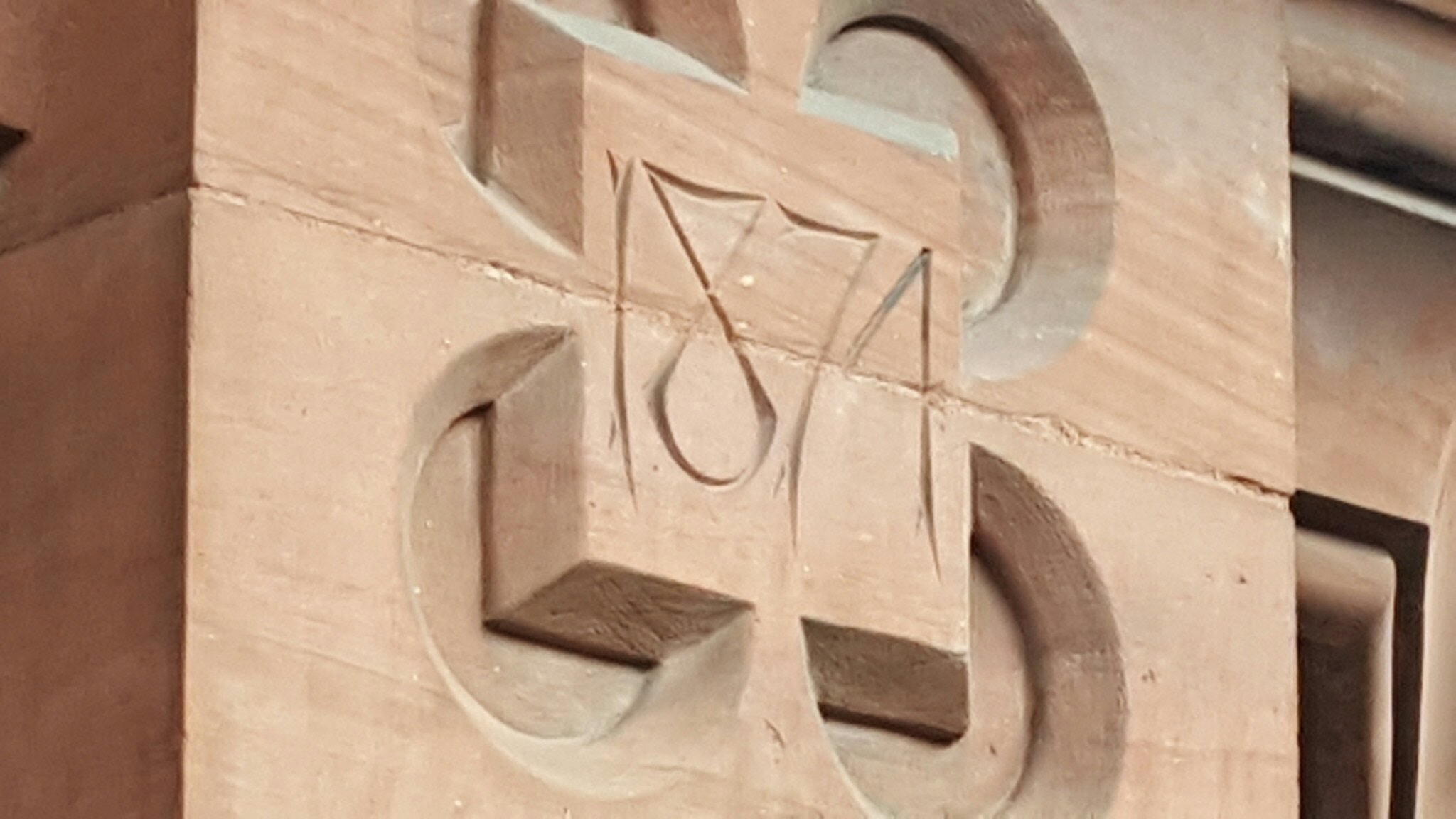
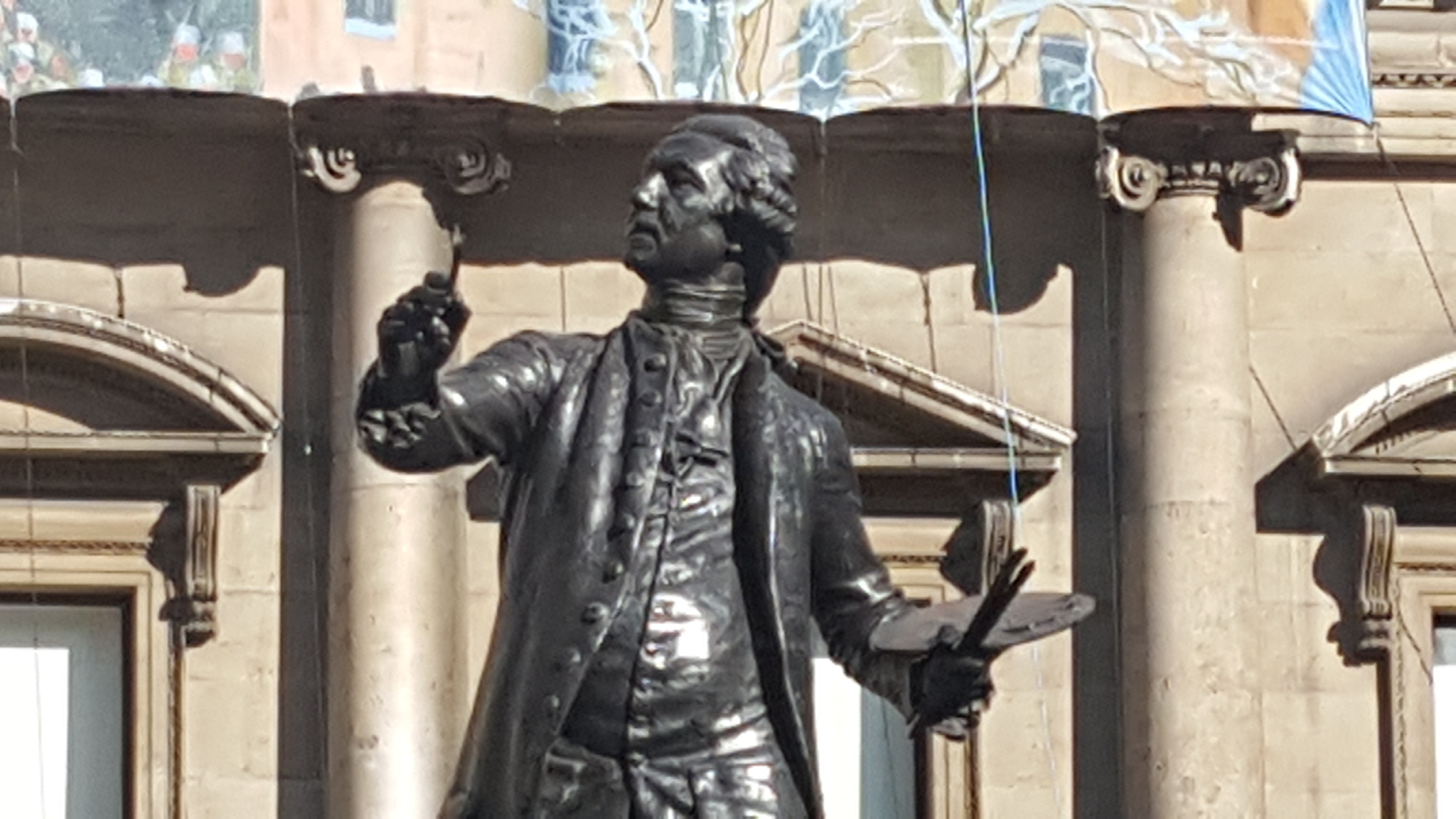
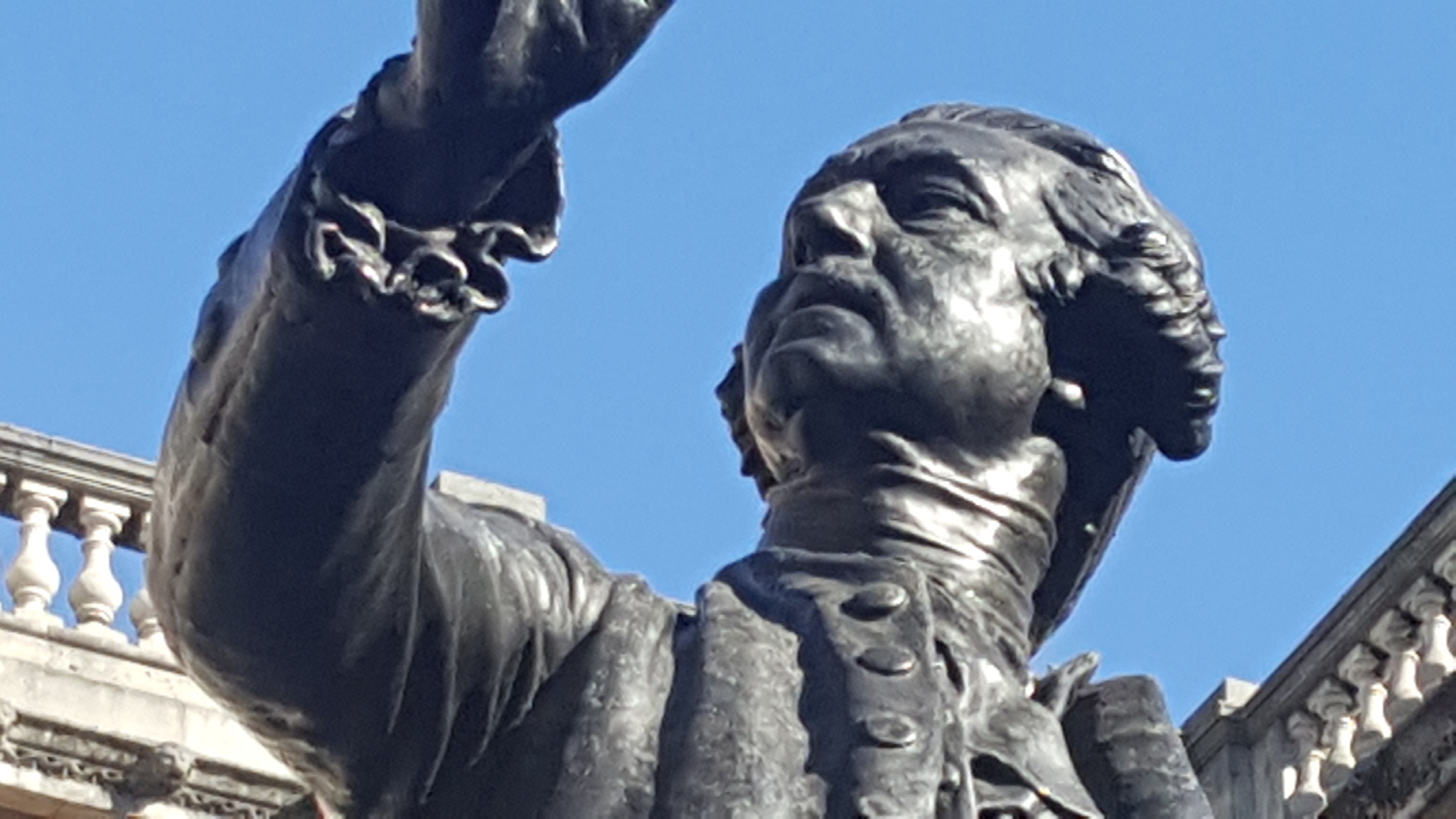
I have been reading the typescript of a book about the collections of the RA which is due to be published this time next year in time for our 250th. anniversary.   It describes in a way that I haven’t read before the attempt to modernise during the 1920s by the recruitment of a younger generation of RAs, including Augustus John, elected an Associate in 1921, and its increasing conservatism during the 1930s.   The erection of the statue of Joshua Reynolds in 1931 is suggested as a statement of tradition in the face of the tide of modernism.   But Alfred Drury, who was responsible for the statue, won a competition to design it in 1917, so if it is a statement of tradition, then its milieu was the closing years of the first world war:-
Standard

London Craft Week

I have been going through the programme for London Craft Week a) because I think it is a very good initiative which focusses on the astonishing wealth of small-scale specialist workshops and producers in London, many of them supporting the luxury goods trades and b) because it’s possible to book to see Us at Work, four London jewellers who work at our house (p.59).   The only problem is that I can’t work out how you book.

PS The answer is in the Comments section.

Standard

The Alpujarra

I have been reading Gerald Brenan’s hilarious and half sarcastic recollection of Lytton Strachey’s visit to the village of Yegen in the Alpujarra which, in a brief compass, gives a much better sense of his over-refined and etiolated character than anything else I have ever read.   Brenan manages to convey the fantastic incongruity of Strachey sitting on a mule and bumping uphill whilst talking in his oddly high-pitched way.   We’re going to the Alpujarra for Easter so if any readers have recommendations of what to see and where to go, please let me know.

Standard

The Vaults

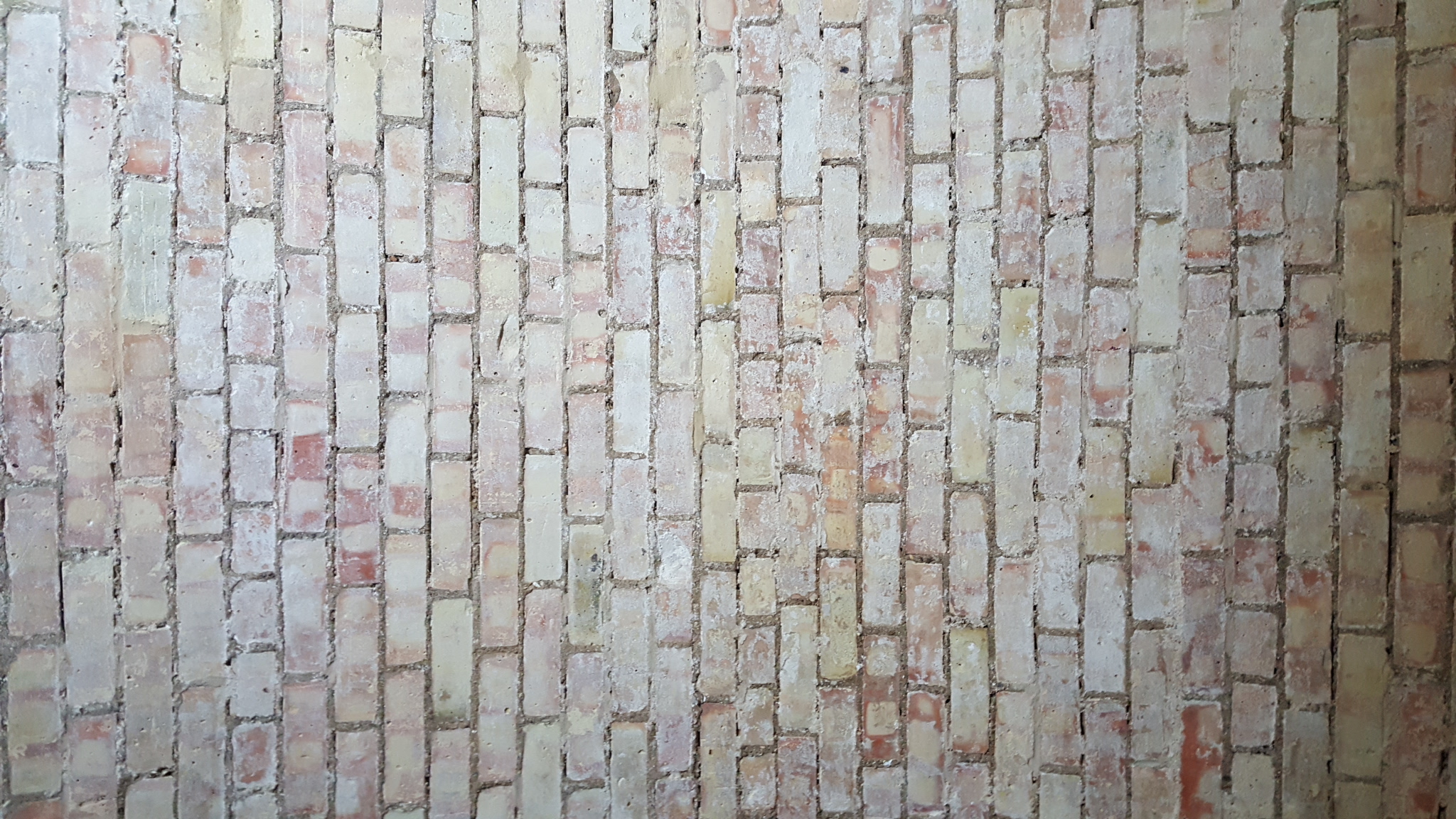
I was asked if I was interested in seeing the space which will be occupied by the RA’s new lavatories – behind, and on a level with, the entrance hall, vacating the existing ones to give more space to the entrance.   I wasn’t particularly interested until I saw it.   I realised that within the different types of brickwork was an archaeology of Burlington House, beginning with seventeenth-century brickwork from when the house was first built by Sir John Denham after the Restoration through to Victorian brickwork put in by Sydney Smirke when the new galleries were built at the back two centuries later, with different styles of brickwork and pointing in between:-

Standard

V&A

I started the day with a quick trip to the V&A to see their new exhibition galleries in which I have, as was pointed out, a nerdish interest.   I am probably not allowed to say anything about them (I certainly wasn’t allowed to take photographs) other than that there is going to be a beautiful courtyard behind the screen on Exhibition Road where the boilers used to be (and before that Henry Cole’s residence), Amanda Levete has solved the problem of disabled access with great elegance (but only one lift) and the staircases are made of the most amazing black polished lacquer:-

Standard

The format of the blog

I may owe some of my readers an apology because, owing to a glitch in the system, my posts, which appear perfectly normal on my replacement telephone, appear with a pale green sludgy background on other people’s machines as if it’s a brochure for cheap holiday cottages.   I will try to rectify it as soon as I can.   I assume it’s Samsung’s revenge.

Standard

The Sunday morning run

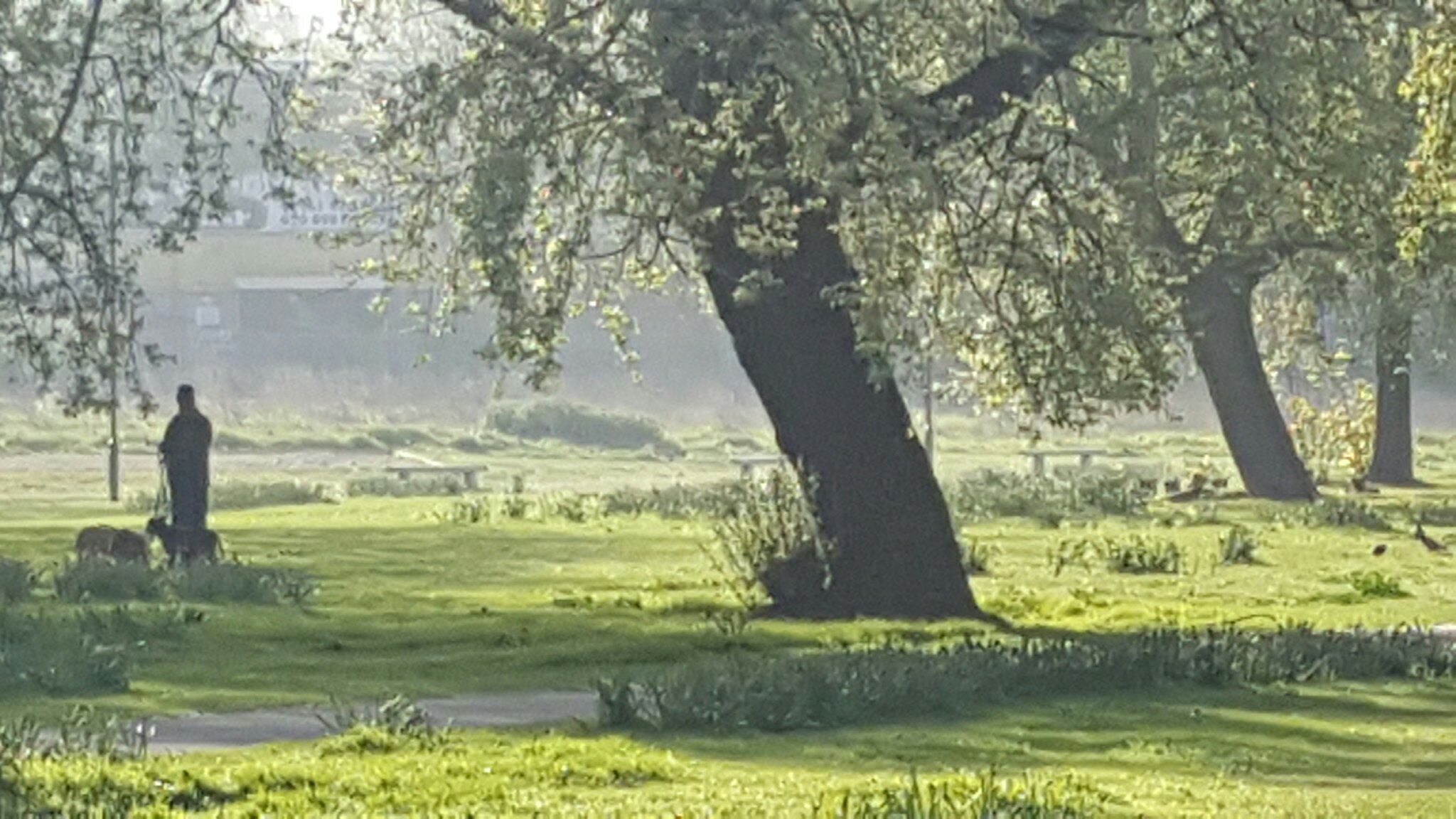
We took a different route this morning in honour of the hot sun.   Down the canal, as usual, where a man was walking his pit bulls:-

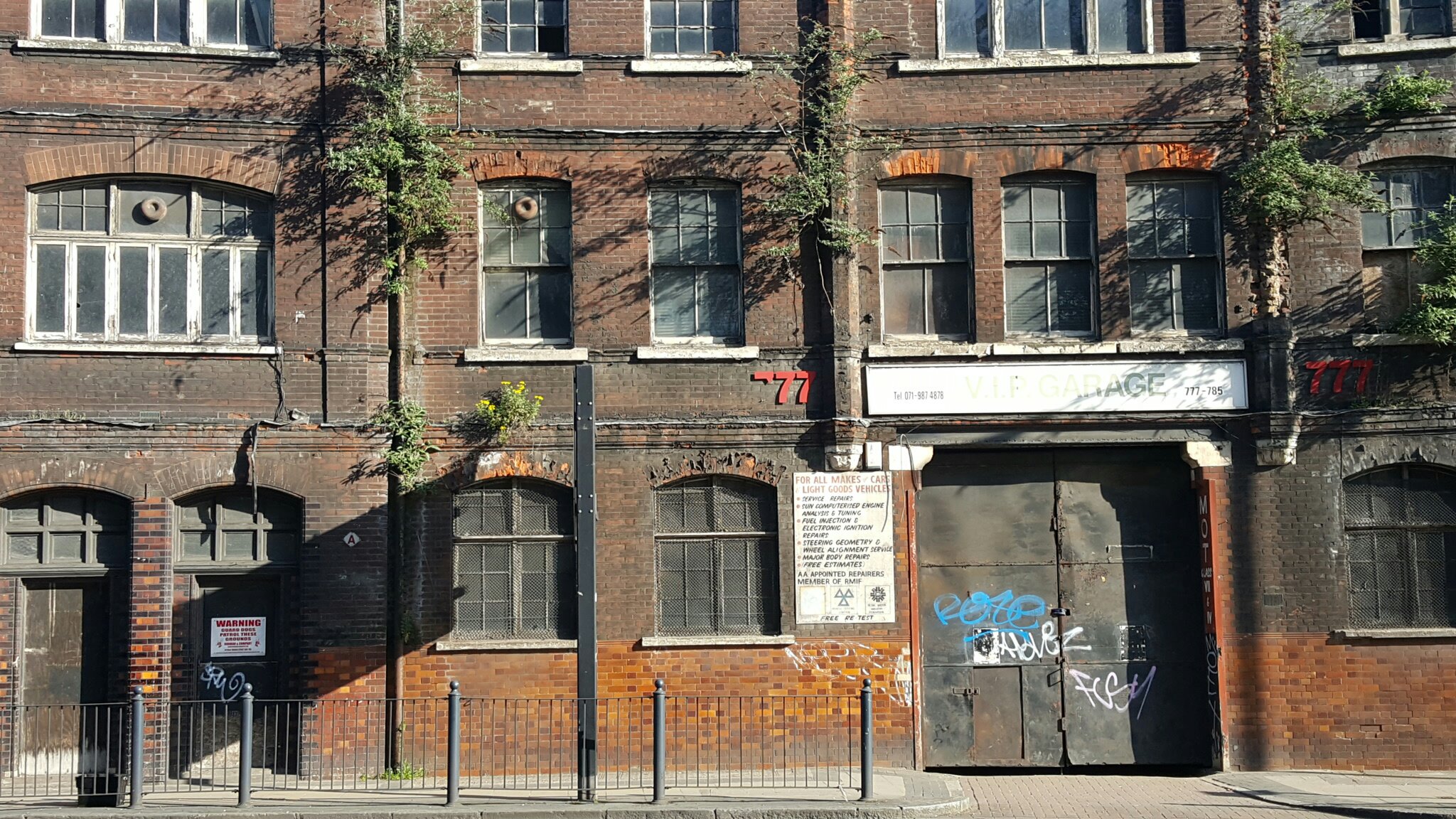
Past the VIP garage, soon to be redeveloped:-

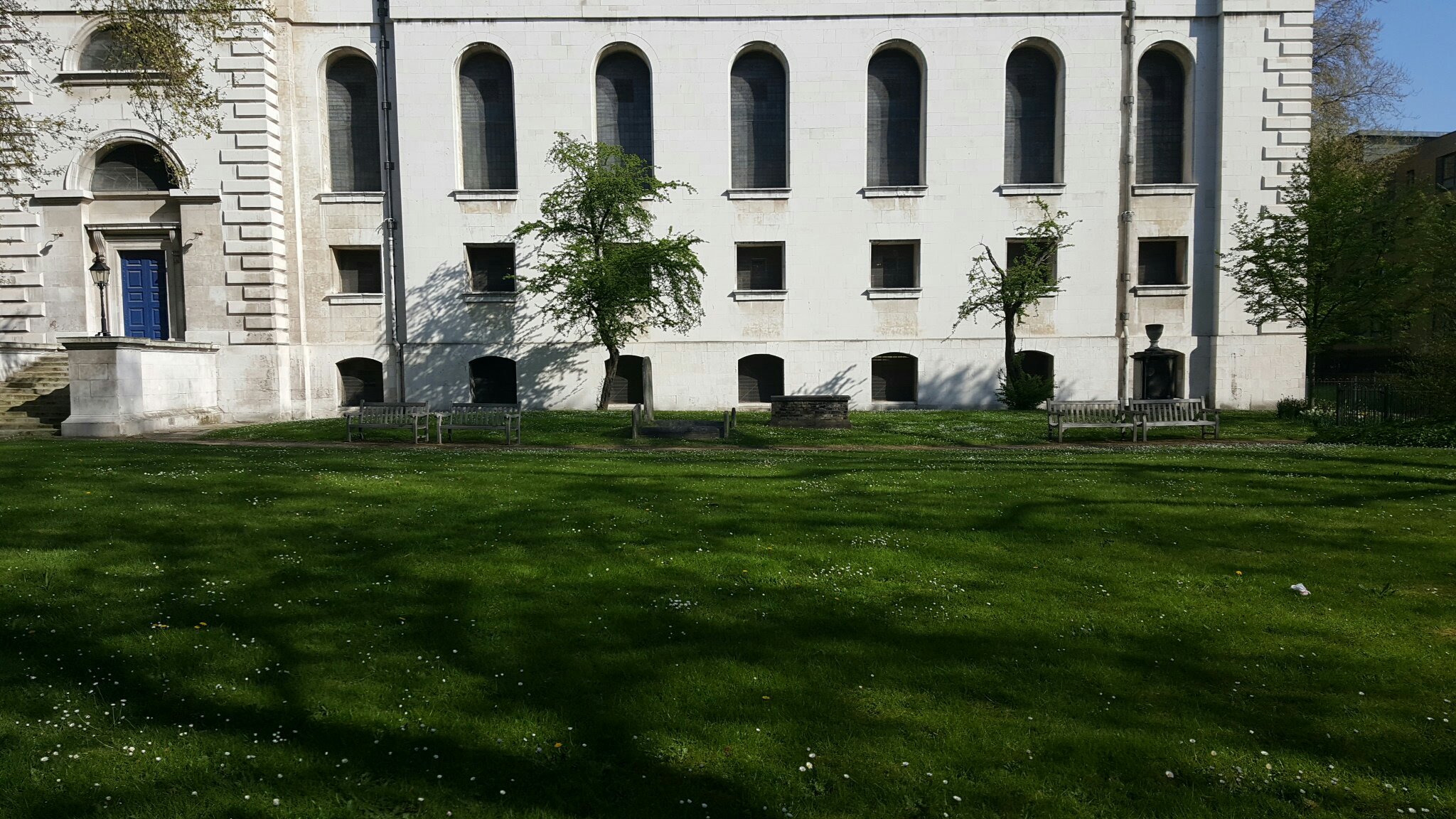
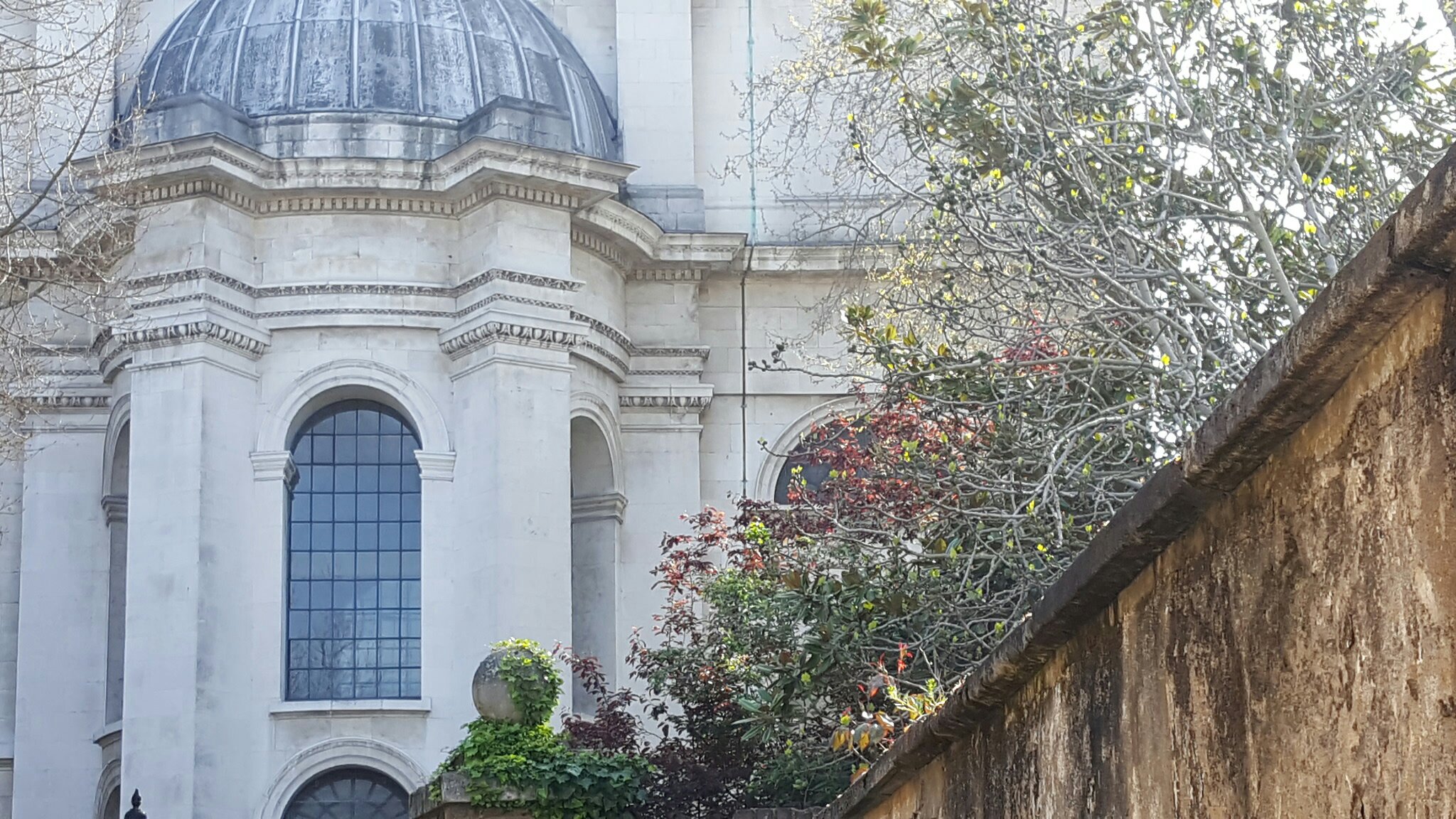
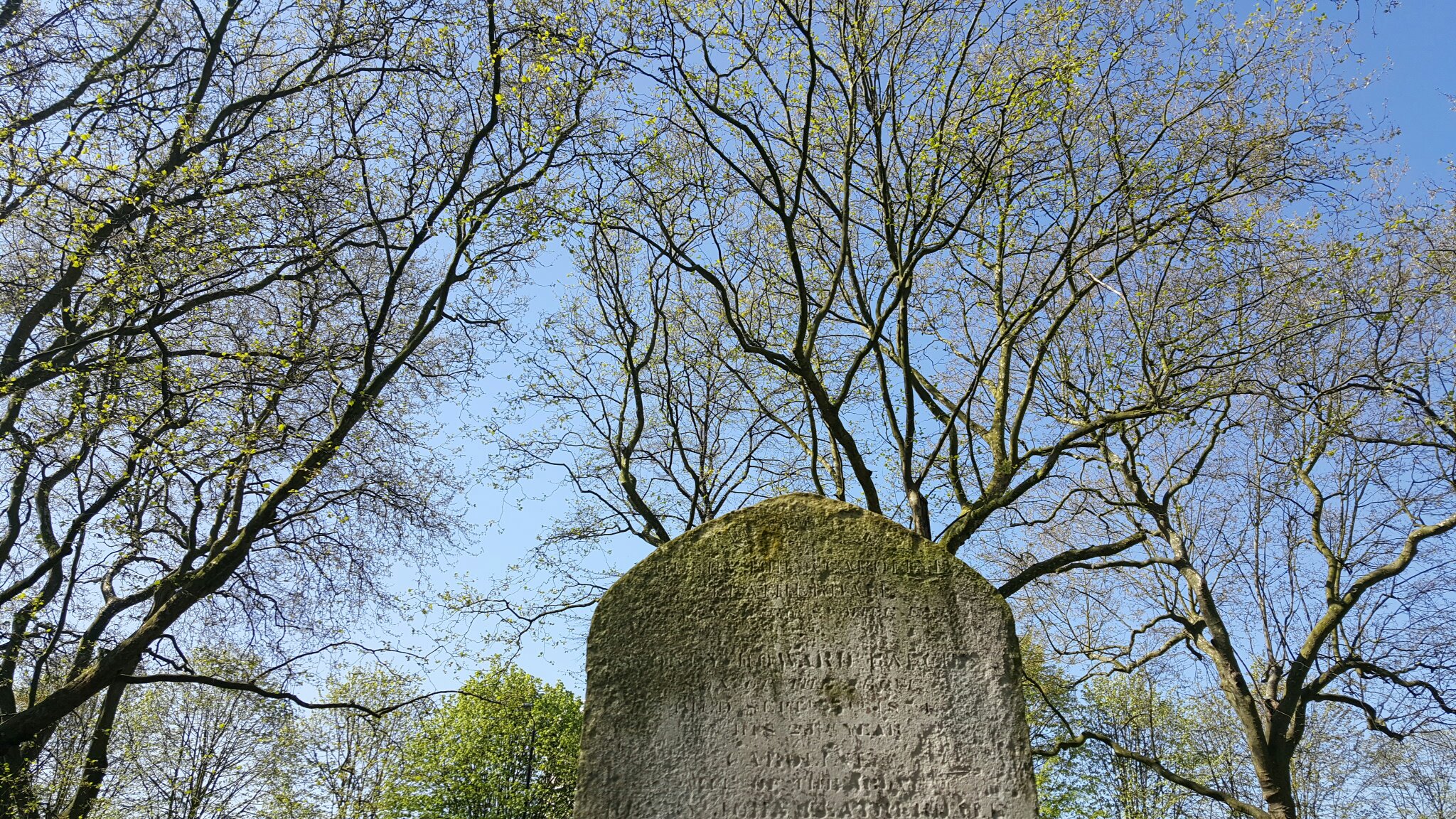
Through the churchyard of St. Anne’s:-

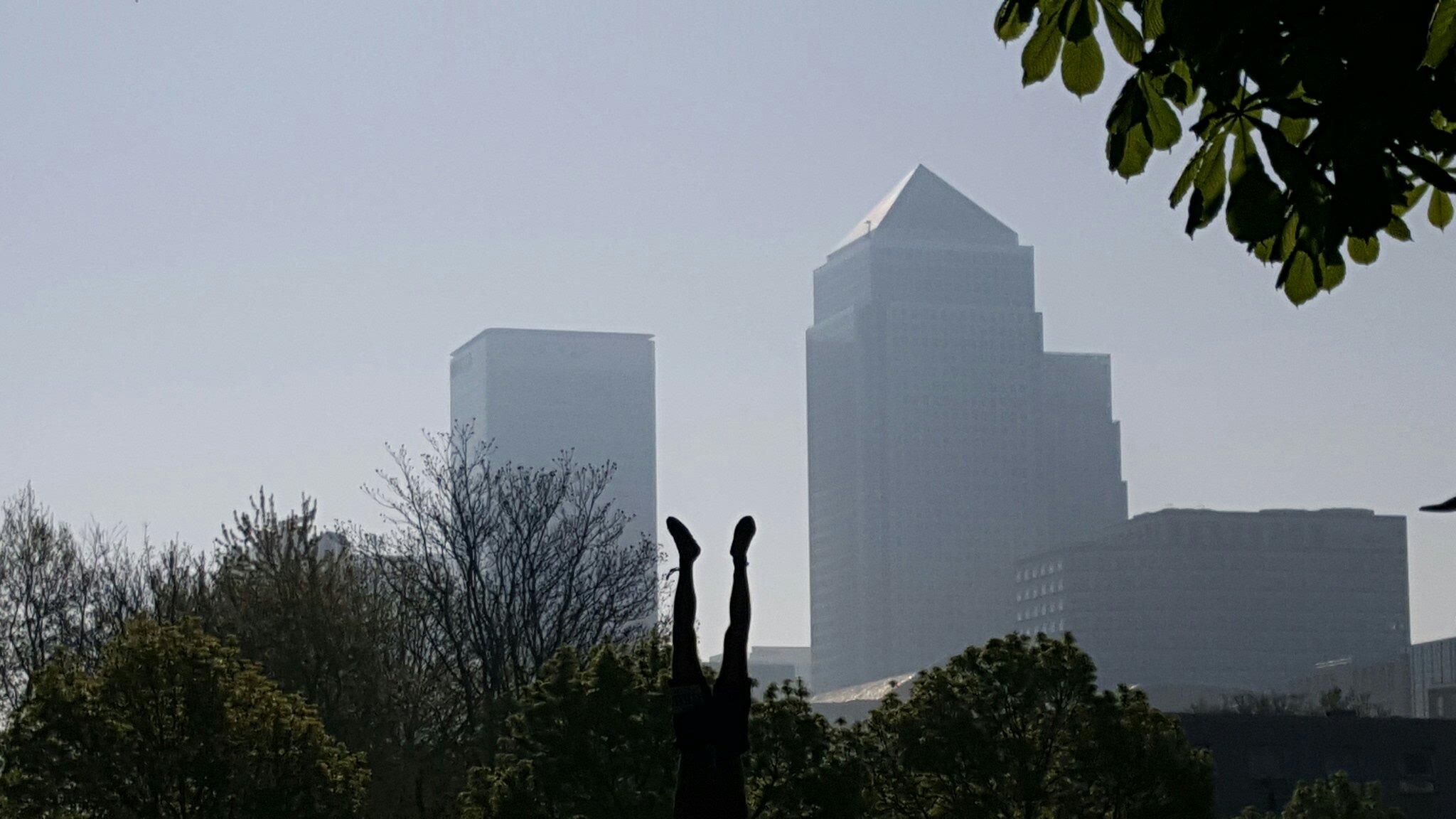
In Ropemaker’s Field, someone was doing a handstand:-

After a long detour downriver, we crossed the Chris Wilkinson’s bridge to Canary Wharf:-

Across the Future Systems bridge to West India Quay:-

Robert Milligan presides, the slaveowner who put together the consortium which was responsible for the construction of West India dock:-

Back to St. Anne’s:-

And home through Stepney churchyard:-

Standard

Bow

I went to buy a loaf of bread on the Roman Road and ended up going on a long walk in the still industrial hinterlands of Bow, past the bus station:-

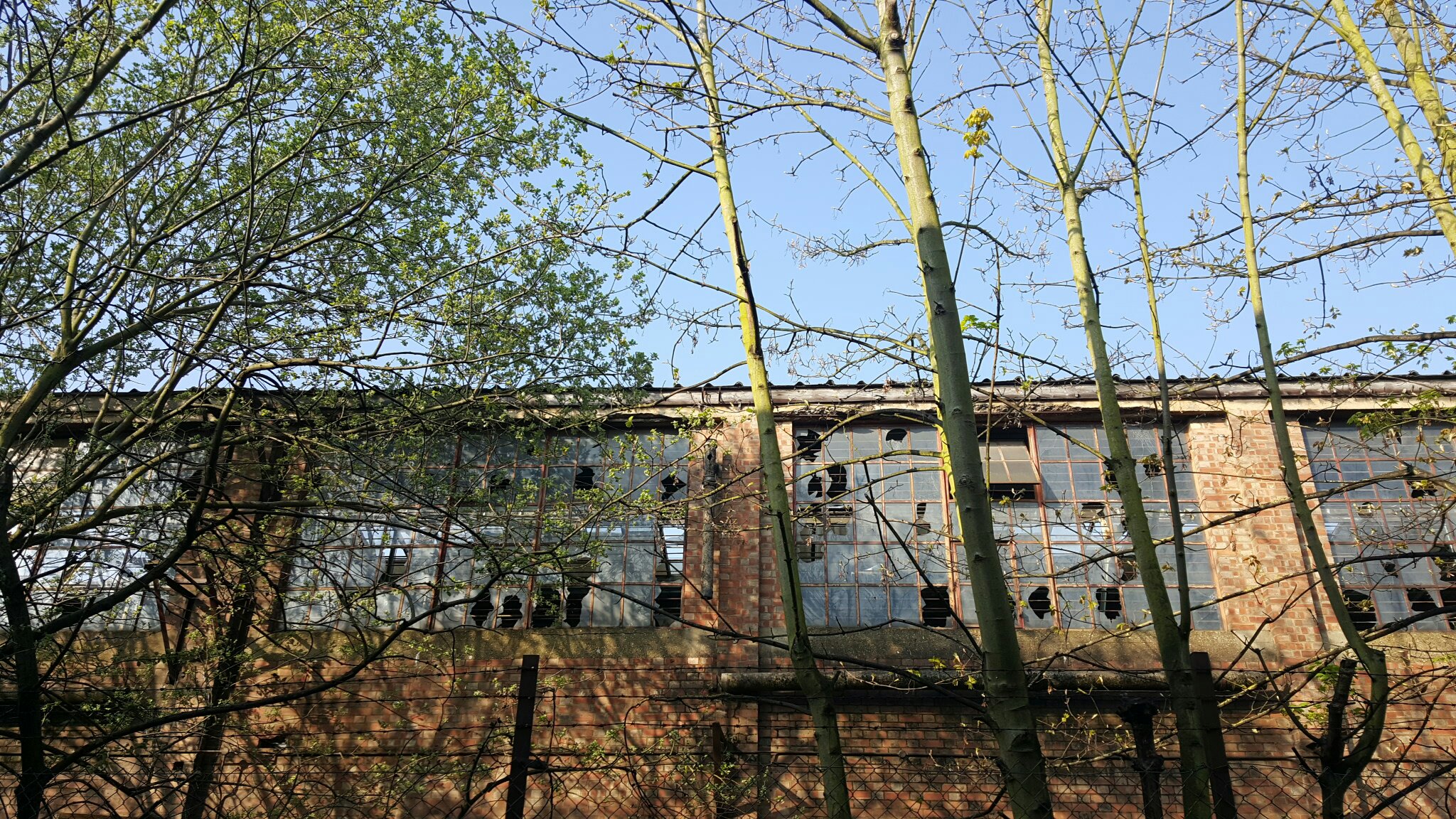
And the Fairfield Works which I could only admire from outside:-

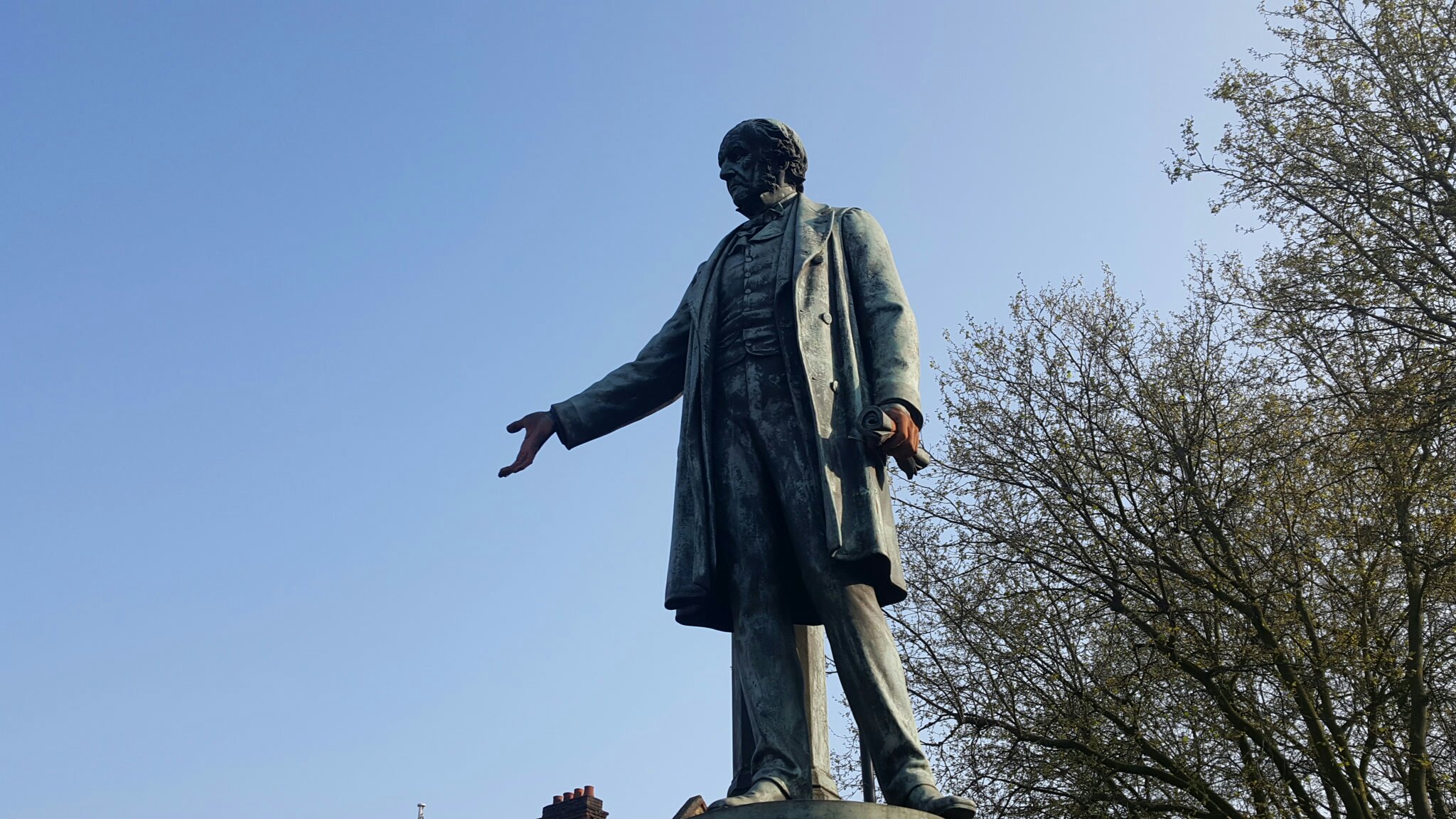
I stopped to admire the statue of Gladstone which was a gift of the City to East London.   The matchgirls thought that a shilling had been deducted from their wages to contribute to its cost:-

His hands have been daubed red in their memory:-

I dropped down southwards through the wastelands to Bromley-by-Bow which I was pleased to discover have not all been tarted up with brand new estates, but still contain some old derelict warehouses:-

I particularly liked the café in the middle of an industrial estate which serves policemen cups of tea for 70p.:-

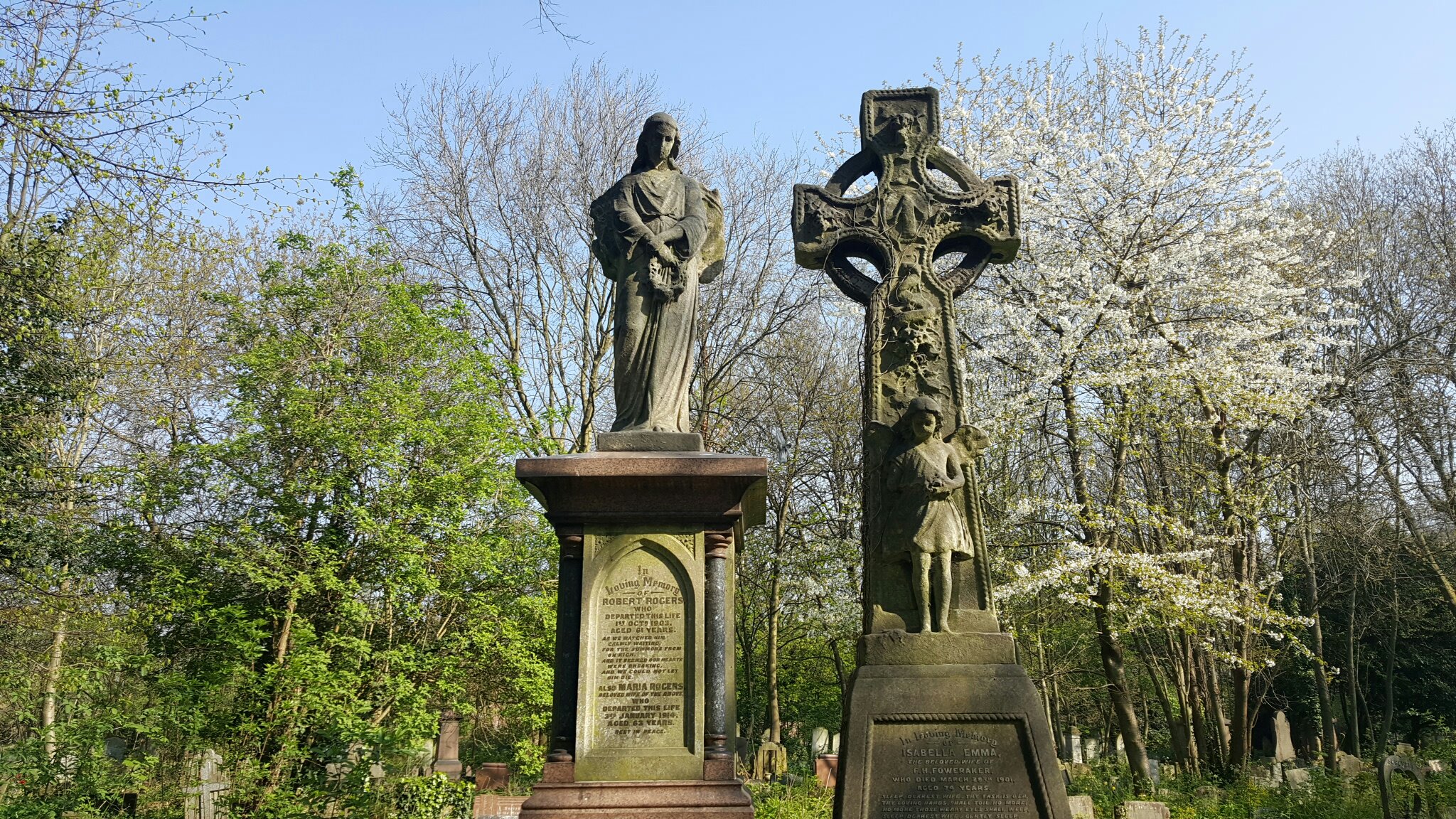
I walked back through the silence of Tower Hamlets Cemetery, undisturbed by anything except a distant aeroplane:-

Standard

Hampstead Village

I found myself walking down Rosslyn Hill at dusk, remembering how wonderful the night air is on Hampstead Hill high above the city.   I thought of George Steevens, the Shakespearean scholar, who was born in Poplar, educated at Eton and King’s College, Cambridge and walked every day from his digs in Hampstead to his lodgings in the Temple.   I passed The Hampstead Butcher and Providore, which had more meat in the shop window than I have seen in a long while:-

There are villas set back from the street on Downshire Hill, originally called Albion Grove:-

And beyond blossom and the proprietary chapel, St. John’s, Downshire Hill:-

Standard

Tony Snowdon (2)

I went to Tony Snowdon’s memorial service in St. Margaret’s, Westminster this morning.   The upper echelons of the old Establishment were there to pay their respects to someone who managed to combine Rotherhithe and Buckingham Palace.   He coxed when he was a student at Jesus, Cambridge;  read architecture;  was a fashionable figure as a photographer in the 1950s, before reluctantly having to give up his freedoms when he joined the royal family.   He never quite took himself as seriously as a photographer as he perhaps should, always referring to his portrait photographs contemptuously as snaps.   Two things came across more than expected:  the vigour of his campaigning for the disabled;  and his Welshness, with Bryn Terfel in full voice.

Standard