
Those people who read the Comments on my blog will know that there are occasional, very well informed comments by Robert Perkins, a documentary film-maker based in New Hampshire and otherwise unknown to me. But he is now in London for his exhibition at Benjamin Spademan’s bookshop (normally closed), just by the back entrance to the London Library. The exhibition is of a project which he has undertaken ever since he was at Harvard, studying under Elizabeth Bishop, in which he invites poets he admires to write out a fragment of their work which he then illustrates – or responds to – freely and intuitively, producing works which combine word and image. The catalogue describes the project and his encounters with a wide range of mainly east coast poets, how they responded to his project and he to them.
Monthly Archives: May 2017
The Partisan Coffee House
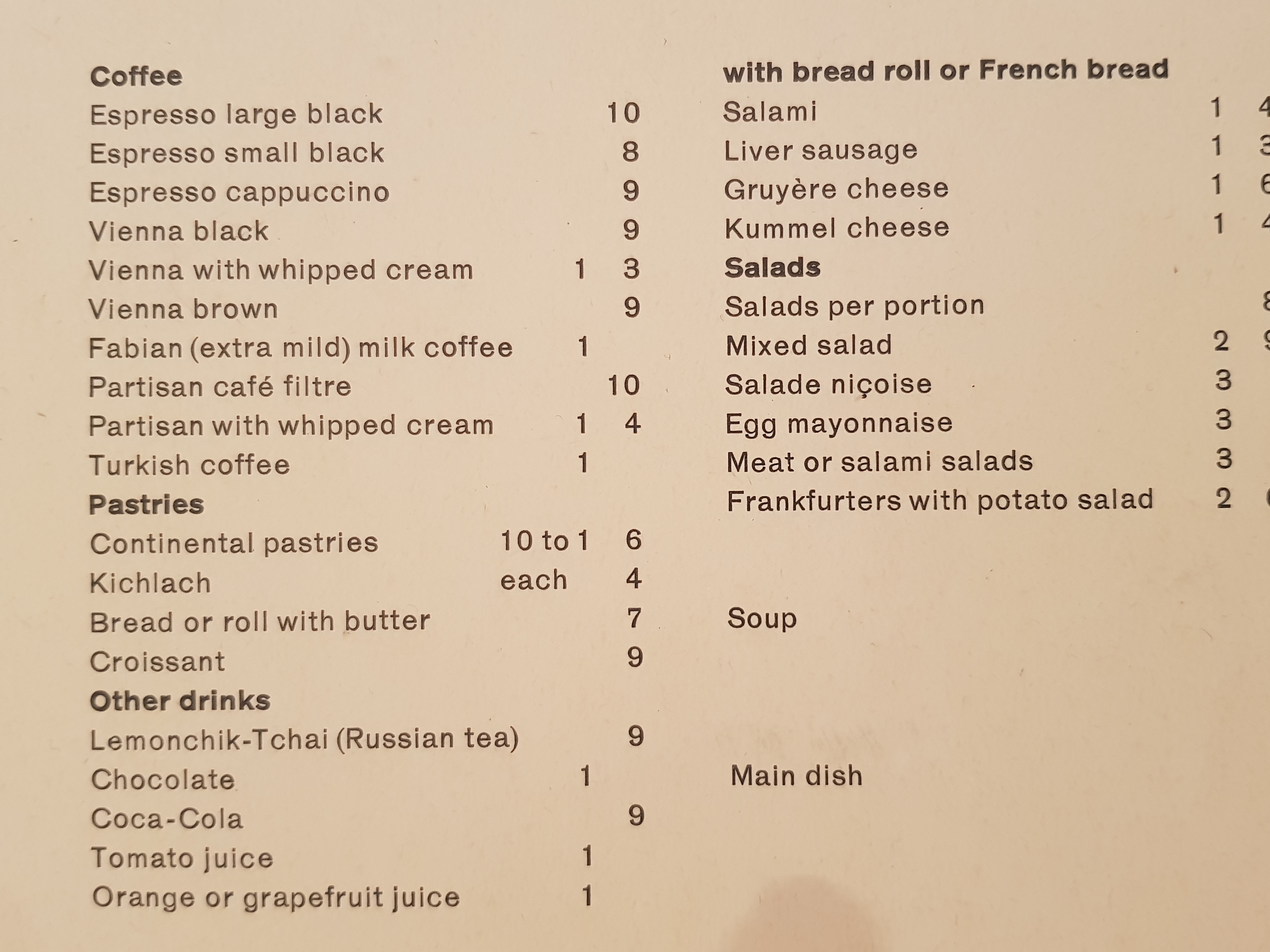
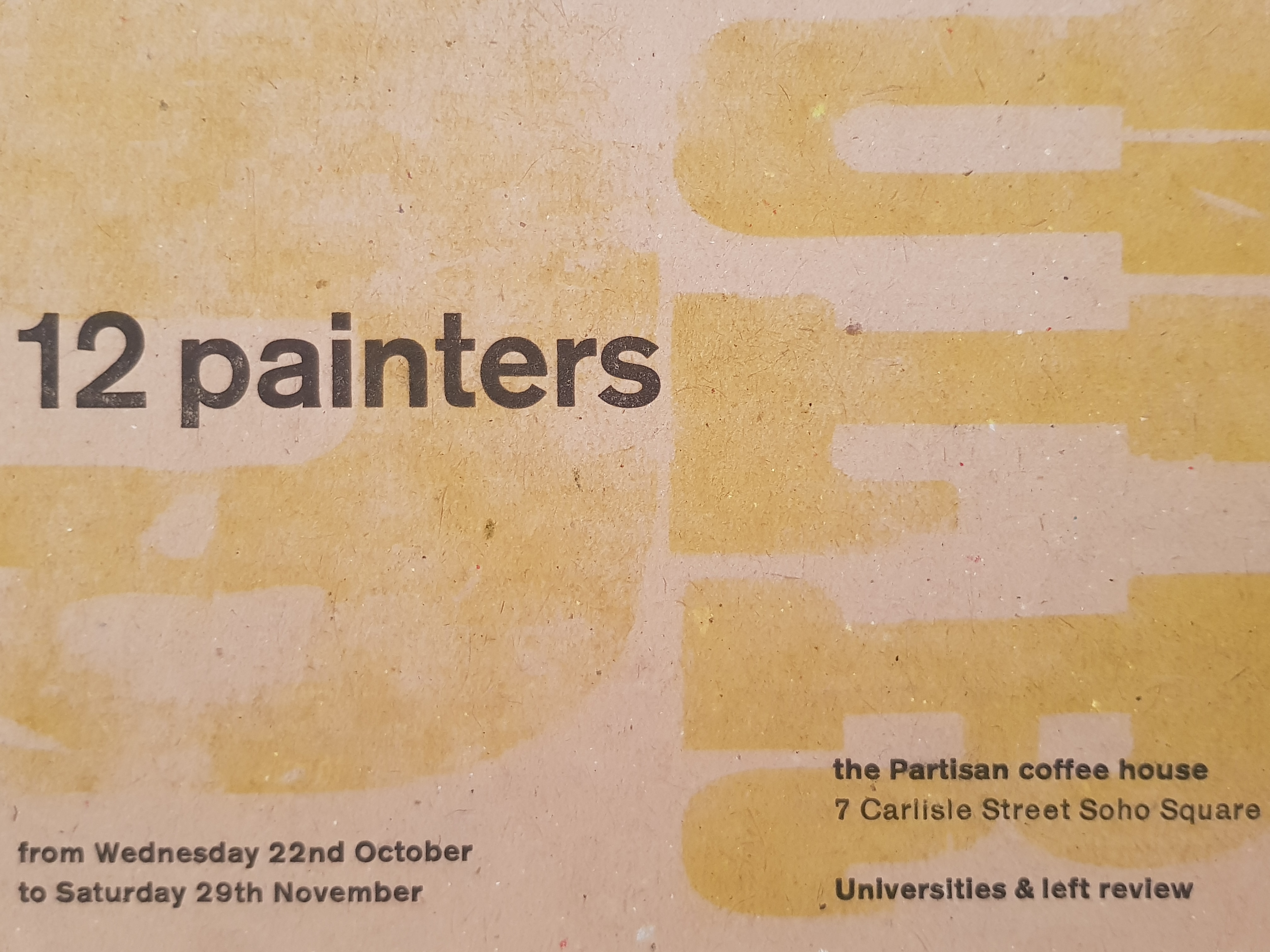
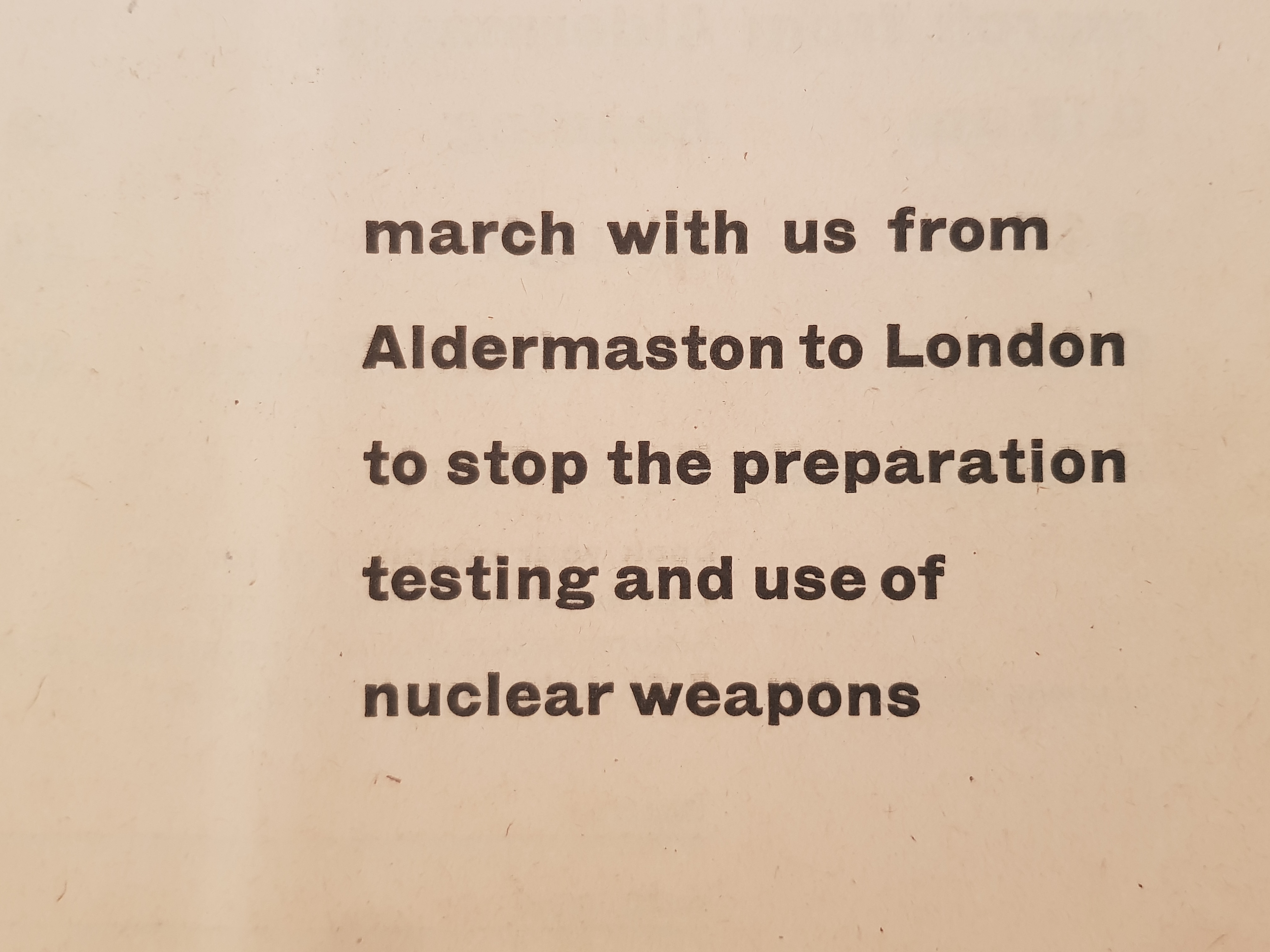
I was alerted to the existence of an exhibition about the Partisan Coffee House by an article in the Guardian. It was set up in October 1958 by Raphael Samuel – or Ralph Samuel as he then seems to have been known – to serve espressos to young leftists, including John Berger, Doris Lessing, Raymond Williams, E.P. Thompson and Stuart Hall and an unexpected number of young women, all dressed up in regulation duffle coats, who met to listen to talks by Michael Tippett and Stephen Spender, discuss jazz and ban-the-bomb. They were photographed by Roger Mayne and Raphael Samuel obviouly kept an archive of fringe publications and ephemera:-
Queen Mary Graduate Centre
In recent weeks, I have several times walked past a large new building which has arrived as if on stilts on the campus of Queen Mary University on Bancroft Road, sandwiched behind the engineering block. It’s the latest project designed for the university by WilkinsonEyre, although, to judge from the information available online, it was actually executed by a different practice. It’s part of the legacy of Philip Ogden, the geographer who realised the opportunity of transforming the university’s East London campus by intelligent commissioning of new buildings, which gave pleasure to the experience of being lightly grilled by Amanda Vickery in its lecture theatre last night:-

Abraham van der Doort
Amongst the many interesting facts I learned yesterday about Charles I’s collection, the subject of a big exhibition we are doing next year in celebration of our 250th. birthday, was that Abraham van der Doort, the first Surveyor of the King’s Pictures, a position subsequently occupied by Anthony Blunt, had committed suicide in 1640, distraught because he thought that he had mislaid one of the King’s miniatures. Such dedication ! Before his suicide, he had been occupied in drawing up a very detailed catalogue of the King’s collection, which was preserved by Elias Ashmole and survives in the Bodleian.
Buckingham Palace
I went to Buckingham Palace yesterday morning for a press conference to announce our joint Charles I exhibition next year in the unusually grand surroundings of the South Drawing Room, allowing me to walk through the arch of the Aston Webb façade, which is how Buckingham Palace is familiarly known, through to the inner courtyard and what is its real façade, designed by John Nash in the grandest and most expensive French neo-classical manner, together with elaborate porte-cochère, and an iron and glass veranda which is apparently Edwardian (no photography allowed)
This is Aston Webb:-

Stepney/Bow
I remembered to listen to the programme I helped make on Stepney and Bow, which was broadcast last week on Resonance FM (you can find it by googling Saumarez Smith/Resonance/East London). It’s much slower, less focussed and more ruminative than the programme about Spitalfields, partly because it was the first programme in the series to be made, so I didn’t have a sense of the format, and partly because Stepney and Bow are so much less coherent as historical neighbourhoods than Spitalfields. You still get a strong sense of how important artists and the practice of art have been to the development of the area, with the establishment of the Chisenhale Gallery, Matt’s Gallery and Maureen Paley in the 1970s; the advantages of mixed neighbourhoods and the virtues of post-war social housing; and of the way the city develops not through planning, but negotiation and happenstance.
Charleston Festival
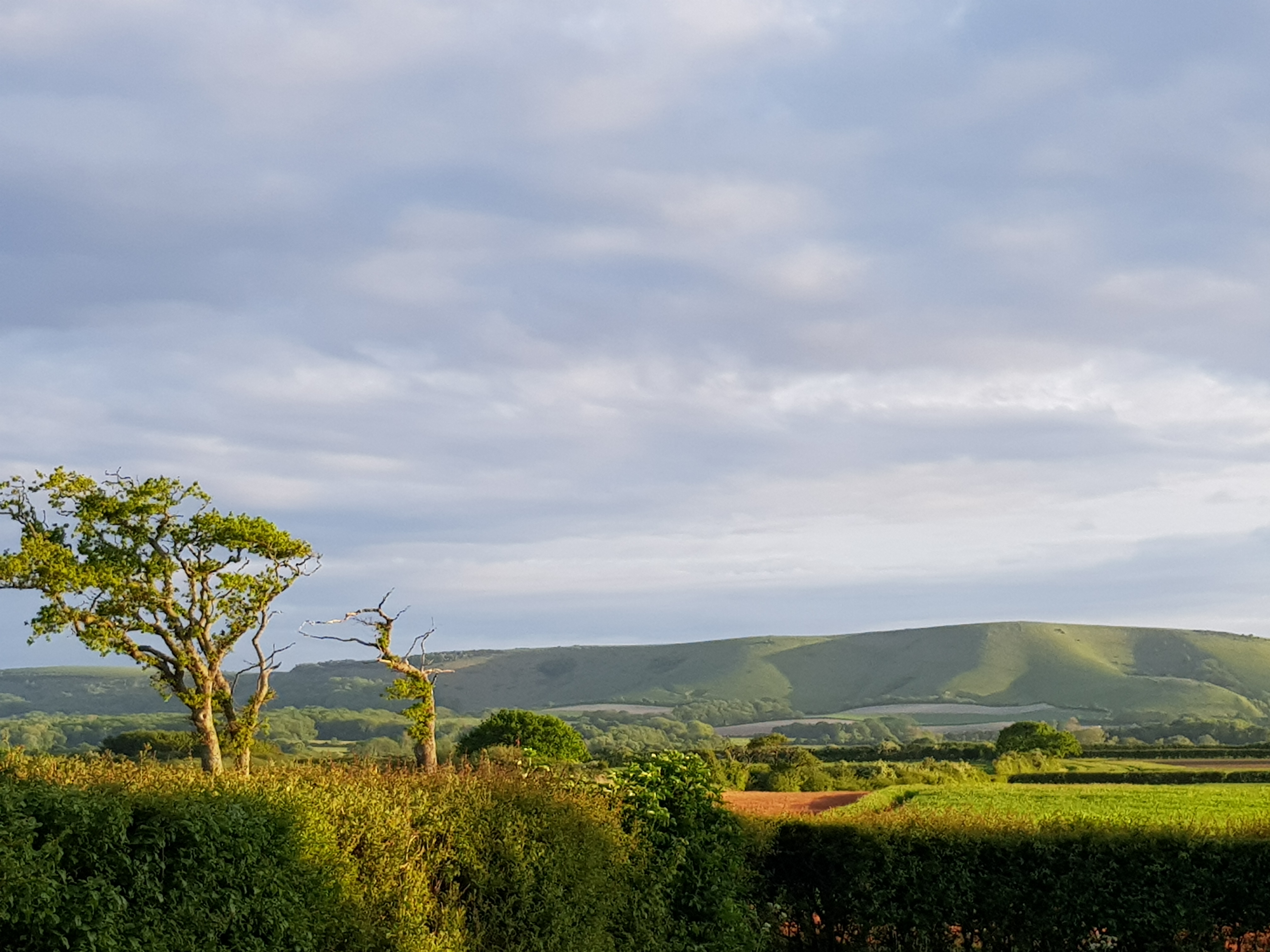
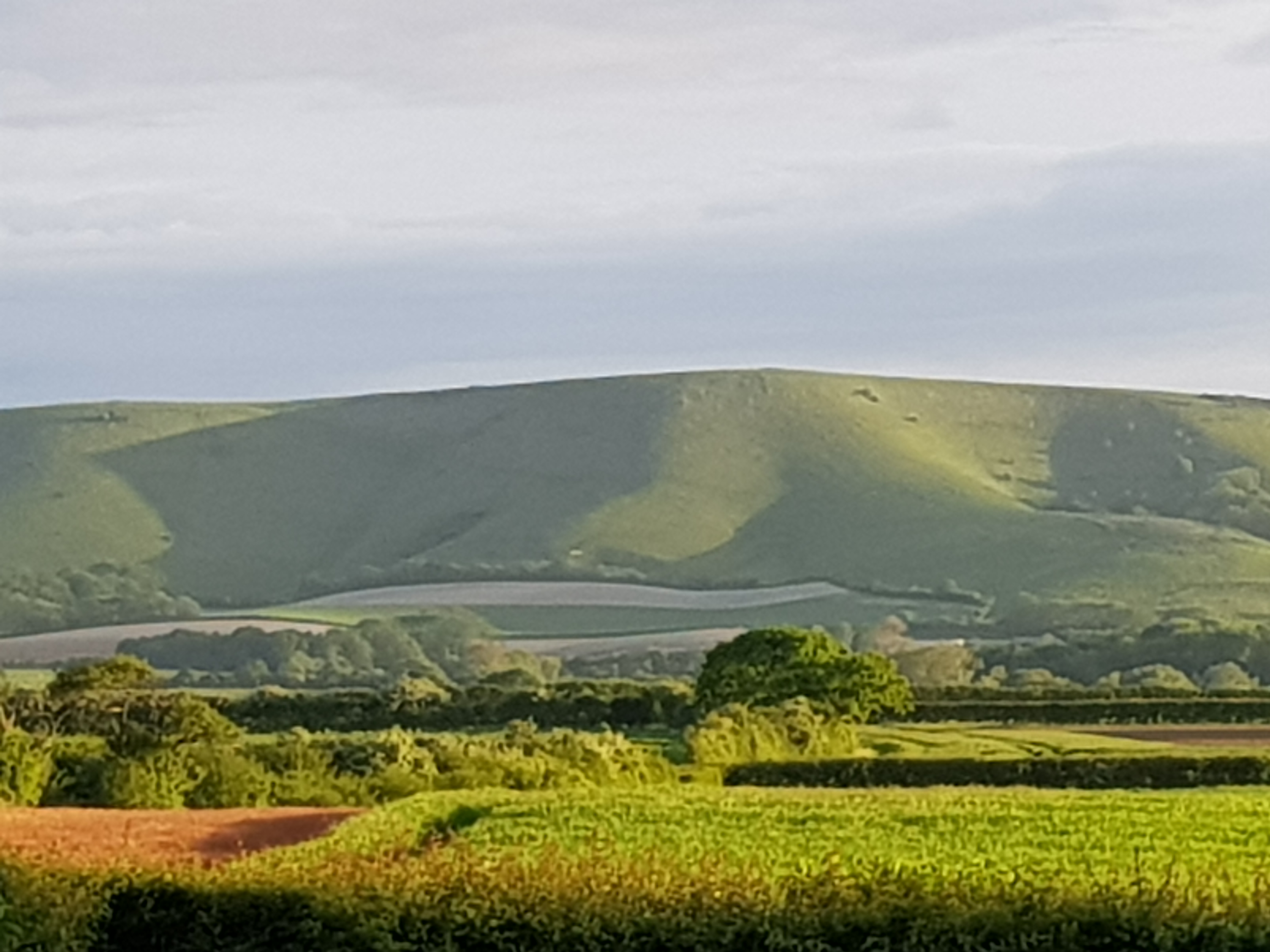
We had our annual visit to the Charleston Festival. We heard Anne Sebba talk about the experience of French women in Paris during the war, Artemis Cooper on Elizabeth Jane Howard and a debate on the relative merits of Turner and Monet which was unexpectedly won easily by Turner (a vote for a British painter, perhaps). But most impressive was the view of Firle Beacon and the line of the South Downs as we drove back from a private performance of Weber Invitation to the Dance and Ravel Miroirs:-
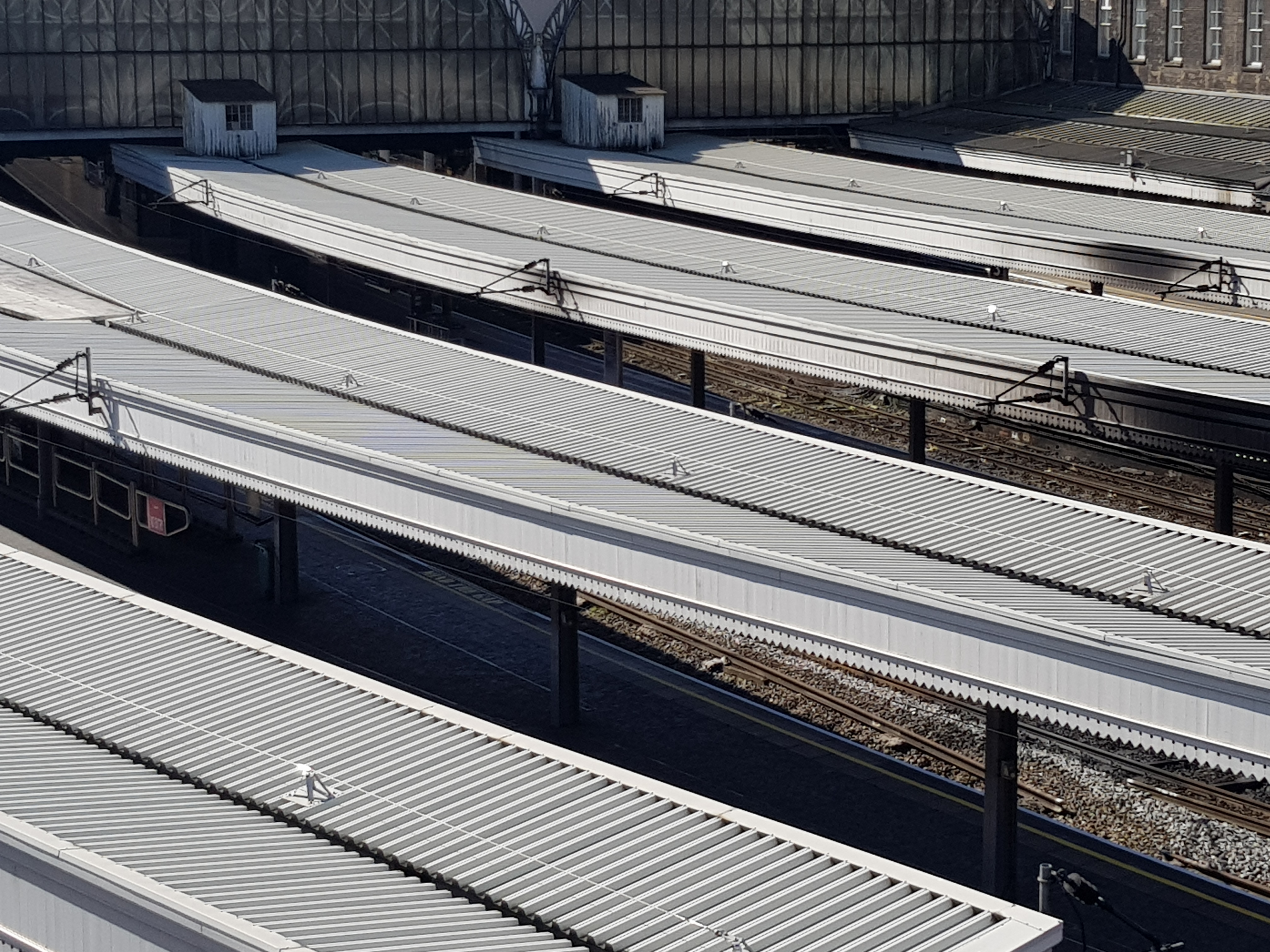
Early morning in Paddington
An early morning haircut meant that I was wandering the streets of Paddington, admiring the Regency ripple of Gloucester Terrace (actually, post-Regency because it was laid out in 1843 and not completed till 1852):-

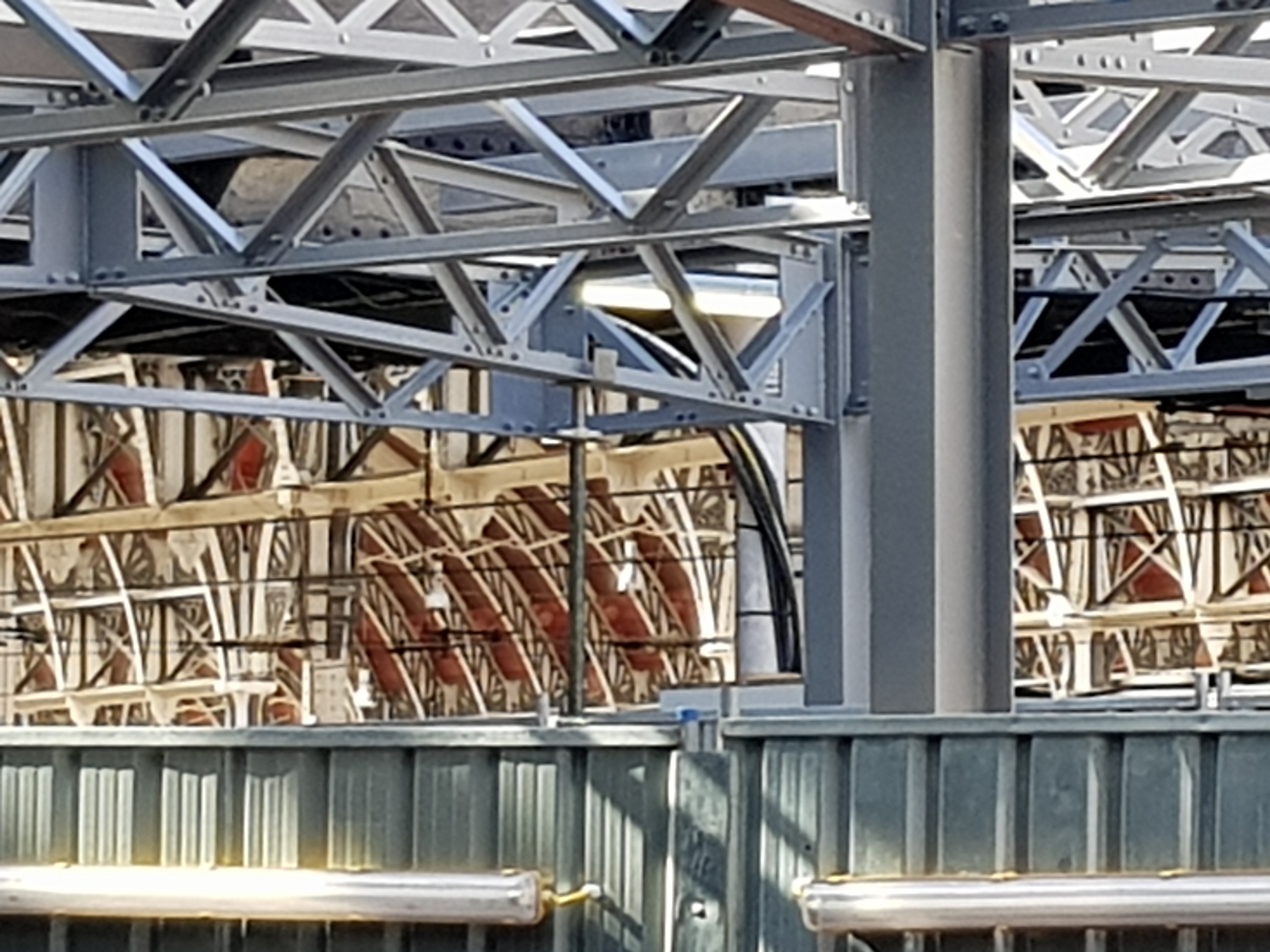
And Paddington Station itself, 1853 by Brunel:-

St. Paul’s Cathedral (3)
After a few days in Venice, I found myself walking across Norman Foster’s Millennium Bridge and admiring, as I often do, Wren’s great dome to St. Paul’s and wondering how he acquired his knowledge of the emotional force of seventeenth-century classicism, when by temperament he was such a cool and unemotional and technologically minded mathematician, whose knowledge of European architecture was limited to a single short visit to Paris in 1663 and study of the precepts of Italian architecture through books and engravings:-

Venice Biennale (2)
I had been through the Arsenale before and was pleased to go through more slowly, appreciating, for example, Franz Erhard Walther’s Wall Formation ‘Yellow Modeling’:-

I was pleased to see the New Zealand pavilion by Lisa Reihana; and again admired what I realised was the Italian pavilion, including Giorgio Andreotta Calò’s Senza titolo (La fine del mondo), which I had missed out before:-

 | Charles | Saumarez | Smith |
You must be logged in to post a comment.